Recently in travel Category

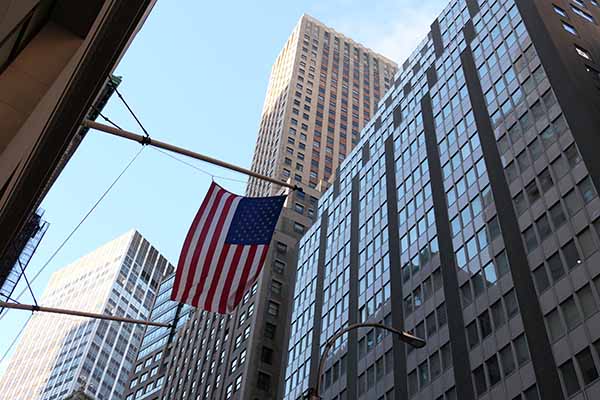
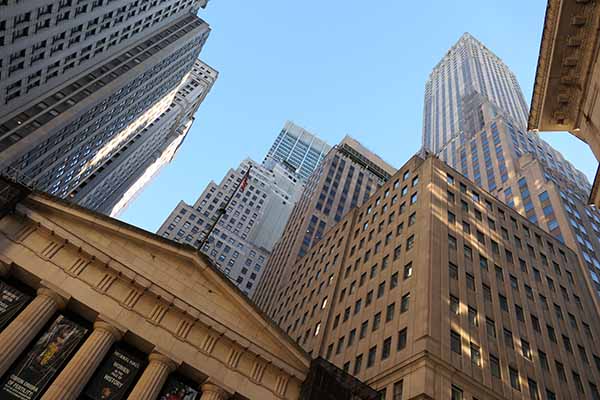
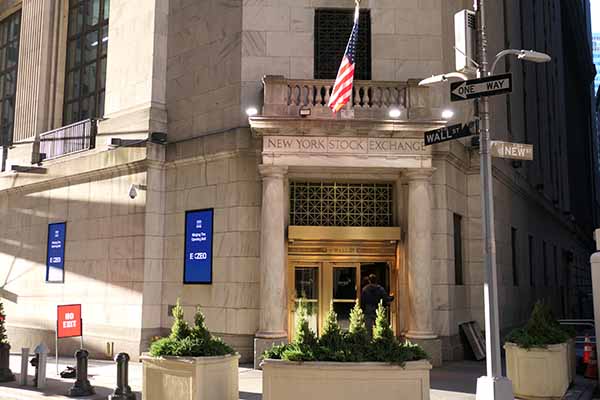
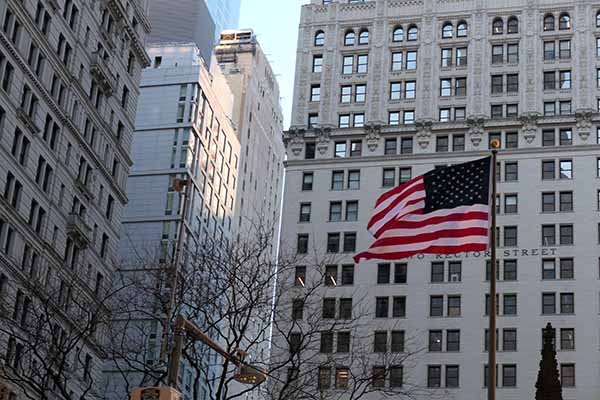
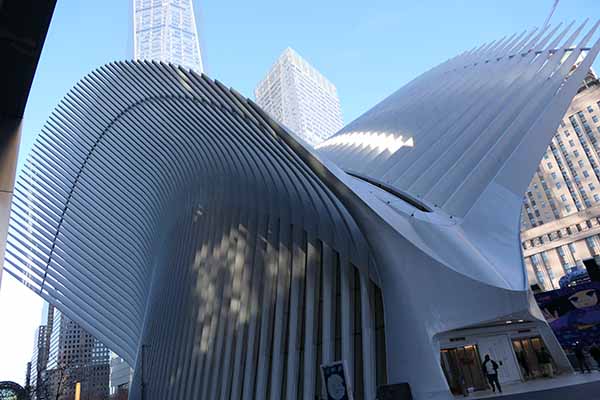
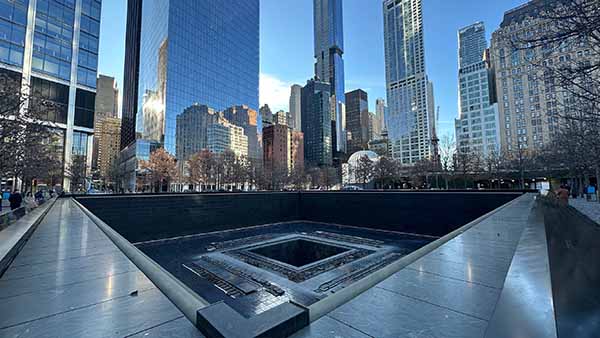
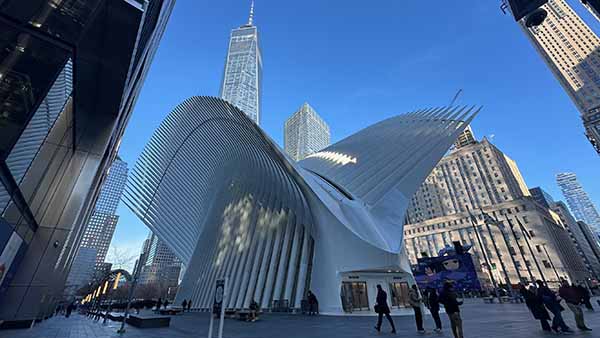
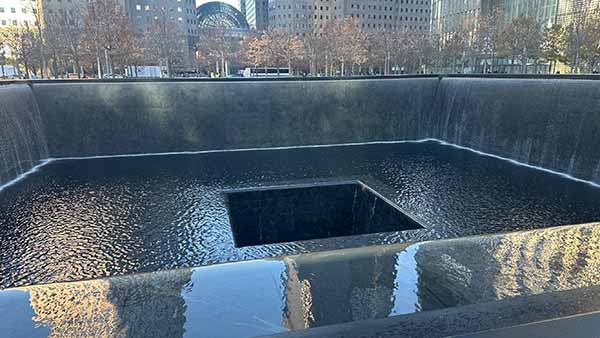
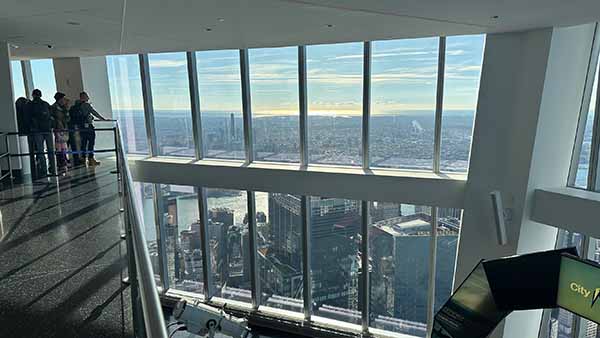
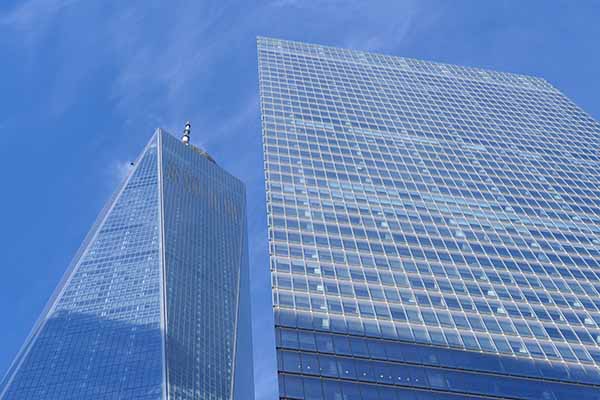
The One World Trade building was built near to the former World Trade Centre in New York City after the towers were destroyed by a terrorist attack in 2001. The new building is the tallest in the western hemisphere and one of the tallest buildings in the world. When I visited last December, I took some photographs of "ground zero" where the footprints of the two twin towers were located and are now memorials to those who lost their lives. The names of those are located around the base, and roses are placed on the names from time to time to remember special days. Visitors can view the observation deck on the towers for views over New York City.

oneworldtrade1.jpg

There is also a museum dedicated to ground zero as well.

oneworldtrade

oneworldtrade

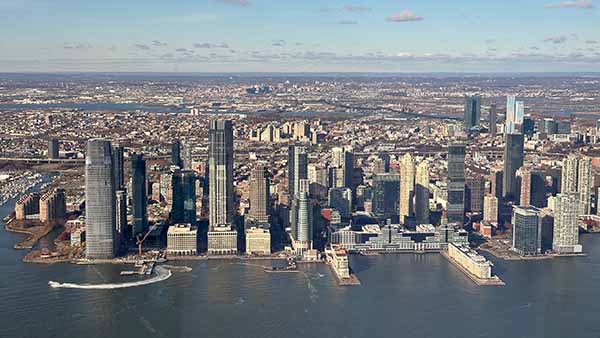
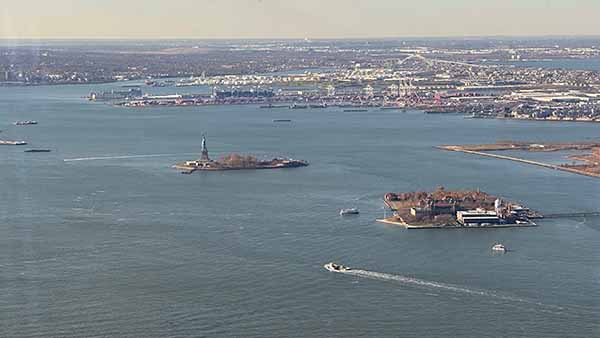
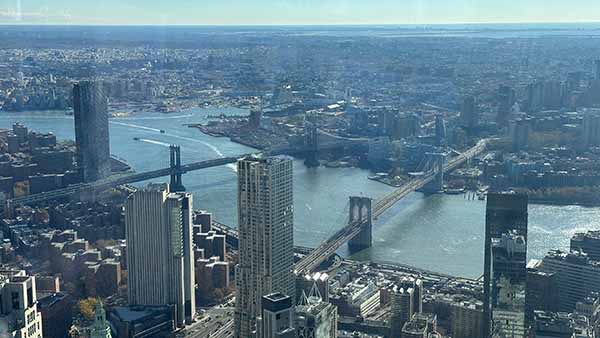
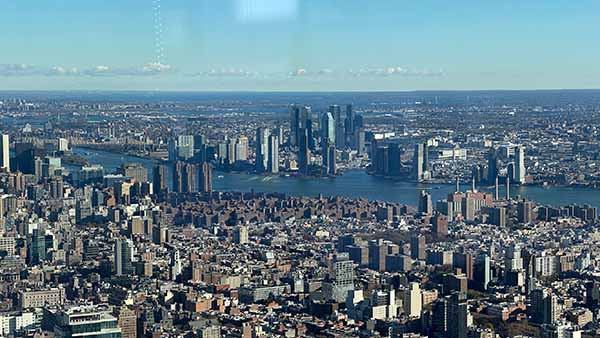
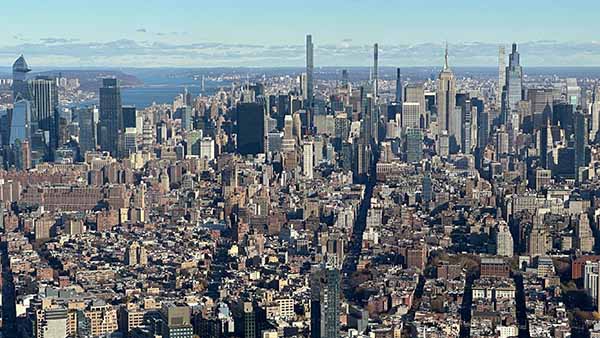
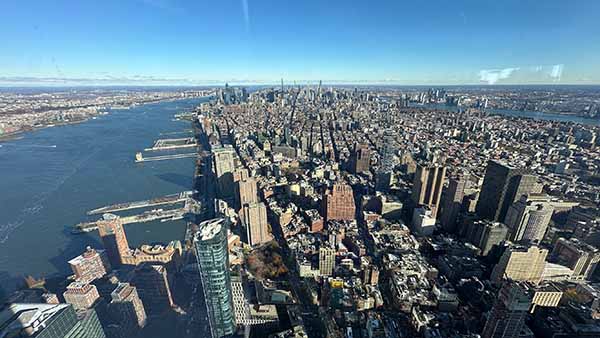
The views from the top look amazing.

oneworldtrade

oneworldtrade

oneworldtrade

oneworldtrade

oneworldtrade

oneworldtrade

oneworldtrade

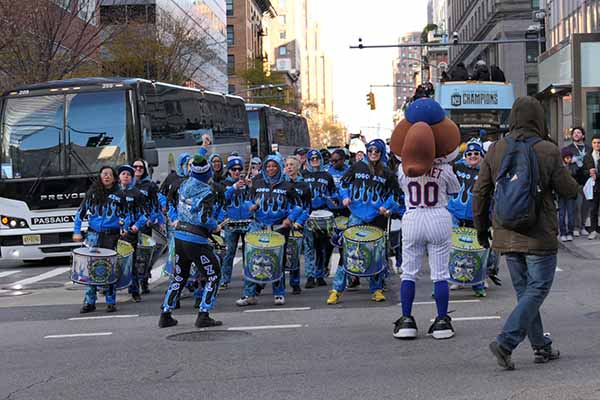
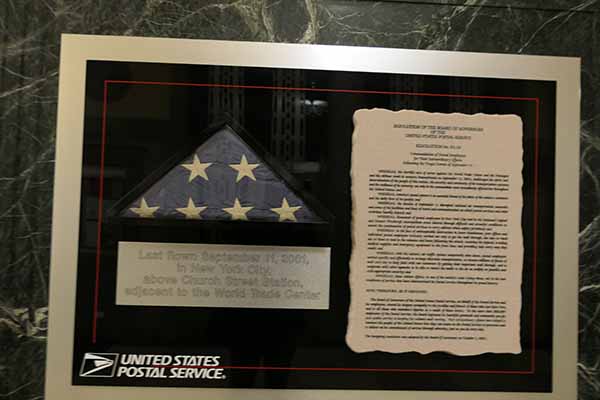
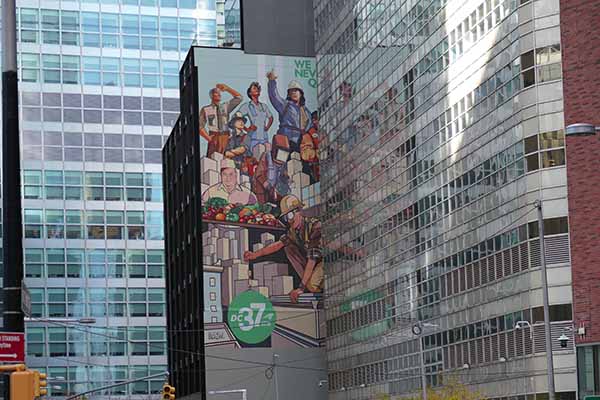
I saw bands from the Mets baseball game playing on the streets below, street art, and a part of the flag flown for the last time on 11 September 2001 during the tragic day. The flag is located in the post office around the corner.

oneworldtrade

oneworldtrade

oneworldtrade

oneworldtrade

The observation platform is perfect to see on a clear day.

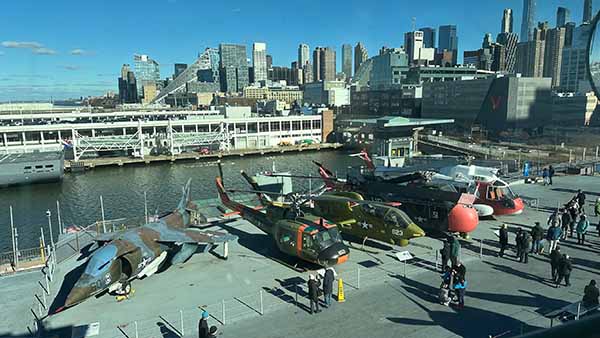
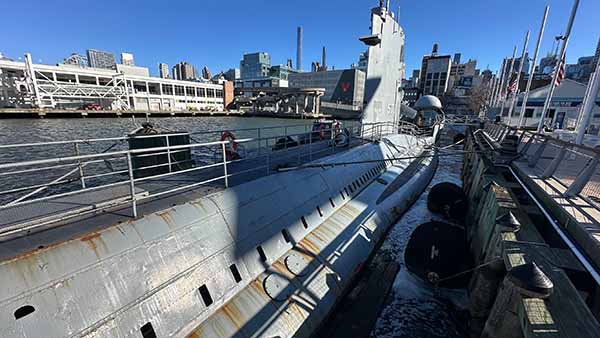
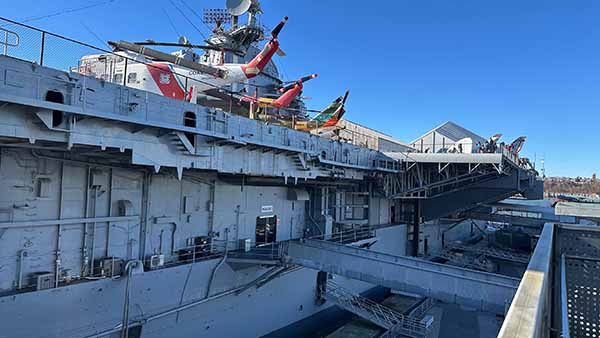
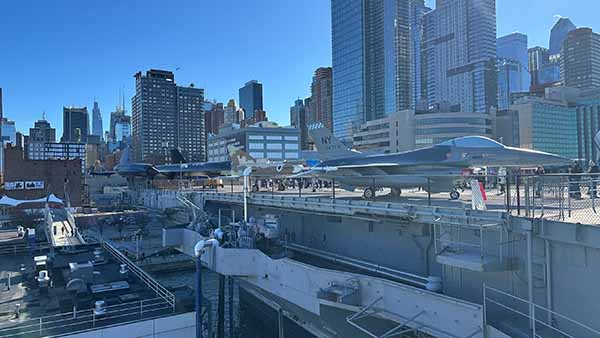
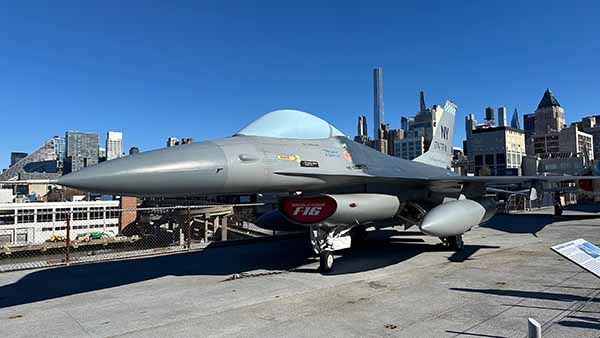
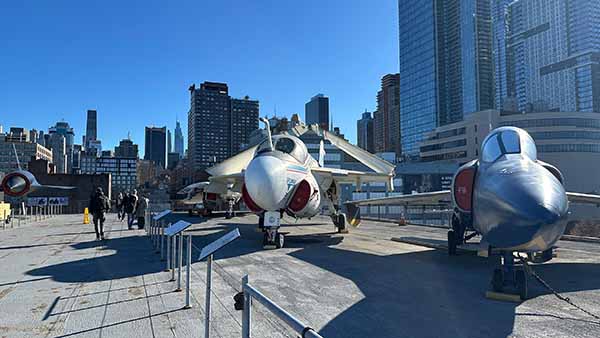
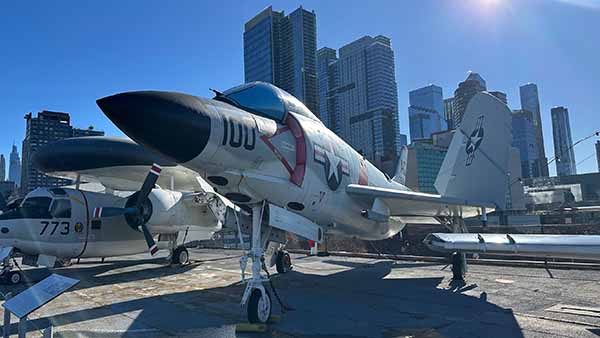
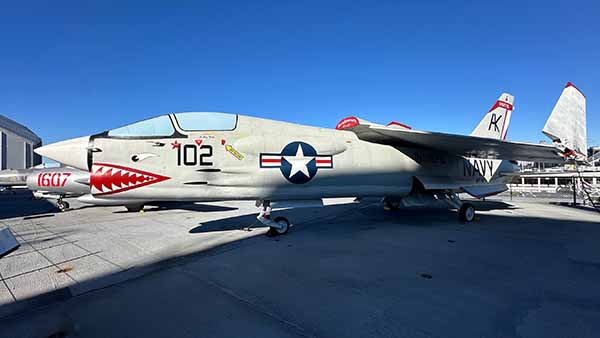
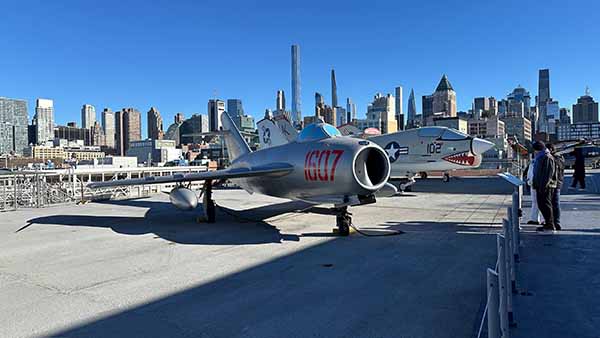
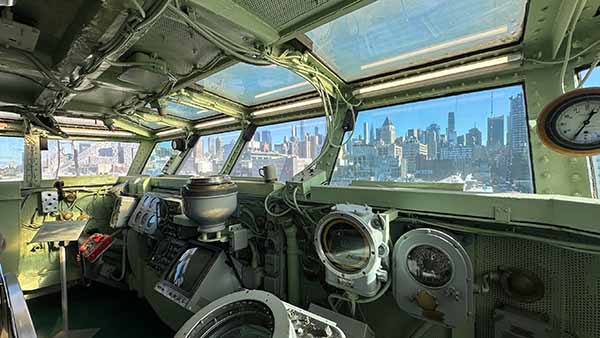
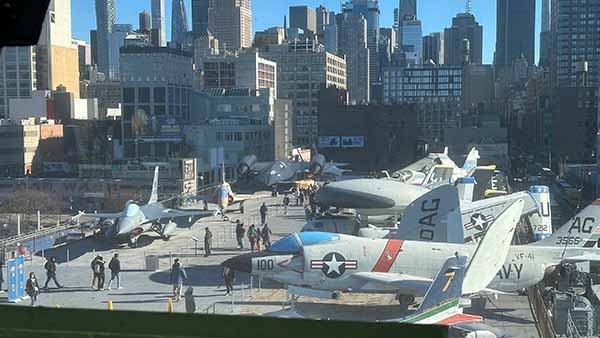
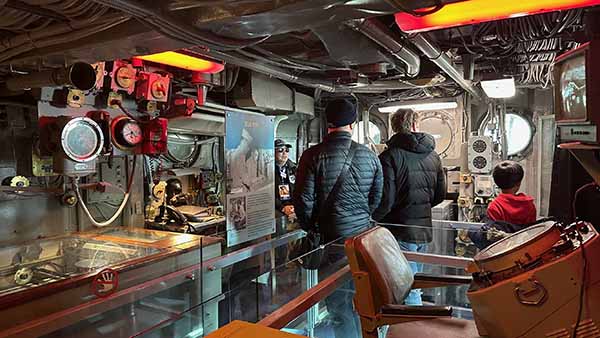
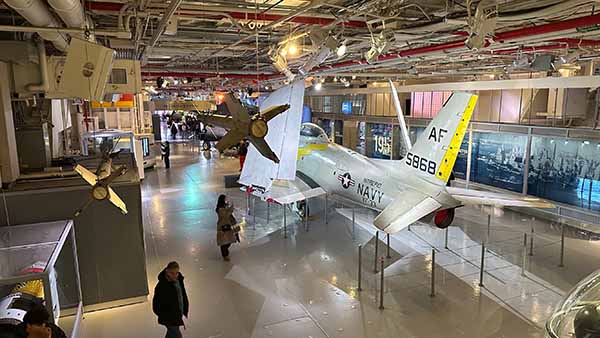
One of the museums that I visited on my last trip to New York City was the Intrepid Museum, a museum dedicated to aviation, space, and sea. The museum is named after the "Intrepid", a 1940s aircraft carrier, where a large display of military aircraft from around the world can be seen on deck with additional exhibits inside the ship.   

intrepid-nyc1.jpg

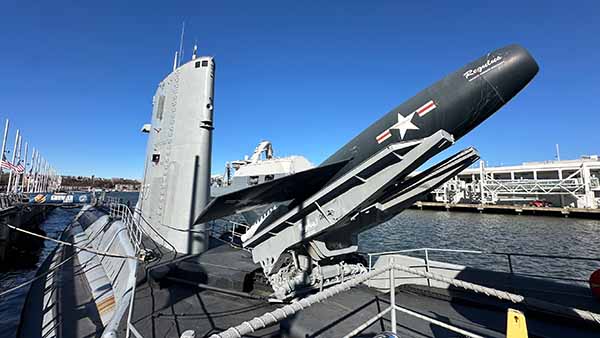
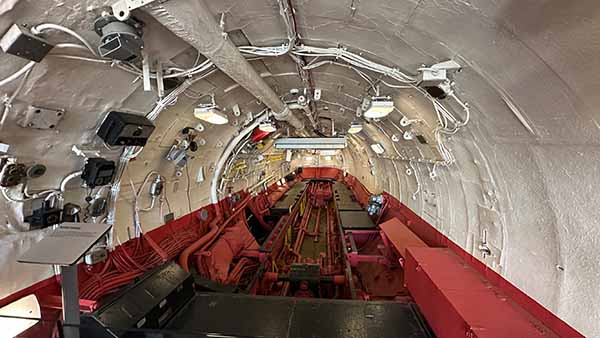
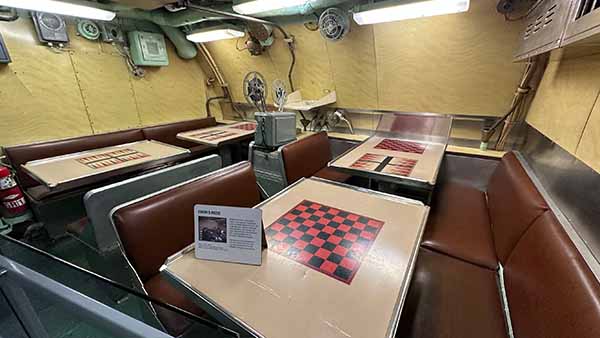
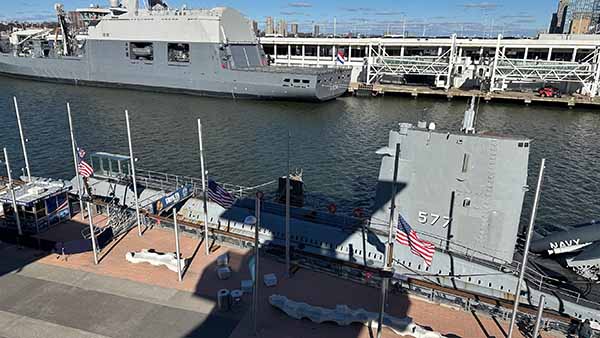
There is also a submarine to visit, called the "USS Growler", which was used in the Cold War. Visitors could wander through the lower part of the submarine and see where the crew lived and worked.

intrepid-nyc

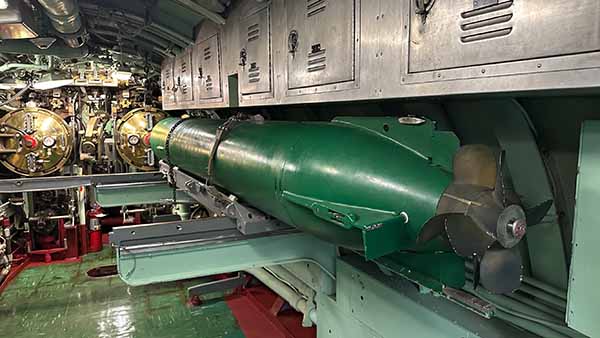
Missiles were stored here.

intrepid-nyc

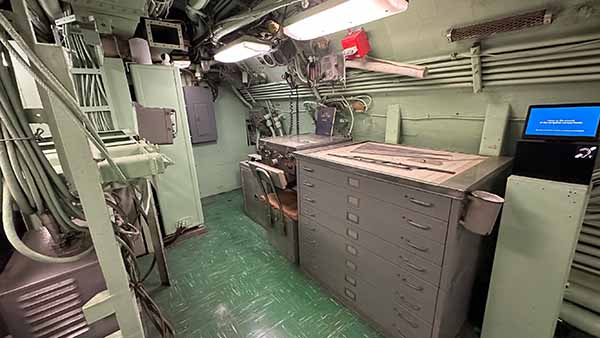
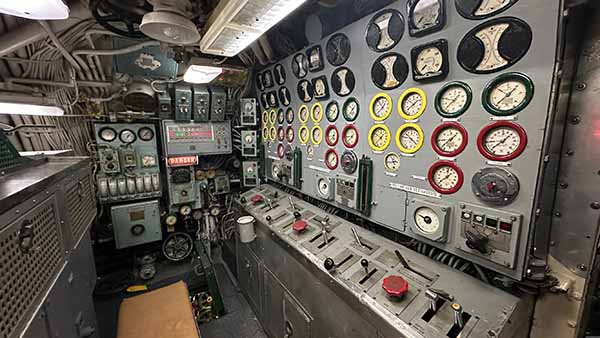
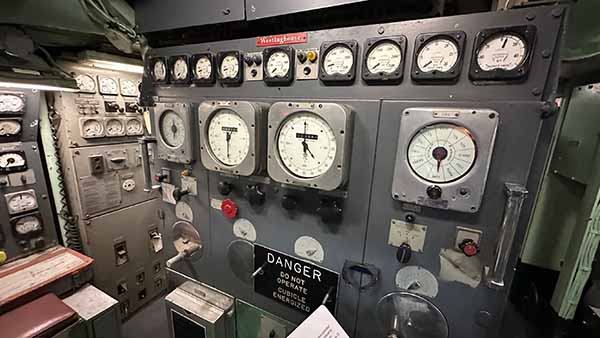
We went in a one-way tour through the submarine museum at our own pace and saw various living, working, and social areas.

intrepid-nyc

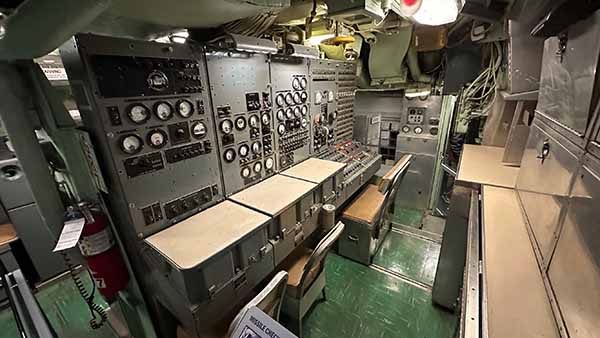
A control room

intrepid-nyc

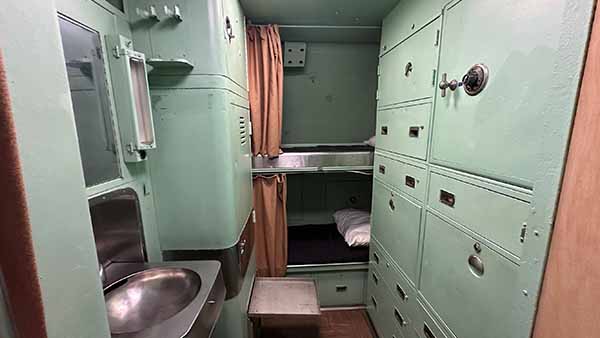
A bedroom for some of the higher levels in the crew 

intrepid-nyc

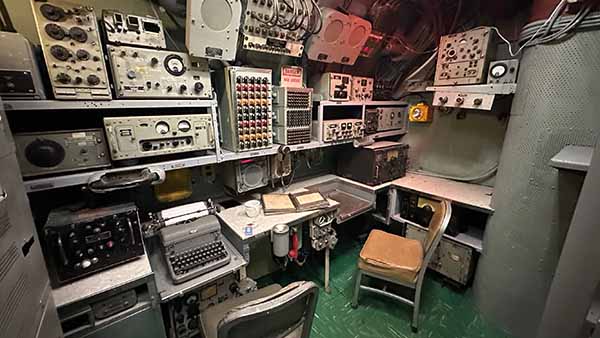
A control communications room

intrepid-nyc

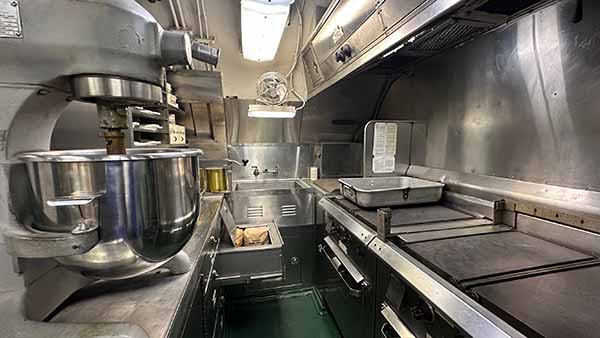
Kitchen

intrepid-nyc

Officer's room 

intrepid-nyc

intrepid-nyc

intrepid-nyc

Missiles

intrepid-nyc

intrepid-nyc

After visiting the submarine, I went up to the aircraft carrier to have a look around.

intrepid-nyc

intrepid-nyc

intrepid-nyc

intrepid-nyc

intrepid-nyc

intrepid-nyc

intrepid-nyc

intrepid-nyc

intrepid-nyc

intrepid-nyc

intrepid-nyc

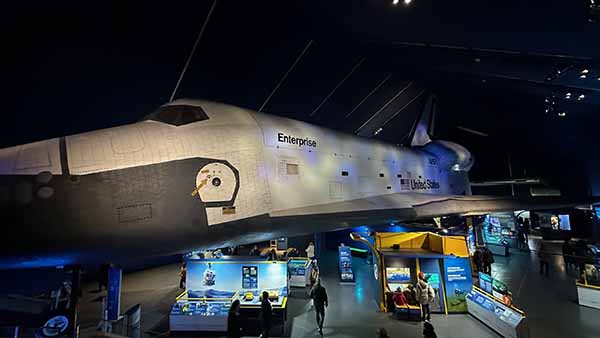
There is also a space museum here with one of the spacecraft - Enterprise.

intrepid-nyc

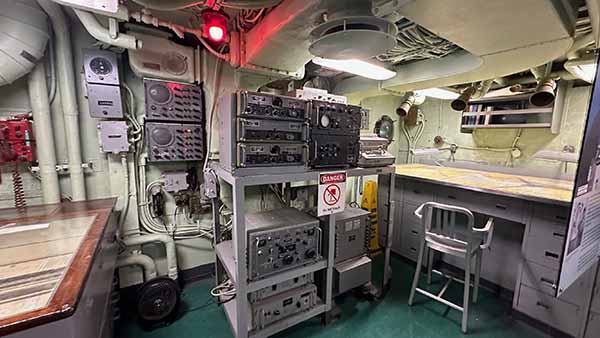
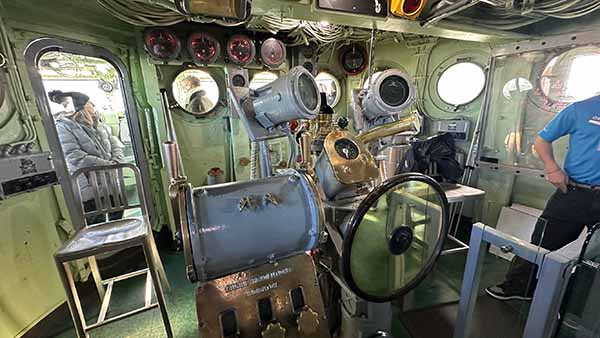
We could also explore the "Intrepid" working areas.

intrepid-nyc

intrepid-nyc

intrepid-nyc

intrepid-nyc

intrepid-nyc

There was also a model of the ship with planes inside the carrier.

intrepid-nyc

intrepid-nyc

This is an informative museum if you enjoy history and aircraft, seacraft, and space. The museum is open daily and is a short walk from Hell's Kitchen.

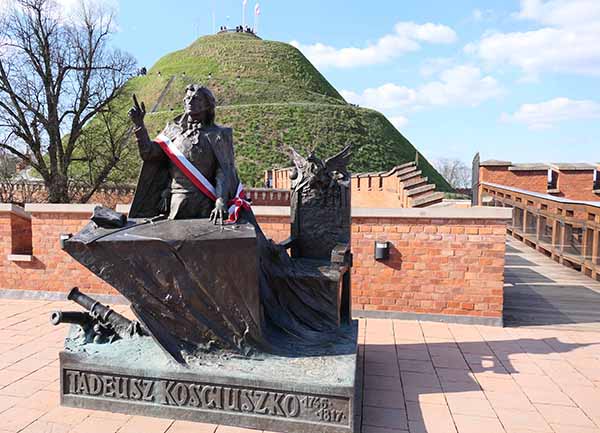
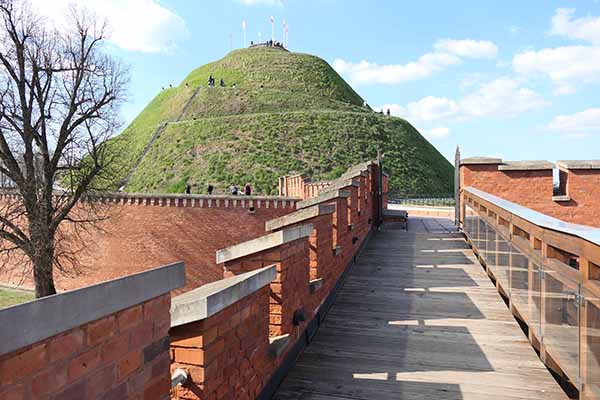
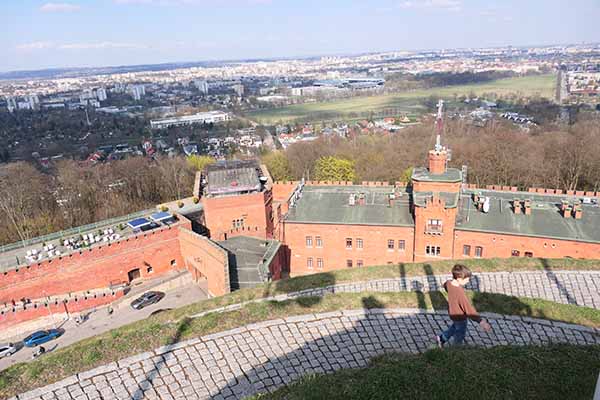
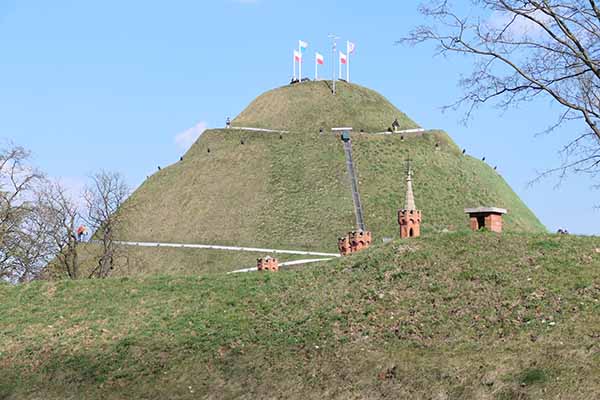
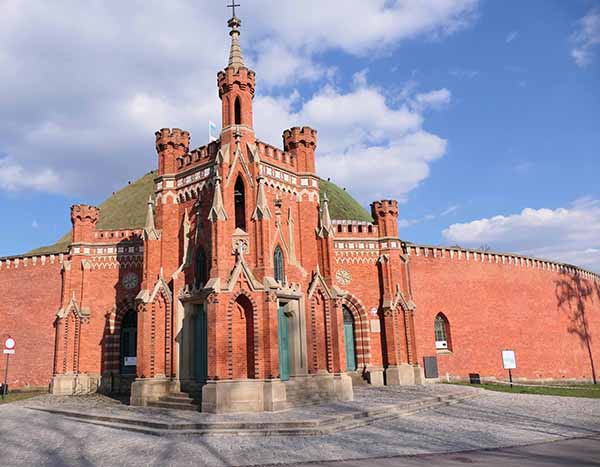
I visited the Kościuszko Mound in April. The mound is a tribute memorial to Tadeusz Kościuszko and located a couple of miles to the west of central Krakow. Tadeusz Kościuszko was a Polish engineer and military leader who fought against Russia and in the American Revolutionary War during he late 1700s and early 1800s. He was a friend to Thomas Jefferson and sought to protect the less fortunate members of society and to abolish slavery, and he helped to design military forts in the United States, such as Fort Clinton / West Point. The building next to the entrance of the mound contains a museum of the life of Kościuszko with some personal items on display, and visitors can climb the mound for views.

kosciuszko1.jpg

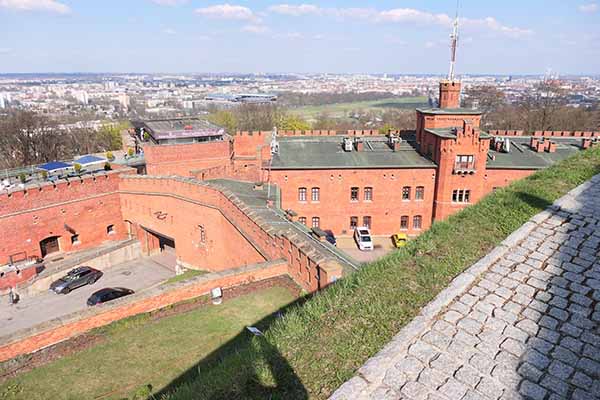
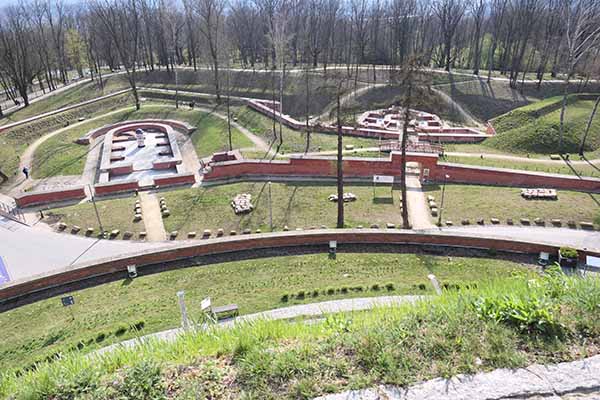
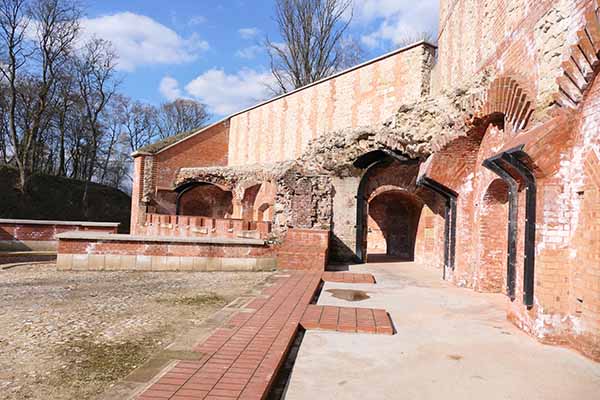
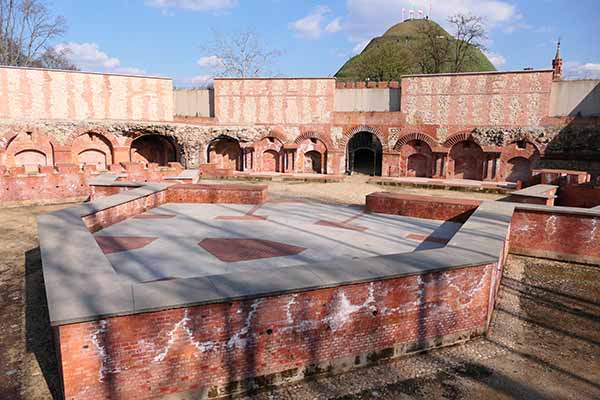
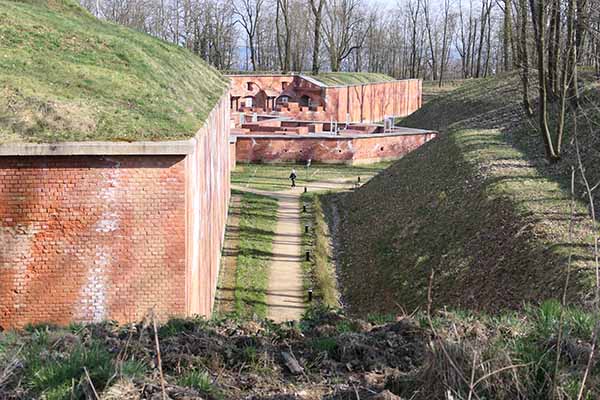
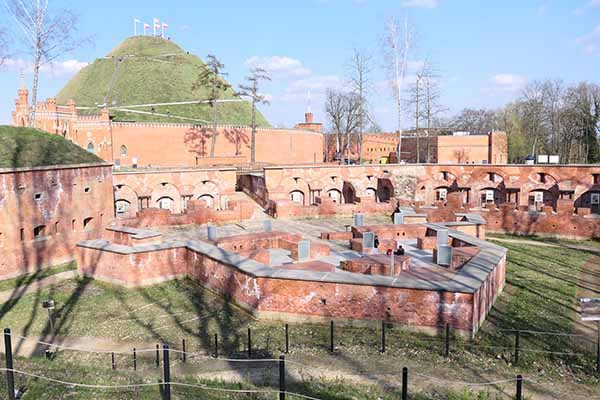
The fort at the mound contains the engineering style (polygon shape) that the engineer created and mimics West Point in the states. He incorporated trees into the design to help protect against wind and climate. There is more information at the mound about the use and style of the fort. 

kosciuszko

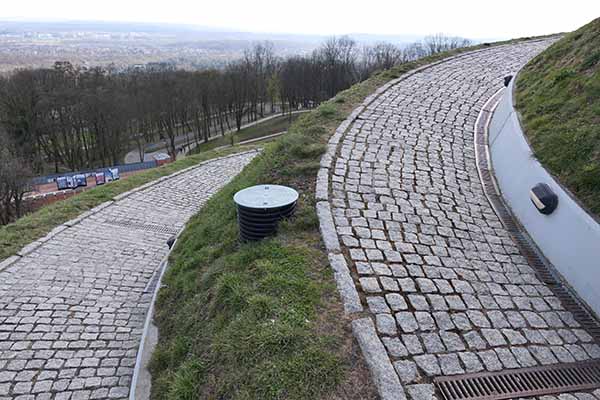
After learning a little about the man, I took a walk up to the mound to enjoy the views. 

kosciuszko

kosciuszko

kosciuszko

kosciuszko

kosciuszko

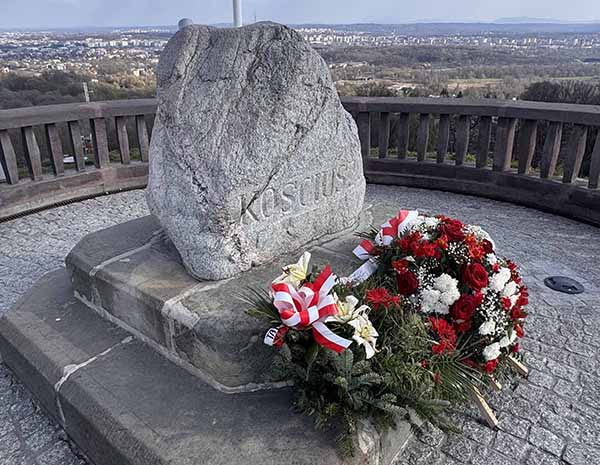
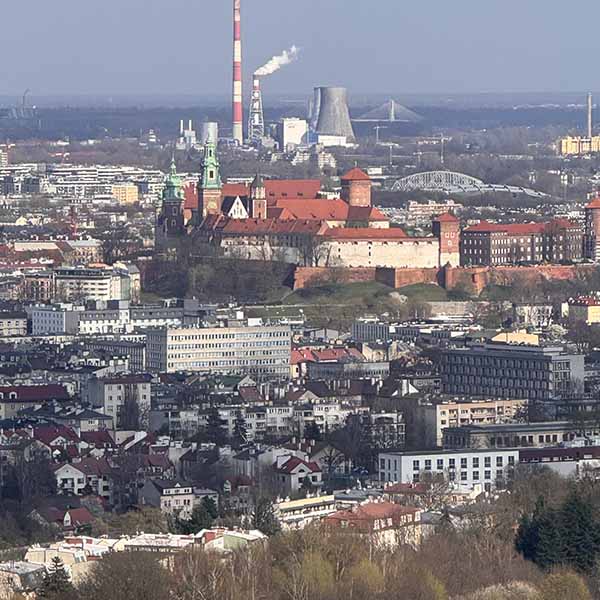
At the top is the memorial ston and flowers. It was windy at the top. I could see the old town in Krakow and the castle.

kosciuszko

kosciuszko

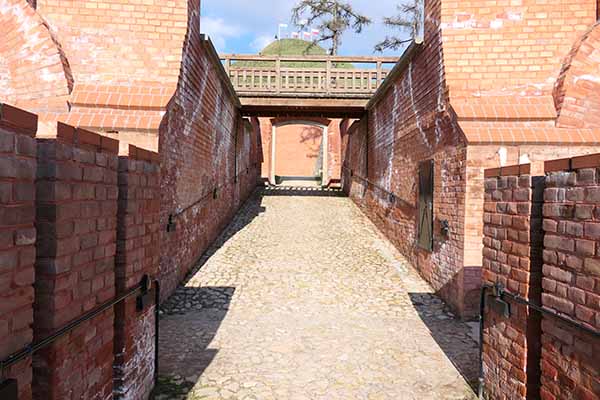
After descending from the mound, I had a wander around the ruins of the fort outside.

kosciuszko

kosciuszko

kosciuszko

kosciuszko

kosciuszko

kosciuszko

kosciuszko

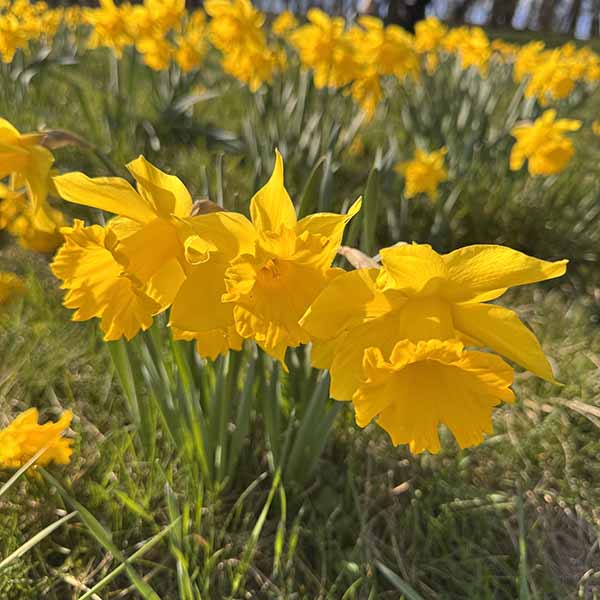
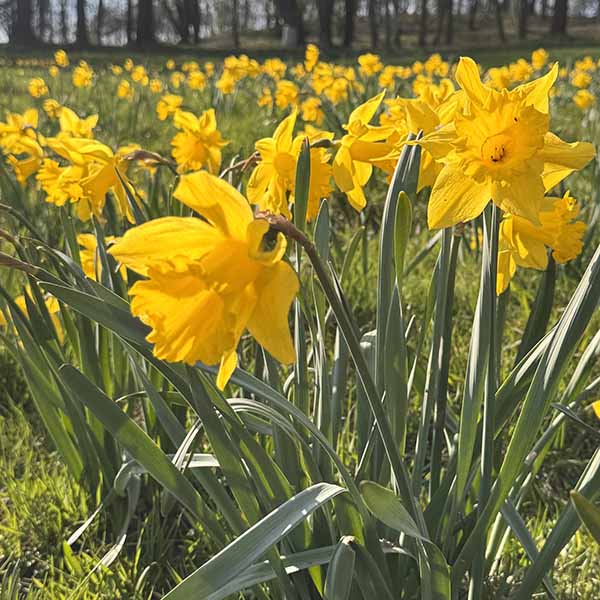
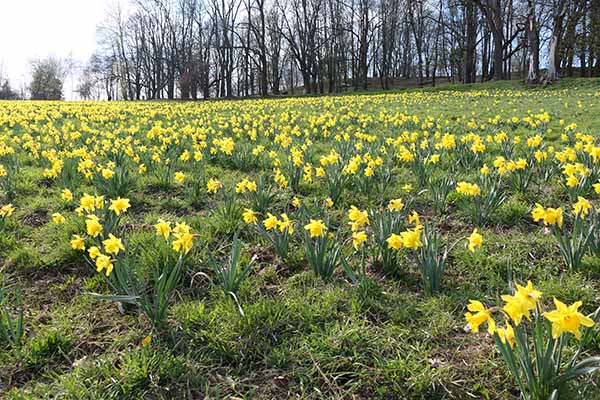
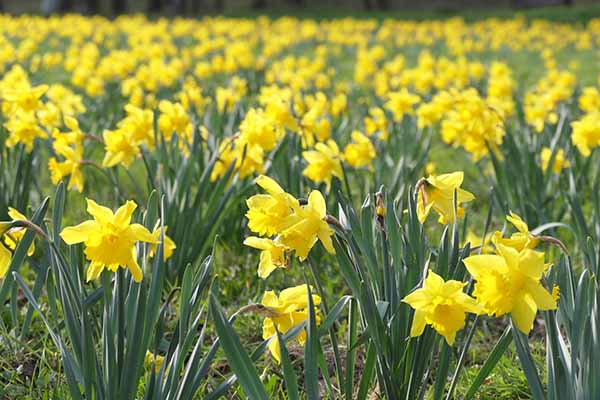
The approach up to the mound and museum was covered with beautiful yellow daffodils in abundance. I took a few photographs of them because they were very pretty.

kosciuszko

kosciuszko

kosciuszko

kosciuszko

A taxi to the mound from the centre of Krakow was not very far, and I enjoyed the museum, mound, and the beautiful daffodils.

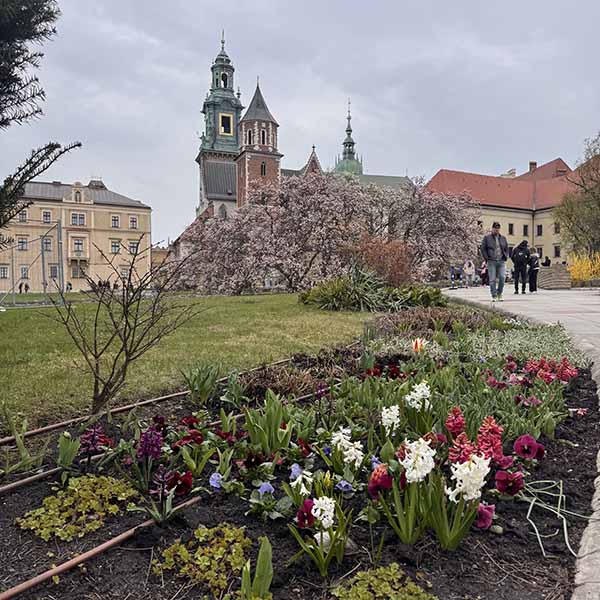
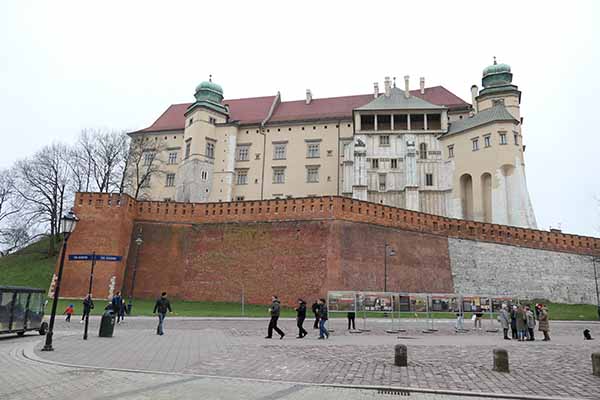
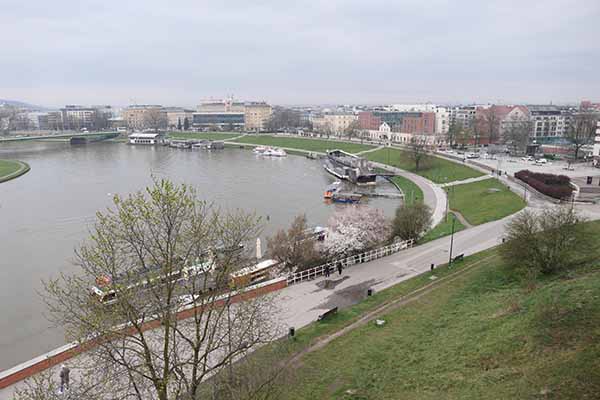
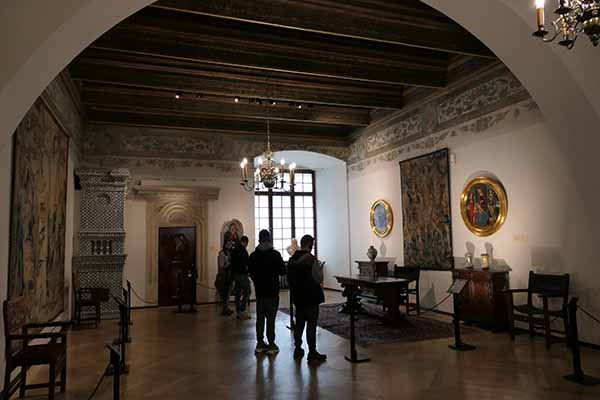
One of the most popular attractions in Krakow, Poland, is Wawal Royal Castle. Visitors can easily spend a day at the castle to visit the art collection and other exhibits. The complex also contains the cathedral and several smaller museums. Dating from the 13th and 14th centuries, the castle is located on a hill above the Vistula river. It is a UNESCO World Heritage attraction. I visited the castle and cathedral on my visit to Krakow at the beginning of the month.
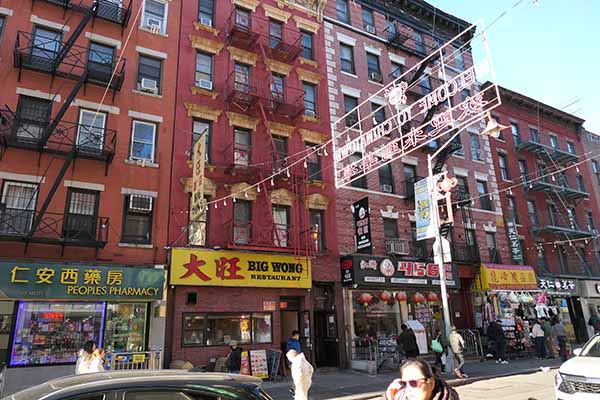
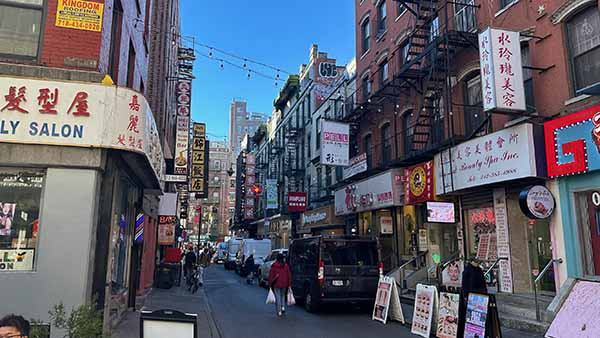
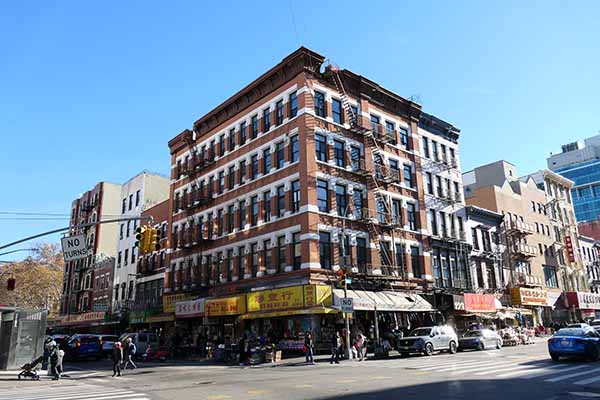
krakow-castle1.jpg

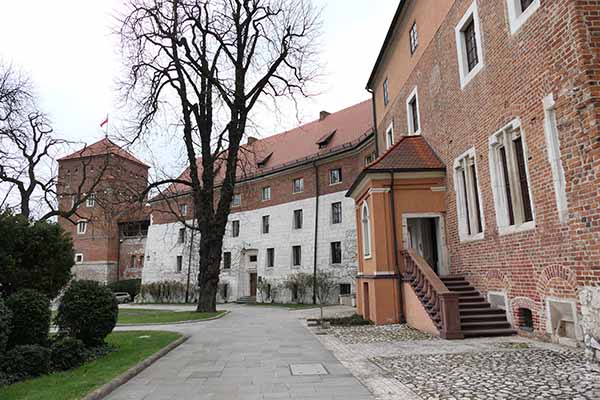
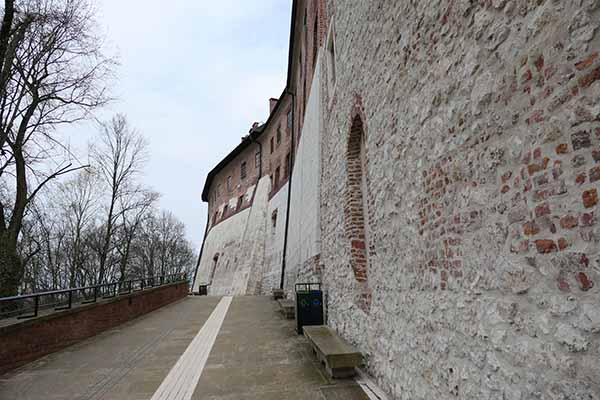
The castle is part of the old town of Krakow and a short walk from the main square. 

krakow-castle

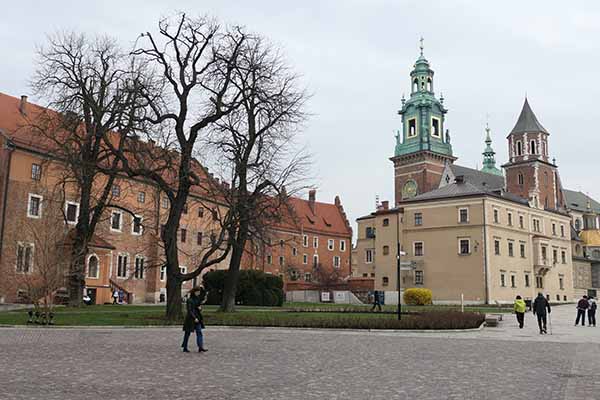
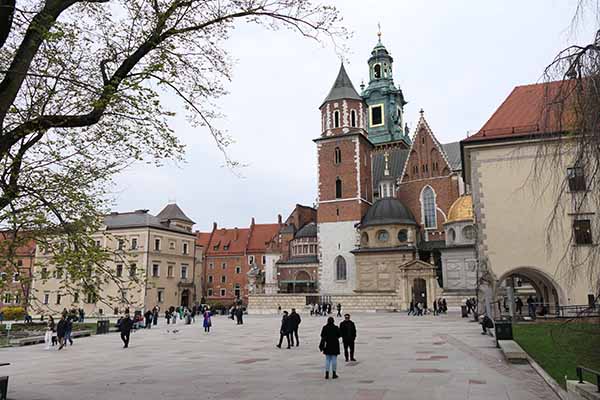
At the top of the hill, the castle opens into an internal courtyard. There is also a post office up on top of the hill, which is convenient for stamps and postcards. There is a restaurant and a smaller outdoor cafe too.

krakow-castle

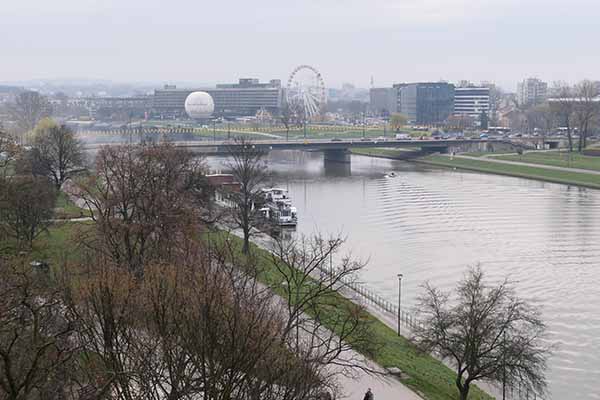
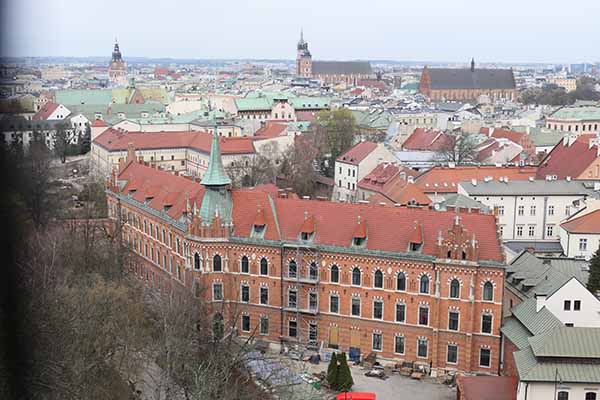
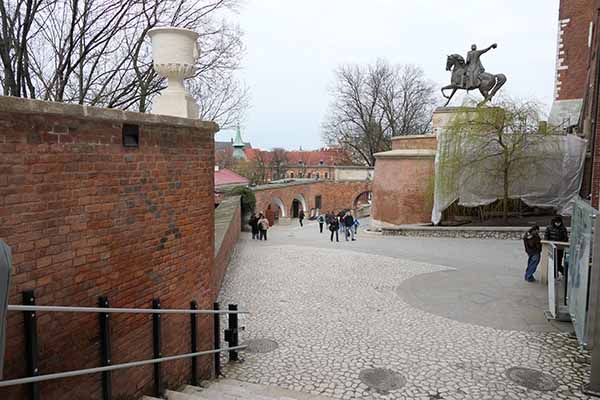
There are views over the river valley.

krakow-castle

krakow-castle

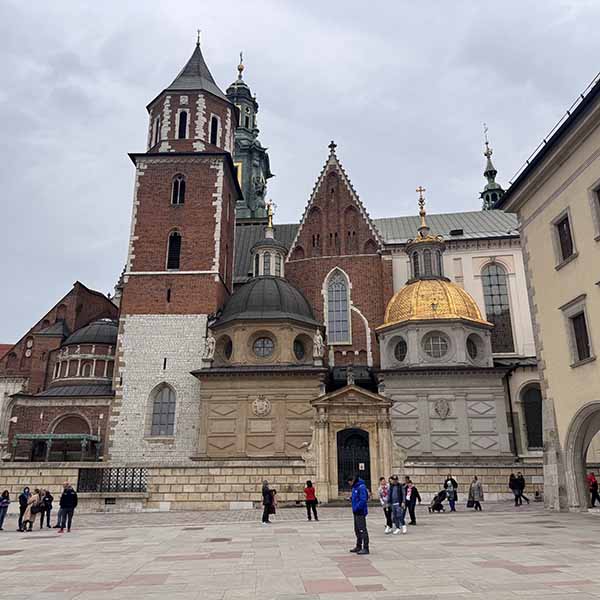
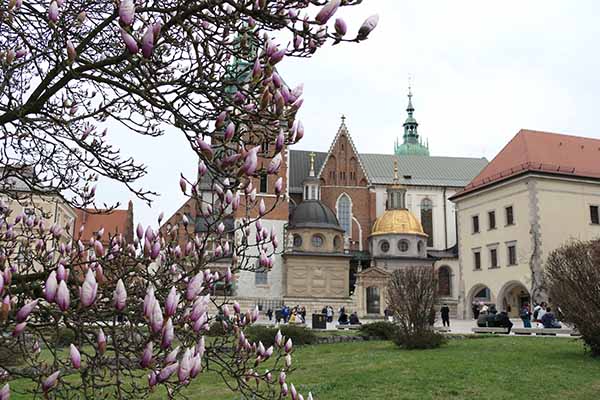
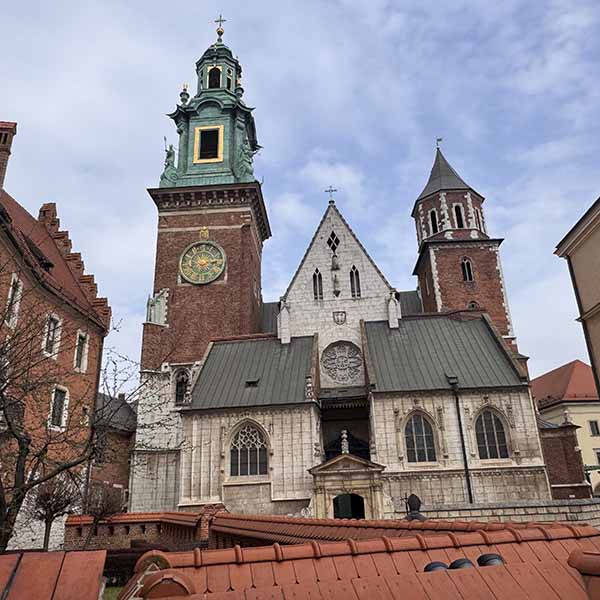
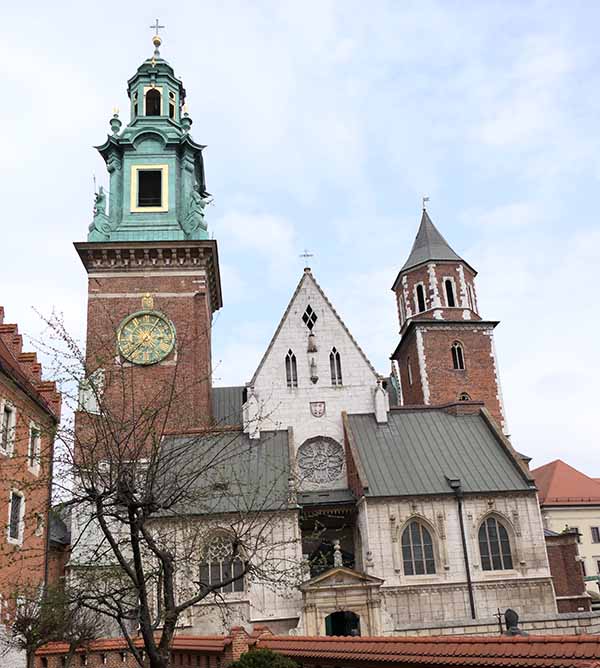
The most iconic building in the courtyard is Wawal Cathedral.

krakow-castle

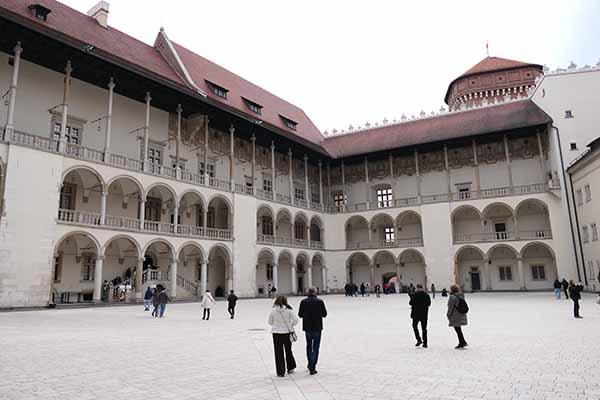
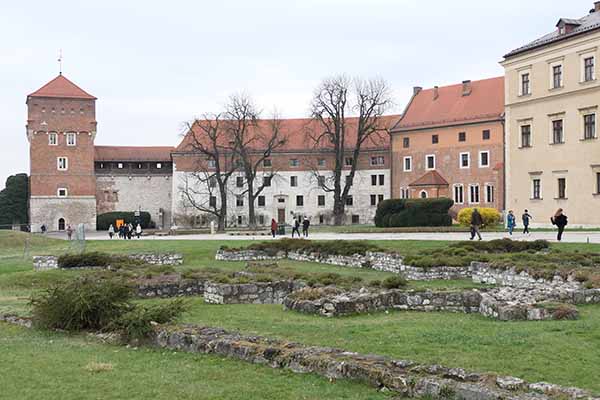
The castle itself opens into a courtyard.

krakow-castle

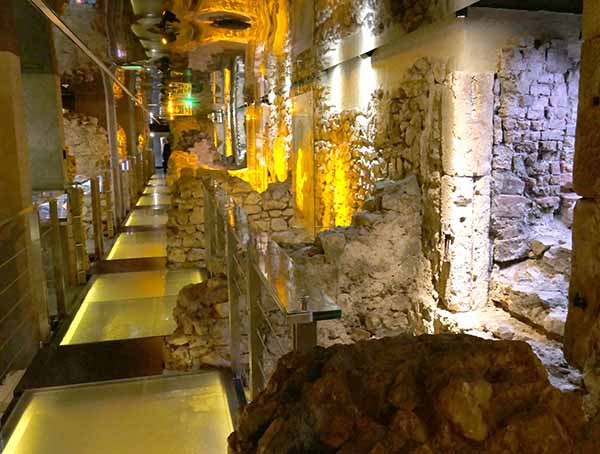
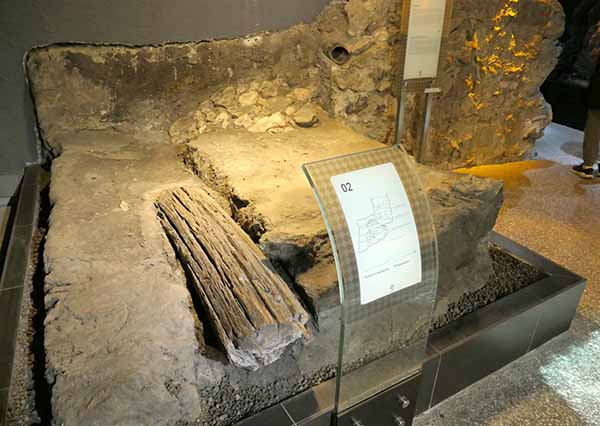
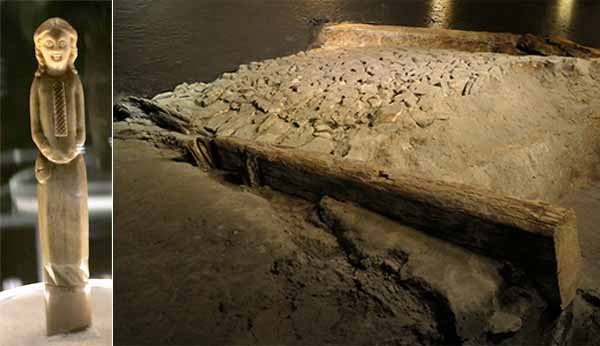
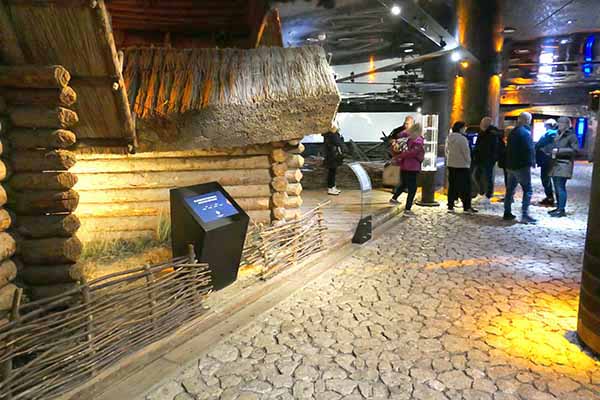
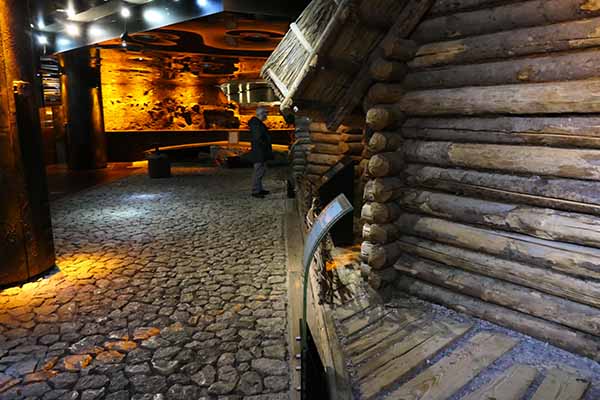
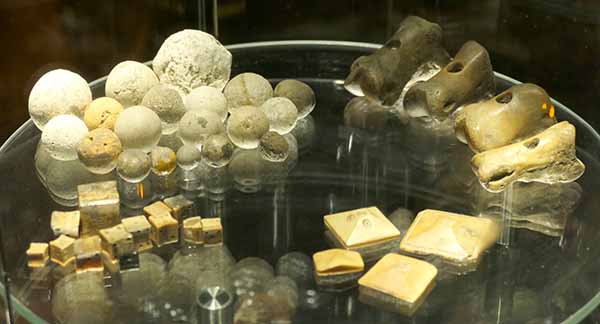
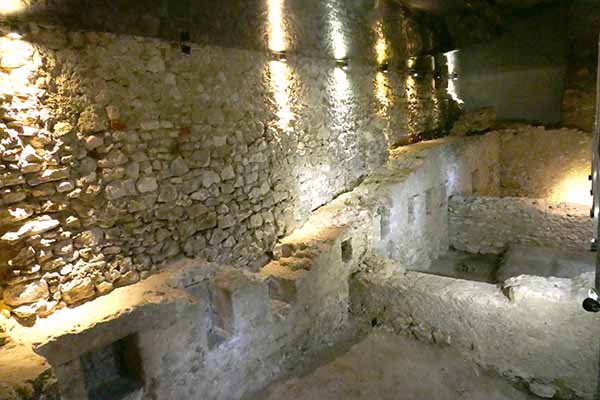
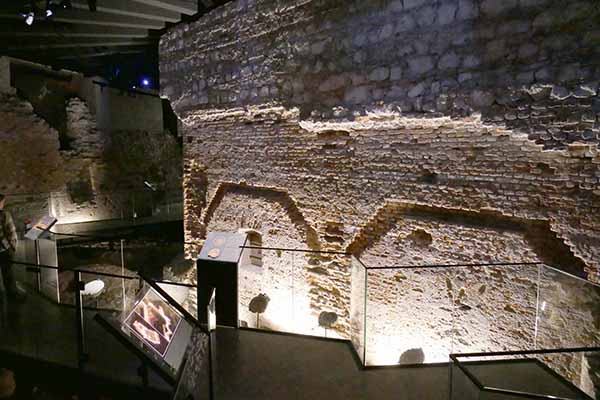
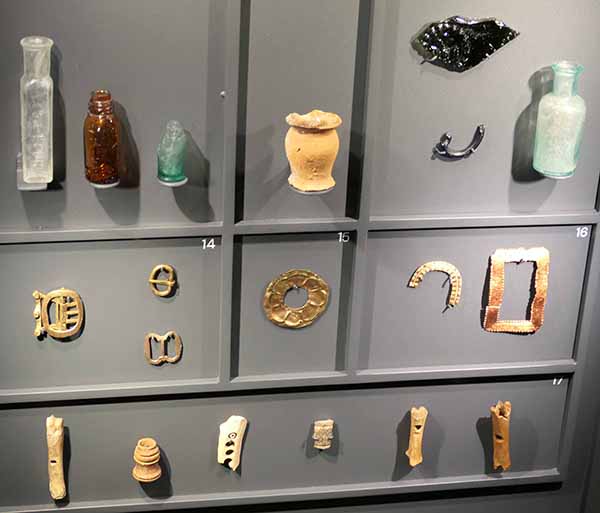
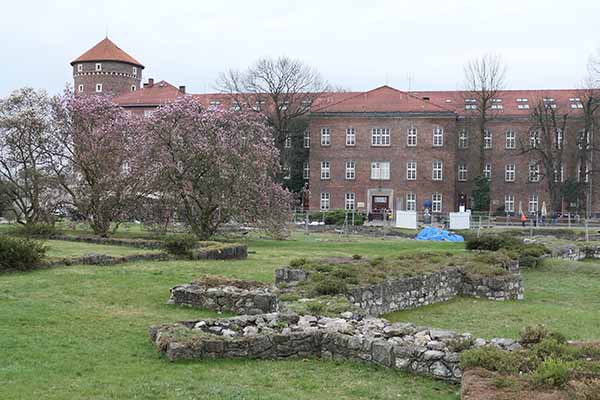
I purchased the ticket to see all of the exhibitions. The first was the underground castle. This exposed the earliest foundations of the castle and how the land was formed millions of years ago. The underground exhibtion showed some of the former walls and brickwork, which is now underneath the existing complex.

krakow-castle

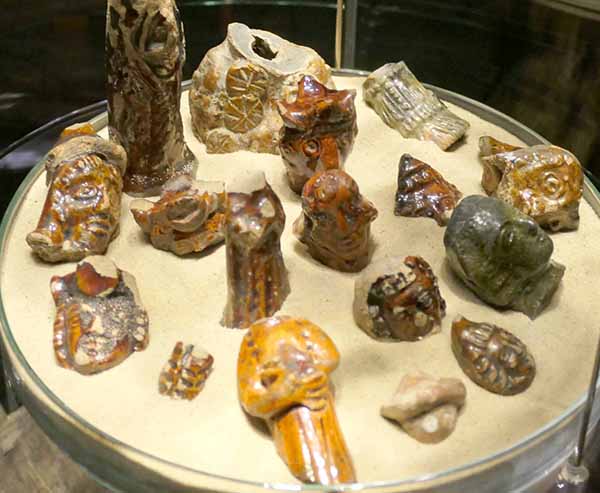
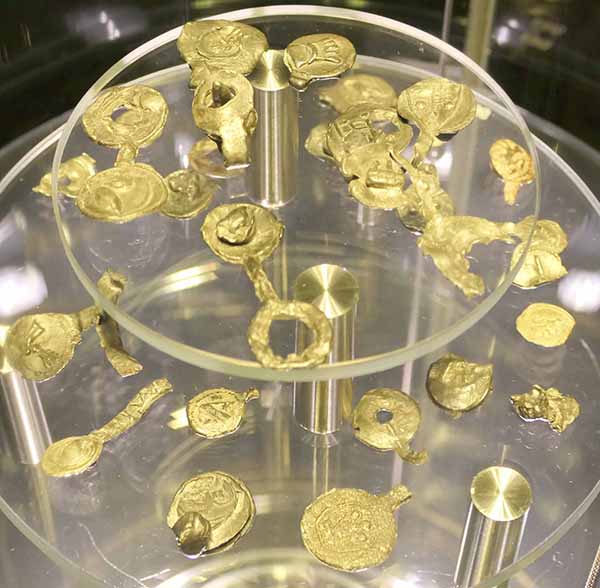
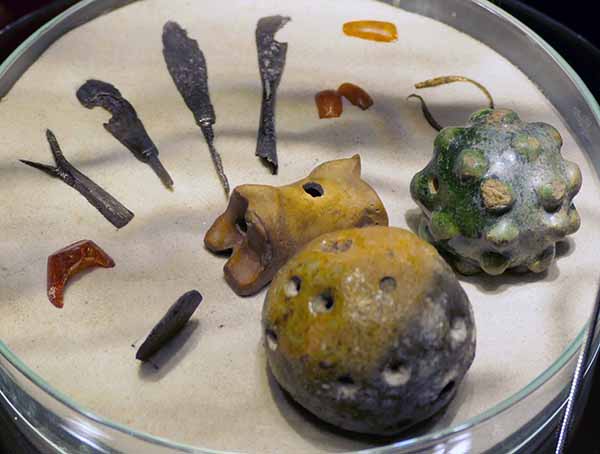
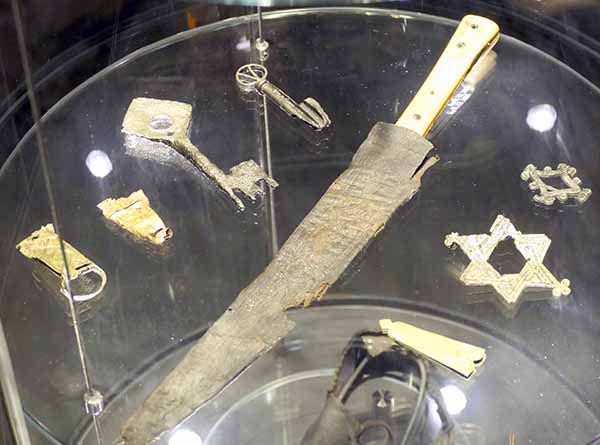
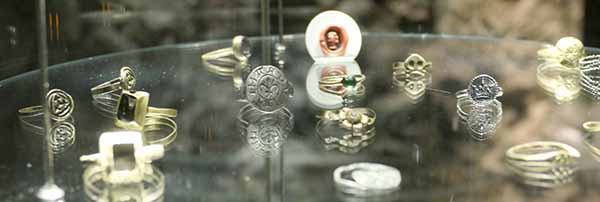
Some items were found amongst the structure. This included glass and pottery bottles and metalwork for clothing.

krakow-castle

After the look around at the old walls, I went into the main castle complex.

krakow-castle

krakow-castle

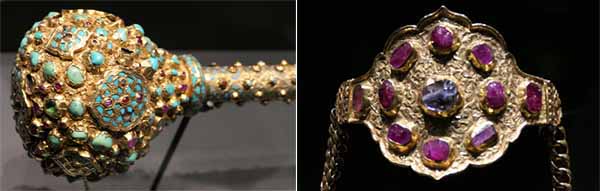
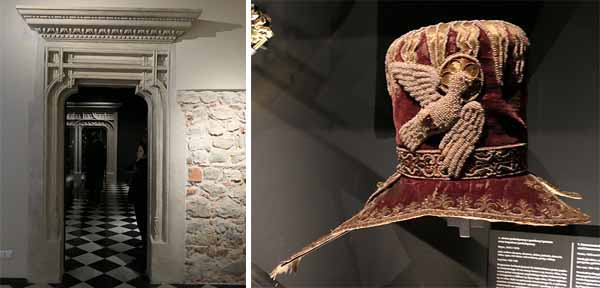
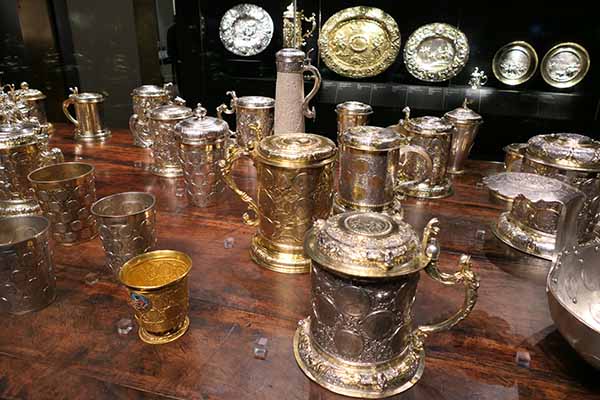
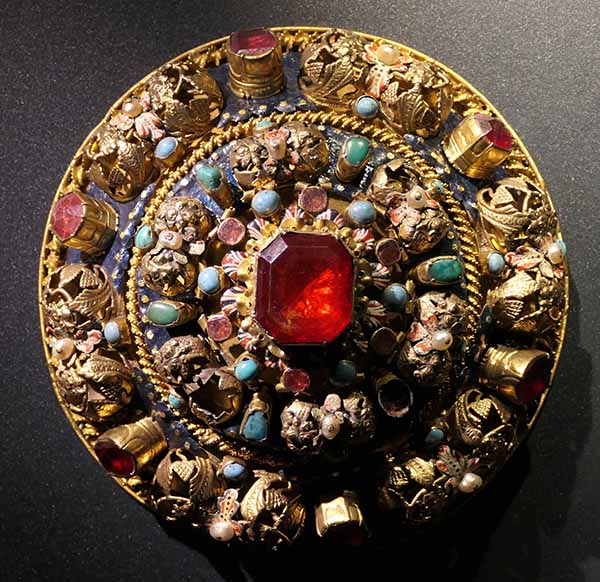
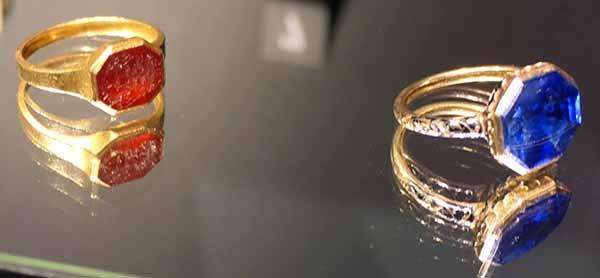
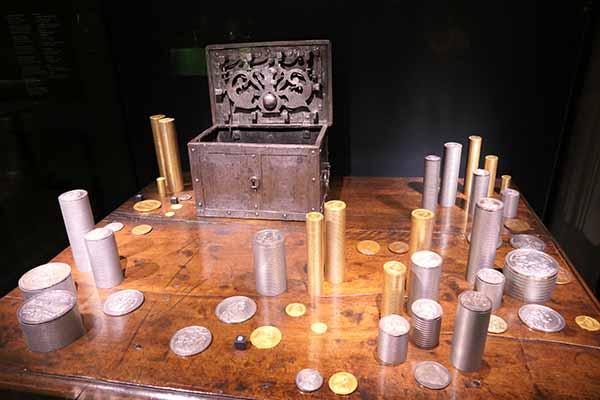
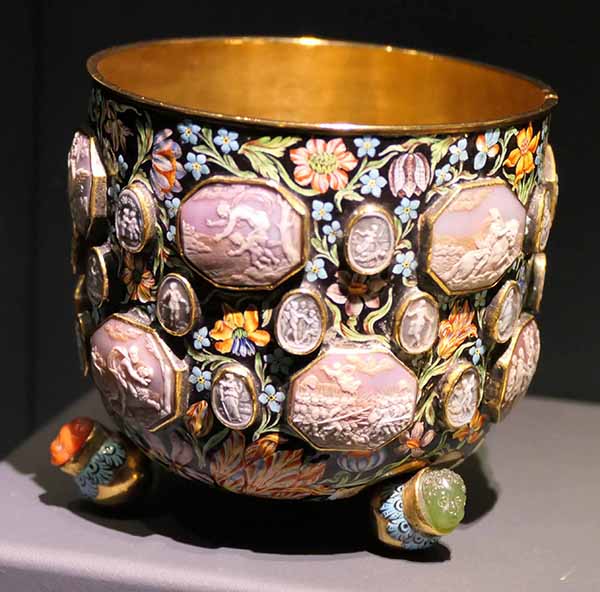
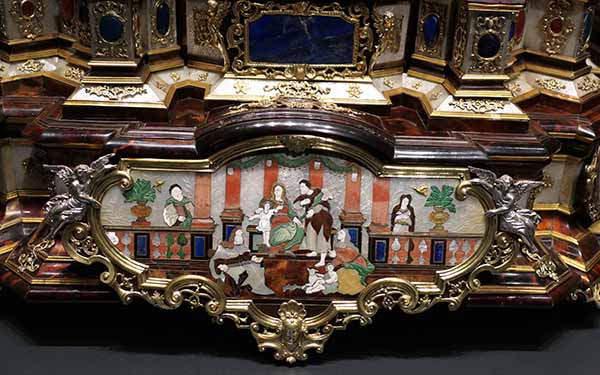
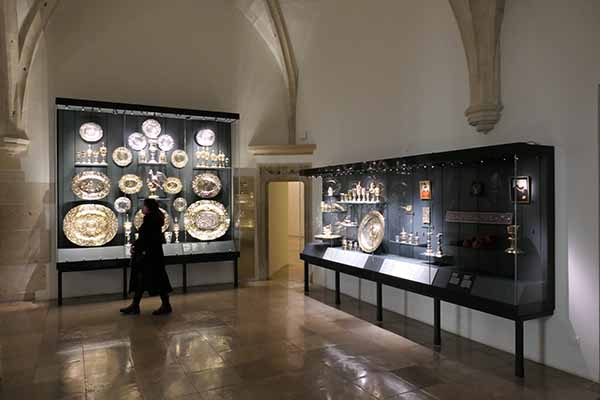
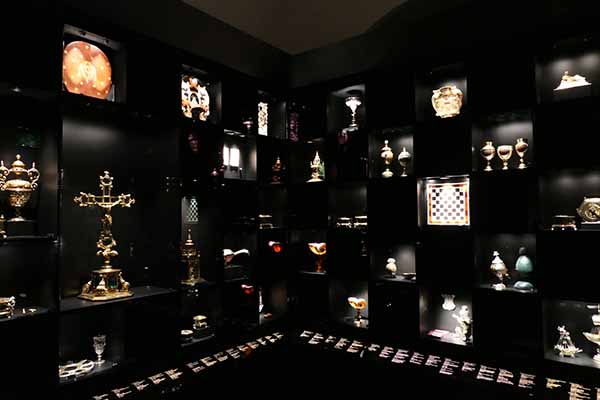
The next exhibition was the treasury and crown jewels. There were so many beautiful items to see. They belonged to former kings of Poland. The tour I paid for came with an audio guide, which pointed out some of the more interesting items and allowed free time to see as much or as little as you wanted.

krakow-castle

krakow-castle

krakow-castle

krakow-castle

krakow-castle

krakow-castle

krakow-castle

krakow-castle

krakow-castle

krakow-castle

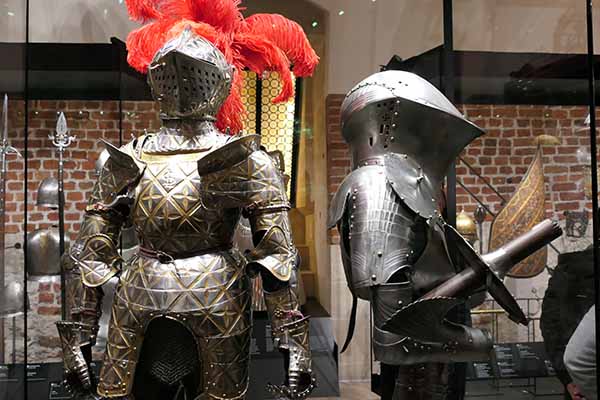
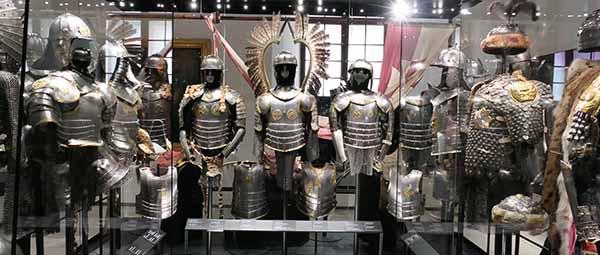
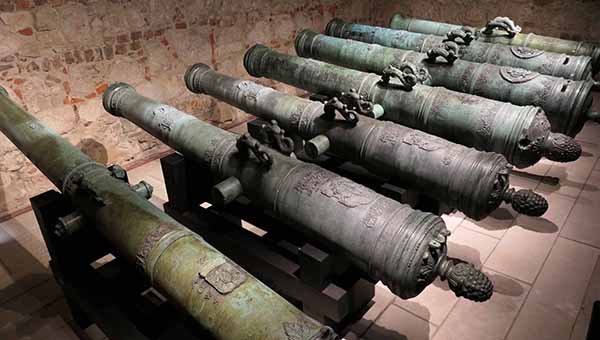
The next part of the tour was the armoury, which was also exhibited.

krakow-castle

krakow-castle

krakow-castle

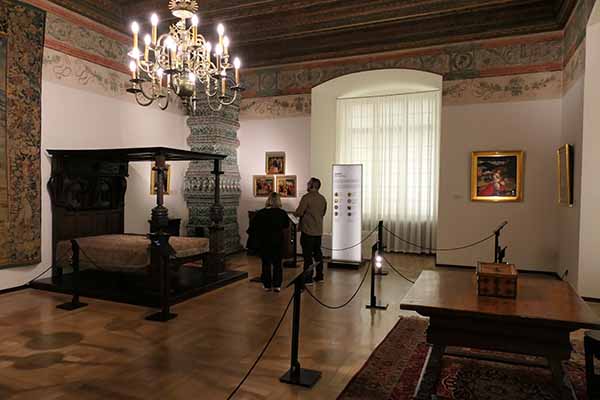
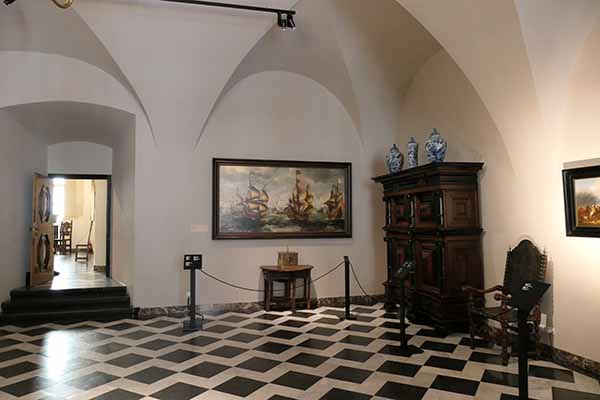
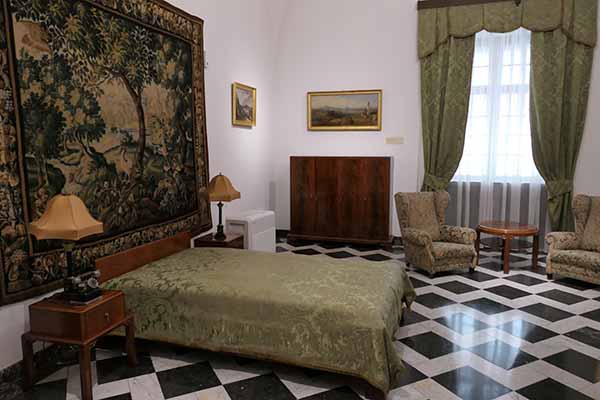
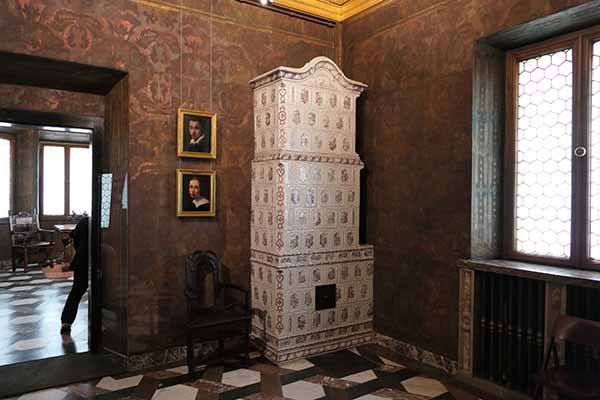
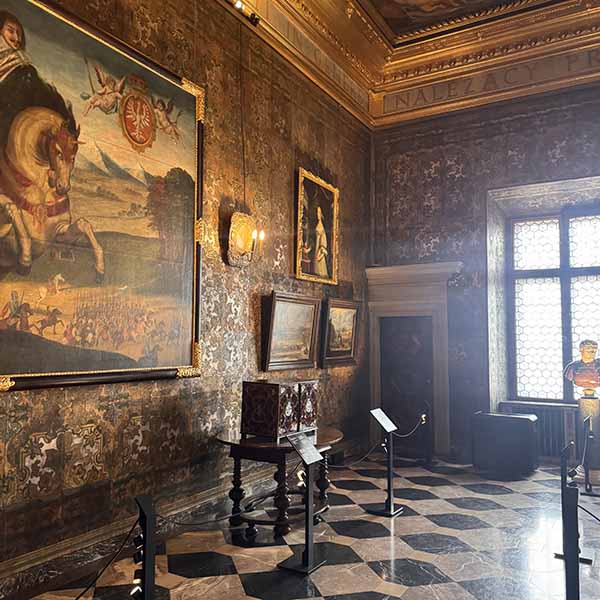
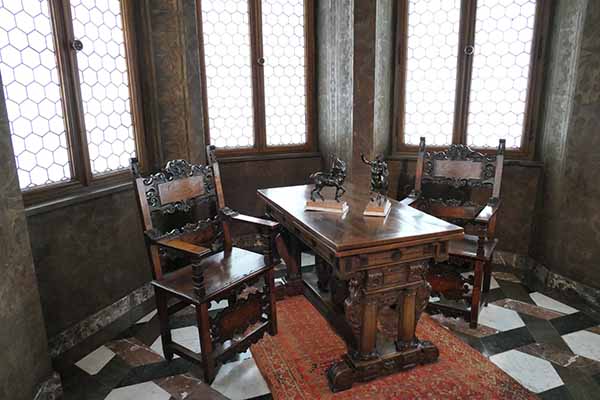
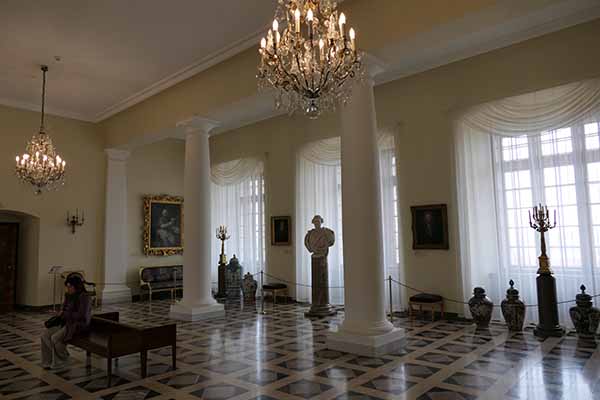
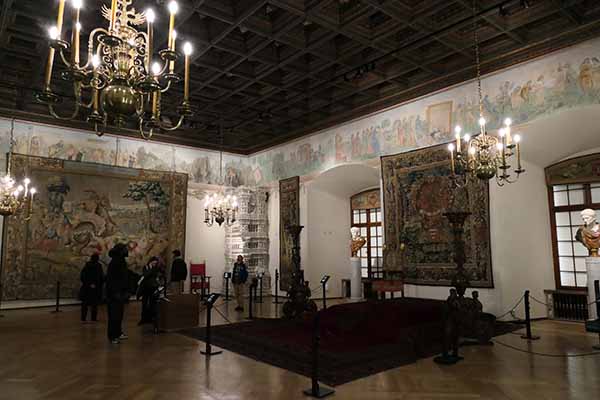
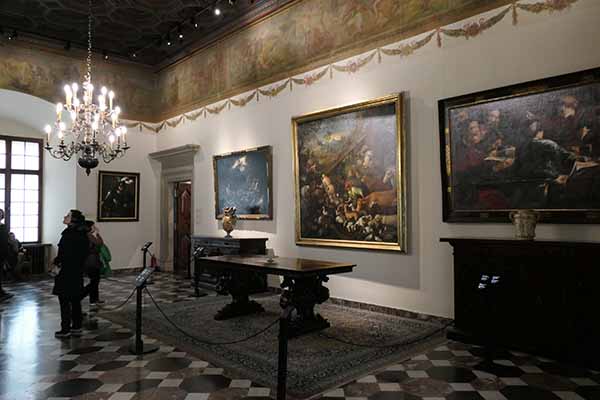
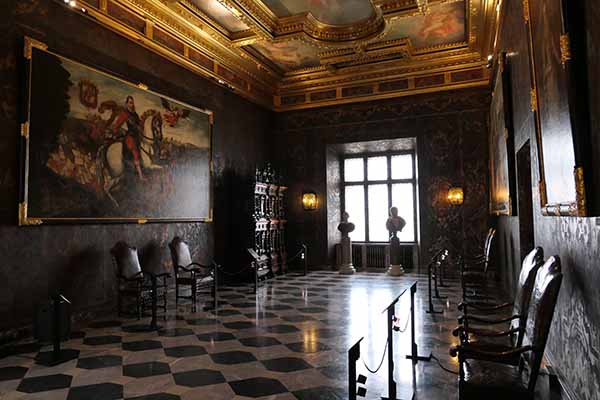
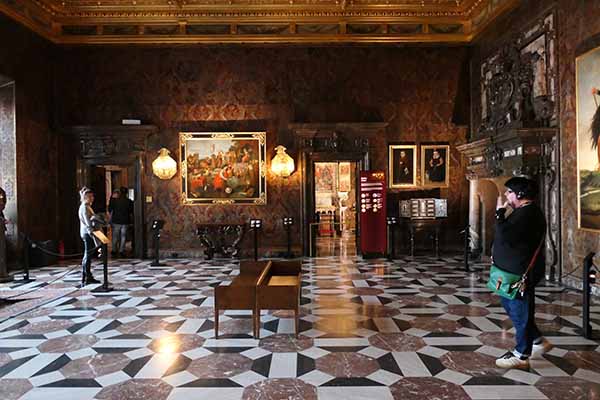
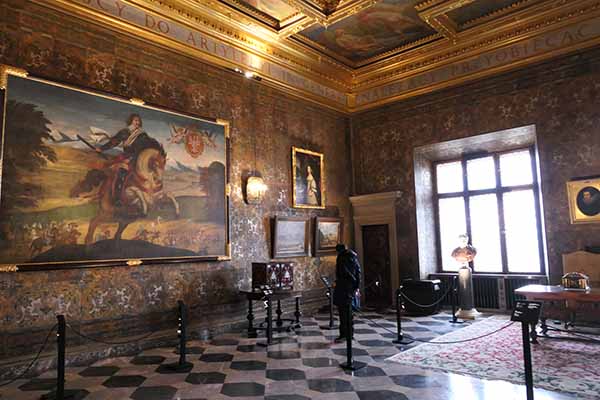
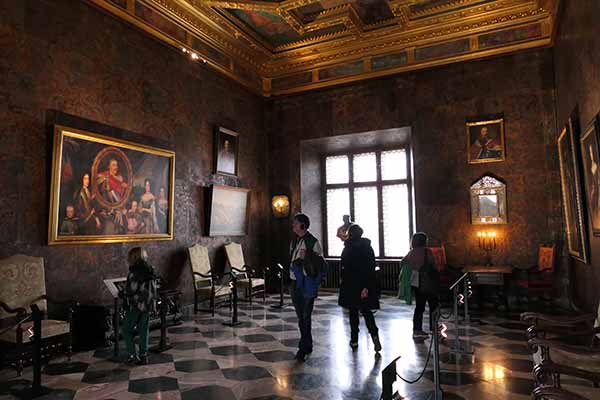
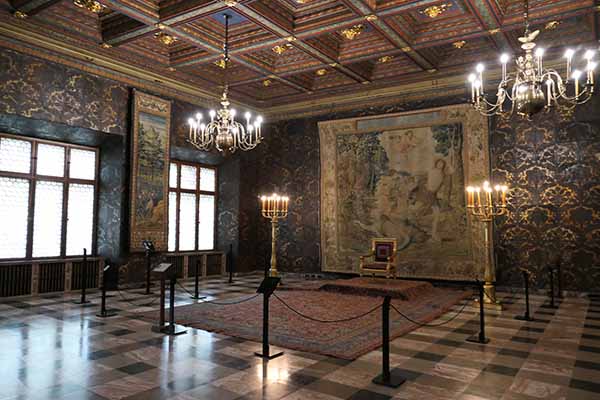
After this, there were two floors of the state rooms to visit. These had many different items on display - paintings and furniture.

krakow-castle

krakow-castle

krakow-castle

krakow-castle

krakow-castle

krakow-castle

krakow-castle

krakow-castle

krakow-castle

krakow-castle

krakow-castle

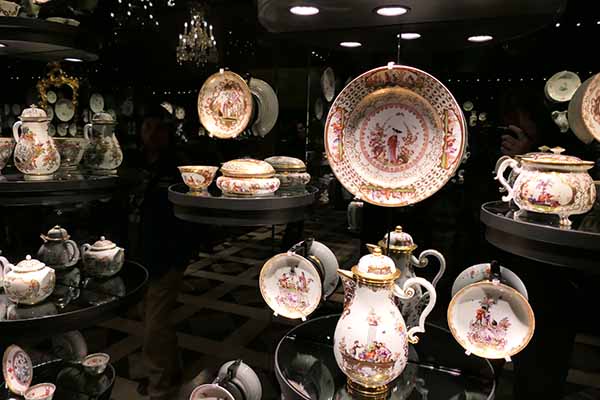
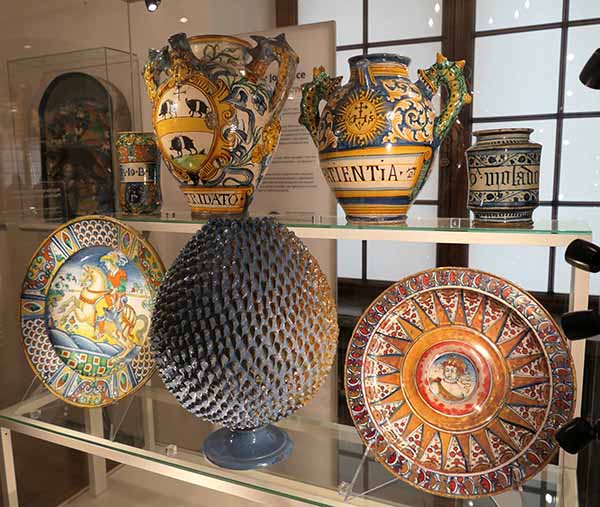
Another part of the museum focused on ceramics. This became a popular product to manufacture in Poland.

krakow-castle

krakow-castle

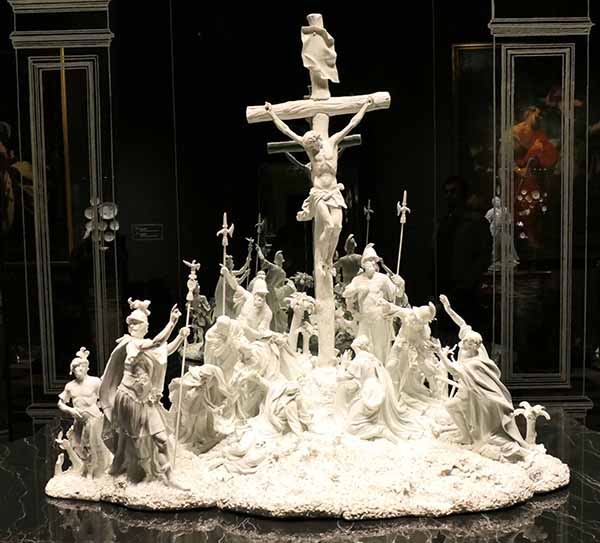
The ceramic religious Jesus on cross figure looked complex and fragile.

krakow-castle

krakow-castle

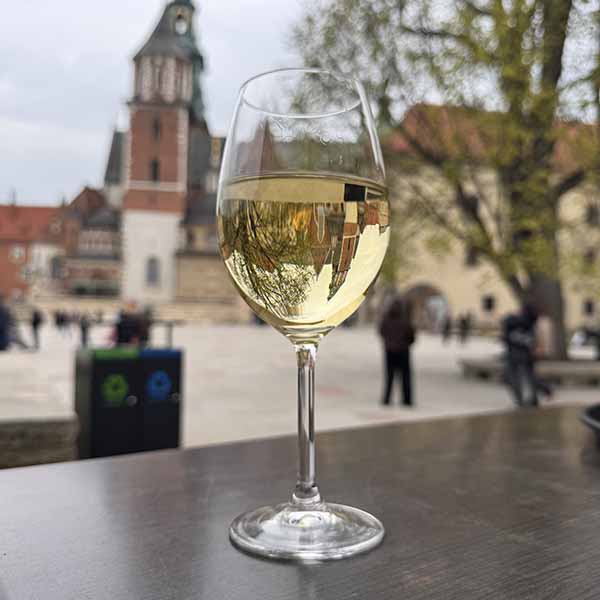
After visiting those rooms, it was time for a late lunch and a glass of wine on the castle grounds in front of the cathedral.

krakow-castle

Additional state rooms and displays were visited in the second part of the tour.

krakow-castle

krakow-castle

krakow-castle

krakow-castle

krakow-castle

krakow-castle

krakow-castle

krakow-castle

krakow-castle

krakow-castle

krakow-castle

krakow-castle

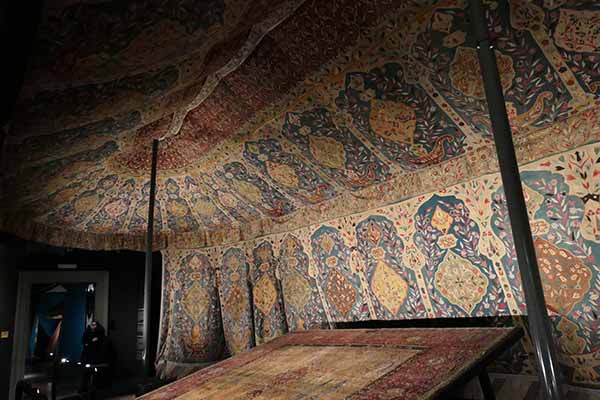
At the end was an exhibition on the Ottoman (now known as Turkey) tents. 
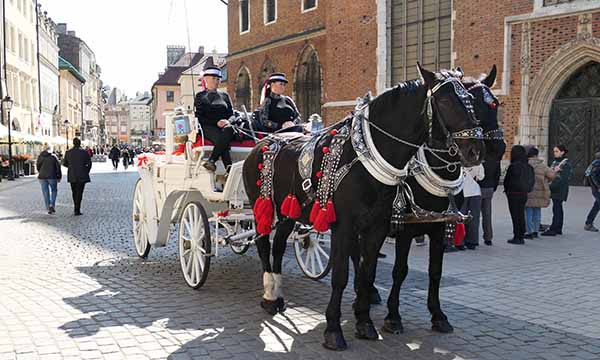
krakow-castle

krakow-castle

krakow-castle

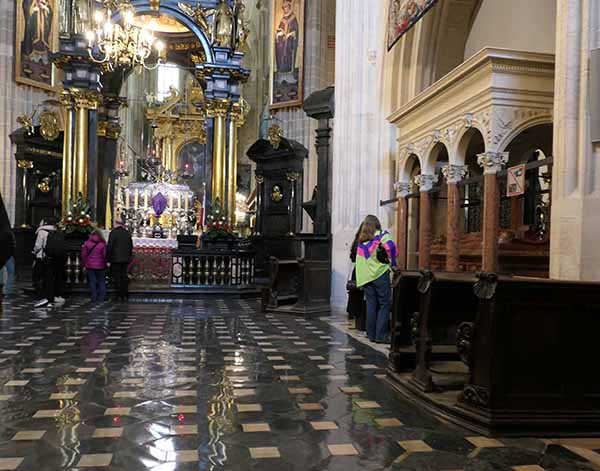
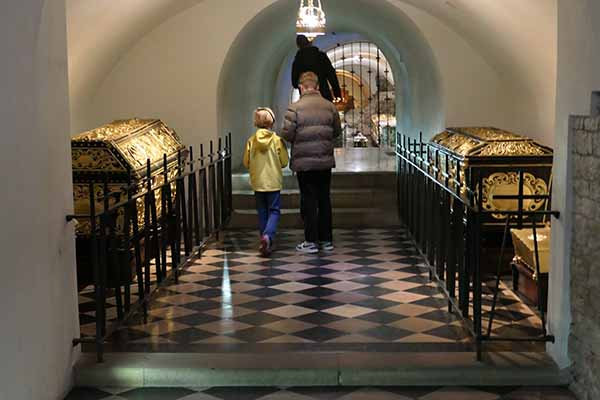
Next, I visited the catedral. The cathedral has tombs of some of the kings who lived in the castle and ruled Poland, a bell tower to climb to see the bells, and the main part of the cathedral itself. Also, a museum dedicated to the former pope John Paul, is across from the castle and is included in the cost.

krakow-castle

Photographs inside the cathedral were not permitted.

krakow-castle

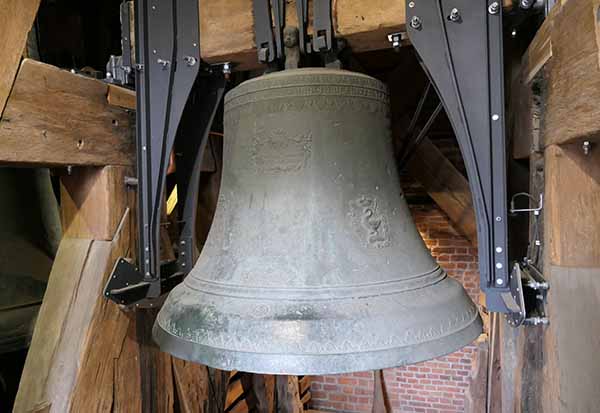
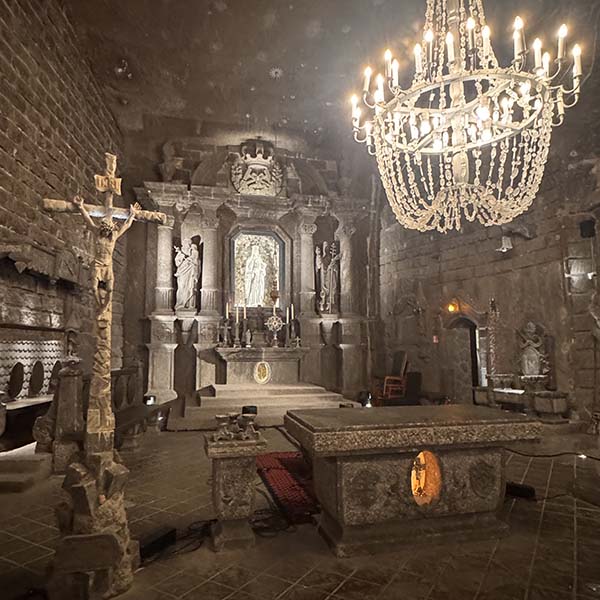
I climbed the bell tower for some nice views and to see the bells.
krakow-castle

krakow-castle64.jpg

krakow-castle

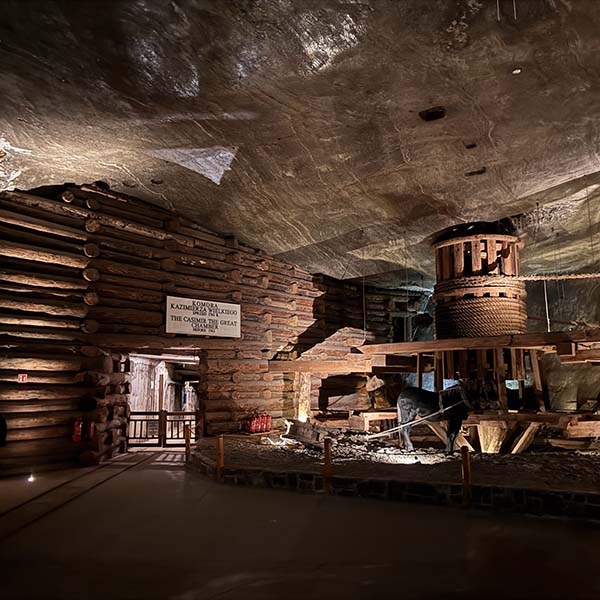
After the cathedral, the final exhibition was about the reconstruction and conservative work of the castle.
krakow-castle

krakow-castle

krakow-castle

krakow-castle

A couple of the exhibtion rooms were closed due to the time of year. I enjoyed the visit, and I would take the time and enjoy the castle and have a nice lunch and take longer to explore the different rooms.

After visiting the death camp at Auschwitz in the morning, I spent the afternoon visiting Schindler's Factory and museum. The story was made famous in the film "Schindler's List", which I have yet to see but told myself that I would. The former location of the enamel factory is now a museum, and the museum covers the Nazi occupation of Krakow and the fate of the Jewish population, who were forced into a ghetto made outside the city before many were sent away to camps. Some of the population worked at the factory. 

schindler-krakow1.jpg

When Germany invaded and occupied Poland, German Nazi party industrialist Oskar Schindler took over the enamel factory. When he discovered the treatment of the Jewish people in Krakow, he risked his life to protect the lives of over 1,200 Jewish workers and evade the Nazis.

schindler-krakow

The museum starts with a series of short videos that visitors can watch that depict ordinary life and the rise of the Nazi occupation in Krakow. 

schindler-krakow

schindler-krakow

There was a lot of information in the museum to read. The floor tiles in a couple of the large rooms actually had the swastika design.

schindler-krakow

Street names and other public buildings had their names changed to German spellings and to glorify the leader of the party.

schindler-krakow

schindler-krakow

schindler-krakow

A large part of the musum was for the fate of the Jewish population. There was a little room with items from a Jewish household, and the items became abandoned when the families were forced to live in the ghettos. Many families would have to share a house.

schindler-krakow

schindler-krakow

Schindler's desk was on display in one room, and there was information on how the pots and pans were created from metal before being coated in enamel. One video shown in the museum featured workers who told their stories working for Schindler's factory. 

schindler-krakow

There was a section of the museum to appar as a Jewish home in the ghetto with Jewish places of business.

schindler-krakow

schindler-krakow

schindler-krakow

schindler-krakow

schindler-krakow

schindler-krakow

schindler-krakow

Outside the museum are the gates of the old factory. The factory was taken over when the Soviets invaded.

schindler-krakow

Entrance to the museum also included entrance to a pharmacy inside the area that was formerly the Jewish ghetto. (This area of Krakow is not walled off, but a part of the ghetto wall can still be seen, and this area is known as Kazimierz.) The pharmacy includes information about some of the people who lived in the ghetto and their lives. 

schindler-krakow

The square outside the museum contained a lot of empty chairs, and these symbolise the families crammed inside a small area. This square is called Ghetto Heroes Square.

schindler-krakow

The pharmacy had exhibitions mainly about real people and other information about the Jewish population of Krakow.

schindler-krakow

The museum was interesting to understand the occupation years of Krakow and the fate of the Jewish population, including the enamel factory and Schindler, the man who helped save the lives of over 1,200 Jewish people. Schindler's motto was "Whoever saves the life of one, saves the world entire." This is displayed on the front of the museum.

A Visit to Auschwitz-Birkenau in Poland

| No Comments | No TrackBacks

On my visit to Poland this month, the former Nazi concentration death camp (Auschwitz-Birkenau) was on my list to visit. This is a dark period in history, but I believe it was an essential place to visit. The former camp functions as a museum and memorial today. The scale of th place is huge, and over a million people lost their lives at this camp. It was the largest one, and it was in use from 1940, a year after Germany invaded Poland. The people who died here were not only Jewish (who made up the largest group) but included Polish, homosexuals, and other groups disliked or considered anti-social by the Nazi party.

auschwitz1.jpg

I visited as a tour group, and as we walked through the tunnel into the camp, it felt a harrowing experience with the names of some of those who were murdered being spoken via the speakers.

auschwitz

auschwitz

auschwitz

The entrance to the camp translates to "work will set you free".

auschwitz

The guide led us through into the different buildings, which were set up as museums detailing the conditions, punishments, and life in the camp for those unfortunate to be put inside. People were not treated as people in the camp, and they were punished and murdered and had experiments done on them. Daily, they had to roll call everyone's name. If someone was missing, everyone got into trouble. Collectively, many gave up and prevented others from enforcing punishments on the whole. Death was so common that people did not grieve nor react. 

auschwitz

The Nazis used chaos and threat to control. Auschwitz I is the name given to the part of the camp that was older and comprised of brick buildings. This was originally constructed as a fort before the Nazi invasion but used to house and punish prisoners who were kept alive. After arrival at the camp, many people were sent straight to gas chambers to be murdered. These included people unable to work, children, and pregnant women. Those who could work were also murdered through overwork.

auschwitz

The fort, named Auschwitz, was a Polish community. The Polish that lived here were expelled so that the tortures of the death camp could remain hidden, although some people did know what was happening and were able to smuggle photography equipment in to capture some of the horrors.

auschwitz

auschwitz

auschwitz

auschwitz

One of the rooms held human hair that was cut from the prisoners. The hair was also sold into Europe to make textile. A lot of th hair remained. The Jewish and other people who were forced here had brought their belongings, and the Nazi party stole the items and sold it or had it melted down. They could only carry a few items with them. Below is a room filled with dishes.

auschwitz

Shoes from the victims covers several rooms. Seeing the shoes from men, women, and children who were the victims was sad. There were thousands of shoes, and this photograph shows only a small segment.

auschwitz

There was another large area with luggage. Some of the luggage contains names.

auschwitz

We were also shown a lot of cans (Zyklon B). These were opened and contained poison, which was used to suffocate the prisoners in the gas chambers.

auschwitz

One of the blocks was for the death doctor Carl Clauberg. He did horrible experiments on people. In Block 10-11, accommodation was here for some of the resistance prisoners and also a courtroom. The prisoners were always found guilty and punished and killed in the courtyard outside. There were cells in the basement of the building.

auschwitz

auschwitz

People were housed here before death.

auschwitz

Below is the courtyard where many were shot.

auschwitz

A memorial remains in the courtyard.

auschwitz

auschwitz

auschwitz

The place where they did the daily roll calls is photographed above.

auschwitz

auschwitz

auschwitz

On the outside area, we walked to one of the gas chambers. 

auschwitz

Below is the gas chamber entrance (maybe an exit).

auschwitz

The gas chamber was where many died.

auschwitz

On one part of the gas chamber, the furnaces were used to cremate bodies.

auschwitz

auschwitz

auschwitz

The exterior of the gas chamber is shown below.

auschwitz

After the visit, we had a short bus trip to the other part of the camp. This included make-shift wooden buildings that were only made to be temporary. Many of them no longer exist.

auschwitz

auschwitz

The railway went straight into the camp.

auschwitz

The train carriage below, which was used for animals, was used to transport many people.

auschwitz

Today, there is a memorial at one end of this camp.

auschwitz

auschwitz

The Nazis knew their tim was up, so they tried to destroy evidence of their crimes by burning and demolishing some of the buildings, such as the building below. This was one of the gas chambers.

auschwitz

auschwitz

Many of the buildings did not last time, but you can see where the chimneys and foundations were.

auschwitz

auschwitz

We went inside one of the buildings and saw the places where there were beds. I cannot remember how many prisoners would have been in one building, but at least ten would share a bed. The bottom beds were the worst as they were on the ground. There were only two small furnaces, and they were not given coal. There was no insulation of the walls nor roof. This would have been unbearable in the winter.

auschwitz

auschwitz

Each building had toilets and wash facilities.

auschwitz

auschwitz

The tour was informative, and seeing where the crimes happened and the scale of it was depressing. However, I believe that everyone should visit this place and understand what happened here.

When I visited New York City last autumn, one of the museums that I went to was The Tenament Museum. This museum documents the living conditions and lives of some of the people who lived in the building over the decades. It documents the lives of different groups who came to the city to seek new lives from abroad and gave America its unique "melting pot" of culture and identity.

tenement-nyc-familyowned1.jpg

Each of the apartments have separate tours to be booked at different times, and the tour will give the slice of information about that specific apartment and its inhabitants. "Family Owned" is the tour that I went on. It is the oldest apartment tour offered at the Tenament Museum. Below is the saloon, which would have expanded further to the right behind the present day wall.

tenement-nyc-familyowned

"Family Owned" follows the story of German immigrants in the 1870s and spans 75 years. The German husband and wife managed a beer saloon in the basement apartment block, and there were a lot of these in operation in this area of New York. There was a whole life around the saloon with clubs, political organisations, entertainment, food, and drink.

tenement-nyc-familyowned

We saw a table with food on it that would have been traditional food served by the German family, and these foods are still popular in Germany - pretzels, sausages, pork, saurkraut, and more.

tenement-nyc-familyowned

At the back of the saloon were their private rooms - a kitchen, living room/office, and bedroom.

tenement-nyc-familyowned

tenement-nyc-familyowned

tenement-nyc-familyowned

The family did not have a good ending when the wife passed away, and the husband did a couple of years after. This would have left their small child an orphan, and they have not been able to trace what happned to him.

tenement-nyc-familyowned

 In the 1930s, the apartment became an auction house selling a variety of items. We had an interactive display of this phase of the tour. 

The tour was very interesting, and I would return to one of the other ones.

A Walk Along the Brooklyn Bridge from Dumbo

| No Comments | No TrackBacks

For those heading to New York City, I would recommend a walk across the Brooklyn Bridge, one of the most photographed and iconic structures in New York City. Last November when I visited New York City, I did this and had a good pizza lunch in Dumbo, a part of Brooklyn on the other side of Manhattan with nice views of the towering buildings of Lower Manhattan. I was staying in the financial district, so the easiest way to get there was via the ferry to Dumbo (down under the Manhattan bridge underpass). 

brooklyn2026-1.jpg

The ferry was a quick trip with nice views.

brooklyn2026

Dumbo has a couple of famous pizza restaurants. When I visited New York City many years ago, I went to to Juliana's. Grimaldi's is the more popular pizza restaurant, so I went there this time. The restaurants are a few doors down from each other.

brooklyn2026

I had a glass of wine and a mocktail.

brooklyn2026

brooklyn2026

The pizza was delicious. I had onion and jalapeno toppings.

brooklyn2026

The Thai restaurant (Elephant District) here looked good as well.

brooklyn2026

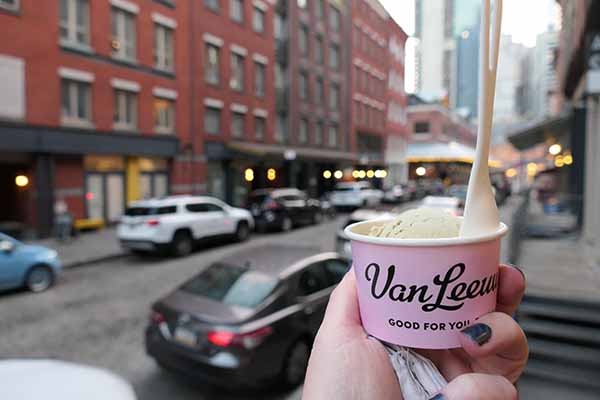
There are a couple of ice cream cafes here too, but one of them was shut. I ended up purchasing an ice cream sundae in the chain one, Van Leeuwen. I enjoyed an ice cream on a chilly but sunny November day with views of the Brooklyn Bridge.

brooklyn2026

Afterwards, I headed to the Brooklyn Bridge to walk across it and admire the different views over the city.

brooklyn2026

brooklyn2026

brooklyn2026

brooklyn2026

brooklyn2026

brooklyn2026

I got some nice photographs of the bridge the evening before with a nice sunset from the financial district.

brooklyn2026

brooklyn2026

I recommend a walk across the bridge and visit to one of the pizza restaurants in Dumbo.

One of the attractions that I did while I was in New York City at the end of November was to walk The High Line. The High Line was a former railroad placed above street level to ease congestion with traffic at street level, and it was operational in the 1930s. The railway fell into disuse in the 80s. The line was developed into gardens from 2009 in different phases, and it is a place to see nature and artwork. There are various sculptures and street art along the High Line for visitors to appreciate.

highlinenyc1.jpg

I started at Hudson Yards mall. The mall has a lot of designer shops and restaurants, and there is an attraction here for people to walk up a sculpture and up onto the rooftop for views ovr New York City. The mall was decorated for Christmas. I bought some delicious chocolate from Li-Lac chocolates.

highlinenyc

highlinenyc

At Hudson Yards, I joined the High Line. "Foot Fountain" by Mika Rottenberg is one of the artworks here, and it is a pink foot and leg with a working fountain on top, but the fountain was not on. 

highlinenyc

I am not sure (and did not seem to photograph) who was responsible for the below artwork of a yellow face and a statue of a figure with missing head of a woman who appears to melt into the plinth. 

highlinenyc

The High Line was a nice way to see the architecture and experience a little bit of nature in such a built-up city.

highlinenyc

The below giant pigeon sculpture is "Dinosaur" by Ivan Argote.

highlinenyc

"Th Sun is a Flame that Haunts the Night" by Tai Shani

highlinenyc

I also discovered a familiar street art by M. Chat off of the High Line. I saw the artist's work in Sarajevo many years ago. The artist is from France.

highlinenyc

The gardens on top of the High Line probably do look beautiful in the summer.

highlinenyc

highlinenyc

Sopheap Pich's "Kânh Chhrôôl (Gluta Usitata), Melembu, and Khlông (Dipterocarpus Tuberculatus)"

highlinenyc

Unknown work pictured on The High Line.

highlinenyc

A large street art mural along the High Line - "The Creation of the Creatures by Day and Night" by Rosana Paulino.

highlinenyc

highlinenyc

A work by street artist Kobra, which was mostly obscured by a tree and buildings.

highlinenyc

highlinenyc

Unknown street art on a building off the High Line.

highlinenyc

Street art by Vesid

highlinenyc

highlinenyc

Other artwork by Kobra.

highlinenyc

There was a large seating area overlooking the street, and this was not too far from Chelsea Market.

highlinenyc

I enjoyed the visit to Chelsea Market with different food for sale and interesting shops. It reminded me a little bit of the markets in London, such as Camden. I enjoyed a coconut gelato.

highlinenyc

The High Line was one of my favourite activities to do in New York City with the visit to Chelsea Market and Hudson Yards, and then I went on to Bleecker Street.

A Visit to Castle Clinton in New York City

| No Comments | No TrackBacks

Castle Clinton is located in Battery Park in New York City. The castle is a circular fortress built for the War of 1812 and was the first immigration station that processed millions of people to the United States before Ellis Island. It was also used as an an entertainment venue and hosted concerts and other events. After it ceased to be used for immigration administration, it was turned into an aquarium. Since 1946, it has become a visitor centre and contains information inside one of the rooms about the castle's use throughout the decades.

castle_clinton1.jpg

castle_clinton

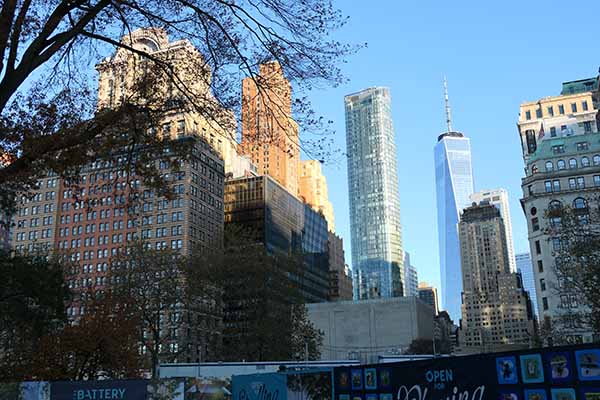
The inside of the castle walls is open to the elements with views of the skyline.

castle_clinton

Facing the sea, the walls have windows in them built for cannon defence.

castle_clinton

There are views over to the Statue of Liberty and Ellis Island.

castle_clinton

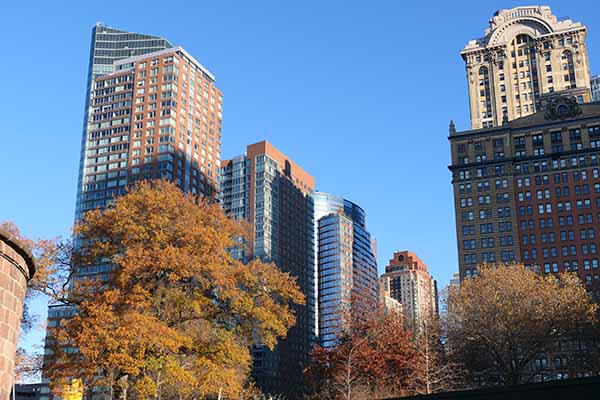
Battery Park was looking beautiful in the sun with the colourful trees. The weather was still warm during my visit at the end of November.

castle_clinton

castle_clinton

The castle is open most of the year and free to visit, and there are one or two guided tours each day depending on what time of the year visited.

Archives

Recent Comments

  • jenn: Thank you. read more
  • Murge: Amazing post. read more
  • Herbert: good post. site read more
  • Frank Quake: Hey, This is great when you said that I had read more
  • Chappy: You mention peptides here? I have had first hand experience read more
  • jenn: Thanks! I love the work. I have got more recent read more
  • Fanakapan: Thanks for the write up. This was some of my read more
  • jenn: Yes.... but that's only for the islands. Mostar and Montenegro read more
  • jenn: Hello, the code is not mine to hand out. I'll read more
  • pantich: More info about the best day trips from Dubrovnik can read more
OpenID accepted here Learn more about OpenID