Results matching “Christmas”

Costco Gin Advent Calendar - Spoilers!

The gin advent calendar from Costco comes with 24 small bottles of different brands of gin and flavoured gin. This is the perfect way to try a variety of different brands of gin and to find some new favourites. Note that you can only be a member of Costco in order to purchase this advent calendar. I had a gin advent calendar last year (Flavoured Gin Advent Cracker Calendar) and found some clear new favourites, such as Whitley Neill Quince Gin, Sweet Potato Spirit Co. gin, The English Drinks Company gin, and Poetic Licence Fireside Gin.
costco-gin-advent01.jpg

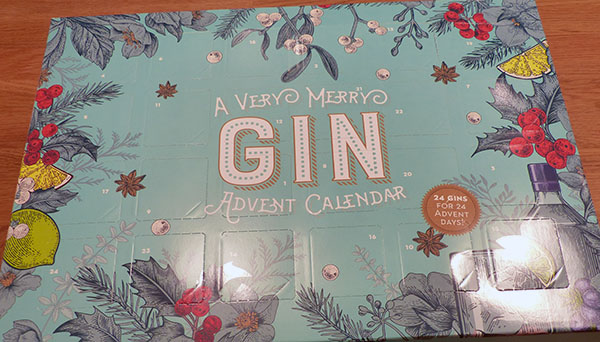
Now that it is December first, today is the day to open up the advent calendars. The box that the gin came in is pictured below.
costco-gin-advent02.jpg

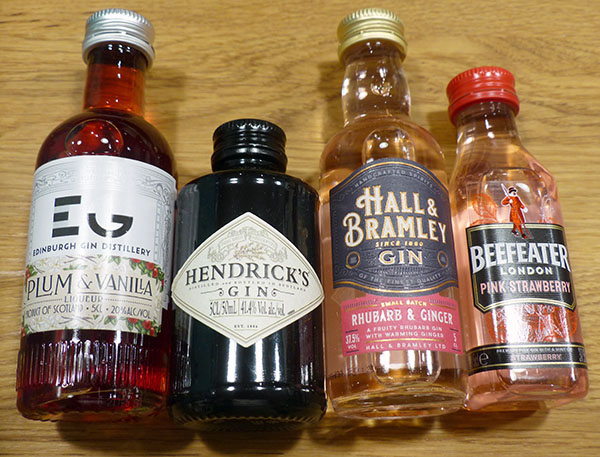
  • Edinburgh Gin's Plum & Vanilla Liqueur
  • Hendrick's Gin
  • Hall & Bramley Rhubarb & Ginger Gin
  • Beefeater Pink London Dry Gin

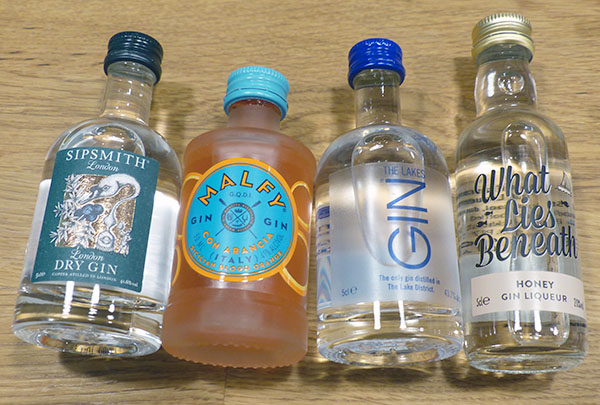
costco-gin-advent03.jpg

  • Sipsmith London Dry Gin
  • Malfy Con Arancia (Blood Orange) Gin
  • The Lakes Original Gin
  • What Lies Beneath Honey Liqueur

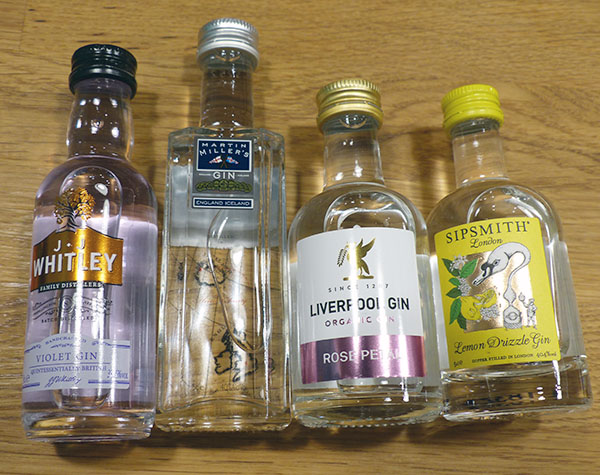
costco-gin-advent04.jpg

J.J Whitley Violet Gin

Martin Millers Gin

Liverpool Organic Rose Petal Gin

Sipsmith Lemon Drizzle Gin

costco-gin-advent05.jpg

  • Greenalls Wild Berry Gin
  • Peaky Blinder Spiced Dry Gin
  • Edingurgh Gin's Pomegranate & Rose Liqueur
  • Aber Falls Welsh Orange Marmalade Gin

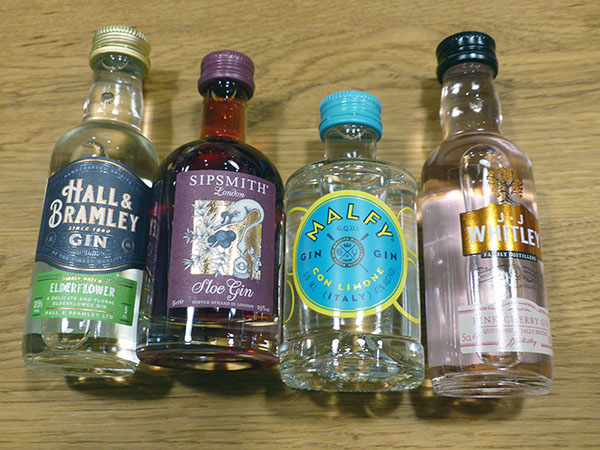
costco-gin-advent06.jpg

  • Hall & Bramley Elderflower Gin
  • Sipsmith Sloe Gin
  • Malfy Con Limone Gin
  • J.J Whitley Pink Cherry Gin

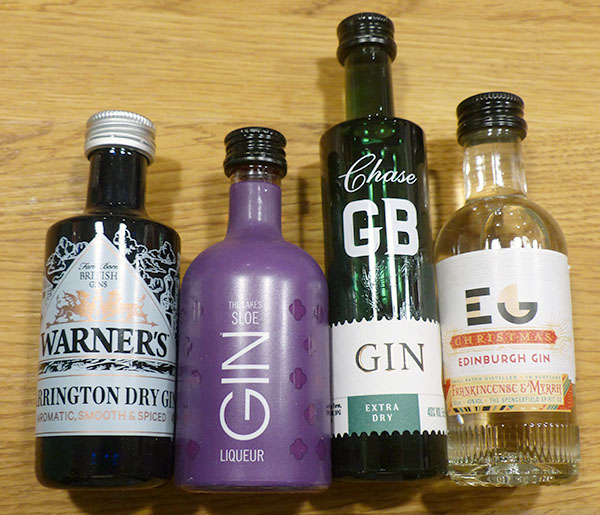
costco-gin-advent07.jpg

  • Warner Edwards Dry Gin
  • The Lakes Sloe Gin Liqueur
  • Chase GB Gin
  • Edinburgh Gin's Christmas Gin
My Visit to Apsley House or #1 London in Christmas Season
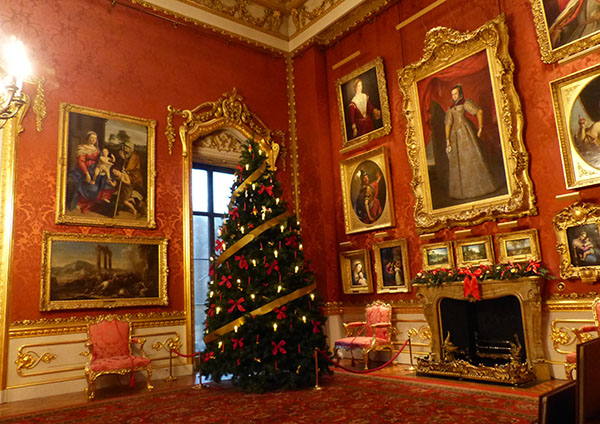
Apsley House was built at the end of the 1700s by Lord Apsley and is a Grade I-listed building now owned by English Heritage. The mansion passed into the 1st Duke of Wellington, Arthur Wellesley, who became famous for finally defeating Napoleon. Out of the fame, the duke became very famous and wealthy and also became involved with politics/a prime minister. The house includes a very good collection of paintings commissioned by the duke, given by friends and other leaders, or discovered/retained by enemies. In addition to paintings, other gifts were given by other country leaders as gratitude for defeating Napoleon. 

apsleyhouse1.jpg

While Apsley House is still a current home of the ancestors of the Duke of Wellington, eleven of the rooms are open for the museum and display many of the gifts and paintings. 

The Duke of Wellington had built onto the original house through the years, and the original dining room was an extension as well as the new and larger dining room (known as Waterloo Gallery) to accommodate over eighty guests and the floor below. The new dining room was used yearly for several years in the mid-1800s to host very large parties. The Waterloo Gallery was inspired by Versailles Palace and the wall of mirrors. The windows have shutters for which mirrors are hung.
apsleyhouse2.jpg

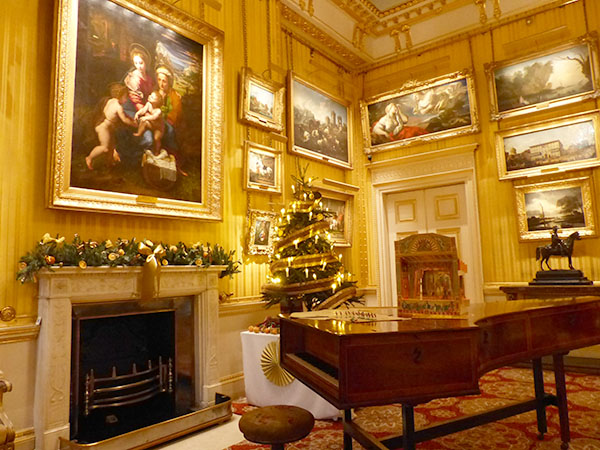
The adjoining room, a withdrawing room, is a more intimate space and contains the oldest foot-pedal piano in the world. 
Another piece that lives in the house in the grand staircase is a monumental statue of Napoleon, which was inspired to look like a Greek god. The classical nude statue depicted a classic physique and Napoleon's face, and he was so embarrassed by it that he had it banned from display. The Duke of Wellington also had a few paintings of Napoleon and some items that he used to own; perhaps he was inspired by Napoleon's strategy.

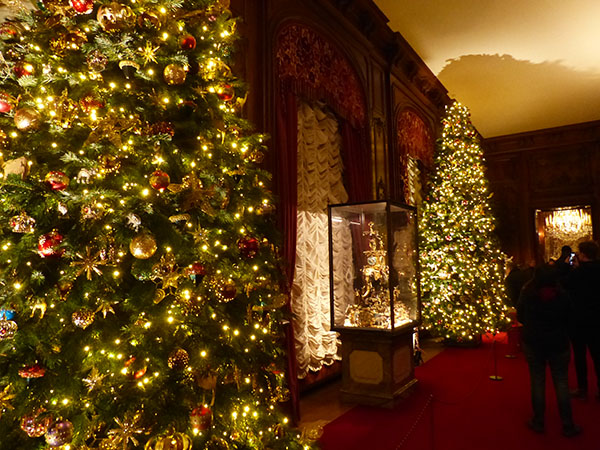
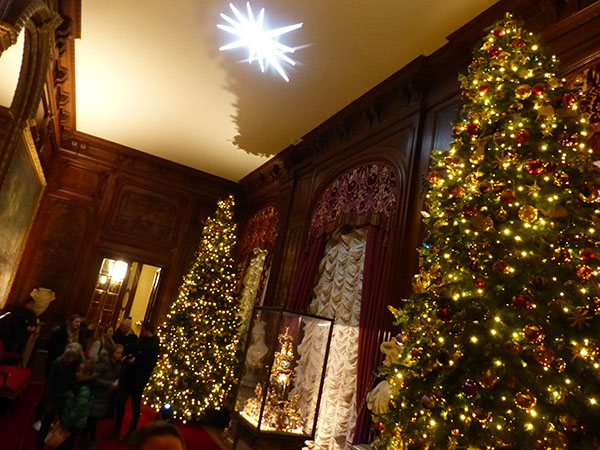
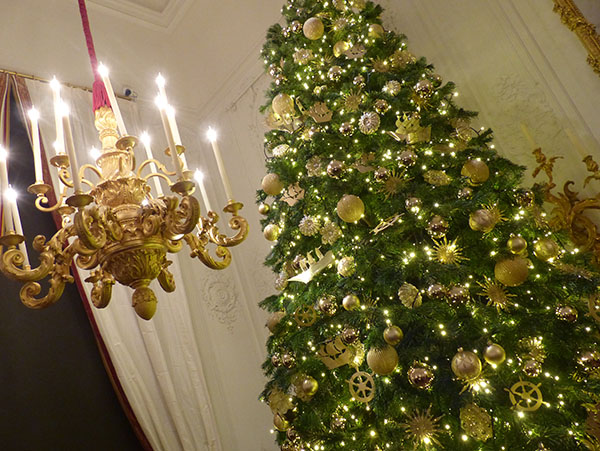
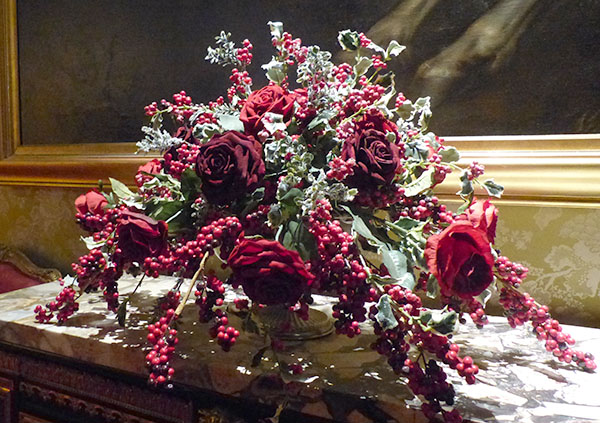
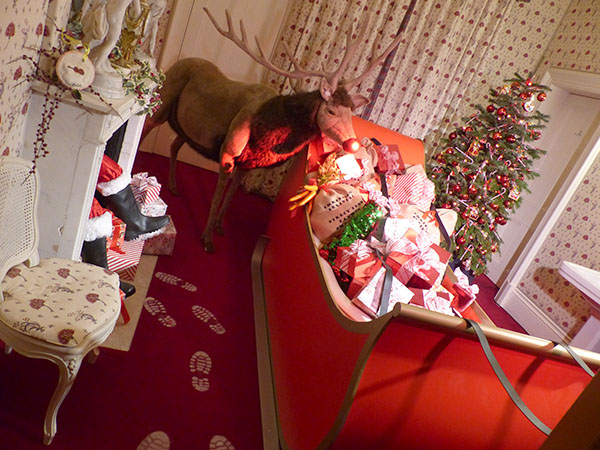
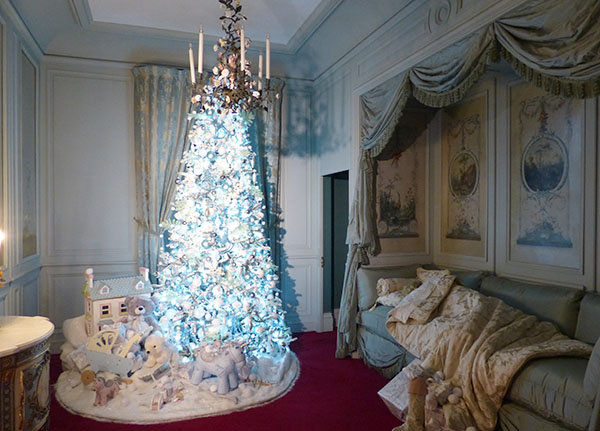
Over the Christmas season, the rooms are decorated with Christmas decorations and Christmas trees, cards, and garlands to create a festive atmosphere. At the moment, they are hosting carol singing in the house. 

I actually found the house to be interesting, and the audio guide helped me to learn about the house and the collections of artwork. I'd recommend a visit. It took me just over two hours to complete the tour. You can also combine this with the other Duke of Wellington monument across the road (Wellington Arch), which is also an English Heritgage property. I'd previously visited this in February of this year, so you can read more about it here: A Visit to Wellington Arch, London

Winterfest in Wembley Park: Christmas in Technicolour

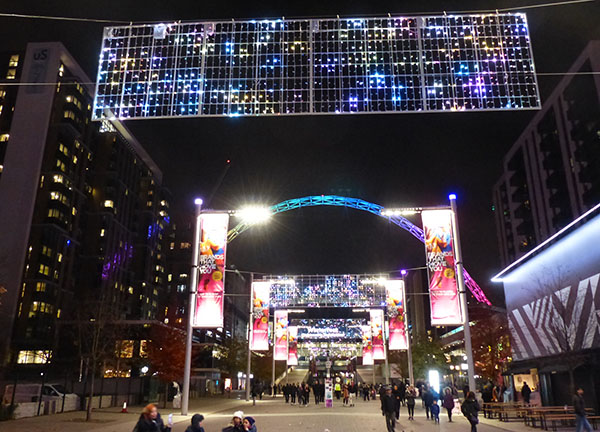
Wembley Park hosted their first ever immersive winter lights trail this year, which is being described as both a light trail and a Christmas trail with giant Christmas decorations. Tonight was the first night of the event with the "light switch on" taking place with a live band, carol singing, and people dressed as elves; the event will be in place until 3 January, adding a spark of colour to the shorter and darker days.

winterfest-wembley1.jpg

There are plenty of photograph and selfie opportunities amongst the light installations, and a few of the installations are immersive.  Visitors also have a choice of station where the light installations are placed between with a 15-minute walk between the two stations: Wembley Park and Wembley Stadium. There are plenty of places to grab a bite to eat or drink or to do a little bit of shopping. Fortunately, all of the light installations were working on opening night, so I managed to photograph them.

winterfest-wembley2.jpg

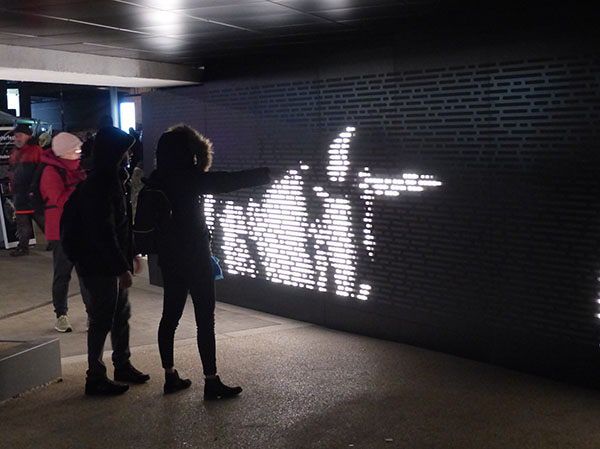
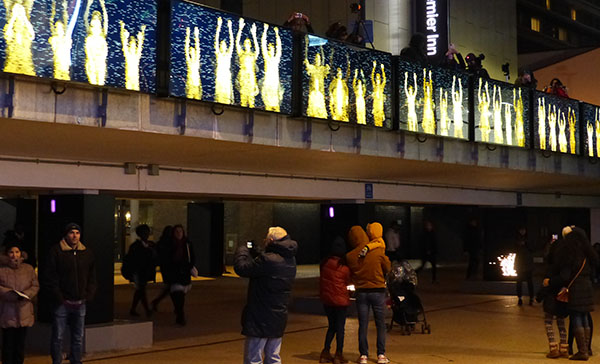
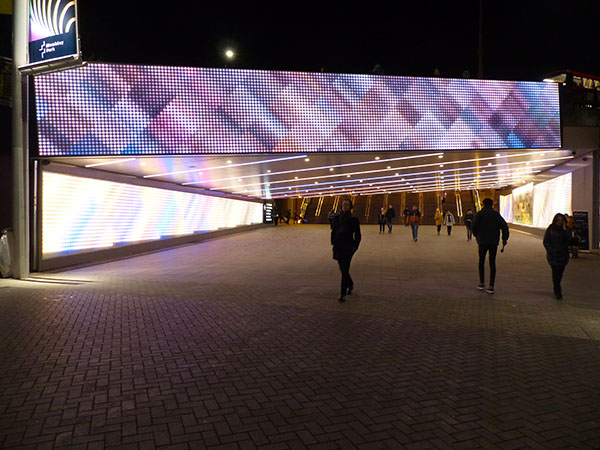
Shadow Wall: Jason Bruges

Shadows are created from people who walk by the walls of the underpass (Royal Route), leaving an imprint into the side of the wall made of light. Visitors created unique shapes by moving and posing. The light installation mimics those who walk by, imprinting their shape onto the wall.

winterfest-wembley3.jpg

winterfest-wembley13.jpg

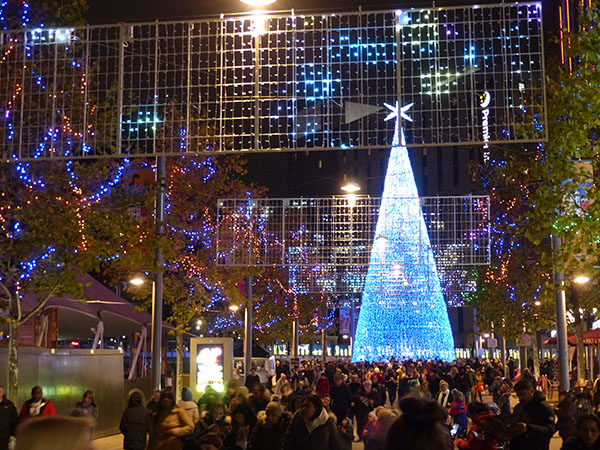
The Hopeful Tree: Elyne Legarnisson

This is London's tallest LED Christmas tree towering over the crowds at Wembley Park. It is lit with 100,000 low-energy bulbs and is the centrepiece of the event. Visitors can admire it from a distance or walk through it. The tree changes colour and pattern continuously.

winterfest-wembley4.jpg

Royal Wave: Jason Bruges

This digital Mexican wave on the underpass of Royal Route was created using portraits of people who live in the community. The artwork shifts with movement of the viewer. Its placement and subject is perfect for the venue as the Mexican wave is performed by crowds in stadiums, such as the one here at Wembley.

winterfest-wembley5.jpg

winterfest-wembley9.jpg

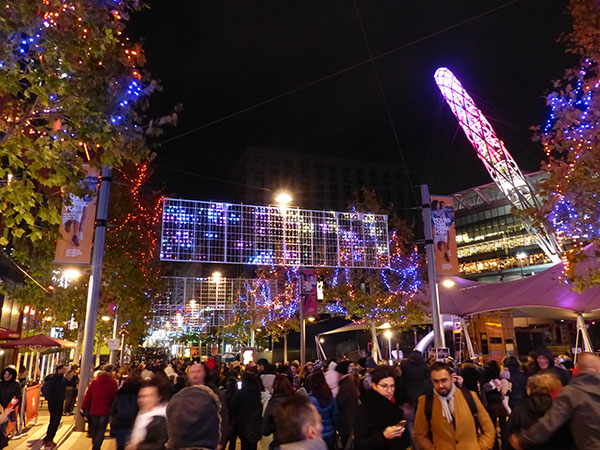
Murmuration of Hopes: Elyne Legarnisson

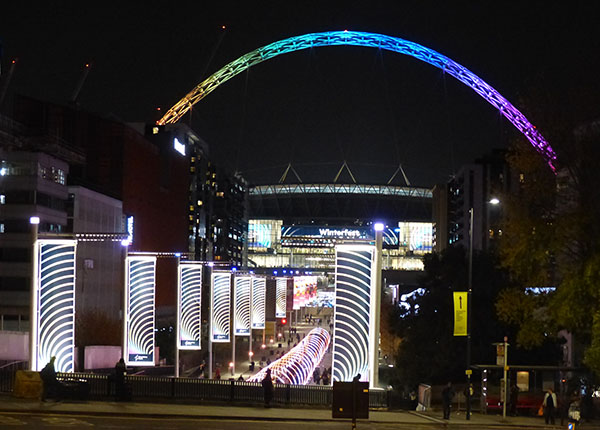
LED banners and illuminated trees line the walkway through Wembley Park. The light banners twinkle, mimicking birds in flight. There are two sections of this installation on both main walkways.

winterfest-wembley6.jpg

Saturation Surge: Maser

This is not a light installation and is a permanent installation here at Wembley, but it has been included in the list as I suppose it is a work of art and can brighten up the gloomy wintery days. The artwork is created with colourful geometric shapes by street artist Maser from Ireland. 

winterfest-wembley14.jpg

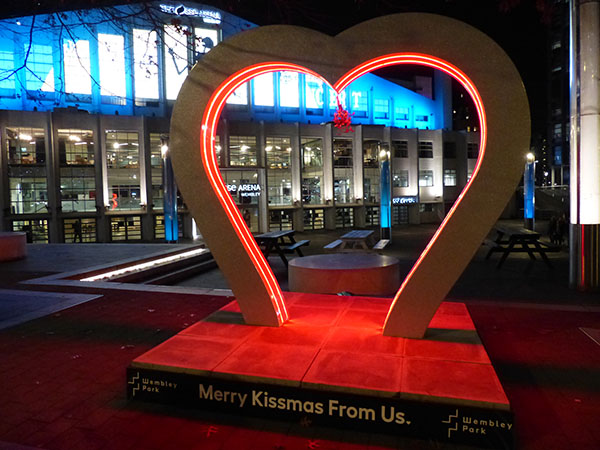
Love Spot

This installation is simply for the purpose of photographs. The lit-up heart has mistletoe hanging from it, encouraging couples to visit it for a photograph or a kiss.

winterfest-wembley7.jpg

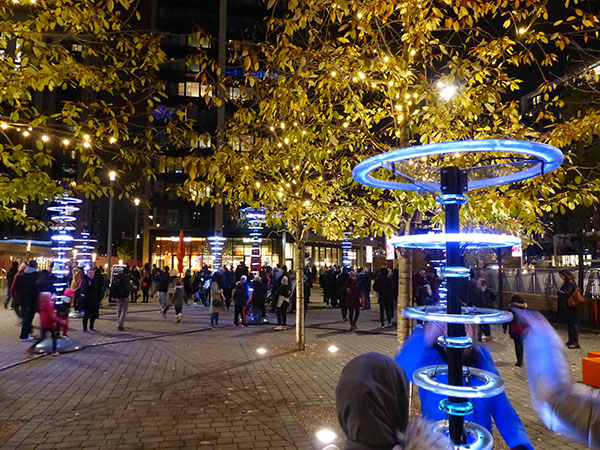
Illumaphonium: Halos: Michael Davis

This immersive installation allows the viewer to become a part of the work by creating soundscapes and light display from the lights using their hands.

winterfest-wembley8.jpg

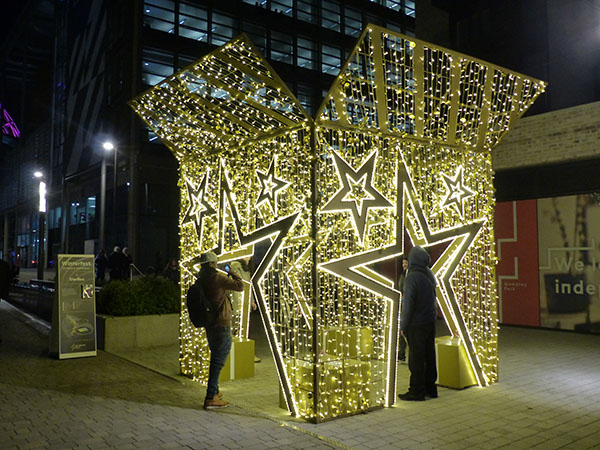
Star Box

Star Box premiered last year for the Christmas season and encourages visitors to step inside and to get their photographs with the giant gold gift box.

winterfest-wembley10.jpg

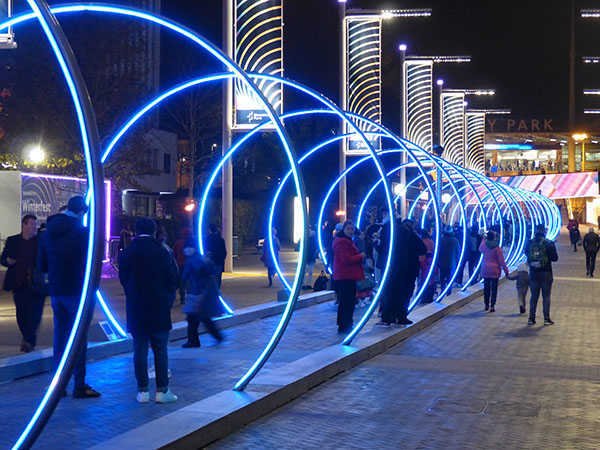
Sonic Runway: Rob Jensen and Warren Trezevant

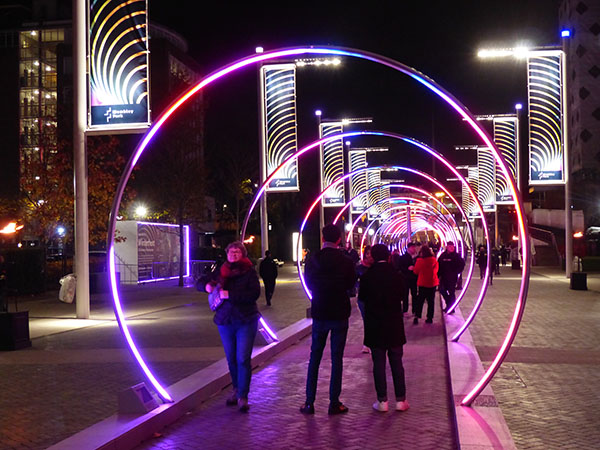
One of the highlights of Winterfest Wembley is this 130m tunnel of lights, which is making the European debut here at Wembley Park after Nevada's Burning Man Festival. The rings of lights are constantly moving and creating different patterns and colours set to music in a multi-sensory installation that is certainly a crowd-pleaser.

winterfest-wembley11.jpg

Crossover: miriamandtom

This artwork is a pattern of geometric colour transforming Bobby Moore Bridge near Wembley Park station. The top of the bridge and walls in the underpass are bright with shapes of complementary colour.

winterfest-wembley12.jpg

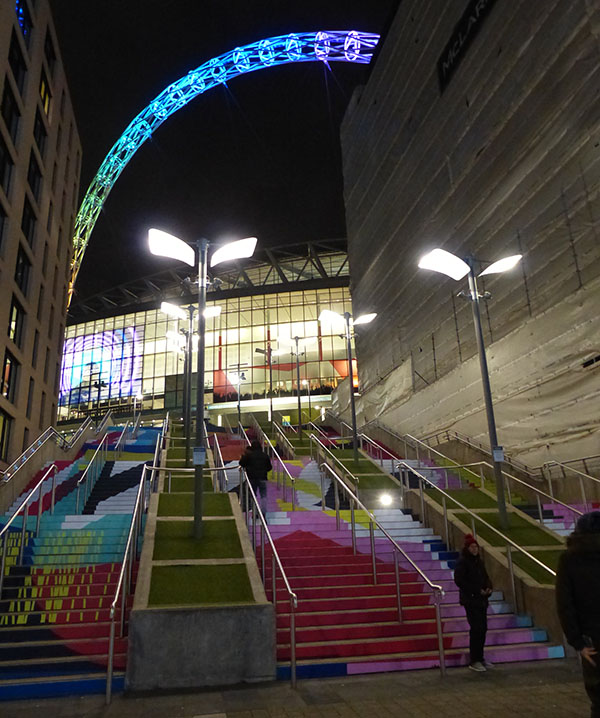
Also lit up was the star of Wembley itself, the stadium with its massive arches that can be seen from miles away. The arches were covered in a rainbow of colour for the evening. 

To see the mixture of interactive artwork and Christmas decorations and get photographs, visit Wembley Park before January 3rd. The area now has quite a lot of shops and restaurants to visit, though I found the shopping area not sign-posted well when I visited a few weeks ago to visit the cinema and get a bite to eat, though it was easy to just find the two main walkways with the light installations; I didn't venture into any of the shops. This area of London seems to be transforming a lot.

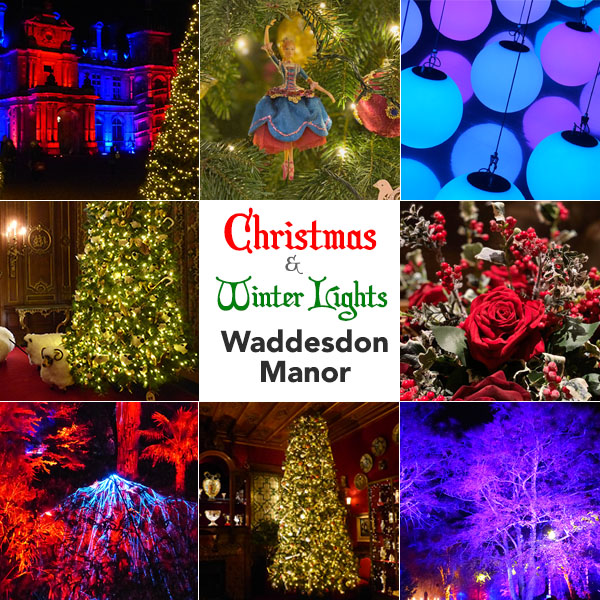
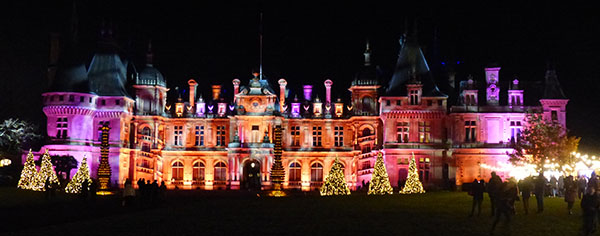
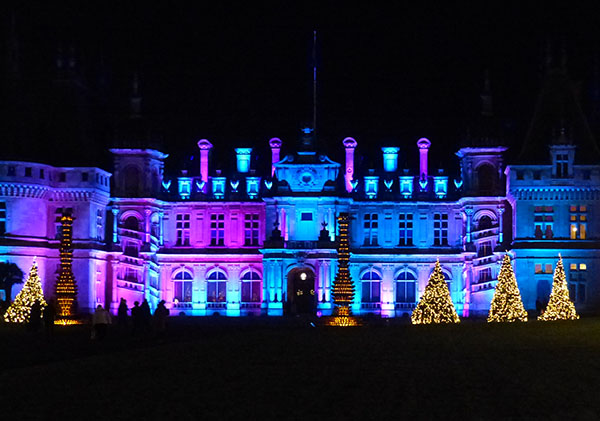
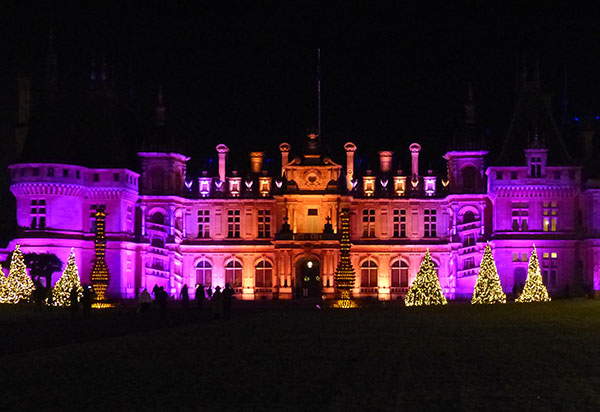
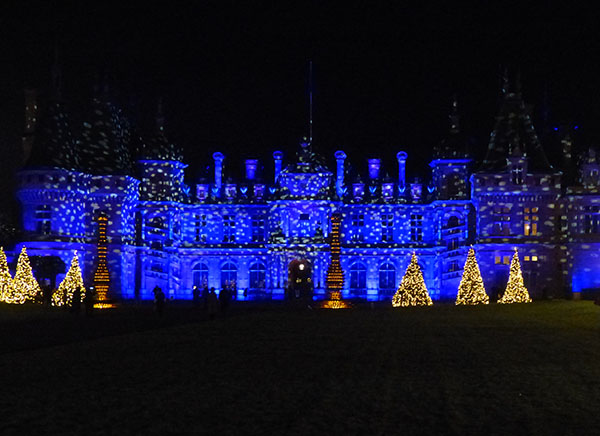
Waddesdon Manor is a property managed by the National Trust in Buckinghamshire, England. At this time of the year and throughout the festive season, the staff at Waddesdon Manor decorate the house and grounds. I visited Waddesdon Manor with friends this weekend on its opening day. The Christmas festivities here include two illuminated trails through the woods, several of the rooms in the house decorated for Christmas and open to the public (which requires an additional fee and booking well in advance), and a Christmas market. Members of the National Trust can visit the grounds for free, but the house is only accessible via timed tickets purchased in advance at an extra cost.

waddestonmanor-xmas2019-01a.jpg

Each year, Waddesdon Manor house is decorated to a theme. This year's theme for the decorated rooms at Waddesdon Manor is festive music. Each of the rooms (or each area in the house) was decorated based on the inspiration from a festive song, such as "O' Christmas Tree", "The Nutcracker", or "The Twelve Days of Christmas". The Rothchilds (the very wealthy family who lived in Waddesdon Manor from the late 1800s until the end of the 1950s) enjoyed music and would have had live music performed during the house parties at the weekends. 

wadedon manor

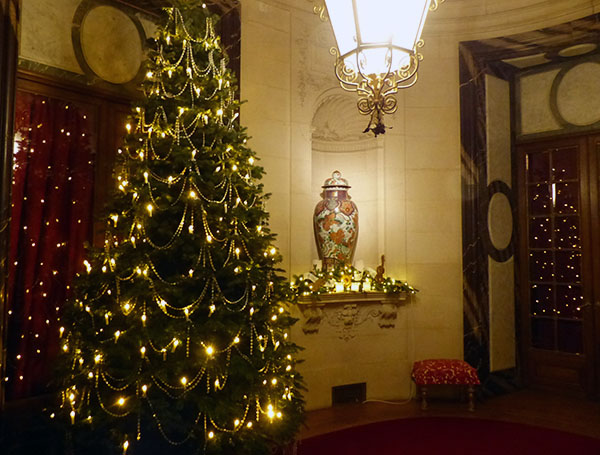
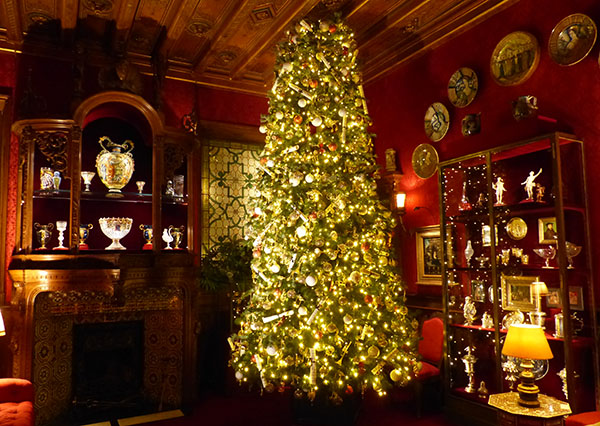
"O Christmas Tree": This is a traditional German song about the fir tree as a sturdy and faithful tree. The tree became one of the symbols of the season in the 1800s after Queen Charlotte introduced the tradition and then later when Queen Victoria was pictured with one. The Christmas tree is relatively a new tradition in the United Kingdom.

wadedon manor

"Three Kings of Orient (We Three Kings)": This room was decorated inspired by the three magi who went traveling across the desert in order to find the hold baby and bring him gifts. A large camel stands in a corner, and king-related ornaments (with animals such as elephants and camels) on placed on the trees. This song was written in the mid-1800s and is still a popular song for the season.

wadedon manor

wadedon manor

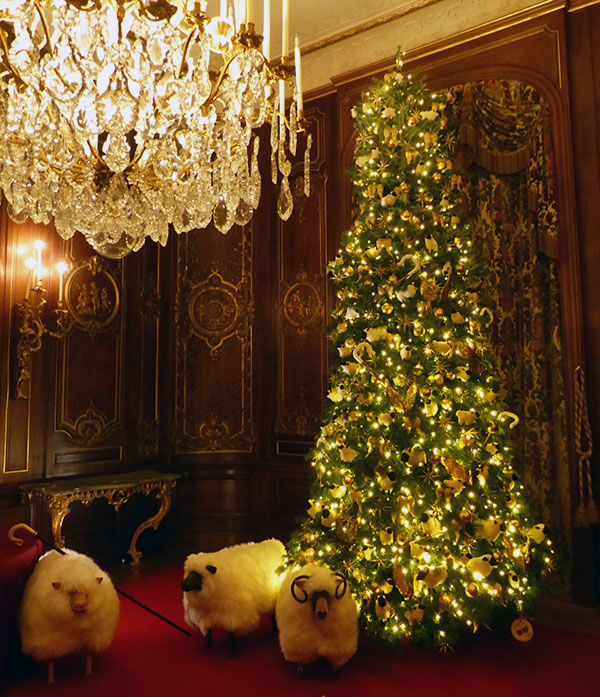
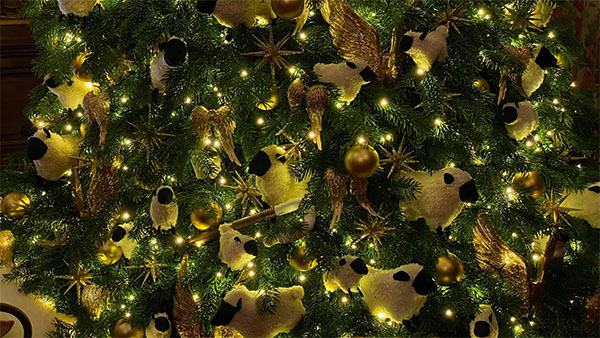
"While Shepherds Watch Their Flocks": This song describes how the holy baby news reached the ordinary people, such as the shepherds who tended to their flocks of sheep. The room and tree is decorated with sheep, stars, staffs, and angel's wings. I thought that the sheep looked very cute.

waded manor

Upstairs, a few more rooms were decorated.

wadedon manor

waded manor

"The Twelve Days of Christmas": This song from the 1700s is probably of French origin and was a memory game for children. The Twelve Days is about the traditional twelve days when the festivities lasted for twelve days and the Twelfth Night, the largest celebration. This was widely celebrated in place of Christmas. The tree included ornaments for the items in the song, including the dancing ladies, swans, geese, pipers, and maids.  

waded manor

waded manor

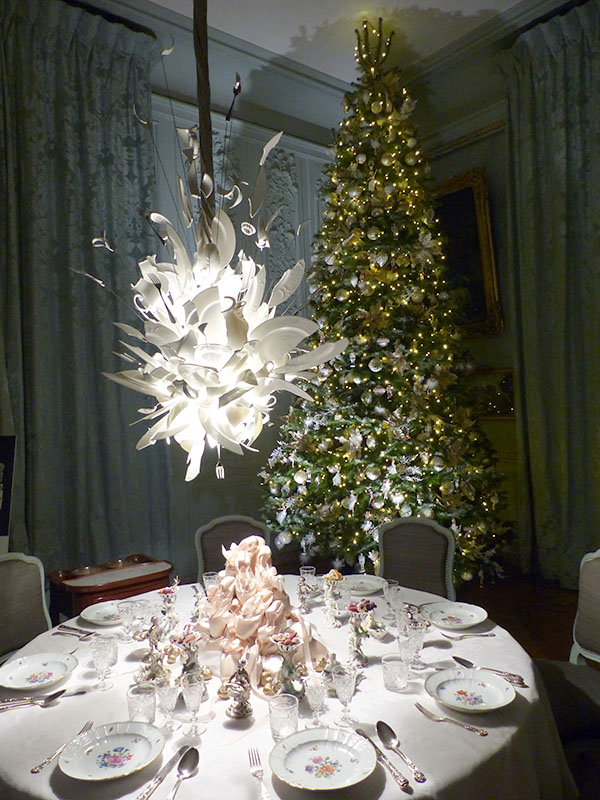
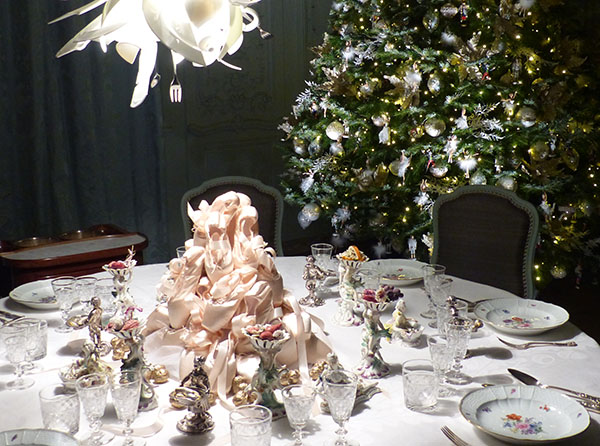
"I Saw Three Ships": The song "I Saw Three Ships" was a traditional traveling folk song (possibly sung by sailors); it was not a holiday song at all. The song dated from the middle ages but then became a festive song with some symbolism and word changes. The centrepieces on the table are of three porcelain ships that would hold pot-pouri, and the placemats and tree ornaments include paper ships and ship wheels.

wadedon manor

waded manor

waded manor

waded manor

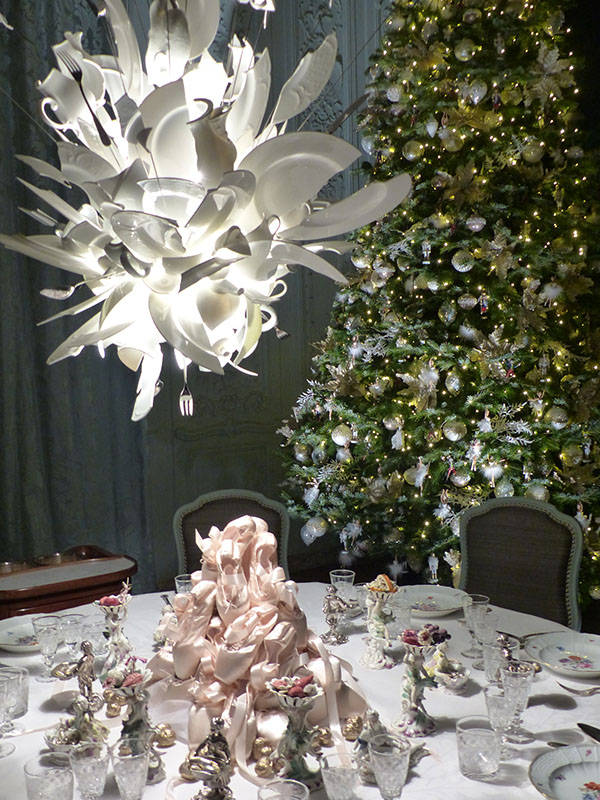
"The Nutcracker": "The Nutcracker" ballet has become a festive tradition due to the story. The story is about a young girl's toy nutcracker that comes to life at night. The child-like wonder evokes a festive mood, so it is often now used as a symbol of the holidays. The room is decorated with nutcrackers on the fireplace and ballet shoes as a centrepiece of the table.

waddestonmanor-xmas2019-01.jpg

waded manor

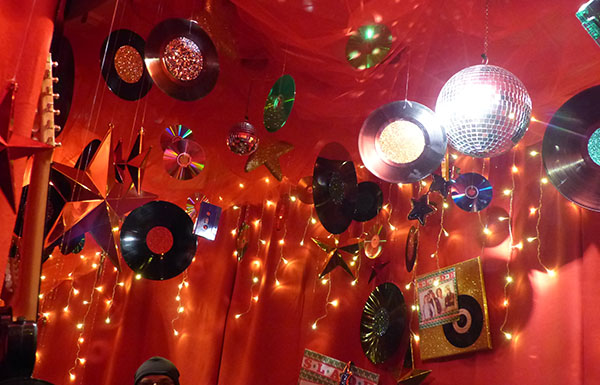
Christmas Hits: This area, which descends some stairs, is dedicated to the number one songs during the week of Christmas. Many of them are not festive songs.

waded manor

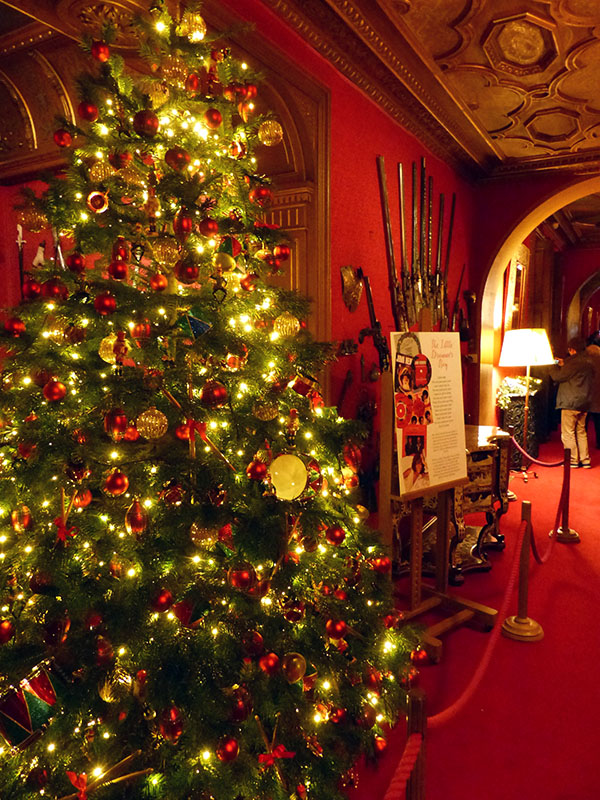
"The Little Drummer Boy": This tune originated in the 1940s and is a story about a little boy with a drum and his gift of music to the baby. The song has been recorded by a lot of artists.

waded manor

waded manor

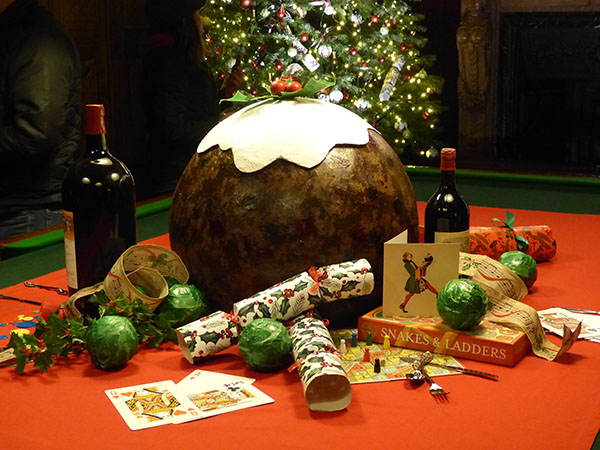
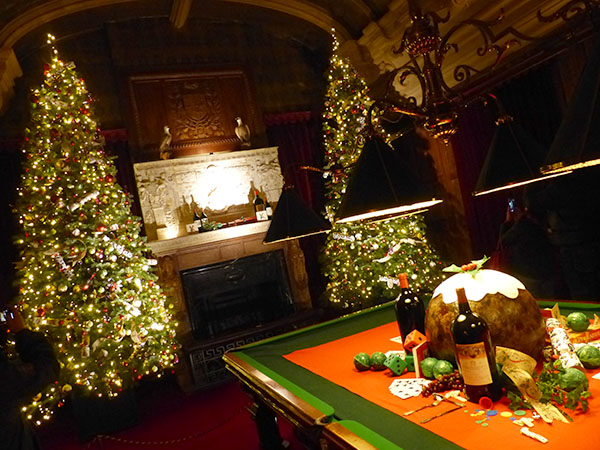
"We Wish you a Merry Christmas": This song originated as a carol sung by groups who would go around asking for donations. One of the Christmas messages is about giving to the poor or needy in the community. The room is decorated with festive items, such as Christmas pudding and games, treats, and crackers.

waded manor

Classics Christmas: The room across the hall represented classical Christmas music, symbolising the importance of music to the family.

waddestonmanor-xmas2019-01.jpg

"Rudolph the Red-Nosed Reindeer": This is a very recent song about the misfit reindeer who finally gets accepted because of what he can do when people start to realise how important he is that he is different. It is based on a children's book and a film that was launched at the same time. Inside the small room is the title character.

waddestonmanor-xmas2019-01.jpg

"White Christmas": Written in the late 1800s, this song is now one of the most famous (if not the most famous) Christmas songs. It became even more famous when Bing Crosby sang it in the 1940s to troops in France. The room is decorated as a child's room with ice blue decorations.

waded manor

After the visit to the house to look at the rooms, we checked out the lights.

wadedon manor

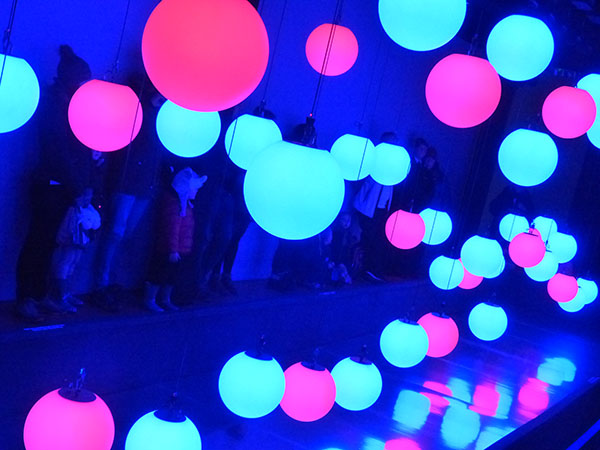
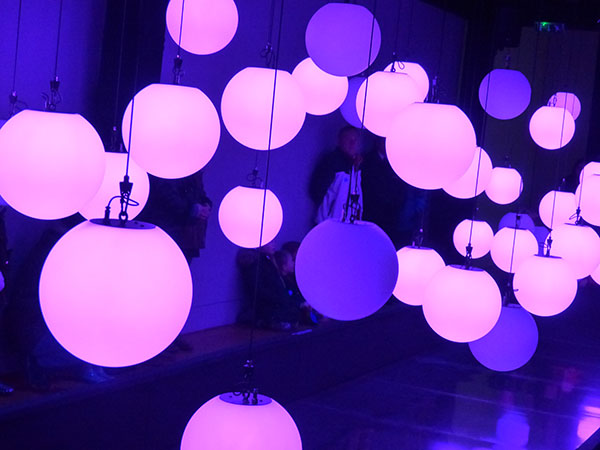
This illumination was located in the stables at the bottom of the hill, and the orbs of light changed colour and moved to music.

wadedon manor

wadedon manor

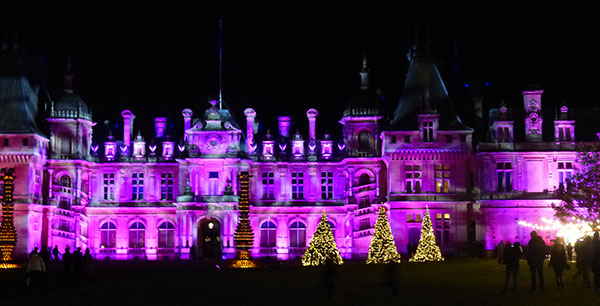
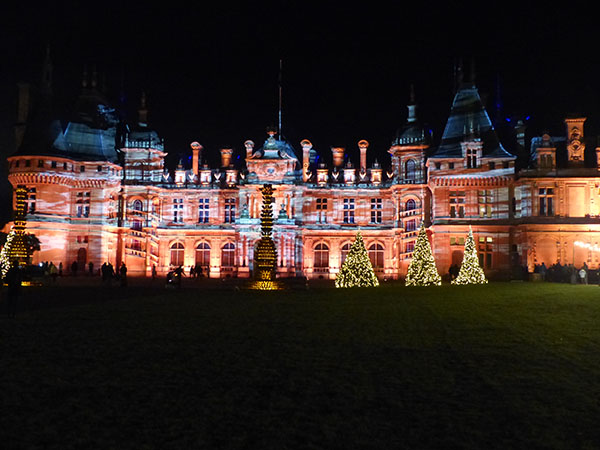
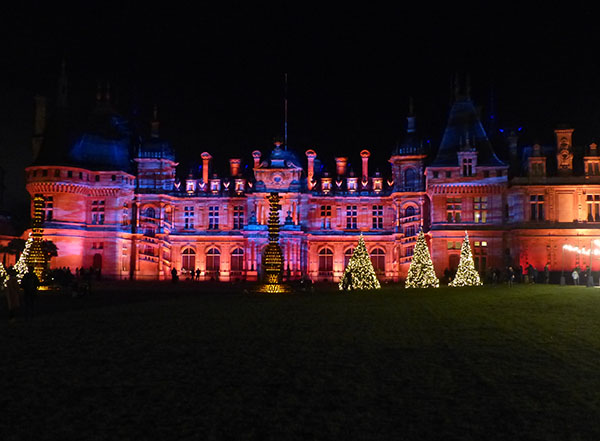
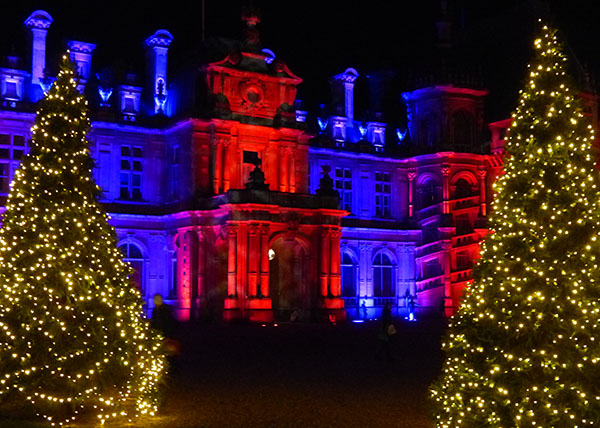
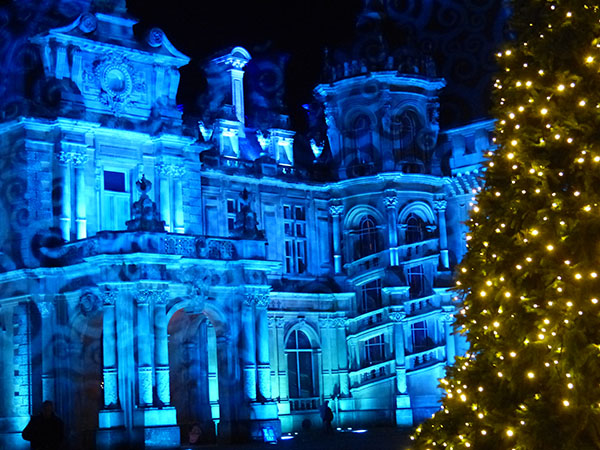
Waddesdon Manor had a light show projected onto it, which was also set to music.

waded manor

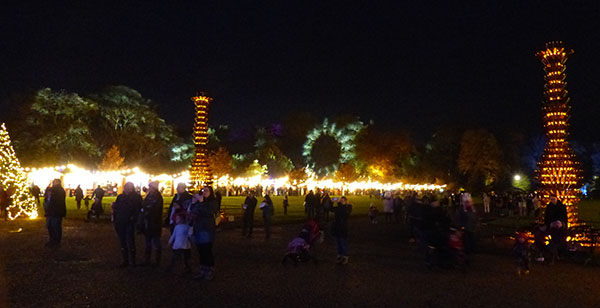
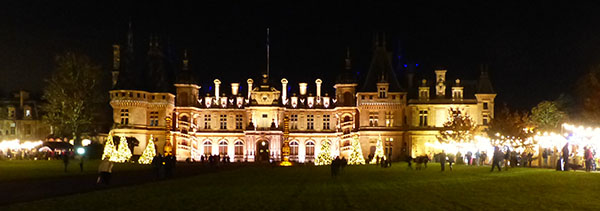
Two rows of Christmas market stalls were available to browse in front of the manor house, and some of the lights here were projected onto the trees or made from wine bottles.

waded manor

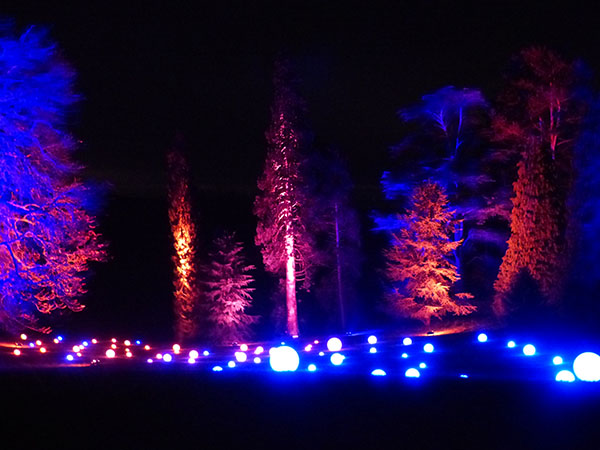
The Illuminated Winter Woodland Trail was a circular walk with many smaller displays inside, such as the one set to music below with orbs that changed colour and pulsed with the music.

waded manor

waded manor

waded manor

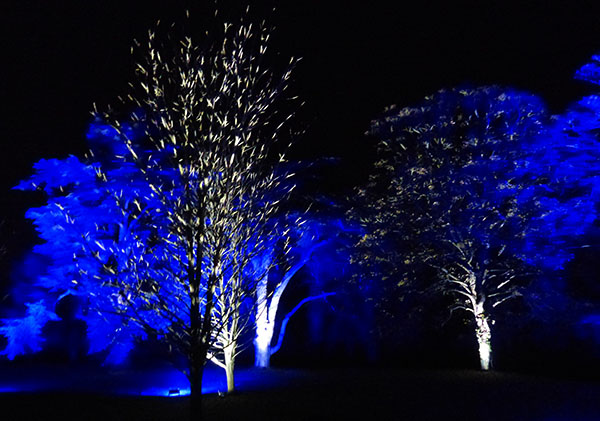
Some of the lights twinkled, looking like a million fireflies, due to disco balls rotating with light, high up in the trees.

waded manor

waded manor

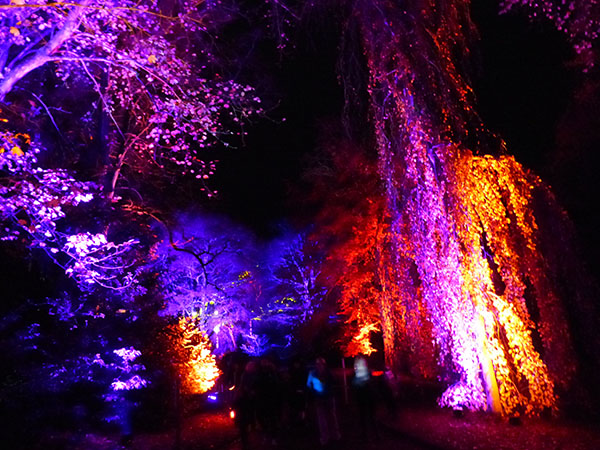
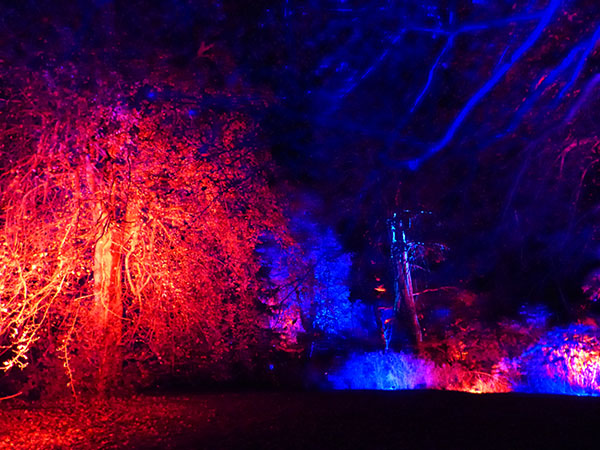
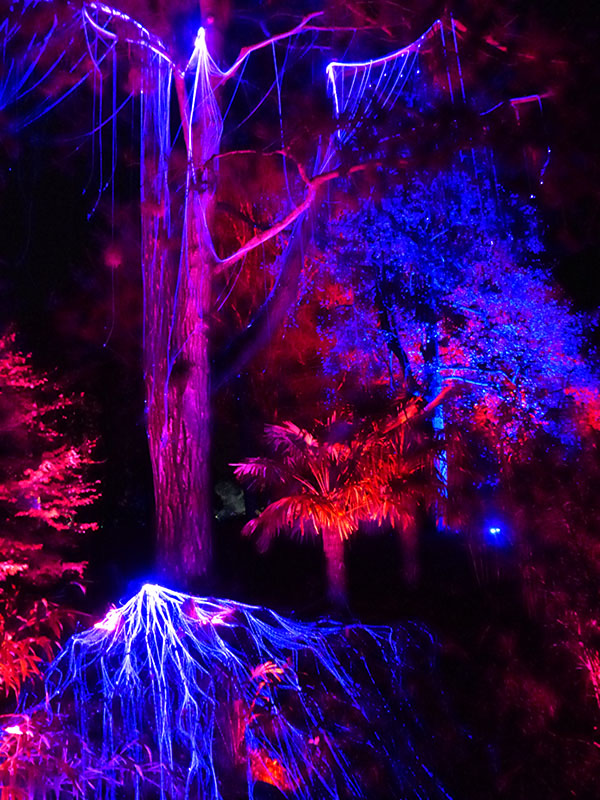
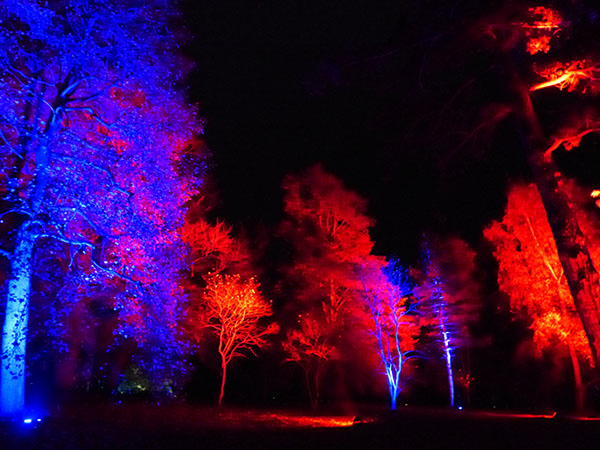
One tree had fiber-optic lighting dangling down from the branches and in a pool below.

waddestonmanor-xmas2019-01.jpg

waddestonmanor-xmas2019-01.jpg

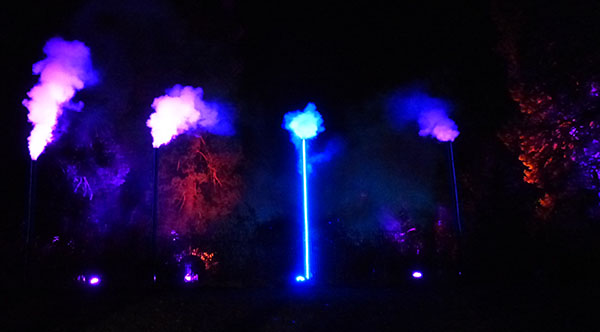
One of the other light attractions included smoke stacks where visitors could press a colour button for the smoke to turn a different colour.

waded manor

Another light show was set to music from "The Nutcracker" with patterns created in light and shadow and of different colour.

waded manor

The real treat was the projection onto Waddesdon Manor.

waded manor

waded manor

waded manor

waded manor

waded manor

waded manor

waddestonmanor-xmas2019-01.jpg

waddestonmanor-xmas2019-01.jpg

waded manor

waded manor

waded manor

We didn't have time to walk around the Christmas market, which looked like it was selling some really good and different products at a quick glance of some stalls, and we also ran out of time to walk the second illuminated trail, which had some lanterns and a few additional light projections. (The main trail was the one near the aviary, which we did walk.) 

I visited on opening day for the festive attractions, and the venue was very busy and actually too busy for my liking really as it was difficult to look around properly, and we had to wait awhile at times. This is certainly one of the most popular festive National Trust places, so it must be one of the better ones or most people just want to start to think about the holidays to get other things off of their minds. 

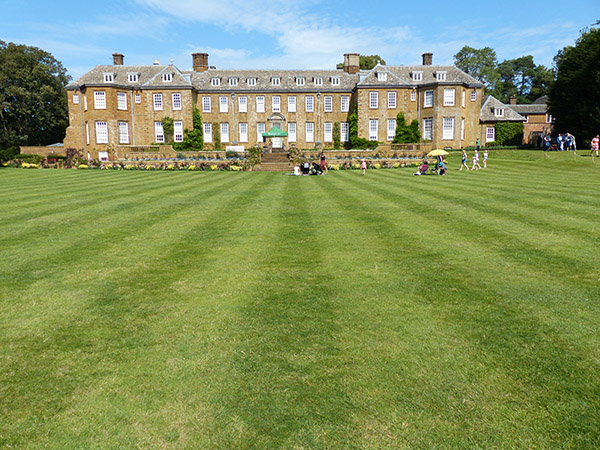
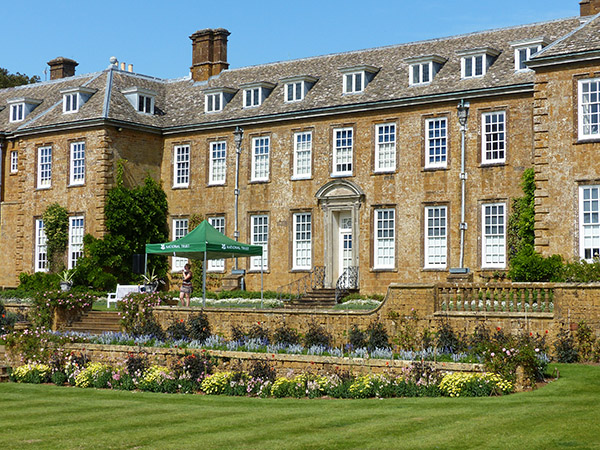
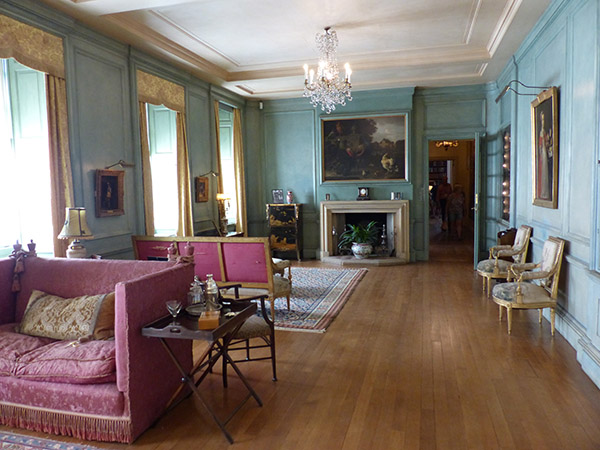
Upton House is located in Warwickshire, and the house dates from the end of the 1600s and was passed down through several owners. In the 1920s, the most famous owner who also updated the house and gardens to what we can see today was the Samuel family (also known as Lord and Lady Bearsted), who founded the oil company Shell. The house was donated to National Trust in 1948 and maintained by them, and the furniture and furnishings were donated by the family later on condition that they remain on show to the public. 

Upton House

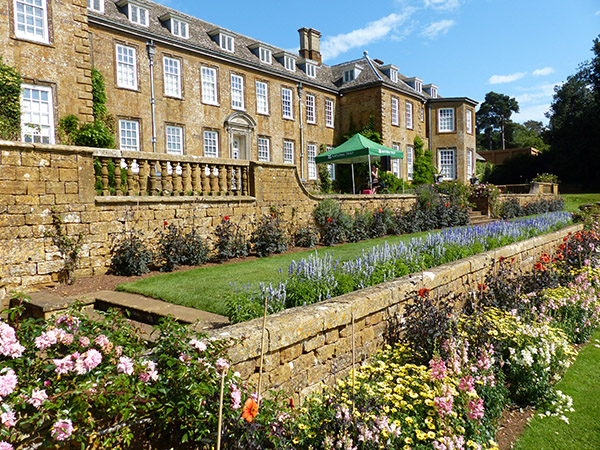
Before visiting the house, I visited the gardens. During my visit last month, a singer was singing live music in the gardens at the back. The gardens were re-developed in the 1930s as they had changed little before then. The garden designer was Kitty Lloyd Jones, who became a close friend of Lady Bearsted during the re-design. She was responsible for the borders, rose gardens, orchard, and the pond.

Upton House

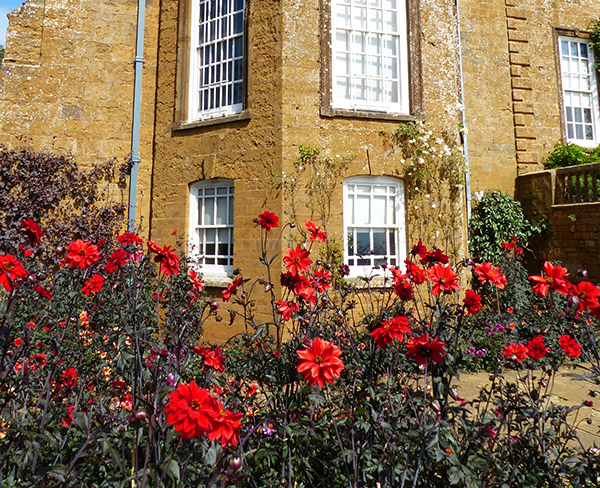
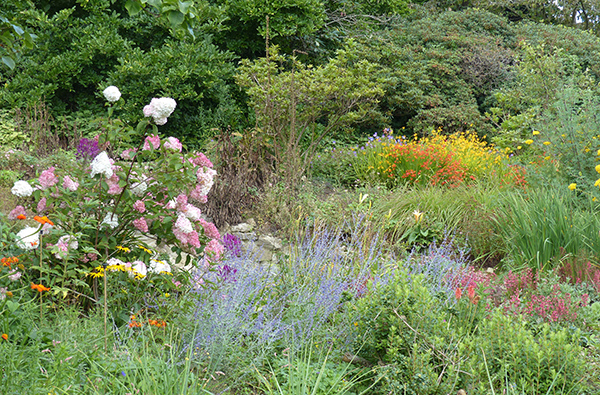
The flowers were in full and beautiful bloom during my visit. 

Upton House

Upton House

Upton House

Upton House

The walled garden dips down at the end of the main garden from the house, and below this (in the valley), is the pond and more borders and trees.

Upton House

Upton House

Upton House can be visited to timed entry, so it's worth arriving early in the day. One of the first rooms was the Long Gallery, pictured below. The room was filled with paintings from Dutch Masters and peasants working in the fields, which were conversation-starters. The room is very long and L-shaped with a piano used for entertaining and plenty of seating dividing sections for guests to mingle.

Upton House

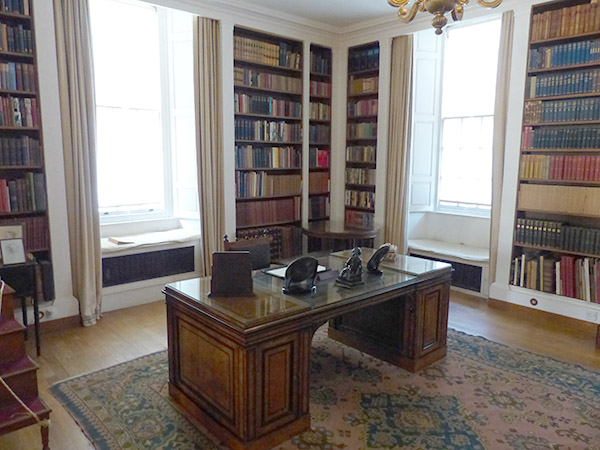
The library was where Lord Bearsted completed his work for his company Shell when he was not in London at the Shell building on the Thames (known as Mex House) in the 1930s. The family had become wealthy after importing/exporting luxury goods, and one of the items that they were known for was creating painted shell boxes; this is how the company ultimately got its name 'Shell'. The library room has an open balcony to view the gallery room on the floor below. Below this room are the art galleries with important paintings and a sports room with pool table. There is also a large doll's house being constructed of Upton House at present, which is due to be completed at the end of the year for a grand Christmas reveal.

Upton House

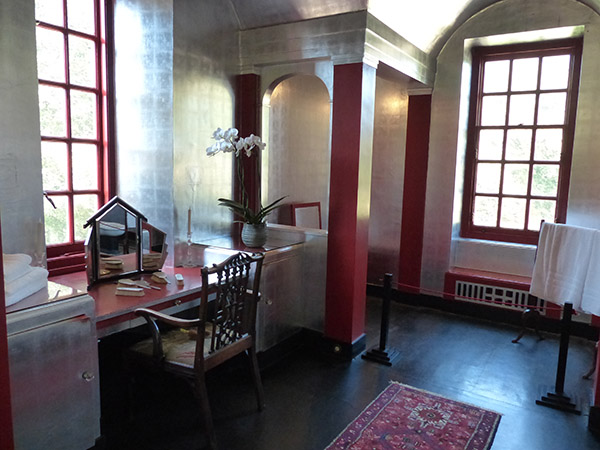
The most interesting room in the house is probably the very unusual Art Deco bathroom suite. This unique design came from America and was short-lived because of the resources then used for World War II, and few of these examples survive. The style was preferred by the wealthy, and it was created using aluminum leaf. It was later covered over, but drawings of the design and clippings of similar examples of the design existed in magazines, so it was re-instated (repaired) in 2001, but the aluminum needed re-plating as it had been tarnished.

Upton House

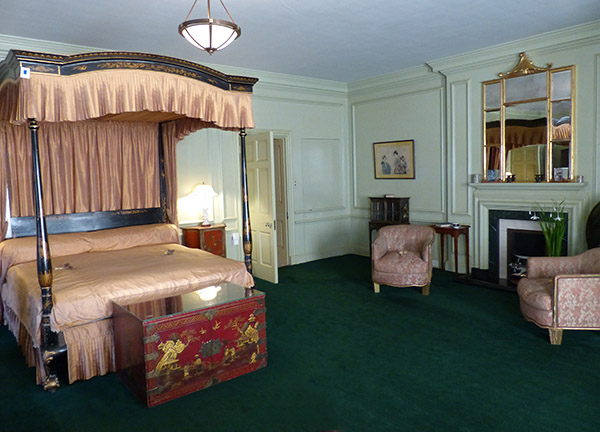
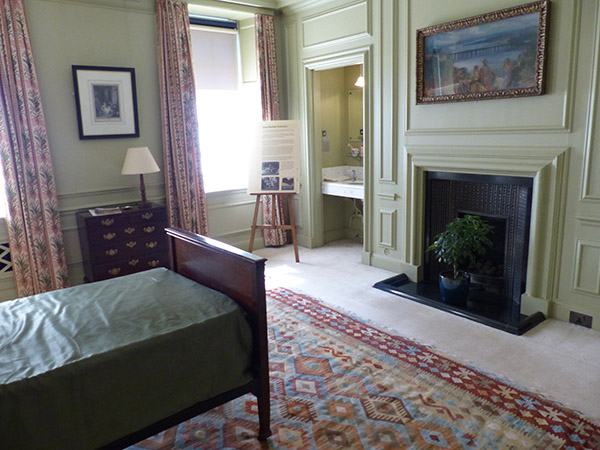
The bedroom below adjoins onto the Art Deco bathroom suite, and this was Lady Bearsted's room. It has many items from Asia. Her room is next to the maid's room, which was also quite comfortable and required her to be there at a moment's notice.

Upton House

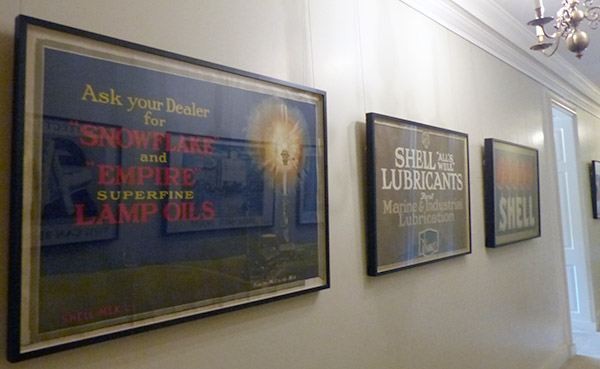
The advertising of Shell in the hallways is also significant as some of these illustrations are the originals.

Upton House

Visitors who were invited to the house could stay the night as Upton is considered a country house and a fair distance from a town in those days. For this reason, some rooms exist with basic elements for visitors to stay.

Upton House

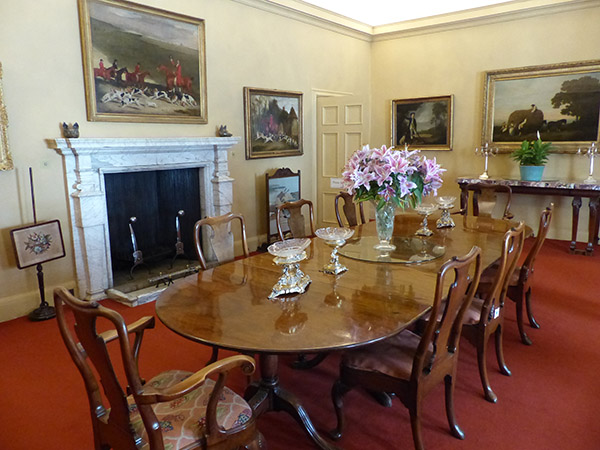
The dining room is located in a more private part of the house and contains some of the paintings of farm workers, peasants, and country scenes. 

Upton House

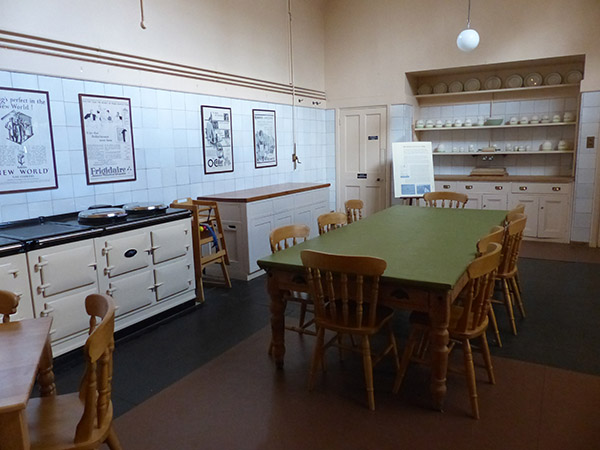
The kitchen is located down the hall.

Upton House

Have you ever visited Upton House? Although the house itself is nice to visit, I think that the gardens here are more attractive and require a visit, so this property is probably best to visit in the summer months.

Summer at Peggy Porschen Cafe King's Road

Now that we are in September and having cooler days after the hot weather at the end of August, summer is feeling increasingly behind us. I've been noticing that the colours of the leaves have started to change slightly. I don't want summer to be over just yet, so I thought that I would bring you an update featuring Peggy Porschen Cafe on King's Road. 

peggyporschen-kindsrd-aug2019-01.jpg

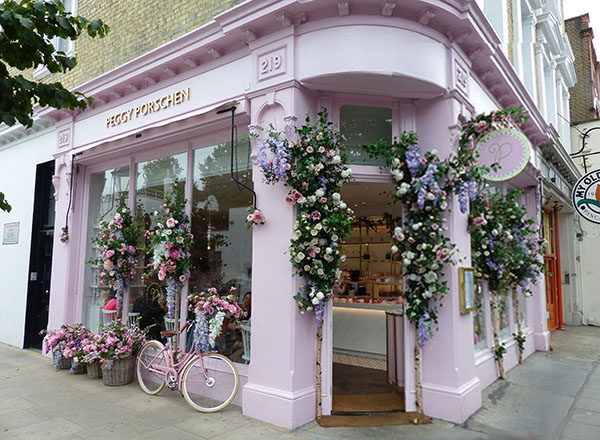
Peggy Porschen's cafe opened nearly ten years ago in London between Sloane Square and Victoria Station and has since become a hit with celebrities and visitors to London who wish to grab a photograph of the attractive pink corner cafe front, which is often decorated with floral displays. I first visited last Christmas (A Christmas Visit to Peggy Porschen Bakery) and then again in February (February/March Heart and Floral Designs at London Shops). 

peggyporschen-kindsrd-aug2019-02.jpg

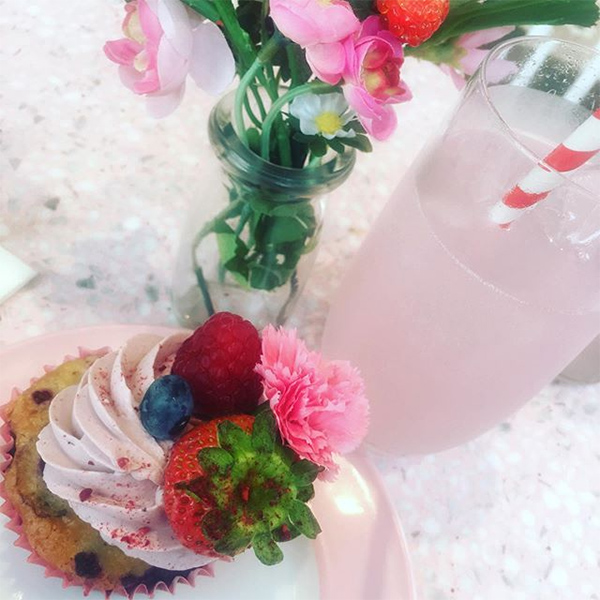
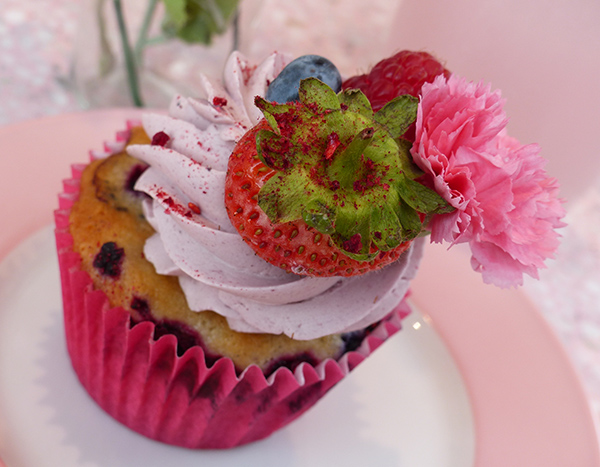
Due to the success of the first branch, Peggy Porschen's Cafe on King's Road opened in the spring this year, and I went along not long after it opened to check it out (Easter at the New Peggy Porschen Cafe, King's Road). I was in the area a couple of weeks ago in the warm weather and stopped back in for a drink and a cupcake. I had the summer berry cupcake and pink lemonade, and the cupcake looked stunning and was delicious.

peggyporschen-kindsrd-aug2019-03.jpg

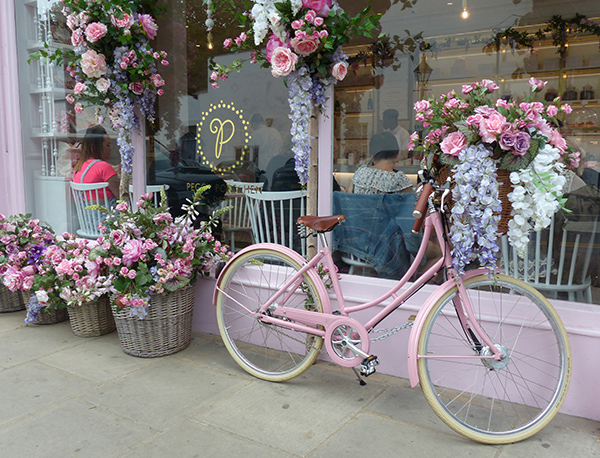
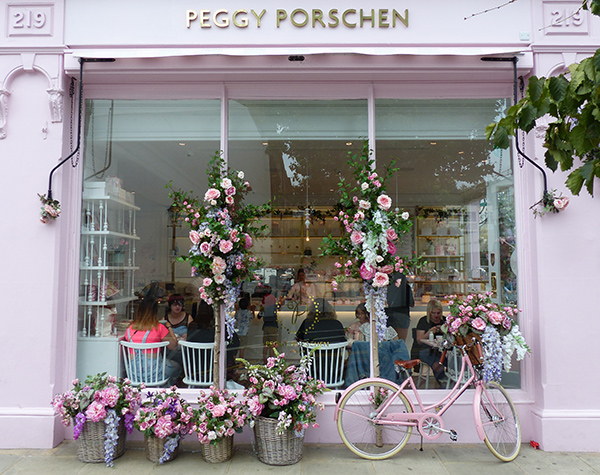
I also checked out the summer decorations. The pink cafe catches a lot of visitors because of the pink building and the beautiful floral displays. If you're visiting London and like seeing the trendy places, Peggy Porschen is probably on your list of places to visit.

peggyporschen-kindsrd-aug2019-04.jpg

peggyporschen-kindsrd-aug2019-05.jpg

peggyporschen-kindsrd-aug2019-06.jpg

This Peggy Porschen's Cafe branch is generally quieter than their busier branch around the corner from Sloane Square/Victoria Station.

Emmett's Garden is a six-acre National Trust garden, woodland and arboretum located in Kent, England and maintained by the National Trust. I visited Emmett's Garden at the beginning of August, and the rose garden was particularly beautiful. So, who was Emmett and how did this garden come to be created, and why is it here and maintained and a tourist attraction today? Read on to find out.

Emmetts Garden

Emmett's Garden was created in 1860 along with the adjoining house. The house is privately owned and located behind the rose garden, but visitors cannot access this. The name "Emmett" actually does not relate to a person, but it is a local word that means "ant", and this place got its name for the large anthills that covered the area. There are some references to ants in the park with sculptures, which is mainly an attraction for children. 

Emmetts Garden

The land and home was purchased in 1890 by Frederic Lubbock, who was a banker and avid gardener and who had a large family. Lubbock's older brother was a world expert on ants, which is probably what influenced the purchase of the land. As well as enjoying studying and writing about ants and bees, he was responsible for giving workers time off and Bank Holidays. The gardens were planned in the early 1890s by a friend William Robinson, and the Edwardian style of garden design was achived. A shrub garden, pictured above, was added a few years later. Lubbock enjoyed his gardening as it was his passion, so he spent a lot of time on making it beautiful.

Emmetts Garden

In 1927, Lubbock passed away and Charles Watson Boise, an American geologist, purchased the land. Boise had made his fortune in diamond mining. He continued to employ the gardener that Lubbock had used. He largely kept the gardens the same but had filled in the ponds because he worried about catching malaria as he had done in the Congo, increasing the size of the rock garden, and creating a golf course. Boise had also enjoyed village life and invited local children to enjoy the gardens at Christmas and turned his Buick into a fire vehicle during World War 2 to help put out fires and control damage. In the early 1960s, he left the gardens to the National Trust. In 1987, a storm brought down some trees and shrubs that had been planted by both men, and the National Trust had to replant, so many of the trees in the arboretum side are young.

Emmetts Garden

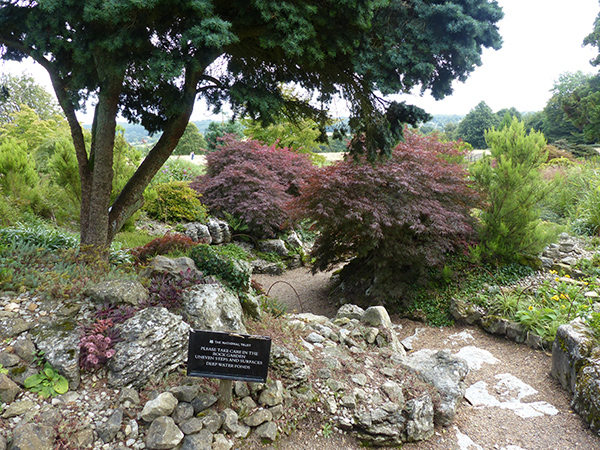
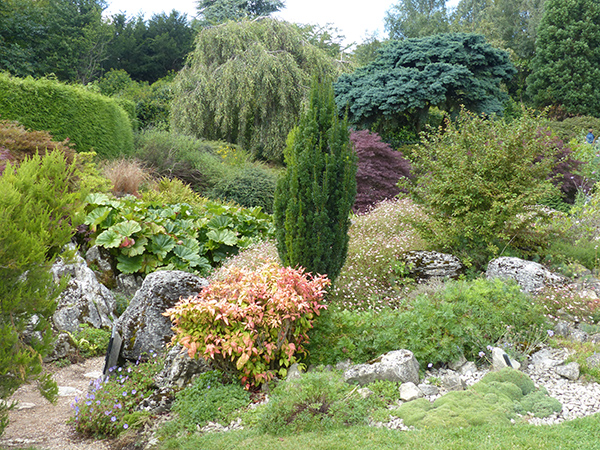
Upon entering, visitors can walk through the rock garden, which does contain a small pond.

Emmetts Garden

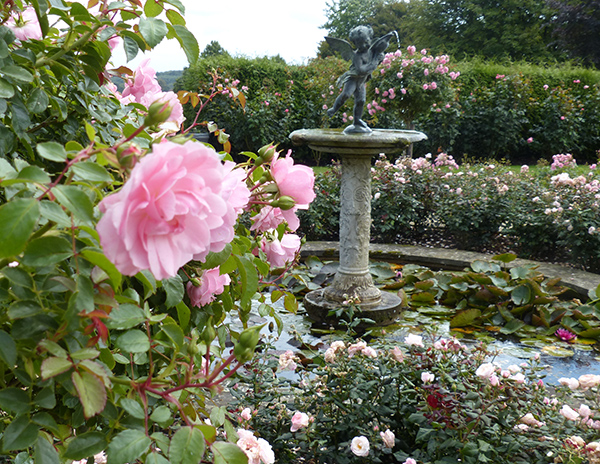
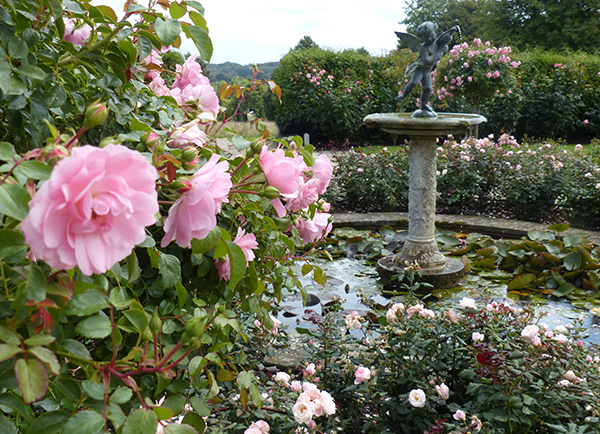
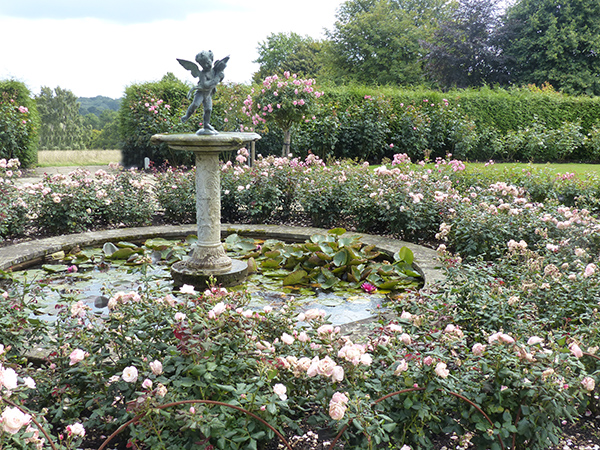
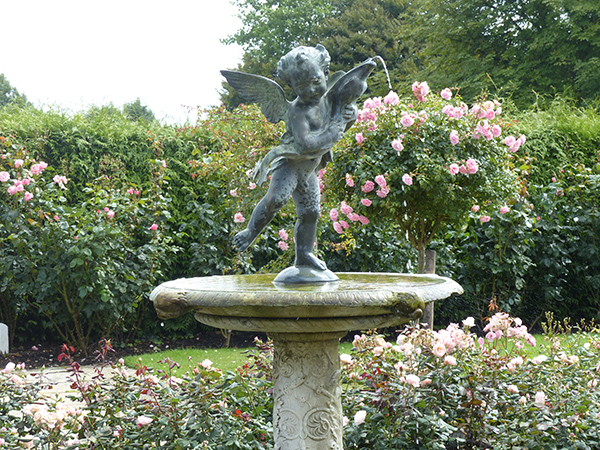
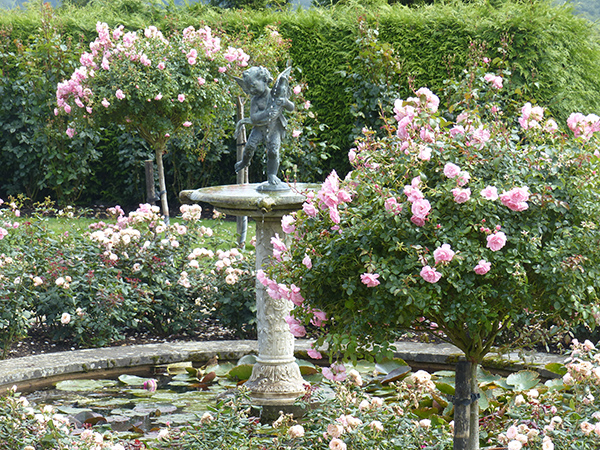
After the rock garden, visitors can sit on one of the benches in the rose garden or admire the feature-piece, a fountain with a statue of Cupid. The roses were particularly beautiful when I visited them.

Emmetts Garden

Emmetts Garden

Emmetts Garden

Emmetts Garden

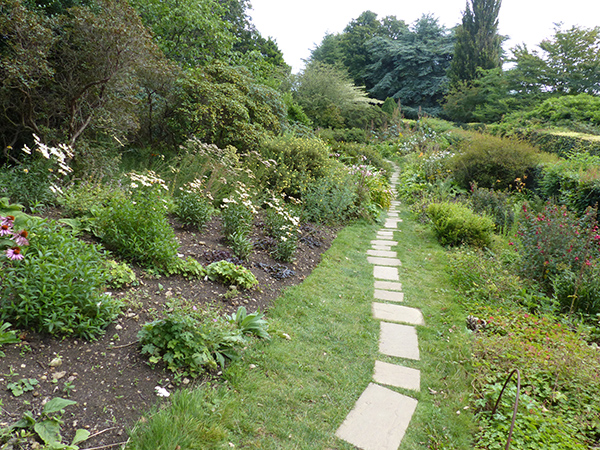
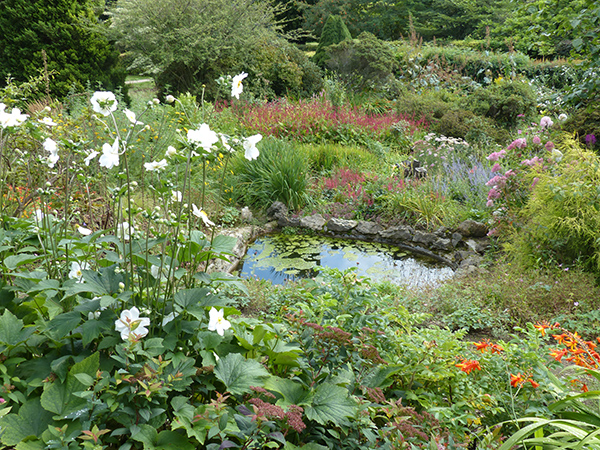
After visiting the arboretum, I visited the other gardens on the way back through to the exit. These contain mainly wildflowers and are located with a small pond.

Emmetts Garden

Emmetts Garden

Emmetts Garden

Emmetts Garden

The lower part of the rock garden is also passed through on the way back.

Emmetts Garden

Opposite this is a small cherry orchard, open field, and an area on flat land that had tulip bulbs planted on it and should look beautiful in the spring. The bluebells are also said to be in abundance here. 

Emmett's Garden is open from March until December. The best times to visit are in the early or late spring or mid-summer when the flowers are in bloom. I am unsure how the gardens or arboretum look in the autumn if visited then, but I highly recommend this in the summer, particularly when the roses are in bloom. (I visited near the beginning of August.) 

An Afternoon at Brough Castle (Cumbria, England)

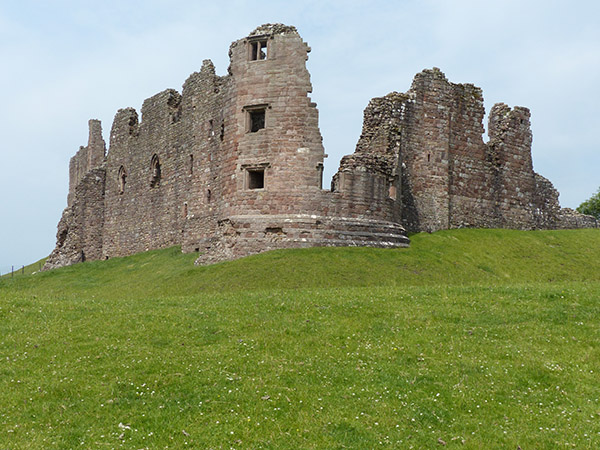
One of the most spectacular and interesting castles in the Cumbria region, located at the top of the Yorkshire Dales, is Brough Castle. In fact, this bit of land served as a Roman fort before it was a stone castle. The earthworks date from the Roman fort and a previous castle here, but the stone that can be seen today dates from the 1100s. This castle has a rich history. 

brough-castle-01.jpg

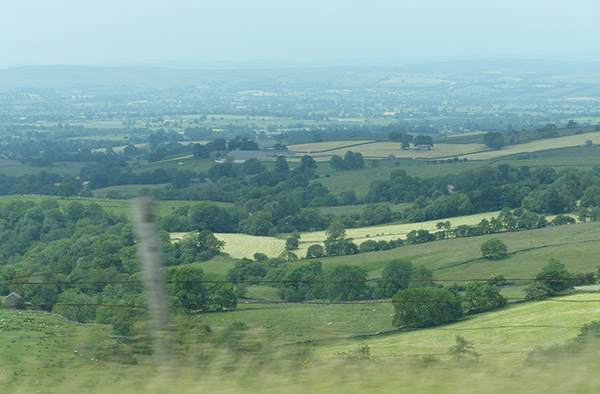
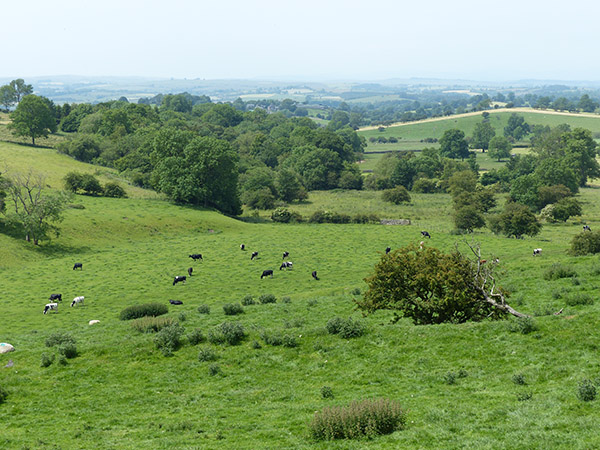
This site began as a Roman fort Veretis. It was one of a number of forts on an old Roman road between York to Carlisle (similar to the next fort toward York, where Bowes Castle currently stands), and it was probably built around 80AD. It is thought to have accommodated 500 men, and items discovered near here suggest that it was a Thracian army, which were men from modern-day Turkey. The old Roman road follows the current road, where the below photograh was taken between Bowes Castle and Brough Castle. The view is impressive, and I can see why the Romans built two forts here as it gave them the advantage of looking out over their empire.

Brough Castle

When the Normans invaded in the late 1000s, the site of the fort was reused. The earthworks provided them with a new castle. The ditches were dug deeper and the walls wider, following the outline of the Roman fort. This area was always under attack from the Scottish (whose border was actually not far from this castle at one time), and the castle was given to Vieuxponts family by King John; this was then inherited by the Cliffords family who used it as their primary residence.

Brough Castle

When the castle suffered a fire over Christmas in the mid-1500s when Lord Clifford hosted a party, it was rebuilt by Lady Anne Clifford in the mid-1600s. Lady Anne Clifford was the last to reside here. She was the last of the family line and also helped repair other castles. The castle was unused from the late 1600s and finally abandoned in 1713, which is a shame because it looked like a fantastic castle.

Brough Castle

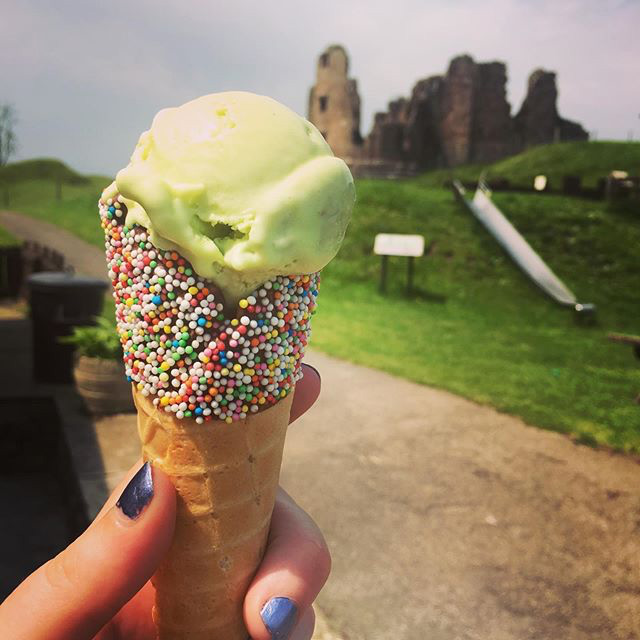
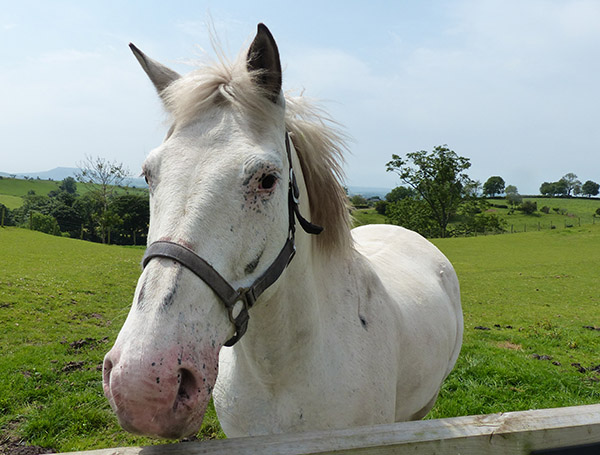
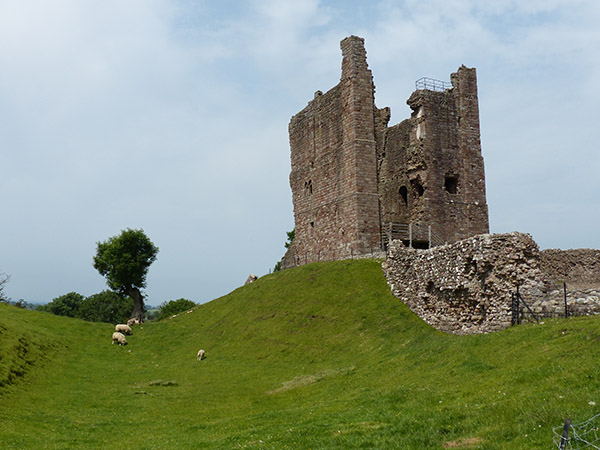
Today, the castle is located next to the village that sprung up beside it, and a cafe and ice cream shop is near the entrance. There is also a playground and picnic tables for families here. In the field next to the castle are horses that greet visitors, and the castle grounds are pasture that contained sheep when I visited.

brough-castle40.jpg

Brough Castle

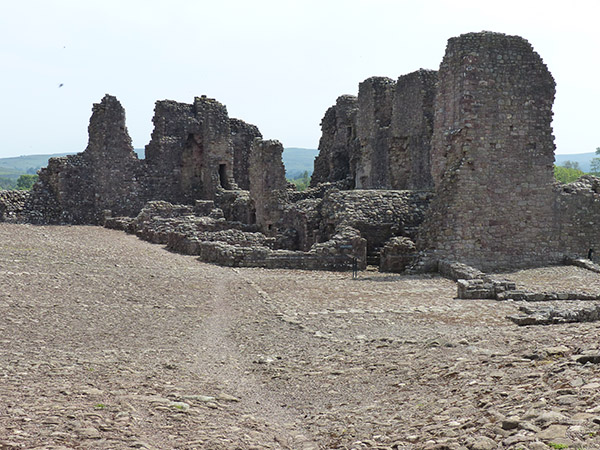
The castle keep (pictured below) sits at one end of the castle, and it was rebuilt after being destroyed by the Scottish in a siege in the late 1100s. The keep can be climbed up a few stairs to the first floor, but there's nothing much to see except some good views over the valley. The castle does not have a well, so rainwater would have been collected from the gutters.

Brough Castle

Brough Castle

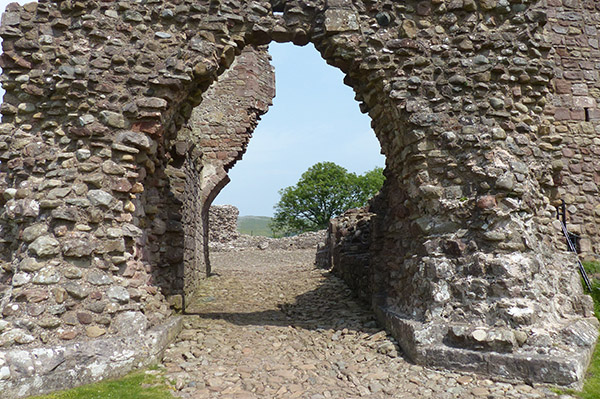
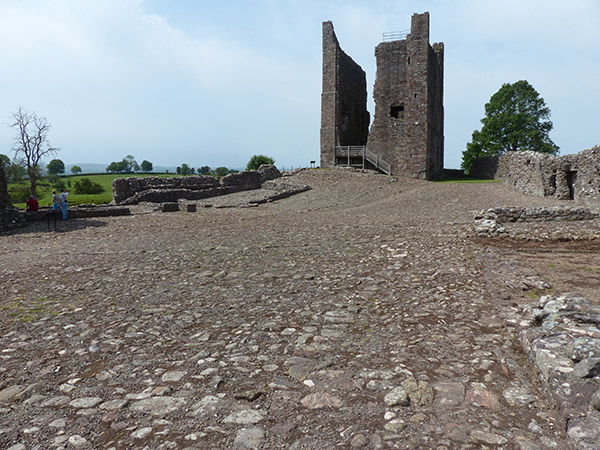
The entrance to the castle is through a small door, and the interior courtyard is completely paved in cobblestone.  

Brough Castle

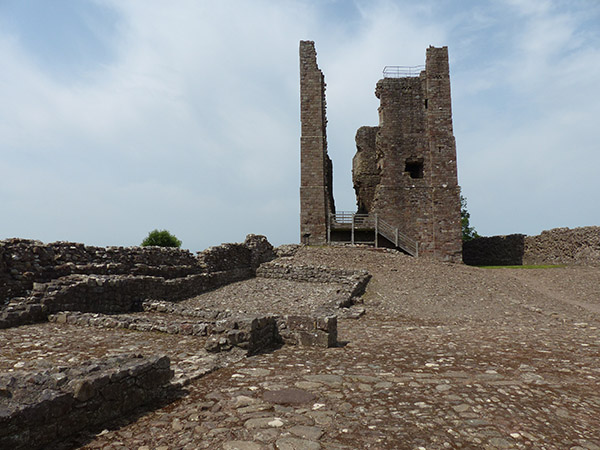
The keep is in the background in the photograph below, but the remains of walls to other buildings can be seen. To the left in the photograph below are the remains of the stables.

Brough Castle

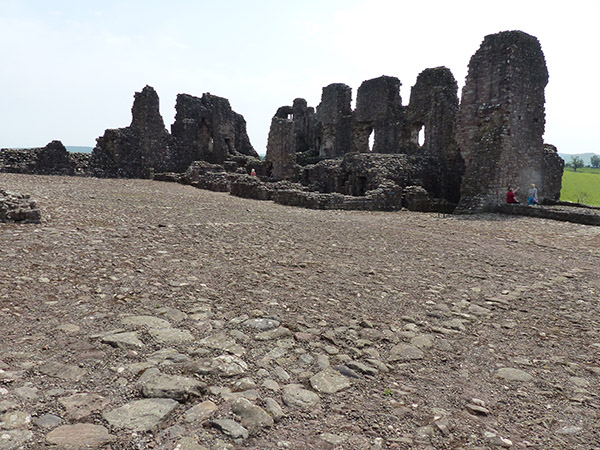
The photograph below shows the main living quarters. Opposite these (to the left corner in the photograph) were the kitchens.

Brough Castle

The kitchen walls can be seen to the right in the below photograph with the keep in the distance.

Brough Castle

Brough Castle

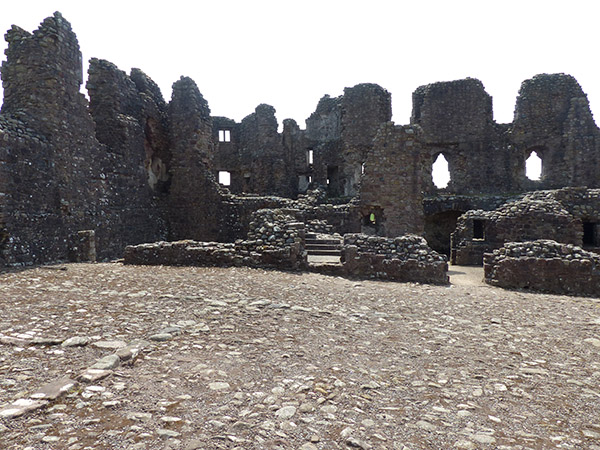
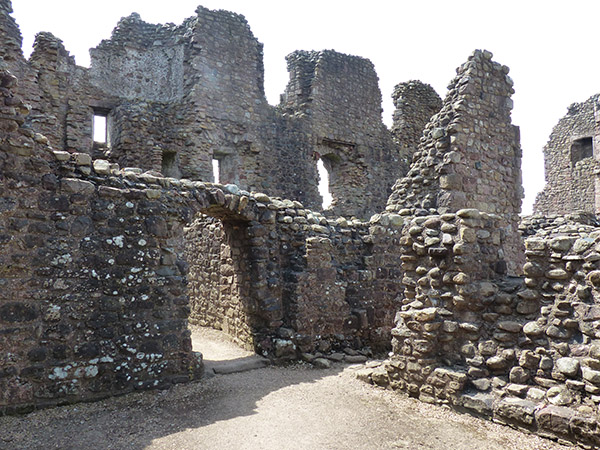
I had a wander around the living quarters, and the walls here are mainly intact. Visitors can make out the doorways, chimneys, and staircases as well as where the wooden beams for the upstairs rooms would have been.

Brough Castle

Brough Castle

Brough Castle

I recommend Brough Castle to visit because it is an interesting castle with a long history dating from Roman times and is set in a picturesque setting with a small cafe on site and beautiful views over the countryside. 

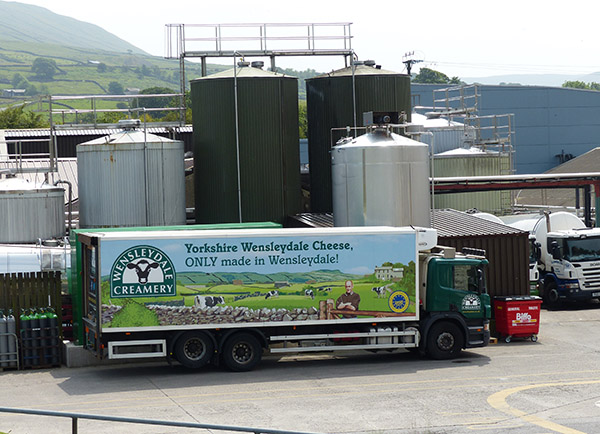
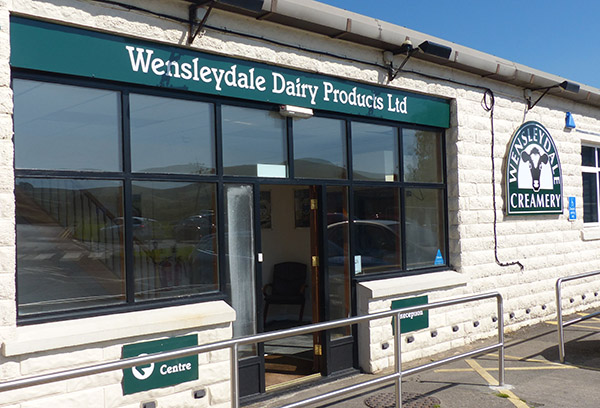
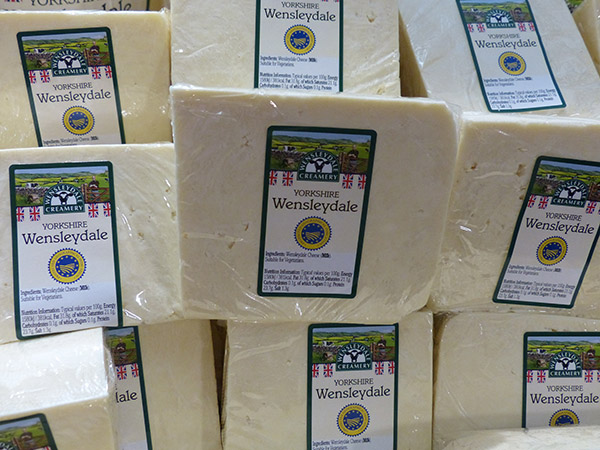
Wensleydale Cheese is a company based in the middle of the Yorkshire Dales and uses the milk from the cattle raised on the Dales, which has a particular taste (due to the cattle grazing in this area). The company have a large shop, restaurant, cafe, and museum on their factory site so that cheese-lovers can visit. I've never actually tasted Wensleydale cheese before this visit, but I had heard of it because it was one of the cheeses that cheese-loving Wallace mentions in the stop-animation "Wallace and Gromit". 

wensleydale1.jpg

Wensleydale started to produce cheese in 1897 from small farmhouses. In these days, the cheese was a summer product because the cattle were in-calf in the winter and spring and any milk produced was used to make butter. In the 1930s, cheese was mainly sold for Christmas as a delicacy item, and times were hard on the creamery and forced a closure. Kit Calvert was a local business man who saved the cheese by showing it at agriculture shows and improving packaging so that it could be transported further and last longer.

wensleydale2.jpg

During war years, the creamery could not make the cheese as it is a watery cheese and prone to mould, so the government enforced that it cease production. In 1992, the factory faced additional problems and had to close due to EU regulations which meant that the machinery must be updated, so management decided to close; this devestated the small community. Luckily, the determined workers were able to buy the factory back and continue production six months later. A visitor centre was opened as the first of its kind in England, and the rest is history.

wensleydale3.jpg

Cheese-making in the Yorkshire Dales actually goes back a lot further than Wensleydale. The area was introduced to cheese-making by the French Cistercian monks that lived in the abbeys in the area. They taught the location population how to create cheese.

wensleydale4.jpg

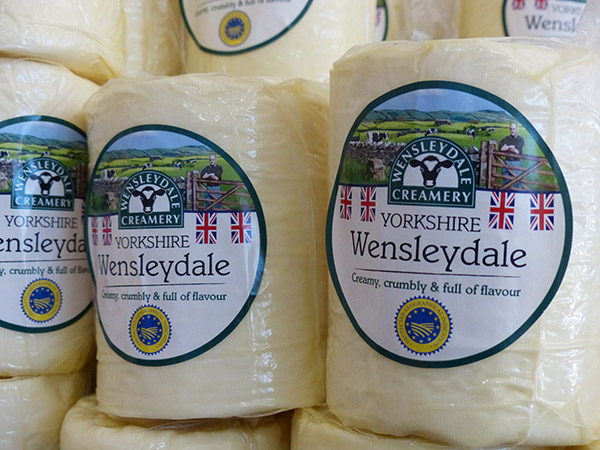
Wensleydale export roughly 10% of their cheese worldwide with the USA being its second largest buyer; the cranberries and Wensleydale is the best-selling, and I assume that this is mainly sold in time for Thanksgiving and the festive season (when the majority of people probably consume cheese).

wensleydale5.jpg

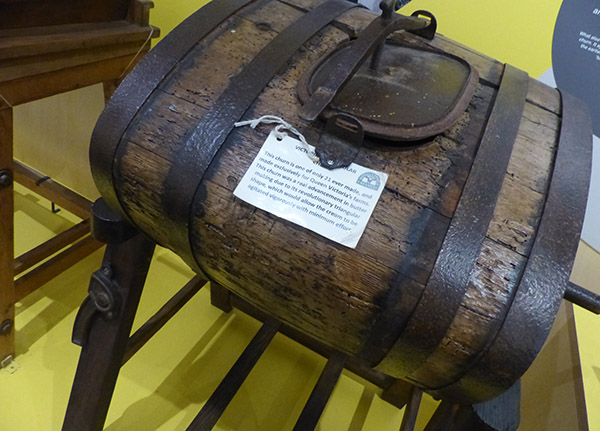
The museum contains several old bits of equipment for cheese-making and milking cattle, and visitors can watch a demonstration on how the cheese is made and the process of cheese-making. Afterwards, visitors can go through the museum and then watch a small section of the factory where the workers are creating the cheese.

wensleydale7.jpg

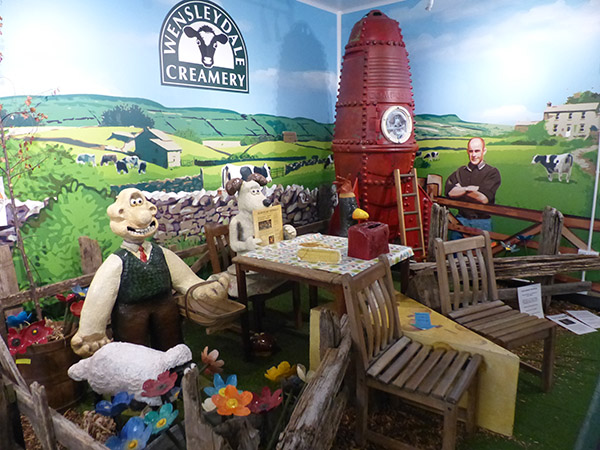
There is also plenty of information to read throughout the room, including a small area dedicated to Wallace and Gromit and sure to be a hit with children. A small Wallace and Gromit scene has been created with Sean the Sheep and a rocket with some information about the cheese.

wensleydale6.jpg

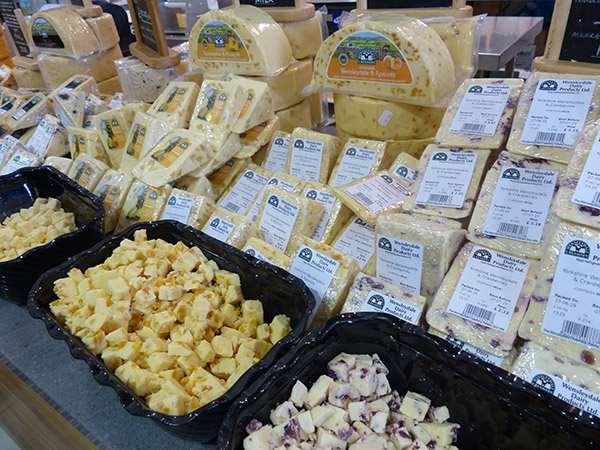
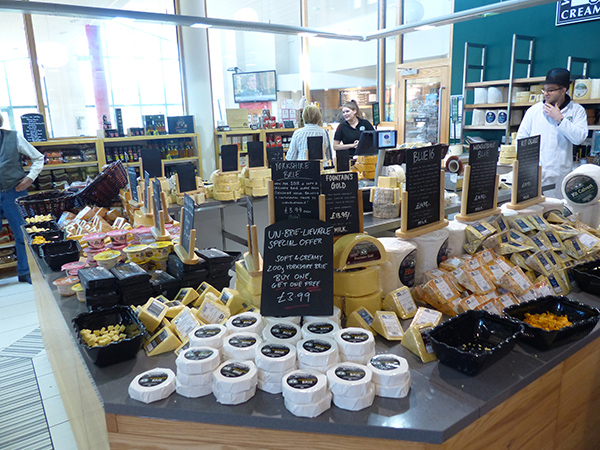
After the museum, people can go into the shop which also houses the restaurant, cafe, and a cheese-tasting room. This room contains many flavours of cheese, including several Wensleydale offerings with sheep milk, normal and blended cheese (with cranberries, ginger, pineapple, or other ingredients). There were also other cheeses, such as cheddar, to try. Also, the Wensleydale cheeses are made for vegetarians. Milk is produced, but the only non-vegetarian cheese is the Kit Calvert cheese (named after the businessman who saved the company in the 1930s), which is a traditional cheese. (One of the ingredients of cheese is a made of cow stomach used in the cheese-making process to help solidify the cheese. The other Wensleydale cheeses actually use a vegetarian alternative.)

wensleydale8.jpg

Also important to note is that the company now sell the whey (by-product of cheese-making) to a biofuel company for research and biofuel. In the past, it was difficult to get rid of and sometimes fed to pigs but still difficult to get rid of and pigs only needed it in moderation.

wensleydale9.jpg

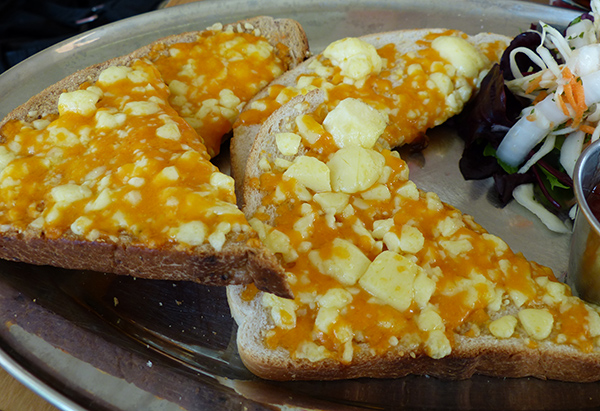
I had a light lunch of a cheese toastie. 

wensleydale10.jpg

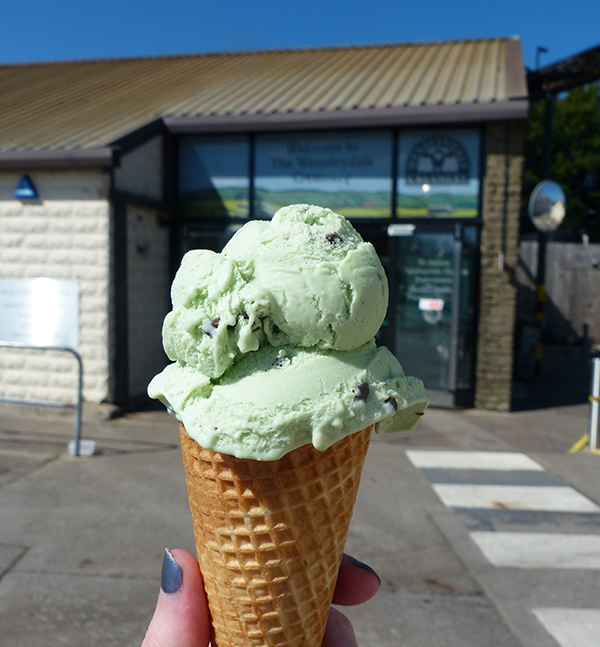
And before I left, I had mint chocolate chip ice cream as this is sold in the shop. Of course, I did leave with a couple of cheeses.

Chin Chin Labs use nitrogen to create tasty ice cream. I visited their branch in Camden several years ago (Chin Chin Labs Nitrogen Ice Cream in Camden), and they launched a new shop in Soho since. I think that the new Soho shop was launched in 2017. I've stopped by a couple of times in Camden and once in Soho. Their Camden shop is a smaller shop that looks very basic and 'factory-like' in appearance, and it only offers a couple of seats. It fits well in the street food market area of Camden. The Soho branch appears like an ice cream parlour with more seating and has a nice finish.

Chin Chin Labs

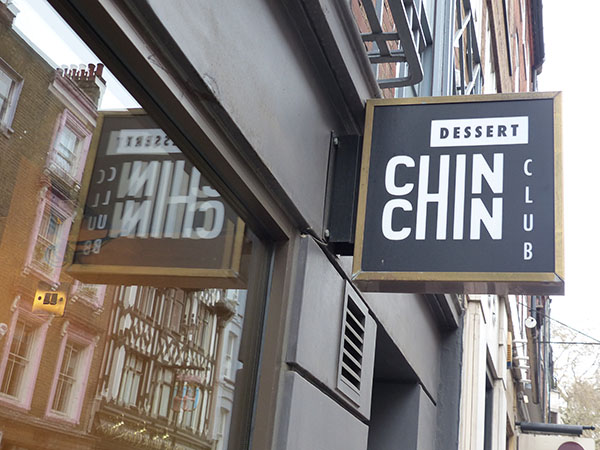
Here's the exterior of the shop in Soho, branded Chin Chin Dessert Club. (This is in contrast to Chin Chin Labs in Camden.)

Chin Chin Labs

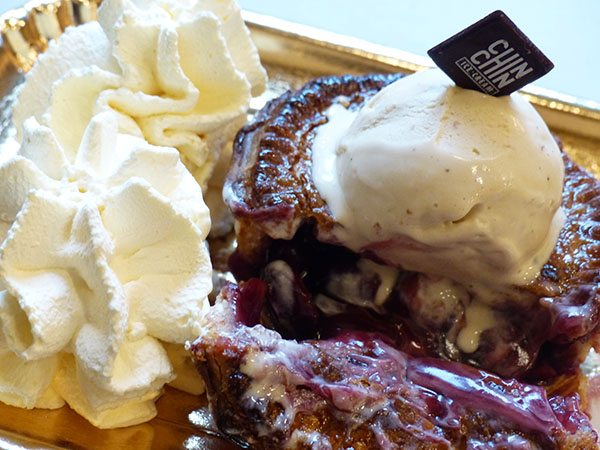
The winter menu had a cherry pie offering with a scoop of ice cream and dollup of whipped cream, so I gave this a try. The sour cherry filling was very scrummy, though I felt that there was a little too much pie crust. It's not often that I find a nice sour cherry pie, which is more common to America than here in London.

Chin Chin Labs

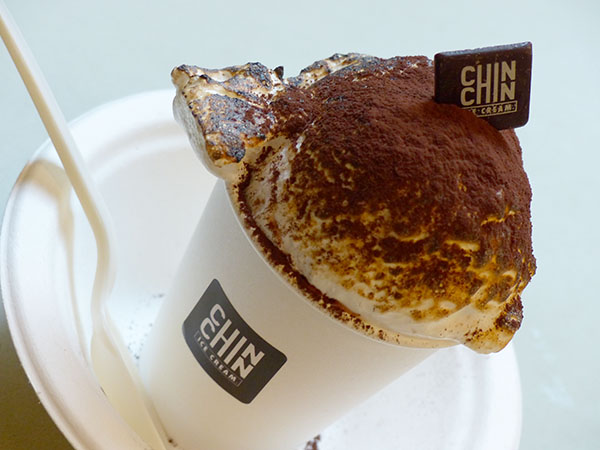
Chin Chin also offer hot chocolates with toasted marshmallow. These were available in the shop and also at their pop-up at Winterville in Clapham Common over the holidays in December. I had one of them during my visit then, and I also had another in their Soho Dessert Club. While the hot chocolate is ok, it is actually the toasted marshmallow that makes it good. The hot chocolate itself isn't that rich or isn't as good as other hot chocolate that I have had.

Chin Chin Labs

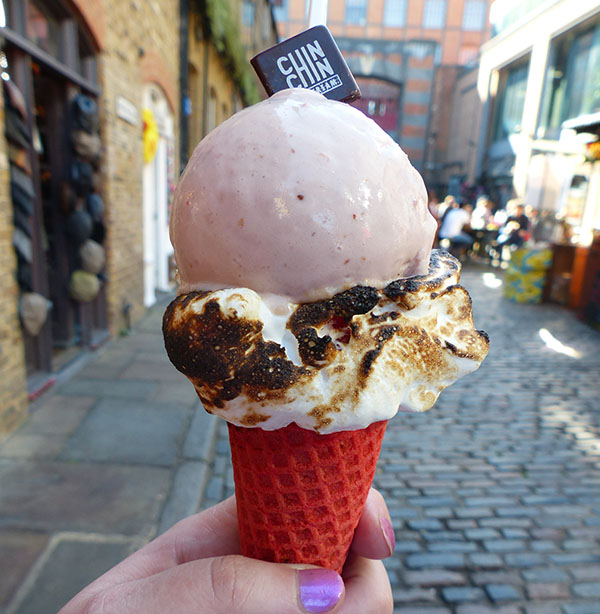
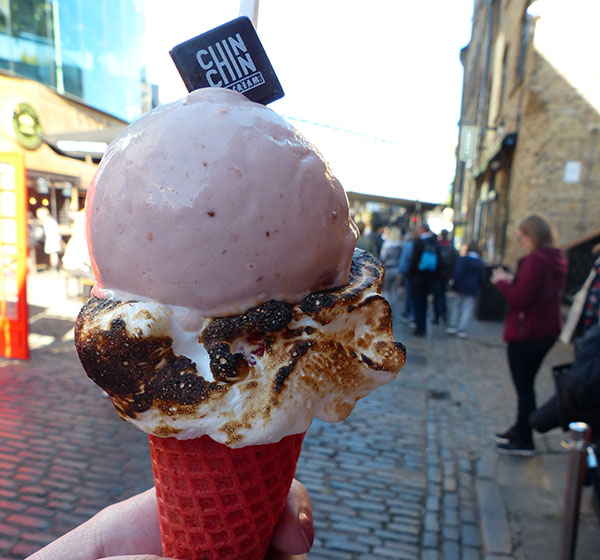
There's a few more bits and pieces that I'd try at Chin Chin, and they also sell large-sized cakes at their Soho Dessert Club. On my last visit to Camden, I had a red cone with toasted marshmallow. 

Chin Chin Labs

If you are interested in Chin Chin ice cream, see my other two write-ups. I can thoroughly recommend the brownie ice cream sandwich, and this has been my favourite of their treats that I have had so far.

Chin Chin Labs Nitrogen Ice Cream in Camden
A Visit to Winterville and Backyard Cinema's Christmas Labyrinth

  1 2 3 4 5 6 7 8 9 10 11 12 13 14 15 16 17 18 19 20 21 22 23 24 25 26 27 28 29 30 31 32 33 34 35 36 37 38 39 40 41  

Archives

Recent Comments

  • jenn: Thank you. read more
  • Murge: Amazing post. read more
  • Herbert: good post. site read more
  • Frank Quake: Hey, This is great when you said that I had read more
  • Chappy: You mention peptides here? I have had first hand experience read more
  • jenn: Thanks! I love the work. I have got more recent read more
  • Fanakapan: Thanks for the write up. This was some of my read more
  • jenn: Yes.... but that's only for the islands. Mostar and Montenegro read more
  • jenn: Hello, the code is not mine to hand out. I'll read more
  • pantich: More info about the best day trips from Dubrovnik can read more
OpenID accepted here Learn more about OpenID