Results matching “paint”

Sculpture in the City 2022

Each year, the City of London displays sculptures. The sculptures were placed in late June, and they allow workers and visitors to the City to explore artwork. This is the eleventh year of the sculptures now, and many of the works you will see were also displayed in the previous year or two. The sculptures are created by emerging and well-known sculptors and artists. This year features many that have already been on display with very few new pieces. 
sculptureinthecity2022-1.jpg
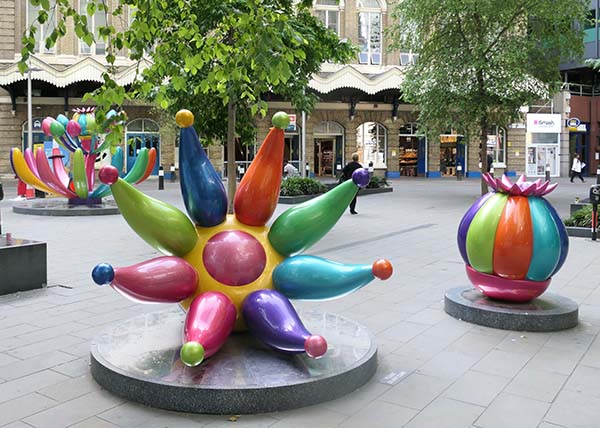
"Bloom Paradise" - Jun T. Lai

Keep reading below to see what this year's Sculpture in the City is all about.
sculptureinthecity2022

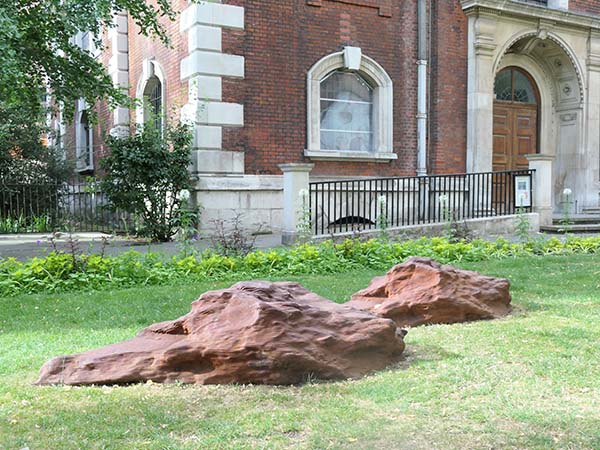
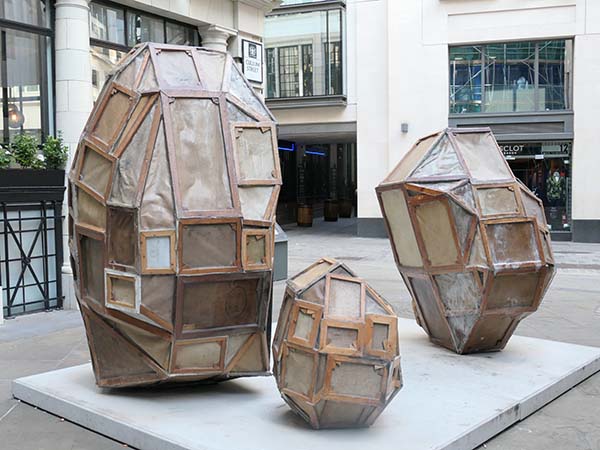
"Burial" - Alice Channer

This sculpture was displayed from last summer, and it depicts two organic forms that appear as burials. They are made from material from demolished city buildings.
sculptureinthecity2022

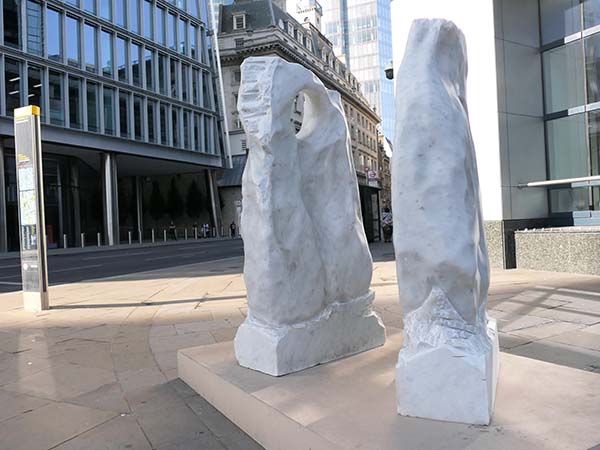
"Miss" - Emma Louise Moore

This marble takes on a reflective and translucent form when the sun passes through it.
sculptureinthecity2022

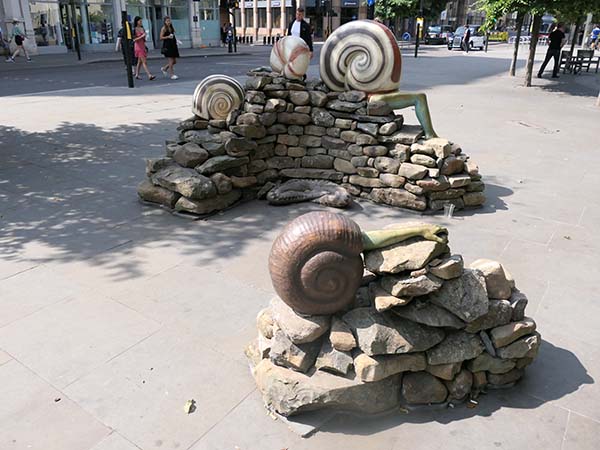
"Earthing" - Jocelyn McGregor 

Human organic hybrids are created with this piece, which contains human limbs that seem to emerge from snails.
sculptureinthecity2022

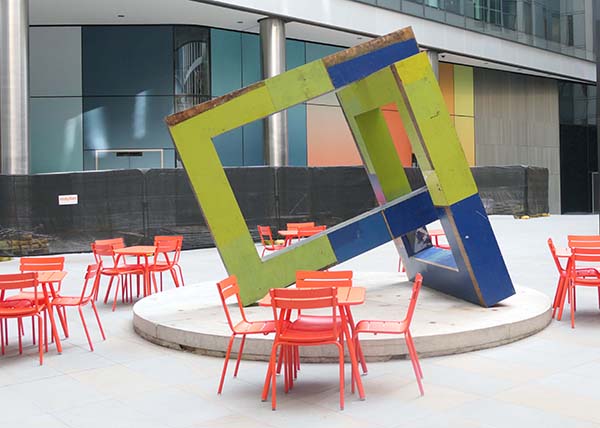
"Rough Neck Business" - Mike Ballard

This sculpture is created from hoardings found across London, such as the Olympic Park and Dalston. It symbolises great change across cities. This was on display last year.
sculptureinthecity2022

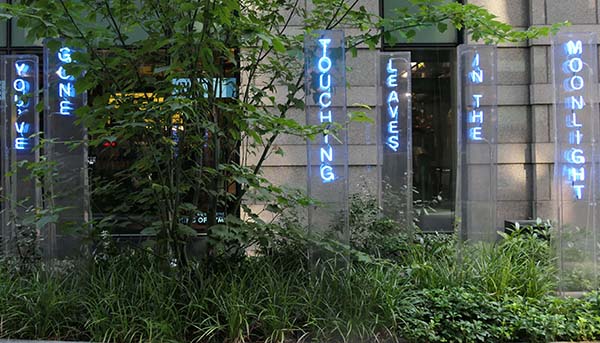
"The Garden of Floating Words" - Elisa Artesero

This is a permanent sculpture with a poem "You've Gone Touching Leaves in the Moonlight". It was created for Canary Wharf's Winter Lights a few years ago and has been on display at this location for the past few years now.
sculptureinthecity2022

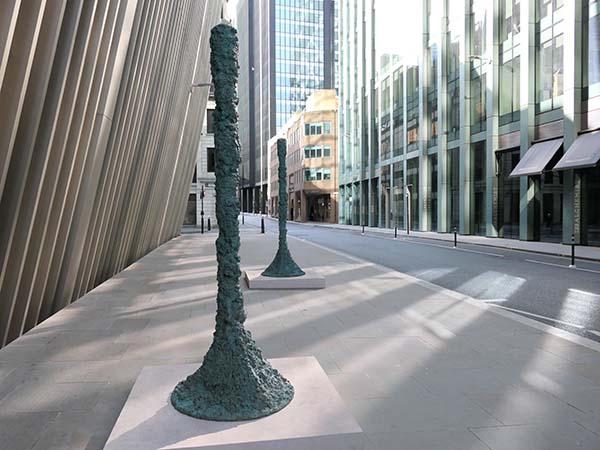
"Untitled" - Bosco Sodi

The artist was inspired by putting wet sand in piles to create these sculptures, which appear like stalagmites, which destroyed the original artwork in the process. These are the only surviving sculptures as the others perished in Hurricane Sandy.
sculptureinthecity2022

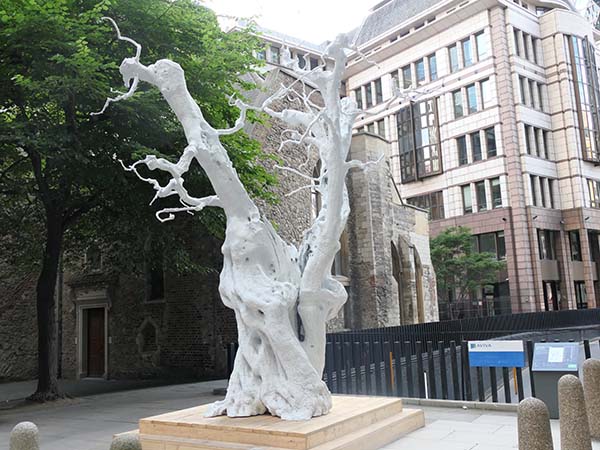
"Summer Moon" - Udo Rondinone

The artist has created a series of tree sculptures, particularly focusing on ancient olive trees.
sculptureinthecity2022

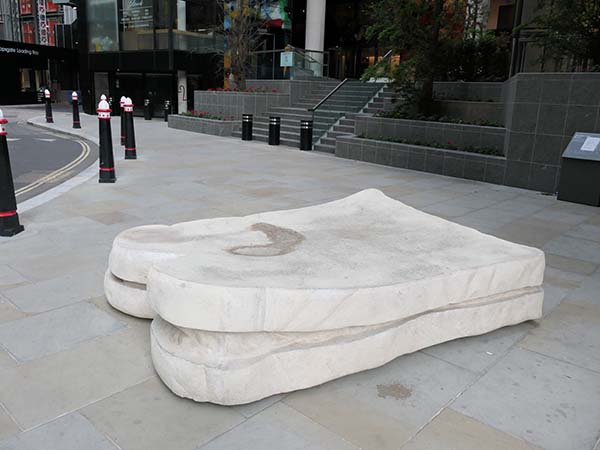
"Sandwich" - Sarah Lucas

This sculpture was displayed in Regent's Park last year. Its focus is to put a recognisable object, such as a sandwich, in an unlikely place.
sculptureinthecity2022

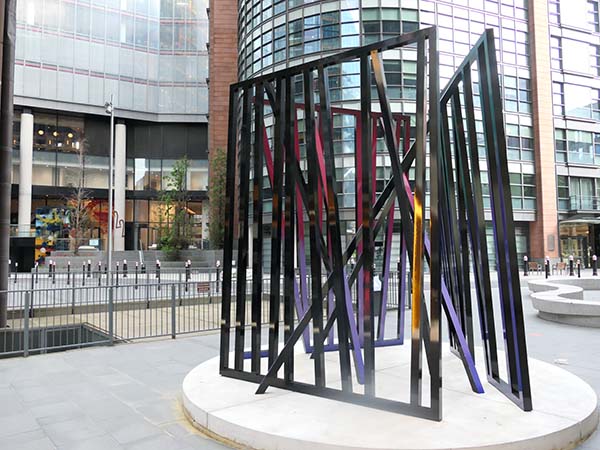
"Cosmos" - Eva Rothschild

These three painted structures are placed together and mimic surrounding architecture of the city. The sculpture was on display from last summer.
sculptureinthecity2022

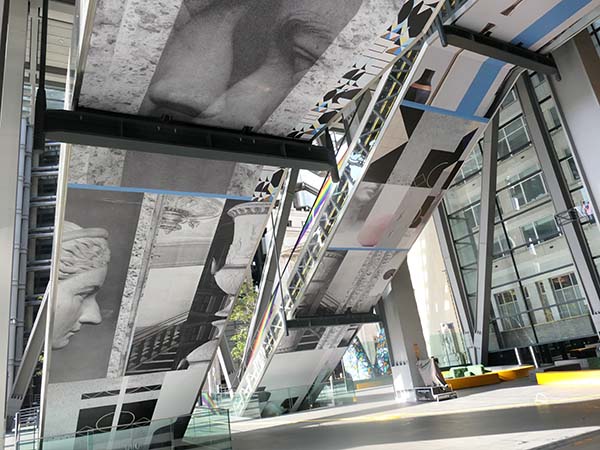
"Generations (Part Two)" - Claudia Weiser

Historical and biographical imagery with a human aspect is illustrated onto the backs of the escalators at Leadenhall.
sculptureinthecity2022

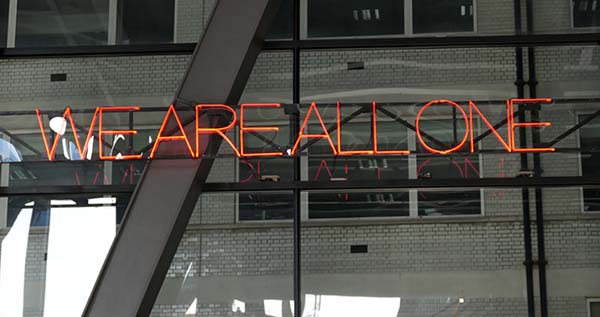
"We" - Emma Smith

This neon sign displays two messages interchangably. "We are all one" changes into "We are alone" with different letters illuminated. 
sculptureinthecity2022

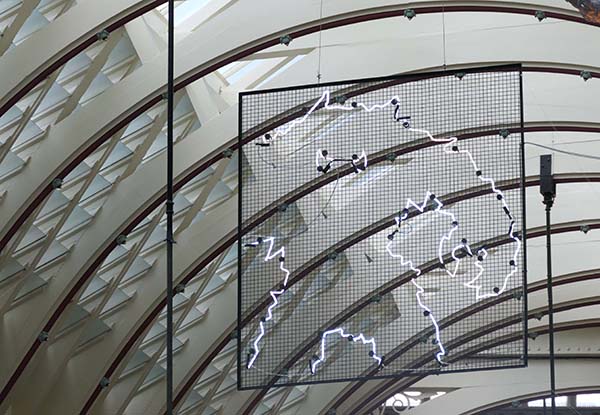
"Invasion" - Shezad Dawood

The artwork of the monster character explores relationships between the U.S. and Pakistan and Cold War propaganda as well as characters from video games.
sculptureinthecity2022

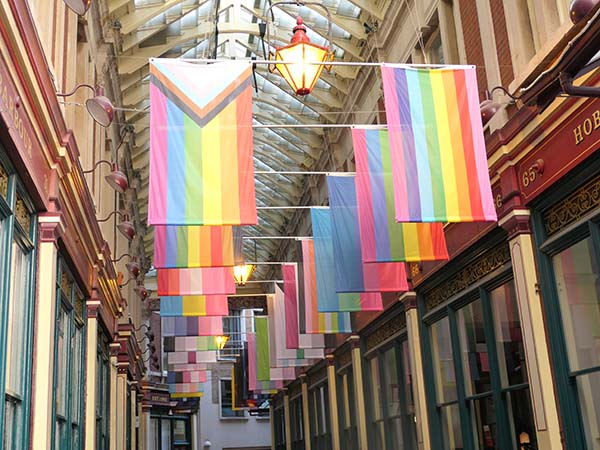
"Symbols" - Guillaume Vandame

These colourful flags appeared for last year's Sculpure in the City, and they depict the PRIDE flag colours.
sculptureinthecity2022

"Orphans" - Bram Ellens

These sculptures made an appearance last year, and they are created from canvases of artwork that were created from paintings saved after their creative owners died.
sculptureinthecity2022

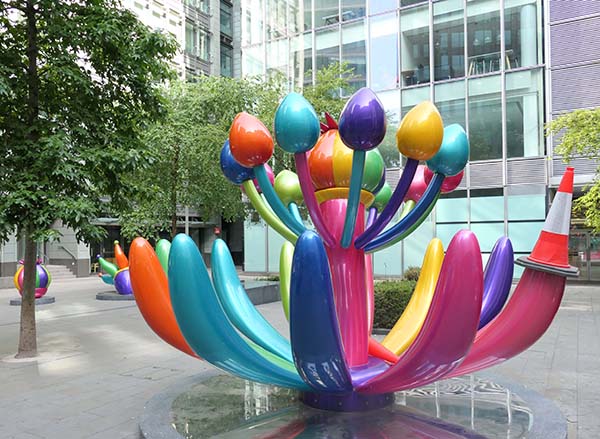
"Bloom Paradise" - Jun T. Lai

Hope and love and regeneration symbolise the colourful flowers, such as the lotus flower. These sculptures were in place last year.
sculptureinthecity2022

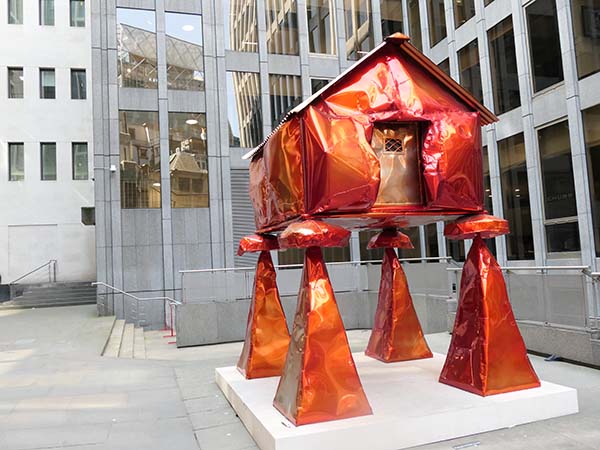
"The Granary" - Jesse Pollock

This sculpture is of a traditional granary building, a rural building that is used to store grain. It has been created with beaten metal, and it symbolises rural crisis in the environment but also the inability to let go of heritage.
sculptureinthecity2022

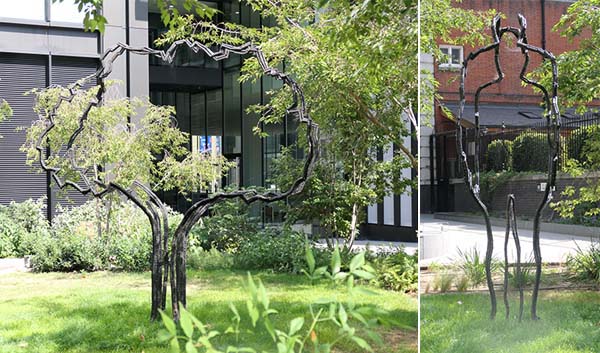
"Habitat" - Pedro Pires

This sculpture seems to take on a human form when viewed from one angle and a tree from a different angle. It symbolises the environment and human's part in it.
sculptureinthecity2022

sculptureinthecity2022

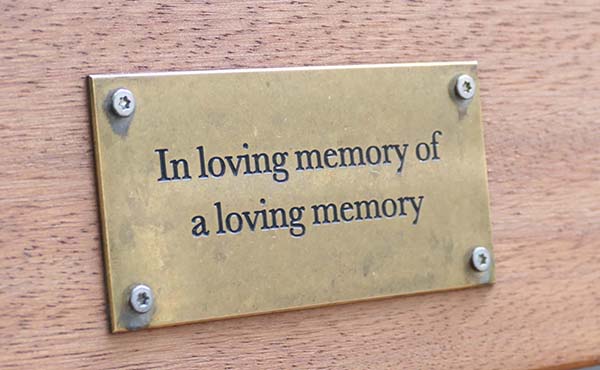
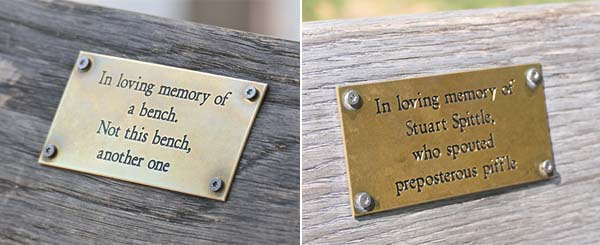
"In Loving Memory" - Oliver Bragg

These plaques on benches symbolise a memorialisation of a person or a dedication. These brass plaques, some of which appeared last year, poke humour at the dedication of abstract ideas and fictional people.
sculptureinthecity2022

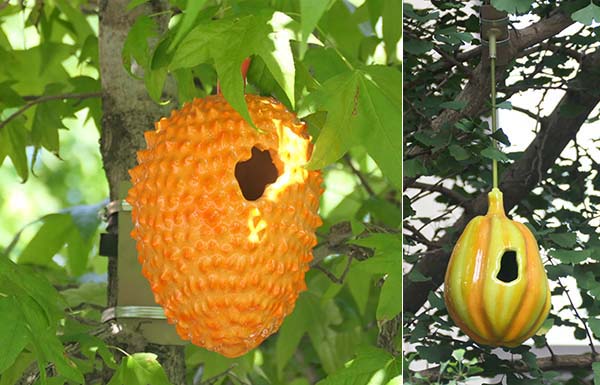
"Nests" - Victor Seward

These are 3D-printed "fruits" that also act as bird nests in the city. 

Previous years of London's Sculpture in the City are included below:
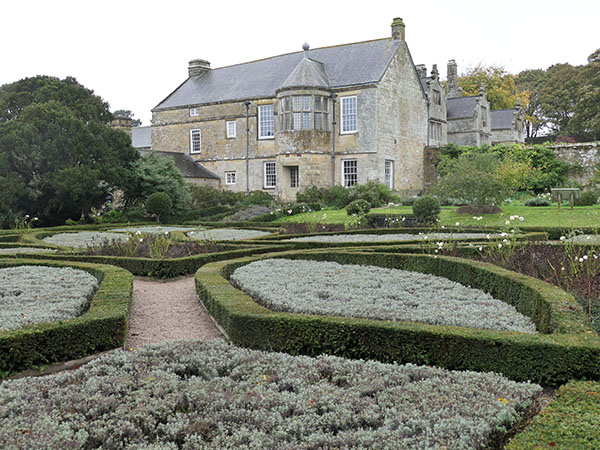
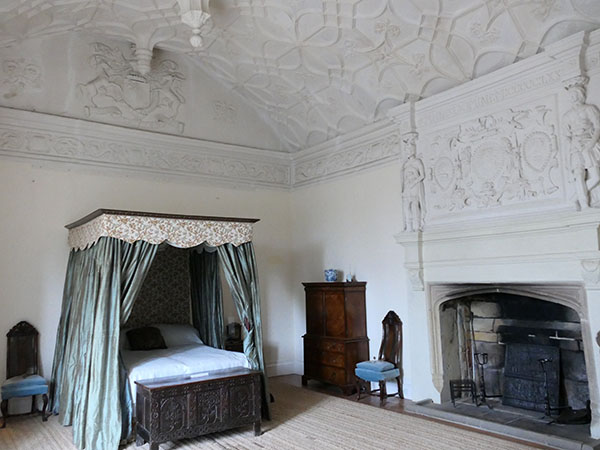
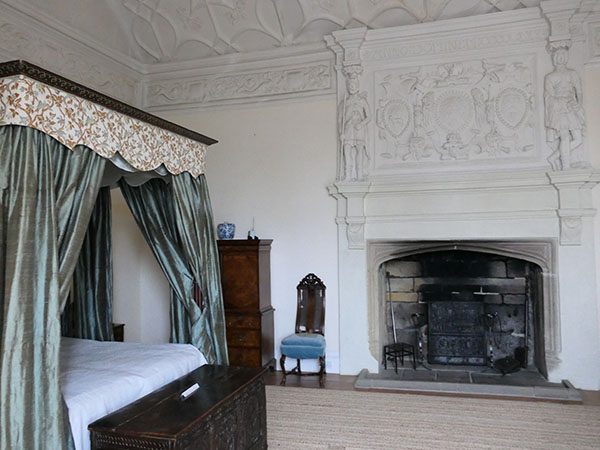
Trerice is an Elizabethan home located near Newquay in Cornwall, and it changed little. The house is built in the 'E' shape of Elizabethan homes in the 1570s, probably from a small farmhouse; ultimately some of the rooms changed little and retained the original features. It is most known for its original ceilings, and this is why the National Trust decided to purchase it and take on the large restoration project. We were given a short introduction to the property soon after we arrived; due to the rain, this talk ended up being in the old barn above the house. We were told about the history of the house through to the modern times.

trerice2022

Trerice was owned by the Arundel family and then rented out. The family that lived at Trerice during the 1940s allowed it to be used in the home guard during World War II, and they were able to use the grounds. The grounds outside the old barn became known as the 'parade grounds', where the home guard would train. Behind the barn is the Mowhay and then the second-hand bookstore. This area was once a busy place and part of the farm where the hay would be stored. Next to it is a turf maze, which is another common Elizabethan feature. 

trerice2022

The property was eventually split up and sold into small farmhouses after World War II and when times were difficult. This allowed others to take over farming these plots of land during the hard times after the war. 

trerice2022

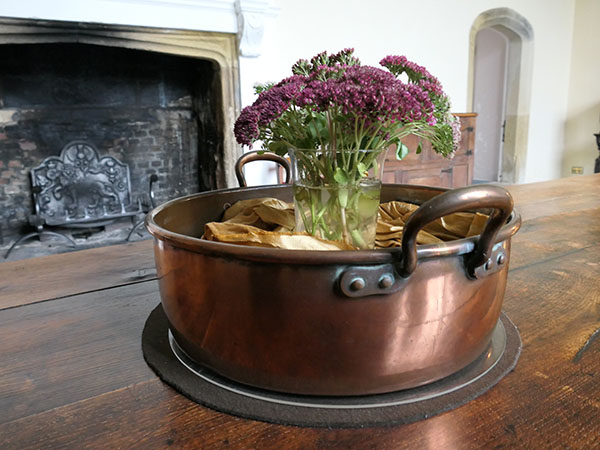
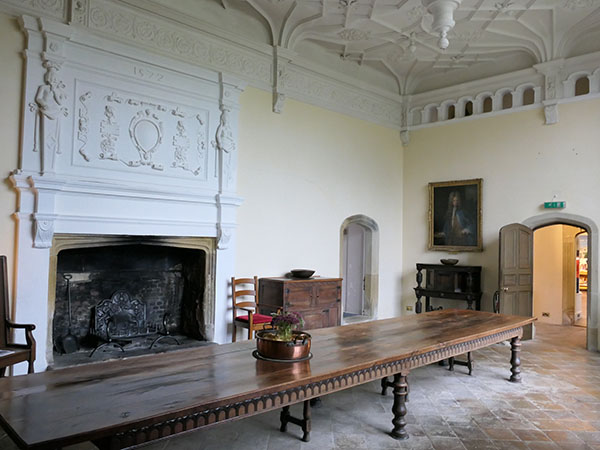
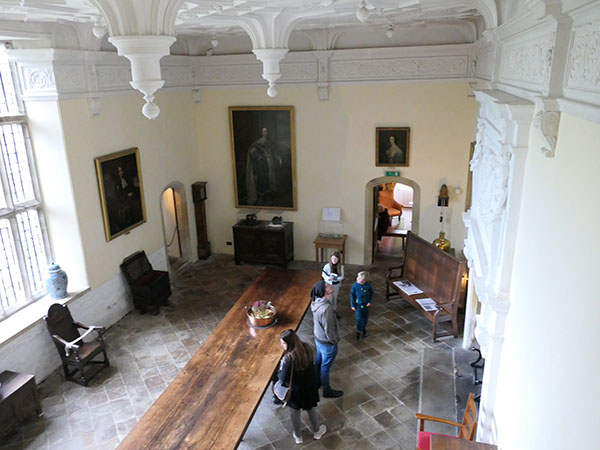
Upon entering the house at Trerice, visitors find themselves in the Great Hall with a massive table. The oak table stays with the house, and it cannot be moved. It was the only large piece of furniture in the house after the National Trust bought it in 1953. The television series "Poldark" is filmed in the house with some of the storylines being inspired by the house and the table.

trerice2022

The Great Hall's window has 576 panes of glass, and most of it is hundreds of years old. it would have been a status symbol as glass was expensive.

trerice2022

trerice2022

We visited the other rooms, such as the extension above and the original part of the house with the beautiful ornate ceilings.

trerice2022

trerice2022

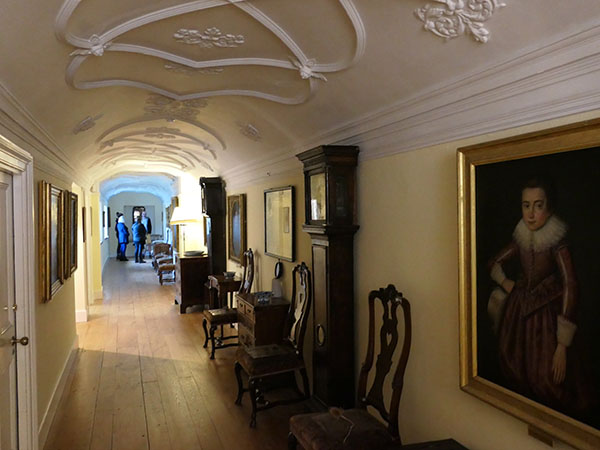
The Long Gallery connects the later extension, and it contains many paintings.

trerice2022

In the Long Gallery are letters from Charles II to the Arundell family who owned and lived at the house.

trerice2022

trerice2022

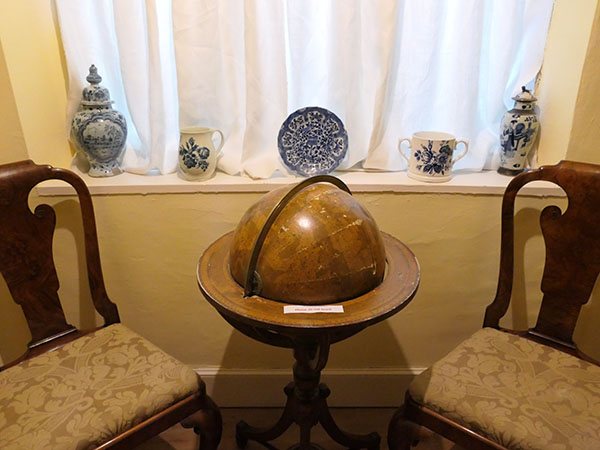
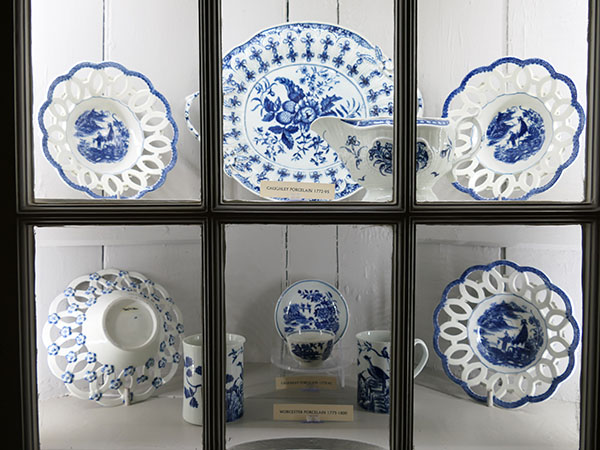
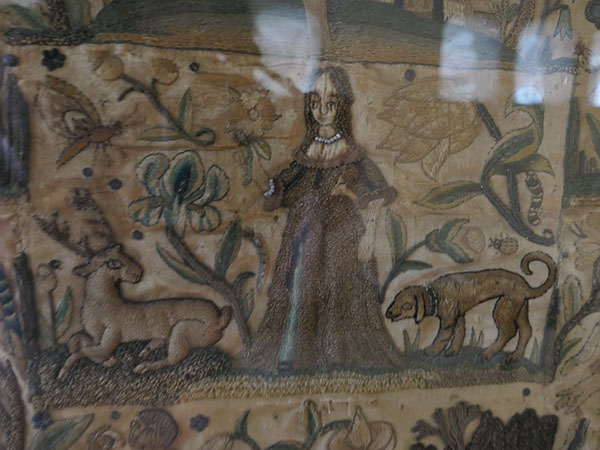
The Musian's Gallery looks out into the Great Hall. This is where the musicians would play; they could be heard but not seen below. In this room there is a collection of china and needlework.

trerice2022

trerice2022

trerice2022

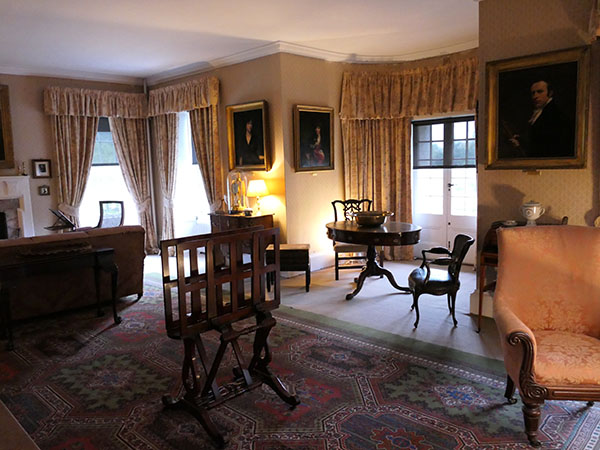
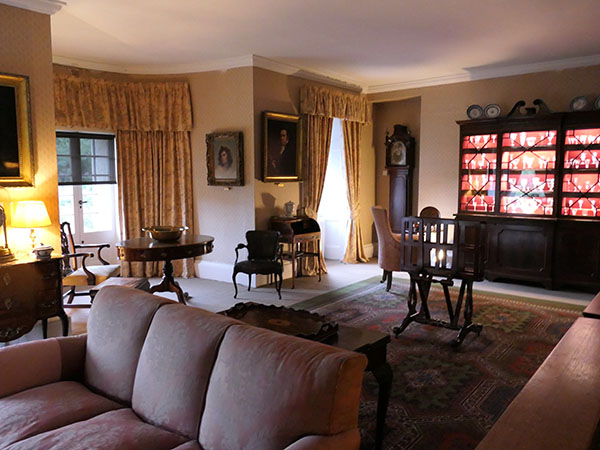
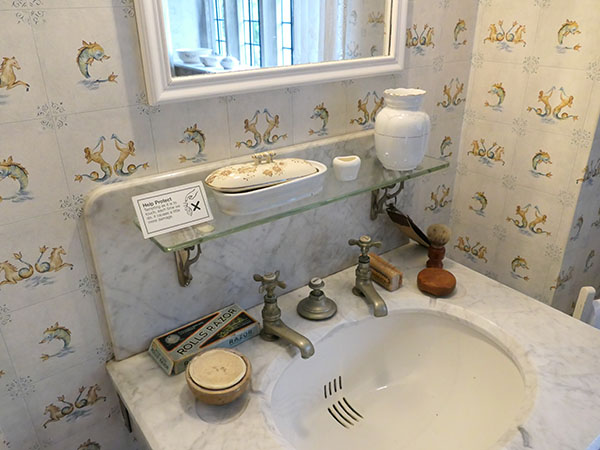
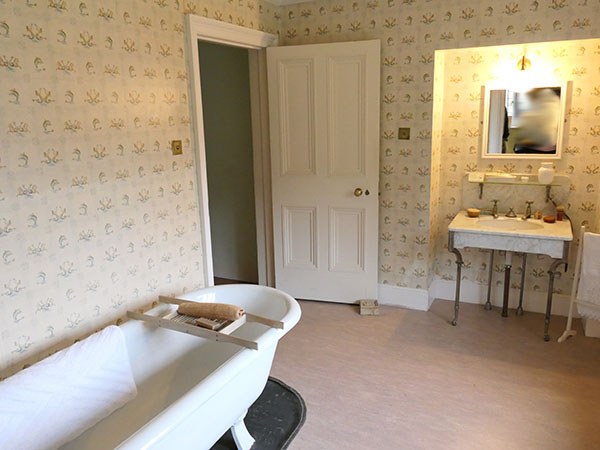
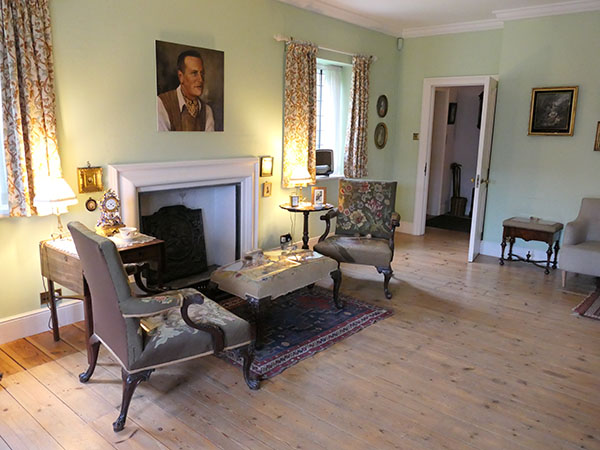
The extension bathroom and living room on the first floor was built on later. It is more modern, and this is where the family that rented (the Eltons) would have lived. The Elton family did not purchase the house, but they lived in it after the National Trust purchased it.

trerice2022

trerice2022

trerice2022

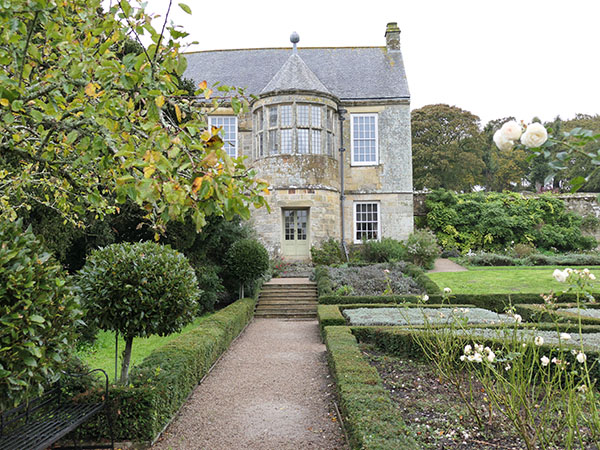
After completing the tour, I admired the house from the front before going to check out the gardens.

trerice2022

trerice2022

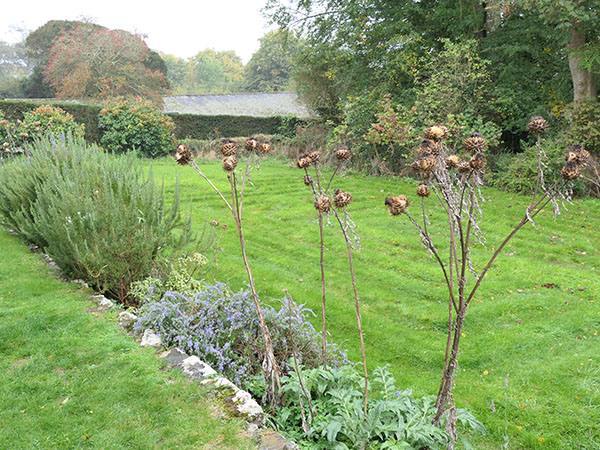
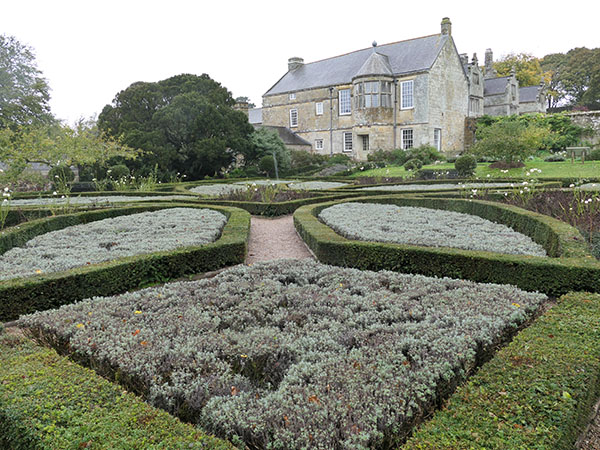
Trerice has an Elizabethan garden, known as a knot garden; this type of garden is designed with geometric patterns and were created in small courtyards. Many of these gardens mimic the architectural elements found inside the house, and the knot garden at Trerice is inspired by the ceilings. Instead of box hedgings, yew is used in this knot garden. Surrounding the knot garden is an orchard with local varieties of fruit trees planted in the 1960s. On the other side of the orchard and landscaped garden are further landscaping with ponds and a lake with an island, which is similar to Stourhead.

trerice2022

trerice2022

I enjoyed the autumnal visit to the house, even though the bad weather was not the best experience for the day. 

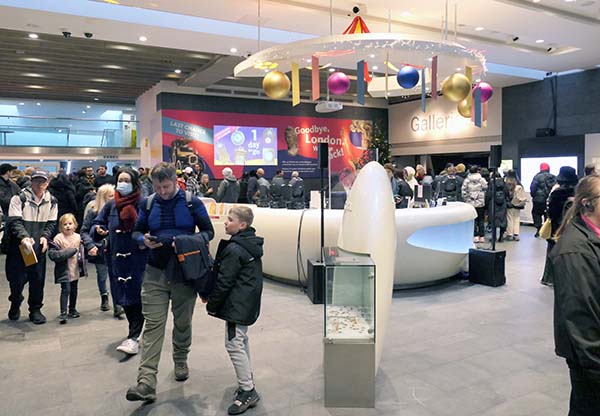
This weekend marks the last for the Museum of London at its London Wall location north of St. Paul's Cathedral and along part of London's old city walls. The location was home to the museum for 45 years. Visitors flocked to the museum on Saturday, and tomorrow is also sure to be a busy day ahead of the closure. To celebrate the museum, the weekend held a celebration of music, theatre, and cinema over the final weekend. Museum of London will not stay permanently closed; it will be moving to Smithfield (the meat market) in Farringdon and will open in 2026 under a new name: London Museum. The new Museum of London will have a "nightclub in residence" named Fabric at its new Smithfield location when it opens in 2026.
museumoflondon01.jpg

The current building dates from 1976, and it is currently uncertain what will happen to it; people are against its demolition.

museumoflondon01.jpg

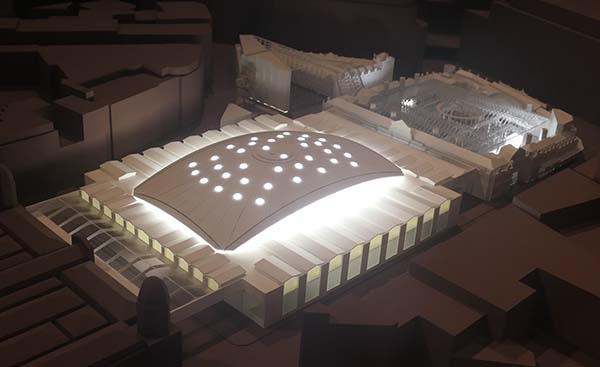
Inside the museum were its moving plans and a model of Smithfield market, which will be the new home to the museum. The vaults of the market are expected to be transformed into an interactive space. There will be more room to show off additional collections. Vehicles will also be displayed as will the Cheapside Hoard, which I visited at the museum over a decade ago now (here).

museumoflondon01.jpg

museumoflondon01.jpg

Some additional work at Smithfield will be to join two buildings by removing fill of old demolition work. This wide space could host special events, festivals, and performances. The new location means that the museum will be accessible by a wider range of people coming from different parts of London on different lines. The current building entrance is located up an escalator or stairs, and it's not very accessible, although there is an old lift. The idea is to create a wider "Culture Mile", which would encompass the Barbican centre.

museumoflondon01.jpg
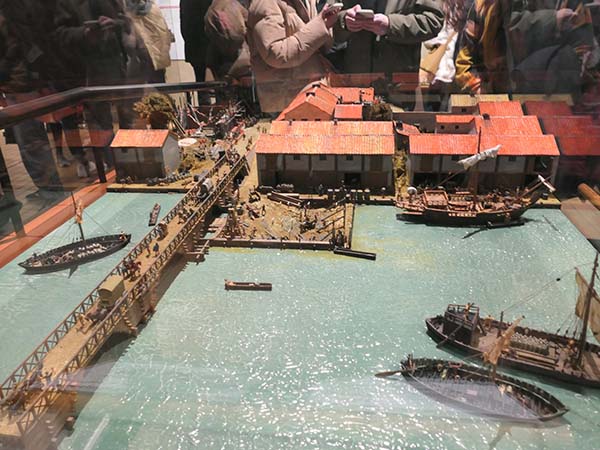
Construction of bridge across Thames

museumoflondon01.jpg
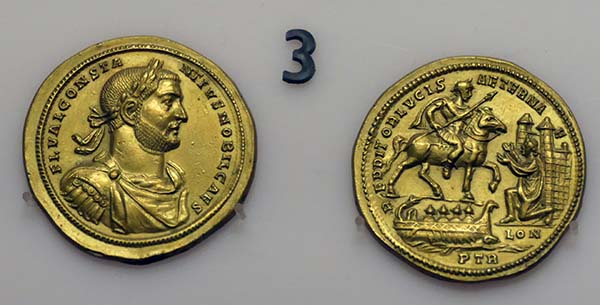
Minted coins in London from Roman era

As the museum was busy, I just revisited it to explore the areas again for the final time at its London Wall location. The museum covers pre-London from prehistoric times to the present day. There were some main areas from London's timeline that I followed: London before the Romans as a town settled by the various tribes of Britain, London in the Roman times (which had a large influence on how the town was formed and developed), the Middle Ages, the Plague, The Great Fire of London, the 1600s/1700s, the Victorian age, and the present day. 

museumoflondon01.jpg

museumoflondon01.jpg
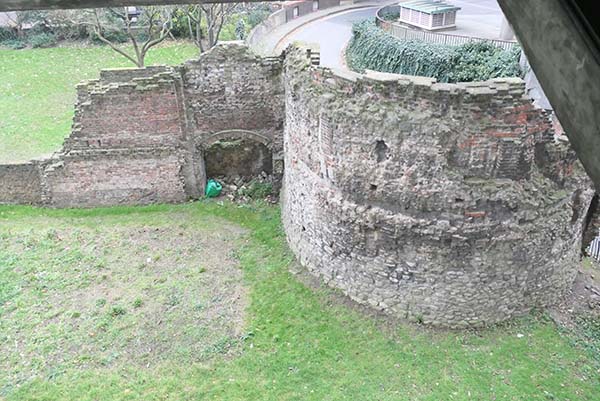
View of the old Roman walls, London's old walls, from the Museum of London

museumoflondon01.jpg

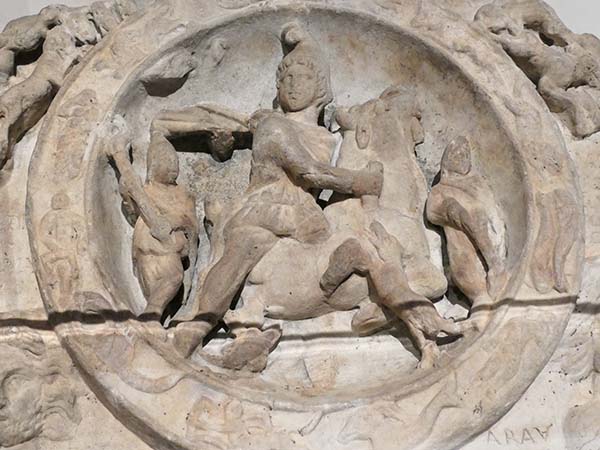
The first London, which may have been a town of British tribes, was under Roman influence. Boudica and the Iceni tribe from modern day Essex destroyed the first London. It was burned to the ground but then rebuilt and under Roman control until around 200AD. Each era had additional exhibits with focus on London, such as the Temple of Mithras, which I visited a few years ago (here). Another exhibit was the Spitalfields lead coffin and Spitalfields woman, containing the skeleton of a young wealthy Roman woman inside of a cemetary off Bishopsgate and near to Spitalfields market.

museumoflondon01.jpg

museumoflondon01.jpg

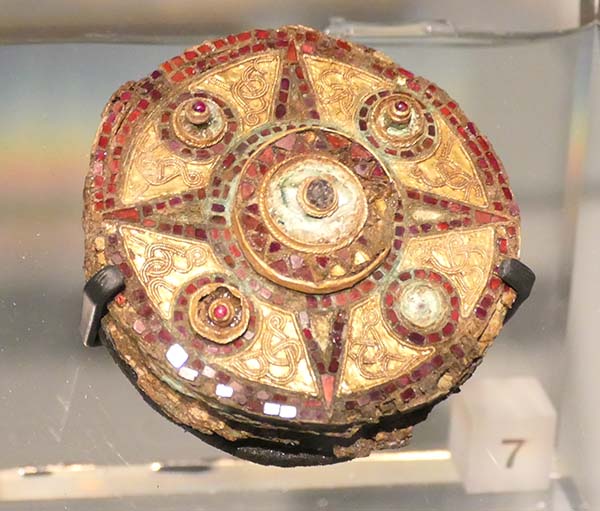
The next section was the arrival of the Anglo-Saxons and a settlement formed to the west of the main City of London that was named Lundenwic (London port). 

museumoflondon01.jpg

By the early 1000s, the first St. Paul's Cathedral was built, and a model is on display. This was later destroyed by the Great Fire of London and rebuilt with a dome. There was a large selection of religious-related items of importance to London's history, but I admit that this is one area that I did not spend much time looking at.

museumoflondon01.jpg

museumoflondon01.jpg
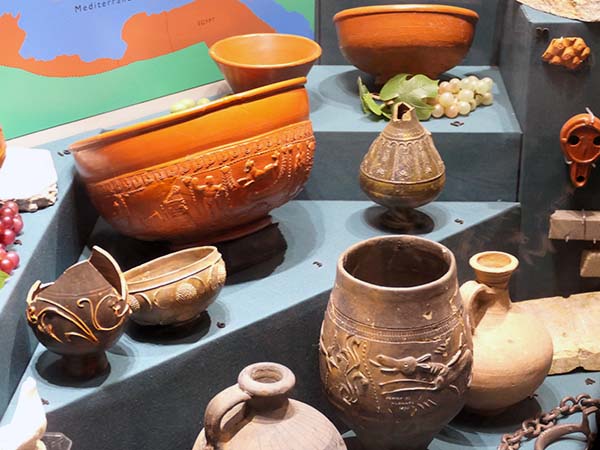
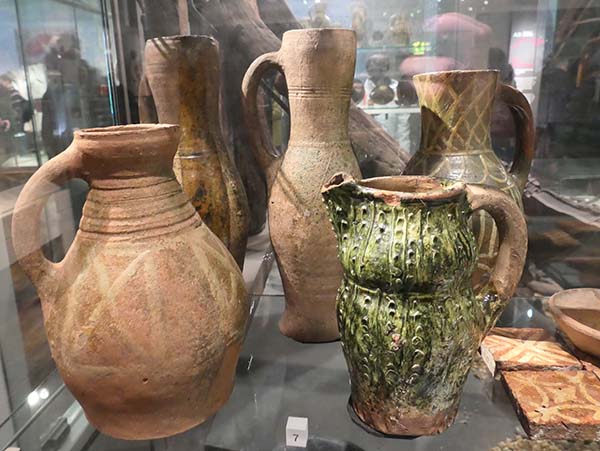
Medieval pottery

museumoflondon01.jpg
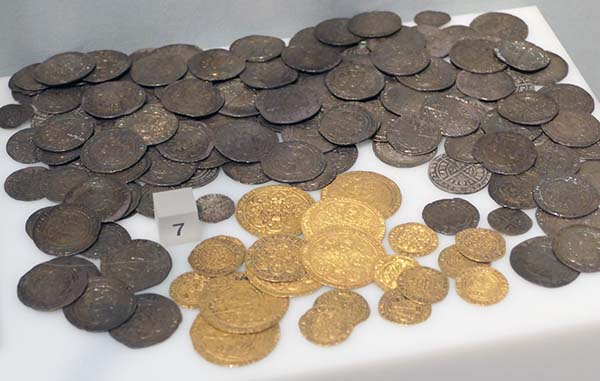
Hoards of coins, jewelery, or other precious items were usually hidden to safe-guard them, especially during periods of unrest.

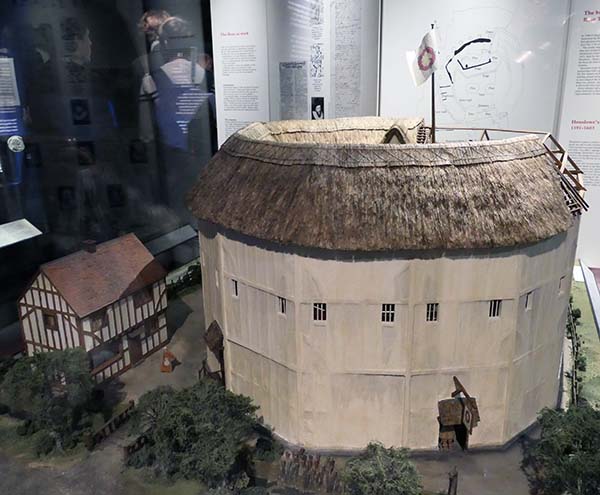
A model of Shakespeare's Globe is also on display in the museum in the early 1600s era, which was a popular time for performance and theatre in London's timeline with Shakespeare. London's current Globe is a reconstruction of this, and it's placed along the Thames near to where the original was located.

museumoflondon01.jpg

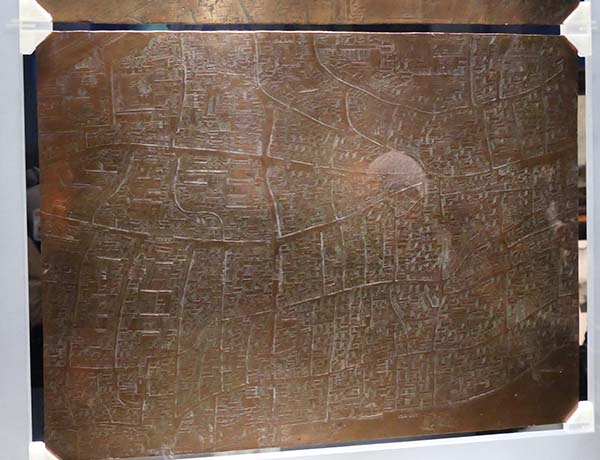
The copperplate map was used for printing accurate maps. Only three of these exist, but no print has been found. Two were on display in the museum with a third in Germany. There would have been a set of fifteen, but only these three remain.

museumoflondon01.jpg

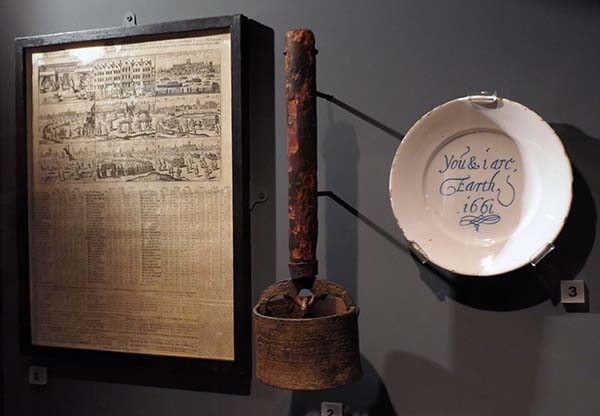
Another section of the museum covers the Civil War, and there is a section about the Plague with some items from that time, including a Plague bell and various objects that people could carry with them that they believed could protect them from disease. Agate was meant to provide protection, and disease was thought to spread through bad smells. They did not realise that it was rats, mice, and fleas spreading the disease. (In these times, the church considered cats to be demonic, and they would be killed, so there was not a large cat population to keep their numbers down, which may have helped to prevent the spread of the disease.)

museumoflondon01.jpg

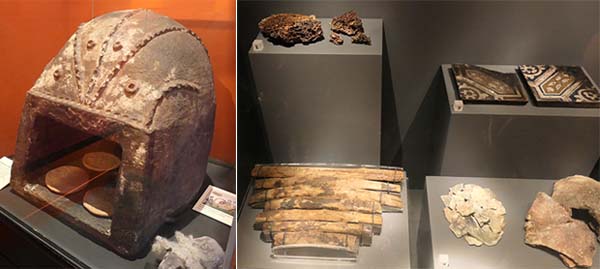
The next section covered London's great fire. A portable baker's stove from this time was on display. There were several paintings of London burning on display and several items that were on display with fire damage.

museumoflondon01.jpg

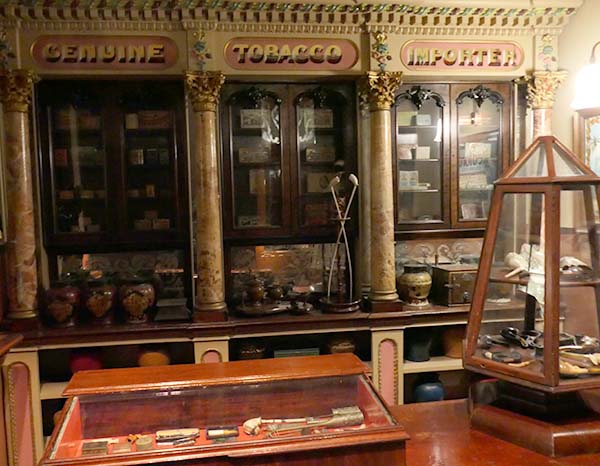
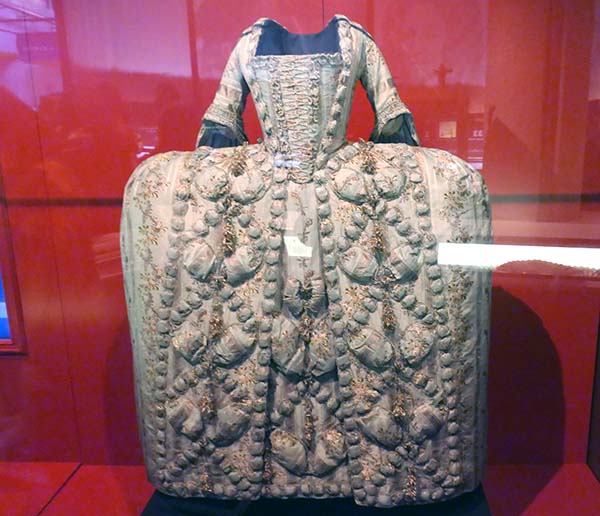
The Victorian times covered a large range of everyday items, Britain as an Empire, and modern consumerism. Visitors could walk through a Pleasure Garden, one of the fixtures of the Victorian age where people (the middle and upper classes) could stroll around the gardens in their best dress, gossip, and conduct in business or general chat. It was usually a place to be seen. A reconstructured Victorian shopfront included shops with items seen during the Victorian age. There were displays with other items - toys, dolls, dollhouse, teasets, items from the empire and the wealthy, elaborate jewellery and dresses. 

museumoflondon01.jpg

museumoflondon01.jpg

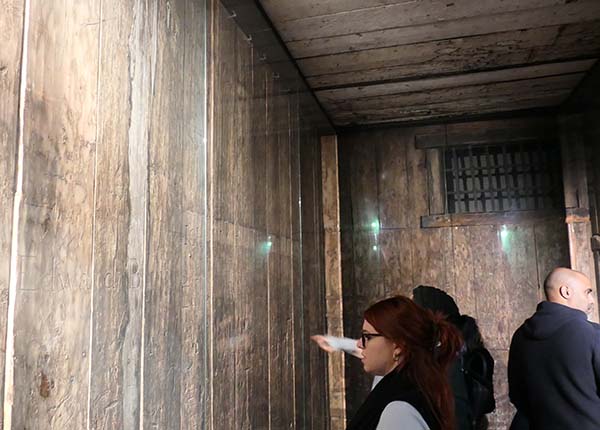
This contrasted with a prison cell that visitors can walk into to see how criminals and perhaps debtors would find themselves in. Not everyone had the same opportunity.

museumoflondon01.jpg

The war eras, 1960s through to the present day were also featured. In the past, I'd seen the Lord Mayor's gold chariot, which is paraded down the City every early November. I also did not see the original Gog and Magog effigies that made appearances during the Lord Mayor's Day parades in the past. There's just so much to see, and it was easy to miss things this time due to it being extremely busy. I was happy to see the museum busy and to see a wide range of people of all ages visiting the museum and an interest in history and London's history.

museumoflondon01.jpg

I am sad to see Spitalfields meat market close. I am hoping that new museum allows more space for London's history and better lighting and room on the exhibits. The flow of the current museum is too narrow, especially for crowds, and hard to read some of the descriptions. The lighting is not great in the current museum, and some of them are at different levels too close to the floor and not up at mid-height level. 

Other posts that you may find interesting on this blog of previous visits to the Museum of London and other sites related to exhibtions in the museum:

Temple of Mithras in London

Cheapside Hoard at the Museum of London

The Great Fire of London at the Museum of London

Lord Mayor's Parade in 2021

Shakespeare's Globe

Visiting Battle Abbey and Battle of Hastings Battlefield

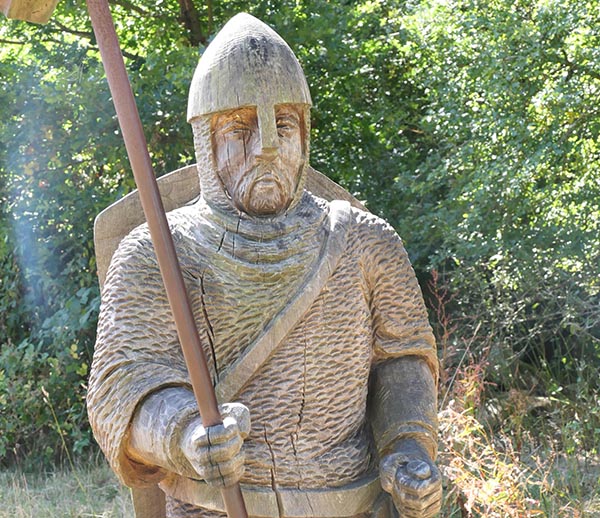
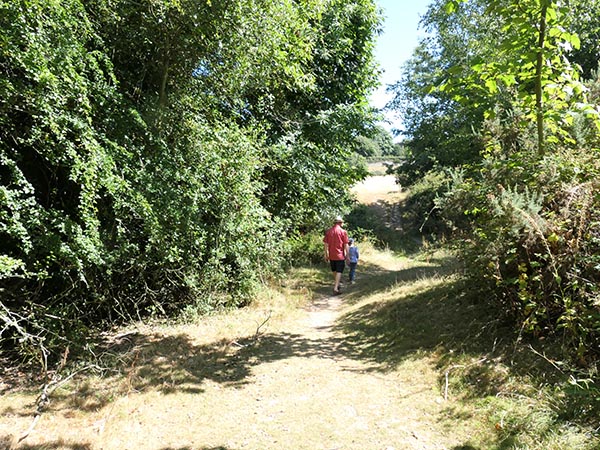
This past July, I visited the location of the Battle of Hastings and the ruins of Battle Abbey, which is managed by English Heritage. It was one of the scorching days of the year with sunshine, and we arrived early in the morning before it was too humid. Because of the hot weather, we decided to walk the battlefield walk first and then finish off at the top of the hill at the ruins of Battle abbey. I recommend the audio tour guide, which makes the battlefield and abbey tours come alive with the information. 

battleabbey-1.jpg

We looked around a museum underneath the cafe that contained more information about the infamous Battle of Hastings and the characters involved. In short, King Edward the Confessor was the king of England, but he died without an heir. Harold was the King Edward the Confessor's wife's brother. Harold had claimed that Edward promised him the throne on his deathbed, so he was crowned the following day. However, William of Normandy (who would come to be known as William the Conqueror) disputed this and said that the crown of England was promised to him.

battleabbey

A few days before the infamous battle, King Harold's army were in the north at Stamford Bridge to defend against attacks from Norway. Norway wanted to place Harold's brother Tostig on the throne. England won the battle, but there was a long march back down south to defend the south coast at the current location of Battle from the Normans and William the Conqueror. The English were tired. 

battleabbey

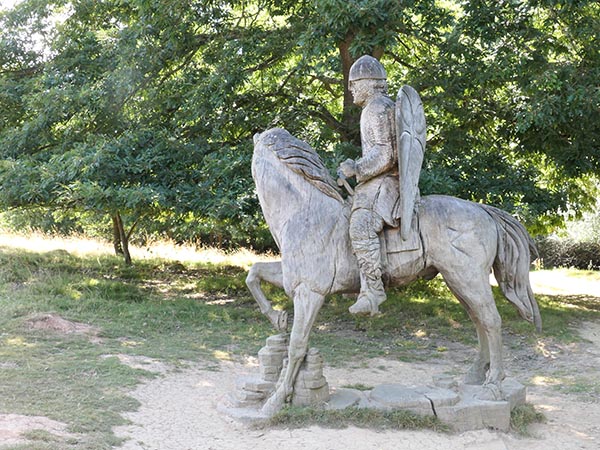
On 14th October 1066, the battle kicked off. Harold and the English army were on top of the hill and had the better ground. The Normans had to charge up a steep hill. At one point, the Norman soldiers were told that William had fallen (possibly by the English as a tactic), so many started to flee. England had the upper hand and had kept chasing them back. However, William removed his helmet to prove he was still alive. Both sides fought.

battleabbey

Later in the day, the soldiers were getting tired. William's soldiers had seen a weakness in the English previously when their soldiers attempted to flee. This action of the English soldiers chasing the Norman soldiers left their battle lines vulnerable to archers and mounted soldiers. The Normans pretended to flee, and the English chased them and exposed their vulnerable sheild. The Normans then used their archers. At some point, an arrow was rumoured to have flown into the English defenses and struck Harold in the eye, killing him.

battleabbey

battleabbey

battleabbey

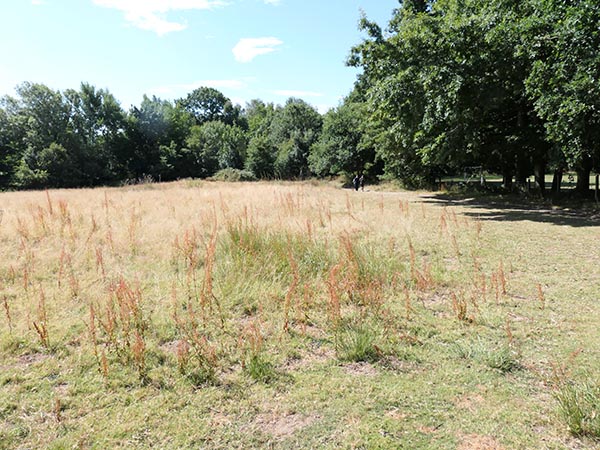
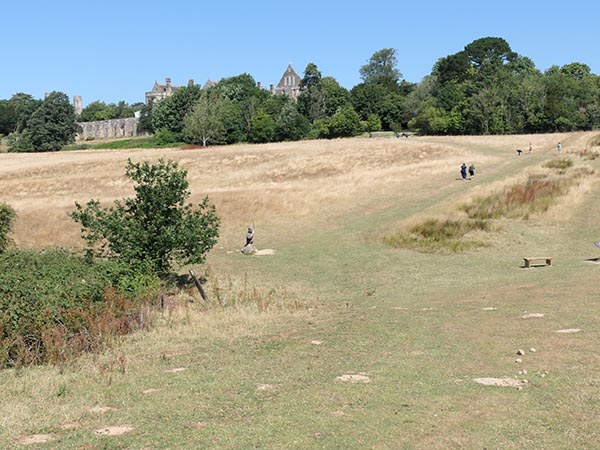
The battlefield today is a meadow with wildlife, grazing sheep, and a pond. It's difficult to imagine the battlefield being filled with bodies of soldiers, blood, arrows, swords, and other debris.

battleabbey

The Bayeux Tapestry depicts the great battle.

battleabbey

The ground is a very steep hill, and below is at the bottom of the hill; another slight hill is located behind me and the one in front of me contains the abbey. This is where the English soldiers were located. The hill was steeper during the battle as it was leveled off to create the abbey.

battleabbey

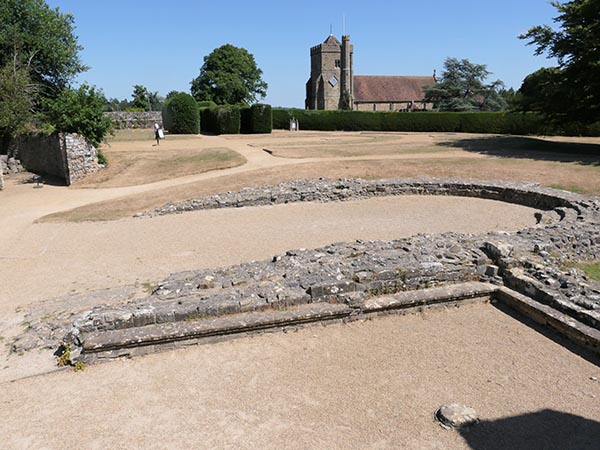
William the Conqueror built the abbey at Battle in 1070 at the spot where King Harold fell. The alter of the abbey (which no longer exists, but visitors can see the location marked out in the ruins) marks the spot where he fell. After Henry VIII dissolved the monastaries, Battle became a wealthy family's country house and later a school.

battleabbey

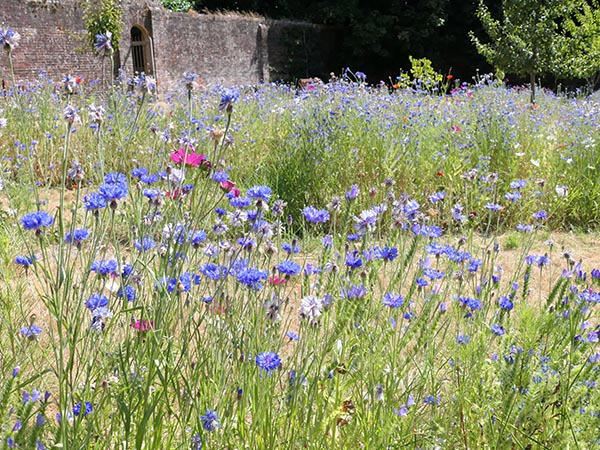
A walled garden exists outside the abbey ruins, to the right of the ruins when walking up the steep hill. It was created during the time when the abbey became a country home. There is also an ice house and dairy house here, again from the same time. There's wildflowers and fruit trees growing in the walled garden, but that's about it.

battleabbey

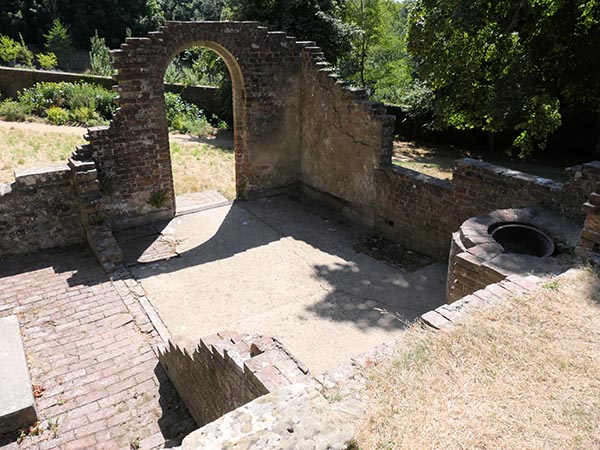
The dairy house is below.

battleabbey

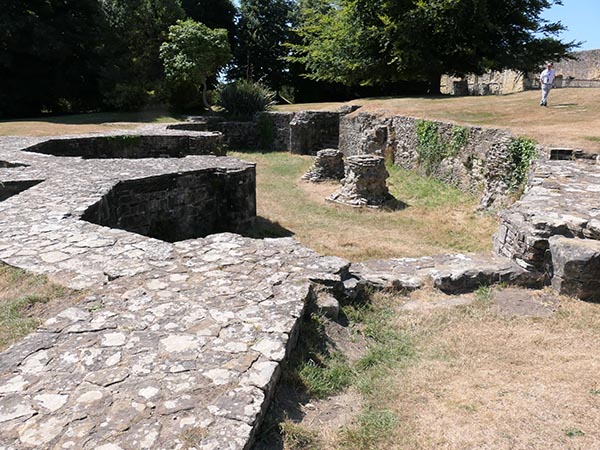
The foundations of the old church and its crypt are below.

battleabbey

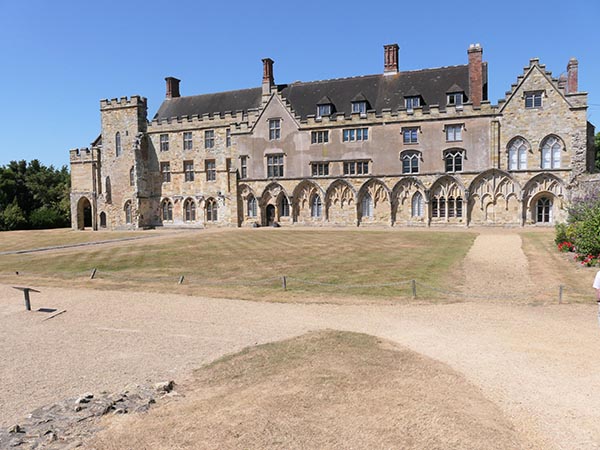
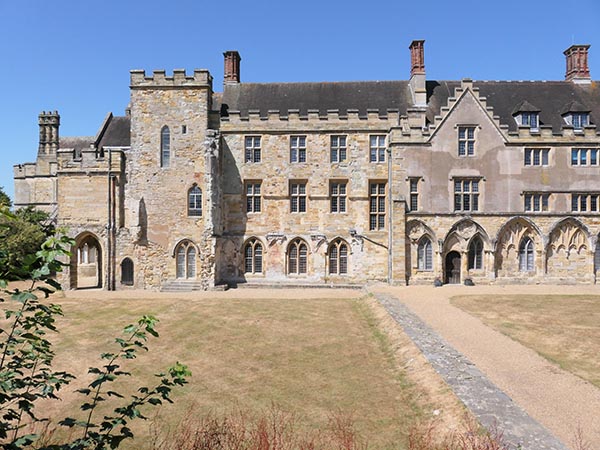
The large remaining building is now the school, and the cloister arches can be seen on the walls.

battleabbey

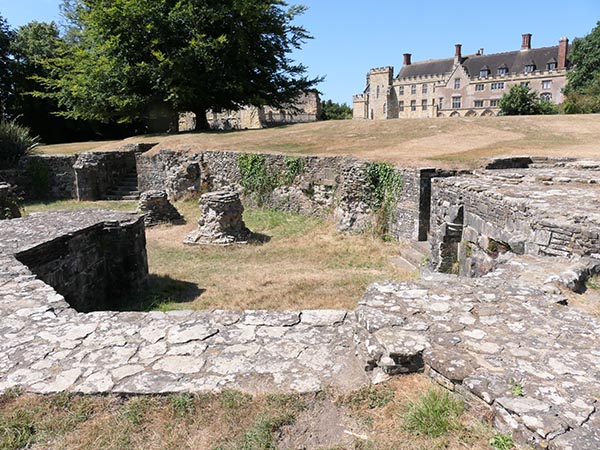
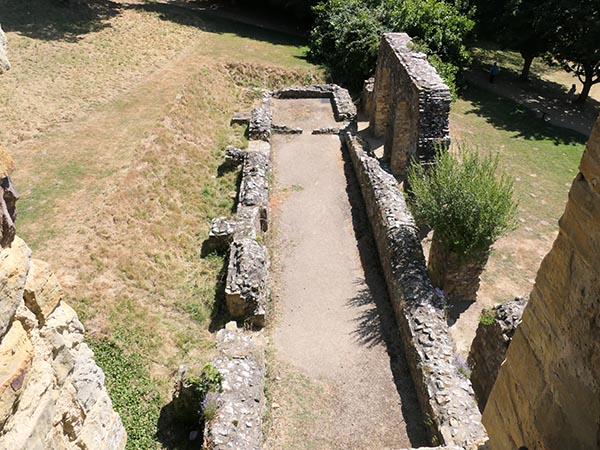
Additional footprints of some of the administration buildings (chapel house) and sacristy.

battleabbey

The latrines.

battleabbey

battleabbey

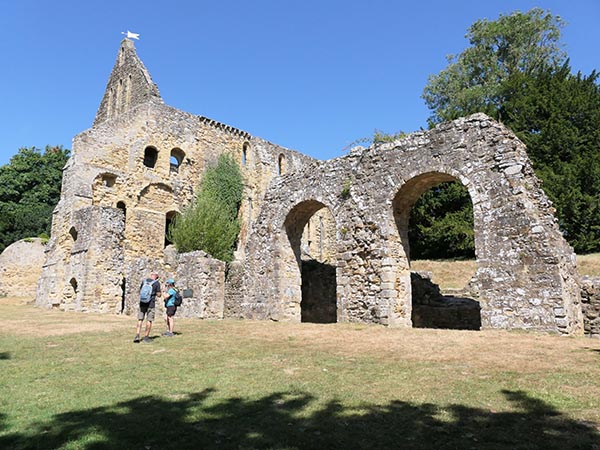
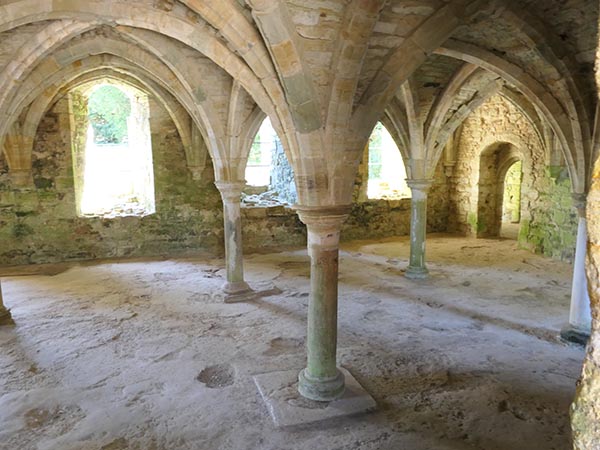
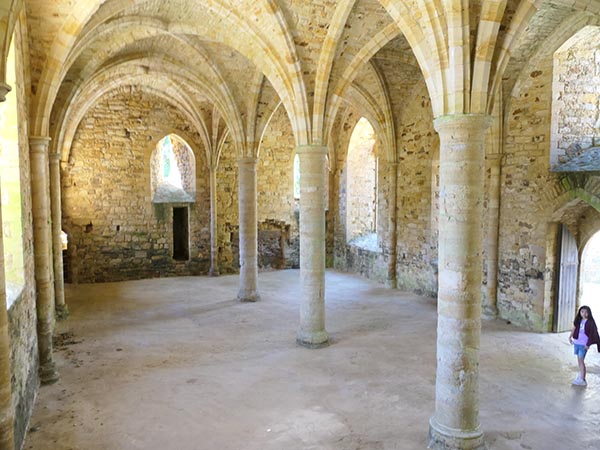
The dorms and refectory where the monks ate and studied are intact. After the monastaries were dissolved, it became stables and a barn. 

battleabbey

This area was known as the novices' room for those who had entered the monastary. Typically, only the wealthy could be granted in to become a monk, and they selected sons of wealthy families as they knew that this would have benefited the monastary.

battleabbey

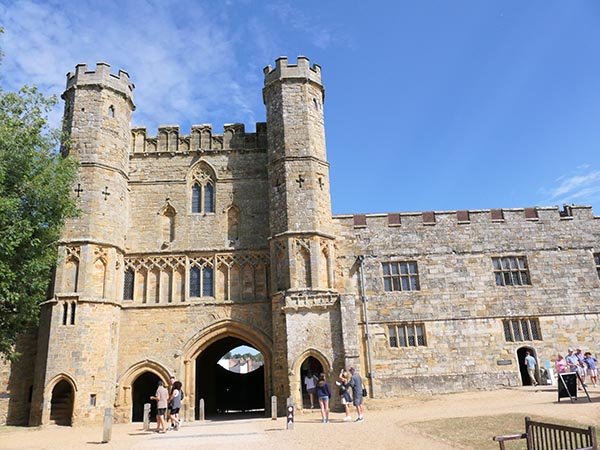
After having seen enough of the ruins of the abbey and the battlefield, I walked back to the gatehouse.

battleabbey

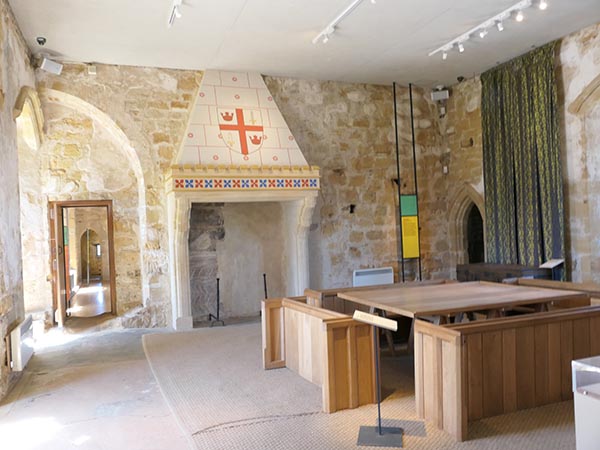
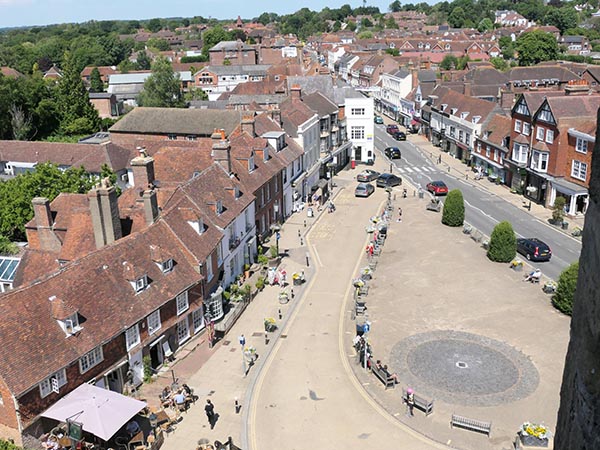
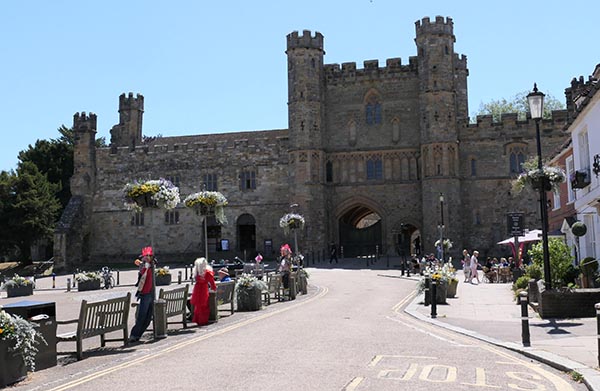
The gatehouse, which is what visitors enter through to access Battle and the battlefield today, was constructed in the 1300s. A museum is located on the first floor with a few items discovered at Battle, and visitors can also climb the stairs to the top for views over the town. 

battleabbey

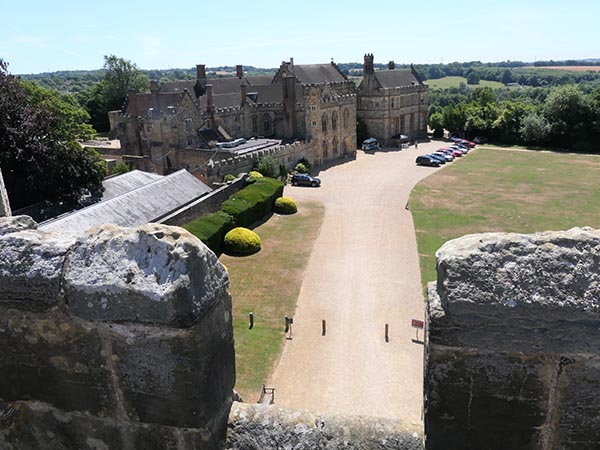
There are some interactive areas inside the rooms in the gatehouse. From the top, there are views over the present day college and the town.

battleabbey

battleabbey

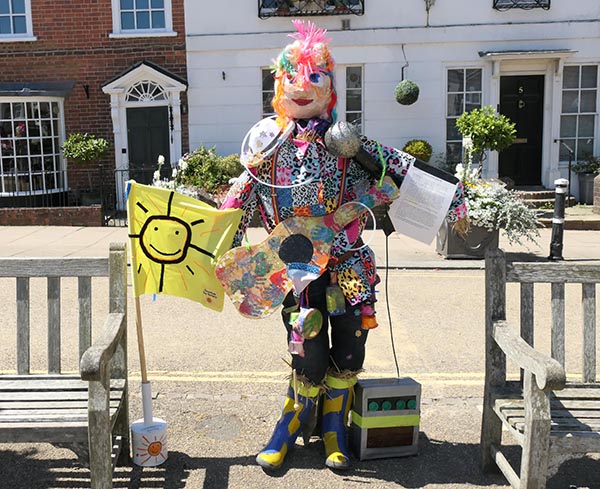
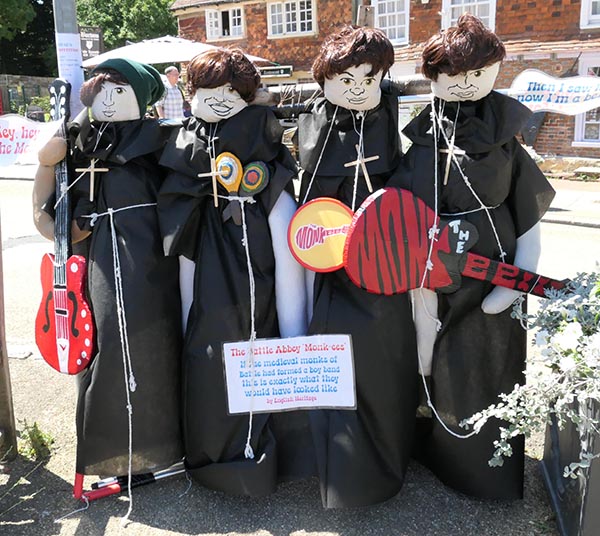
After completing the tour of Battle and the battlefield, I walked out of the gatehouse. Some scarecrows had been placed in front, and they had a music theme. David Bowie, Madonna, Elton John, and the Monkees were created in scarecrow form in the shadow of the abbey.

battleabbey

battleabbey

battleabbey

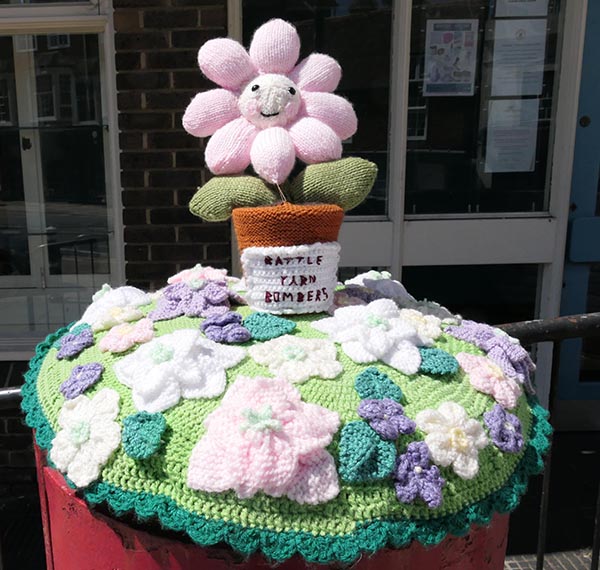
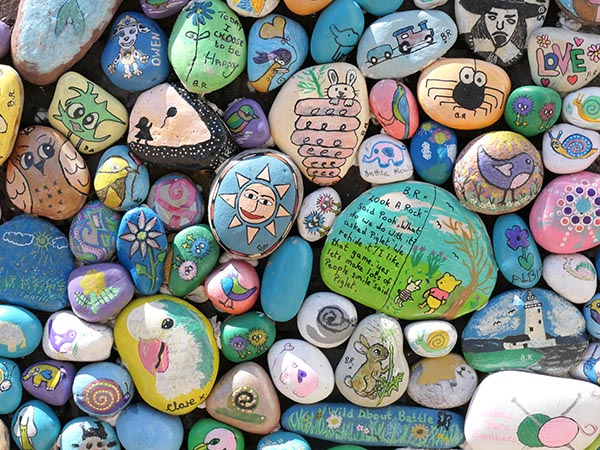
Battle seems to be a creative place. I saw some yarn-bombing here and some painted stones glued onto a wall.

battleabbey

battleabbey

That ends my visit to Battle Abbey and the battlefield. I had a really good visit, and I recommend this. The audio guide is also really good and helps to understand the history.

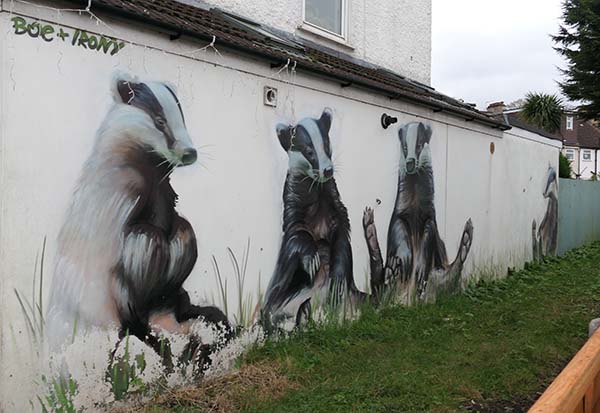
Badgers Street Art by Boe and Irony in Penge

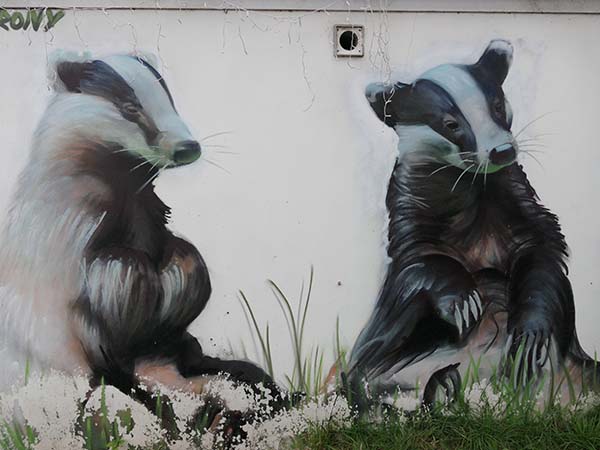
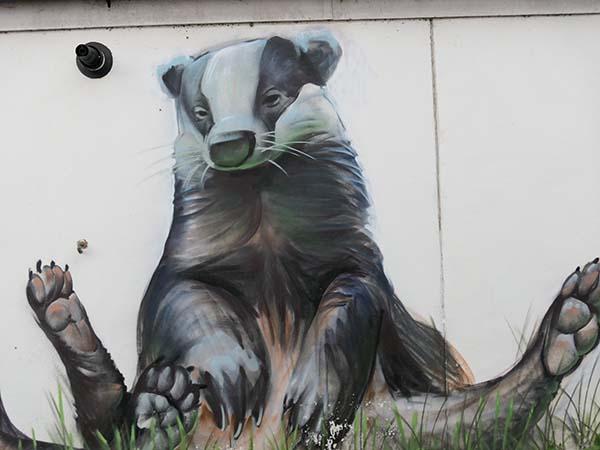
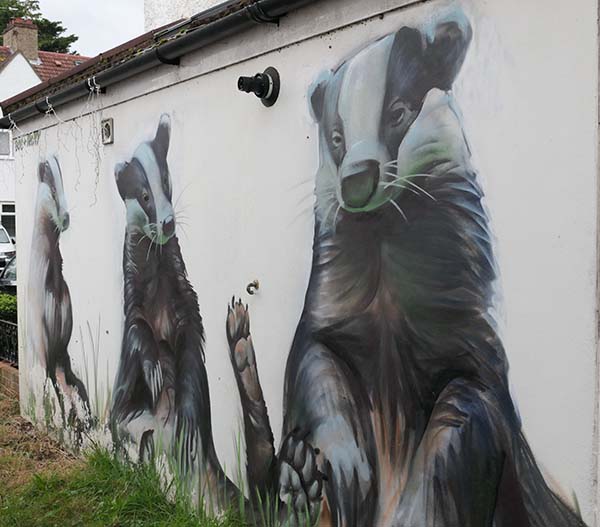
Back in 2017, street artists Boe and Irony collaborated on a mural in Penge, south London. The artwork was painted on the side of a house on Ashleigh Road. The artwork shows four large badgers. Boe and Irony often collaborate on murals that depict animals, and their style is realistic. Sometimes the style evokes an element of humour. The artwork is unimposing and fits well into the wall. Unfortunately, it's a bit faded and damaged due to the weather over the past few years, but it's still a wonderful and playful work of art.   

boeirony-badger1.jpg

I captured this artwork in November of 2021 when I went on a street art walk arranged by London Calling Blog around Penge.

boeirony-badger2.jpg

boeirony-badger3.jpg

boeirony-badger4.jpg

boeirony-badger5.jpg

More street art by Boe and Irony (collaborations or otherwise) on this blog:

Portrait Street Art by Irony in Camden
Boe and Irony at Upfest 2018
Camden Street Art Self-Guided Trail
Meeting of the Styles 2018
David Bowie and Brixton Street Art
Street Art by JimmyC, Boe & Irony, Trust Icon, and Others on Paradise Row
Street Art: Artista, DecoLife, Binty Bint, Ino, Irony, Pixie, SeaPuppy

Voyder and Fanakapan Mural in Camden

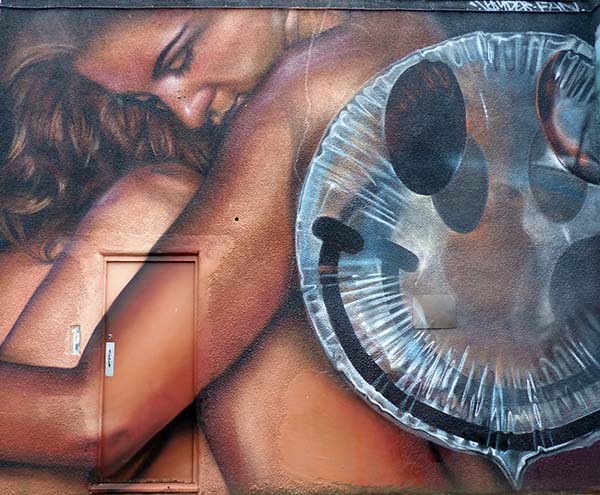
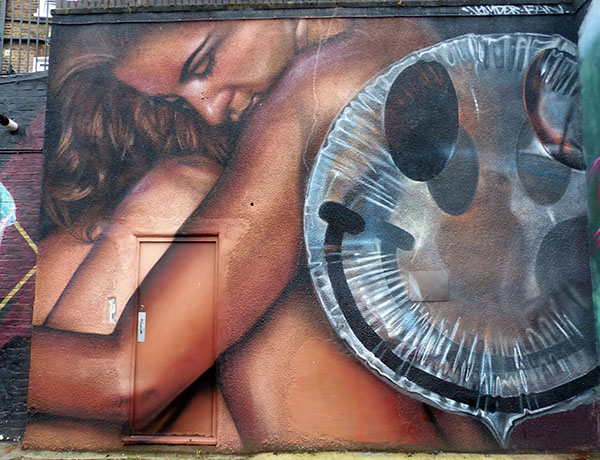
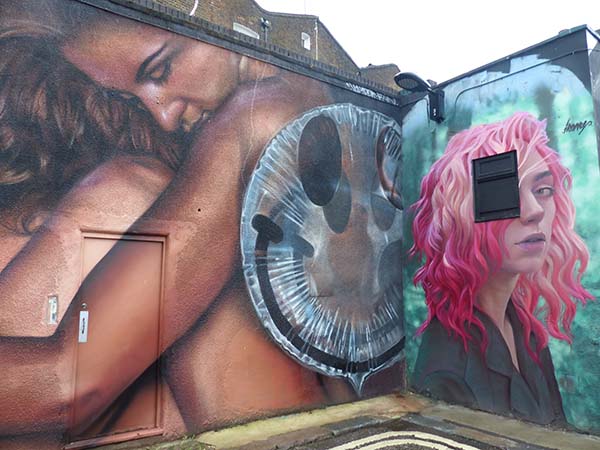
I've been going through my street art photos of the last few years to share. Today, I want to share a collaboration between street artists Fanakapan and Voyder that was made in Camden in 2020, right before the world shut down. I visited in the summer of that year. I love seeing collaborations, and I found this to be an excellent piece on a large wall around the corner from Camden's markets.

fanakapan-voyder2020-3.jpg

Fanakapan is known for his chrome balloon artwork, and he's been a regular on London's street art scene since around 2013 when he was experimenting with his style. For the past five years or more, he's perfected the chrome balloon style, and this collaboration features a silver chrome smiley balloon.

Voyder's style is a little more difficult to explain, but his contribution to this mural is the crouching female figure. He normally paints a lot of grafitti with his tag in a variety of styles from neon to digital grafitti tags, which is how he started. The artist is from Bristol, so his work isn't seen too often in London. 

fanakapan-camden2020-1.jpg

fanakapan-voyder2020-2.jpg

More work by Voyder on this blog can be seen here:

Voyder Street Art for Leicester Bring the Paint in 2019
Halloween Street Art (2018 and 2019)

Meeting of Styles Wall 2018
Bristol Upfest 2015

More artwork featuring Fanakapan can be discovered on my blog here:

Fanakapan and Nerone Collaborate on "Neighbourhood Watch" in Penge
Fanakapan "No Words" Mural, Hoxton Square
Fanakapan Street Art Around East London

Fanakapan "Up Yours" Mural on Heneage Street

Fanakapan "BITER" Street Art on Pedley Street

Fanakapan Street Art Smiling Balloons
Fanakapan Paints "Hah" Laughing Gas on Pedley Street
Halloween Street Art by Fanakapan
Fanakapan Street Art on Mornington Crescent and Star Yard

Fanakapan Paints PacMan Pizza on Brick Lane and Other Street Art
Fanakapan Star Yard MagnaDonuts Mural
"Follow the Leader" by Fanakapan
Peace for Manchester

Fanakapan Paints Shoreditch Clowns

Chrome Balloon Dog in Star Yard

Fanakapan Paints "Power Tools" on Village Underground Wall

Fanakapan Paints "Drunk Glass Elephants"
Fanakapan, Horror Crew, & Jerry Rugg
Louis Masai and Fanakapan: "Freedom?"
New Chrome Street Art Mask by Fanakapan
Balloon Animal Street Art
Cranio & Fanakapan
Fanakapan and Horror Crew
Camden Street Art Self-Guided Trail
Halloween Street Art (2018 and 2019)
Cranio Returns to London in 2020 and Paints Brick Lane

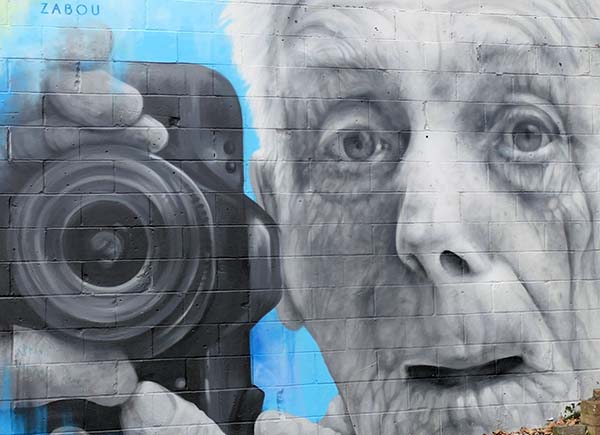
Zabou Street Art: Gordon Gibbens in Penge

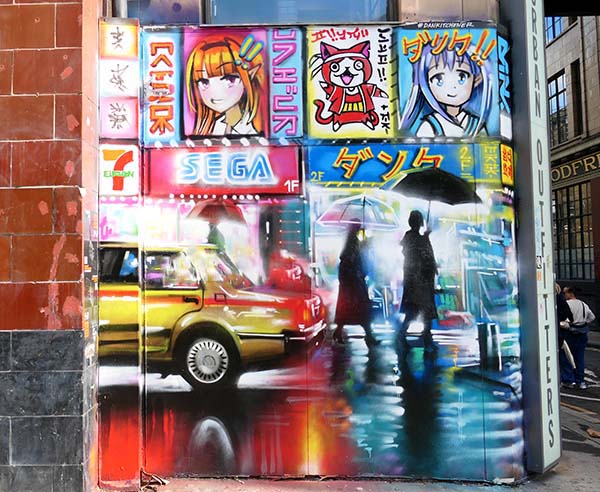
Dan Kitchener Street Art: 'Arcade' on Commercial Street

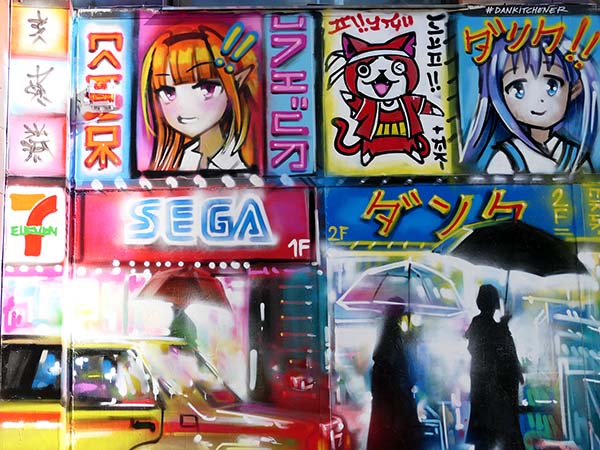
Dan Kitchener (Dank) is a street artist based in London, and east London is a popular spot to find his artwork. One of the most recent was painted on Commercial Road in a spot that the artist has painted in previously. The work is titled "Arcade" and features the night city street scene that the artist is known for painting. In addition, various Japanese-style advertisements are also depicted with some famous brands and characters. According to his Instagram, the artwork was painted quickly.

dank2022-40.jpg

dank2022-41.jpg

For more work by Dan Kitchener (DANK) featured in this blog, please read the following links:

Dan Kitchener "Tokyo Dreams" Murals in Evelina Road, Penge
Round-up of Dan Kitchener Street Art in East London and Camden
Dan Kitchener Paints "London Colours" at NYX Hotel Holborn, Southampton Row
Dan Kitchener Addition to "East London Geisha" on Commercial Road

Dan Kitchener Paints "Midnight Drive" on Hanbury Street
Street art by Dan Kitchener in Summer 2020

Dan Kitchen Returns to Clifton Street with "Tokyo Graffiti" Mural
Latest Street Art by Dan Kitchener
Dan Kitchener Paints 'Ghost Cities' on Pedley Street
Dank Paints 'Ghost Cities - Bristol' for Upfest 2018

Dan Kitchener Paints "Meeting of Styles"

'Future Tokyo and Tokyo Ghosts'
Dank "London Rush"
Dan Kitchener's Street Art on Sclater Street and More
Street Art: Dan Kitchener
"Downtown" Mural by Dan Kitchener
Goswell Road

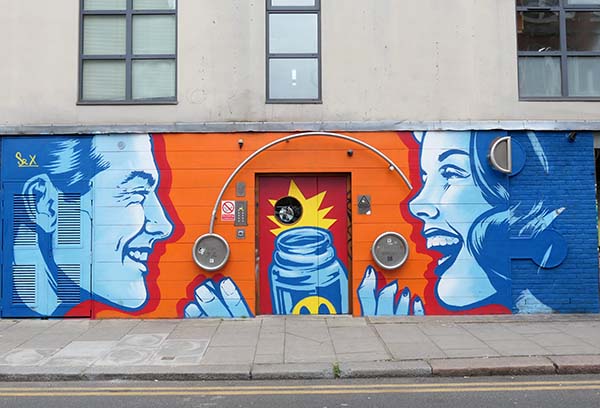
Sr. X Paints "Gimme That Soma!" on Redchurch Street

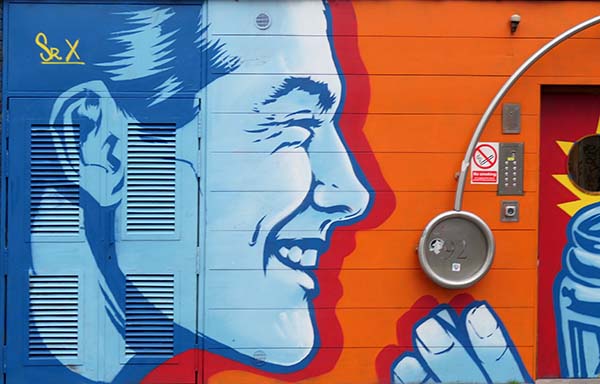
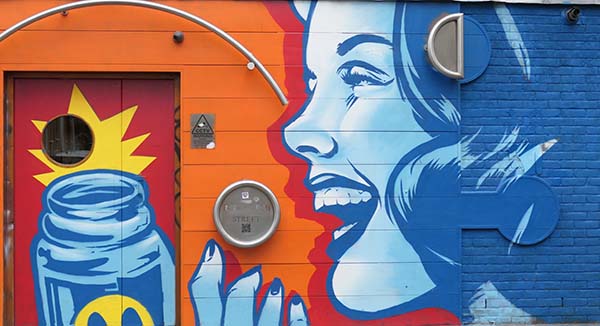
Earlier this spring, street artist Sr. X painted a wall near the corner of Brick Lane and Redchurch Street. Sr. X is a Spanish artist who has previously painted in London on a number of occasions. He uses popular culture and illustration that mimics vintage posters. The subjects in his artwork are often very expressive and painted with bright colours. The artwork shows a man and woman looking at each other with a can in the middle, holding a circular object as if they are about to eat it. The artwork uses a great placement based on the architecture of the building with the round dials and archway appearing to create a sense of movement and objects that the pair are both holding.

srx2022-spring-1.jpg

srx2022-spring-2.jpg

srx2022-spring-3.jpg

Other artwork by Sr. X (Senor X) on this blog can be seen in the below posts:

Sr. X Street Art at Paternoster Square
Sr. X Summer 2020 Murals in Camden
"The Back of Your Mind", New Street Art by Sr. X
Camden Street Art Self-Guided Trail
Sr. X (Señor X) "The Rapture" Street Art on the Village Underground

Sr. X (Señor X) "The Itching" Street Art off Brick Lane
New Sr X Octopus on Hackney Road

Sr.X Paints Village Underground Wall

Sr.X "Buy Shit!" Sign on Village Underground
Sr X Collaborates with Zabou

Portrait Street Art by Irony in Camden

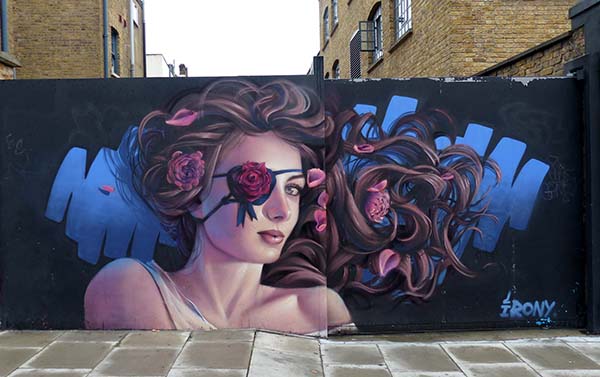
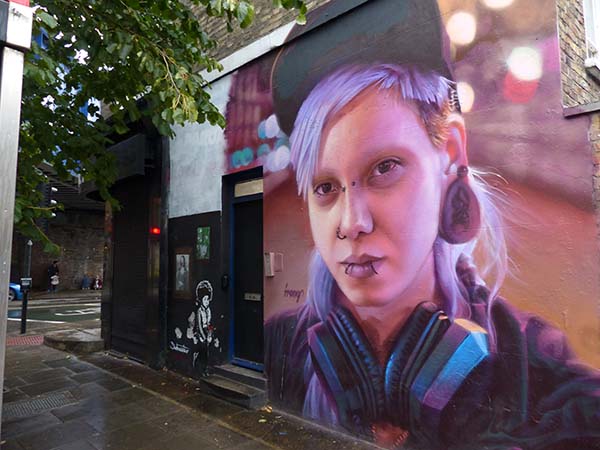
Today's post is long overdue and has been in progress for awhile. I've been to Camden a few times over the past few years and am only just getting around to posting these photographs of artwork from Irony. Irony's style is realistic though a sense of character is brought out in her portraits; the artist also often paints animals. I love seeing their work as the style is so good, and it always pops off the wall. I wanted to showcase four murals in Camden that I captured, and they are all fairly close together. 

irony-camden-pinkgirl1.jpg

irony-camden-pinkgirl2.jpg

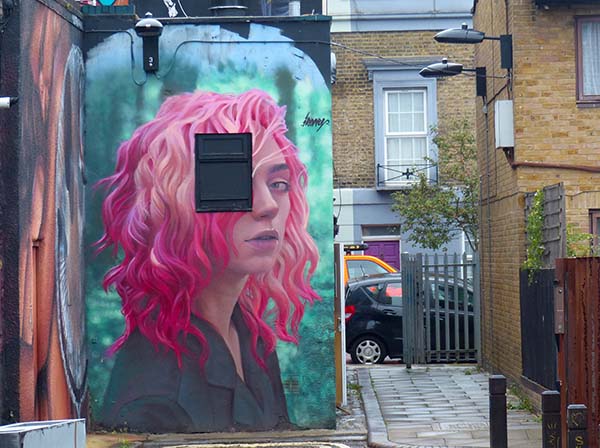
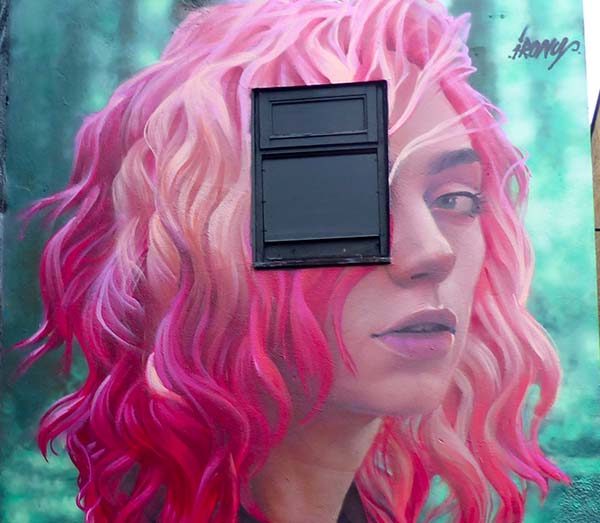
The first is on a side street alley near the market, and it's a female with pink hair. The building has a window, which is placed over the eye of the subject.

irony-camden-bluegirl2.jpg

The second mural was painted last year and is a female with blue hair.

irony-camden-bluegirl3.jpg

The next mural is the oldest one, painted a few years ago now, and you may have seen photographs of it on my blog already. However, it had to have a touch-up as someone damaged the eye. Irony decided to add a patch with a rose over the eye. It is a brilliant piece and still has life left in it.

irony-camden-rosegirl1.jpg

irony-camden-rosegirl2.jpg

The last mural is one of my favourites as it just popped out at me. The picture depicts a portait of a model with piercings, edgy chunky ear rings, and headphones.

irony-camden-piercing.jpg

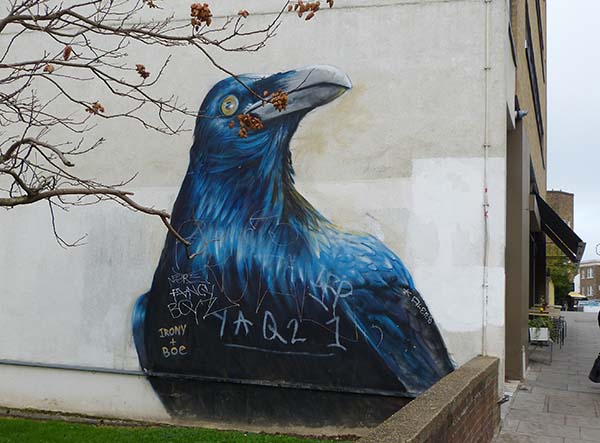
The last mural on this post was taken quite a few years ago now and featured a collaboration with Boe. It is a crow, and it's located near Broadway Market (not in Camden), and it's a few years old. The artist's style has come some way since then.

boe-irony-crow-broadwaymkt.jpg

More street art by Irony can be seen on this blog by following the below links:

Camden Self-Guided Street Art Tour
Boe and Irony in Walthamstow

Boe & Irony at Upfest
 (2018)
Street Art by JimmyC, Boe & Irony, Trust Icon, and Others on Paradise Row
Street Art: Artista, DecoLife, Binty Bint, Ino, Irony, Pixie, SeaPuppy

  1 2 3 4 5 6 7 8 9 10 11 12 13 14 15 16 17 18 19 20 21 22 23 24 25 26 27 28 29 30 31 32 33 34 35 36 37 38 39 40 41 42 43 44 45 46 47 48 49 50 51 52 53 54 55 56 57 58 59 60 61 62 63 64 65 66 67 68 69 70 71 72 73 74 75 76 77 78 79 80 81 82 83 84 85 86 87 88 89 90 91 92 93 94 95 96 97 98 99 100 101 102 103 104 105 106 107 108  

Archives

Recent Comments

  • jenn: Thank you. read more
  • Murge: Amazing post. read more
  • Herbert: good post. site read more
  • Frank Quake: Hey, This is great when you said that I had read more
  • Chappy: You mention peptides here? I have had first hand experience read more
  • jenn: Thanks! I love the work. I have got more recent read more
  • Fanakapan: Thanks for the write up. This was some of my read more
  • jenn: Yes.... but that's only for the islands. Mostar and Montenegro read more
  • jenn: Hello, the code is not mine to hand out. I'll read more
  • pantich: More info about the best day trips from Dubrovnik can read more
OpenID accepted here Learn more about OpenID