Results matching “Christmas”

Days Out: Norwich Castle

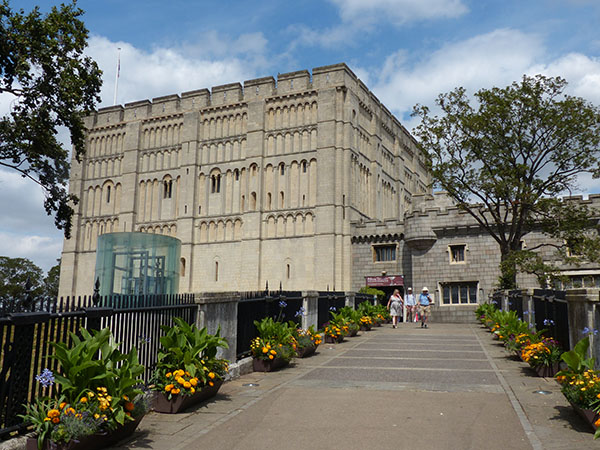
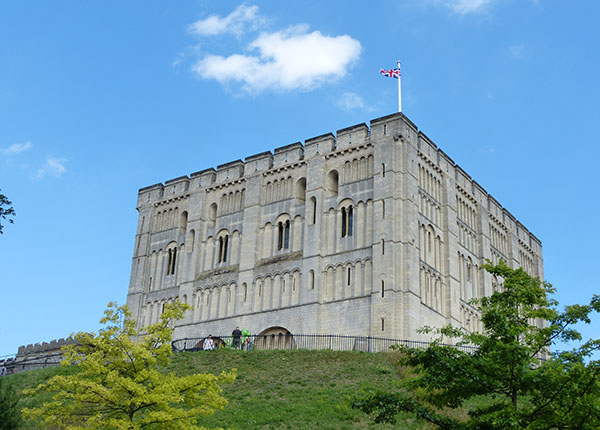
Norwich Castle started its life as earthworks and a wooden fort in the mid-1000s. The current castle was built for the Norman-French people in 1100, and Henry I visited the town of Norwich over Christmas in 1121. The French Borough was an area of the city, now where the current marketplace is with its colourful awnings, and it remains close to the way it was in that day. The castle was built for the king to control and defend the city, but the castle was later used by the city of Norwich to govern itself. The castle itself is located on a hill. Today, visitors can visit the castle keep and walk around the to look at the views of the city. The castle's primary purpose today is a museum that houses collections of art, ancient artefacts, Egyptian artefacts, natural history, local history and much more. The lower floors were the dungeons and prison, and these can normally be explored, but these are currently closed due to refurbishment.
norwich-castle-02.jpg

Although I have visited Norwich twice before in the past five years, I never had time to see the castle, so it was high on my list for this visit. I managed to do a quick visit this year, but I could have spent much longer in the museum. As for the castle itself, there's not too much to see. Since the dungeons were closed, it was the huge room of the keep and the bit of the upper floor with the garderrobes and part of the kitchen that could be explored. I did not know at the time, but the battlements at the top can also be explored on special guided tours. I will have to do that another time. 
norwich-castle-01.jpg

The castle keep had some information about life in the castle and some items found in and around the castle.
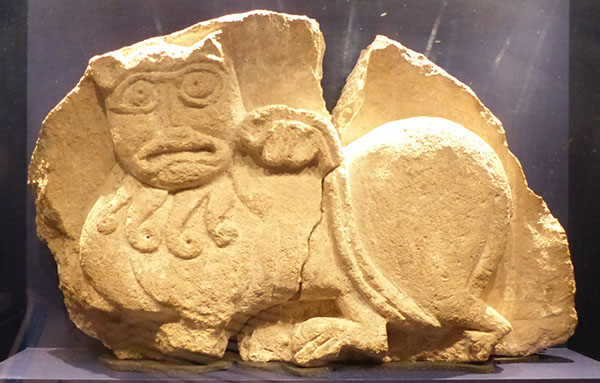
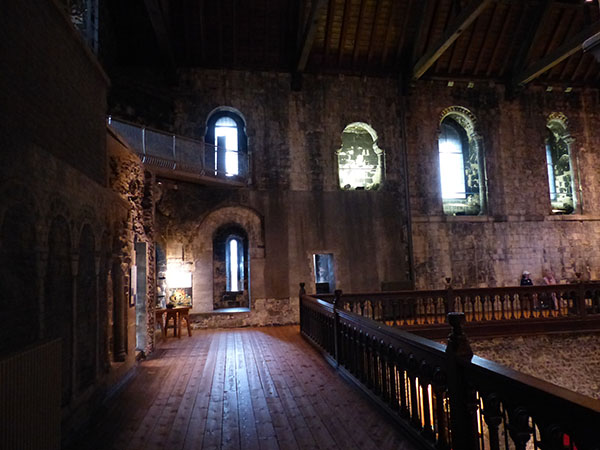
norwich-castle-03.jpg

norwich-castle-04.jpg

Meetings happened in the garderobes, and there was not the privacy that we have today. 
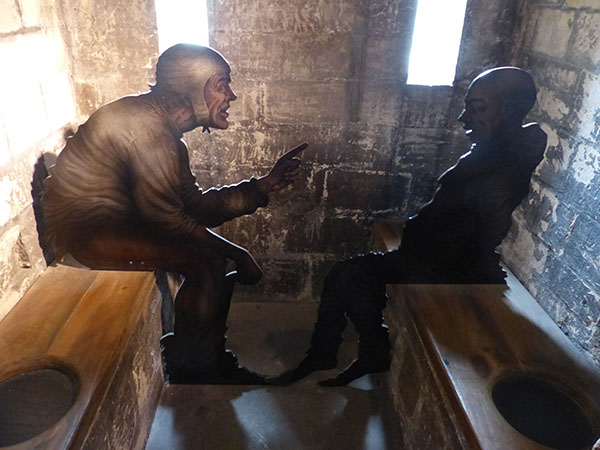
norwich-castle-05.jpg

One of the other ends of the castle were the king's private quarters, including an escape route. The chapel is also at one of the other ends.
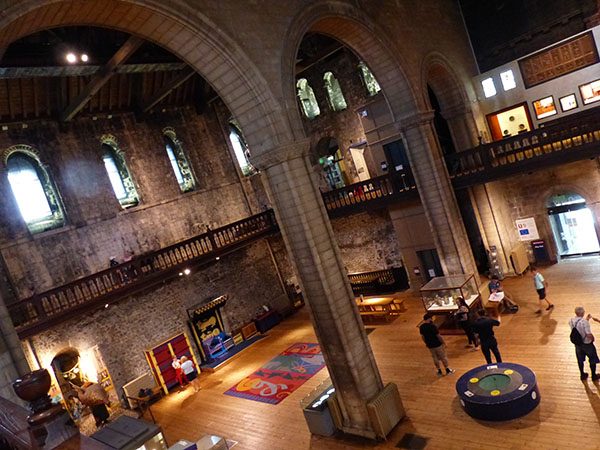
norwich-castle-06.jpg

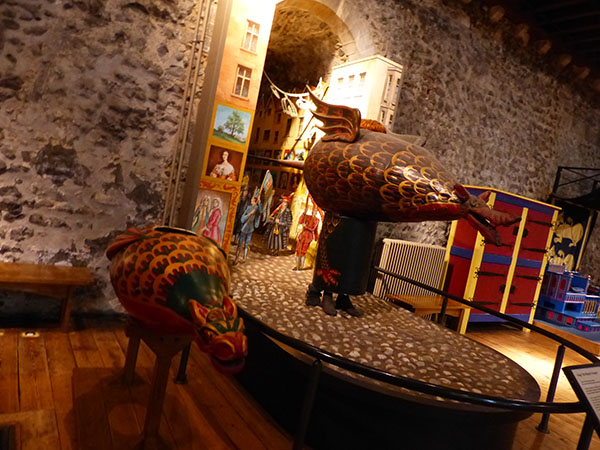
The below image is of the guild-day parades with "Snap" the dragon. This is the dragon that St. George is said to have defeated, and the dragon would have someone inside it who would move it and make it smoke and cause chaos during the procession. The dragon became popular with the city of Norwich.
norwich-castle-07.jpg

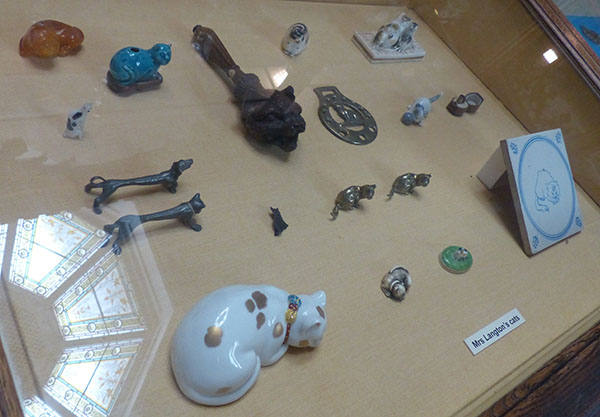
The below image is part of a photograph of a large collection of cat trinkets, known as "Mrs. Langton's Cats". I am not sure of the story of the cats, but it appealed to me because I also have a large collection of trinket cats of different ages (though probably mainly from the 1960s-1980s). There were also collections of African dolls and arrowheads/stone prehistoric tools from North America, Europe, Africa and Asia. It's amazing that they all look the same.
norwich-castle-08.jpg

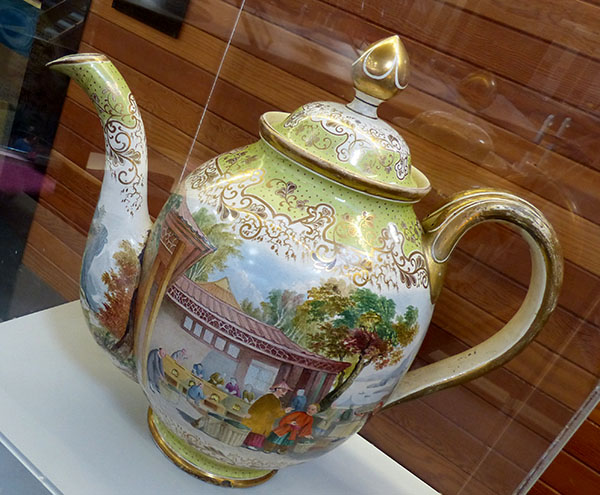
For those who love tea, the following photograph is of the largest teapot in the world. It is thought to have been created for the Great Exhibition in Hyde Park, and it holds 60.75 litres. It does not look too big in this photograph, but it is. I don't know how someone could lift it full of water. I think it would be too heavy to pour.
norwich-castle-09.jpg

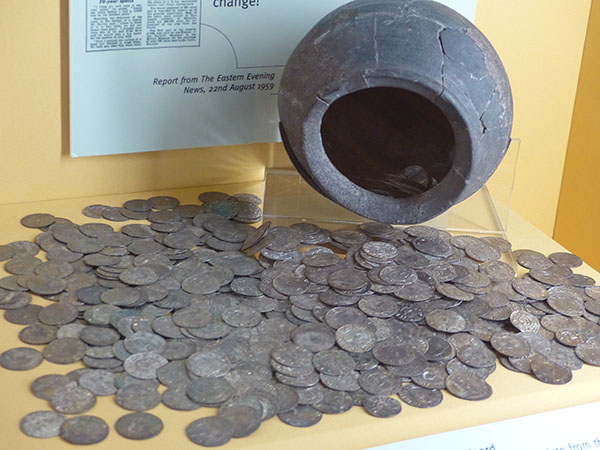
One room held pehistoric information, such as hoards of coins like the one below and also mentioned daily life and dress with items discovered.
norwich-castle-10.jpg

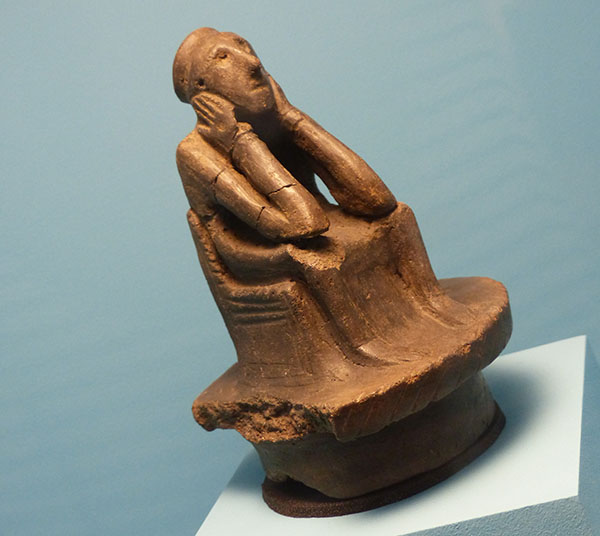
Below is "Spong Man", though the clay figure could have also been a woman. It is a figurine whose purpose was unknown but it was located in a rabbit hole near a cremation site. The figure was actually a pot lid.
norwich-castle-11.jpg

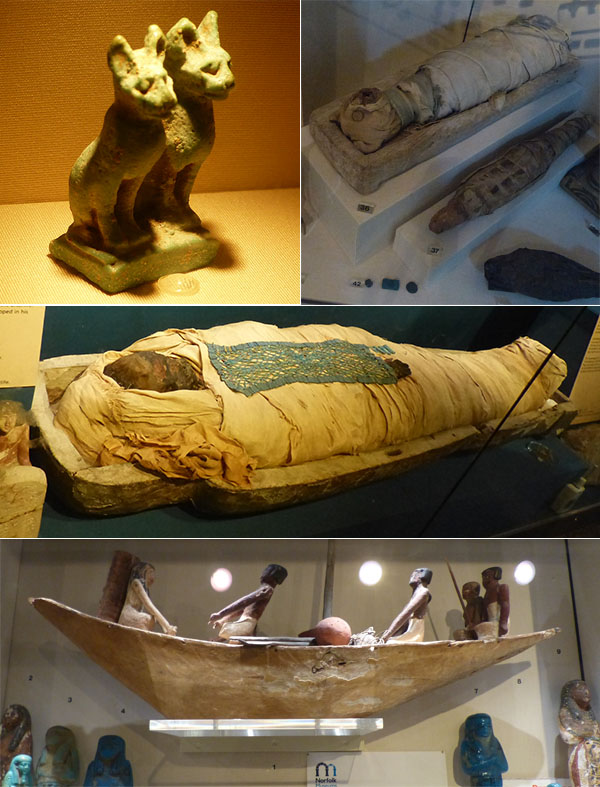
The other cabinets contained some war items from soldiers of Norfolk, and the Egyptian rooms are here as well. The room contains items from collections by Colman (of the mustard fame), the royal family and other wealthy people. They would often bring back Egyptian artefacts. In the past, it was also customary to have parties and unwrap mummies at those parties. The exhibition contains a mummy and some animal mummies of crocodiles, birds, and cats. The Egyptians loved their cats; they were worshipped and kept as pets.
norwich-castle-12.jpg

One large area of the museum is dedicated to Boudicca, who was of the Iceni tribe in Norfolk. She is popular for defeating the Romans. I'd love to go back to this area and take my time to read the boards in more detail. The information was about how the people lived in their roundhouses and how they gave offerings of gifts in water (water was spiritual) and in deep shafts (how hoards of treasures are found) to gods/earth or to their ancestors. Somehow, it is known that instead of farming during the year of Boudicca's revolt, the people planned for war with the Romans.
norwich-castle-13.jpg

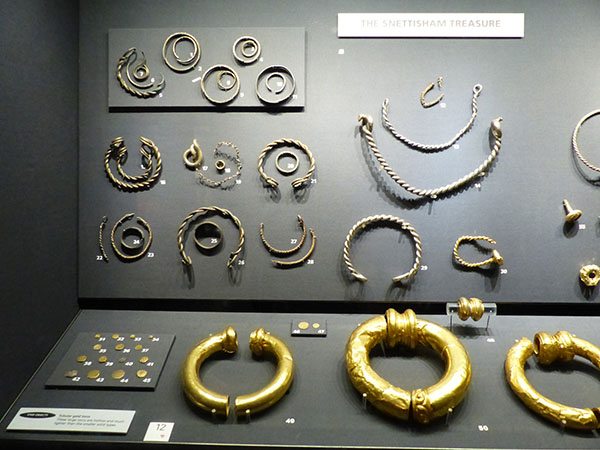
The Snettisham Treasure was a large hoard discovered, and most of the items buried were torcs such as the ones pictured above. They were worn around the neck and are often found in hoards. Apparently most of them and a lot of the other items in hoards have been broken. Perhaps this was a sacrifice to thank the gods of the earth for allowing use of the materials for the time they are in use.

Another part of the museum is the Paston Treasuries, named after a local wealthy family. I did not have time to see these art galleries.

That concludes my tour of Norwich Castle. The castle is open all year with longer hours in the peak months. I suggest to spend at least half a day at the castle in order to make the most of the exhibits.
A Look Back Five Years Ago... 2013

This is the first of this type of post for me, but I was feeling a little bit nostalgic and wanted to look back to five years ago to see how aspects of my life have changed. Five years ago was the year 2013, and it was a year of change for me. It was a year that started out poorly but ended up being a pretty good year by the end. In fact, it actually does not seem like that long ago! It was a year after the Olympic Games visited London, and everyone was excited about the games. I actually cannot describe 2013 without a background of 2012 as it affected some key decisions and was a big year in the United Kingdom.

weston2013-11.jpg

Many people will say that 2012 is a hard year to beat. Because of all of the Olympic-related events and games taking place the year before, I am sure that 2013 felt like a downer to many people. I do remember people saying that they had nothing to look forward to in 2013, so I think generally people felt that their lives were missing something. However, 2012 was a dismal year for me. It was the year I was stuck in the UK waiting for my visa, and this made me miss my brother's wedding in December. I started a new role at the end of March that turned out to be not the right fit for me. While 2012 was not all bad, the majority of it was except for a two-week trip to Croatia/Bosnia and an afternoon at the Olympic Park.

In March of 2012, I started a new job outside of London for a shorter commute (which ended up not being a shorter commute) and was promised my ideal role. After six months, the role did not materialising, and I started to question it. Over those months, I did meet some wonderful people there and produced some great work. In October, I nearly handed my notice, but I decided to "sleep on it" and to try to make it work. In retrospect, I should have left because there was nothing that I could do. Sometimes, it just isn't "right", and there isn't anything that can be done. It is a risk, and the risk did not work out that time. By the end of the year, I decided that I needed to take action. So, that leaves me with the beginning of 2013.

polperro03.jpg

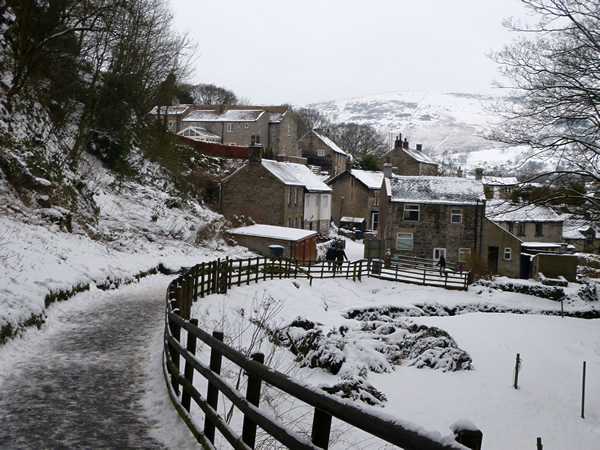
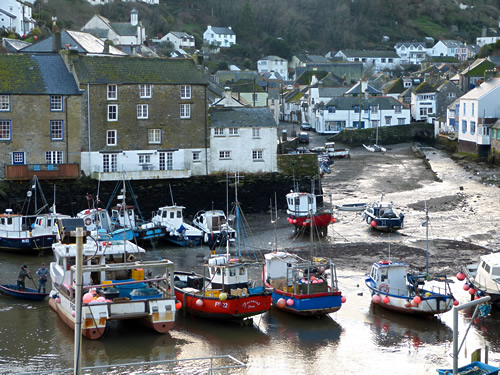
I was due a holiday at the beginning of 2013 because I was very unhappy and did not take any time off since May the previous year. I had just missed my brother's January wedding and still did not have my passport. As I had just joined a new company and had so much work to do (I actually put in a lot of overtime that I never got paid for), I also declined to take time off except for the time that I'd booked in May. The office that I was working in shut down over the Christmas break, so I did take a break then. At the beginning of January, I spent a few days in Cornwall (Days Out: Polperro, CornwallSt. Michael's MountLand's End and St. Ives). I had been to Cornwall before but just needed to get away. At Christmas, I had also been given a voucher for a hotel in Derbyshire, so I decided to spend a couple of days in the Peak District before my other plans started. The visit to the Peak District was in deep snow, which did look pretty (Snowy Peak District Part 123 and Bolsover Castle).

peakwinter-1.jpg

Changes happened very quickly, and I'm still reaping the benefits of those changes today. I became a contractor in January of 2013 and started working at a wonderful company and worked with many great colleagues. I loved the team and loved the project. I actually worked there for just over two years and have fond memories of my time there. The company was located on Brick Lane, so I explored and documented the street art during my lunch breaks. The commuting was terrible and social life suffered, but I loved the work and team. Besides the harsh commute, everything fell into place.

At the end of April, I finally received my visa and had my passport returned. The whole process took ten months. 

bigegg-2013-21.jpg

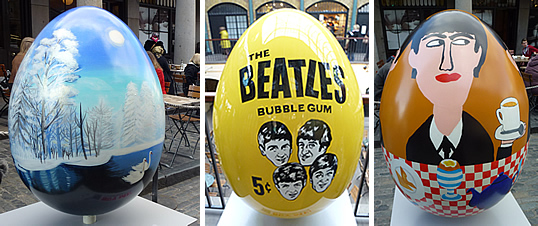
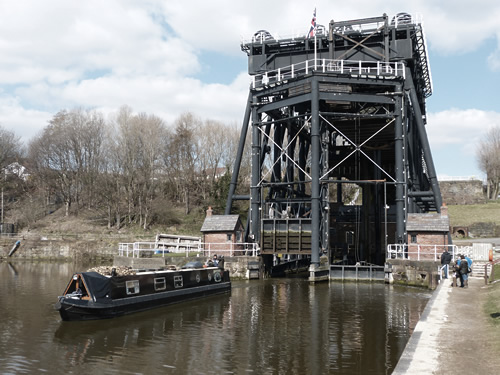
In the spring of 2013, I enjoyed seeing the Big Egg Hunt in Covent Garden, which was really fun. This was an art sculpture trail that coincided with Easter and it ended up being two consecutive years in London. Over Easter itself, I visited Chester, Frodsham, Nantwich and the Anderson Boat Lift, and Beeston Castle. I would also visit the area and north Wales again in the summer for a long weekend and visit Chester Zoo. I lost most of those awesome photographs, though, when my hard drive failed.

anderton.jpg

I also visited a couple of different sand sculpture displays. The first one was in Weston-super-Mare (focused on films), and I saw some friends that I used to work with. The second one was in Weymouth (focused on science fiction), and I saw some friends who live near there too.

dulwicharthouse.jpg

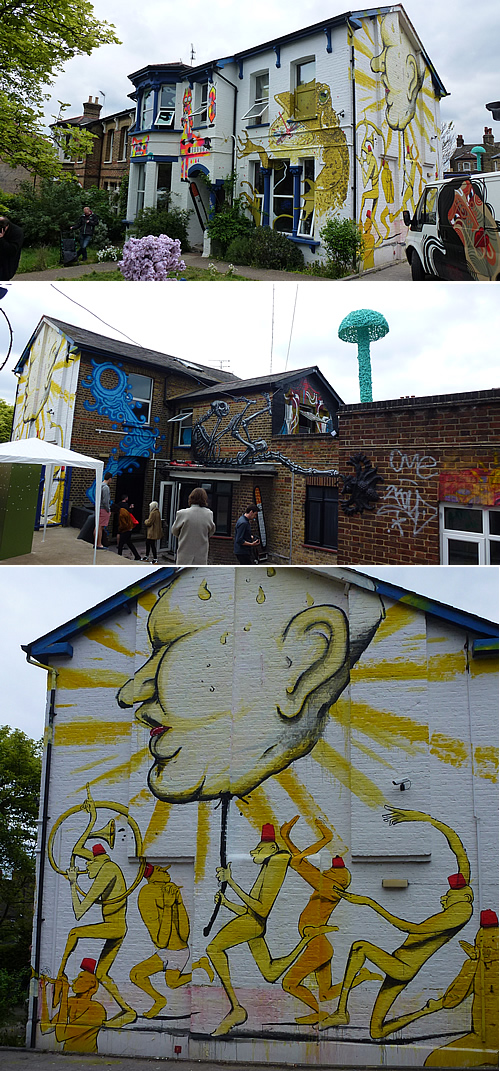
I also attended one of the most memorable street art events that I have been to in Dulwich, London. Several street artists took over a house and decorated the walls. This was wonderful, and there has not been anything else like it at all. I had a couple of posts about it because there was so much material: 1, 2. Street art was a huge part of my focus in 2013. I even met some of the street artists while seeing them paint around the area during my lunch and breaks at work. This made my day.

hoy04.jpg

And, 2013 kept getting better with a long weekend May holiday to the Orkney Islands in Scotland to see stone circles and prehistoric structures and beautiful scenery (Kirkwall and Italian Chapel, Bursay, Brodgar, etc, Rousay, Skara Brae, and Hoy. This concluded with a visit to Castle Mey and a stop at cairns. 

To top things off, one of my good friends from the states came to visit in June. We spent a few days enjoying the city and taking time out to do the things that I have wanted to do and see without the crowds. I had so much fun and enjoyed showing off the city as it was the first visit for my friend. We did so many fun things that I could easily turn this into a list, but I won't.

gromitunleashed10.jpg

July had some fantastic weather, and one of my highlights this year was the first Gromit Unleashed! sculpture trail in Bristol. This meant that I got the chance to go back to Bristol, a city that I worked near a few years previously. I also got to create my own Gromit figure under guidance from one of the Aardman figure-creators. (Part 1, Part 2) I happened to visit during Harbour Festival, and this was an added bonus. In addition to Gromit Unleashed!, I also went on other sculpture trails such as one for rhino in Southampton and also gorillas in Norwich, and that was my first visit to Norwich and a city that I enjoyed as well as enjoying seeing the sculptures.

scotney16.jpg

I also enjoyed trips to Scotney Castle and Hever Castle during a glorious early August day. I did visit a lot of castles and other places this year, despite my long commute.

dublin1-05.jpg

One of the last memorable events for me was a long weekend visit to Dublin, Ireland. The first day was the visit to the jail, which was the most interesting tour of the trip. I also enjoyed seeing the market and botanical gardens as well as the tour on the immigration boat.

frankenmuth10.jpg

The year also ended on the perfect note as I visited my parents at Christmas and we went to Michigan to Frankenmuth and the Henry Ford Museum and Greenfield Village. We also went on the (Ohio) Amish Country Cookie Tour of Inns, which was lovely and Christmassy, though I had a very bad allergic reaction to hair dye and had to go to the hospital as my head swelled up.

I will say that 2013 has been the best year for me in quite possibly my whole adult life so far with the exception of 2011, which was another good year for me. The year 2013 was a great year with a great balance between work and several short and weekend trips and a longer visit to the states to see my family and friends. I don't think any of the years have quite added up to 2013, which started on a difficult and unknown note but left on a high. I wish that I was able to get the work-life balance in every year. So far, the last three years for me have been greatly skewed with work so it would be nice to get a break soon.

St. Dustan-in-the-East (London)

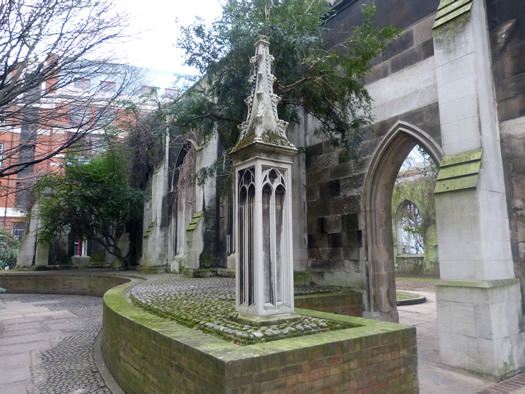
A quiet oasis in the city of London was a former church destroyed during World War II and located near Monument and Fenchurch Street station. The church is known as St. Dunstan-in-the-East, and it was built around 1100. It was repaired in the middle ages, had a tower added by Christoper Wren of St. Paul's Cathedral fame, and damaged in the Great Fire but patched up. Additional building work and a new roof meant that the church needed to be rebuilt in the early 1800s due to the roof being too heavy.

stdunstanseast-01.jpg

Instead of rebuilding after World War II, the church was turned into a public garden. Wren's tower actually survived the damage. Trees were planted, and the interior of the church was landscaped. Some open air services are held here. Today, the remainder of the building is a Grade I listed building.

stdunstanseast-02.jpg

stdunstanseast04.jpg

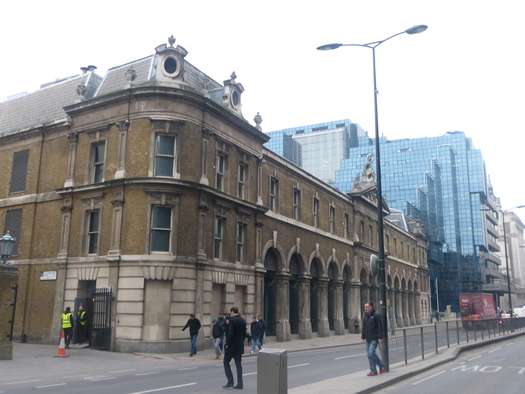
Virtually across the road from St. Dunstans-in-the-East is Old Billingsgate Fish Market. This was the City's fresh fish market, but it is not a fish market today. It is an entertainment and conference venue. I've been inside the building twice for Christmas parties.

stdunstanseast03.jpg

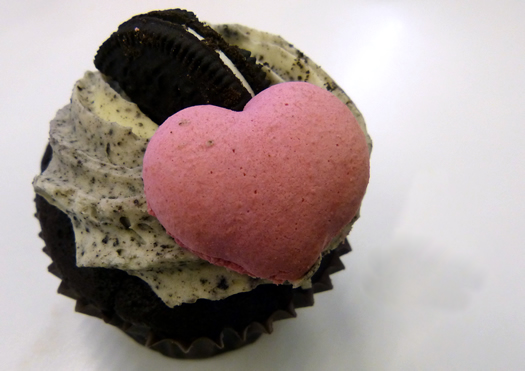
Fenchurch Street Market takes place during the week. It used to be only on special days and Thursdays or Fridays only. I actually went several years ago now and bought some wonderful macarons and cupcakes by "Super cute Macarons" around Valentine's Day. I really wanted to go back and get some more macarons and cupcakes but was never able to do so. (I believe they sell some items at Brixton Box Park but I did not see anything on offer when I visited a couple of years ago.)

stdunstanseast05.jpg

stdunstanseast06.jpg

Have you ever been to St. Dunstan-in-the-East or use it as a quiet oasis for your work breaks?

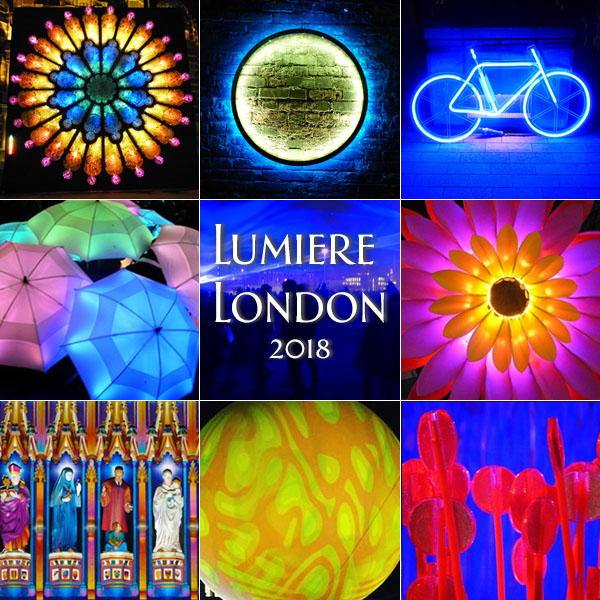
London Lumiere 2018

London Lumiere returns for its second time in London in order to brighten the dreariest of January days. The January days are dark and cold, and since the country has just finished its holidays, everyone is in need some brightness. This is where London Lumiere comes in; it helps to add some light, colour, and excitement. The first London Lumiere featured in 2016, and I covered it in my post here (London Lumiere 2016). This year's event was announced last summer, and I have been looking forward to it, but due to crowd problems in 2016, the installations have been spread out over a large area, which makes it impossible to see in an evening (unless, perhaps, you have a bicycle). I did try to complete the trails on Thursday evening, but two of the installations were shut early, and I started to struggle with sore feet. So, this year, I had to return to complete the trail on Friday evening.

lumierelondon2018.jpg?2018-01-20

The areas of the installations included King's Cross, Victoria, South Bank, Mayfair, Fitzrovia, and Soho. I managed to see each installation and document them below. As I've had a busy weekend this weekend and there are a lot of photographs to go to and write-ups to write, I have had to delay my post. However, there's still one more day of the event to see as many light installations as you can.

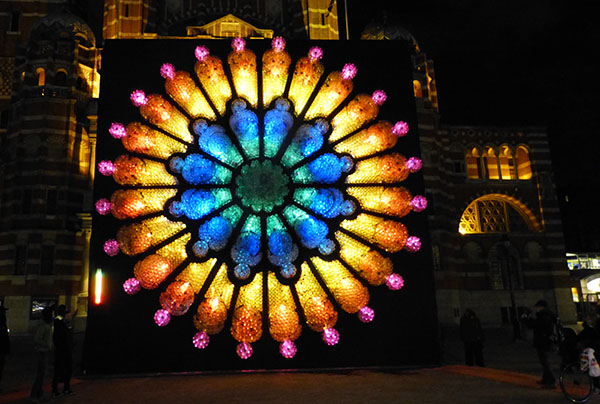
The Rose (Mick Stephenson with Electric Pedals)
This rose window, located outside Winchester Cathedral in Victoria, is made out of recycled plastic bottles. The sculpture is illuminated when the bicycles around it are cycled, converting human energy into a source of power. In this sense, visitors transform and create the artwork, which makes it special. The only downside is that all of the bicycles have to be pedaled and pedalled agressively in order for the sculpture to be completely illuminated. This was the first installation that I saw for London Lumiere 2018, and it certainly is worth visiting as it is picturesque and interactive.

london-lumiere-rose.jpg

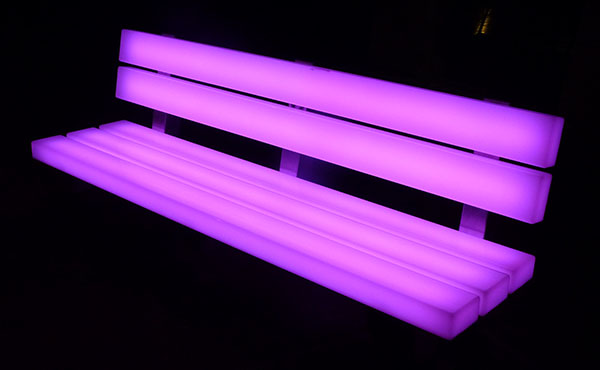
Lightbench (Bernd Spiecker for LBO Lichtbankobjekete)
The first time that I saw these illuminated benches was in the London Lumiere festival in 2016. Since then, I have seen them at Canary Wharf, where they have been installed permanently. The lightbenches always encourage visitors to sit on them to get photographs as they change a subtle glow from pink, blue, turquoise, yellow, green, purple, and orange.

london-lumiere-lightbench.jpg

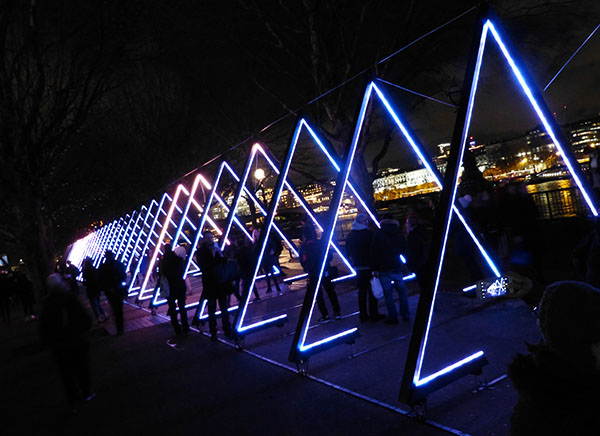
The Wave (Vertigo)
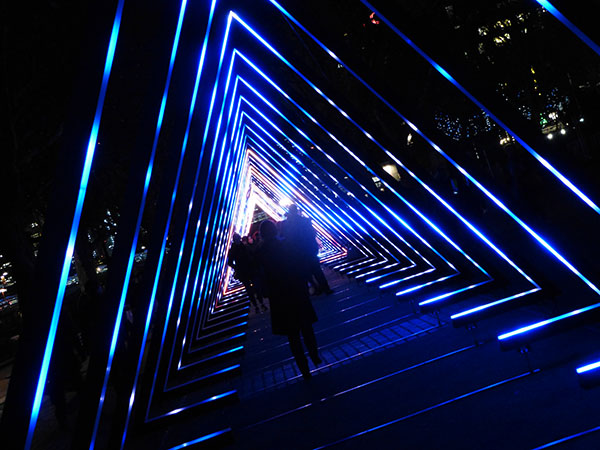
'The Wave' along the Thames on the South Bank is a walkway consisting of forty triangular gates. As visitors walk underneath these gates and through them, the gates respond with audio and visually illuminate. The artwork is highly interactive and encourages visitors to 'play'. This is one of my highlights of the event.

london-lumiere-wave2.jpg

london-lumiere-wave1.jpg

Reflektor (Studio Roso)
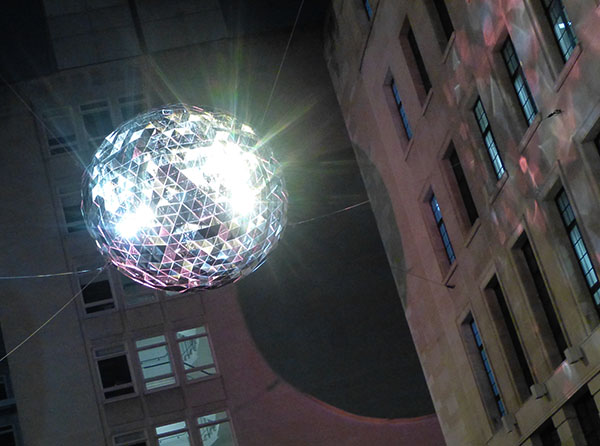
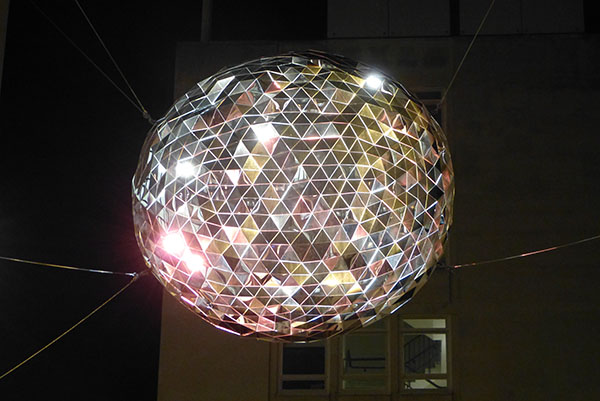
Inspired by art, design, and architecture, 'Reflektor' is a multi-faceted piece suspended two storeys up in mid-air between buildings off St. James' Market. The piece is illuminated from within, casting reflections and shadows on the nearby buildings and ground below. It is an eye-catching piece and one of the most visually-interesting of London Lumiere 2018.

london-lumiere-reflektor.jpg

london-lumiere-reflektor2.jpg

Sixty Minute Spectrum (David Batchelor)
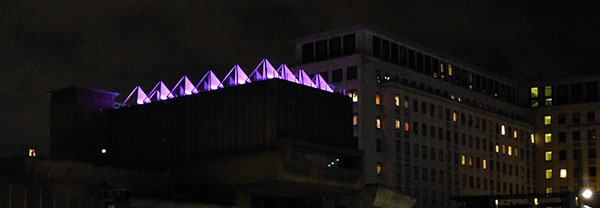
The Hayward Gallery on South Bank is transformed into a work of art with several glowing pyramids placed on its rooftop. The pyramids colours gradually shift in a 60-minute cycle, starting and ending each hour in red. I caught them in dark blue, which then switched to deep purple by the time that I had walked around the opposite side of the building.

london-lumiere-60minute.jpg

The Light of the Spirit (Patrice Warrener)
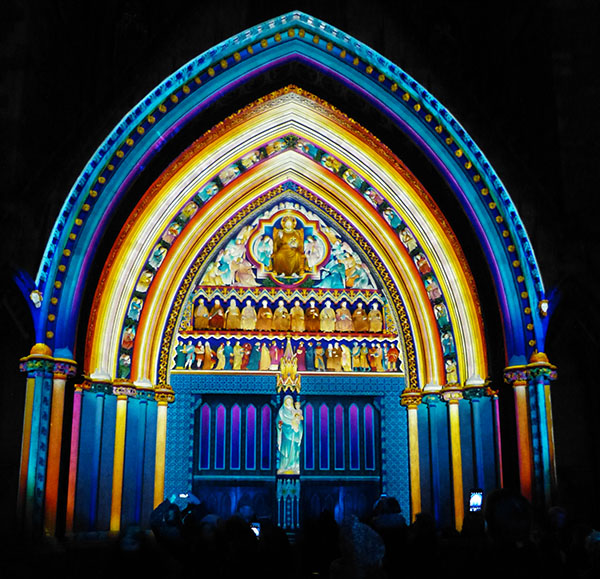
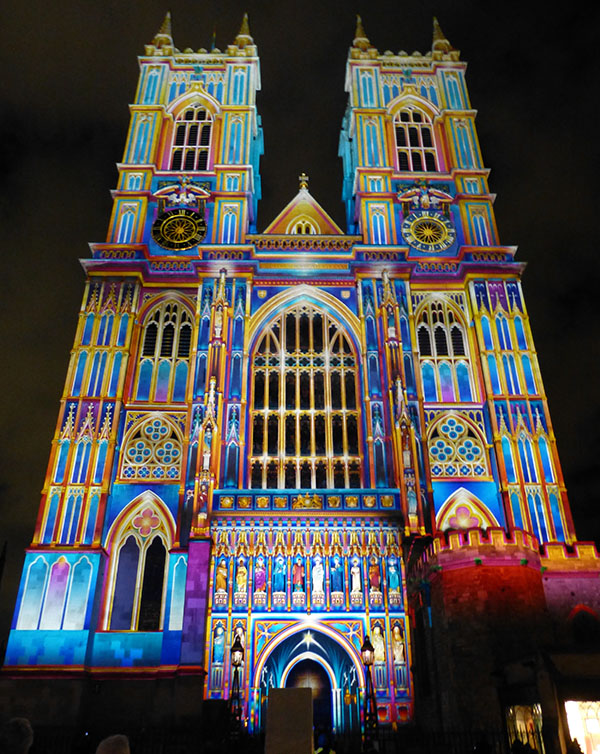
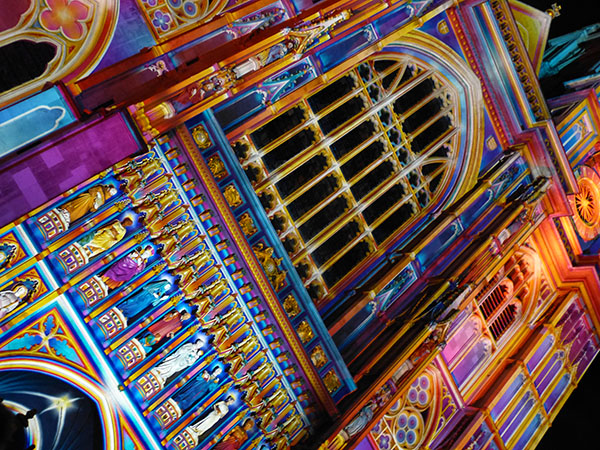
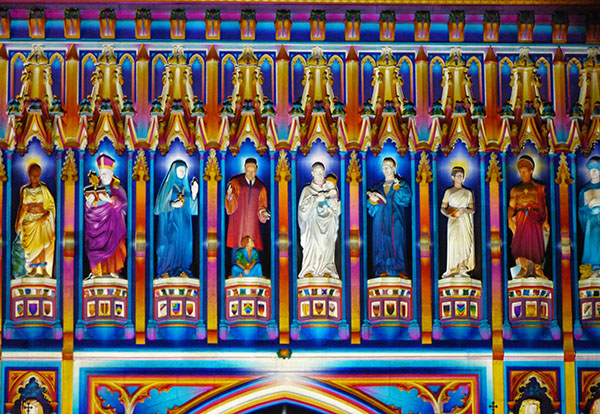
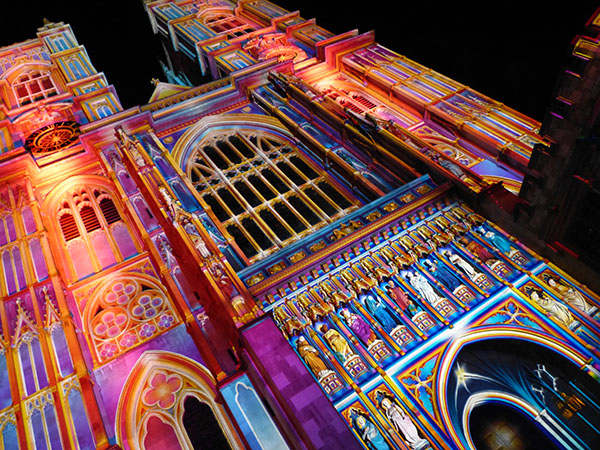
Westminster Abbey comes to life again through colour during the second installation of London Lumiere. I covered this installation during London Lumiere 2016 (covered here). It quickly became a favourite due to the fact that it photographs very well. This installation is created by using filters of different colours and projecting them onto the facade of the abbey. It highlights the architecture. In fact, sculptures (like the ones on the side of the abbey) were always painted in the past in some parts of the world. This illumination and colour brings the abbey to life in a way that we do not see every day. As always, this is a beautiful piece and is just as stunning as it was two years ago. This year, we also had the bonus of both the west side (the original side) being lit up along with the northern gate, which has been added to the artwork. This is one of the highlights for the second time, so do not miss it.

london-lumiere-lightofspirit1.jpg

london-lumiere-lightofspirit2.jpg

london-lumiere-lightofspirit3.jpg

london-lumiere-lightofspirit4.jpg

london-lumiere-lightofspirit5.jpg

Child Hood (Collectif Coin)
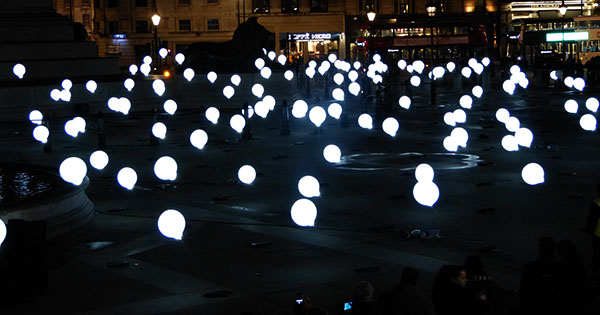
Trafalgar Square has been transformed into a sea of floating luminous white balloons. This is a simple installation covering a large area with the balloon-spheres glowing and dimming depending on the movements of the wind and kinetic energy around them. The changing of the luminosity of the balloons fluctuates, and the moment is shared by an atmospheric soundscape. Although large on scale and one of the largest in the event this year, I did not feel that this one was memorable.

london-lumiere-childhood.jpg

Flamingo Flyway (Lantern Company with Jo Pocock)
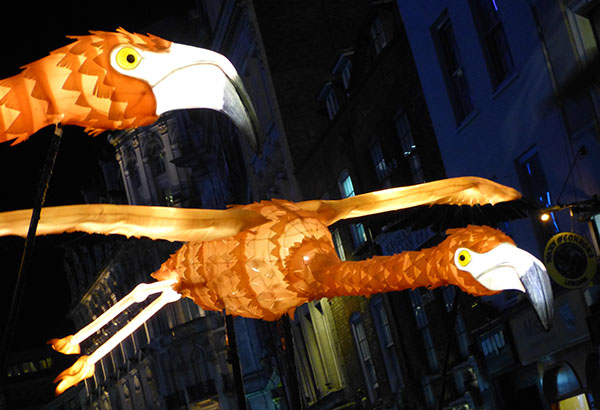
Floating and flapping their way down the streets of Chinatown are a flock of pink flamingos that rise above the crowds. At times, the luminous flamingos interact with the crowds below. Flamingos are migratory birds, and this parallels the ancient migrations of humans across the world a long time ago, and this mimics travel. The colourful birds also naturally fit into Chinatown, so this is well-placed.

london-lumiere-flamingo1.jpg

london-lumiere-flamingo2.jpg

Spectral (Katarzyna Malejka and Joachim Slugocki)
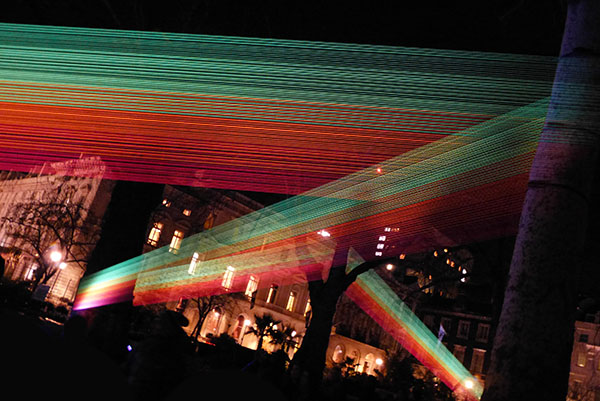
This installation is created using lights and coloured threading to create sharp angles and shapes. This artistic duo created a similar piece for Canary Wharf's Winter Lights in 2016, which I covered here. The horizontal lines provide a stark contrast with the nature elements of Grosvenor Park, illuminated with bright colours. It is a striking piece that bends itself around the trees in the park. It's a little under-whelming when entering from the western gate, but entering from the eastern gate is more of an immersive experience.

london-lumiere-Spectral.jpg

Frictions (Mader Wiermann)
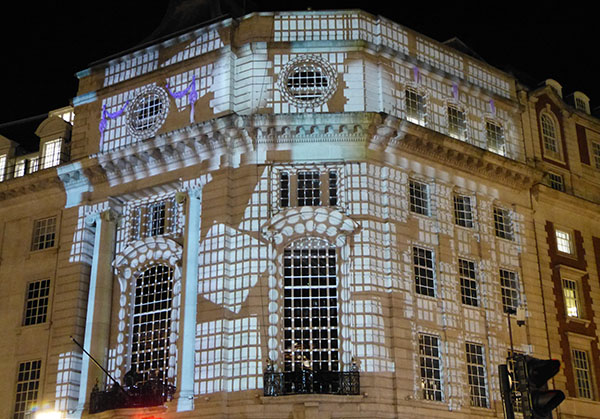
This projection onto a building on Regent Street explores architecture, and it is set to a soundtrack. The artist has uses geometric shapes to manipulate the building's fabric. These patterns and shapes create an illusion to make it appear as though the building is actually moving. 

london-lumiere-frictions.jpg

Echelle (Ron Haselden)
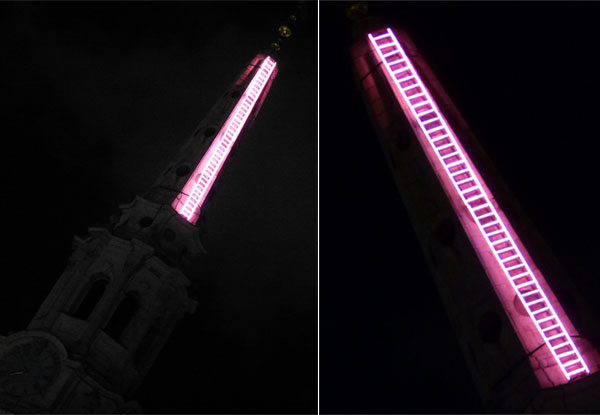
A simple pink ladder is the subject of this installation. The ladder is a means of escape, but it also allows the viewer to climb high. The ladder is placed onto the spire of St. Martin-in-the-Fields church in Trafalgar Square.

london-lumiere-echelle.jpg

Supercube (Stephane Masson)
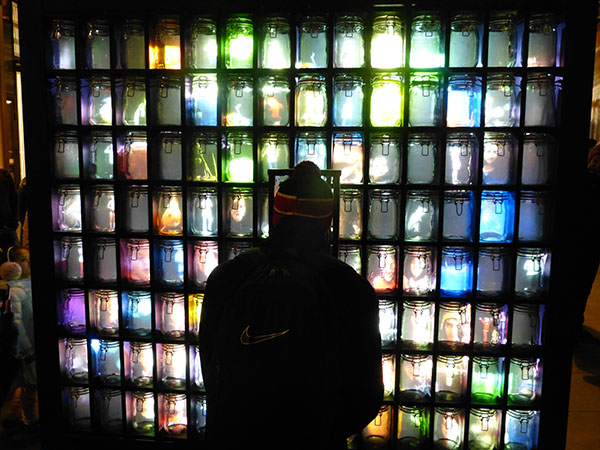
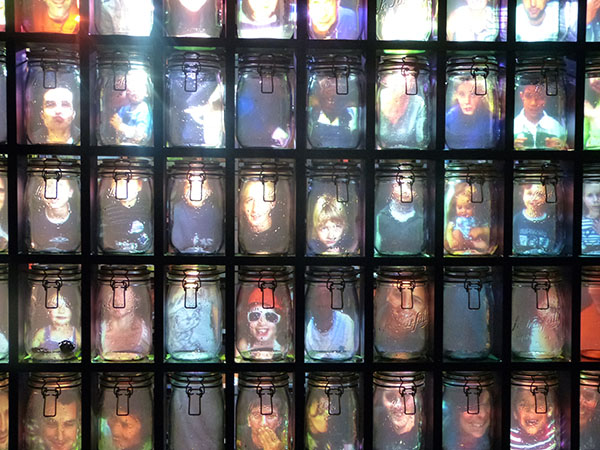
'Supercube' is a highly interactive installation that will appeal to people who enjoy social media and documenting their life through selfies. The installation is a cube filled with rows of glass jars on three of the sides, and these jars have images projected onto them. Music with lyrics is played, and I heard English being played in one visit and French in a second visit. The song was sang in a catchy-but-naive tone and talked about people going to university and coming out "all the same", but it also celebrated individuality (or people obsessed with selfies) by giving the viewer the chance to look into a camera and have their photograph projected into the jars and into a larger jar on the opposite side. This is actually a fun installation and captured a lot of interest, so this is not one to miss.

london-lumiere-supercube1.jpg

london-lumiere-supercube2.jpg

Footfalls for Rambert (David Ward)
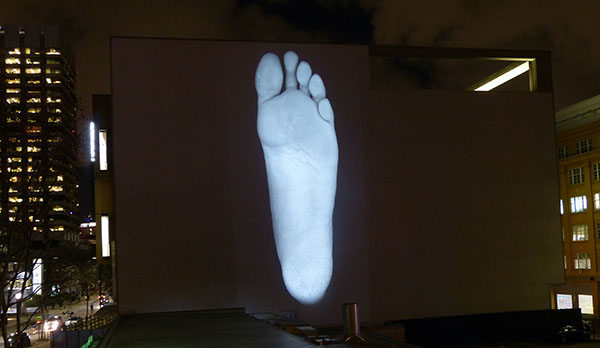
David Ward and Rambert's company of dancers collaborated on this artwork. The artwork features photographed images of a dancer's feet and the relationship of the foot to the surface. These are shot individually and then animated.

london-lumiere-footfalls.jpg

Harmonic Portal (Chris Plant)
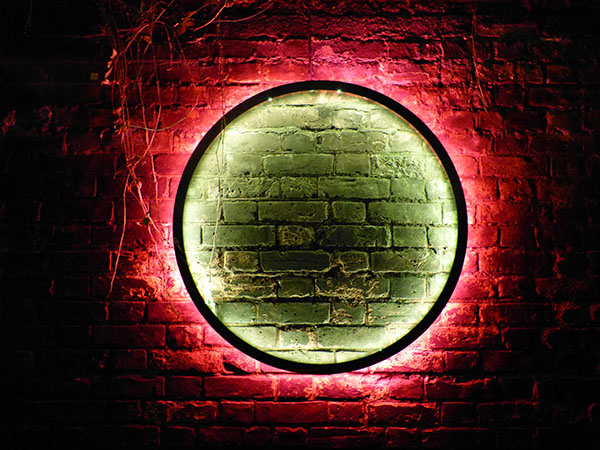
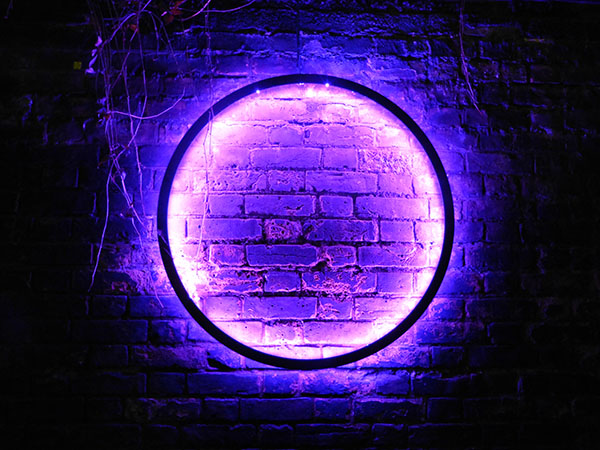
Colour, sound and shape come together to create this 'portal' projected onto a brick wall. Three of these portals were located on Jermyn Street behind St. James' Church, and I missed them the first night because the app erroneously listed them as located in the church. These installations were hyptnotising and used the texture of the old bricks as a part of the artwork. They gradually cycle through different colours with a consistent humming sound.

london-lumiere-harmonic1.jpg

london-lumiere-harmonic2.jpg

london-lumiere-harmonic3.jpg

Asalto London (Daniel Canogar)
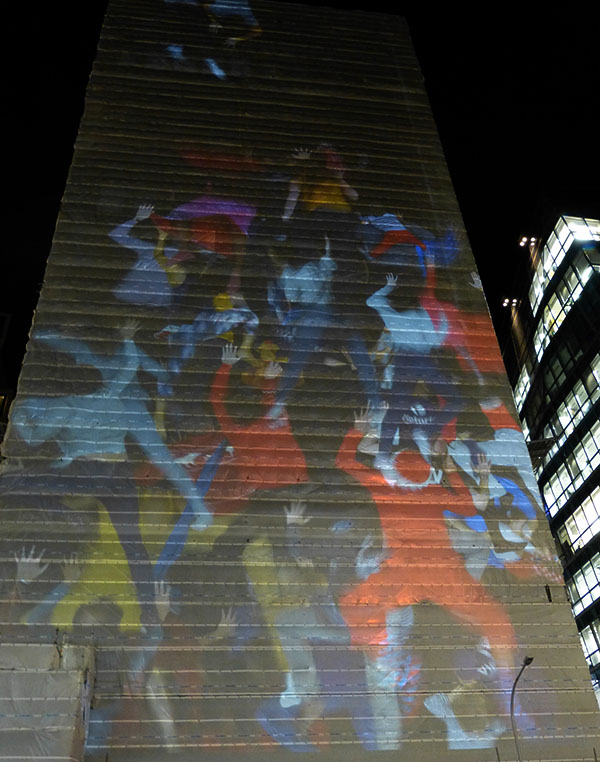
A building in Victoria has several large people scaling up it to reach the top. Do not worry for these are merely illuminated people projected onto the scaffolding of the building. The video plays recordings of people crawling to mimic the climb to the top, and some help each other while others carry a baby. The delay on this illumination is a little too long to wait, and I found the scenes to be very repetitive.

london-lumiere-assalto.jpg

Be Faithful To Your Dreams (Tracey Emin)
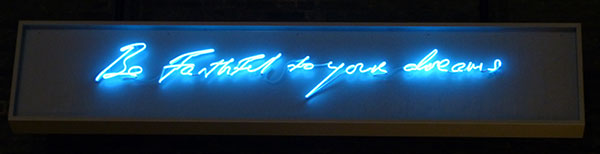
Tracey Emin brought The Connaught Christmas Tree (covered here) to life last year with her neon phrases, and she had used neon as a medium again for this London Lumiere 2018 installation above the doorway into St. James' Church. This is an inspiring phrase that everyone should follow to realise their full potential. The work is similar to London Lumiere 2016's neon sign installation by Beth J. Ross, which was placed at the entrance of the nearby arcade.

london-lumiere-traceyemin.jpg

Thames Pulse (Jason Bruges)
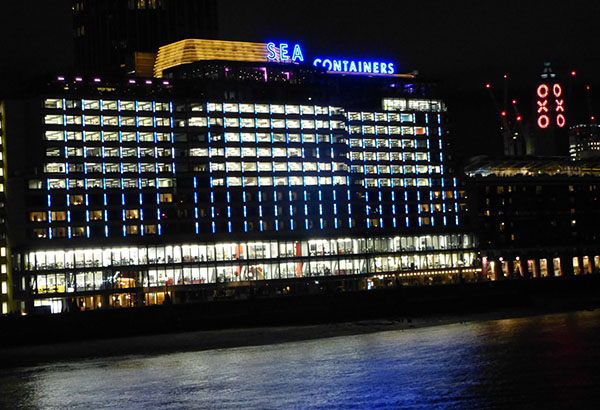
A permanent exhibition, 'Thames Pulse' is located on the Sea Containers building along the South Bank (next to Blackfriar's Bridge). The art installation uses data obtained from the river to reflect the health of the river, which is then portrayed via the lights on the building (the hotel). Its purpose is to highlight water conditions and environmental causes.

london-lumiere-thamespulse.jpg

Voyage (Camille Gross and Leslie Epsztein)
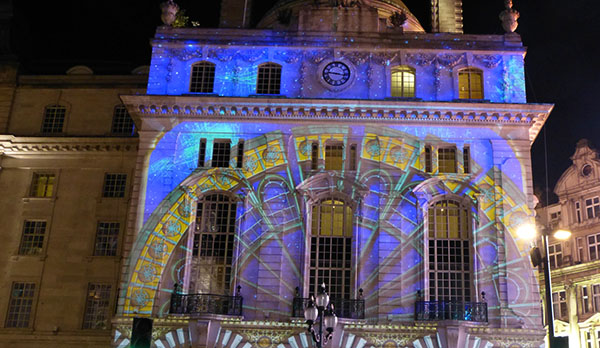
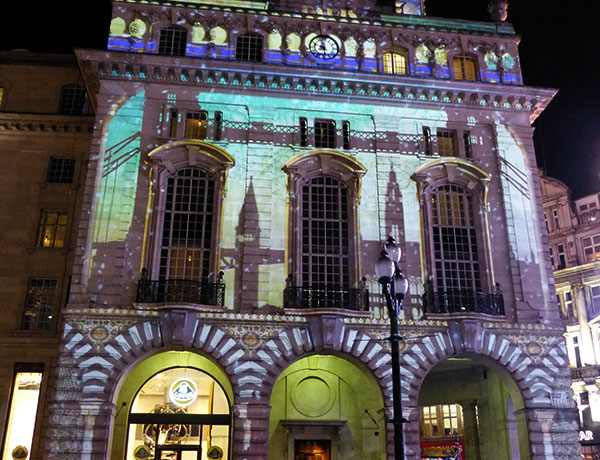
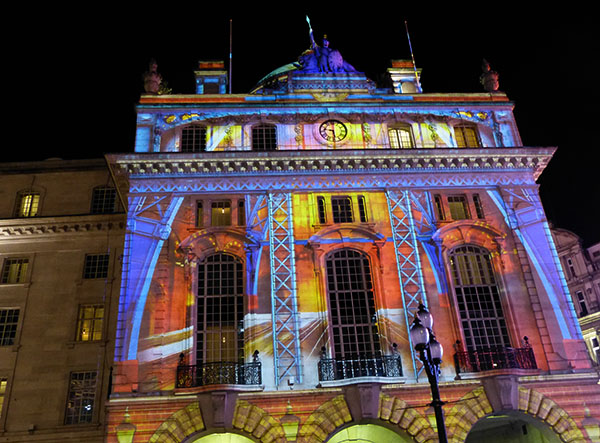
The journey through time and space is illustrated in this animation projected onto a building at Piccadilly Circus, which has a Victorian and time travel theme. It is beautifully created, showing stars, clocks, moving gears, historical landmarks, and cityscapes. I loved the "steampunk" feeling of this piece with its clocks and Eiffel Towers. Beautifully created and accommpanied by its own reflective and melodic soundtrack, it is one of the highlights of London Lumiere 2018.

london-lumiere-voyage1.jpg

london-lumiere-voyage2.jpg

london-lumiere-voyage3.jpg

Control No Control (Daniel Iregui)
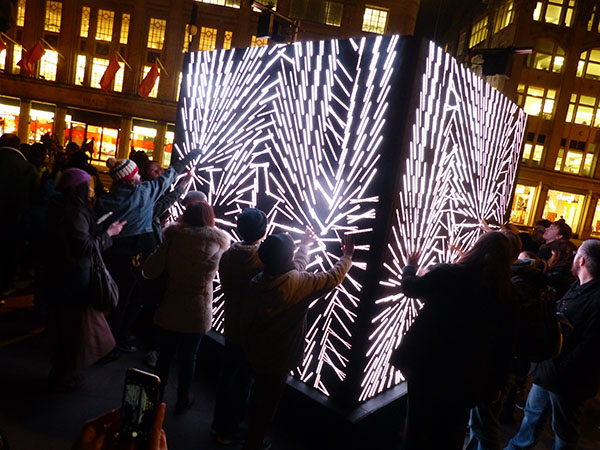
'Control No Control' is an interactive experience with sound and LED lights positioned onto a cube. Visitors can use their body to manipulate the graphics produced to create different shapes and patterns. The cube has different geometry and pattern sequences that it cycles through, giving users the option to create their own interpretation.

london-lumiere-control.jpg

Lampounette (TILT)
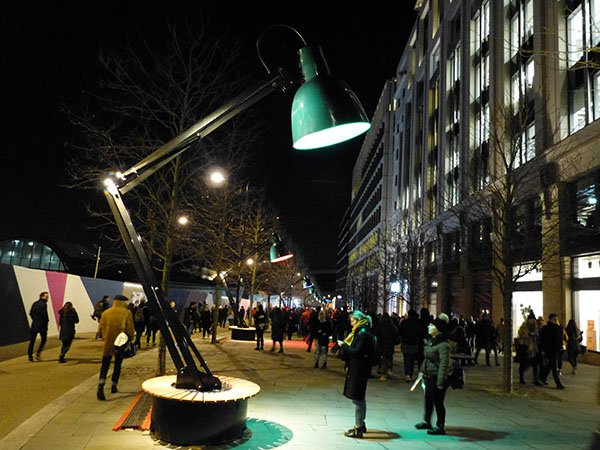
The desk lamp is now portrayed in giant form, adding colour and a sense of space to the street; it also reminded me of the logo for a popular animation film studio. The light emitting from the lamps gradually changes to become a new bright colour, such as blue, green, pink, red, yellow, or turquoise. These lined the pathway from King's Cross to Granary Square and were difficult to photograph with the crowds. For Lumiere London 2016, this group were responsible for bringing Leicester Square to life by transforming it into a garden.

london-lumiere-lamp.jpg

A-BIT Immersive (Imagination London)
Inspired by 8-bit games of the 1980s is this "ping pong" game projected onto a building on Store Street. A round dot is the ball, and the object of the game is to block it from going past the outter extremities of the projection. The teams are blue and red, and if it does pass through, the goal is claimed by the opposing team with the facade of the building lighting up in that colour. This is an interactive piece where the visitors enable the bars to block the balls based on movement. (Note that the sound in the video clip posted below is from the 'Cosmoscope' installation, which is located next to this one.) 

london-lumiere-abit.jpg

Droplets (Ulf Pedersen)
'Droplets' is inspired by droplets of water falling into a still pool of water. Located in a dark square in Fitzrovia, the drops of water are lit up almost one-by-one, accompanied by melodic tones and dripping noises as if these are actual water droplets. The droplets light up randomly, one at a time, creating different patterns.
london-lumiere-droplets.jpg

Neon Bikes (Robyn Wright)
The simple but popular design of the bicycle is celebrated here in a fun neon sign. The neon bicycles are provided in red, white, and blue colours. (Although they are not three-dimensional, I still witnessed some numpty getting told off because he tried to sit on one.)
london-lumiere-neonbike.jpg

Illumaphonium (Michael Davis)
This is a musical sculpture that has light-changing patterns. The sculpture contains several flowing bars arranged, and each one makes a sound when tapped or struck with one of the hammers provided. It is a very interactive piece that moves and encourages play as interacting with it provides instant feedback and gratification to the viewer/participator. This was highly interactive and changed with each experience. It is very fun and one that should not be missed.

london-lumiere-Illumaphonium.jpg

[M]ondes (Atsara)
Overlapping sound and fading lights appear and disappear in the dark Mount Street Gardens. I wll describe this as an eerie installation because it stars of flickering light float in the atmosphere around viewers while small shapes of light are transferred onto nearby walls. Meanwhile, hyptnotic sounds overlap and play into the square while the lights fade and 'twinkle'. This is an immersive piece that is primarily sound and well-placed in the darkness of the Mount Street Gardens. I've heard two people call this their favourite piece in the area, so it is one that should not be missed.

london-lumiere-mondes1.jpg

Cosmoscope (Simeon Nelson with Rob Godman and Nick Rothwell)
This is a light and sound sculpture that has been inspired by molecules, the human heart, and the universe. It is a collaboration between scientists and artists. The sculpture lights up with primarily red LED lights intermittently, and this is accompanied by an immersive soundscape.
london-lumiere-cosmoscope.jpg


Origin of the World (Miguel Chevalier)
Towering above Oxford Circus, 'Origin of the World' is certainly one of the highlights of London Lumiere 2018. It is a large globe suspended between the buildings in the middle of Oxford Circus. It glows with multiple colours and patterns. Sometimes these patterns are pixelated, and sometimes they are fluid and reminscent of lava lamps and 1970's pop art. The artwork responds to movement from the viewers around it. The large sphere is surreal and reminded me of planet Earth in some of the patterns.
london-lumiere-origin1.jpg

london-lumiere-origin2.jpg

Northern Lights (Aleksandra Stratimirovic)
This installation is inspired by the ever-changing glow of the northern lights, a phenomenon that your writer has never received the chance to witness yet. The lines of light fade and change shape to create the ebbing glows. Unfortunately, I think that this one would have looked nicer over a reflection of water instead of inside dark Grosvenor Square. I had actually approached from the opposite side of the square and was told that there was only one entrance and three exits, even though only a few people were visiting when I did.

london-lumiere-northernlights.jpg

Bough (Simon Corder)
Vivid and colourful tubes of light are attached to the building, creating colourful abstract shapes as they climb up. The lights are stationary and very colourful. There are two sets on display at Lumiere, and I am unsure if they are permanent pieces. One is located on the OXO Tower, and the other is located on a buiding in Mayfair. The ones on the OXO Tower actually reminded me of lightsabres.

london-lumiere-bough2.jpg

london-lumiere-bough1.jpg

Was That a Dream? (Cedric Le Borgne)
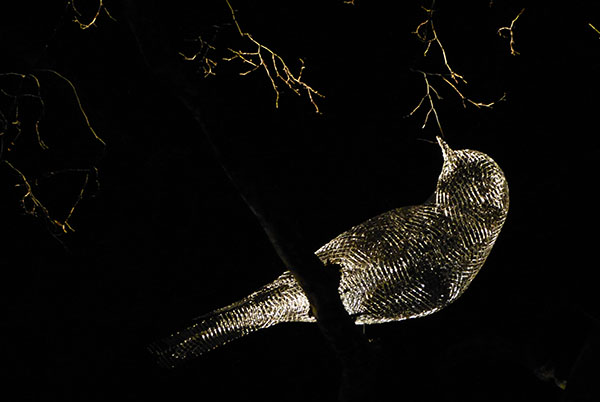
This is an illiuminated sculpture of a bird in Berkley Square. It was accommpanied by the song " Nightingale Sang in Berkley Square" (I'm pretty sure that it is the Frank Sinatra version), which is a lovely song and a song that I always hum to myself when I am around Berkley Square. This is the first time that I've ever seen a bird here, though. Perhaps the artist is envisioning the paradise of the romance (or wanted romance) as "too good to be true" or a dream. In Lumiere London 2016, the artist was responsible for creating several figures in different poses, which were placed around Grosvenor Square.

london-lumiere-nightengale.jpg

The Umbrella Project (Cirque Bijou)
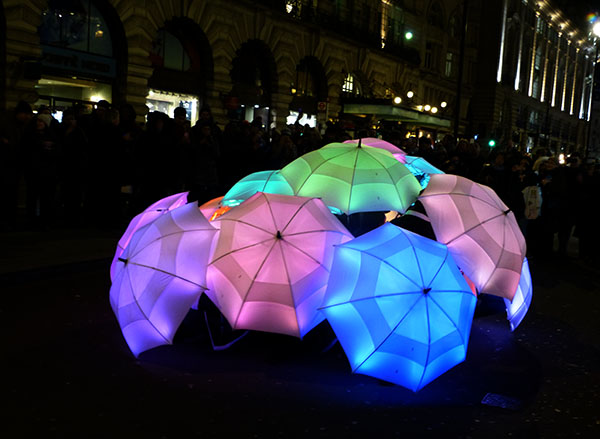
This is a roaming installation during London Lumiere, and it is a choreographed performance featuring LED umbrellas that change colour. I happened to discover them on Piccadilly Street near Piccadilly Circus, and apparently they are in various parts of Mayfair and Fitzrovia during the four days as well.

london-lumiere-umbrella.jpg

Waterlicht (Daan Roosegaarde)
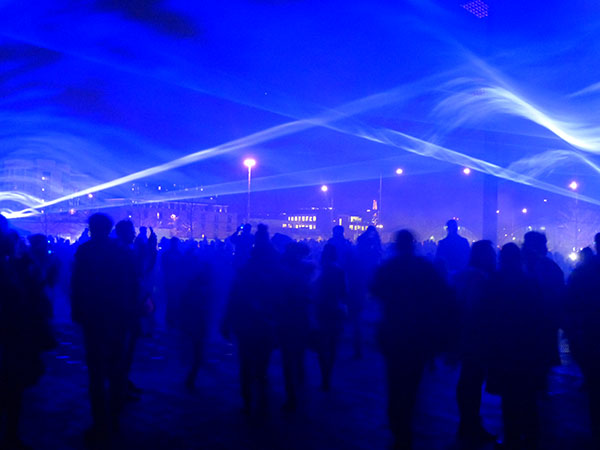
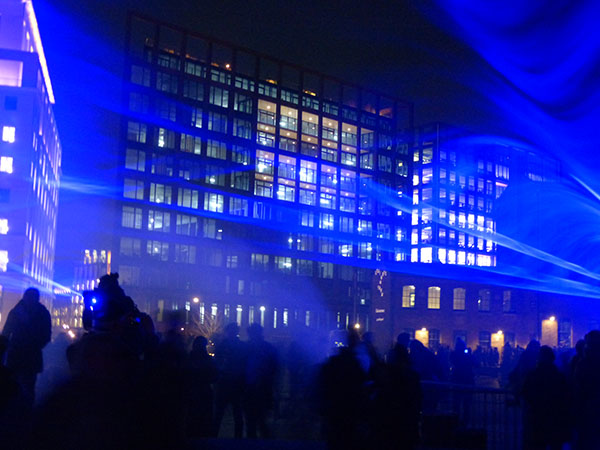
One of the highlights of London Lumiere 2018 for me was this immersive installation, featuring a haze of blue waves of light (with plumes of smoke leashed above the crowds) engulfing the atmosphere. The installation highlights the issues of global warming and rising sea levels, and the blue immersive waves can represent water. The installation also includes a soundtrack, which can be listened to on a mobile app.

london-lumiere-Waterlicht1.jpg

london-lumiere-Waterlicht2.jpg

OSC-L (Ulf Langheinrich)
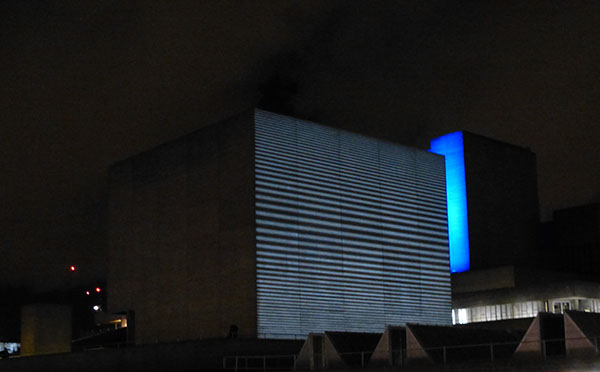
The National Theatre has become a work of art along the South Bank skyline. The tower is illuminated with a projection that reacts with the brutalist architecture of the building. The projected lines help to add movement to the tower.

london-lumiere-oscl.jpg

Love Motion (Rhys Coren)
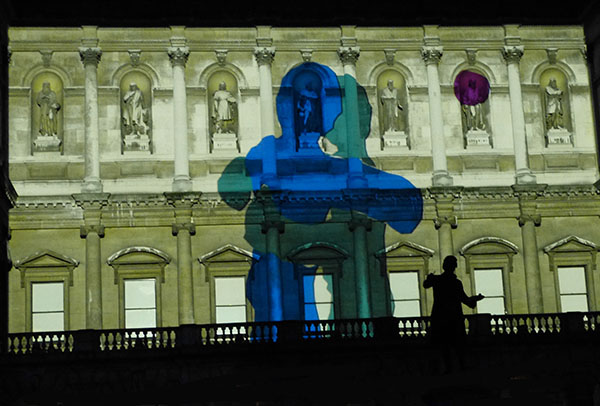
Projected onto the facade of the Royal Academy on Piccadilly Street is this short animation and story of two lovers who kiss, dance, and embrace to a slow soundtrack. The figures are stylised in a simplified manner and appear to be cut out from paper shapes.

london-lumiere-lovemotion.jpg

Grabber (Mader Wiermann)
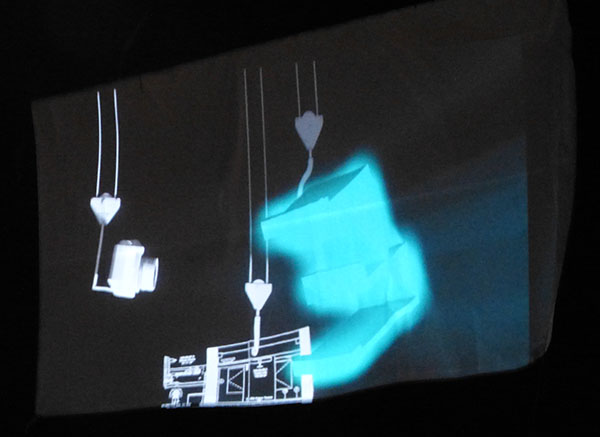
Cranes create cities, and King's Cross has been transforming for the past few years now, making cranes a familiar sight. Perched high on a crane is a white sheet with projections illuminated onto it on both sides. The animation is a playful one, featuring various cranes with their hooks, picking up items and sometimes fighting over them, dropping them, or passing them to other cranes. It also reminded me of "claw" machines where the user tries to grab a toy and successfully pass it into the dispenser.

london-lumiere-grabber.jpg

Aquarium (Benedetto Bufalino and Benoit Deseille)
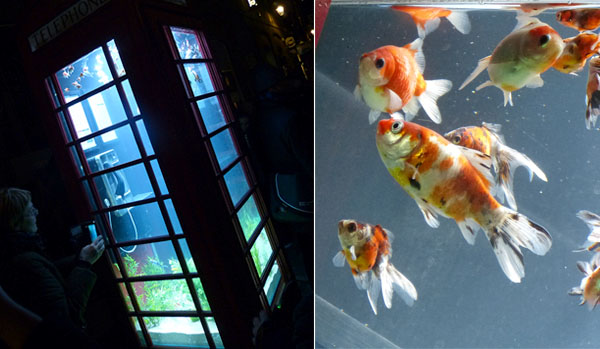
The ever-popular 'Aquarium' has returned for a second time at London Lumiere. It first premiered in London Lumiere 2016 (covered here) and was very popular, but it was so popular that they had to close it to visitors due to the crowds. The simple British telephone box has been transformed into an aquarium with fish, and it was located a bit further away in Seven Dials this year, but it still drew in the crowds.

london-lumiere-aquarium.jpg

Bottle Festoon (Community Partners across London Boroughs)
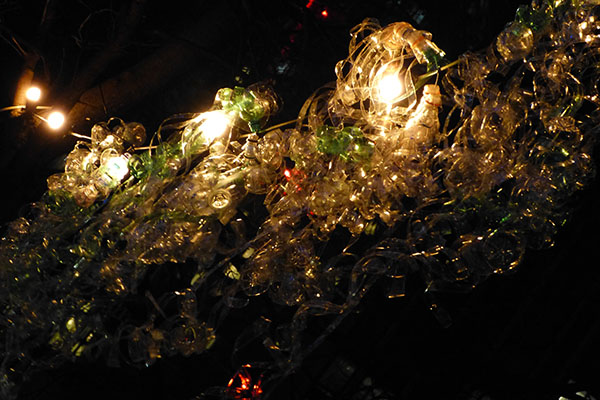
Various community groups have volunteered their time to create chandeliers out of used plastic bottles. These are lit up with lights. Several of these were on display across the different locations.

london-lumiere-bottlefestoon.jpg

Guardian Angel (Maro Avrabou & Dimitri Xenakis)
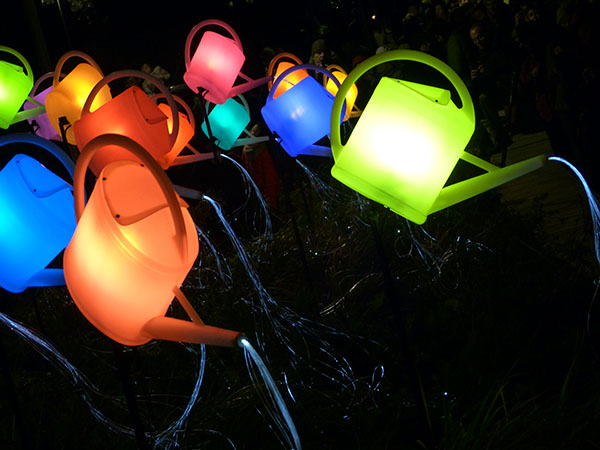
Nature and gardening is an important aspect of urban settings, and this sculpture pays homage to it. These plastic watering cans are suspended in mid-air and are transformed at dark with a brightly-coloured glow with silvery lines coming out of their mouths. This is certainly an eye-catching piece.

london-lumiere-watering.jpg

Entre Les Rangs (Rami Bebawi / Kanva)
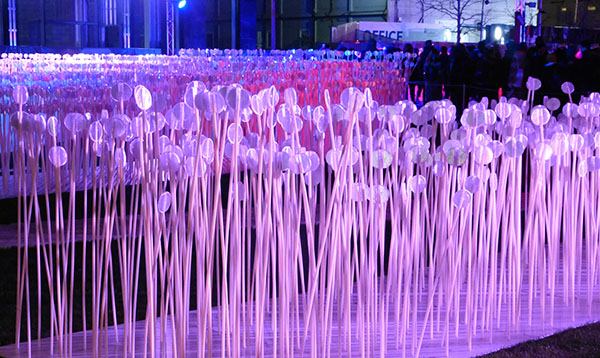
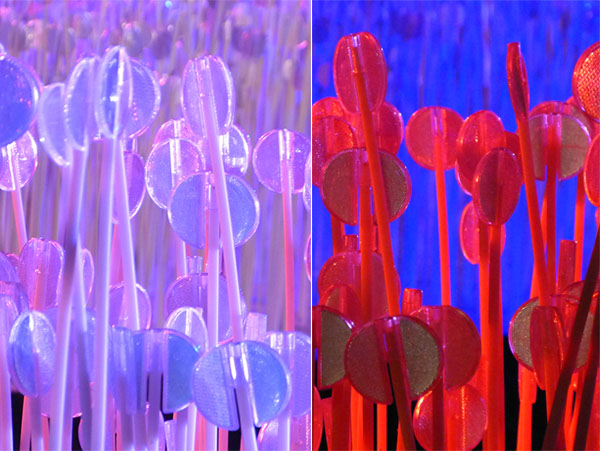
Fields of wheat blowing in the breeze have inspired this artwork in a square north of King's Cross. The plastic reflectors appear to be flowers in a field, and they change colour and reflect at different intervals as the lights move. This is an immersive piece, allowing visitors to walk amongst the installation and pose for photographs. It is another one of the highlights for Lumiere London 2018.

lumiere-entre-les-rangs2.jpg

lumiere-entre-les-rangs1.jpg

Aether (Architecture Social Club with Max Cooper)
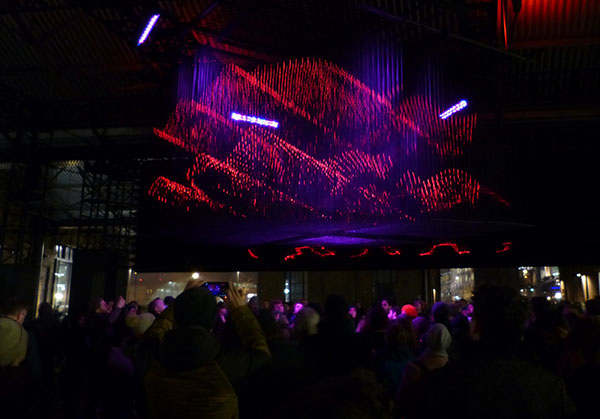
Designed by a collective of arcitechts, technicans, designers, and poets, this light and sound installation works together to create various forms and colours reacting with each other. I saw spots of colour and cubes being formed and then collapsed in conjunction with the audio.

london-lumiere-aether2.jpg

Impulse (Lateral Office and CS Design produced by L4 Studio and Wireframe Studio)
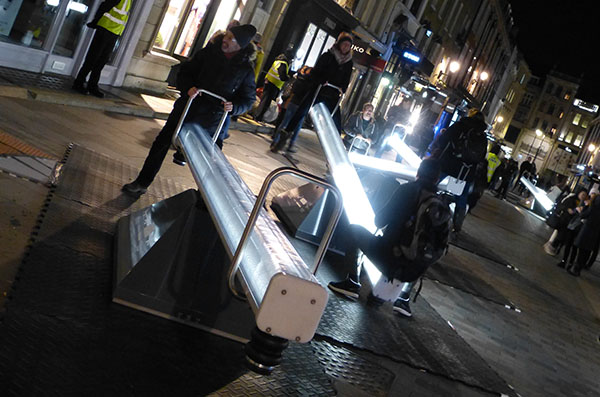
These illuminated and musical seesaws made an appearance last January in Leicester Square in order to brighten the mood. They have returned for Lumiere to offer visitors the chance to target their inner child. The seesaws glow and make musical sounds when used.

london-lumiere-seesaw.jpg

Eye Love London (Coca Cola London Eye)
The London Eye has taken its place amongst the illuminated buildings during London Lumiere 2018. The colours cycle around the wheel to create different combinations and then playing on the "I love" theme. I've seen The London Eye illuminated many times before, but I enjoyed seeing it and most of London's buildings illuminated over the past few days.

london-lumiere-eyelove.jpg

Deconstructing the Domestic (Nathanial Rackowe)
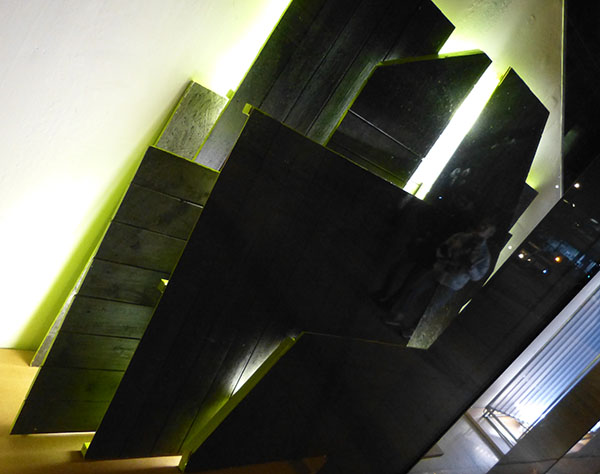
Nathaniel Rackowe has produced light and form installations for previous London events, such as Sculpture in the City (the most recent 2017 edition is posted here) and the previous London Lumiere. The installations on show were similar to what was shown in Sculpture in the City with his 'deconstruction' pieces. The work features various common urban pieces used in building and construction, deconstructed and illuminated in some manner.

london-lumiere-deconstructed.jpg

IFO (Identified Flying Object) (Jacques Rival)
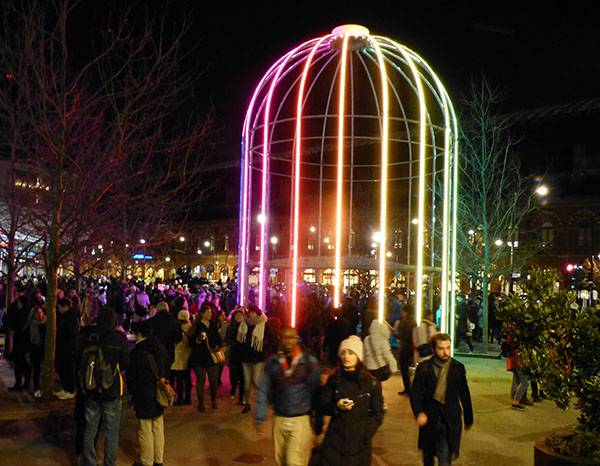
IFO is a permanent installation at King's Cross, and it also featured in London Lumiere 2016's line-up. The installation is in the shape of a giant rainbow-coloured birdcage, complete with a little swing inside; it is powered during the day and then transformed into light at night. I love this piece as it is colourful, and the rainbow colours are always shifting and circling around the cage.

london-lumiere-ifo.jpg

Raspberry Ripple (Emma Allen)
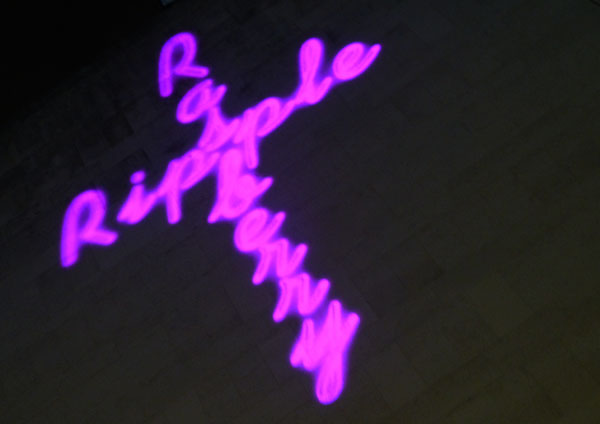
This pink neon glow appears to be a neon sign. It is playful but can also take on any meaning that the viewer gives it. Personally, I picture ice creams at the seaside with raspberry sauce. The text is located on South Bank and projected onto a building, but it looked very fuzzy and was not easy to photograph.

london-lumiere-raspberry.jpg

My Light is Your Light (Alaa Minawi)
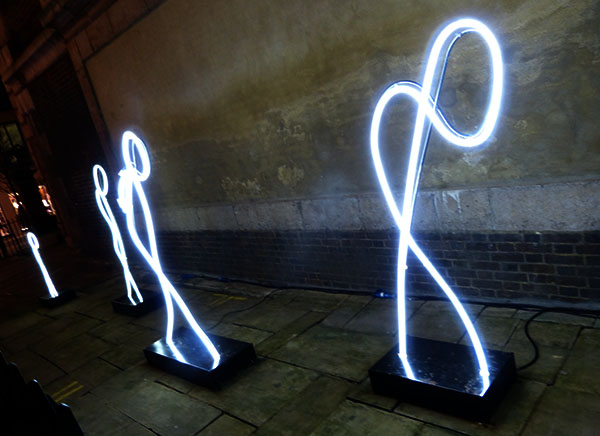
This installation features several stick-like figures standing in the same direction with their heads held low. The figures represent refugees who have had to flee their homes to migrate to safer places across the world.

london-lumiere-mylight.jpg

DOT (Philippe Morvan)
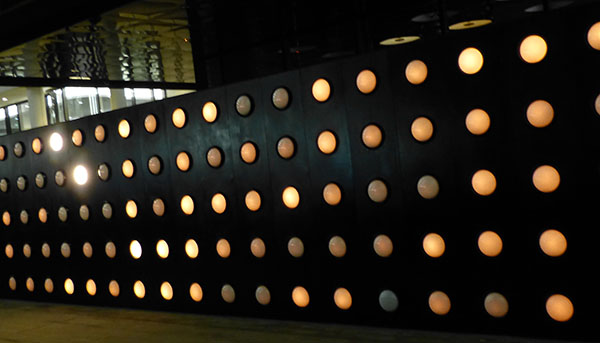
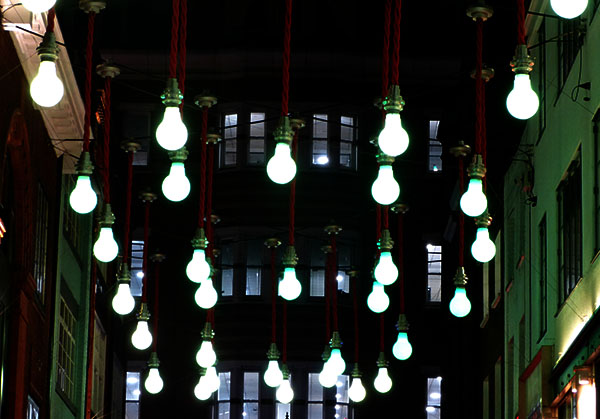
DOT is accompanied by a soundscape composed by Soloman Gray for Lumiere London. The installation's 175 lightbulbs react with the soundscape, changing into different patterns and shapes by lighting and dimming onto the long horizontal canvas. This is a piece that is immersive and better to experience in person.

london-lumiere-dot.jpg

Nightlife (Lantern Company with Jo Pocock)
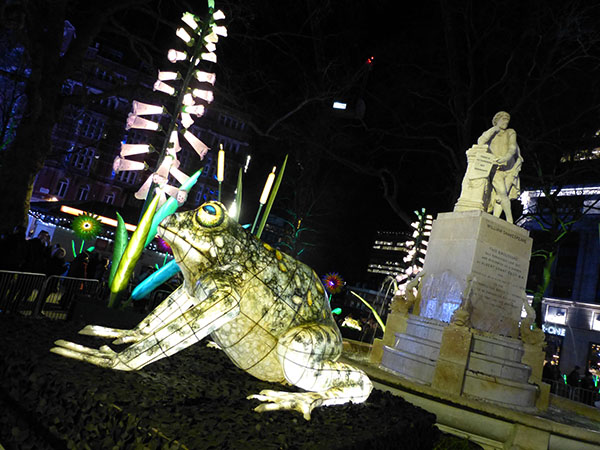
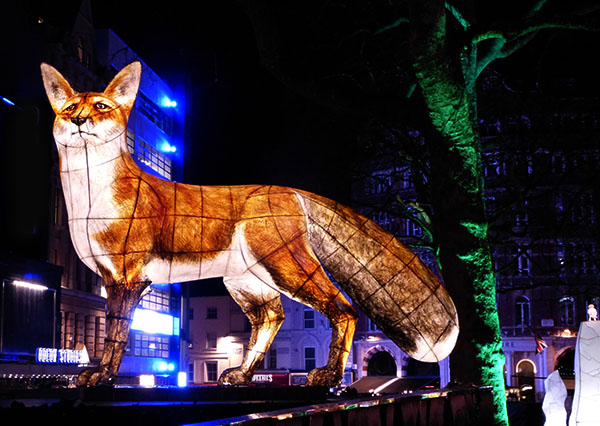
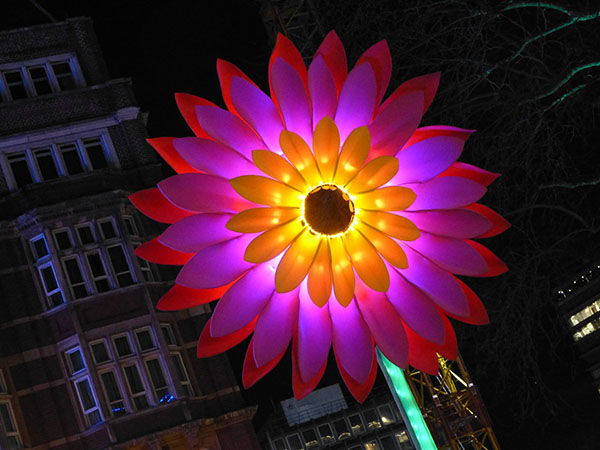
Leicester Square is transformed into a natural mystical garden with illuminated wildlife, butterflies, flowers, and plants. The fountain in the middle of the square has been transformed into a pond with toads and lillies. This installation is very similar to London Lumiere 2016's exhibition in Leicester Square, which also displayed illuminated flowers and plants. It is one of the highlights of this year's London Lumiere.

london-lumiere-nightlife1.jpg 

london-lumiere-nightlife2.jpg

london-lumiere-nightlife3.jpg

Shaida Walking (Julian Opie)
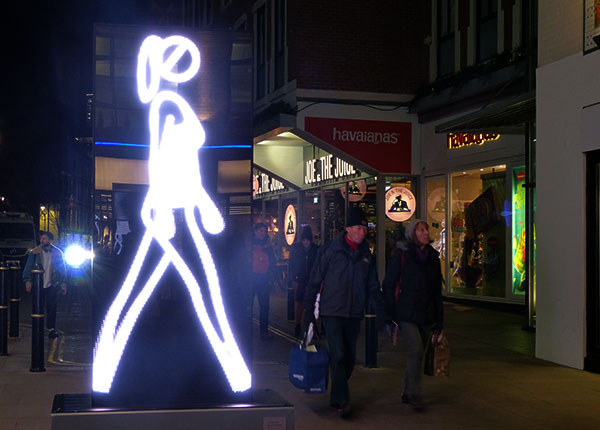
Featured at London Lumiere 2016 (covered here), 'Shaida Walking' is a permanent sculpture of a walking lady in Carnaby Street. It is created at approximately a normal height to a person so that we can feel a connection with it.

london-lumiere-shaidawalking.jpg

The Plug and Bulbs (James Glancy)
These sculptures have brightened up the Carnaby Street area for a few years now. The bulbs are a newer addition to the area, but the plug on Ganton Street has been around for several years now, and I usually cover it in Christmas posts as they decorate the plug. The bulbs are rows of lightbulbs that are bright in colour and change colour. These are permanent installations.

london-lumiere-carnabybulbs.jpg

Ruby, Santiago & Adam: Grey Matters (Emma Allen)
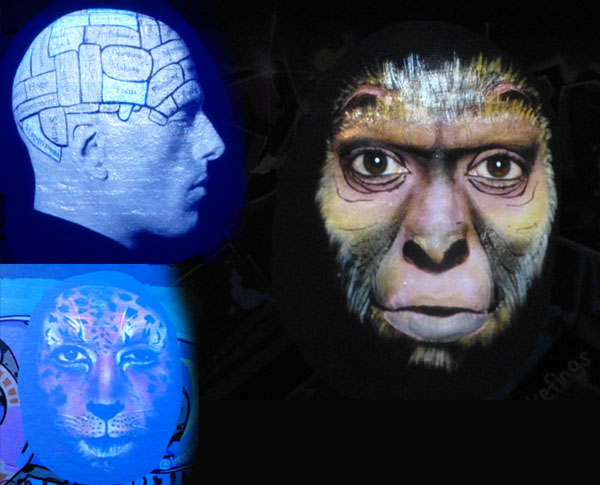
Three short clips shown in Leake Street tunnel celebrate three individuals. The artist uses faces as a canvas to tell stories. Each of the three clips follow a different theme. 'Ruby' shows a young woman who grows older, then her face is transformed into a skull and then stars/dust. 'Santiago' shows the evolution of humans and a digital future. 'Adam' shows a person suffering from neurological disorder.

london-lumiere-graymatters.jpg

Upperground (Maya Mouawad and Cyril Laurier)
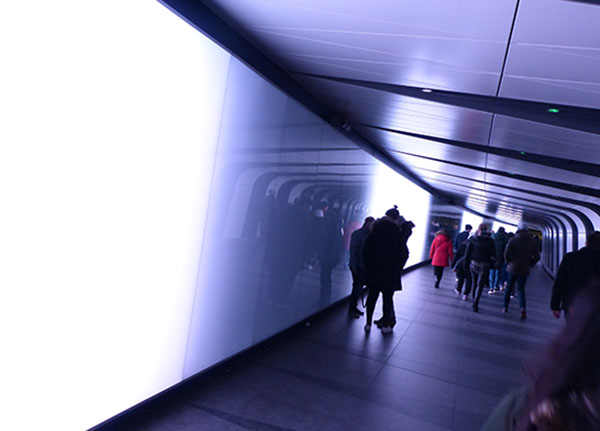
'Upperground' is projected onto a permanent installation located in the subway to King's Cross underground station. The idea of the installation is to bring the natural world on the upper-ground to the underground. In addition, it will visualise real-time weather data to connect users with the current weather conditions. It continuously changes colour and speed to respond to temperature and wind. I've seen it lit up in different weather conditions, but my most recent visit was the first time that I have seen it coloured white and moving very quickly; I suppose that this was as a result of the wind and cold temperatures.

london-lumiere-upperground.jpg

Overall, it was an event-filled couple of evenings, and I am now nursing sore feet and tired legs from all of the walking. I did find that some of the installations were under-whelming this year when compared to the previous year that London hosted it, but there were a couple of real gems. Have you been to visit London Lumiere this year, or did you visit it in the past?

A Visit to Gretna Green & Moffat

On visits to Scotland, I ususally stop at one of the two places (or both) on my way up and back again: Gretna Green and Moffat. I believe that tour buses/coaches also stop at these two places as there are usually buses here or space for bus parking. Gretna Green is a border town on the English-Scottish border, and Moffat is a bit further north-east. I will explain below why I enjoy visiting.

gretna-green3.jpg

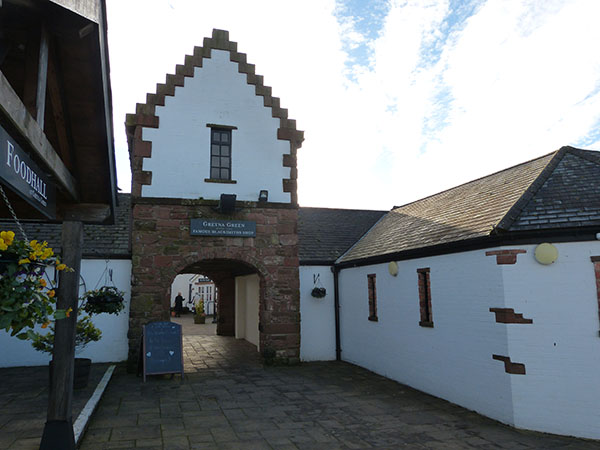
First stop is Gretna Green. Because it is a border town, it had different laws such as marriage age. Becuase of this, a lot of people in the old days flocked to the town to get eloped in the blacksmith's shop over the anvil. The blacksmith's shop is still here and a museum that can be visited. The anvil is here as well, and the museum talks about the location and its history. A lot of weddings still take place here daily, and I've seen them take place. 

gretna-green1.jpg

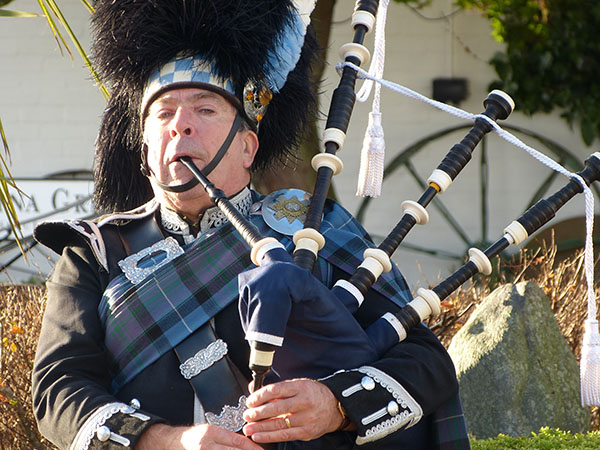
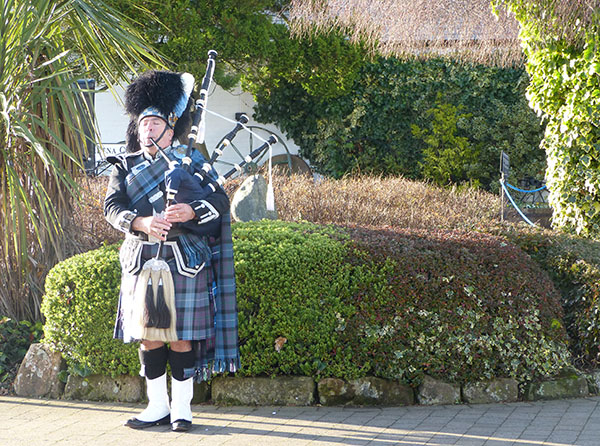
Gretna Green (follow signs to the old blacksmith's shop) is a complex shopping area. In addition to the museum and a cafe, there are a couple of gift shops here and a food store. On my last visit, I saw a guy playing bagpipes.

gretna-green2.jpg

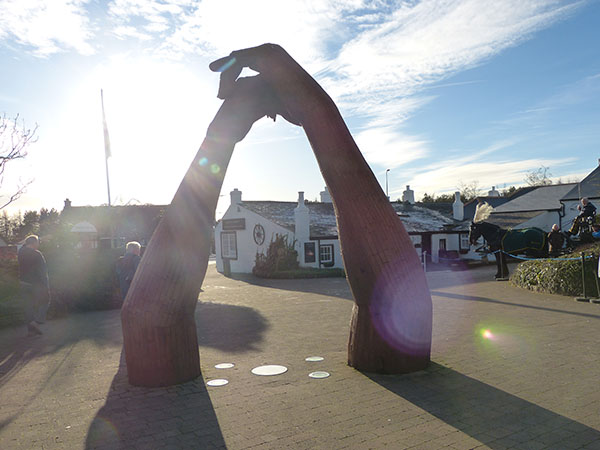
There are also a few notable sculptures here, including the one below featuring enter-twined hands to symbolise love.

gretna-green4.jpg

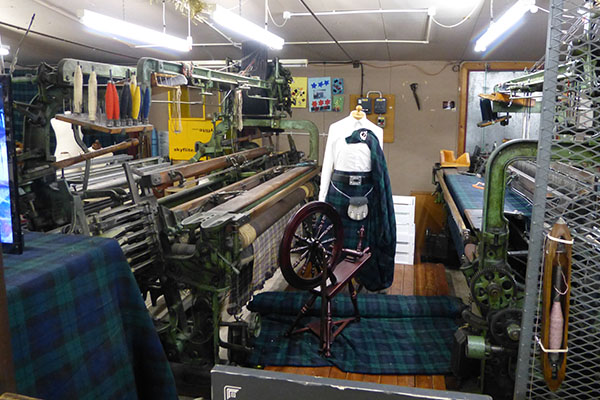
Down the road about thirty minutes away is the town of Moffat, a small town in the Scottish countryside. The attraction here is Moffat Woolen Mill. It used to be a working woolen mill, and there is a small exhibition at the back near the toilets of the looms and a documentary on how they work. The complex is a huge gift shop, home shop, and clothing store. I love browsing here and came back with something that I've wanted for awhile - a mermaid pillow.

moffat2.jpg

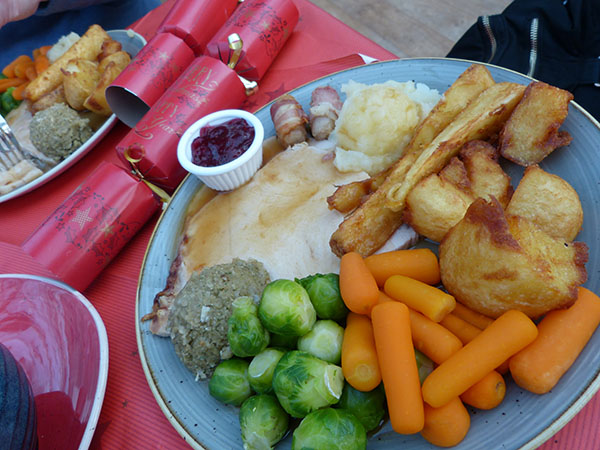
There is also a restaurant on site here, and I have eaten here a couple of times now. This time, I was with my parents, so we decided to get the special Christmas roast. This came with a cracker. I got the two course one, and that included a bowl of soup. The soup tasted delicious. The rest of the food was good too, but I thought that the vegetables were a little bit bland. They also serve afternoon tea here, and it's a lovely place to stop and have a browse and stretch legs. It's popular with older people who may be on the coach tours.

moffat1.jpg

Both Gretna Green and Moffat Woolen Mill are worth a stop when traveling through the area. Have you ever been?

Oxford Castle at Christmas

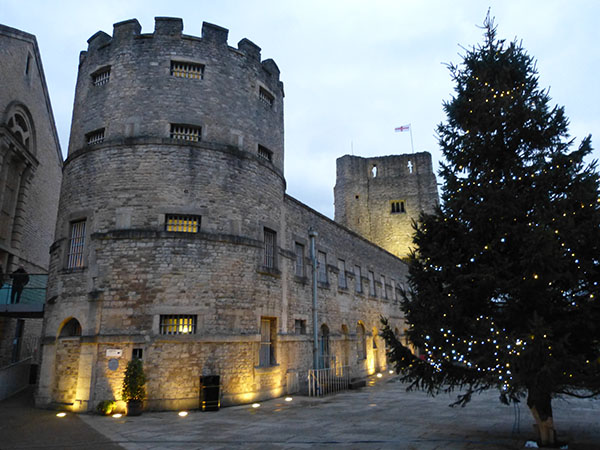
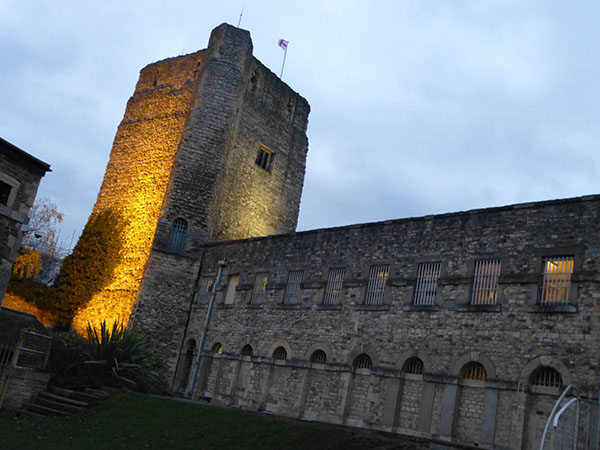
Before Christmas, I had a quick trip to Oxford. Oxford Castle is a Normal Castle, and it was built in the 11th century to replace an older motte and bailey castle on the hill near where the current castle stands. The castle was used for administration and a prison in the 14th century, and it was left in ruins after the Civil War. It then became repaired and used as a prison, and another prison was built next to it. This was used as a prison until 1996, and then it was turned into a hotel. The medieval part of the castle, such as the tower and crypt, can be toured today. Tours are guided only and take approximately 45 minutes.

oxford-castle2.jpg

oxford-castle1.jpg

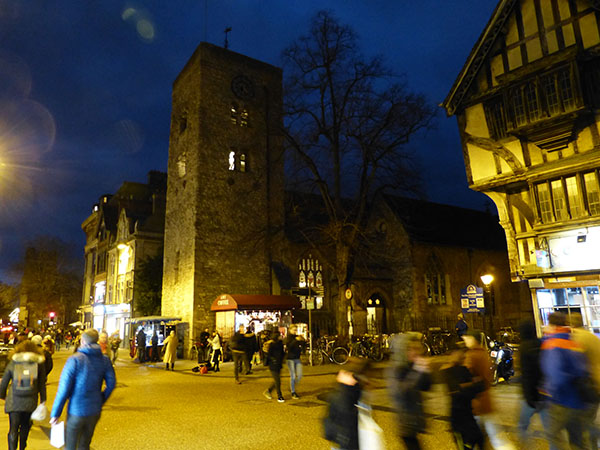
After visiting the castle, I had a wander down the main street in Oxford, which has changed a lot since my last visit.

oxford-xmas1.jpg

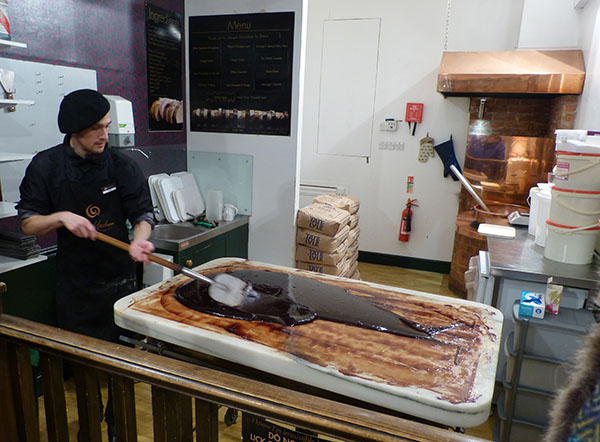
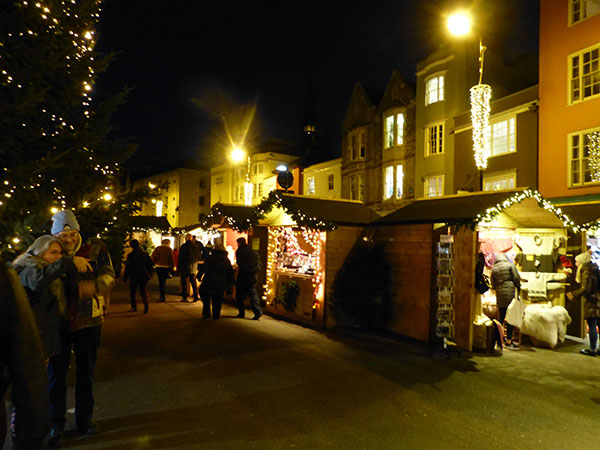
I went to the Christmas market and the fudge shop. The Christmas market is just a small one with roughly twenty wooden cabins. 

oxford-xmas2.jpg

oxford-xmas3.jpg

Unfortunately, we did not get to go inside the castle for a tour. We arrived in time to take the last tour of the day, but we wanted to walk around Oxford and see other places. We ended up actually making it a shopping trip instead.

Twelfth Night and Farewell Party at Geffrye Museum

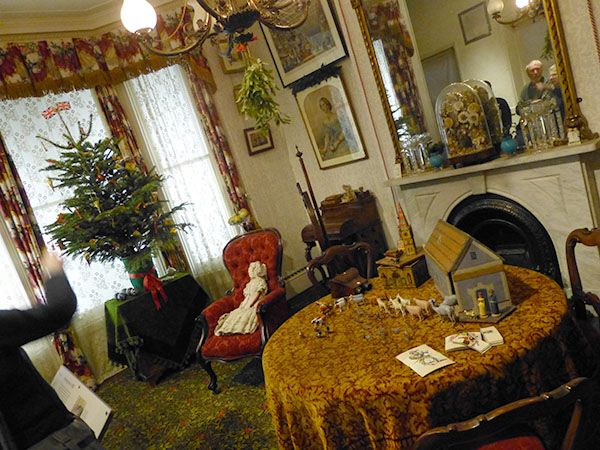
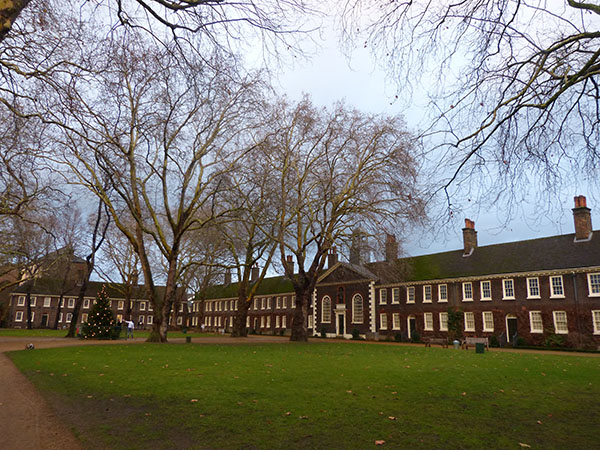
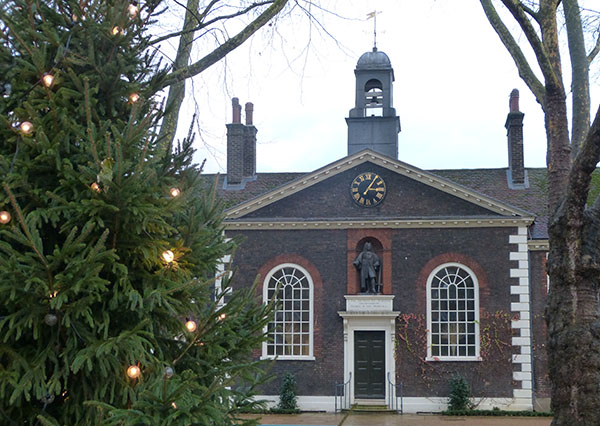
I visited the Geffrye Museum before Christmas in order to see their special 'Christmas Past' display, and my visit today was to partake in the Twelfth Night fun and the farewell party. The museum is located in a former almeshouse and depicts how people lived in London in the past. It shows the most popular family room (known in the past as living room, lounge, great hall, reception room, or parlour) in the house and describes items of furniture and how people lived. At Christmas, visiting the museum is extra special because the rooms are decorated for Christmas as they would have been in the age of the room on display. Christmas is actually a fairly recent celebration. Although it was observed in the past and most-likely adopted by Christains from pre-Christain or pagan rituals, it was not on the scale that we celebrate it today. In fact, Twelfth Night and Ephiphany were the popular celebration days.

twelfthnight-geffrye5.jpg

Twelfth Night is celebrated twelve days after Christmas. This would fall on the 5th of January with Epiphany taking place on the sixth of January. The word "epiphany" means "manifestation" in Greek; essentially, this is when the three wise men went to present gifts to baby Jesus. 

In the past and on the Twelfth Night in England, the wassail was sung to help the orchards and apple trees, and this would date back to pre-Christain times in the aid of the Holly Man or Green Man and the designated queen/king of the party. (I've covered a little bit about this topic in my Borough Market Apple Day post.) A yule log was also left burning until this day to protect the home.

twelfthnight-geffrye7.jpg

Epiphany was also a day to play games, sing, and to prank people. It was a day of entertainment and parties. People drank spiced drinks with ginger or cinnamon and ate Twelfth Cake, which is similar to Christmas cake (a dried fruitcake and marzipan icing). Inside the cake would be a baked-in bean and a pea, and sometimes other items were included. The finder of the bean became king, and the finder of the pea became queen. This probably was a tribute to the wassail events. It was also customary that these parts were not gender-specific, so a female could be a king and a male a queen. A Twelfth Tart was also a dessert created to mimic stained-glass.

twelfthnight-geffrye1.jpg

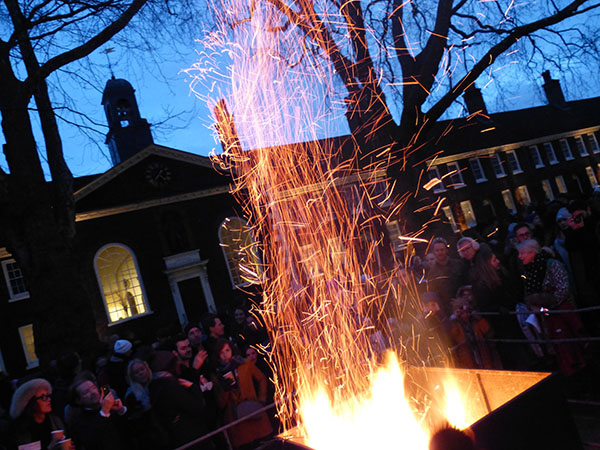
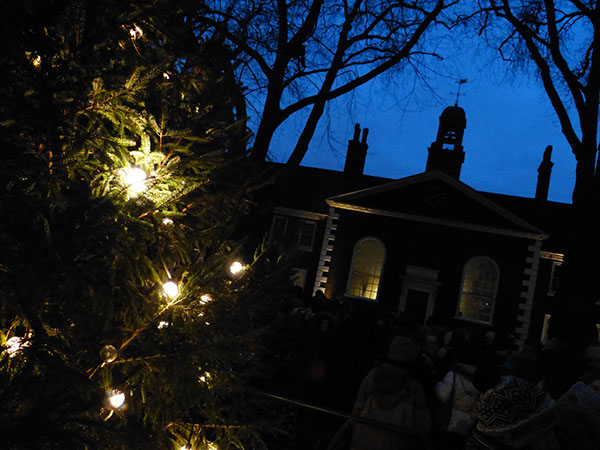
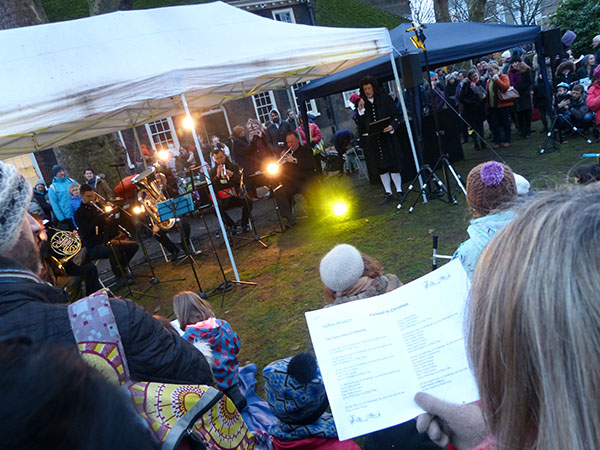
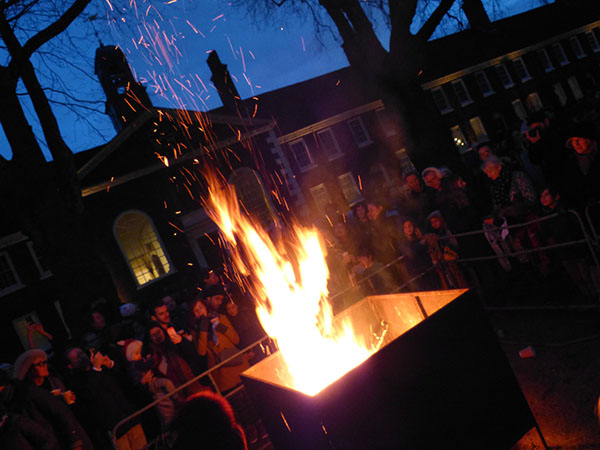
When I arrived, a band was playing Christmas songs, and a fire was lit in front of the museum. I also saw a large queue/line to purchase a slice of Twelfth Cake and mulled wine and for children to participate in a "lucky dip" to be queen or king for the night. I saw a smaller queue/line for the museum itself, but as I had just been three weeks ago, I did not need to return.

twelfthnight-geffrye4.jpg

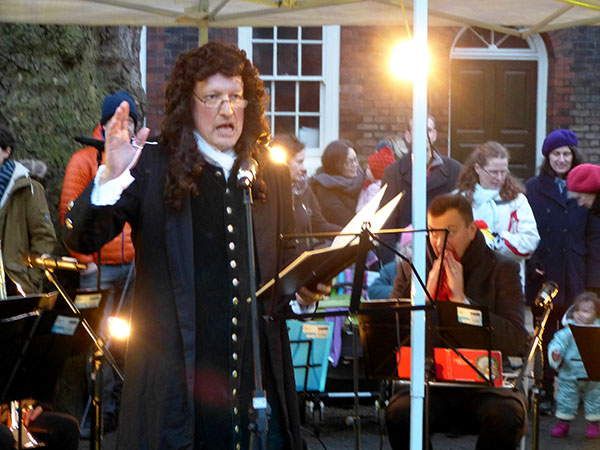
Upon having a quick browse, I went back to the band when it was eventually joined by a man in costume who told us about the Twelfth Night and historical information. He also explained that the Geffrye Museum would be closed for two years as they had received the funding of roughly 18 million pounds in order to renovate the displays, add more displays, add a new entrance from Hoxton station, and open up an almeshouse for tours. So, if you wish to visit before it closes for two years, today is the last day.

twelfthnight-geffrye2.jpg

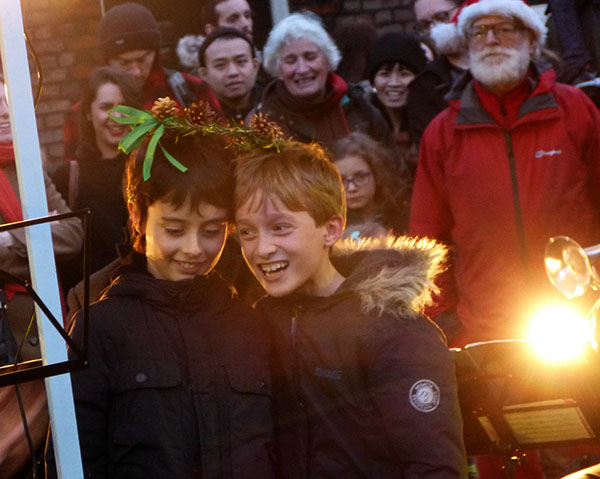
In between Christmas carols (such as "Good King Wenceslas", "The Twelve Days of Christmas", and "We Three Kings"), we were told more history of the songs and customs of the past. The king(s) and queen were also crowned and given a garland to wear.

twelfthnight-geffrye3.jpg

After nearly the last carol, I escaped the crowd. By now, the fire was warm and surrounded by a small crowd.

twelfthnight-geffrye6.jpg

For those who wish to join in the Farewell Party for the Geffrye Museum, the party goes on all day today until 5:00pm. Events will still take place on thr grounds throughout the year, and apparently, there may be a few tours of the almeshouses before the work is finished. Are any of my readers regular visitors to the museum, and will you miss visiting it when it's closed for two years?

Christmas Past at Geffrye Museum

Geffrye Museum, located in Hoxton in east London, is a former almshouse for poor pensioners. The almshouse was saved from being demolished and transformed into a museum of the home. Inside the museum, several of the rooms have been transformed into different period rooms to show how the middle classes lived. Each Christmas, the museum decorates the rooms for the holidays and keeps each room's Christmas design true for each time. Information panels also describe how Christmas was celebrated at each time.

geffyre01.jpg

The former almshouse that is now the Geffrye Museum is built with an internal courtyard, and others followed the same pattern.

geffyre02.jpg

geffyre03.jpg

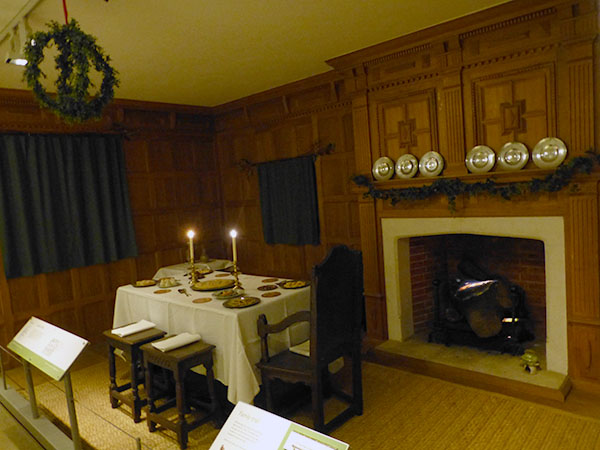
The first room is a replica of 1630, and the communal living area was called the "hall", and this is where people would speak, conduct business, and entertain themselves. The room was covered with oak panelling. Friends would have a Christmas meal.

geffyre04.jpg

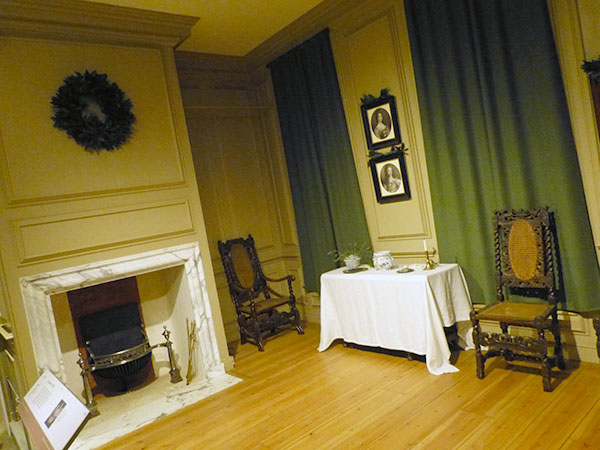
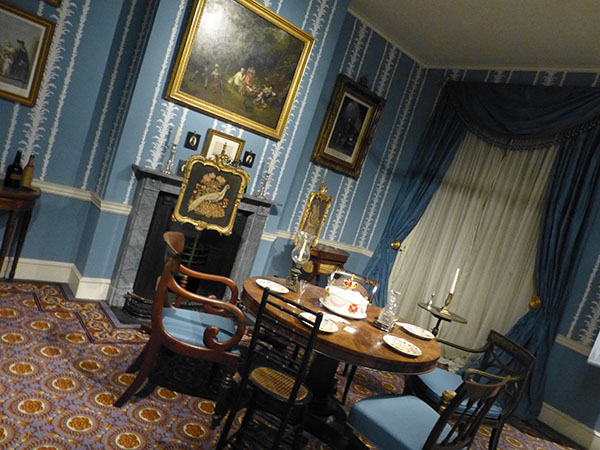
Next was a "parlour" from 1695, and it was located on the first floor of a town house with the three windows overlooking the street. These types of homes were common after the Great Fire of London in 1666. The parlours were more private for families and guests to have meals. Christmas would have consisted of song and dance with snacks and a trip to the church in the evening. Christmas was low key and banned for a few years from 1644, although some did celebrate it privately.

geffyre05.jpg

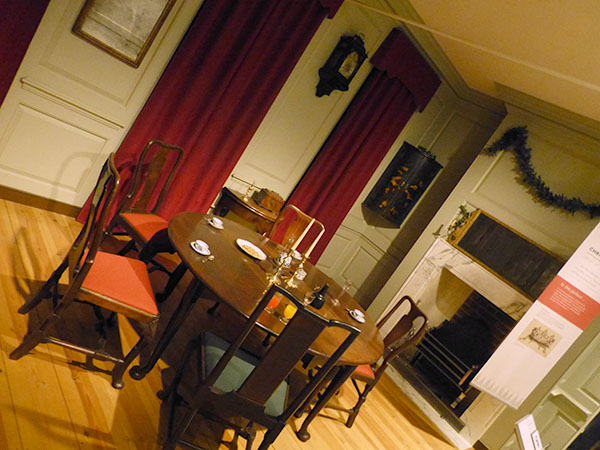
In the below photograph, the "parlour" dates from 1745. It was a formal room for everyone to be polite to each other, and there were set standards of behaviour in this room. In these years, people had friends over in the Christmas season (between Christmas and New Year), and they often went to church and gave to charity.

geffyre06.jpg

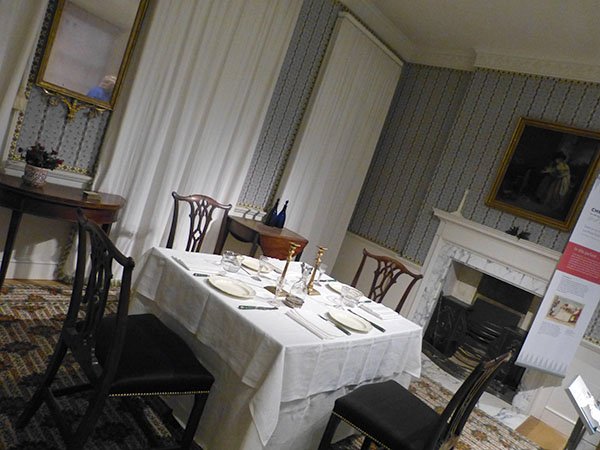
In 1790, the "parlour" furnishment and decoration changed quite a lot. Rooms were brighter and used lighter colours with delicate decorative detail. Patterned wallpaper was used, and people enjoyed the classics. Christmas was not celebrated quite as much during this time when compared with 150 years previously when large meals would be enjoyed and the poorer would be treated to a meal by the landlords.

geffyre07.jpg

The "drawing room" in 1830 was the centre of the home for entertaining and also became a woman's area with matching decor and smaller pieces of furniture that could be moved around easily. The room was known as the "withdrawing room" as a place to go to after eating a meal. At Chrtistmas, games similar to charades would be played here on "Twelfth Night", and a special pudding like a Christmas cake would be enjoyed. The cake would contain an item that donated a special title for the night to the finder.

geffyre08.jpg

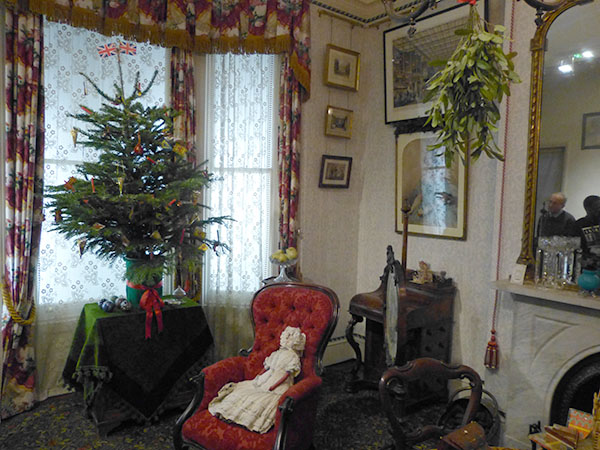
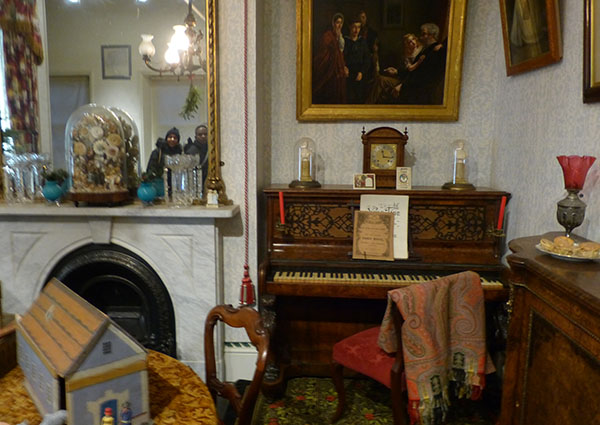
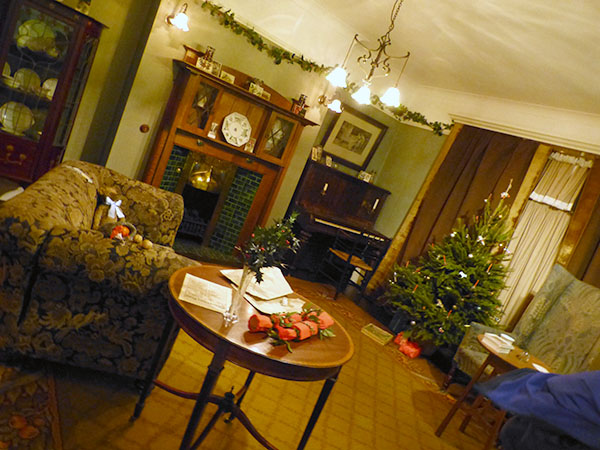
The 1870 "drawing room" was a large change, and more people would be commuting instead of living and working in the same building. The decor and furnishings looked more "busy", and gas lighting was introduced. At this time, Christmas came to be more similar to what we celebrate today. Previously, the decor was minimal. In this room, we see the introduction of the Christmas tree, a tradition that Prince Albert brought from Germany. Gifts were given to children, and families would attend the church services. On the piano, sheet Christmas music is displayed. The Christmas tree would have been lit with candles.

geffyre09.jpg

geffyre10.jpg

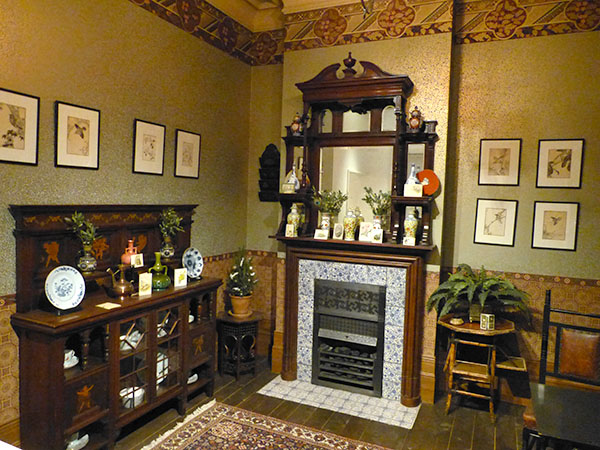
The "drawing room" from the 1890 time was a complete change brought about in the 1870s, adopted by people who wanted an artistic style. The rooms were very stylised and detailed.

geffyre11.jpg

The "drawing room" of 1910 features a room in a suburb of London in a semi-detached home. At this time, electric was in use. The cottage-style homes had hallways, fireplaces, and lower ceilings. In this time, the rooms were used regularly by families and were less formal. The terms "living room" and "sitting room" started to take over. Christmas is a bigger deal at this time, and the Christmas stocking had been adopted as  a place to put gifts for children.

geffyre12.jpg

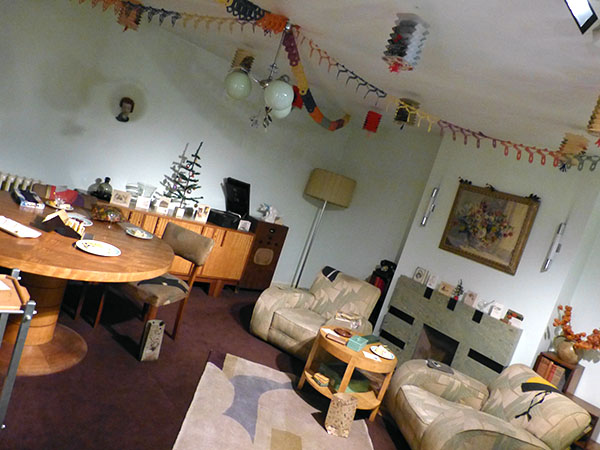
In 1935, the "living room" is a modernist design with horizontal lines and simple shapes, and the room here represents a flat. Entertaining for Christmas is important and design is with an artificial Christmas tree and paper lanterns and chains.  

geffyre13.jpg

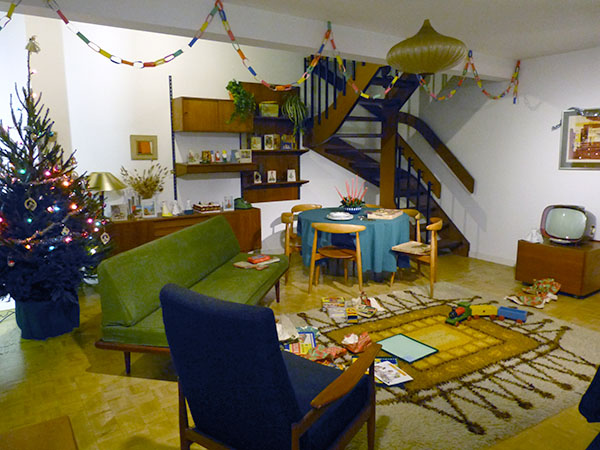
In 1965, the "living room" is of a flat and has its own heating system and space for a television to be the focal point in the house instead of the fireplace. Walls were kept clean for the colour to be used in furnishings. Scandinavian design inspired the style, and the coffee table was used.

geffyre14.jpg

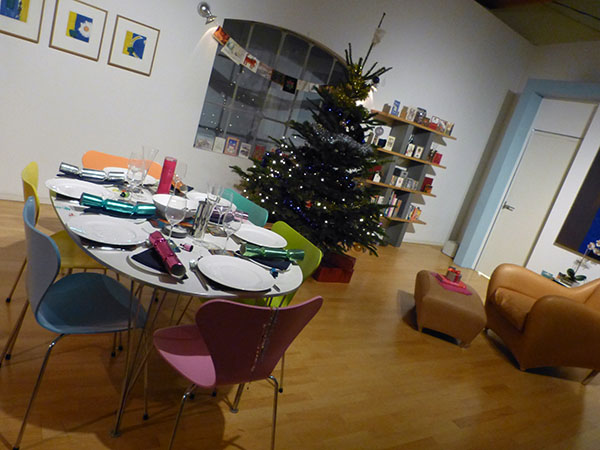
The last room is a 1998 loft-style apartment living room area. At this time, commercial buildings and warehouses were converted into flats and lofts. Furnishings and design is sparse, and the result of these style of homes is open plan.

geffyre15.jpg

That concludes the tour of the rooms in the Geffyre Museum, which I found interesting to see how people lived. There's a lot more in the museum that I did not cover or post photographs of.

geffyre16.jpg

Geffyre Museum will actually be shut for renovation work from January 7, 2018. It will be shut for two years, so do visit before then or go to their closing party, which will also be their "Twelfth Night" event.

Goodbye 2017; Hello 2018!

I won't lie when I say that I'm a little happy to see the back of 2017 as it's been a bit of a roller coaster year and one that has not allowed me to catch my breath. I was being pulled in so many different directions without the stability that I craved from the previous year. However, 2017 was better than 2016 in a lot of ways as I met some ace people this year. I just wish that I had been able to achieve some form of stability as I had too many changes throughout the year. This was the year of the major home renovation work (which began early last December), three different workplaces, and never being able to quite catch my breath or get caught up on anything. I felt like I have been running in circles, and I've not had a break and have been left feeling absolutely shattered (exhausted) a lot of the time. Anyway, I will cut to my best moments of 2017 now.

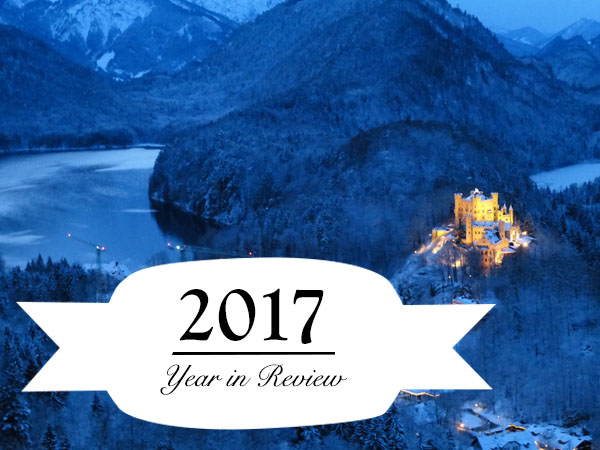
2017-review.jpg

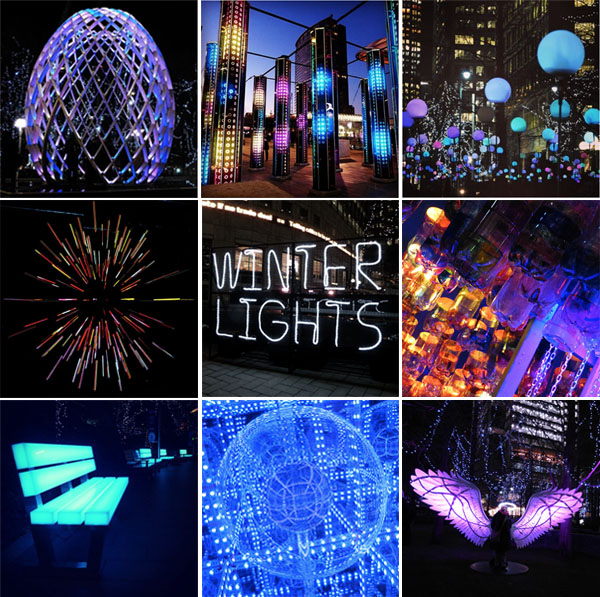
January: I returned from the states to a freezing home as the home renovations were taking place, and this was the beginning of being confined to one small bedroom for nearly six months. The month started with two separate light shows/festivals. I went to the Canary Wharf Winter Lights festival, which has returned for its second year and showcased several new light installations.

winterlights2017-43.jpg

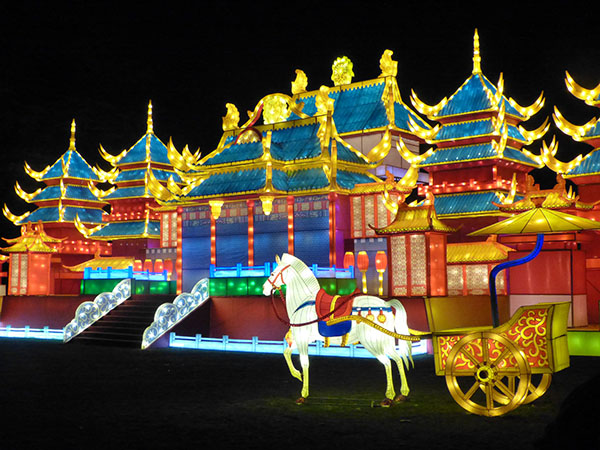
I also met up with my friends and a couple of their friends to go to Magic Lantern Festival at Chiswick House for the second year in a row, but this was a disappointment this year. We missed the unique Chinese lanterns and the larger-scale pieces; this year seemed to be a rip of western ideas and characters.

magiclanern2017-17.jpg

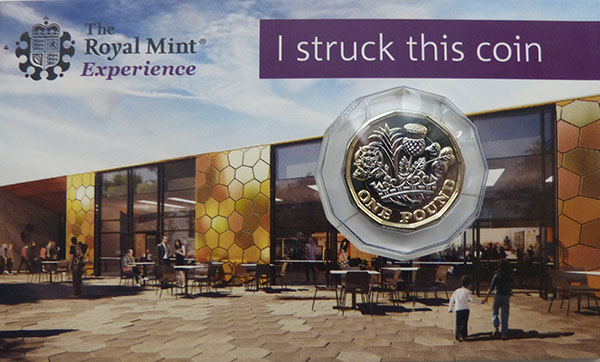
February: Although February was a fairly quiet month living out of one room in the height of winter while the house was gutted, I arranged to visit the Royal Mint Exhibition Experience near Cardiff to strike my own new pound coin; new pound coins came into circulation in the autumn of 2017. I saw how the coins were made and learned about them in the exhibition and museum.

royalmint07.jpg

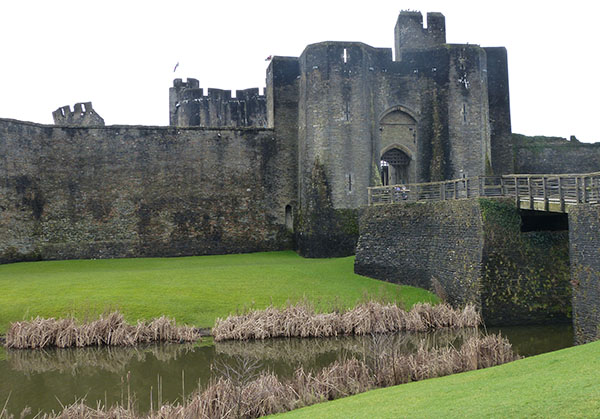
Before heading back to London, I stopped at Caerphilly Castle for a tour, and I enjoyed the visit to this moated castle. This is just down the road from the Royal Mint, so I suggest planning this into a visit. The castle is in ruins but is well-preserved.

caerphilly02.jpg

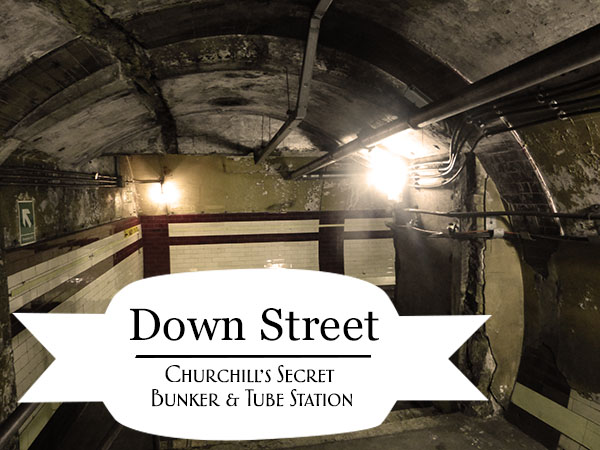
I also went to Down Street disused tube station, which is located in Mayfair, and that I had booked a few months before. This is a fantastic tube station with Churchill and World War II history as the disused tunnels were used during World War II.

downst-tube-25.jpg

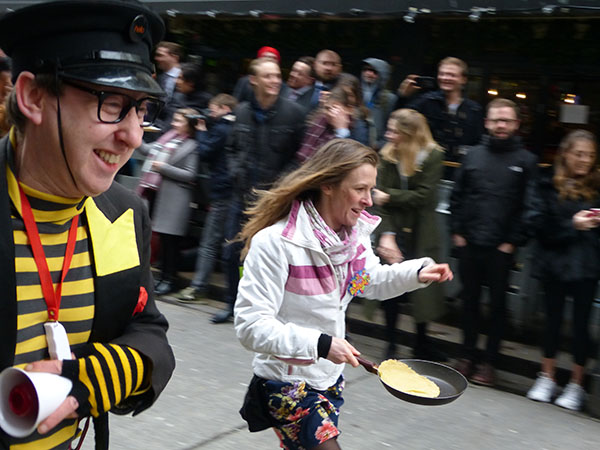
Pancake Day also fell at the end of the month in February, and I watched the Great Spitalfields Pancake Day Race at Dray's Walk off Brick Lane for my fourth time after having to miss it last year. The race is a stone's throw from where I worked on Brick Lane, so I got to enjoy it again. It became a favourite tradition after visiting it first in 2013 while working at the same place and making so many happy memories there. (I'm no longer working in this area of London, so I will miss it in 2018.)

spitalfieldspancake2017-04.jpg

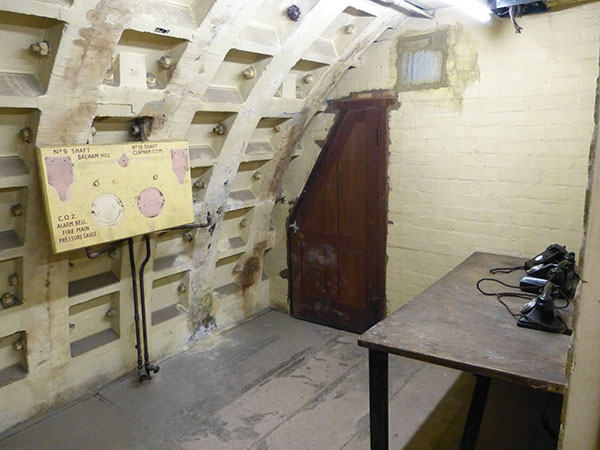
March: March was another quiet month of being confined to one room during the home renovations, but I had one event to look forward to. Several months ago, I had pre-booked a tour of Clapham South disused underground station, which was previously used as a World War II bunker, and the time came to attend the tour. The tour was fascinating with the bunks and signage intact from the war era. 

claphamsouth-tour-13.jpg 

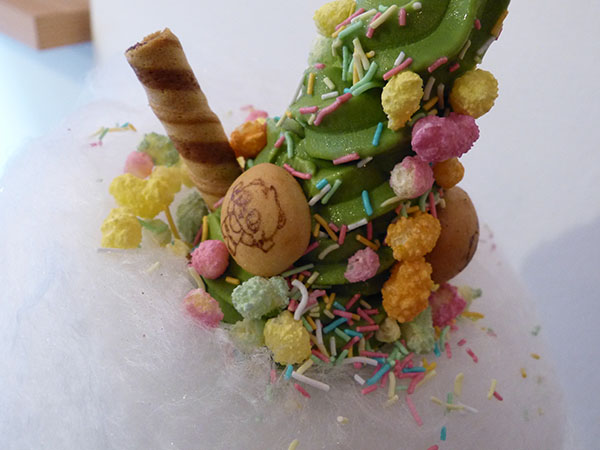
I also had my first ice cream of the year, and this one was served with cotton candy (candy floss) from Milk Train. They are based near Covent Garden, and you get to choose your ice cream flavour and the toppings. The ice cream appears to be floating on a fluffy white cloud.

milktrain4.jpg

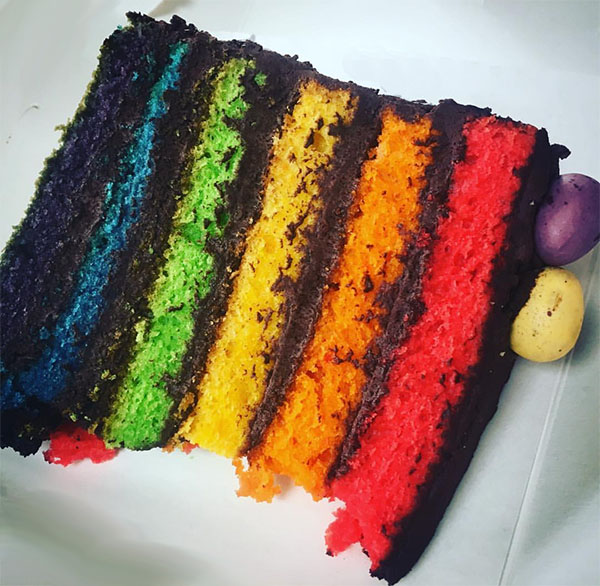
April: Easter fell in April this month, and this was a fairly busy month for me. I was a little disappointed about the progress of the home renovations this month, particularly as the weather was warming up and the end seemed to be fairly near but there were set backs. I felt stressed this month. I decided to have a break on Easter. On Easter Sunday, I walked up the road to Ruislip to visit the bi-weekly market, Duck Pond Market, and to watch the Easter egg hunt in Ruislip Woods. This turned out to be an enjoyable day with lovely weather.

miniegg-rainbow-cake.jpg

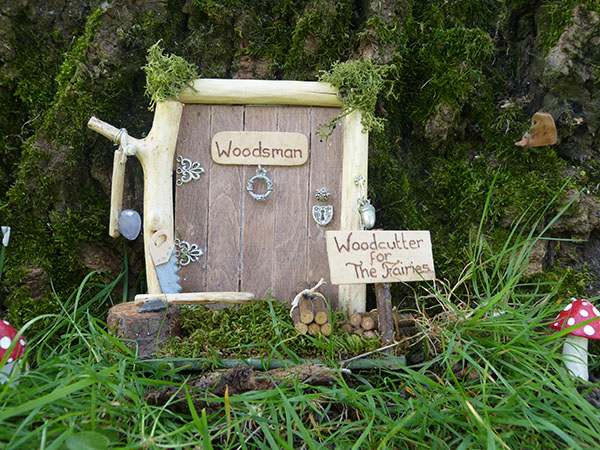
In addition to the Easter events, the Ruislip Fairy Village was also installed again on this weekend after it was torn up by vandals, so I managed to have a look for the little fairy doors at the bases of trees, stumps, and logs before the Easter egg hunt began. I also had a quick chat to the fairy responsible for creating the little doors.

ruislip-fairies-02.jpg

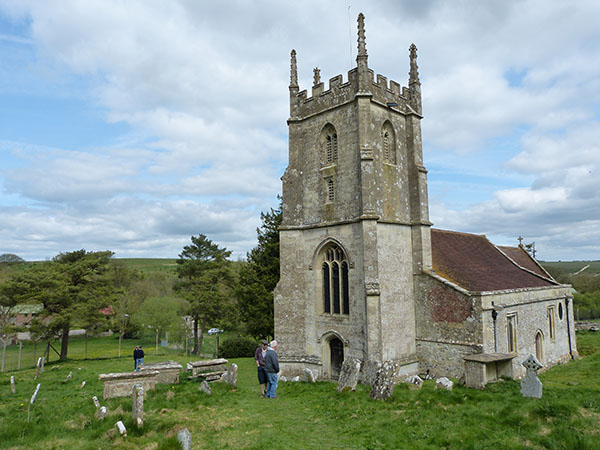
On the Monday after Easter, I paid a visit to the abandoned village of Imber in the Salisbury Plains. This village is open to the public for only a few days a year (at some point in mid-August and usually over Easter), and these days are announced in advance but subject to change. During the rest of the year, it it forbidden to visit Imber as it is a military training ground. A few of the original town buildings and homes exist, and the church at Imber still holds services. Imber seems to be getting to be a popular place now that it has been featured in documentaries, and it was busy on the day that I visited, which detracted from the "ghost village" atmosphere.

imber06.jpg

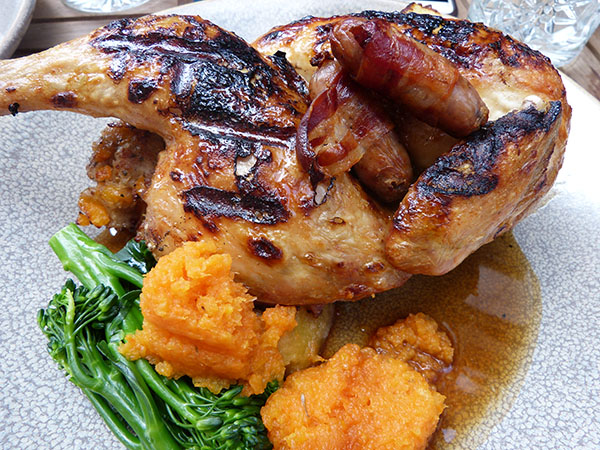
At the end of the month, my cousin from New York City visited London for a few days. I picked him up from the airport, and we hung out for a day in London. He was also the first to see the home renovations, although the work was not yet complete. On the Saint George's Day Sunday, we had a traditional Sunday lunch at Mews of Mayfair.

mewsofmayfair07.jpg

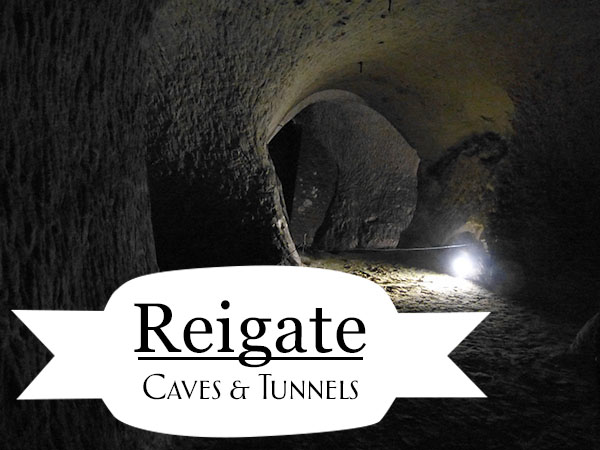
May: Although May was a quiet month, I wanted to get out of the house as I was tired of being confined to one room to eat, sleep, drink, and relax in. Near the middle of the month, I visited Reigate Caves and Reigate Castle (and Baron's Cave) during their open day; this has been on my radar for awhile. The caves have a few "open days" a year, and these tend to take place once a month until the autumn. Unfortuately, everyone else seemed to have the same idea as I overheard that the event was heavily publicised on Facebook, so the caves were busy. I was able to see the Tunnel Road guided tour cave as I arrived very early and visit the museum, but Baron's Cave underneath the castle was crowded and rushed.

reigatecaves06.jpg

Toward the end of the month, the home renovations were complete except for a few snags. Although, as I write this in December, I am still not yet done unpacking. There will be more renovation work to be completed in a couple of years when I have saved up. Regardless, I spent a lot of time unpacking and sorting out bits and pieces for the remainder of the year. 

renovations2017-1.jpg

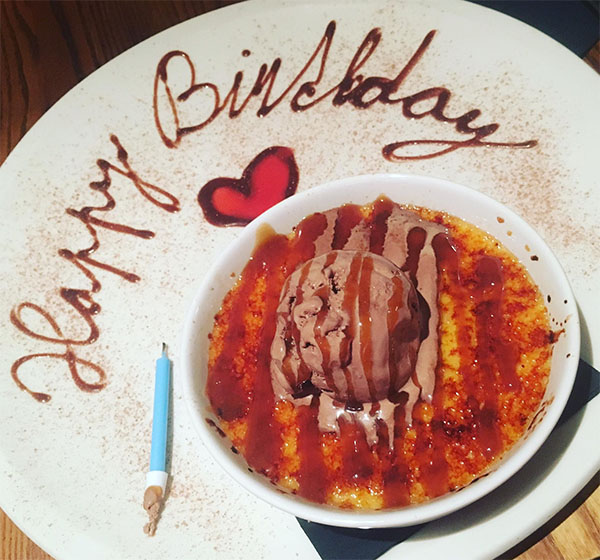
June: June is my birthday month, but it was a low key affair this year.

birthday2017.jpg

I celebrated my birthday having a weekend brunch at Chiltern Firehouse, and the food was delicious. I've been wanting to visit the venue for awhile now, so I am pleased to have managed to do this for my birthday. 

chilternfirehouse08.jpg

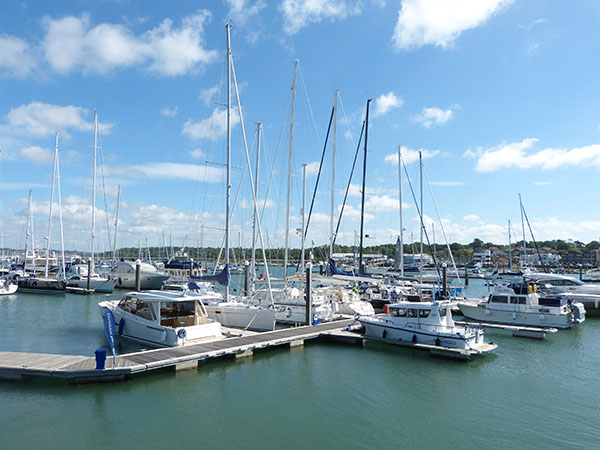
Additionally, last autumn, the bloke's brother won second place for raising the most for a cancer charity, so he and the winner received a prize. They had to coordinate with the winner on the arrangement of this prize, and they happened to book my birthday day (which fell on a Saturday this year) for the prize, which was a sailing trip from Southampton to the Isle of Wight with a stop for lunch on the boat. We had perfect weather for this and learned the basics of sailing. Unfortunately, the bloke's brother's fiance could not make it as she was expecting, but I would have loved to have caught up with her on the trip.

sail2017-01.jpg

On the last day of June, I received the news that all freelancers were being cut from the project that I was on in order to save money. The majority of people on the project were also freelancers. This came as a blow as I had hoped to stay at the company for awhile again for stability, and I had previously worked at this company for over two years. I really enjoyed working with new colleagues and ones that I had worked with in the past, and I made some great new contacts and friends. We had several group and team lunches at Dinerama and BoxPark. 

dinerama-shoreditch3.jpg

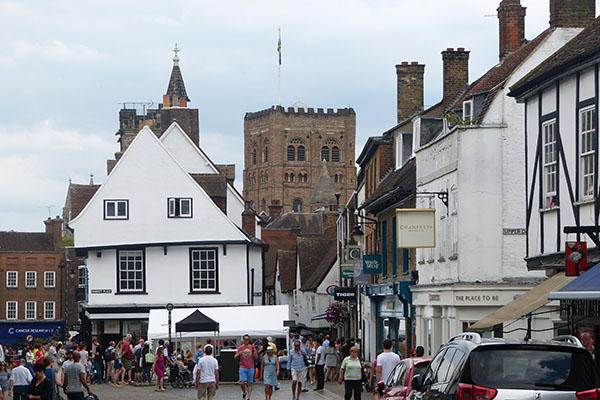
July: During this scorching hot month, I spent my time working hard in order to meet deadlines at work for the final month, and I spent a lot of time trying to get the house in order. In the middle of the month, I visited the town of St. Albans to see the cathedral and also toured the museum for the Roman town Verulamium, which I found interesting.

stalbans-12.jpg

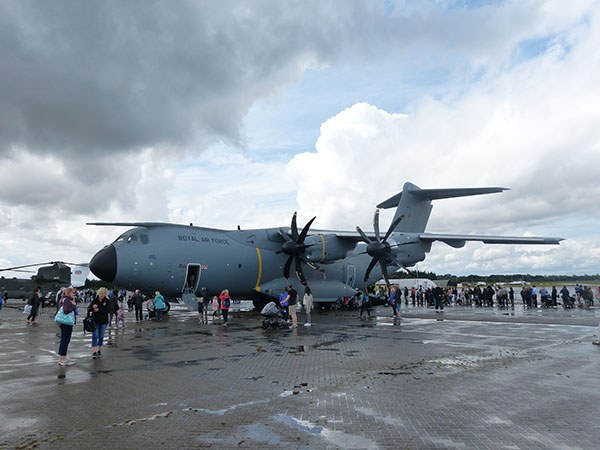
On one of those weekends (the only one which seemed to rain as the weather was scorching this month), was the visit to the RAF Northolt Open Day. I live near this airfield and have been hoping for a new open day to visit. Unfortunately, there was not a lot going on. There was a single plane fly-by, but there was not a lot to see and do here. We could see inside one plane and a helicopter, but the queues were so long because there was little else to do. We actually waited for over 3.5 hours to get inside the plane (pictured below).

rafnortholt2017-1.jpg

At the end of the month, I started a new role at Aldgate East (just down the road from the last one) in London. Unfortunately, this new role ended up being a rolling monthly contract, which I have done previously for nearly a year. With a short contract, it is difficult to plan a life. However, I worked with some wonderful people that I would get to know better over the next months.

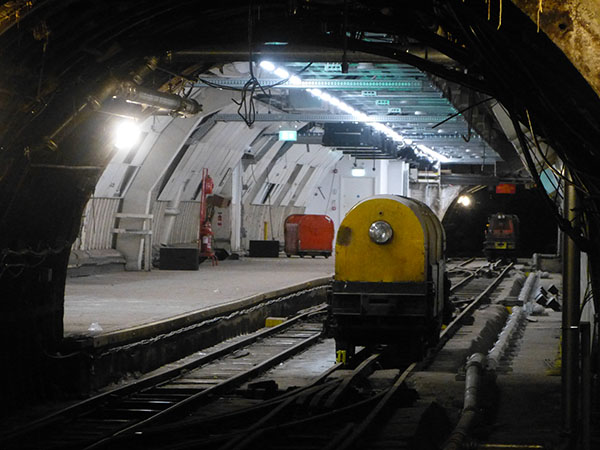
August: The beautiful weather returned for the majority of August, and I filled my weekends with fun activities. At the beginning of the month, I took an advance tour (due to charity donations) of the Postal Museum, one of London's newest attractions. This museum documents London's underground rail tunnels that were in operation until the 1990s. I went on one of the first tours before it was open to the general public.

postalmuseum16.jpg

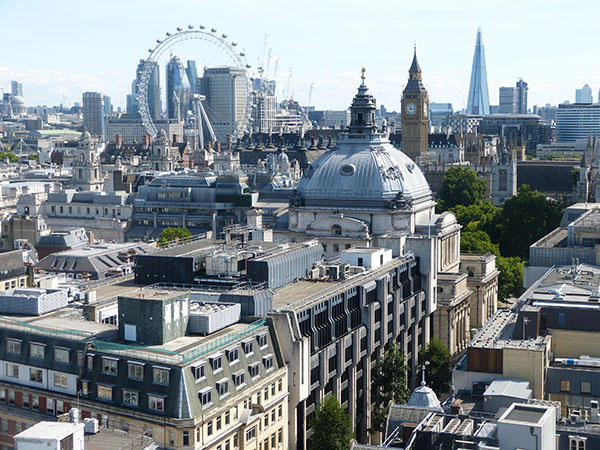
I also completed a tour of listed building Broadway 55, the former headquarters of London's transport company. We learned a little about the staff and their working day, the architecture, and the company itself. The views from the top of the building across London are excellent from Broadway 55.

broadway55-17.jpg

After the tour, I decided to take a walk through London to Regent's Park to see the sculptures in the park at Frieze Art Fair and enjoy the gardens. This was such a lovely day with perfect temperatures.

regentspark2.jpg

I also finally got around to booking my exhibition for 'Star Wars' Identies at the O2. This was a Christmas gift, and the exhibition was ending soon. I'm a massive 'Star Wars' fan but just had not gotten around to the exhibition earlier even though it had been open for several months. While guests went around the exhibition of props, costumes, illustrations, storyboards, and models, they answered personal questions in order to develop their own identity in the 'Star Wars' universe. I enjoyed creating my own identity.

swidentities13.jpg

Last, but not least, Merlin the cat got a kitten friend, which I named Sir Lancelot, though I don't think the name really fits him now. He was such a lanky kitten and all ears, but he has grown into a beautiful kitten. Merlin did not like him for the first couple of days, but they tolerate each other now and get along 99% of the time. He is sneaky and loves food so much that he will steal if from under your nose and run off with it. Yes, this has happened a few times. He's also not a confident kitten when it comes to human interaction, but he loves to play.

lancelot.jpg

September: September was a fairly quiet month with more time spent trying to get the house in order. I had a trip on a vintage steam train from Harrow-on-the-Hill to Amersham. A part of the Metropolitan rail line was used to put on steam trains, and these went from/to Ruislip, Watford, or Harrow-on-the-Hill.

amersham-heritage-11.jpg

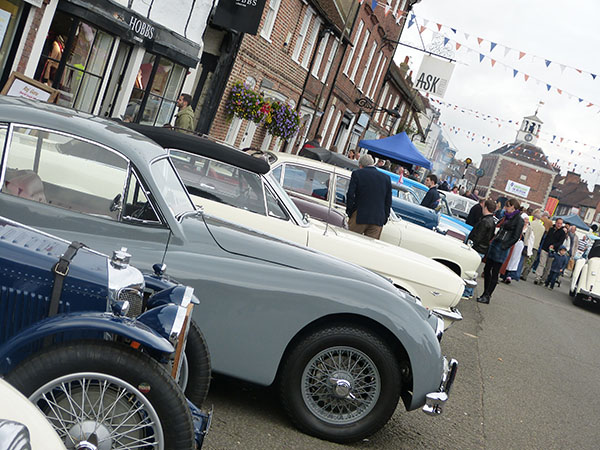
Once at Amersham, I got the vintage bus into the old part of town where the Amersham Heritage Day was in full swing. I checked out the market and the classic cars, and this was a real treat. I wish that I could have stayed longer.

amershamheritageday11.jpg

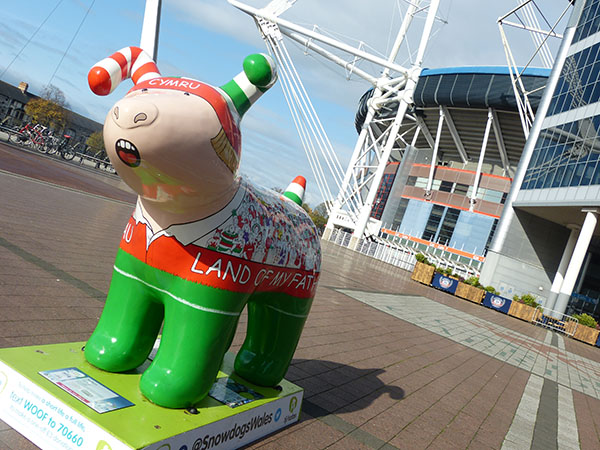
October: Quite a few little bits and pieces happened in October. I caught up with my friends that I last saw in January at the Chiswick Lantern Festival, and I celebrated their engagement. I also went to Cardiff for a day in order to locate as many snowdog sculptures as I could for the Snowdog Sculpture trail. I did not get to see all of them because they are spread out over a large area, but I did get to see a lot of them.

snowdogs-cardiff-11.jpg

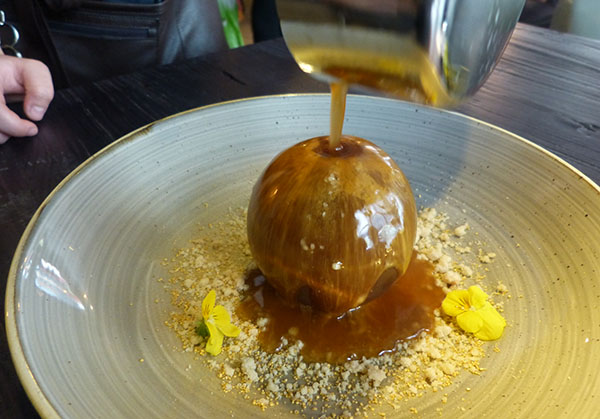
I had lunch at The Corner House in Cardiff, and this was one of my favourite meals of the year. The food was exceptional. I loved my melting dessert.

cornerhouse-cardiff-08.jpg

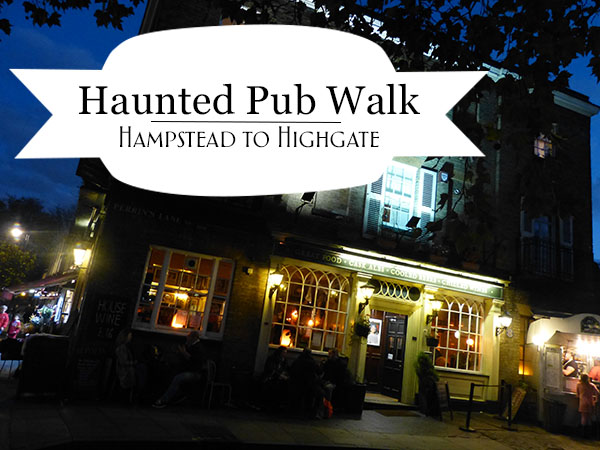
I also got to do something fun for Halloween this year. For Halloween, I went on the Haunted Hampstead to Highgate Pub Walk. This was good fun as it was a trek across this part of London, and we stopped off at a few pubs and heard ghost stories along the way.

hampstead-highgate-halloween-01.jpg

I was also told that the rolling monthly contract could not be extended further, but my boss had a word and they managed to extend to the end of November, which brings us to November.

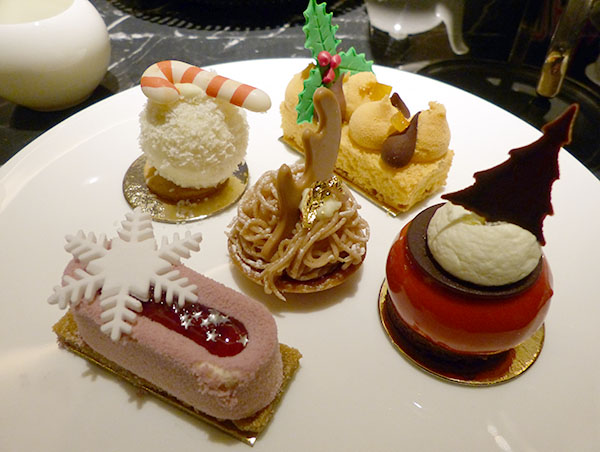
November: Although I was told that the contract could not be extended as the work did not come in, several projects came through by the end of the month. Unfortunately, as I was told that there was not going to be an extension, I had already secured a new role. The new company wanted me to start before the end of the month as I had a three week holiday from the last week in November until mid-December, so I started on the third week into the month. Overall, I found November extremely stressful as I left that job and colleagues and started a week of the new one. I had a low key Thanksgiving as I was into my fourth day in a new job. My three week holiday kicked off in the last week of the month when my parents arrived. We spent a couple of days doing activities in London before having festive afternoon tea at the Connaught hotel.

connaught-festive-tea-17.jpg

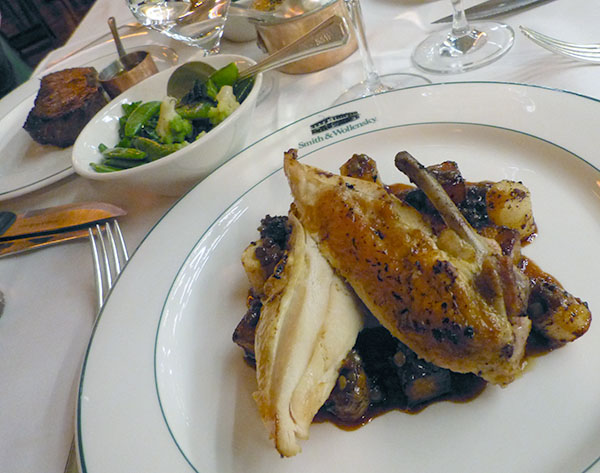
We also went to the circus play 'La Soriee' and had dinner at Smith & Wollensky, which was my favourite meal of the year as everything I ate tasted delicious.

smith-wollensky-07.jpg

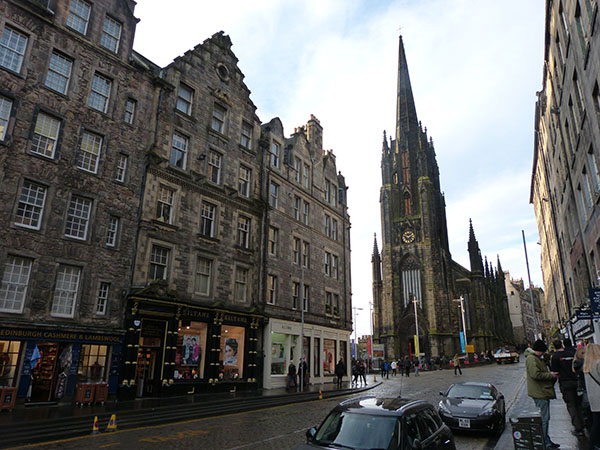
At the very end of the month, we went to Scotland and explored Edinburgh, Inverness, Loch Ness, and the William Wallace Monument in Stirling ahead of our short trip to Germany in December. (I will be adding more posts from Scotland in the coming weeks as I have a lot of work to do and a lot of photographs to look through.)

edinburgh-xmas-10.jpg

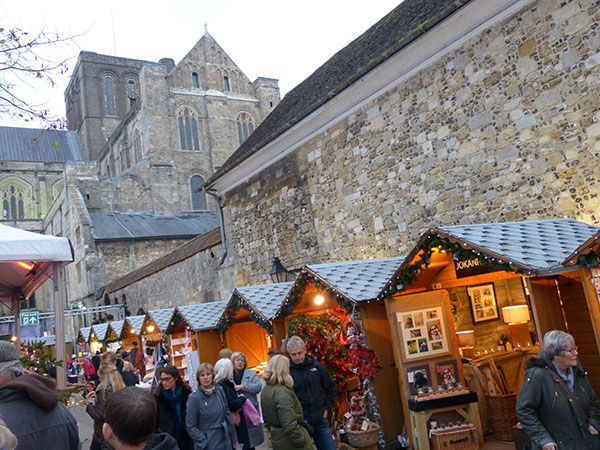
December: I spent the first day of the month visiting Winchester Christmas Market with my parents before we left for Europe. I know Winchester quite well as I lived near it and visited it often. It was also the first place in England (and Europe) that my parents visited and stayed at while I was finishing my Master's degree. We went to my favourite pub, Bishop on the Bridge, to have lunch before walking down the canal and into the cathedral close to wander around the market.

winchester-xmas-28.jpg

I then spent part of the first week of December with my parents in Germany where we went to Munich, Kufstein and Innsbruck in Austria, Lindau, and Neuschwanstein and Hohenschwangau castles. We saw a few Christmas markets in the towns and cities that we visited, and this was the primary reason for visiting. Of course, we did much more than see Christmas markets.

munich-xmas-17.jpg

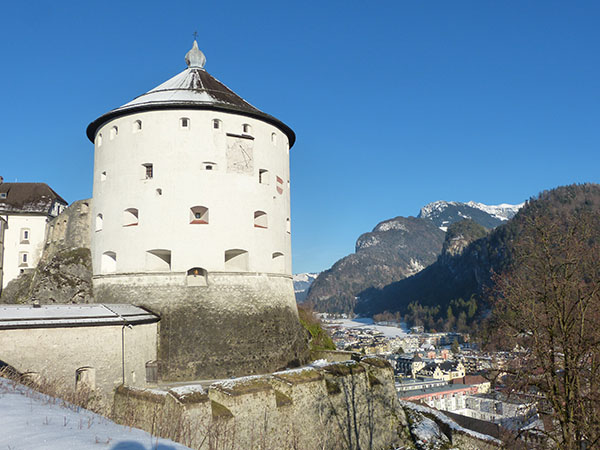
The view from Kufstein Castle in Kufstein, Austria was stunning. We took the funicular up to the castle and admired the views and explored the grounds. We then went on to Innsburck, but we had a late start and did not get to see a lot.

kufsteinfort11.jpg

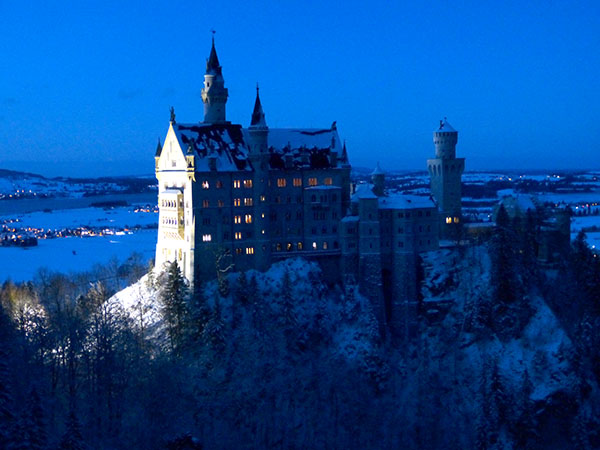
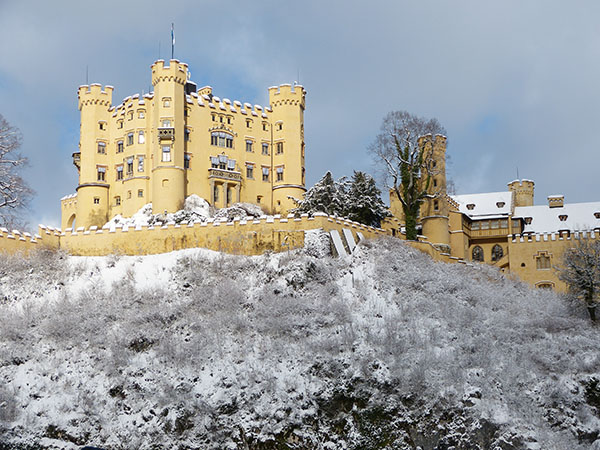
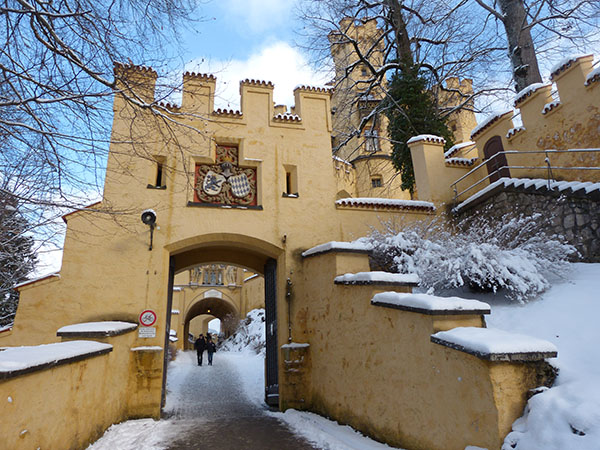
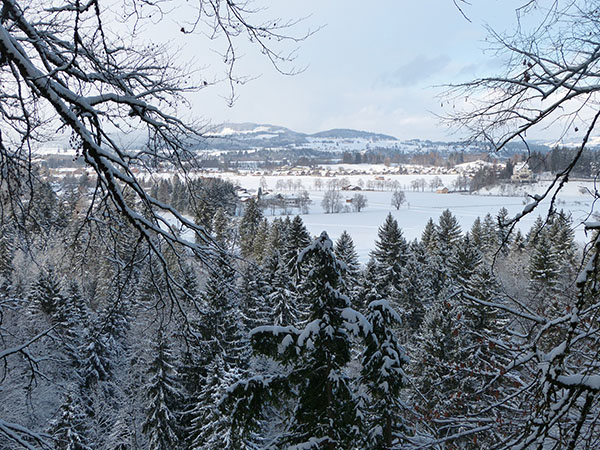
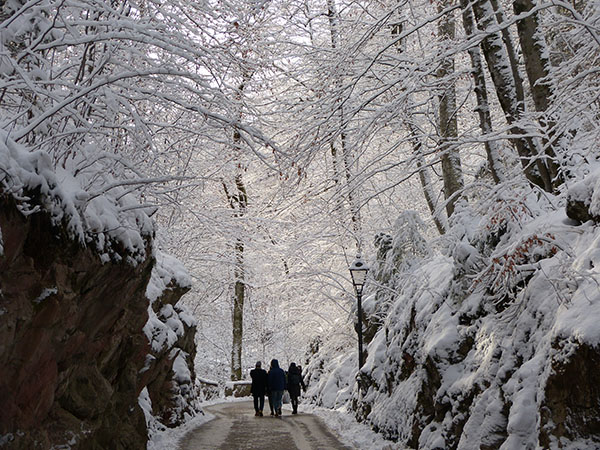
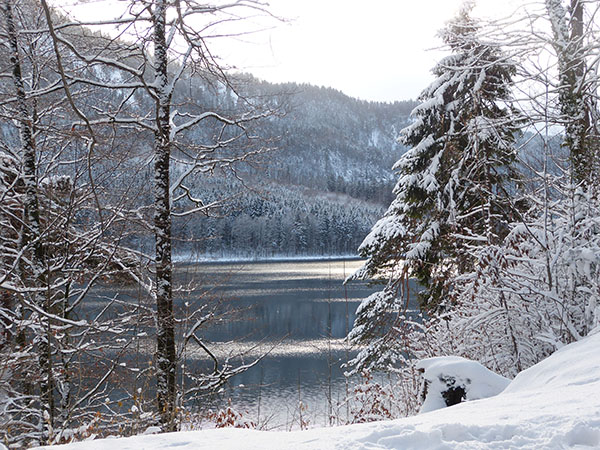
Our day at Neuschwanstein Castle and Hohenschwangau Castle was memorable in the snow. We explored Hohenschwangau Castle first and had a tour of it before walking down the hill to get a horse and carriage up to Neuschwanstein Castle for our tour. 

neuschwanstein-castle-09.jpg

We spent the final planned day in Munich to visit Nympenburg Palace, which has a stunning Great Hall and gardens. Unfortunately, the end of the trip did not go as planned as snow in London meant that we were stuck in Munich for over a day as our flight was cancelled and we had to wait over a day for the next flight, which was delayed again. This was the most stressful day that I've had in awhile. When we finally did get home, at a very early hour on Wednesday morning, we were so happy. 

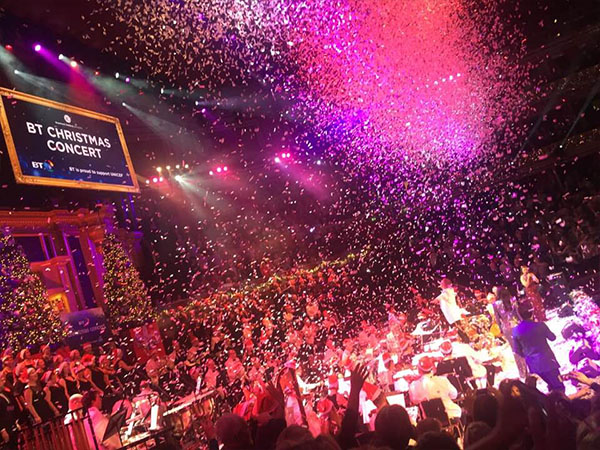
In addition to Germany and Austria, we had more events and places to see. We had some late nights when we returned to London because we saw the midnight showing of 'Star Wars: The Last Jedi' (which I thought was good and better than 'The Force Awakens'), and I took my parents to see the BT Christmas Concert at the Royal Albert Hall, which ended up being another late night. Before the concert, we ate at Elgar Bar & Grill inside the Royal Albert Hall, and this was one of the best meals that I have had all year. In London, we also visited the Geffrye Museum for its Christmas Past exhibition before they close the museum for two years, and we had a short visit to Oxford late in the day, but it turned out to be a shopping trip on the last day that my parents were in the country.

bt-christmas-concert01.jpg

After my parents left in the middle of the month, I returned to work for the week up until Christmas, and also had to help the previous company that I worked for on work that came in as I was in the process of leaving. I've been spending the holidays working. 

Now that 2017 is coming to a close, I hope that 2018 is a better year and offers more stability and success. I'd also like to travel more as I've had a busy three years and have only just managed to have a short holiday, and that was the most ill-timed holiday that I've ever taken as it really screwed up my options; however, the rolling monthly contract and the previous contract being cut short also screwed up my options. So, I am hoping for success, travel, and more time for myself in 2018. I hope that all of my readers have a great 2018, and Happy New Year!

A Visit to Hohenschwangau Castle (Germany)

The day after spending a day at Lindau to see the Christmas market and harbour town on Lake Contance in Germany, I drove from Munich to Hohenschwangau to see what is probably the world's most picturesque castle and Neuschwanstein Castle and the castle on the hill across from it, Hohenschwangau Castle. In this post, I will cover Hohenschwangau Castle, but keep checking for updates. 

hohenschwangau05.jpg

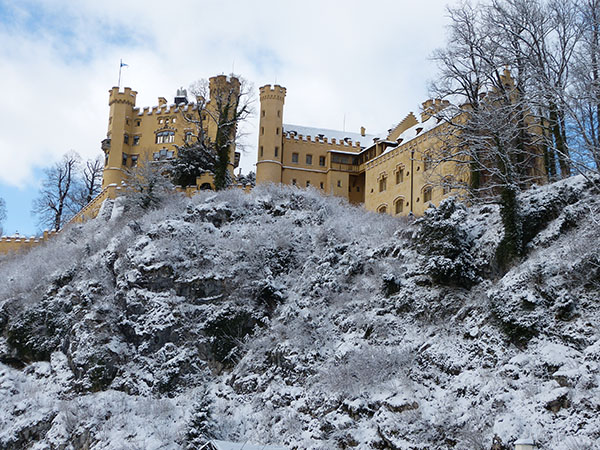
Hohenschwangau Castle was first mentioned in the 12th century on the hilltop in the town of Hohenschwangau. The castle was owned by Bavarian dukes but then was left to become run down. It had a new lease of life under king Maximillian II in the 1830s as a hunting lodge and summer residence and a continued lease of life under the king's son Ludwig, who built a castle on the neighbouring hill. The last resident, the king's mother, died in 1889. The castle then belonged to her brother-in-law, who died in 1912. The castle was then open to the public in 1913. 

hohenschwangau01.jpg

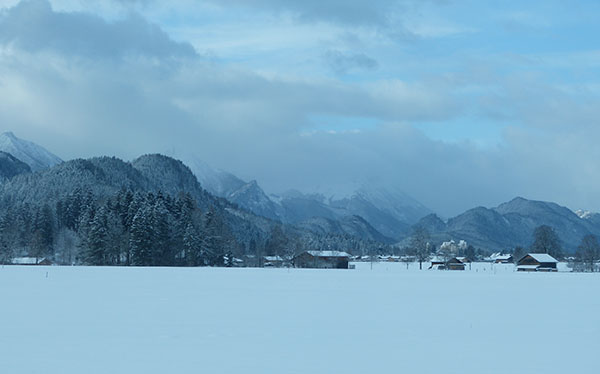
On the way through southern Bavaria on the way to Hohenschwangau, there was more snow. Snow had fallen in placed on the way back from Lindau the previous day. There are mountain views, and this is picturesque scenery.

hohenschwangau02.jpg

All of the tours of the castle are guided, and I suggest to book in advance. In order to book in advance, you need a few days. Because my trip was planned at the last minute, all advance tickets for the day had gone, even though I tried nearly a week before the day of visit. There are a limited number of tickets available on the day, but there are long queues, and they could sell out if you're not early enough. For your guided tour, you do need to be at the castle for the entrance and not to miss your slot as there aren't any refunds. The walking timings on the map are more than adequate.

hohenschwangau03.jpg

hohenschwangau04.jpg

hohenschwangau06.jpg

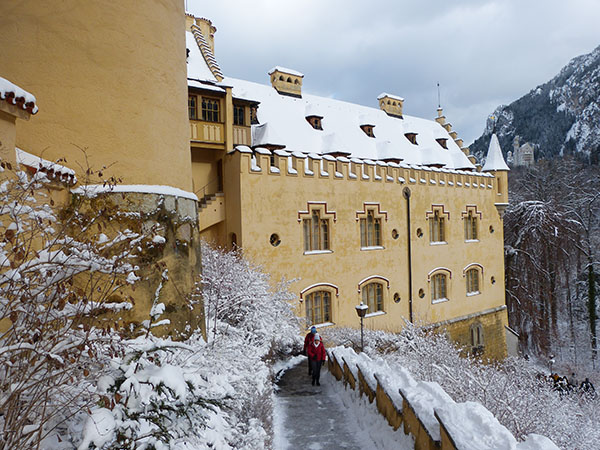
We had to climb up a set of stairs on the way to the top of Hohenschwangau Castle, and these were snow-covered and slippery.

hohenschwangau07.jpg

The guided tour took us across to the rooms where we learned about some of the items within the rooms. In one room was a piano that Wagner played on as Ludwig was a fan of music and the arts. The room that Ludwig stayed in was transformmed so that it appeared that he could sleep under the stars, and some of the ceiling was fitted with orbs that could be lit and glow.

hohenschwangau08.jpg

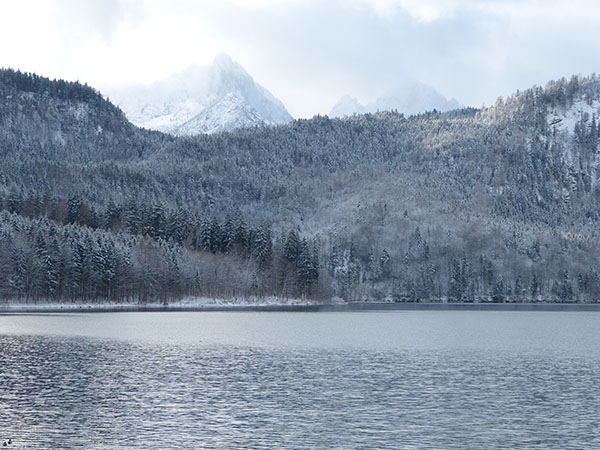
The views from the top of Hohenschwangau Castle are amazing, so we took these in after our guided tour. We then had to walk down, but we opted not to walk down the stairs this time as they were too slippery and I saw placed where people had fallen. We decided to walk down via the road, which was virtually slip-free and had nice views of the lake and castle.

hohenschwangau09.jpg

hohenschwangau10.jpg

hohenschwangau11.jpg

hohenschwangau12.jpg

hohenschwangau13.jpg

This is a beautiful castle. Keep checking back for my review of Newschwanstein Castle next door.

  1 2 3 4 5 6 7 8 9 10 11 12 13 14 15 16 17 18 19 20 21 22 23 24 25 26 27 28 29 30 31 32 33 34 35 36 37 38 39 40 41  

Archives

Recent Comments

  • jenn: Thank you. read more
  • Murge: Amazing post. read more
  • Herbert: good post. site read more
  • Frank Quake: Hey, This is great when you said that I had read more
  • Chappy: You mention peptides here? I have had first hand experience read more
  • jenn: Thanks! I love the work. I have got more recent read more
  • Fanakapan: Thanks for the write up. This was some of my read more
  • jenn: Yes.... but that's only for the islands. Mostar and Montenegro read more
  • jenn: Hello, the code is not mine to hand out. I'll read more
  • pantich: More info about the best day trips from Dubrovnik can read more
OpenID accepted here Learn more about OpenID