Results matching “paint”

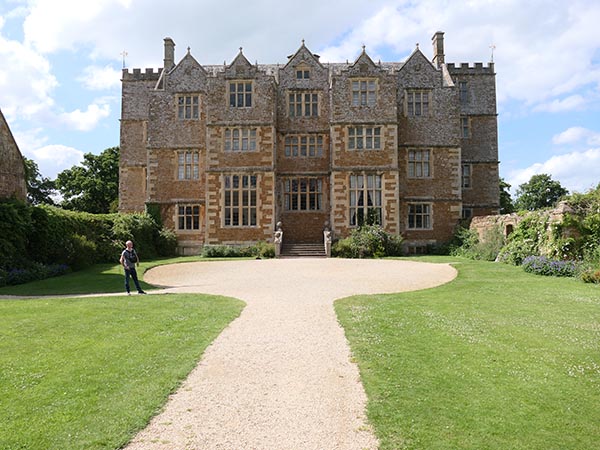
Chastleton House, located in Oxfordshire, is a Jacobean manor built at the beginning of the 1600s from local Cotswold stone. The house has an interior courtyard known as Dairy Court. It played a famous part in the Civil War as the wife of the home drugged Roundhead soldiers to save her husband who had been fighting in the battle at Worcester but escaped and rode back to the house after the side he was fighting on lost. He escaped while the drugged soldiers were sleeping.
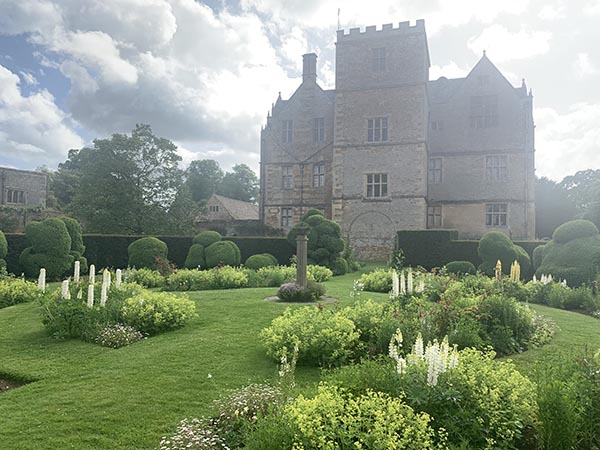
chastletonhouse

Visitors to the house can see it as it was left to the National Trust in 1991 with all of the items owned by the family also given to the National Trust and left on display. The family occupied the home for over 400 years with the last owner living in only a couple of the rooms, and the rooms were left untidy. The house remained largely uncared for with a lot of repairs needing to be made. The family generally did odd fixes themselves, but they largely left things as they were. They were more focused on the arts than keeping a clean and uncluttered home.
chastletonhouse

Another famous fact about Chastleton was that it is considered the birthplace of croquet in the mid-1800s.

The house is used as a filming location, and "Wolf Hall" was filmed at the property.
chastletonhouse

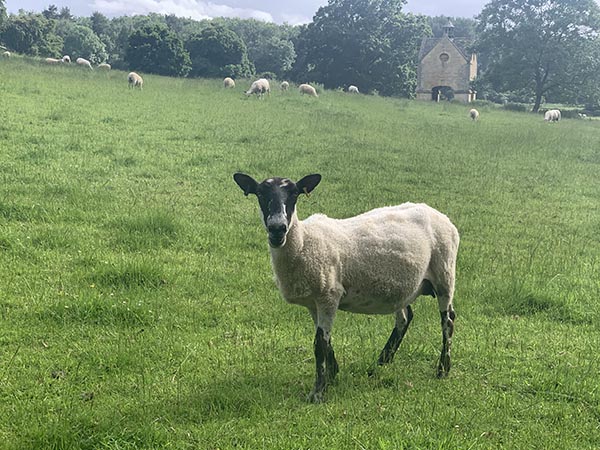
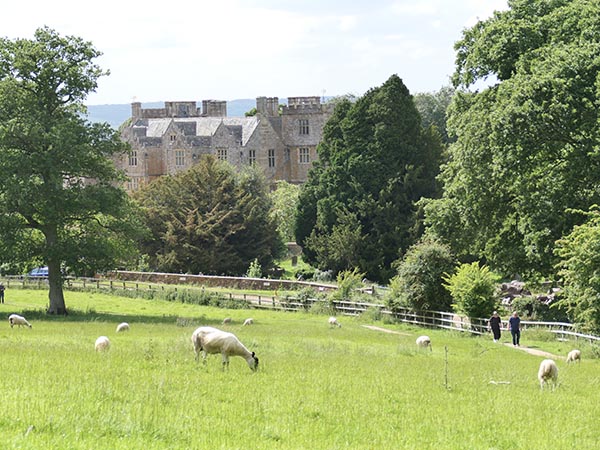
The house is accessed down a small hill where sheep were roaming. It is about a ten-minute walk to the house from the parking and visitor centre. 
chastletonhouse

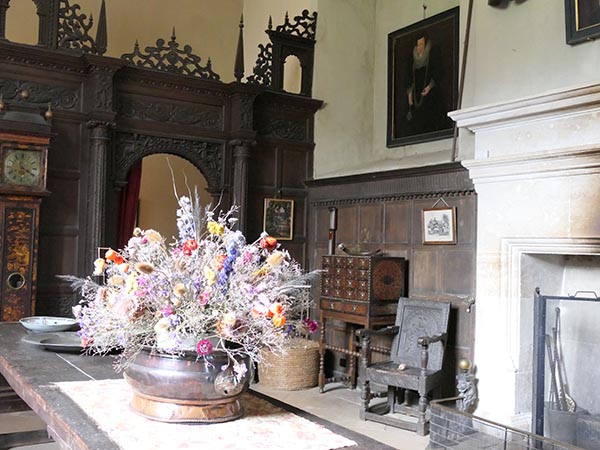
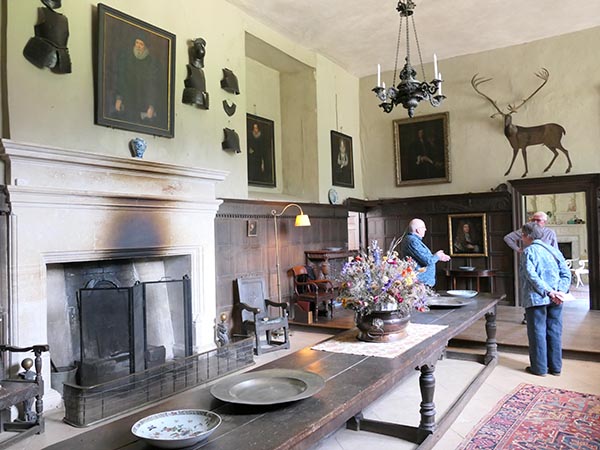
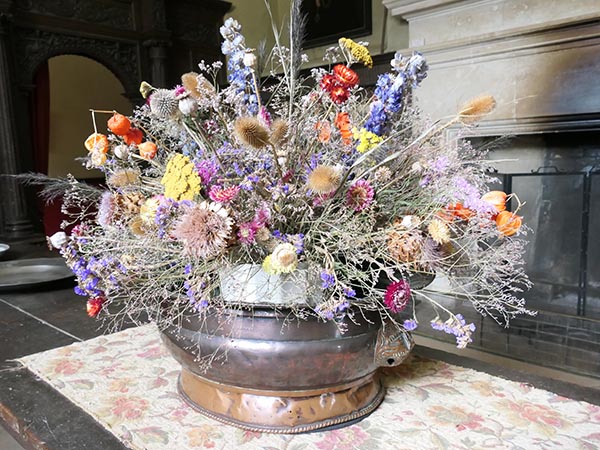
The first room was the great hall, and we were given a quick introduction to the house and its later occupants here.
chastletonhouse

chastletonhouse

chastletonhouse

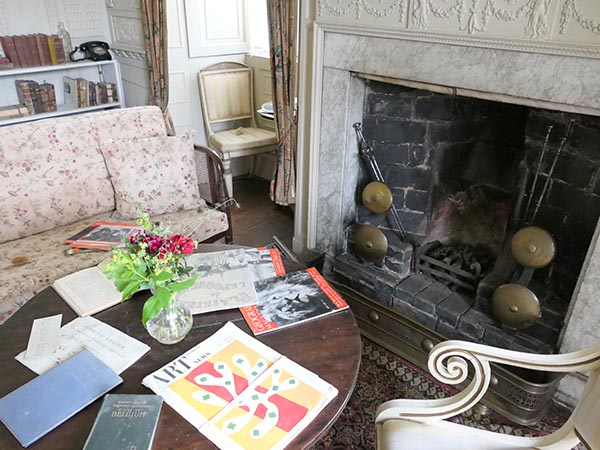
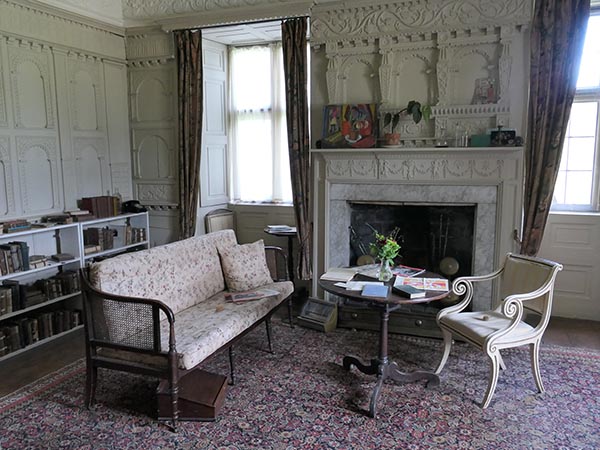
The White Parlour was a favourite of the rooms with a lot of natural light and garden views.
chastletonhouse

chastletonhouse

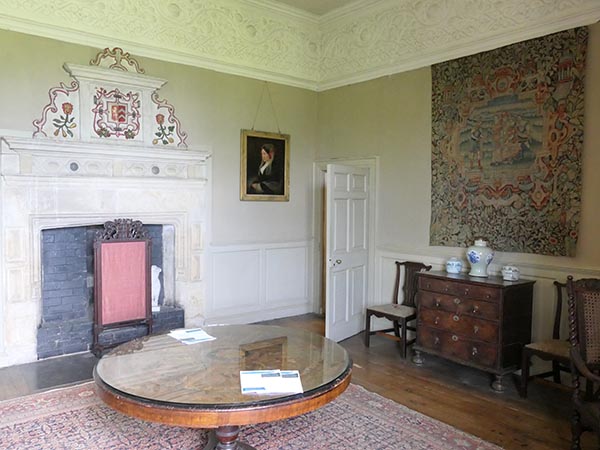
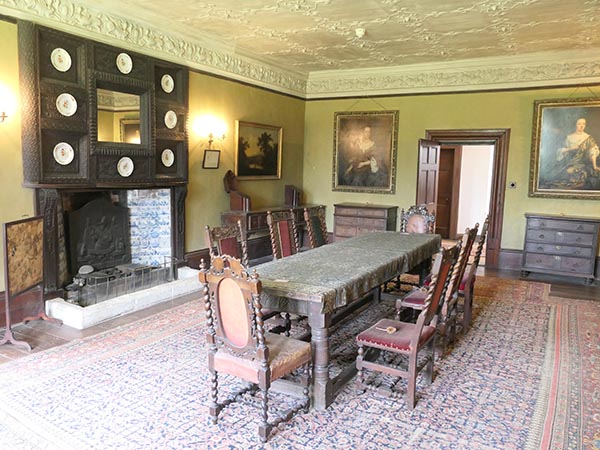
The Great Parlour was left primarily as it was without changing tastes as the family lost a lot of money in the Civil War. There is a tapestry on the opposite wall that was made in Lille in France. 
chastletonhouse

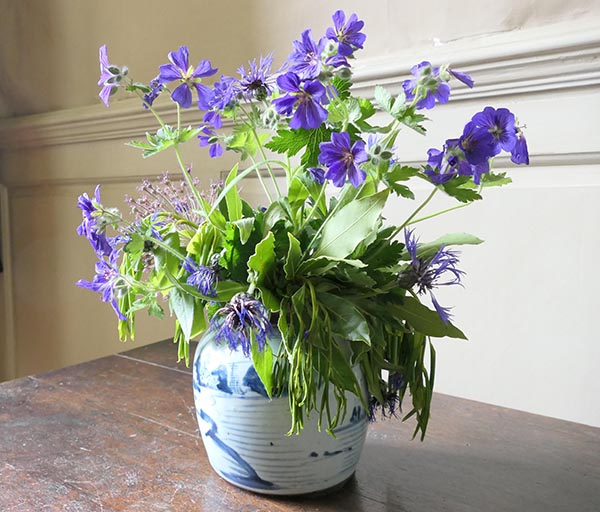
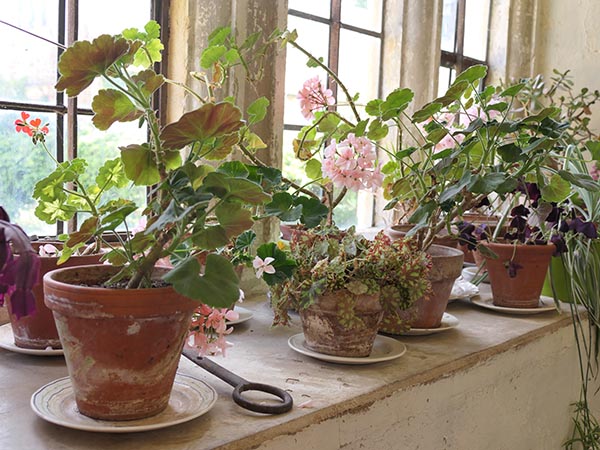
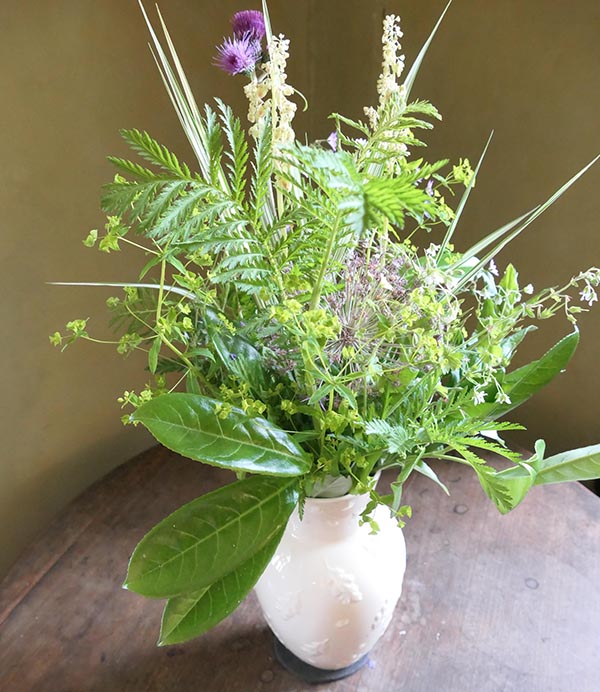
I enjoyed the nice touch of freshly cut flowers in many of the rooms, and there were also a lot of house plants on display in various rooms, particularly in the hallways.
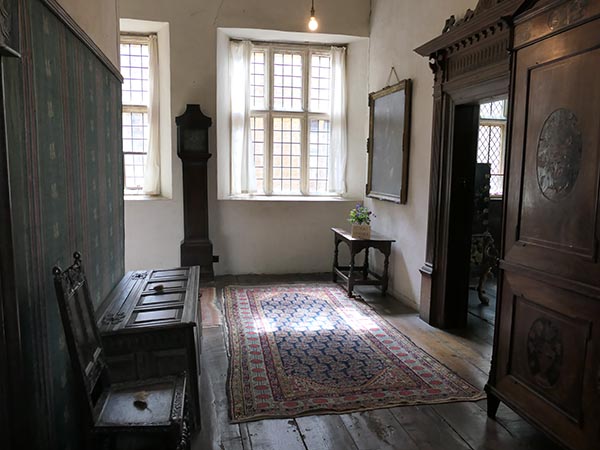
chastletonhouse

chastletonhouse

chastletonhouse

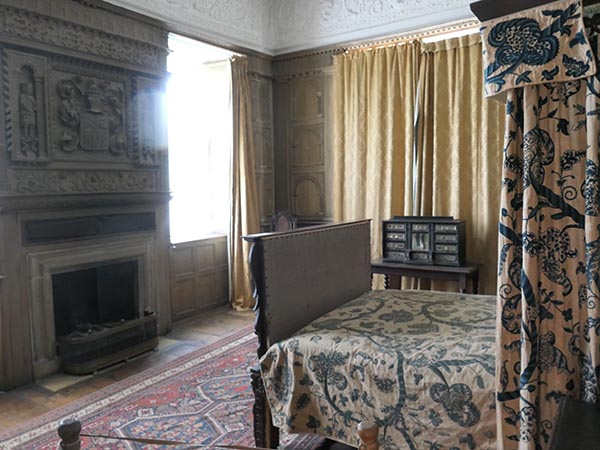
The Great Chamber was one of the most impressive rooms and left largely untouched. Tourists would come to visit the house before the National Trust acquired it. The carved paneling has a row of imagery depicting religious figures from Christianity and from the Classics along all walls.
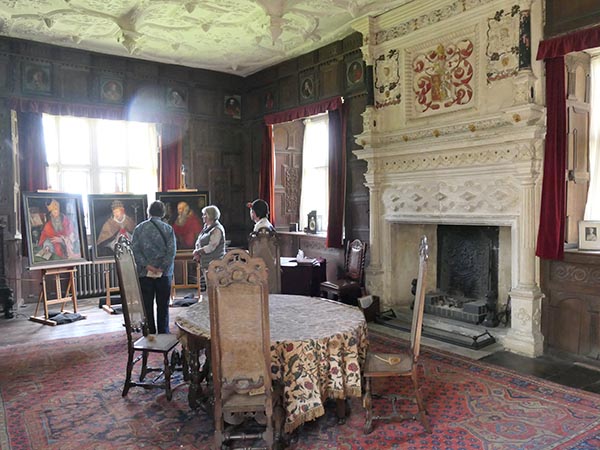
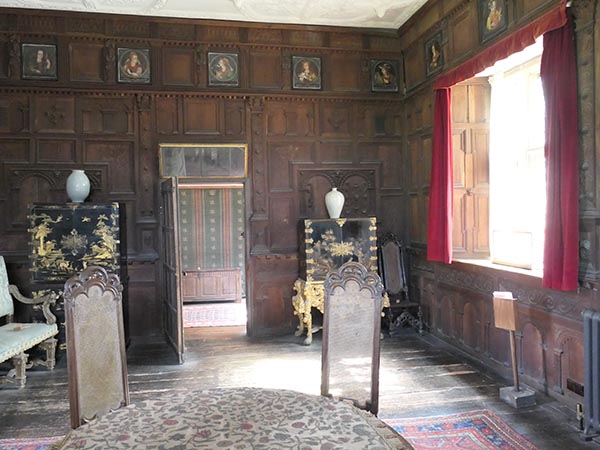
chastletonhouse

chastletonhouse

chastletonhouse

chastletonhouse

chastletonhouse

chastletonhouse

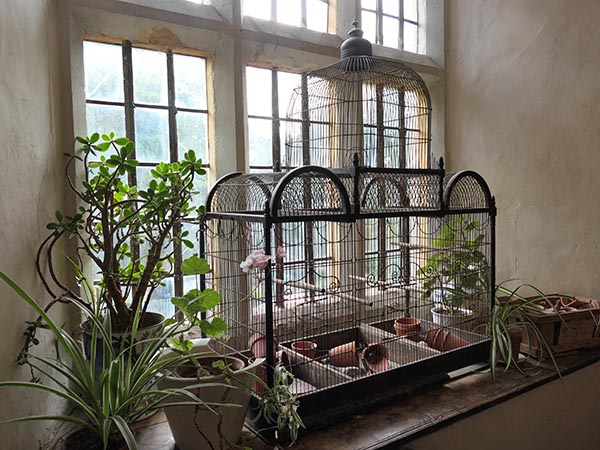
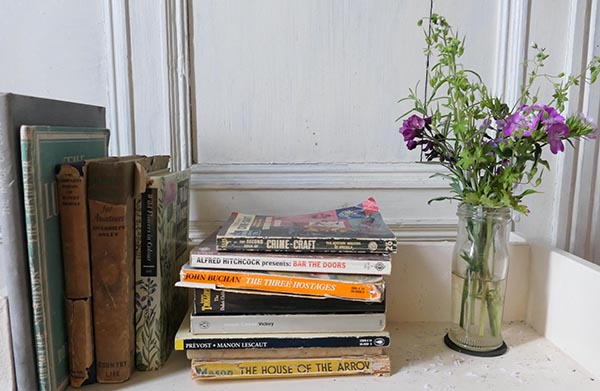
Sheldon Room was another room that was lived in by the last owner and her twenty cats and one parrot. The tapestries helped to keep the heat in. Saucers of milk were left near the fireplace for the cats, and you can see where the boards are stained.
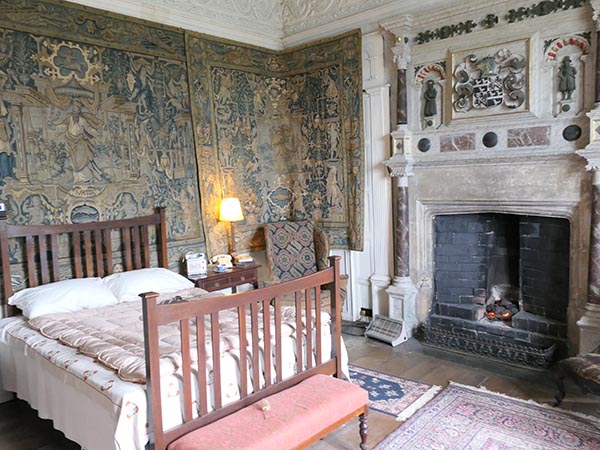
chastletonhouse

chastletonhouse

You can see the stained floor near the leg chair below.

chastletonhouse

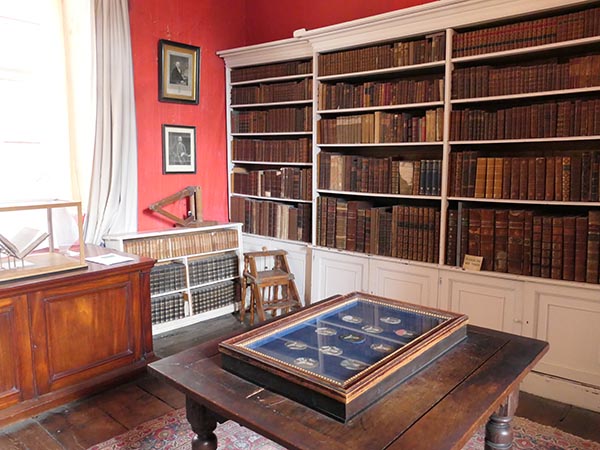
The library housed a collection of books that country houses often had - from legal books to setting up tenants and then general history books. We were told that some of the books contain cat claw marks. On the table at the back is an important bible that is said to be read to King Charles I before his execution. In the table in front are a collection of a series depicting the king's life from younger days to his execution.
chastletonhouse

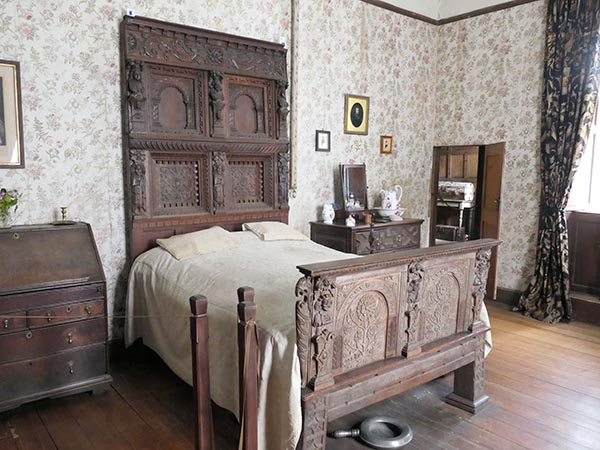
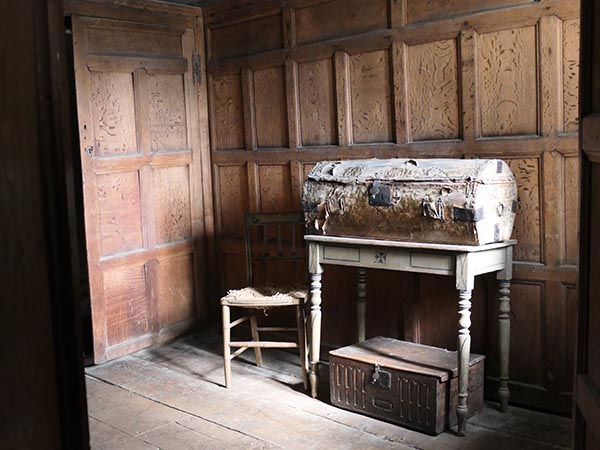
Another of the rooms that the last owner would show to tourists is the Cavalier Room, pictured below. It has since been wallpapered, but the back doorway is where Arthur Jones hid when he was followed after the defeat at the battle of Worcester. The Roundheads followed him, thinking he was the king. He hid inside the room, and with the help of his wife, Sarah, he out-smarted them. She fed them alcohol that made them tired, and he escaped. 
chastletonhouse

chastletonhouse

Today, the little room contains a trunk. It is called a "trunk" because it was made from a hollowed-out log, fastened together with hinges.
chastletonhouse

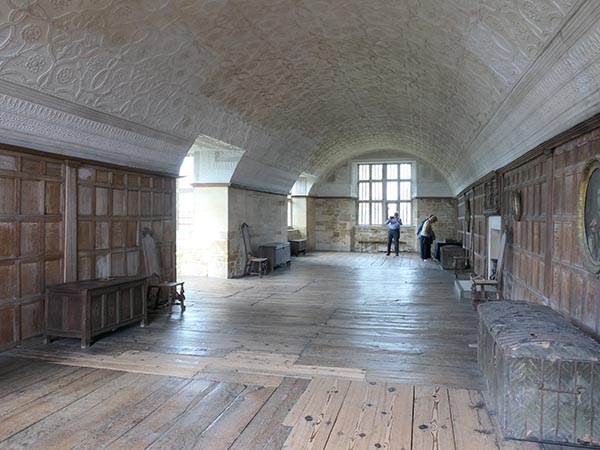
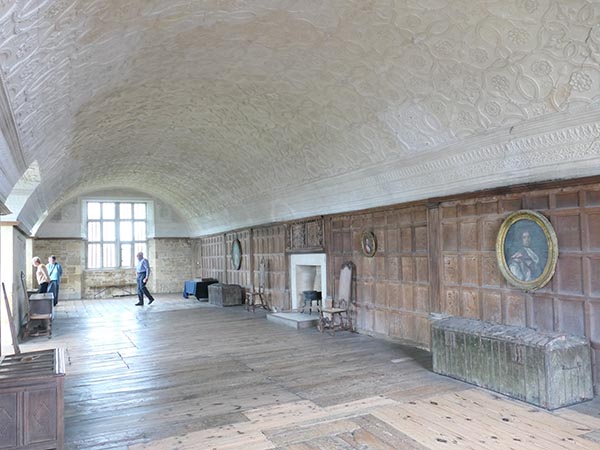
The Long Gallery would have been used for exercise, balls, and to display portraits. At the back of the gallery is a cabinet filled with items discovered under the floorboards. these items were mainly toys because this is where the children would come to play. The Long Gallery is important because it is the longest one with a barrel vaulting of its time that survives today.
chastletonhouse

chastletonhouse

chastletonhouse

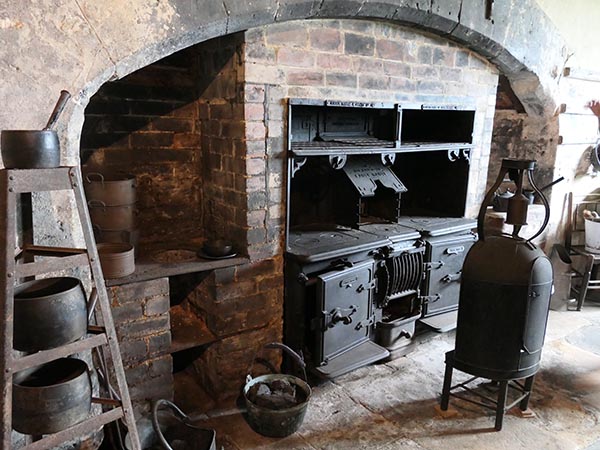
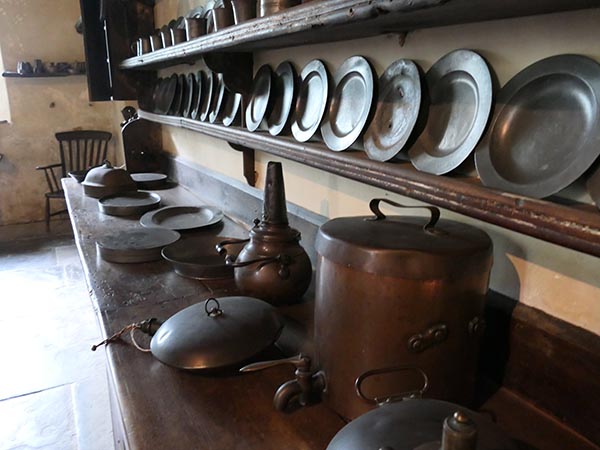
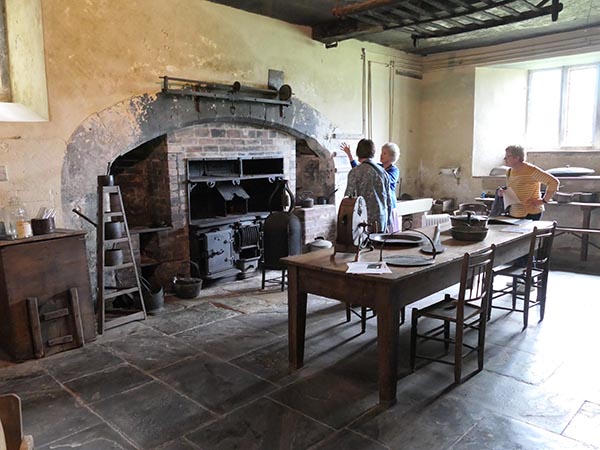
The kitchen was left largely untouched. It was never painted because the family believed it would bring bad luck.
chastletonhouse

chastletonhouse

chastletonhouse

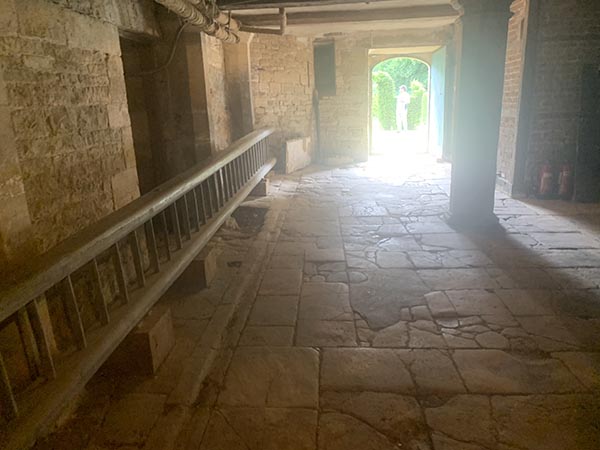
Through the kitchen is a storeroom and stables with a long ladder that can reach the roof of the house.
chastletonhouse

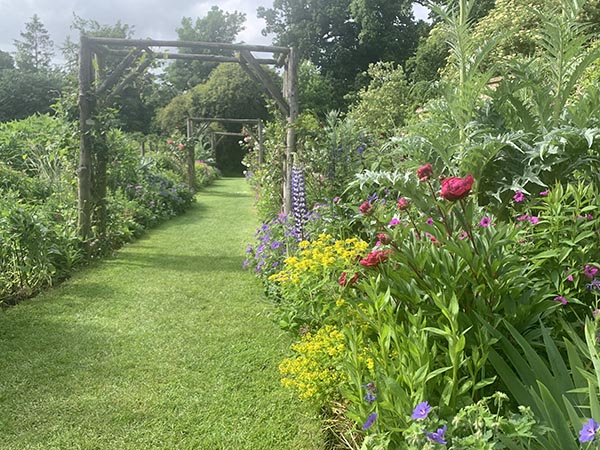
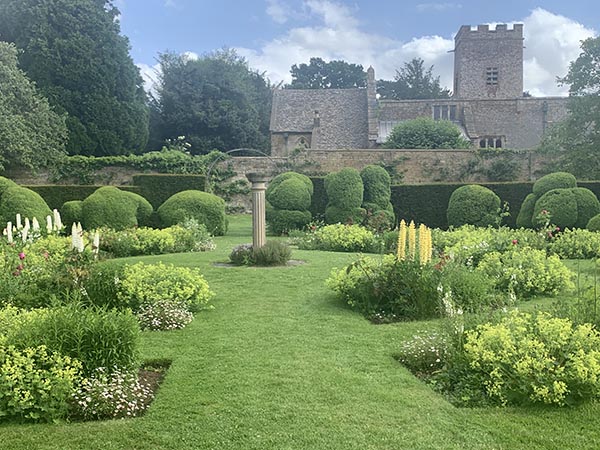
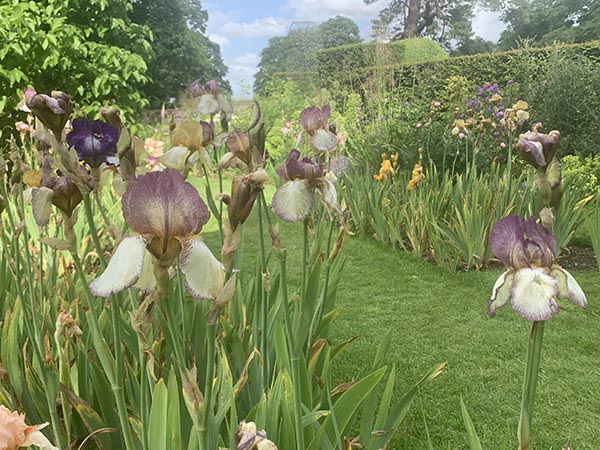
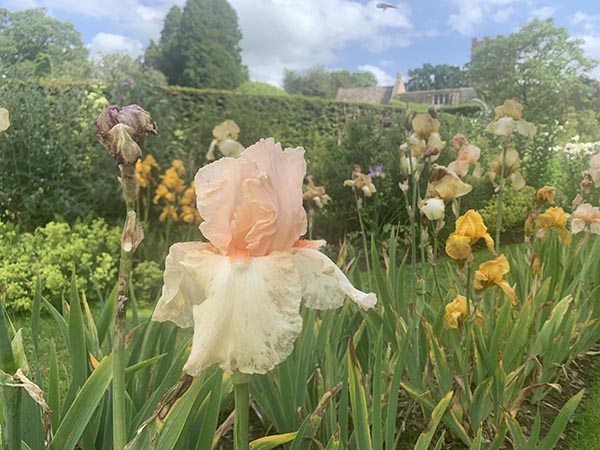
From this door, visitors can access the gardens. There is a small kitchen garden and more formal gardens with some parkland. The iris flowers were in full bloom.
chastletonhouse

chastletonhouse

chastletonhouse

chastletonhouse

chastletonhouse

After visiting the house, I had a walk back up the hill with the sheep next to me.

chastletonhouse

chastletonhouse

That concludes my visit to Chastleton House.
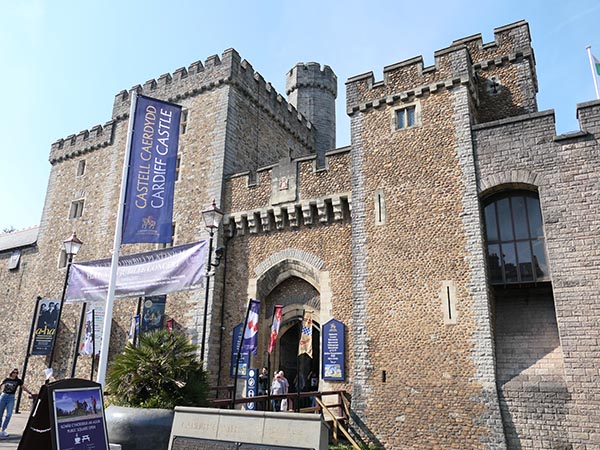
An Afternoon at Cardiff Castle (Cardiff, Wales)

Over a warm and sunny Easter weekend, I visited Cardiff Castle along with many others who were out and making the most of the sunshine. This was my first visit to Cardiff Castle, and there are a few things to see here: the old medieval castle tower, the state rooms, the wall walk, and the air raid shelter. More information about each is included below with photographs of my visit.
cardiff-castle

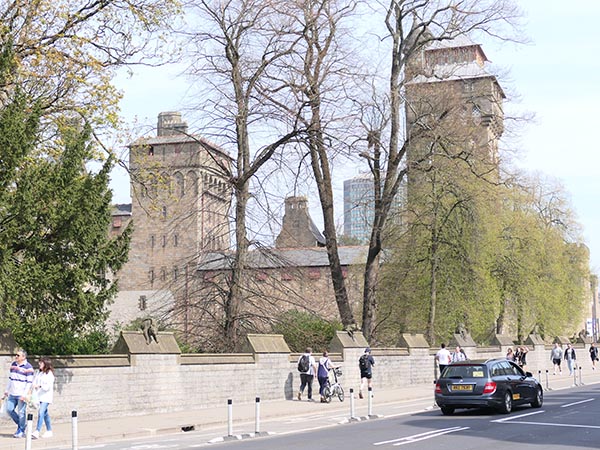
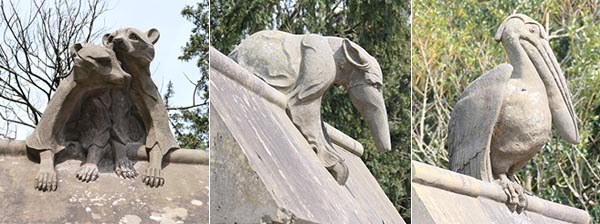
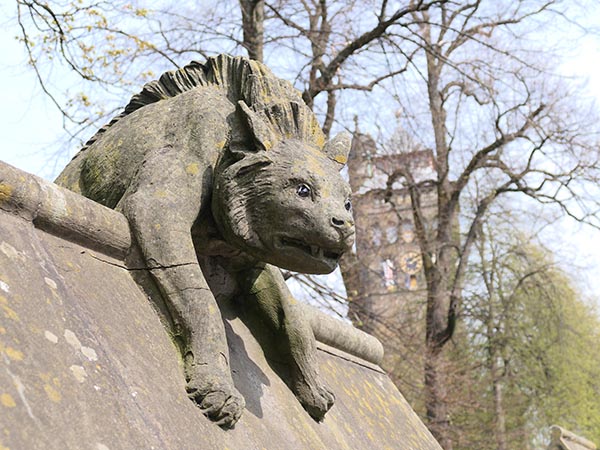
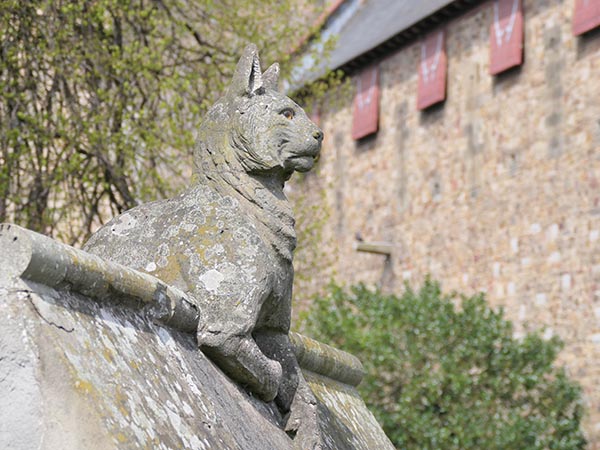
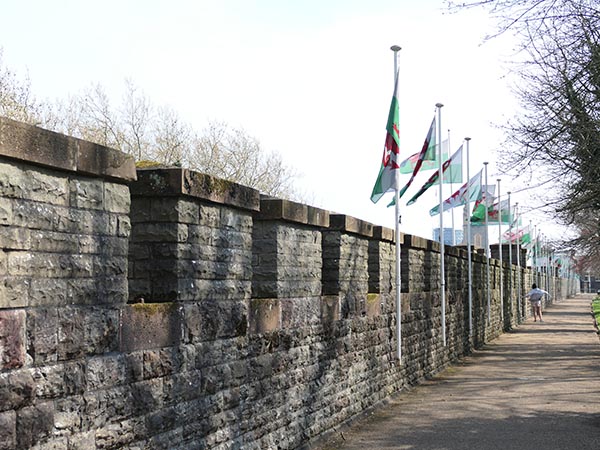
Before we actually get into the castle, look at that amazing view of the castle from outside the old walls. The wall itself is a tourist attraction in its own right. It is known as the Animal Wall as a different species of animal sculpture is perched on top of the wall. The wall was constructed in the late 1800s by William Burges for the owner of the castle (and other homes in the area), Marquees of Bute. Burges did not live to see the sculptures, but all of the ones placed were approved by Bute. The wall itself was moved after World War I as the street outside had become very busy. 
cardiff-castle

The animals have inspired some artistic works too, so they are quite famous! Here are the list of animals: pelican, anteater, raccoons, leopard, beaver, vulture, hyena, wolf, baboons, sea lion, bear, lioness, lynx, and lions.

cardiff-castle

cardiff-castle

cardiff-castle

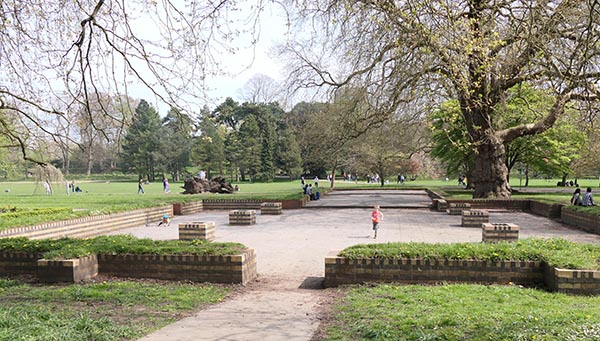
Before going through the castle gate, I had a quick wander into the park - Bute Park - next to the castle. 

cardiff-castle

Inside the park and close to the river is Blackfriar's priory - or rather, the remains of it. There are markings on the ground and small walls that mark out the blueprint of this medieval friary. It is thought to date from the mid-1200s and was of Dominican order.

cardiff-castle

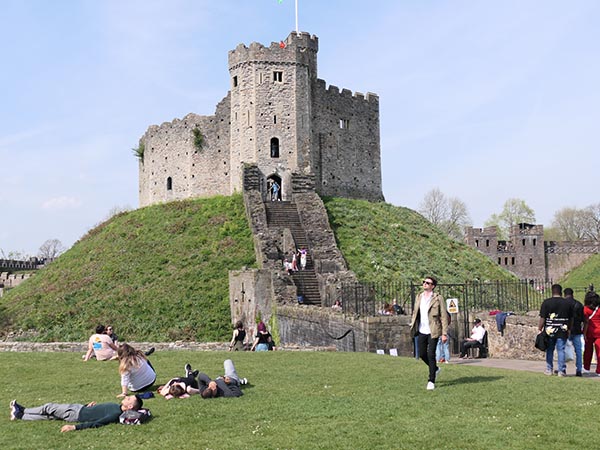
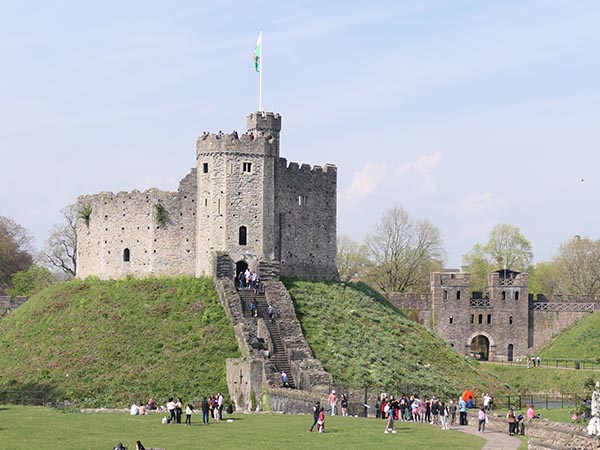
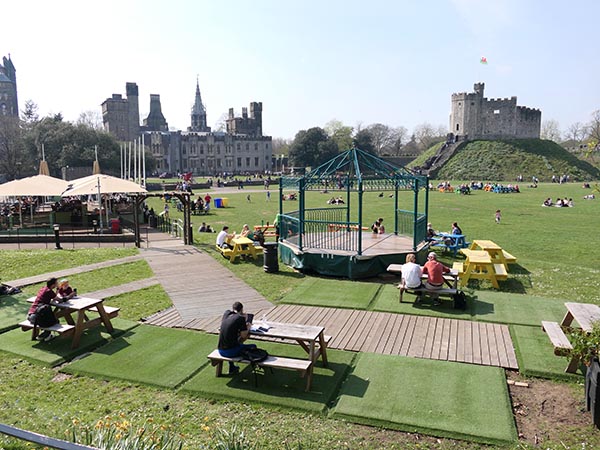
Now, to the castle. A red dragon greeted me with views over the gatehouse and medieval castle keep perched on a hill in the middle of the courtyard. I headed to the castle's modern rooms first.

cardiff-castle

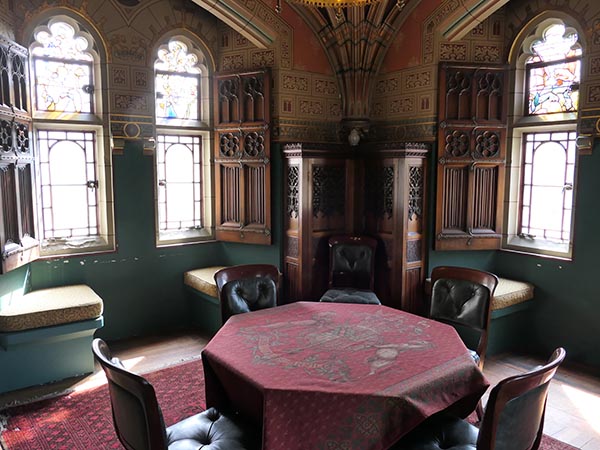
There was a little bit of a queue to enter as it was so busy, but I got to check out some of the rooms in the castle. However, I would suggest to do the castle as part of the guided tour because you seem to see more of the rooms than self-guided. There's only a handful of rooms open to visit if you're self-guided. The first little room was off to the side, and I'd describe it as a little nook.

cardiff-castle

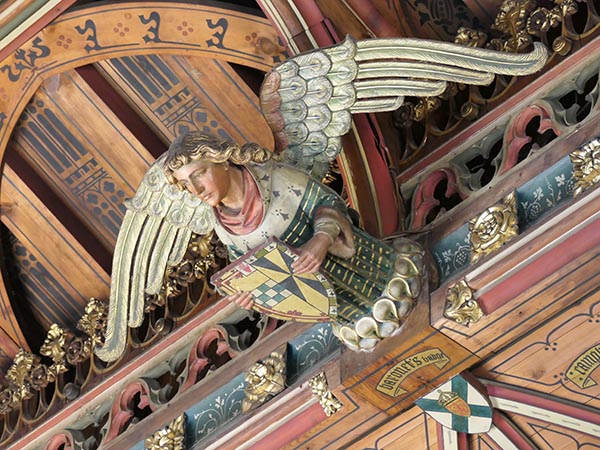
The house was built in the mid-1400s by Richard Beauchamp, and it was altered in following years before being rebuilt by Marquess of Bute. Most of the interiors seen date from the mid-1800s. Bute wanted the interiors to be decorated in the medieval style.

cardiff-castle

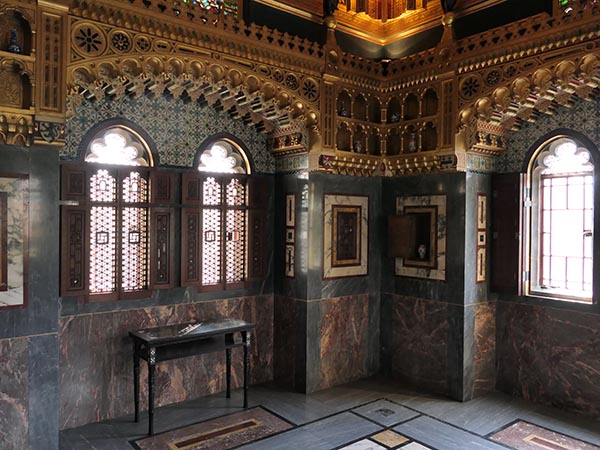
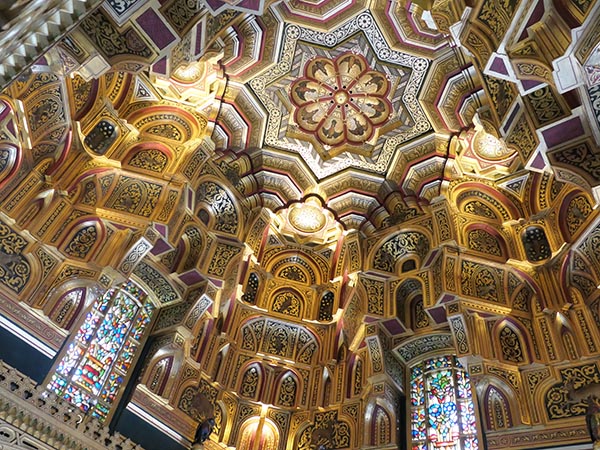
One of the most lavish rooms is the room inspired by Morocco. It's a beautiful room with high ceilings, gilded in gold, and with a beautiful glow.

cardiff-castle

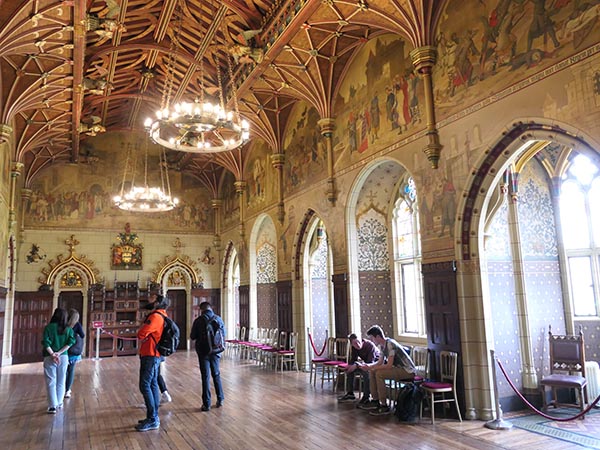
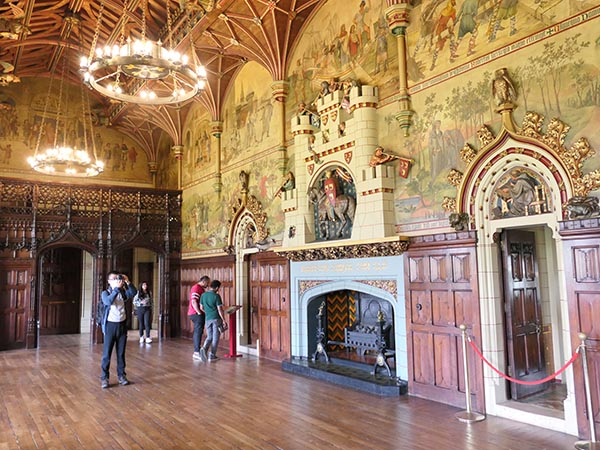
The Great Hall was also a lavishly-decorated room.

cardiff-castle

cardiff-castle

cardiff-castle

The dining room is a more intimate room used by the family. It has biblical scenes.

cardiff-castle

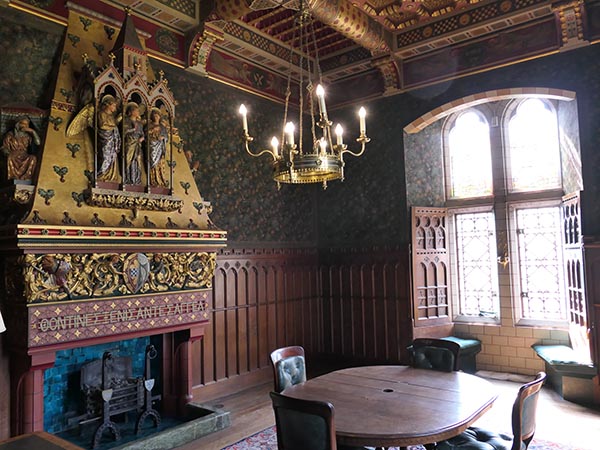
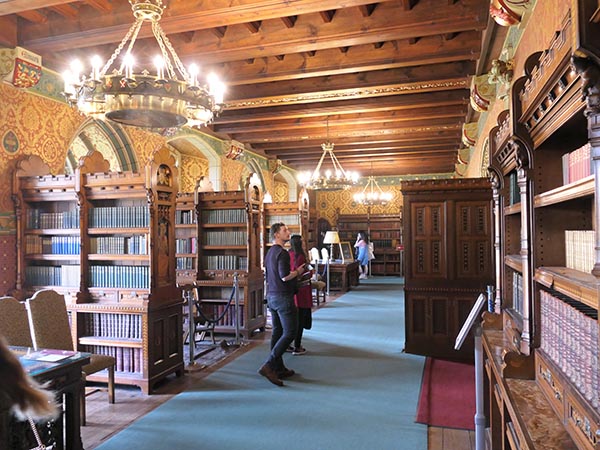
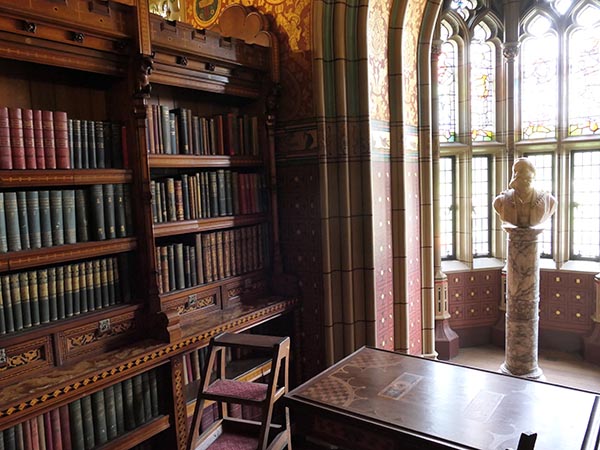
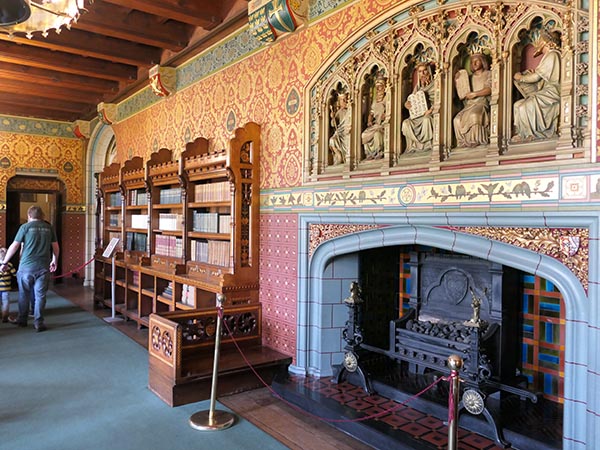
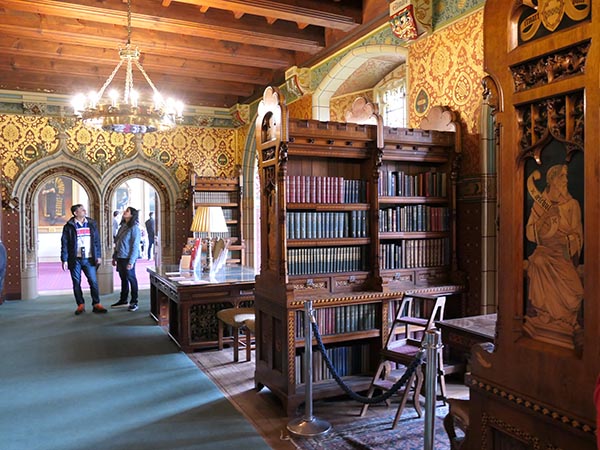
After entering the dining room, the next room is the Drawing Room. It mainly consisted of paintings and furnishings, but these were removed with the castle was given to Cardiff. Now, the room looks bare. So, I headed to the library room next. It was another beautiful room.

cardiff-castle

cardiff-castle

cardiff-castle

cardiff-castle

After completing the castle tour, I decided to go to the keep next. This is up a very street flight of stairs, and you have to wait for anyone coming the opposite way (down the stairs) first as it can only accommodate one direction at a time. It was a bit of a wait.

cardiff-castle

Look how steep that is...

cardiff-castle

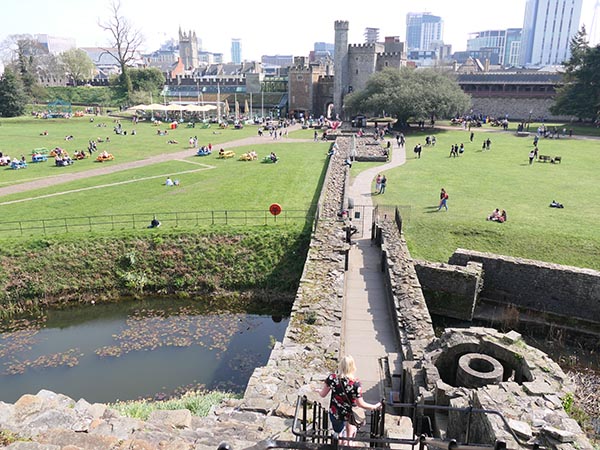
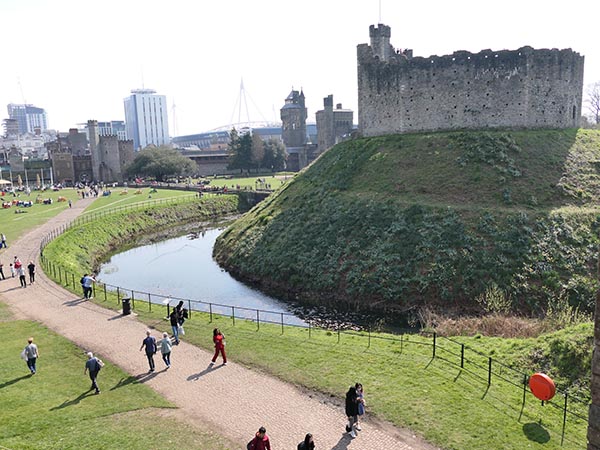
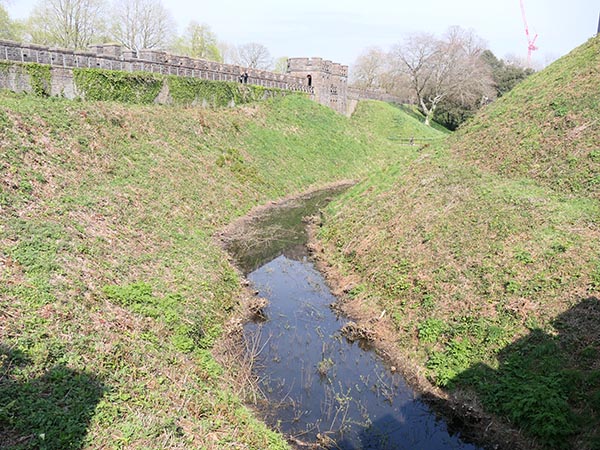
Climbing up, I managed to get some photographs. The keep is surrounded by a moat.

cardiff-castle

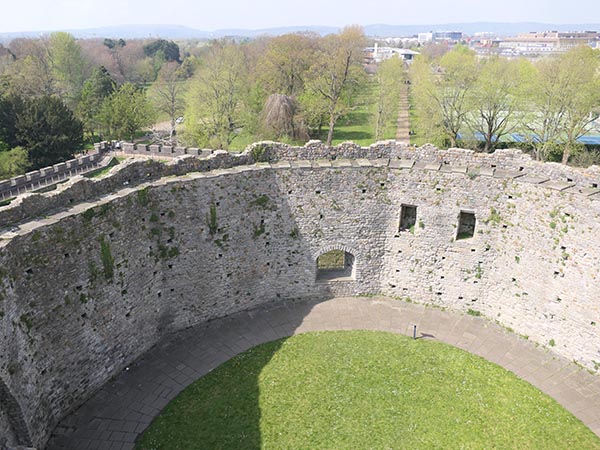
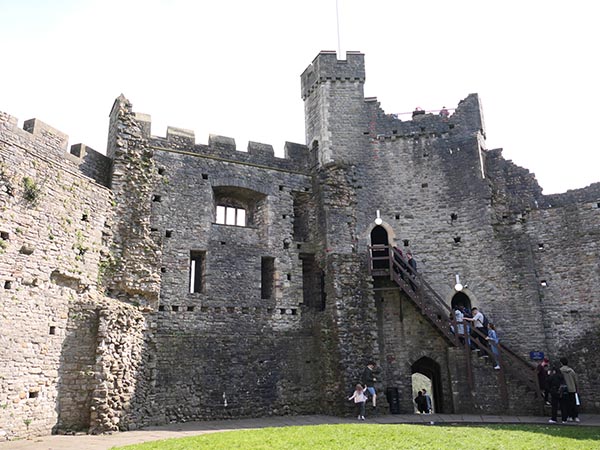
Once at the top and inside the keep, there was a set of stairs to look over the keep. The keep is the oldest part of the castle and dates to the 1000s; the timber structure was replaced with the stone keep you see today in the 1130s. The building was actually never completed, but it housed other buildings inside.

cardiff-castle

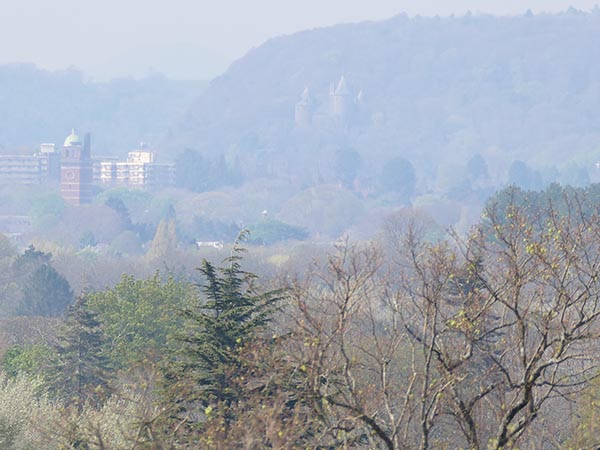
On a clear day, you can see for miles. I could see Castle Coch in the distance, although it was a little hazey.

cardiff-castle

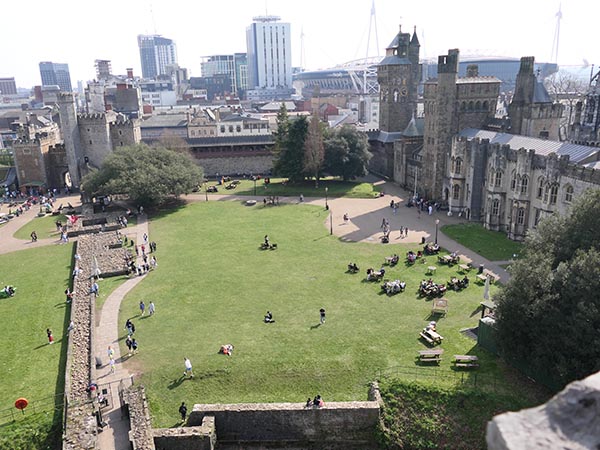
Looking into the castle, the modern rooms are on the right.

cardiff-castle

cardiff-castle

cardiff-castle

cardiff-castle

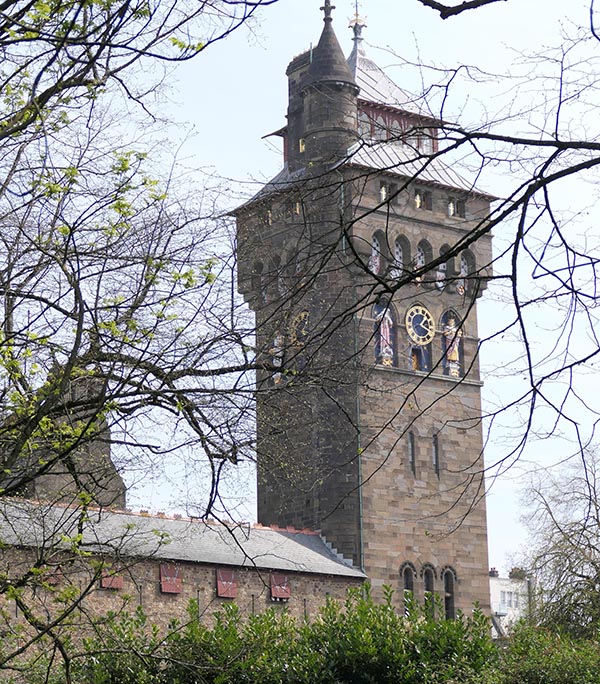
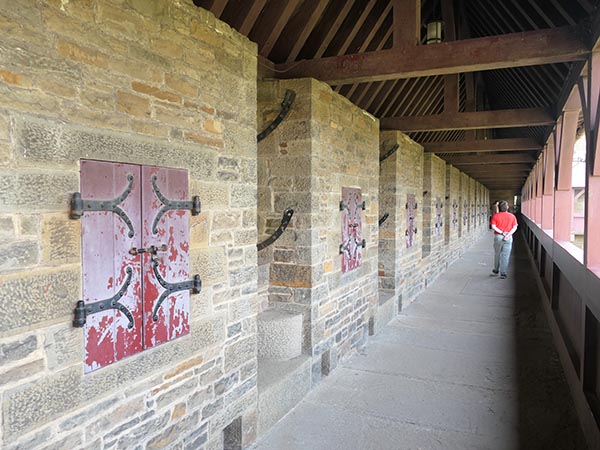
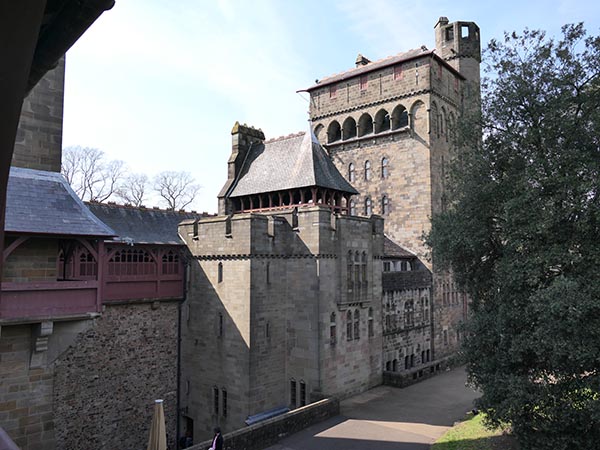
I had a wander around the walls where the clocktower is located. The guided tours get to visit the beautiful clock tower, but self-guided tours are not allowed to enter. It was built in the late-1800s.

cardiff-castle

cardiff-castle

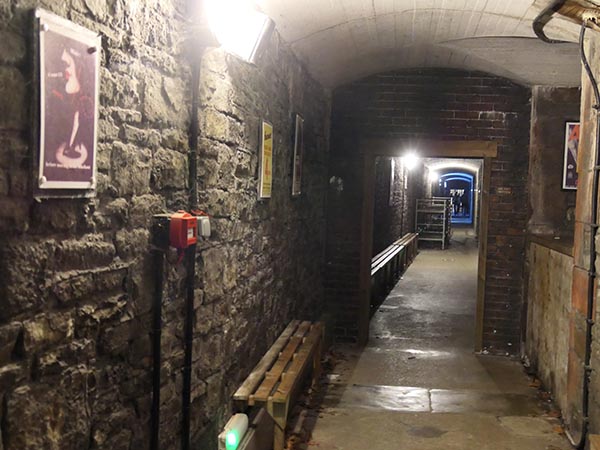
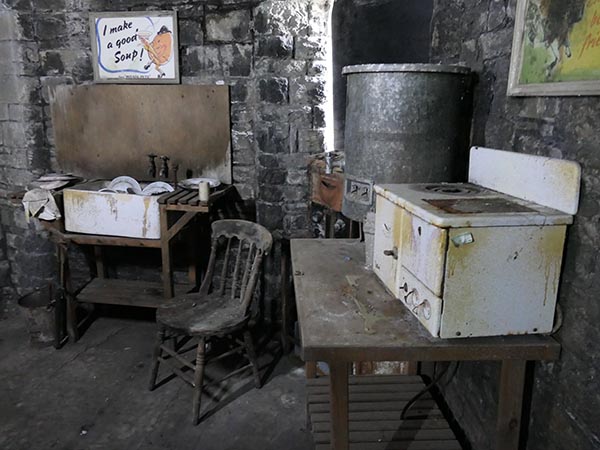
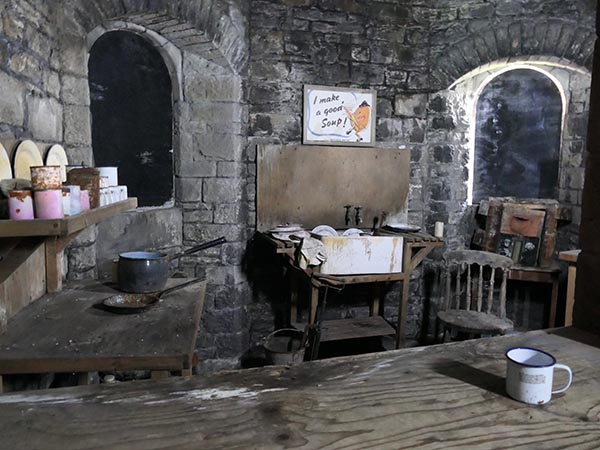
After visiting the part of the walls near the clock tower, I headed toward the other side of the grounds where there are more walls and the air raid shelters, which are known as the Castle Wall Shelters. They were used as bomb shelters for civilians to go for safety.

cardiff-castle

The start of these tunnels included some World War II items, such as bed frames and posters and a little shop. There was some commentary about them, which was mainly just audio of planes, falling bombs, and sirens. The tunnels go on for awhile, and it does get a bit boring when turning the corner with the end of the commentary.

cardiff-castle

cardiff-castle

cardiff-castle

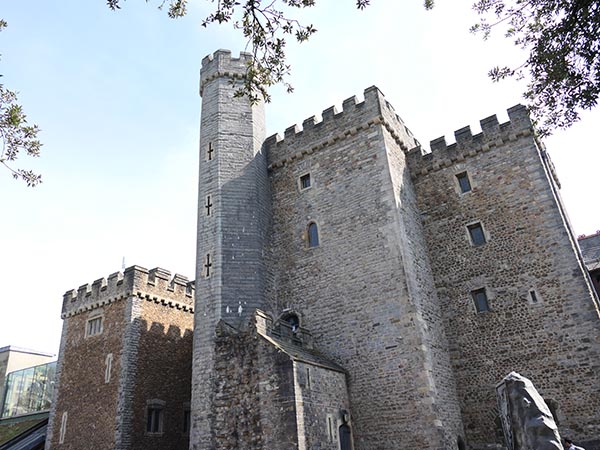
Once outside, we were at the gatehouse behind the keep.

cardiff-castle

I did backtrack a little bit on the walls above where the shelters were because I wanted to check out the walls. 

cardiff-castle

After walking the walls, that was the end of the tour!

cardiff-castle

Overall, it was a nice day out to see Cardiff Castle, though it would have been a nicer experience to visit when it was not as busy, and it would have been nice to see the other rooms of the castle that we missed. 

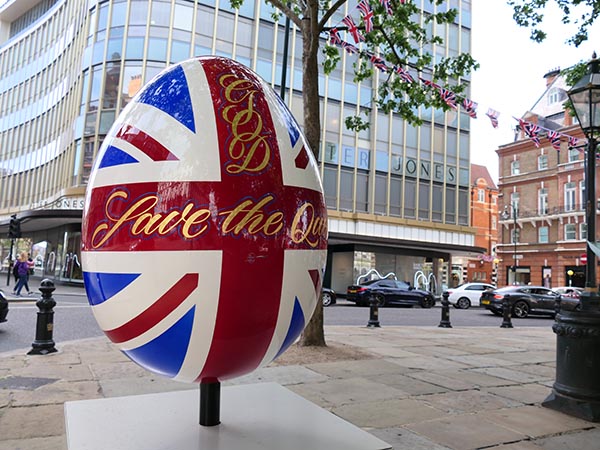
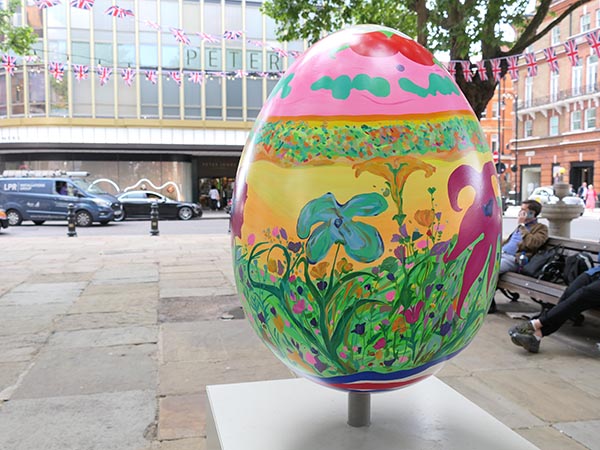
Eggs of an Era is an exhibition designed to honor the queen's Platinum Jubilee early next month. Seven large-scale eggs, which have been painted by various London artists, have been placed in the area around Sloane Square and Duke of York's Square. The eggs will be on display until the 12th of June, and each one represents a different decade of Elizabeth II's 70 decades as the queen. This exhibition is brought to us by Elephant Parade and Clarence Court Eggs, who orchestrated the Big Egg Hunt in 2012 and 2013 in London, a large sculpture trail across London and in Covent Garden. You can see some of my photographs and write-ups in links at the end of this post.

eggsofanera
70 by Simon Emery

In addition to celebrating the seven decades of Queen Elizabeth II, the sculptures hope to raise awareness of egg poaching and conservation of rare species of bird that have been harmed by egg collectors. The eggs will be auctioned off after being on display, and there are plans for a large Big Egg Hunt next year, so keep watching this space.

eggsofanera

eggsofanera

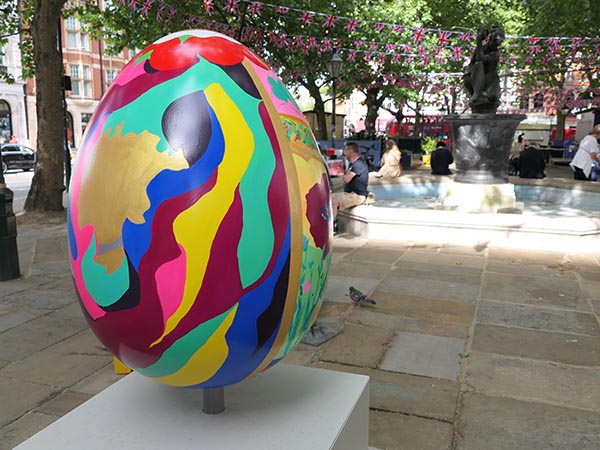
Garden of Joy by Ozlem Thompson

This egg represents the 1990s when the queen wore a striking dress for the Royal Variety Performance in 1999. The colours represent her style, the Tudor Rose, and Royal Parks. Both sides of the egg are slightly different in style and in design.

eggsofanera

70 by Simon Emery

The egg represents the 1970s and the Silver Jubilee of that year. The Union Jack flag and colours were displayed everywhere in clothing and flying on the streets. The type is very punk rock.

eggsofanera

eggsofanera

The Turquoise Egg by Tatiana Alida

This egg represents the 2010s and is inspired by the queen's determination and care. It is also inspired by the tranquil ocean and memories as well as hope. 

eggsofanera

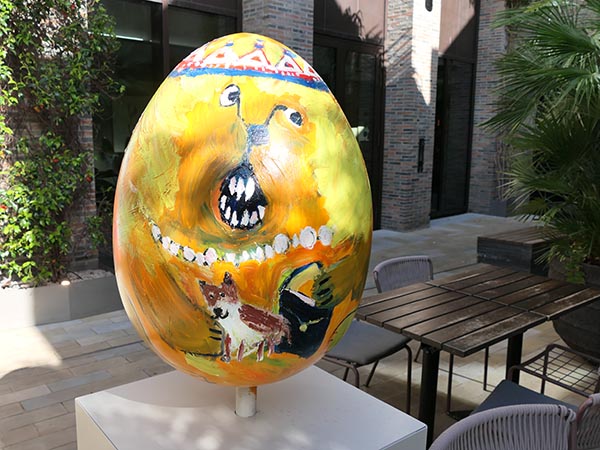
Queen of Happiness by Emily Powell

Inspired by the 1950s, this egg has the queen's corgi and a handbag. 

eggsofanera

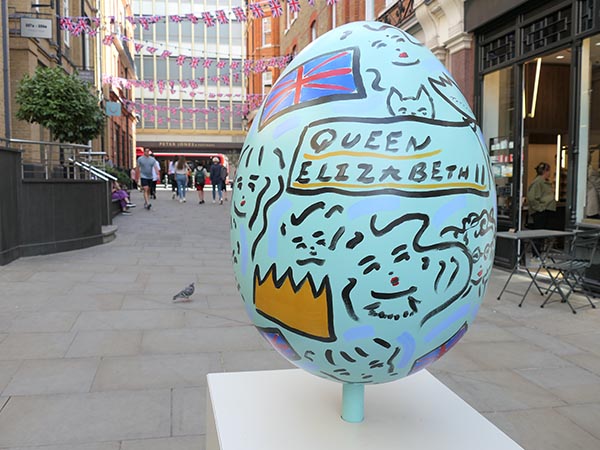
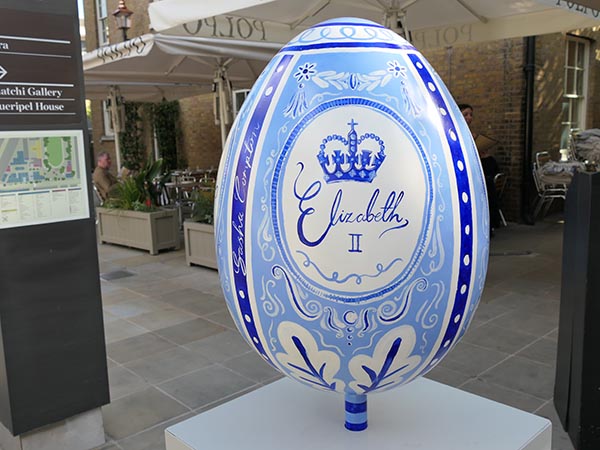
The Queen and Her Kings by Sasha Compton

This blue egg is depicted in traditional style, but it represents our current decade, the 2020s. The egg shows the names of future kings in royal blue with family heirs and tradition at its heart. 

eggsofanera

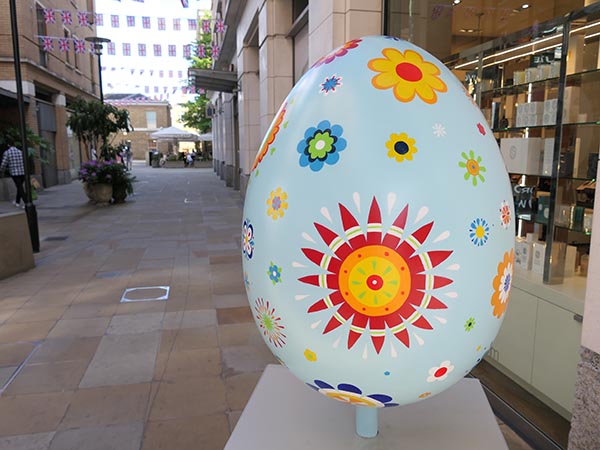
Flower Power by Rebecca Campbell 

The 1960s are represented in this floral egg. It was a time of peace and love with bold fashion statements. 

We only were given a small illustration of a map to locate the eggs, and some of them were not in the correct place according to that illustration. I could not locate one of the eggs at all, and I assume that it just had not been placed.

This final egg was Cocktail Hour by Patricia Mitchell. It depicts the 1980s with pop music and butterflies that signify hope. 

For more information about the Big Egg Hunt in 2012 and 2013, see the below posts:

Mr. Cenz's Recent Street Art Across London

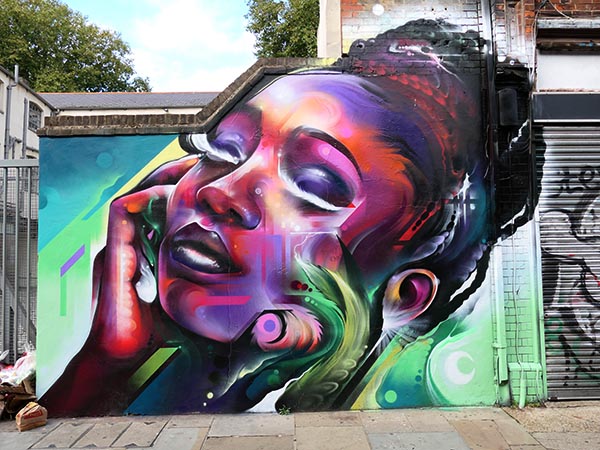
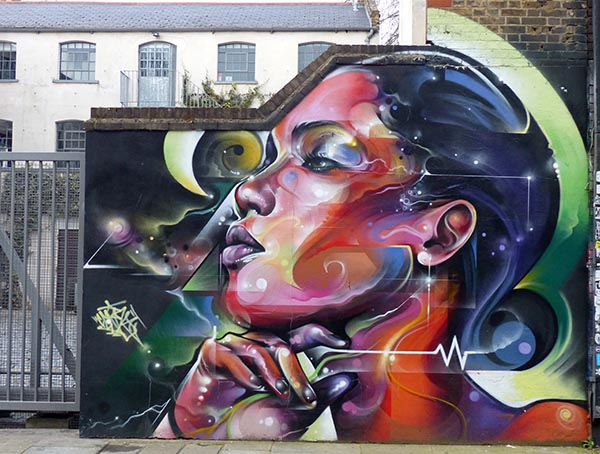
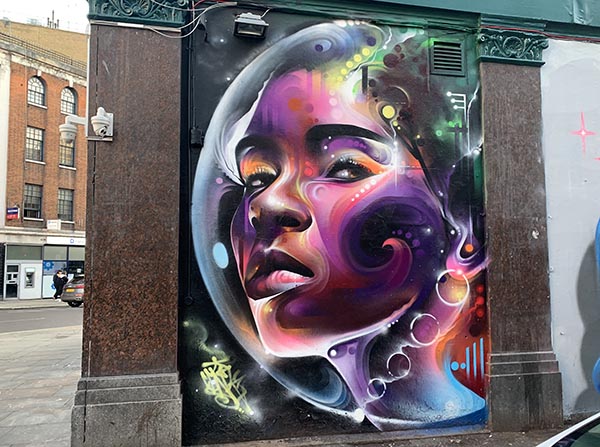
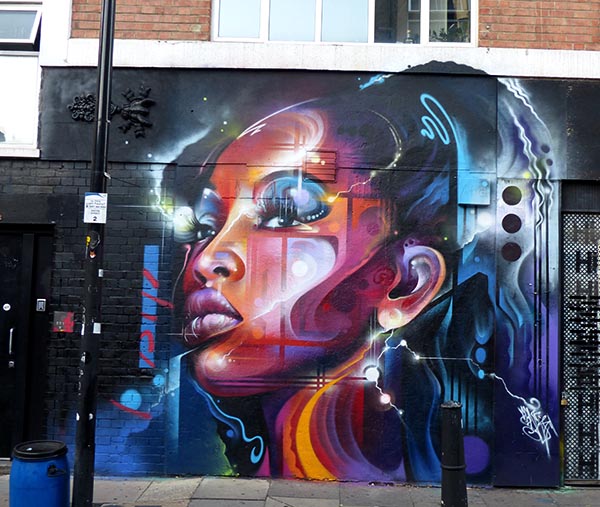
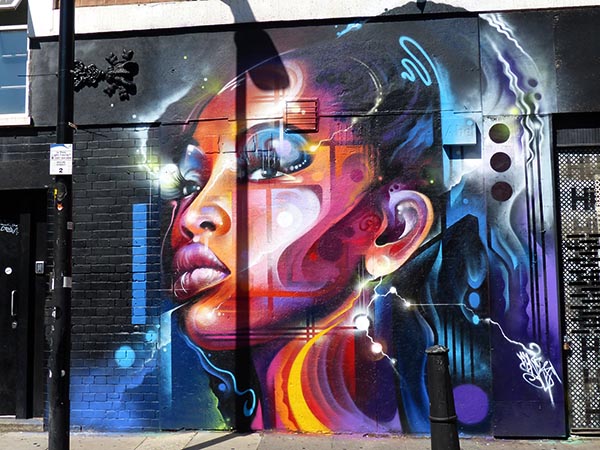
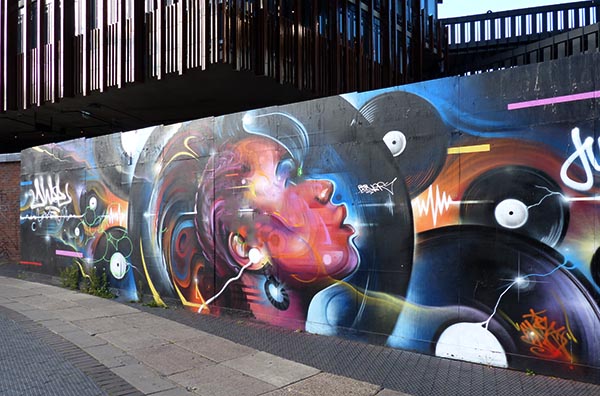
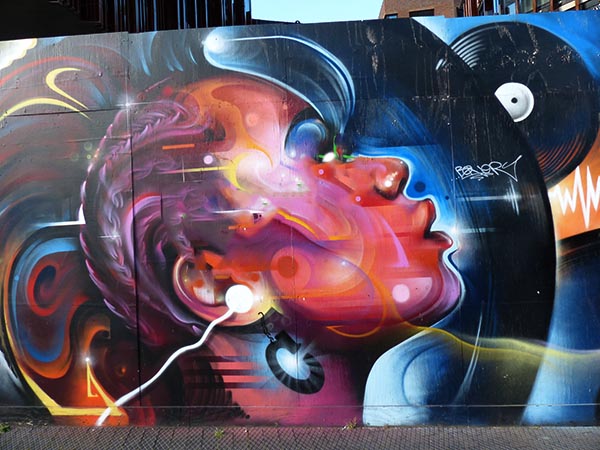
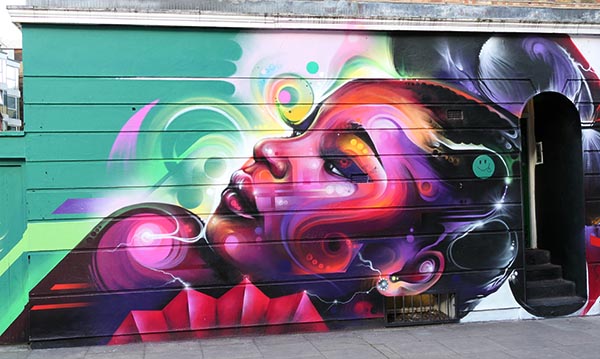
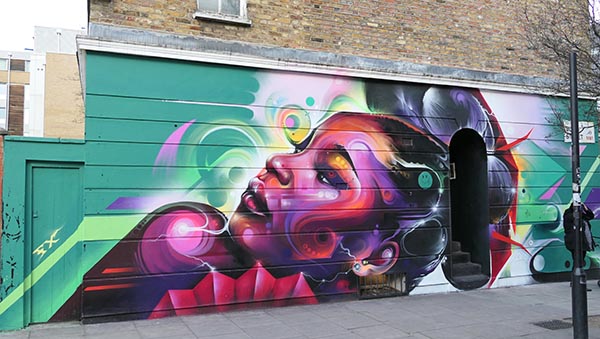
London-based Mr. Cenz has painted hundreds of murals across London, and his work primarily features portraits in a grafitti style, and a lot of his work appears to be futuristic. There are a couple of walls in east London that continuously contain Mr. Cenz' murals, and these are updated now and then. The most recent ones that I discovered by the artist were painted earlier this year in Camden.

mrcenz2022

mrcenz2022

The above wall on Fashion Street off Brick Lane always contains a mural by Mr. Cenz.

mrcenz2022

Another wall that keeps being reused by the artist is at Hoxton Square, and the following murals were in Camden.

mrcenz2022

mrcenz2022

mrcenz2022

mrcenz2022

mrcenz2022

mrcenz2022

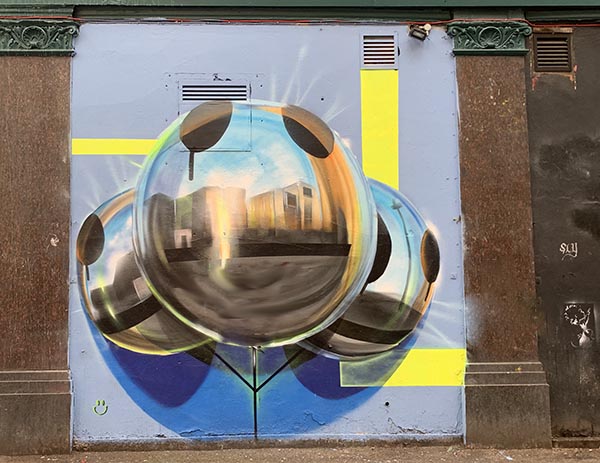
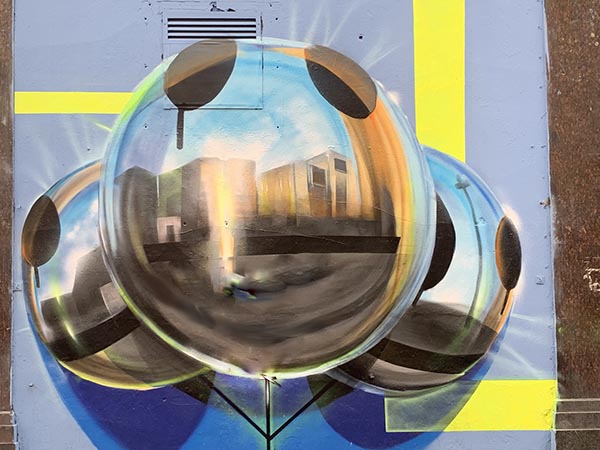
Fanakapan "No Words" Mural at Hoxton Square

One of the sections of walls at Hoxton Square has been a canvas for several of Fanakapan's work for the past two or three years now. Fanakapan is known for his work of foil balloons and chrome items, and he has perfected this technique over the past few years. (He previously painted colourful liquorish animals and balloon animals.) The chrome balloons often depict faces, and they always reflect an element of the scenery that they are painted in. The most recent mural is a tribute due to the war in Ukraine, and it is titled "No Words". The balloon faces appear to cry with a yellow and blue background, the colours on the Ukraine flag.

fanakapan2022-30.jpg

fanakapan2022-31.jpg

More artwork featuring Fanakapan can be discovered on my blog here:

Fanakapan Street Art Around East London
Fanakapan "Up Yours" Mural on Heneage Street

Fanakapan "BITER" Street Art on Pedley Street

Fanakapan Street Art Smiling Balloons
Fanakapan Paints "Hah" Laughing Gas on Pedley Street
Halloween Street Art by Fanakapan
Fanakapan Street Art on Mornington Crescent and Star Yard

Fanakapan Paints PacMan Pizza on Brick Lane and Other Street Art
Fanakapan Star Yard MagnaDonuts Mural
"Follow the Leader" by Fanakapan
Peace for Manchester

Fanakapan Paints Shoreditch Clowns

Chrome Balloon Dog in Star Yard

Fanakapan Paints "Power Tools" on Village Underground Wall

Fanakapan Paints "Drunk Glass Elephants"
Fanakapan, Horror Crew, & Jerry Rugg
Louis Masai and Fanakapan: "Freedom?"
New Chrome Street Art Mask by Fanakapan
Balloon Animal Street Art
Cranio & Fanakapan
Fanakapan and Horror Crew
Camden Street Art Self-Guided Trail
Halloween Street Art (2018 and 2019)
Cranio Returns to London in 2020 and Paints Brick Lane

The Fitzrovia Mural

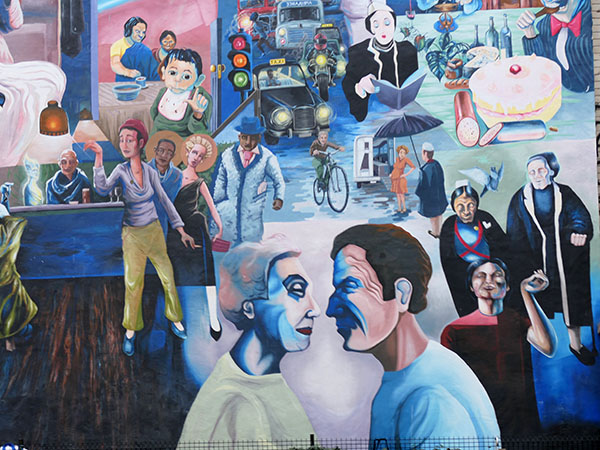
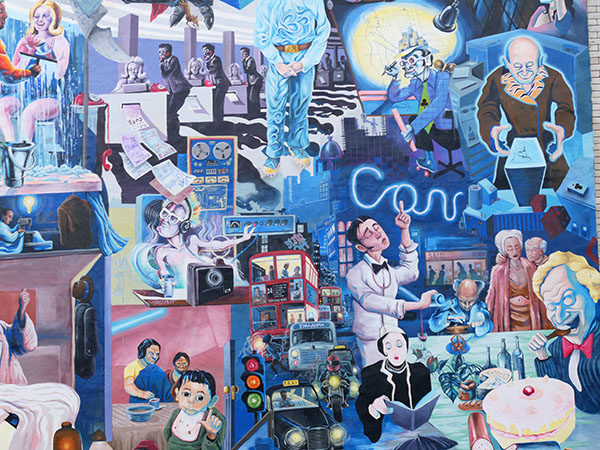
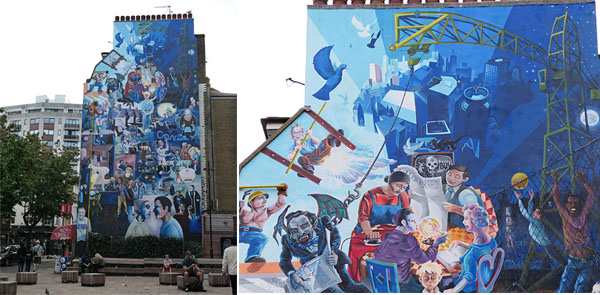
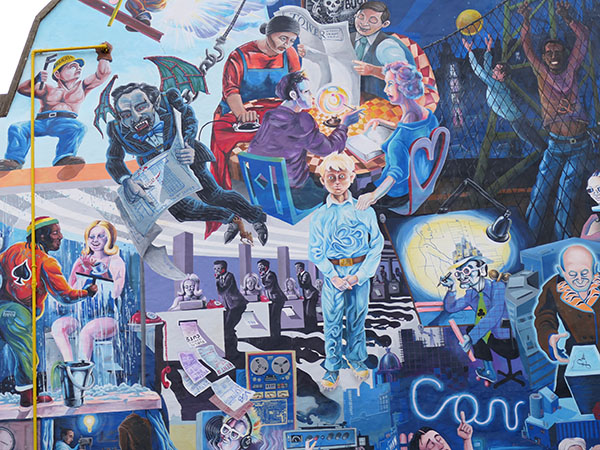
The very first street art that I discovered in London was the Fitzrovia Mural. When I moved to London to complete an internship through university, I ended up on Store Street around the corner from the mural. The mural is located on Tottenham Court Road, set back from the road on the side of a building. I've noticed it looking tired and tagged over by other grafitti over the years, but it's recently been restored.

fitzrovia-mural1.jpg

fitzrovia-mural2.jpg

fitzrovia-mural3.jpg

fitzrovia-mural4.jpg

The mural depicts the local community in 1980. Camden council got Mick Jones and Simon Barber to paint the council-owned building. Fitzrovia Neighbourhood Centre allowed local people to discuss items to put on the mural, and scenes of local life and portraits of local people were some of the items included. It took six months to complete the work.

Street Art: David Speed

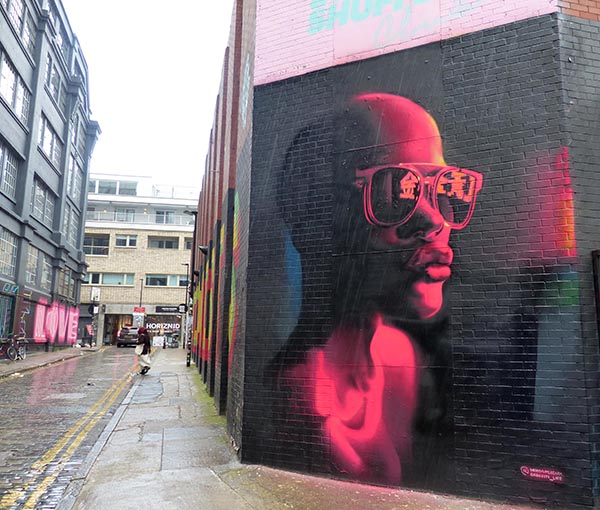
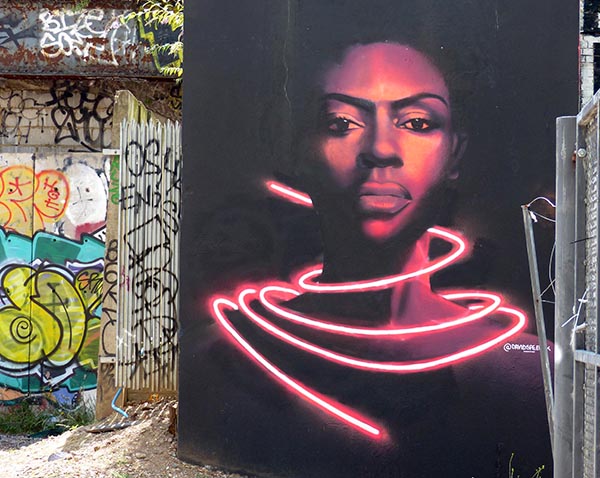
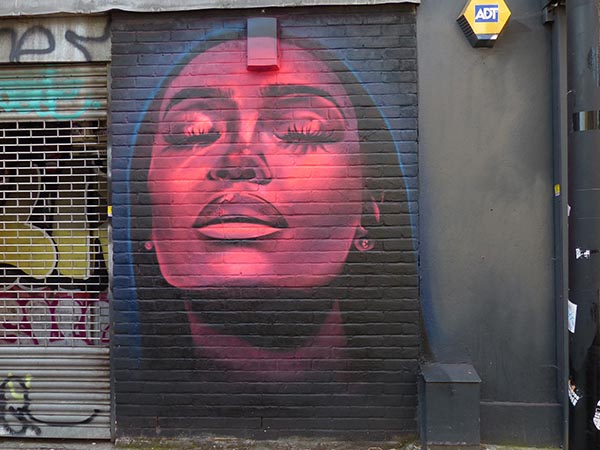
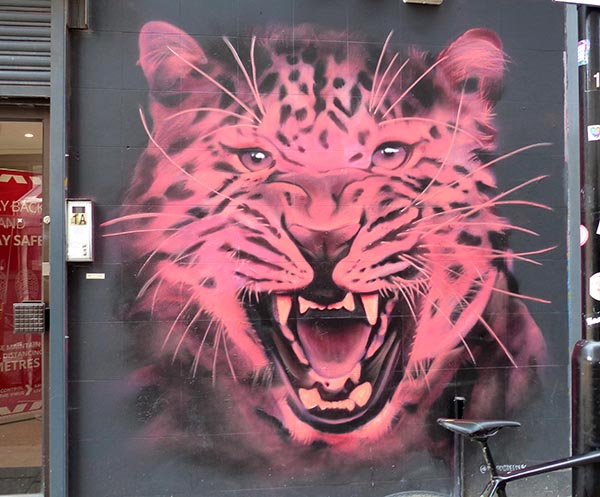
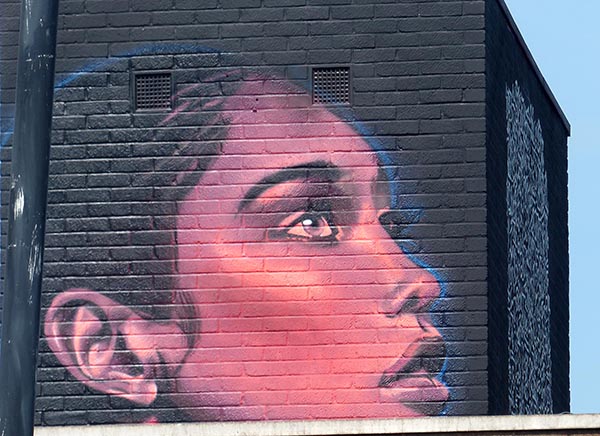
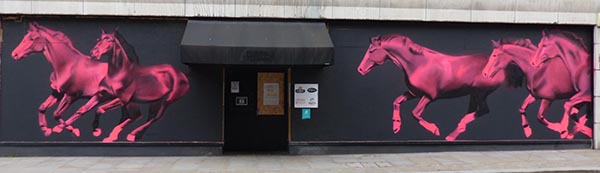
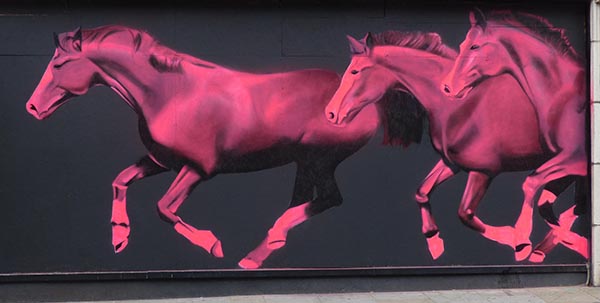
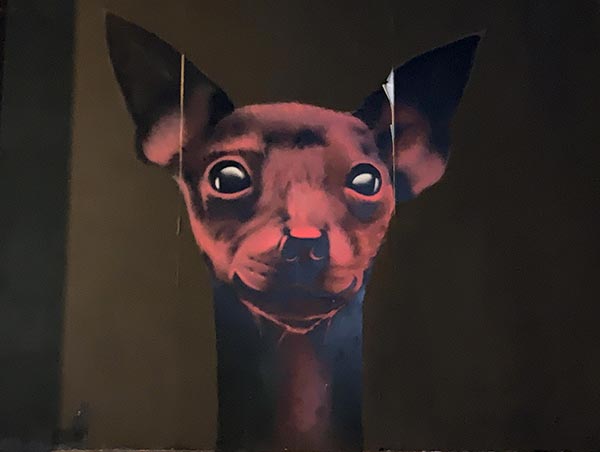
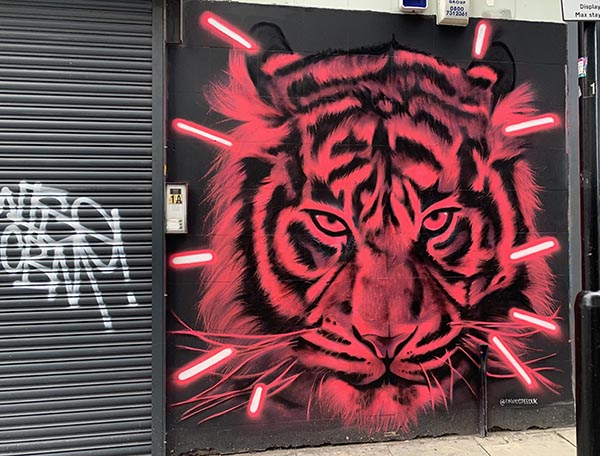
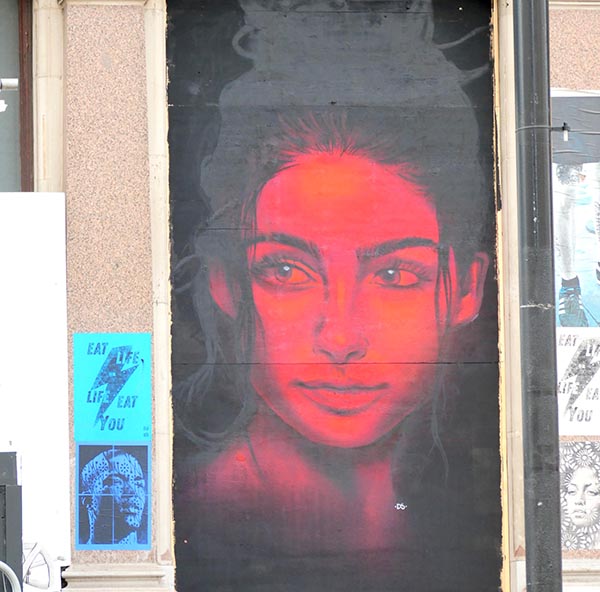
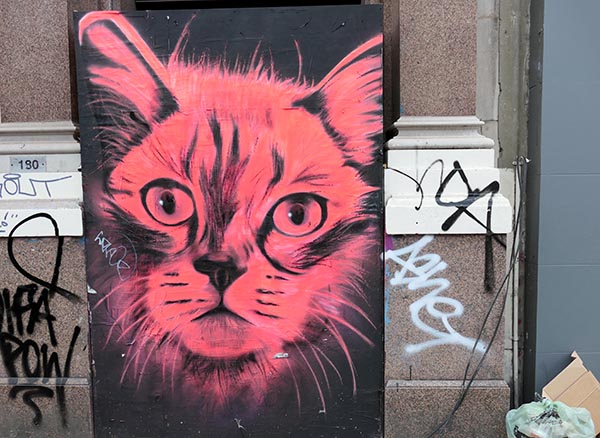
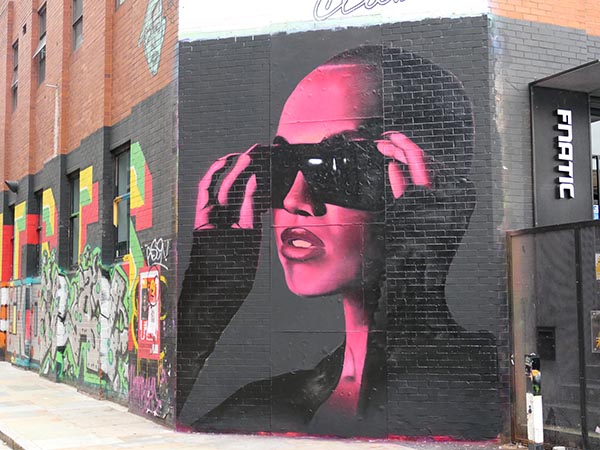
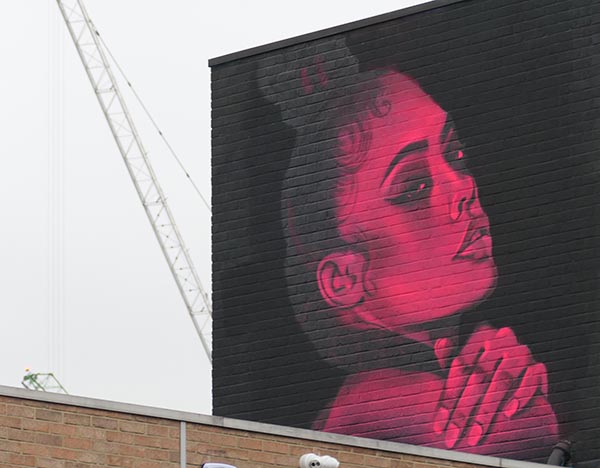
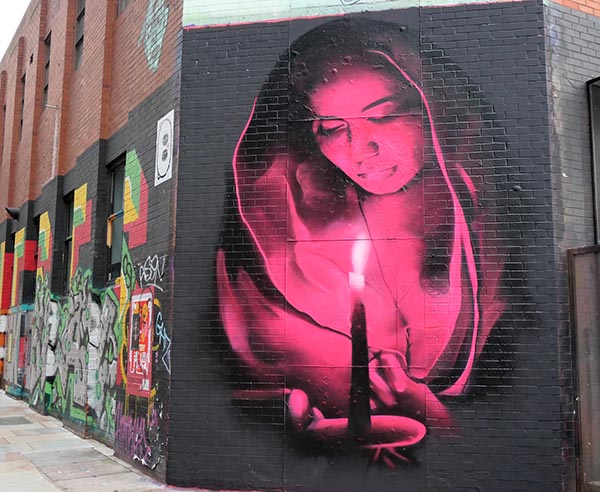
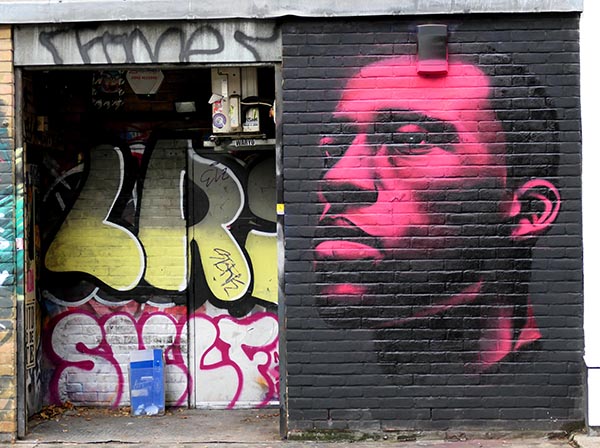
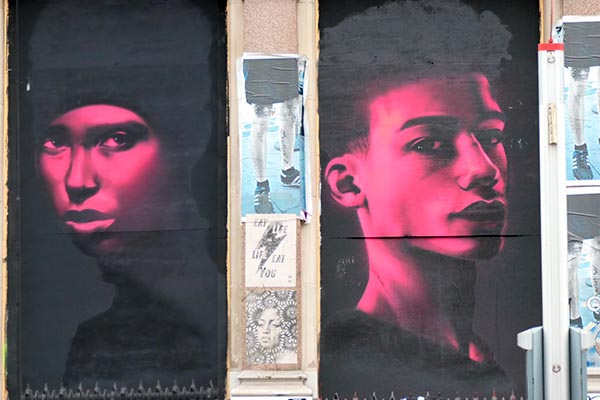
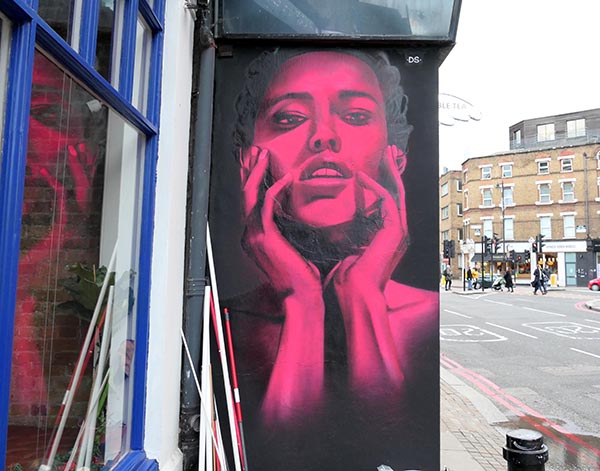
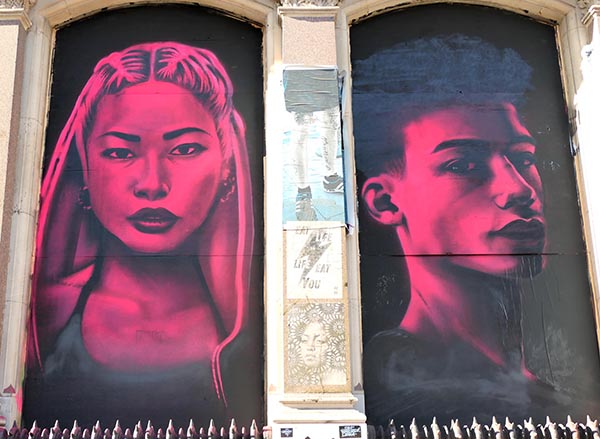
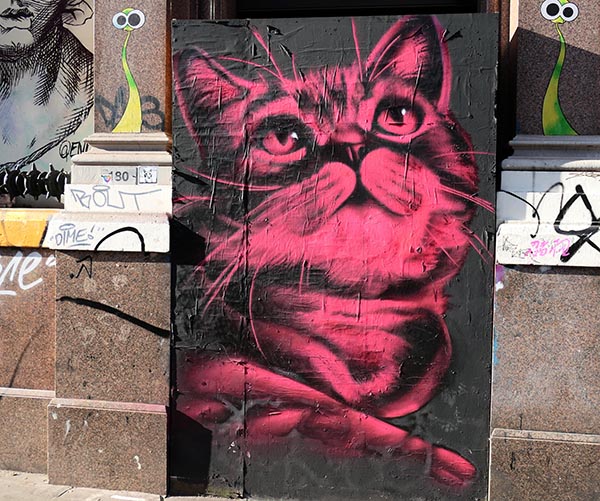
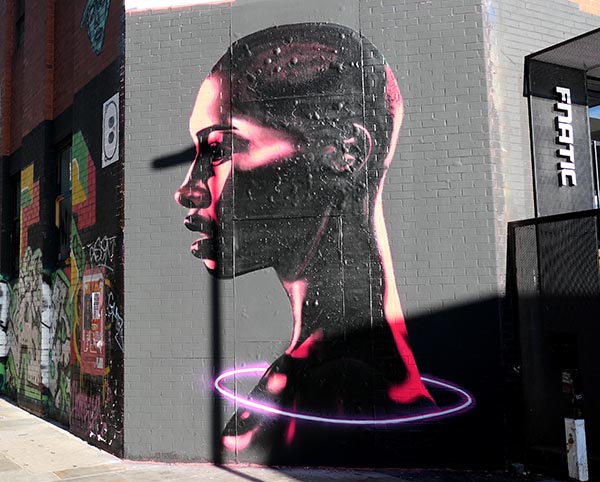
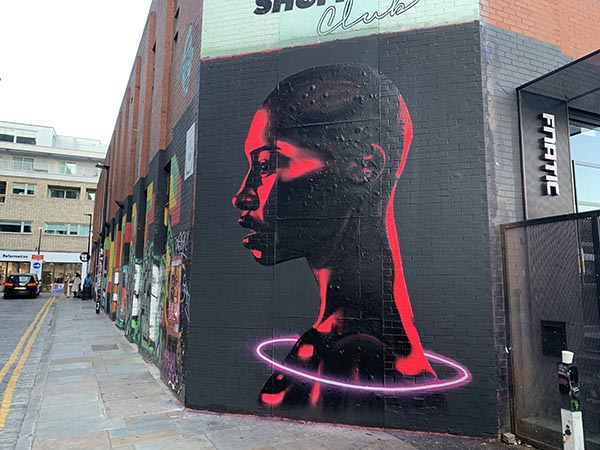
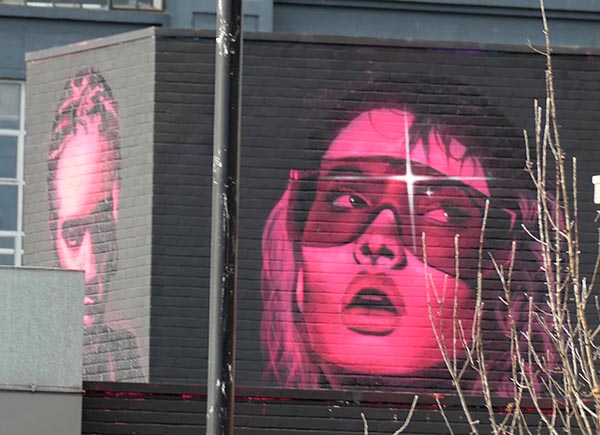
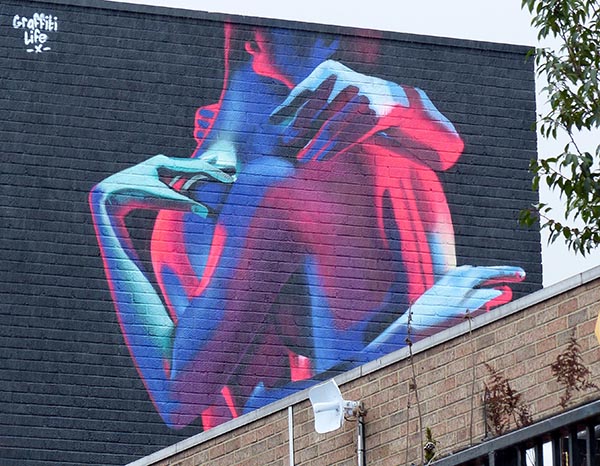
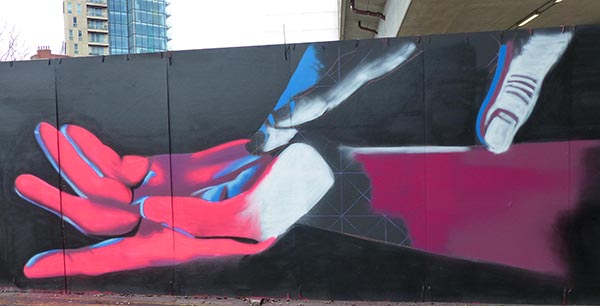
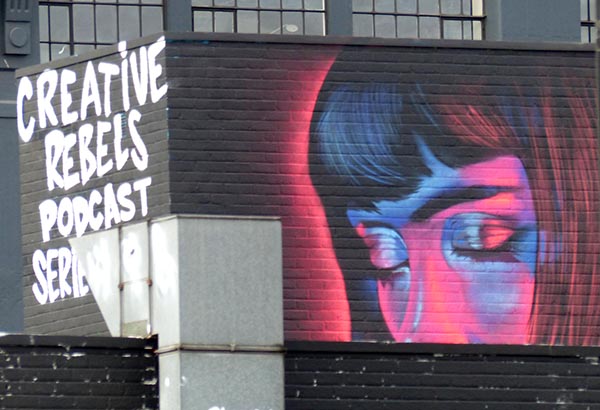
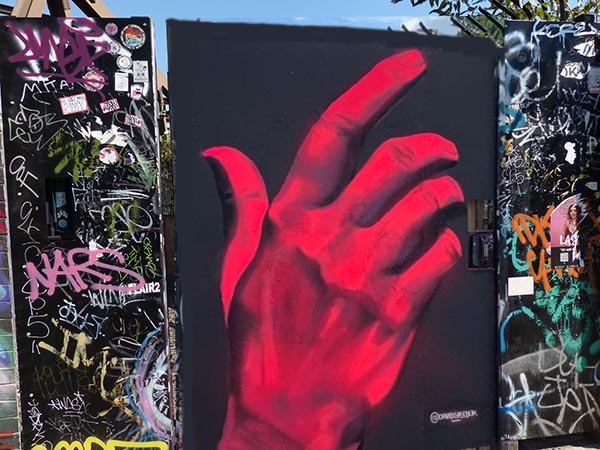
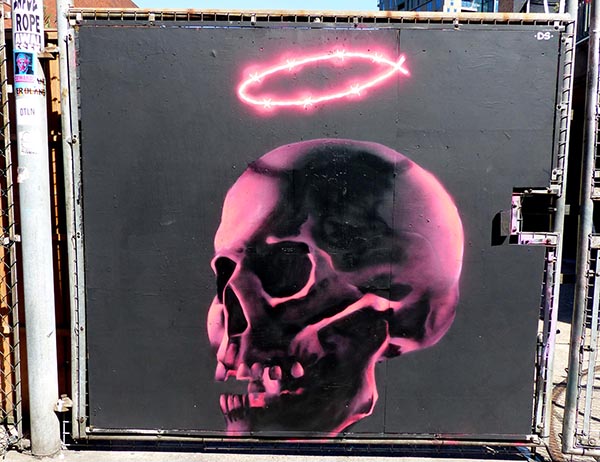
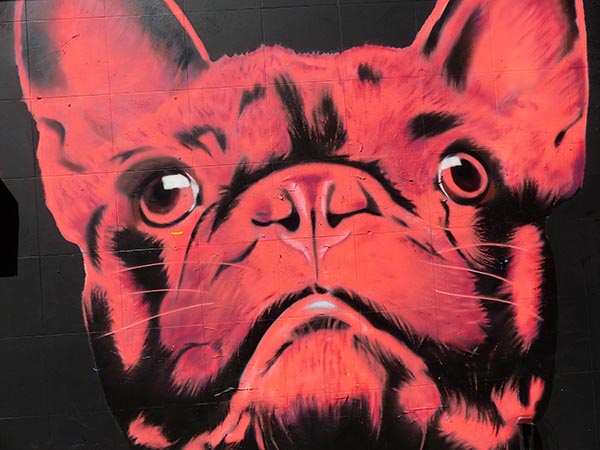
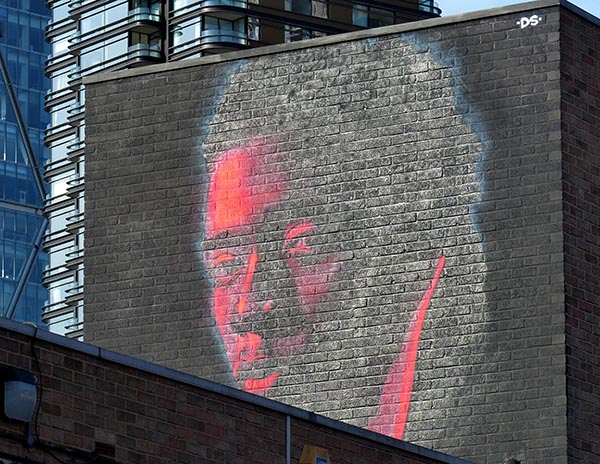
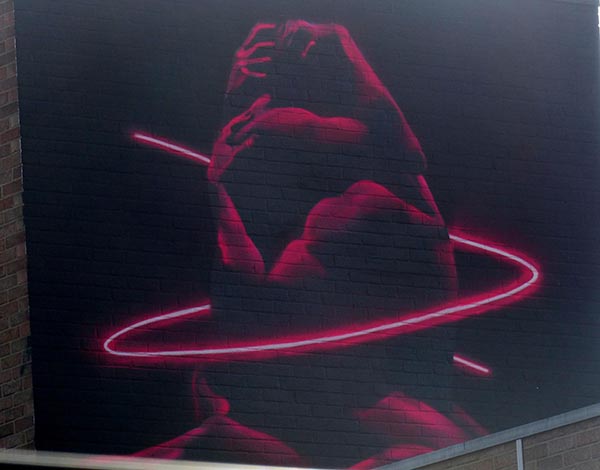
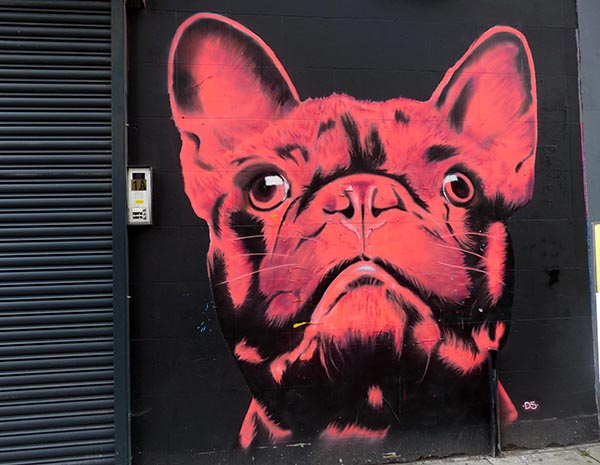
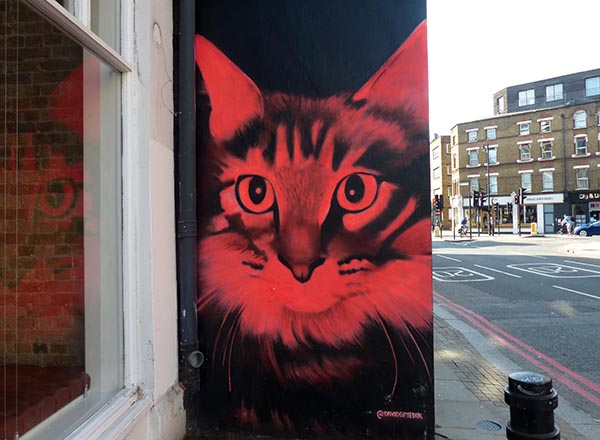
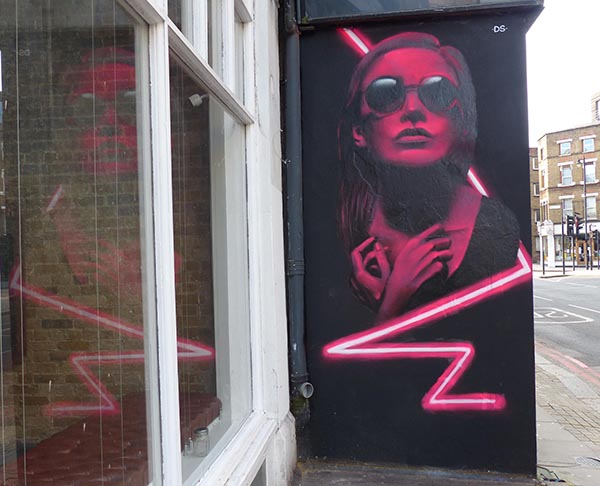
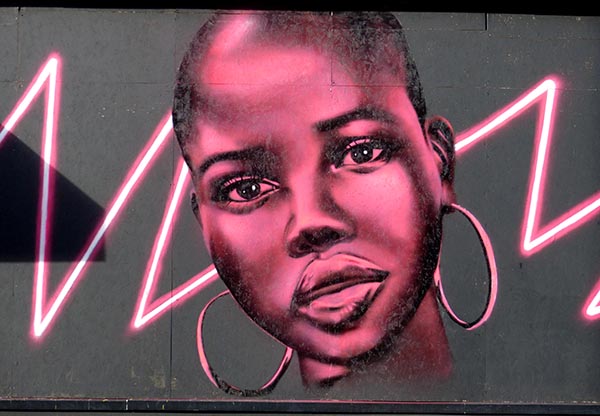
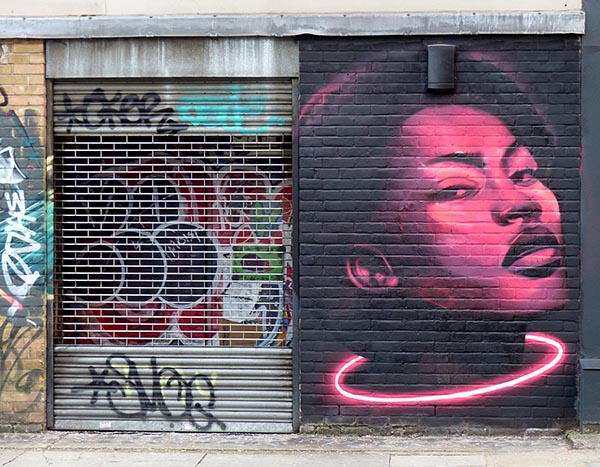
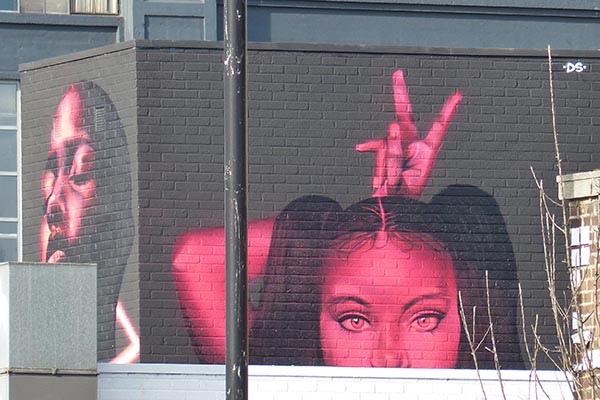
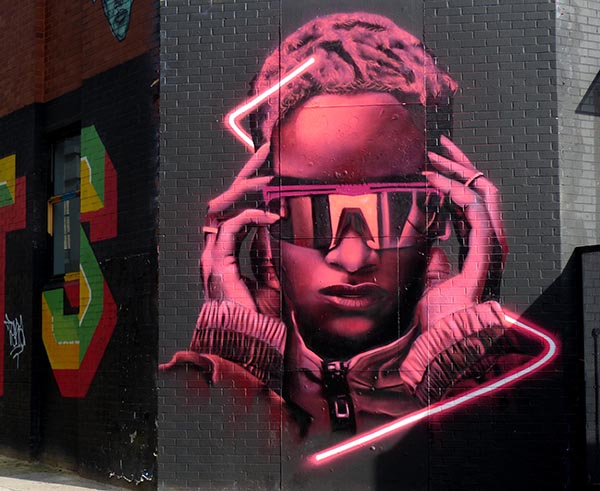
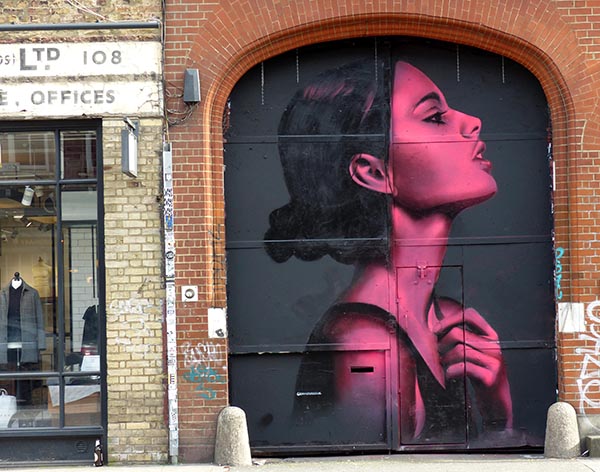
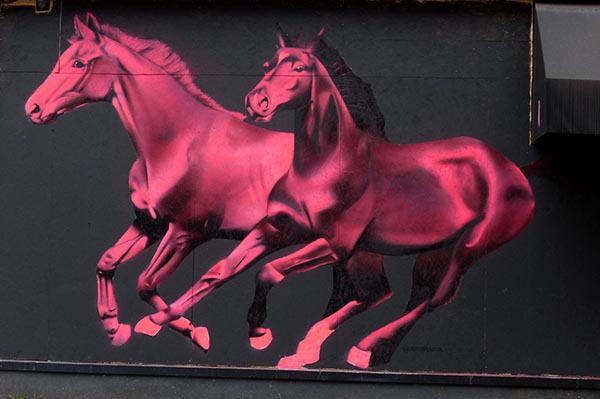
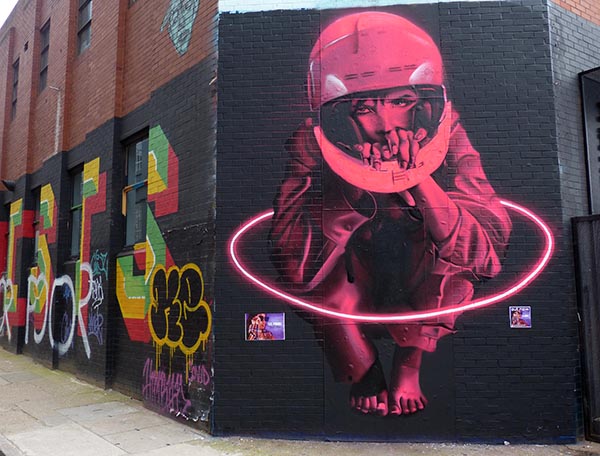
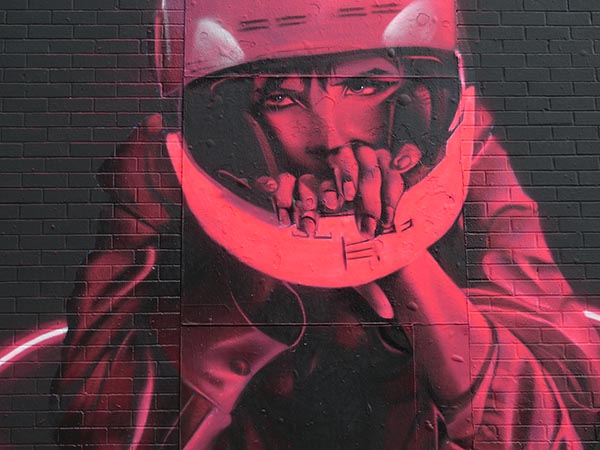
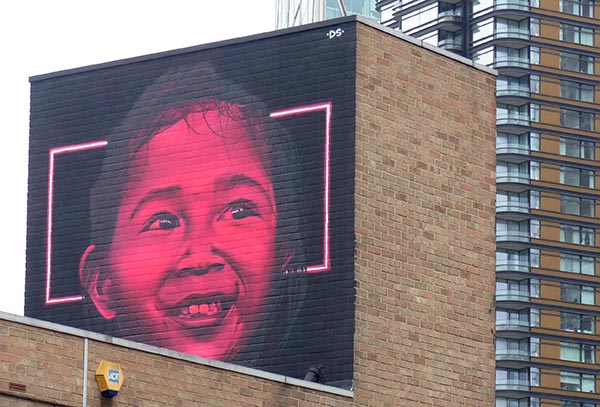
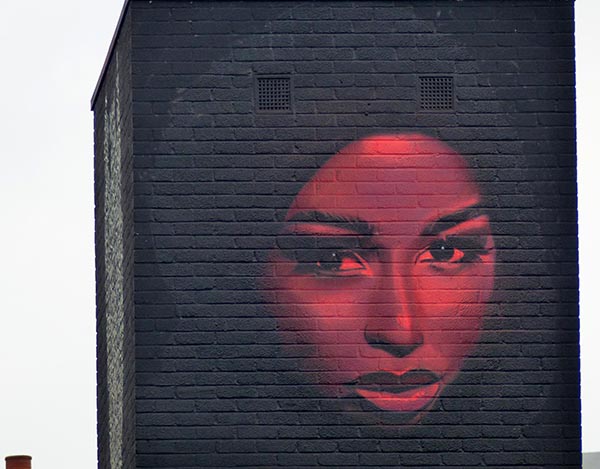
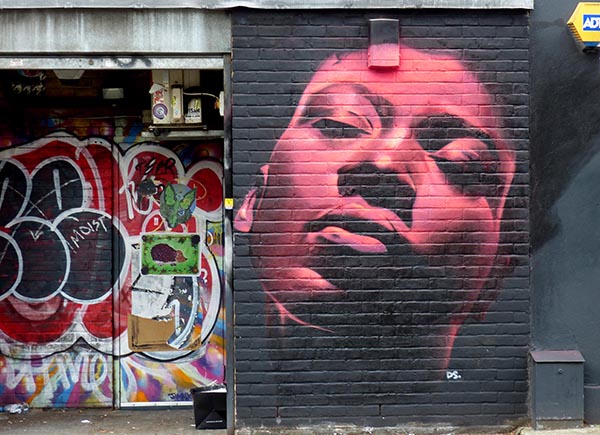
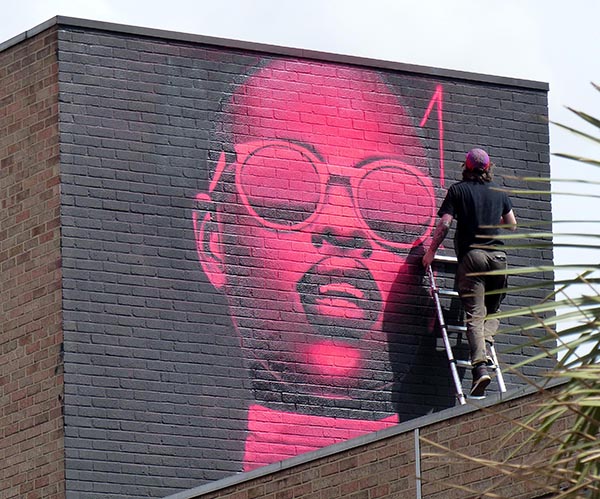
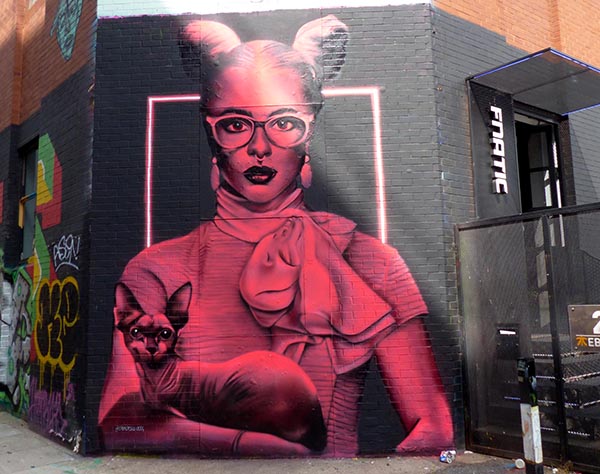
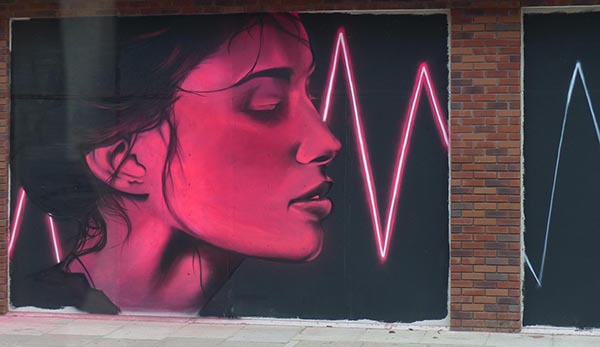
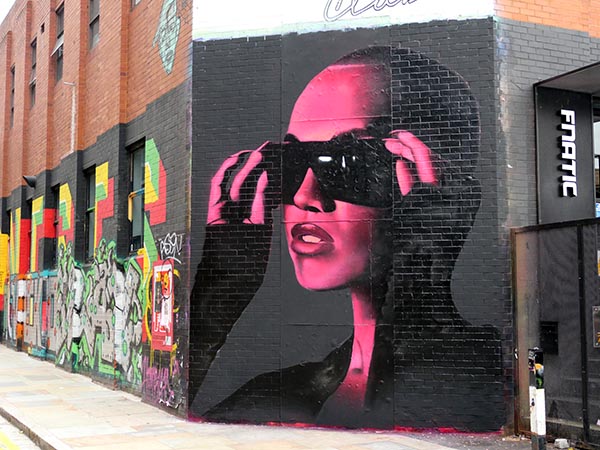
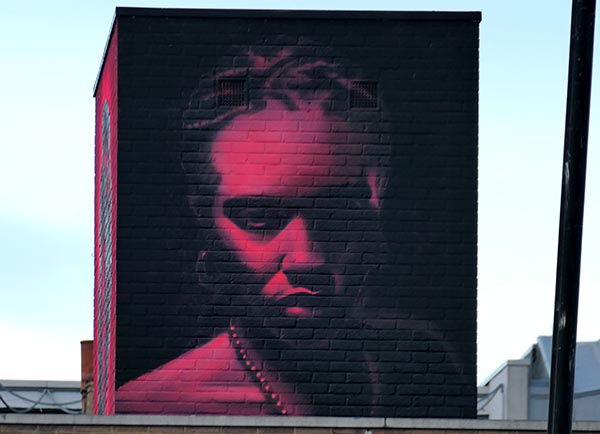
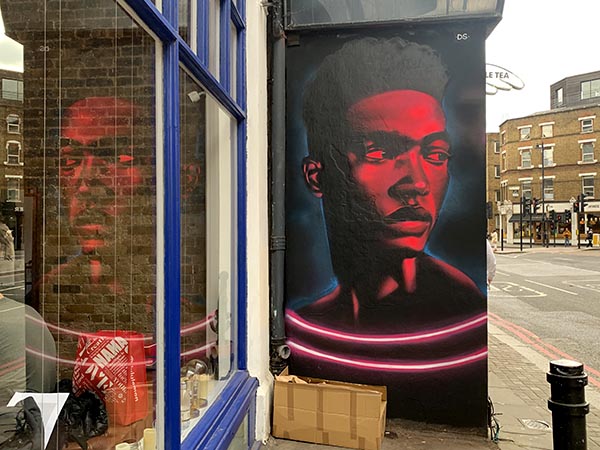
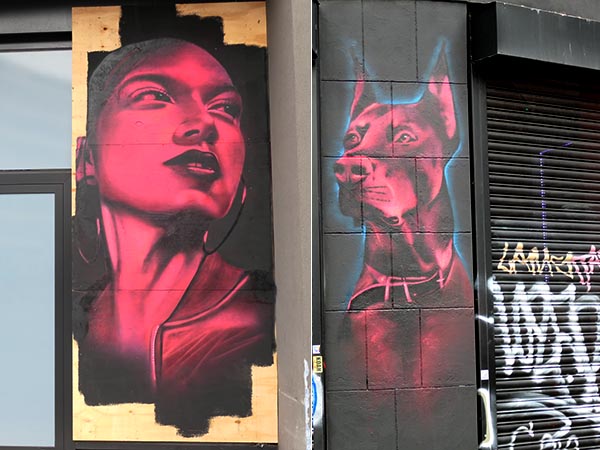
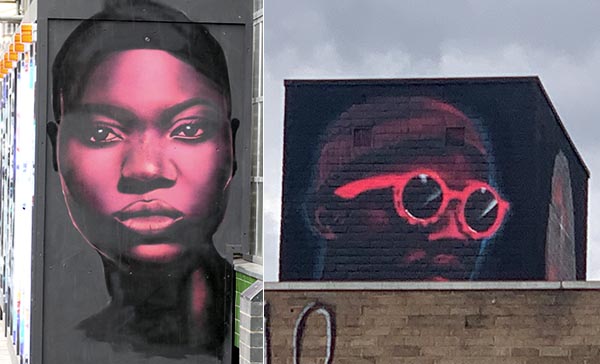
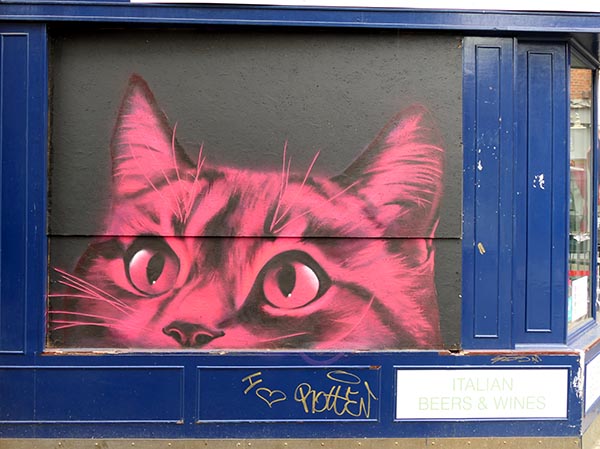
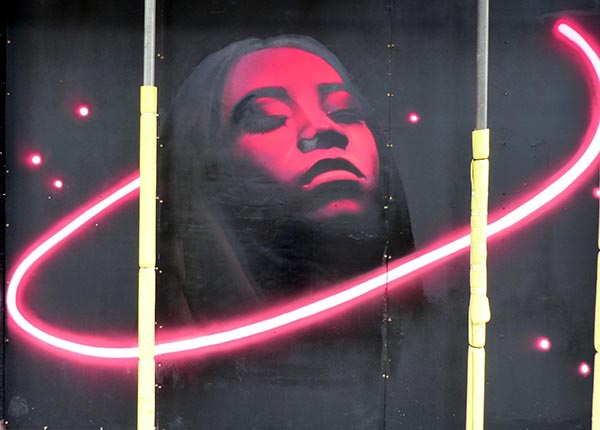
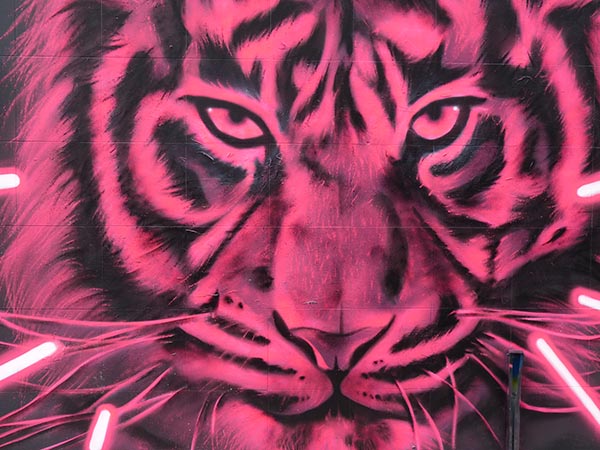
Street artist David Speed is one of the busiest in London having been painting bright pink neon portraits of people and animals across London (primarily east London) over the past four years. The artist's style is neon, and he likes to paint light and shadow to create a mood in the artwork. Speed was training as a primary school teacher between his graffiti work, and he realised that he could use art to mentor and help others. I have included a small collection of the artist's work over the past few years, but the artist has produced many more that I have not photographed (or have been able to get a good photograph of). 

davidspeed

Visitors who wish to see his work will know of a few areas that he usually paints. Try Ebor Street, the rooftop of the building in front of Shoreditch tube station, and walls on Shoreditch High Street near the station and Redchurch street, and Curtain Road.

davidspeed

His work looks best when it's days old as the sun and light has a tendancy to quickly fade his work, though the placement is also critical. The neon pink paint fades. However, he has usually placed a new mural before then.

davidspeed

davidspeed

davidspeed

davidspeed

davidspeed

davidspeed

davidspeed

davidspeed

davidspeed

davidspeed

davidspeed

davidspeed

davidspeed

davidspeed

davidspeed

davidspeed

davidspeed

davidspeed

davidspeed

davidspeed71.jpg

davidspeed

davidspeed

davidspeed

davidspeed

davidspeed

davidspeed

davidspeed

davidspeed

davidspeed

davidspeed

davidspeed

davidspeed

davidspeed

davidspeed

davidspeed

davidspeed

davidspeed

davidspeed

davidspeed

davidspeed

davidspeed

davidspeed

davidspeed

davidspeed

davidspeed

davidspeed

davidspeed

davidspeed

davidspeed

davidspeed-51.jpg

davidspeed72.jpg

davidspeed70.jpg

davidspeed-54.jpg

davidspeed-52.jpg

davidspeed-53.jpg

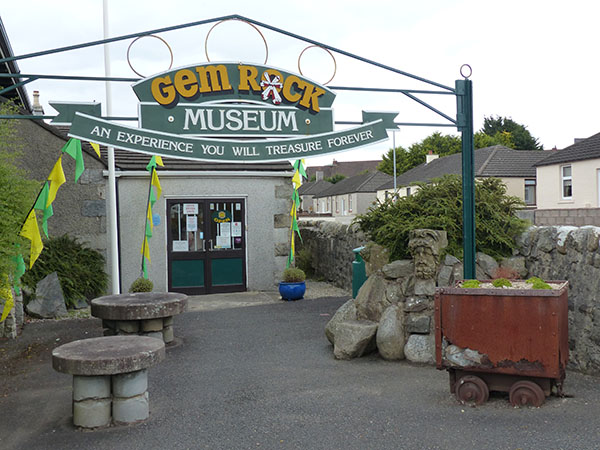
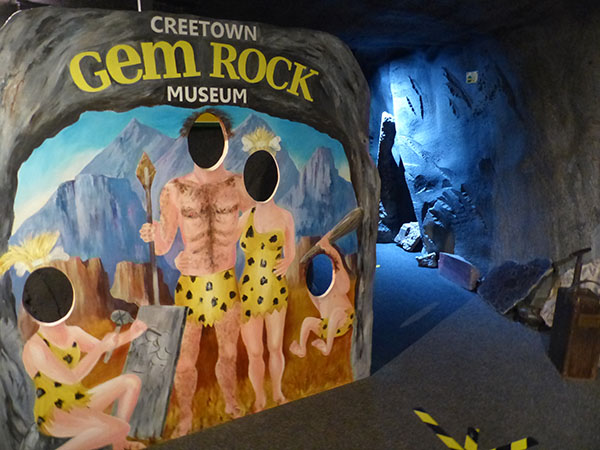
I have always been fascinated with rocks. I remember keeping a "rock collection" in my earlier years, and it was in a large tin bucket where I kept some fascinating rocks, fossils, flint, and pieces of arrowheads. My first science fair project was also on the subject of rocks and minerals. I knew that I would be spending a lot of time at the Gem Rock Museum in the village of Creetown in Galloway, Scotland. There is a little bit of everything here from fossils to gemstones to meteorites to man-made stones to stones carved into artwork.

gemrockmuseum1.jpg

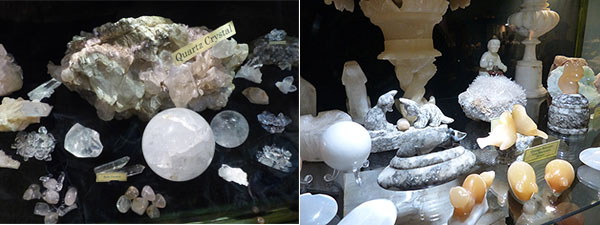
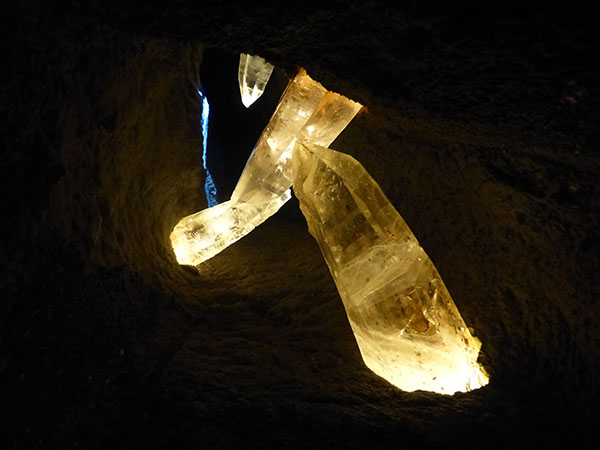
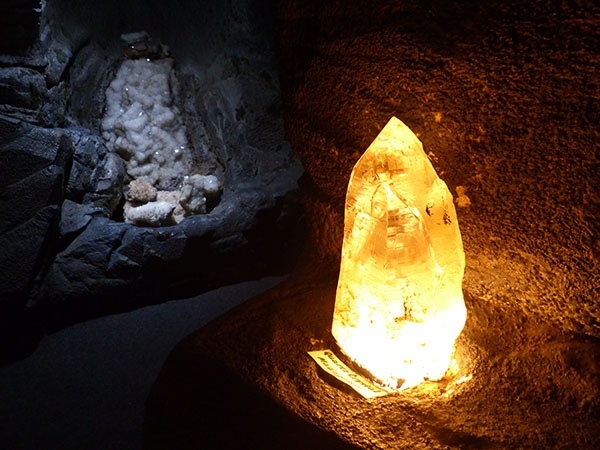
The collection was started by Bill "Maverick" Wilson and includes many rare British stones as well as minerals and gemstones found all over the world. Highlights include a 4.5 billion year old 3 kilogram meteorite, gold nugget, fossilized dinosaur egg and dinosaur dung, and cut replicas of famous diamonds to the correct size and displayed next to each other. Another attraction here is the crystal cave where visitors can walk around and see lit-up crystals and flourescent light shining on other rocks that then glow a range of bright colours in the dark. There is also a gift shop and a cafe.

gemrockmuseum2.jpg

gemrockmuseum3.jpg

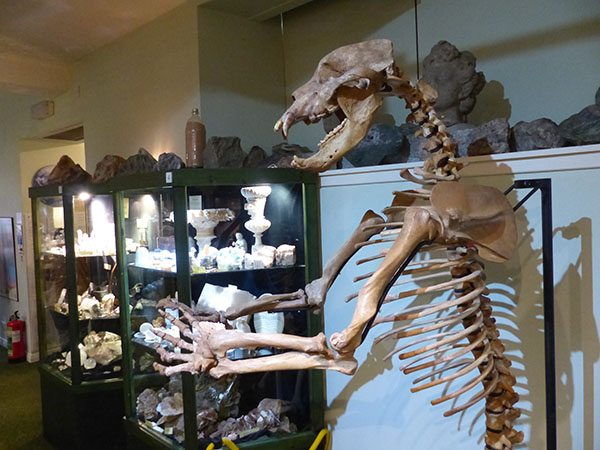
Near the entrance to the museum, there is also a bear skeleton in the museum. The bear was discovered in a cave, and it is thousands of years old. It is now extinct in Europe, but the closest relative is the brown bear. It is 30% larger than the brown bear.

gemrockmuseum4.jpg

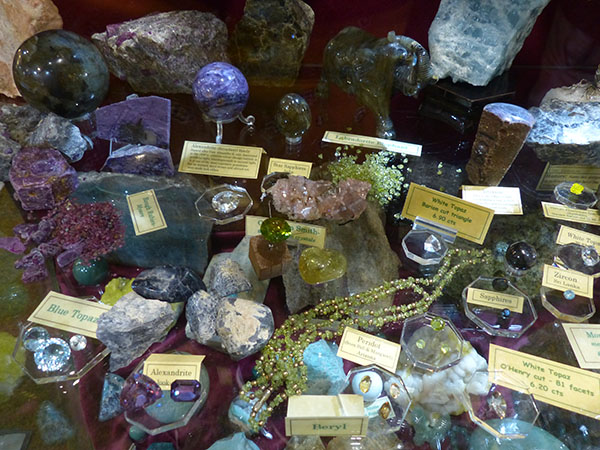
Each display cabinet in the museum contained information about the rock or mineral, and this included its uses or properties as well as location discovered. 

gemrockmuseum5.jpg

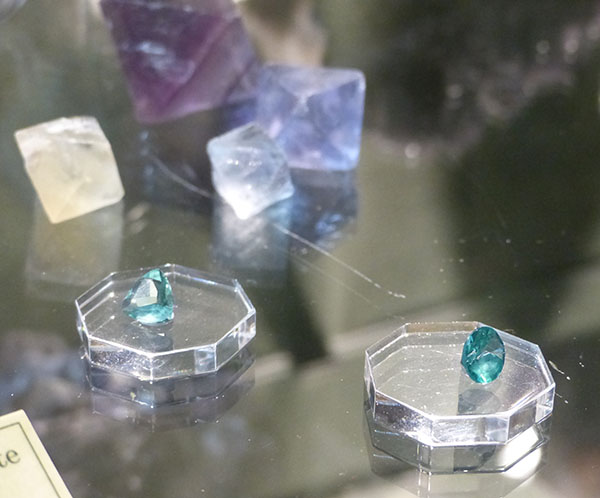
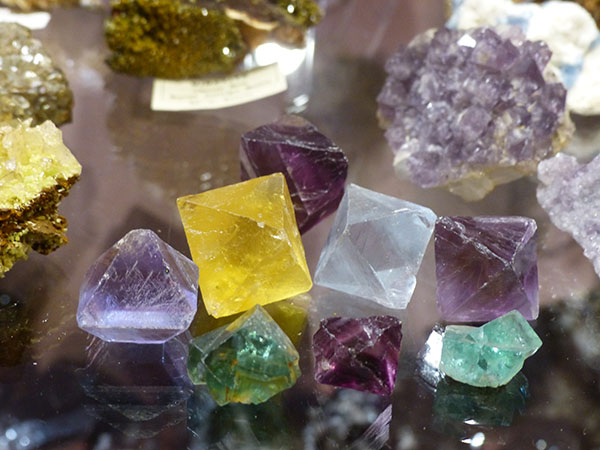
One of my favourites was the faceted flourite, the blue green stones. This mineral is used as a gemstone, and there are many different types of it, such as Blue John stone. The mineral has many uses. It is used in steel making, glass making, cosmetics, and it has helped to mass-produce aluminum. It is used for the human body to make teeth and bones stronger and used for some cancer treatments. The mineral was also used to treat the water in the Great Lakes as it was found to remove lampreys and not affect the game fish. Other uses are for lenses of binoculars to remove glare and in high octane fuels. The mineral is too soft to be used as jewellery.

gemrockmuseum6.jpg

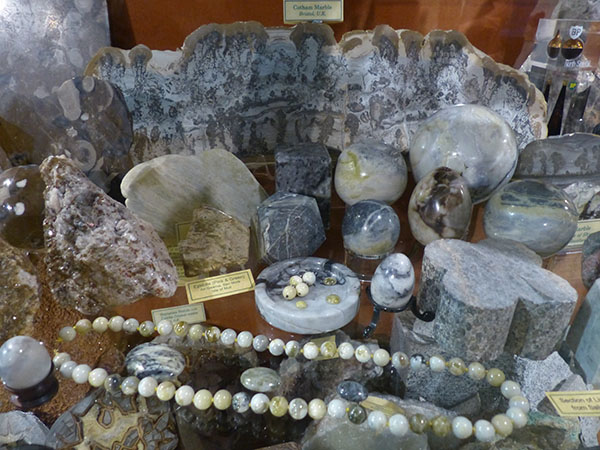
Different types of marble, including a piece of stone used in Salisbury Cathedral, were on display and cut to form beads.

gemrockmuseum7.jpg

gemrockmuseum8.jpg

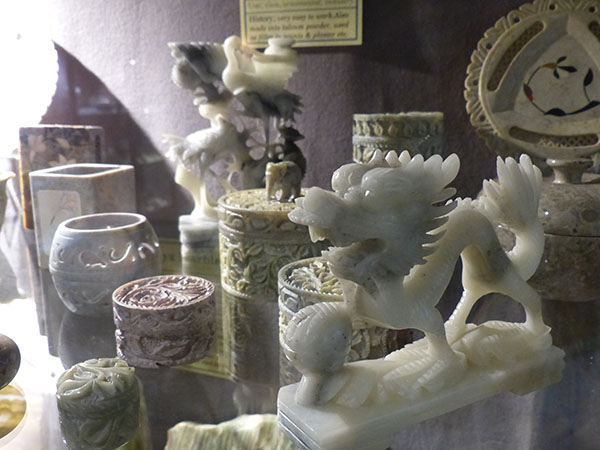
Soapstone is a soft stone that is used to create carvings. It is very easy to carve. There were many carved items of other stones. There were many items carved from jade, which is a popular stone to use in carvings in Asia.

gemrockmuseum9.jpg

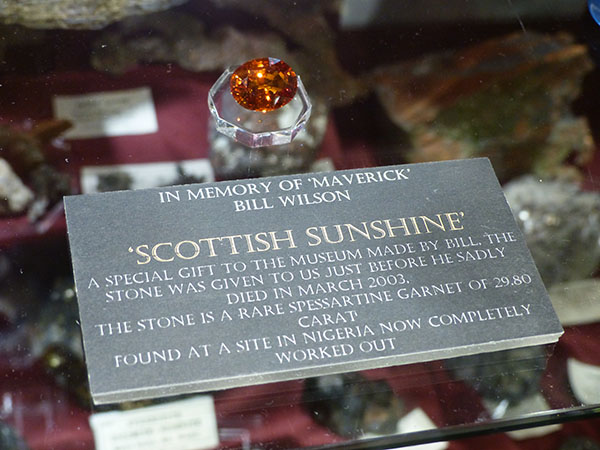
Some of the items are dedicated to the memory of Bill "Maverick" Wilson, who lived until 2003.

gemrockmuseum10.jpg

There is a rare garnet discovered in Nigeria, and it is called the "Scottish Garnet".

gemrockmuseum11.jpg

There is also a gold nugget found in California.

gemrockmuseum12.jpg

There is a fairly large collection of interesting fossils that are rare.

gemrockmuseum13.jpg

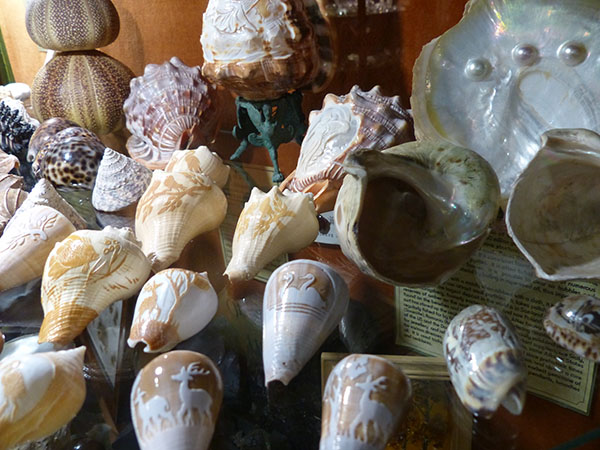
Shells are often used as a mineral. Some of them are used ground up into pigments, and others are used in trinket boxes. The above shells have been carved.

gemrockmuseum14.jpg

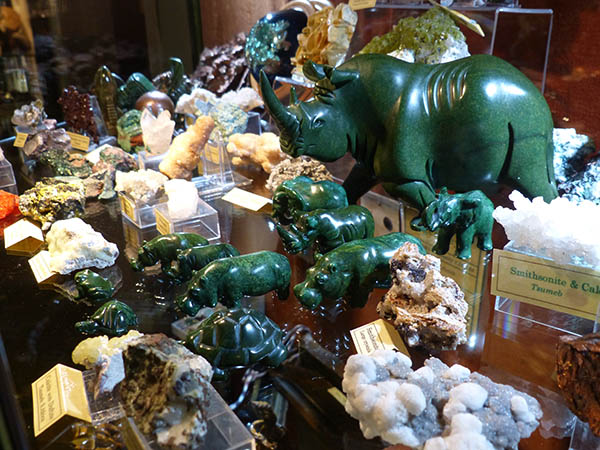
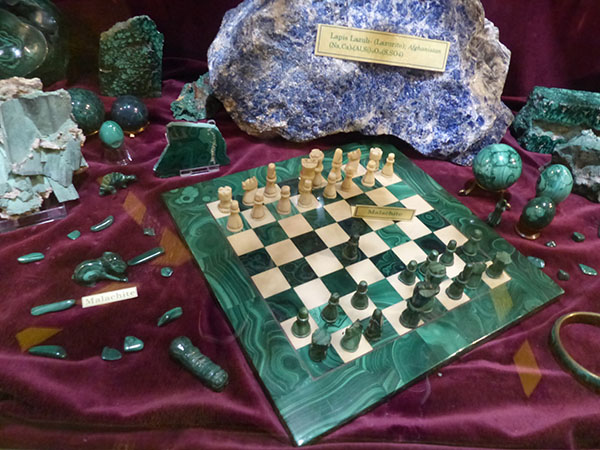
Malachite is a bright green stone that was used in ancient times by the Egyptians. It's also been used to decorate whole rooms in Russia and trinkets. The blue stone is lapis lazuli, and it was used for ancient jewellery and as blue pigment for paints. It is associated for royalty only. The chess piece created from malachite is beautiful.

gemrockmuseum15.jpg

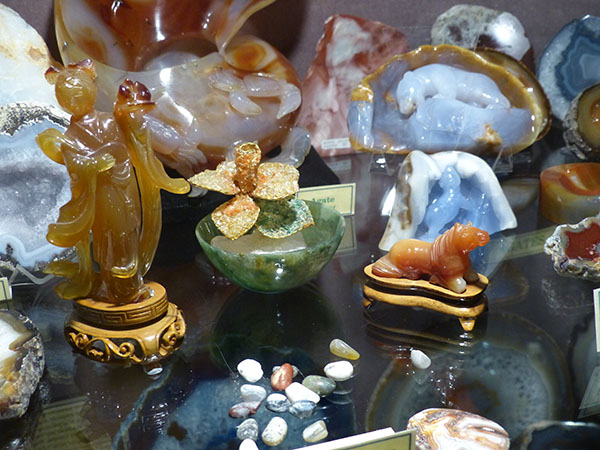
There were some examples of agate carved into beautiful pieces.

gemrockmuseum16.jpg

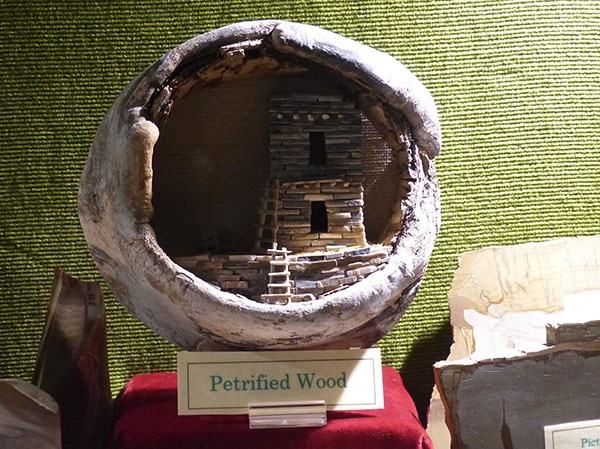
There was even a display for petrified wood.

gemrockmuseum17.jpg

Before going to the cave, there is a small room called the "professor's room" that you can sit down and relax in. There's also a workshop for the stones, but no one was working any stones during the visit. The cave is a small area designed to look like a cave with some stones placed over lights to show them off.

gemrockmuseum18.jpg

gemrockmuseum19.jpg

gemrockmuseum20.jpg

Overall, this was a great museum. There's so much to see, and I could see families enjoying their visit and learning about all of the different types of stone and the fossils. 

RUN Street Art in Cardiff

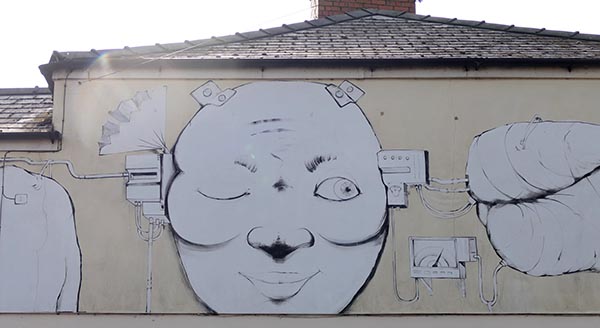
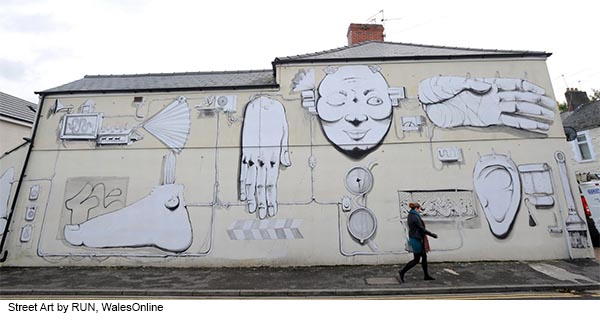
Italian street artist RUN, whose name is Giacomo Bufarini, painted in Cardiff in 2013 as part of the Empty Walls project, which was led by local street artists. I discovered the mural on a recent visit to Cardiff. The mural shows body parts and pieces of machinery connected by wires and cables.

run-cardiff-1.jpg

When I visited the piece, the bottom half of it had been painted over, but the original full mural can be seen below.

run-cardiff-2.jpg

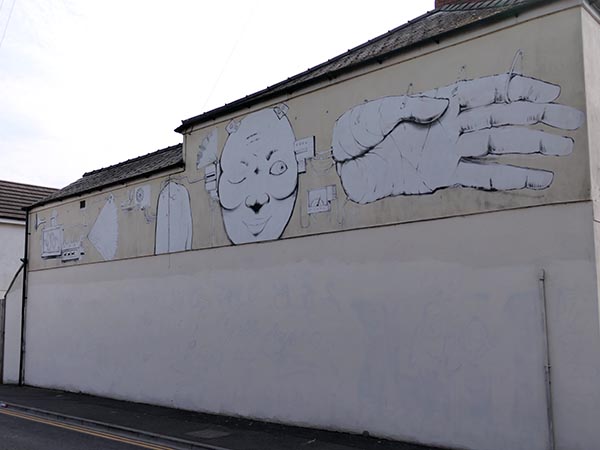
Only the top half of the mural remains as the wall has been repainted below.

run-cardiff-3.jpg

For more murals from RUN on this blog, see:

RUN "Human Touch" Street Art Murals in Cambridge
New Street Art by RUN and the Rolling People

Street Art: RUN

Street Art by My Dog Sighs for Ukraine in Cardiff

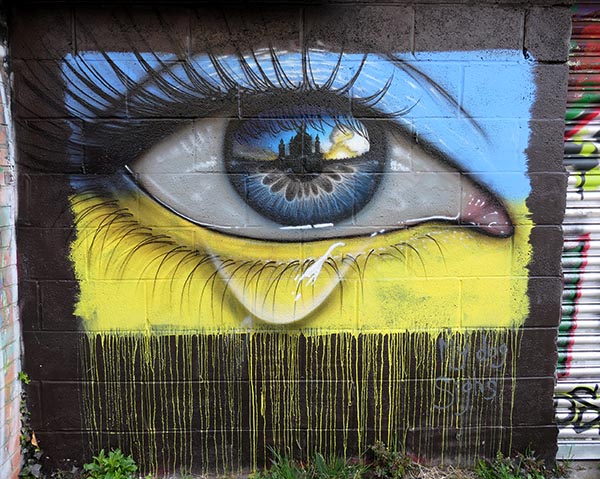
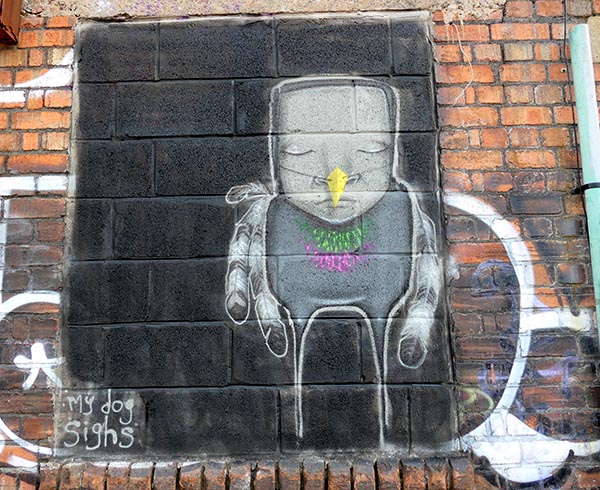
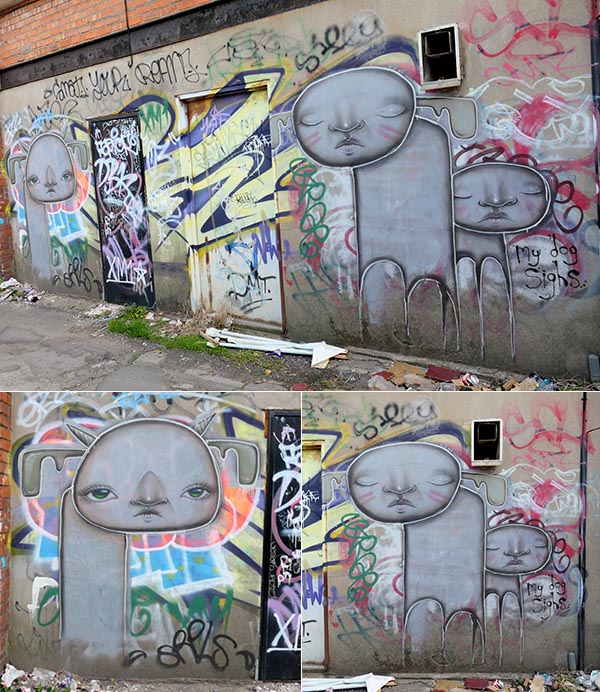
Street artist My Dog Sighs recently painted in a Cardiff on Northcote Lane, a small corner of the city where there is some grafitti to be seen. In total, there are three murals to be seen here from the artist, who is noted for painting faces on cans and on walls, eyes with reflections, colourful stick figures and melancholic figures.

mydogsighscardiff01.jpg

The first mural was painted as a response to the invasion of Ukraine by Russia at the end of February. It shows the yellow and blue of the Ukraine flag and an eye reflecting landmarks. A single tear falls from the eye.

mydogsighscardiff02.jpg

The other two murals feature the melancholic figures that the artist paints. One of them has been painted on a brick wall and is dressed like a bird wearing a beak and feather wings. The other three of these characters are painted across a larger wall with doors and a lot of tagged grafitti.

mydogsighscardiff03.jpg

Previous work from My Dog Sighs on this blog is located on the below links:

Street Art in London from My Dog Sighs
My Dog Sighs on Rivington Street
My Dog Sighs 
My Dog Sighs
Mural in a hidden alley in Blackall Street
Collaborated with street artist Midge
Manchester Street Art
My Dog Sighs @ Bristol Upfest 2015
Artist My Dog Sighs' Hug Mural in Bedminster, Bristol

  1 2 3 4 5 6 7 8 9 10 11 12 13 14 15 16 17 18 19 20 21 22 23 24 25 26 27 28 29 30 31 32 33 34 35 36 37 38 39 40 41 42 43 44 45 46 47 48 49 50 51 52 53 54 55 56 57 58 59 60 61 62 63 64 65 66 67 68 69 70 71 72 73 74 75 76 77 78 79 80 81 82 83 84 85 86 87 88 89 90 91 92 93 94 95 96 97 98 99 100 101 102 103 104 105 106 107 108  

Archives

Recent Comments

  • jenn: Thank you. read more
  • Murge: Amazing post. read more
  • Herbert: good post. site read more
  • Frank Quake: Hey, This is great when you said that I had read more
  • Chappy: You mention peptides here? I have had first hand experience read more
  • jenn: Thanks! I love the work. I have got more recent read more
  • Fanakapan: Thanks for the write up. This was some of my read more
  • jenn: Yes.... but that's only for the islands. Mostar and Montenegro read more
  • jenn: Hello, the code is not mine to hand out. I'll read more
  • pantich: More info about the best day trips from Dubrovnik can read more
OpenID accepted here Learn more about OpenID