Results matching “paint”

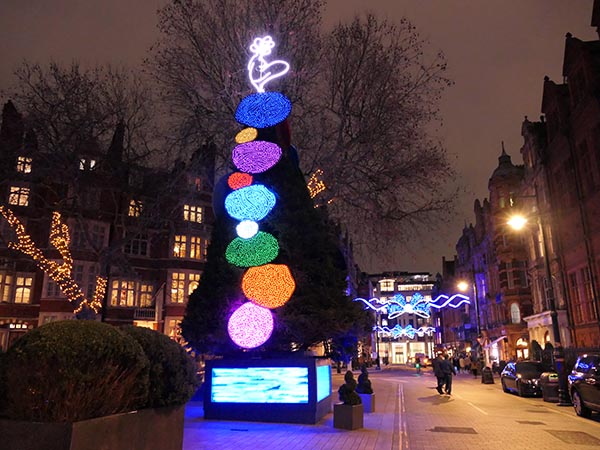
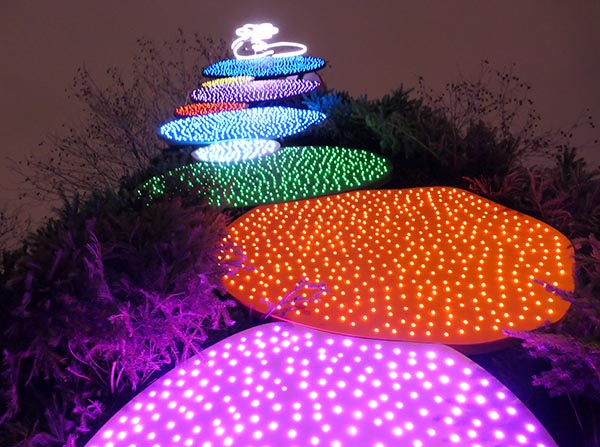
The Connaught hotel in Mayfair has worked with an artist each year (with the exception of last year) for the past several years in order to design their Christmas tree on Mount Street. The Connaught hotel's Christmas tree this year is designed by Annie Morris and Idris Khan. It features a Nordmann Fir that stands at nine meters. On three focal points of the tree, Morris' most famous work of stackable shapes is included, and each one is made of painted wood board and lit with lights. At the top of the tree is another of Morris's motifs, the "flower woman". Khan's contribution to the Christmas tree is the base, which shows the text "Merry Christmas" translated and superimposed numerous times.
connaughtxmas2021-1.jpg

connaughtxmas2021-2.jpg

connaughtxmas2021-3.jpg

Previous Connaught Christmas trees that I covered on my blog are below:

The Christmas tree will be on display until mid-January. 
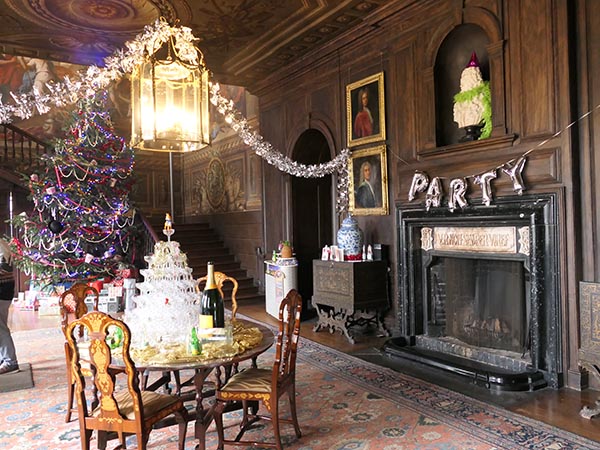
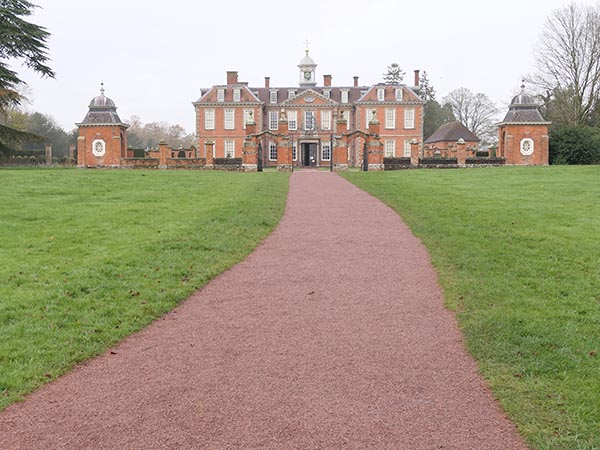
This was my first ever visit to Hanbury Hall in Worcestershire, which is managed by the National Trust. The hall was built in the early 18th century by a wealthy family, and it replaced an earlier home. It was lived in by various members of the family until the mid-1900s, and it was then rented to tenants. The style of Christmas decorations are from the 1970s and 1980s, and this is an ode to the tenants of that time who threw lavish parties throughout the year. 

hanbury-hall-xmas2021

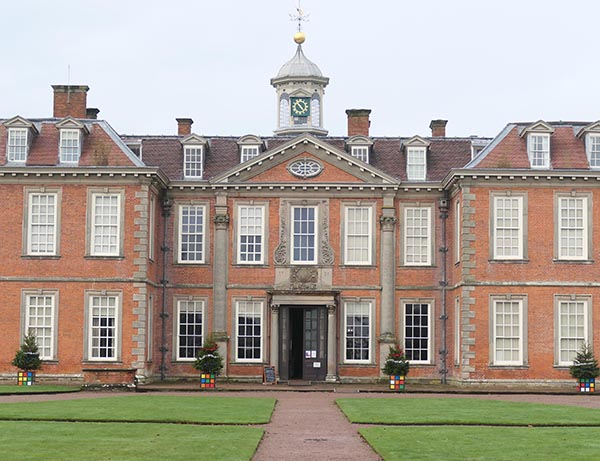
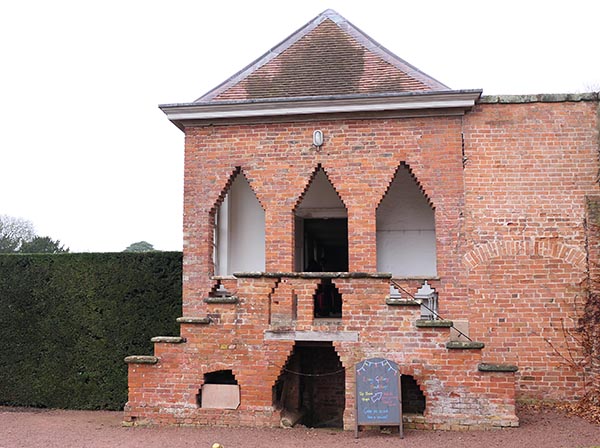
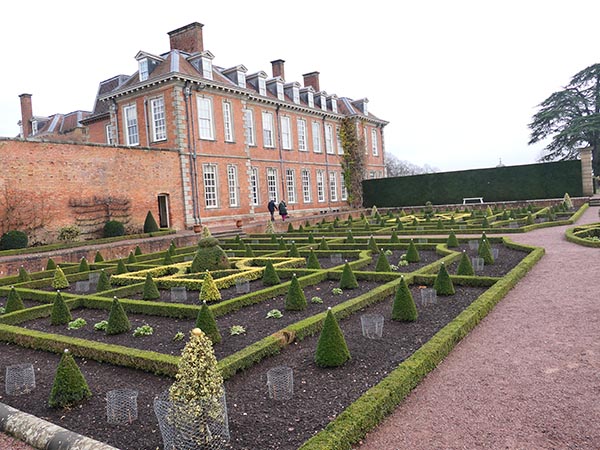
The manor house is a red brick building and described as being Queen Anne in style. It contains an orangery and formal gardens in the grounds.

hanbury-hall-xmas2021

The first piece of 1970s and 1980s popular culture is located at the front of the house with the Rubik's Cube planters holding miniature Christmas trees.

hanbury-hall-xmas2021

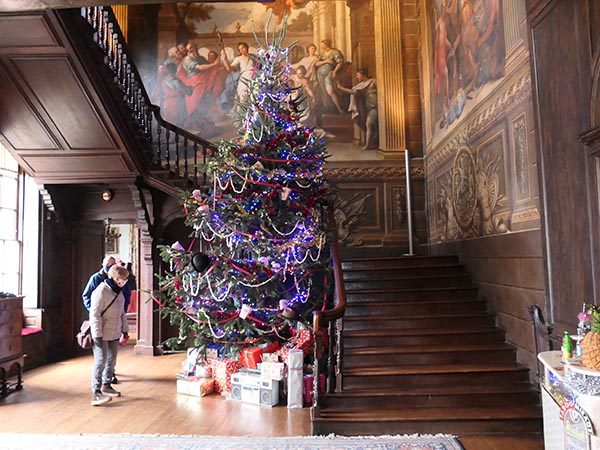
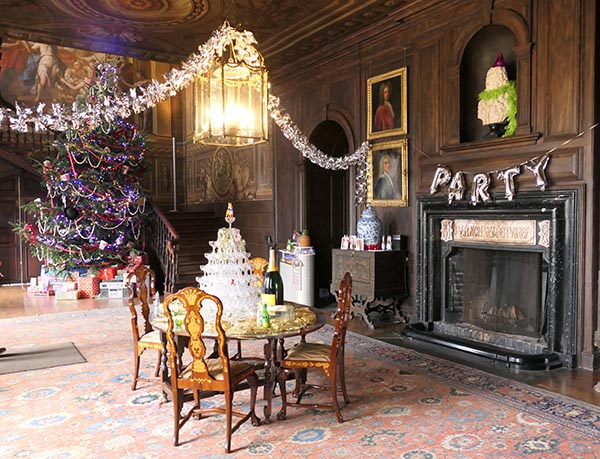
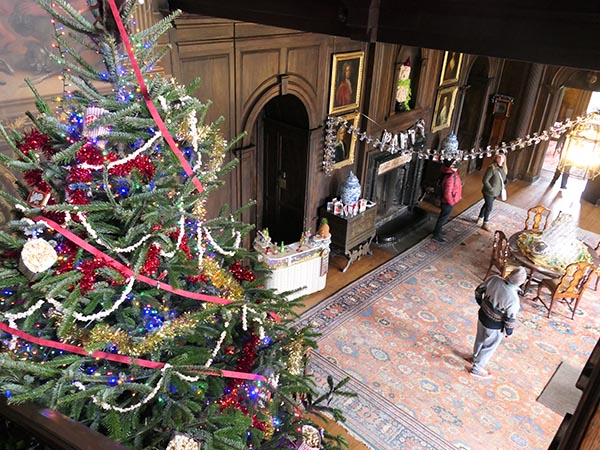
Inside the house is the main hall or reception area, and this room has the "wow factor". Off to the left is a grand staircase with floor-to-ceiling (including ceiling) paintings depicting scenes from mythology. For Christmas, the centrepiece is the Christmas tree, covered in blue and red and decorated for the cinema. The decorations are varous props from films and television series of that time: "Ghostbusters", "Indiana Jones", "A Clockwork Orange", "Knight Rider", and so on. 

hanbury-hall-xmas2021

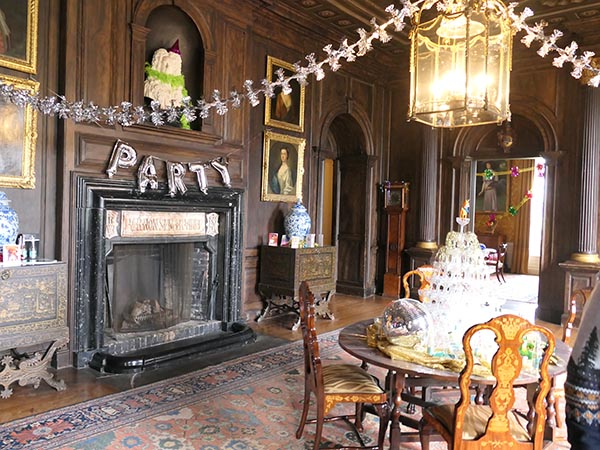
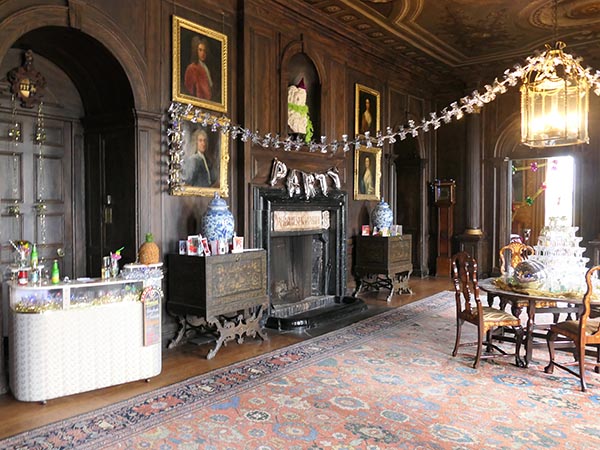
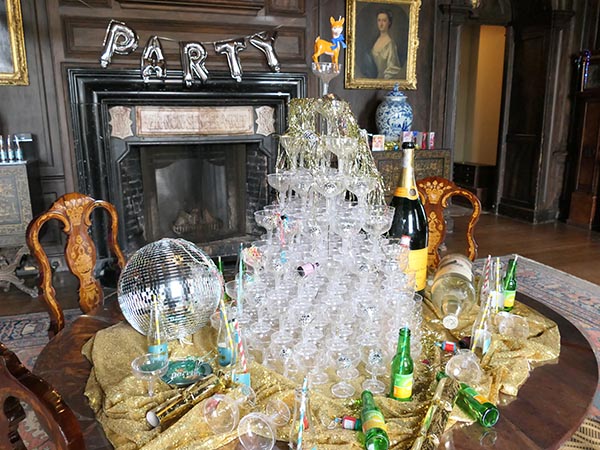
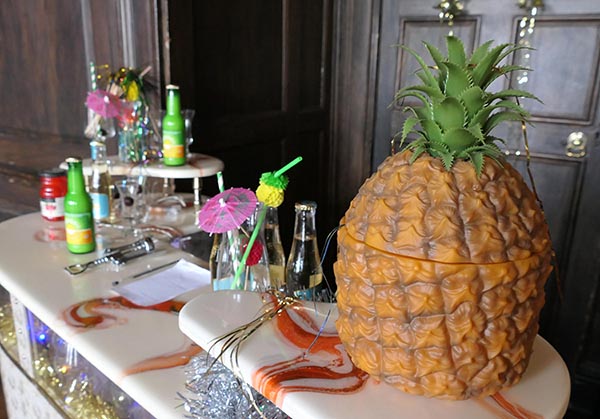
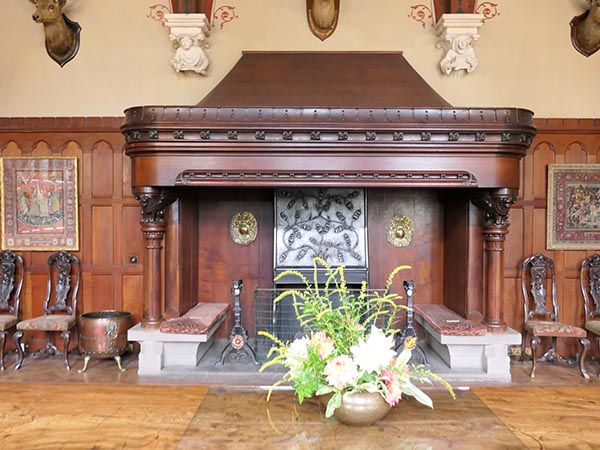
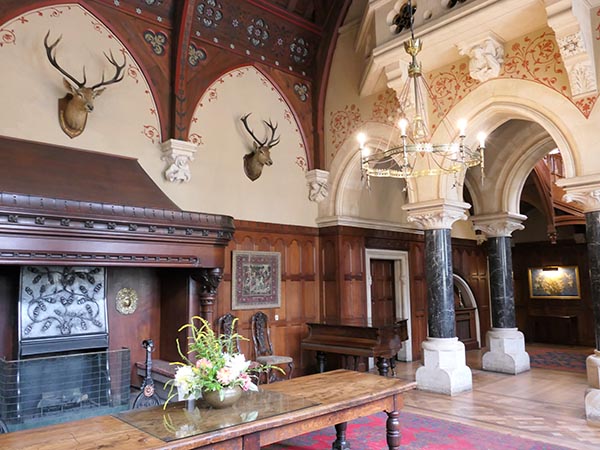
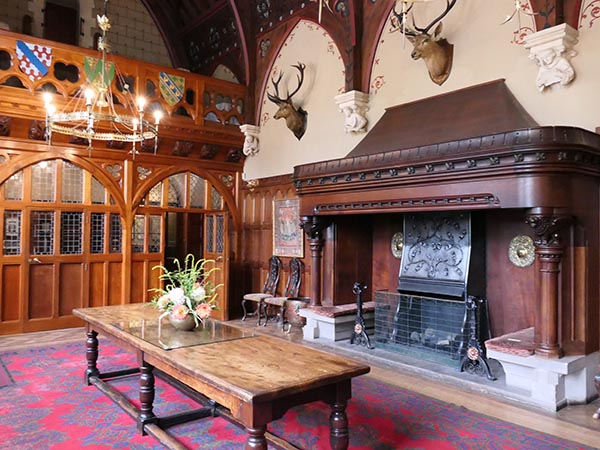
To the left in the room is the grand fireplace and a lot of party decorations, including a 1970s-style bar, Babycham drinks, and more.

hanbury-hall-xmas2021

hanbury-hall-xmas2021

hanbury-hall-xmas2021

hanbury-hall-xmas2021

hanbury-hall-xmas2021

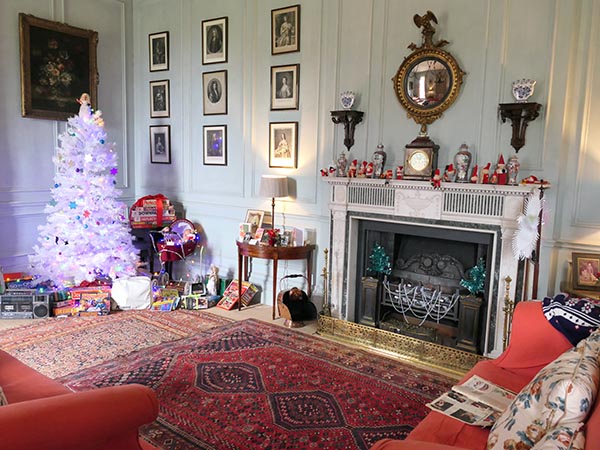
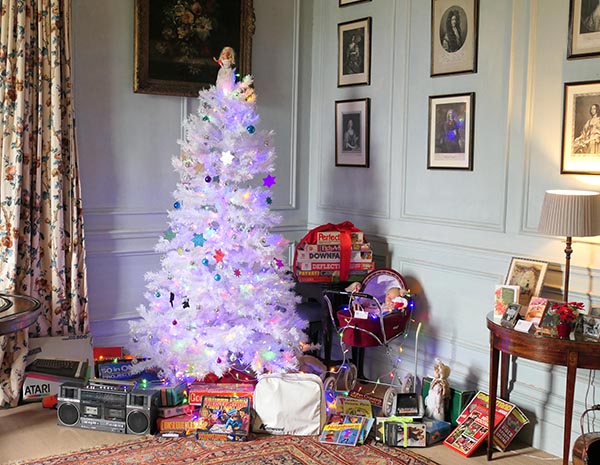
The room on the left of the grand entrance is a small sitting room or lounge area. There are many games and toys from the 1970s and 1980s to look at under the tree and also in a cabinet along one side of the room.

hanbury-hall-xmas2021

hanbury-hall-xmas2021

hanbury-hall-xmas2021

hanbury-hall-xmas2021

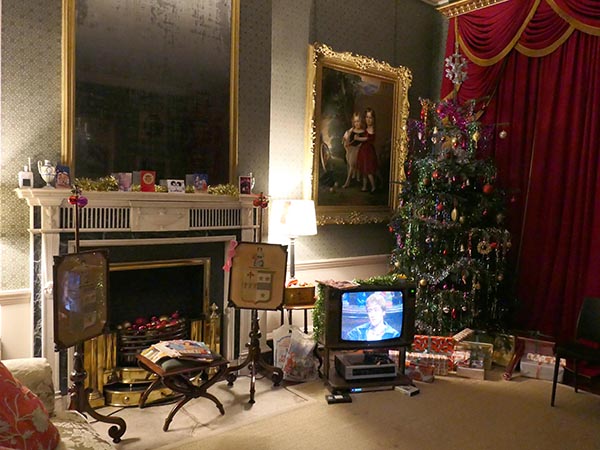
The room on the right of the entrance hall is a larger living room or parlour, and an old television was set up playing "Only Fools and Horses". The room had the curtains drawn to appear as if it were evening.

hanbury-hall-xmas2021

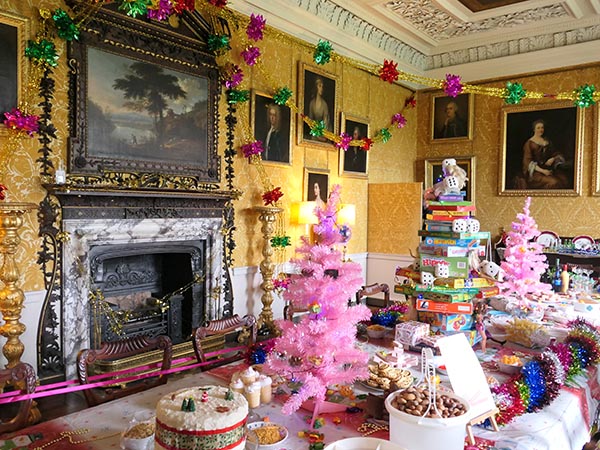
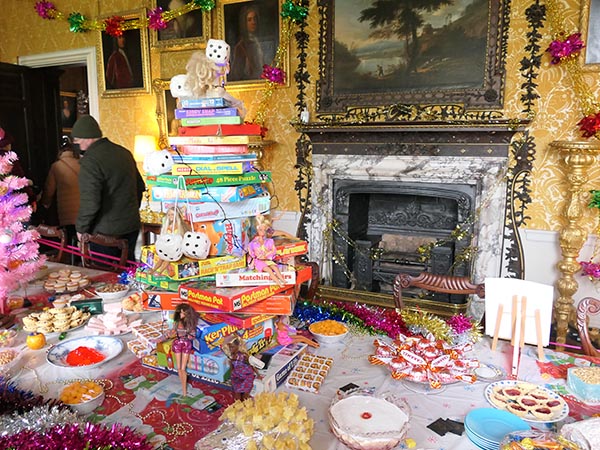
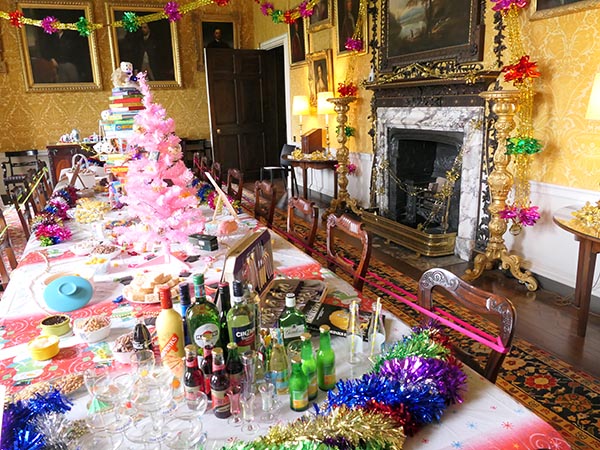
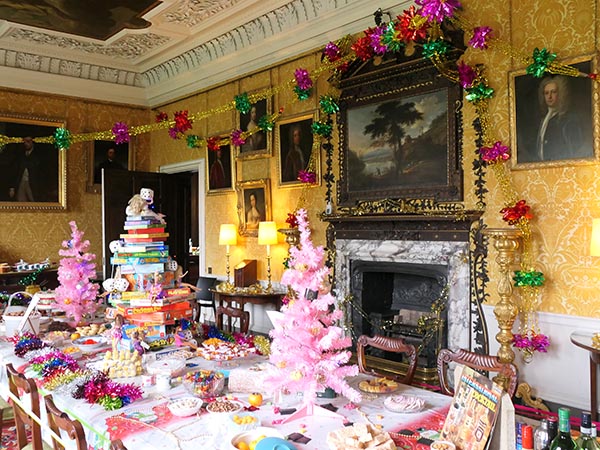
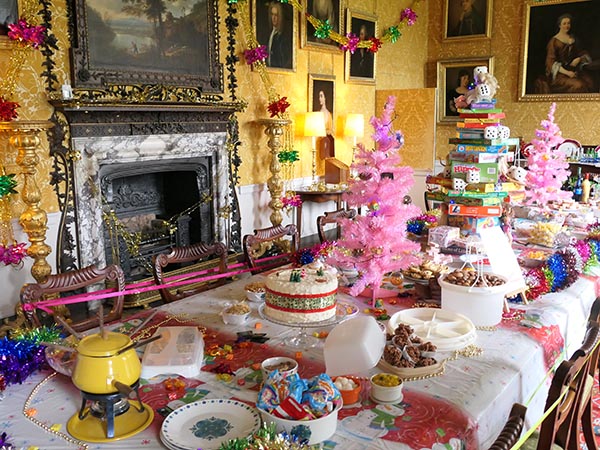
The room next door is the dining room, and this room was set out with 1970s and 1980s party food and party decor with bright pink Christmas trees and colourful decorations. The sweets and packaging of items were all vintage 1970s and 1980s, so it was like a step back in time.

hanbury-hall-xmas2021

hanbury-hall-xmas2021

hanbury-hall-xmas2021

hanbury-hall-xmas2021

hanbury-hall-xmas2021

hanbury-hall-xmas2021

The upstairs was also open, so after exploring the ground floor, I ventured upstairs to have a look.

hanbury-hall-xmas2021

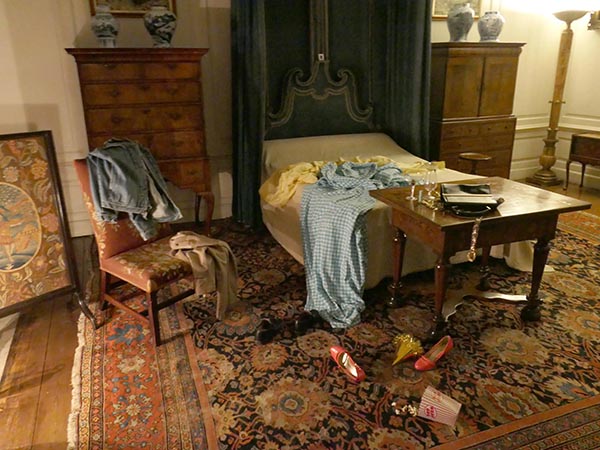
The first room at the top of the stairs was a bedroom set out to appear unmade, as if the occupant had retreated from the party a little worse for wear, leaving hat and shoes and drinks glasses to the side with thrown-off clothing.

hanbury-hall-xmas2021

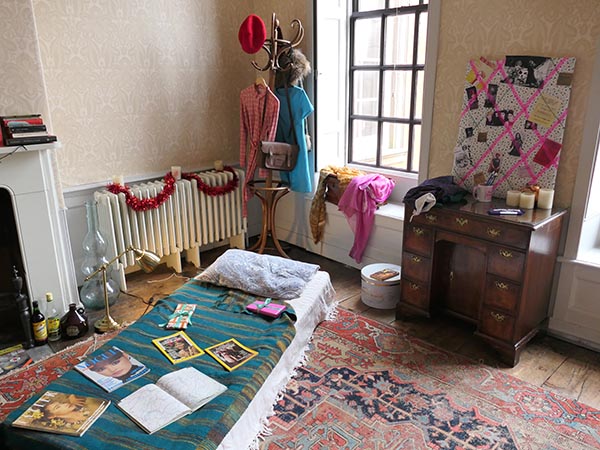
In a room next door, a temprary mattress remained on the floor with plenty of magazines, dresses, and posterboards. This is a girls room dating from the 1980s.

hanbury-hall-xmas2021

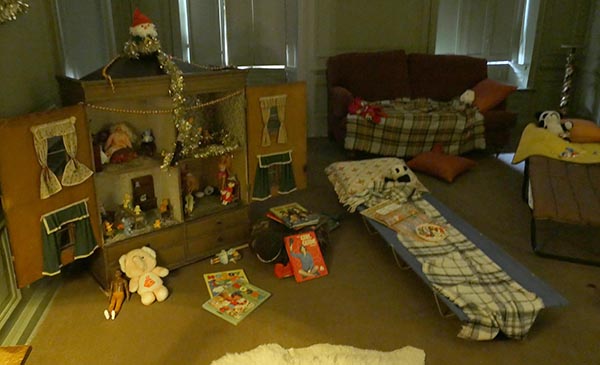
Another room was the room for the smaller children, and it was dark inside but filled with toys.

hanbury-hall-xmas2021

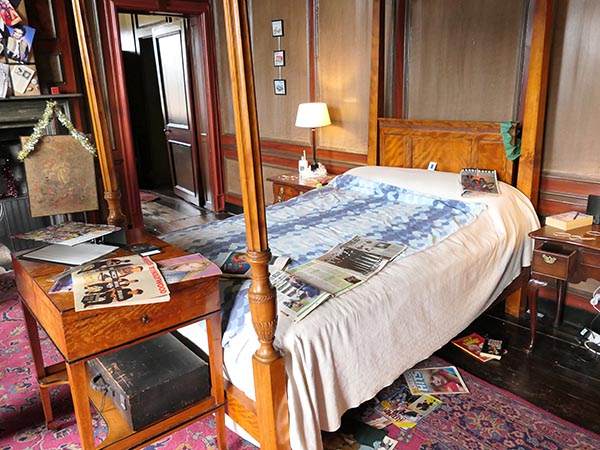
The last bedroom was decorated as if occupied by a teenage boy with a love of music.

hanbury-hall-xmas2021

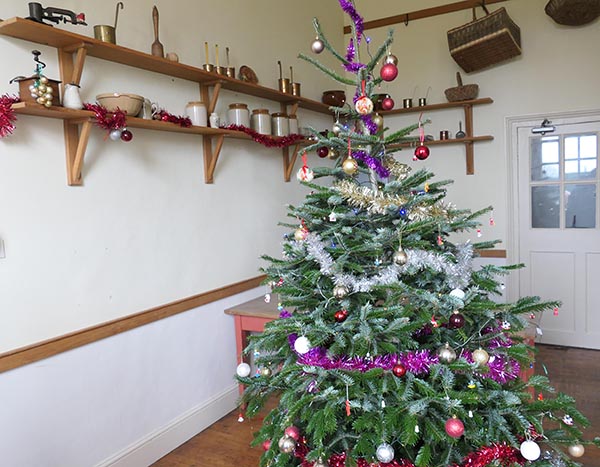
After exploring the house, I went into the kitchens, which are located at the ground floor of the house and serve as the cafe and tearoom today. A Christmas tree greeted at the entrance, and 1970s and 1980s cook book and other items were scattered about.

hanbury-hall-xmas2021

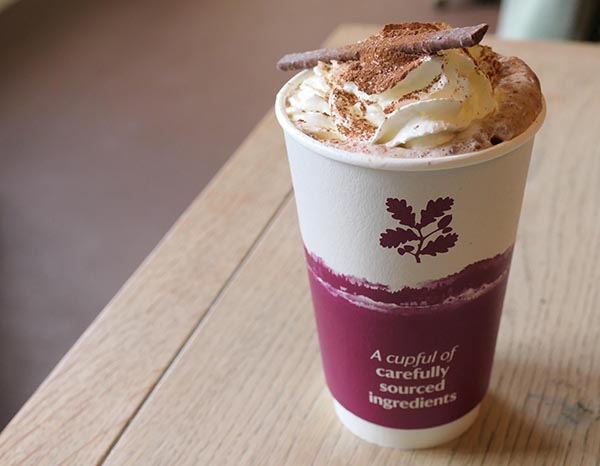
I had a hot chocolate.

hanbury-hall-xmas2021

The formal gardens have even had a makeover with each triangular conifer tree having a silver or gold bauble placed on top of it.

hanbury-hall-xmas2021

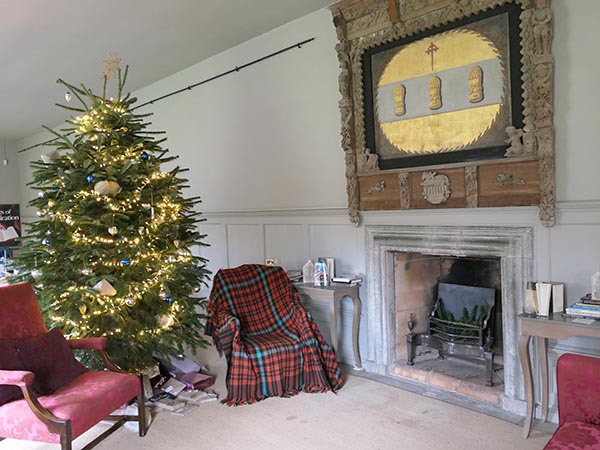
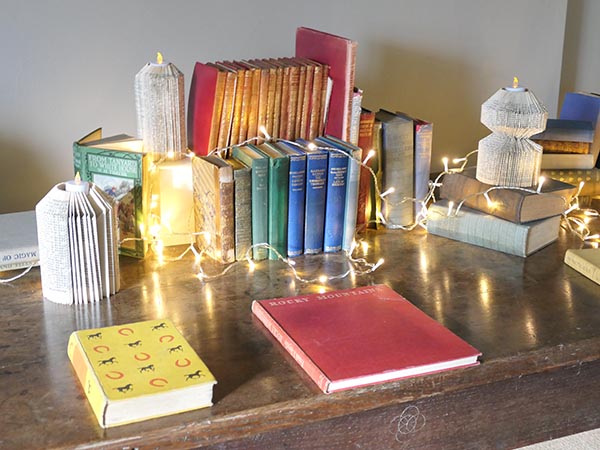
I aso explored the second-hand bookstore, which is located off the formal gardens. It has the best second-hand bookstore at the National Trust that I've been to so far. I ended up finding a lot of books on my list, and there were plenty more that I wanted but could not carry. Inside the bookstore was another Christmas tree with a beautiful fireplace and Christmas display of books.

hanbury-hall-xmas2021

hanbury-hall-xmas2021

hanbury-hall-xmas2021

I did not walk around the larger part of the gardens because there's not too much to see at this time of the year, but I do plan to return to Hanbury Hall again during the summer so that i can see the gardens and have a longer walk around the area.

hanbury-hall-xmas2021

I really liked the Christmas theme of this house, and I thought that it was all done really well and is a beautiful property. It is always a treat to see the National Trust properties and houses decorated.

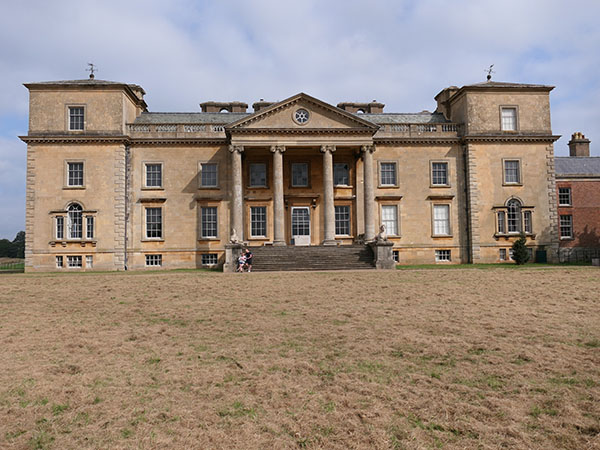
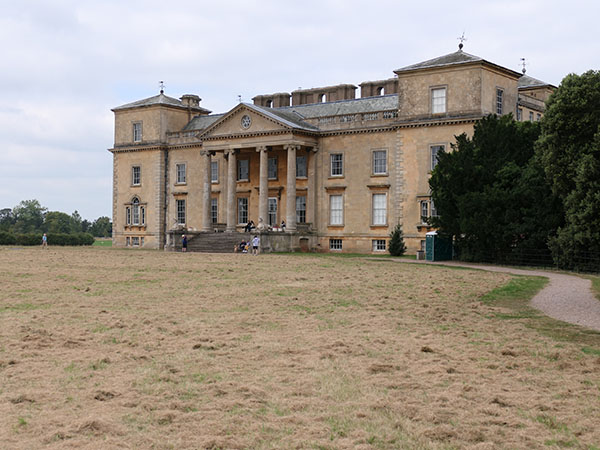
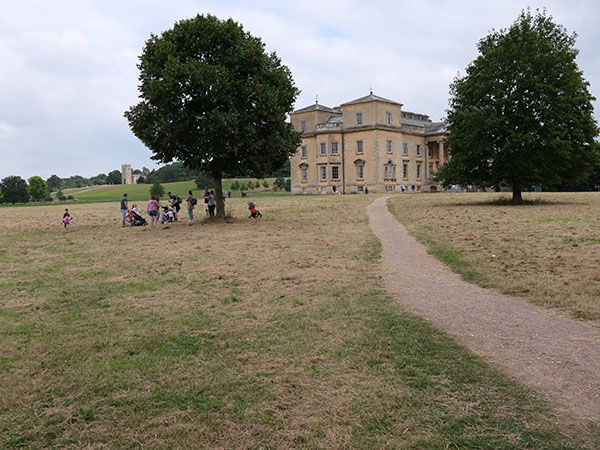
Croome, located in Worcestershire, contains a Neo-Palladian mansion (Croome Court) that was built in the mid-1700s, landscaped parkland, a church, walled garden, and Defford museum. The mansion and park were designed by Capability Brown. The estate was visited by George III, Queen Victoria, and George V. It was used by the military during both World Wars, and it was a children's school from 1950 to 1979. In 1979, the Hare Krishna movement used it as their main college. In the mid-2000s, it was purchased by National Trust. I had a walk through the parkland and explored the house during my visit at the end of August.

croome-1

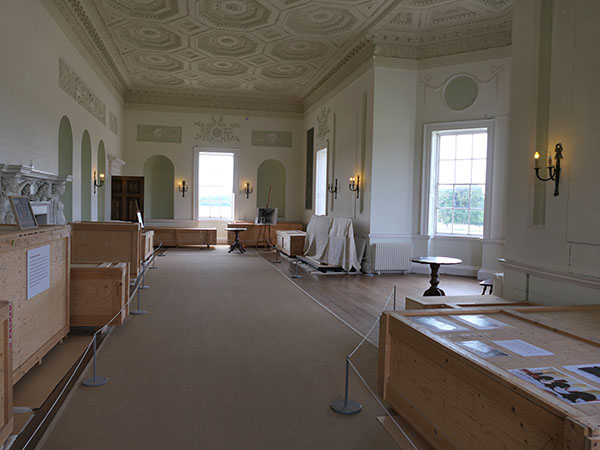
The house was opened to the public toward the end of 2009, and the rooms are in the process of being restored one room at a time. Currently, six of the rooms have been restored, but most of the items remain in crates. The Tapestry Room from the house is currently reconstructed at the New York Metropolitan Museum of Art.

croome-1

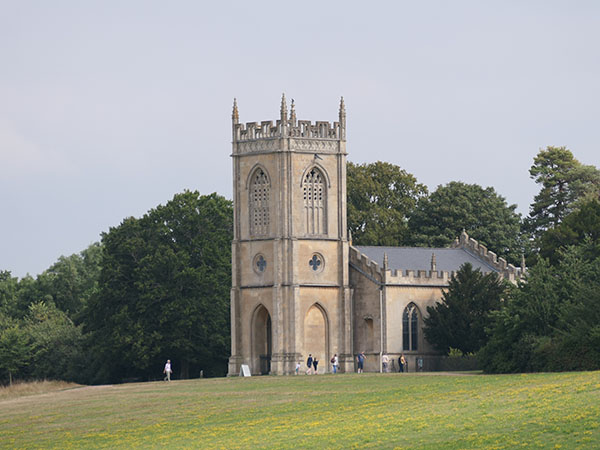
The Church of St Mary Magdalene is inside the grounds and on the hillside with views over the parkland to the mountains in Wales beyond. The church was built in 1763, and the location was used for a World War II film "Our Father".

croome-1

croome-1

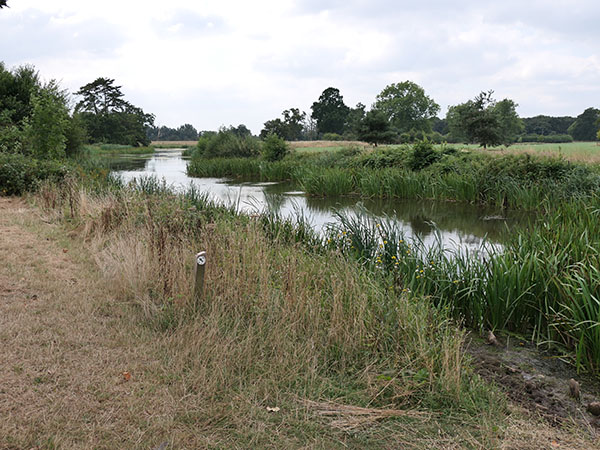
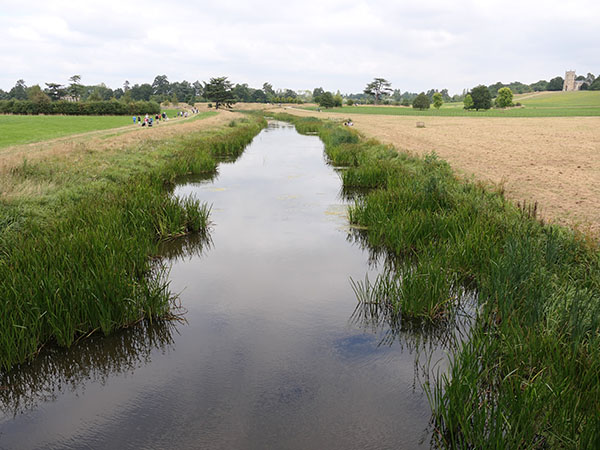
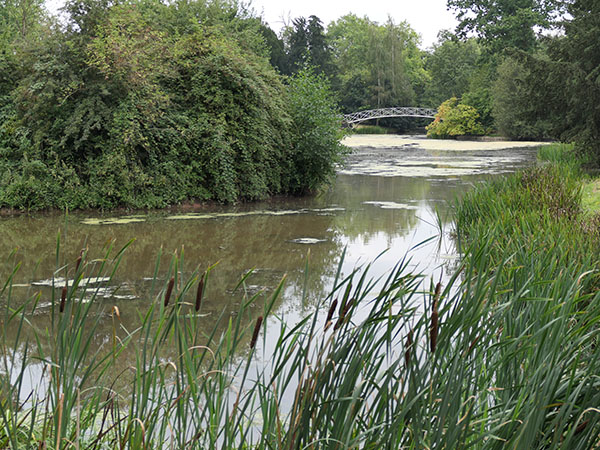
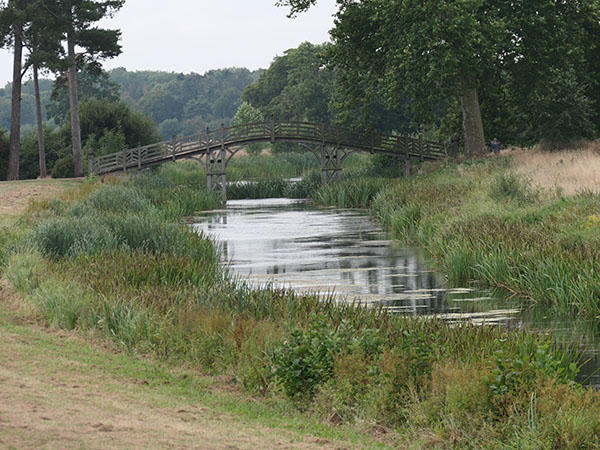
There is a short walk down to the house along the river where visitors can glimpse the Chinese bridge.

croome-1

I went inside the house first.

croome-1

croome-1

The first room contains many crates which contain book cases that used to belong in the house at the library down the corridor. The shelving came into the possession of the Victoria and Albert Museum, and hopefully they will be re-installed in the house.

croome-1

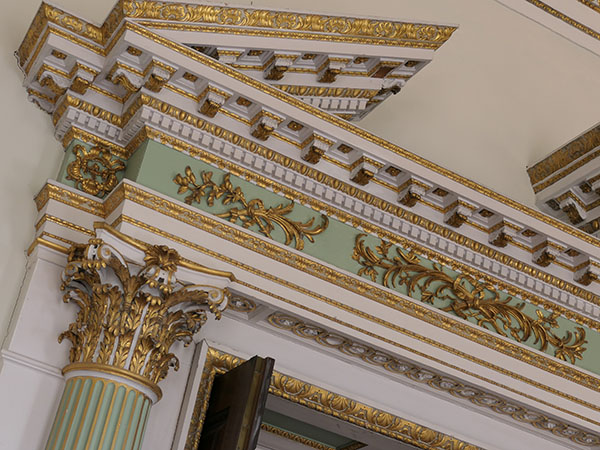
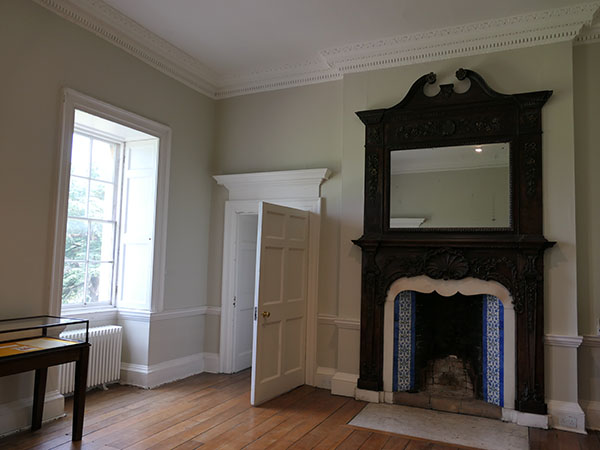
Some of the other rooms in the house have been restored, and some paintings are on display along with some other items in the collection.

croome-1

croome-1

croome-1

croome-1

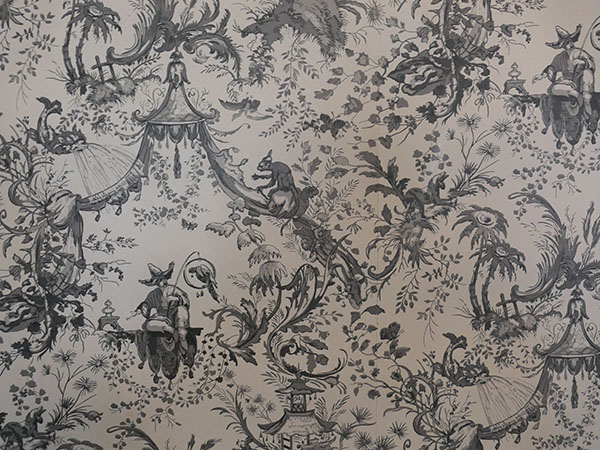
Hare Krishna movement used the house from 1979 for their training college, and it was visited by George Harrison. The movement repainted the dining room and held events until 1984 due to financial reasons. 

croome-1

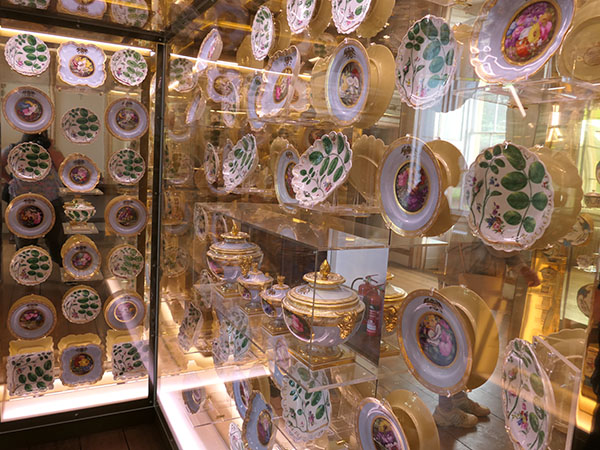
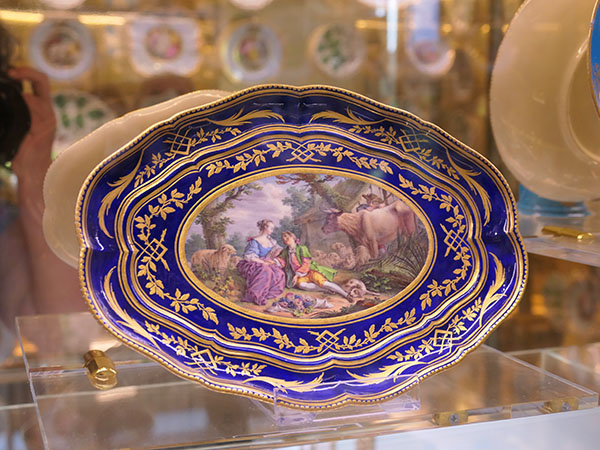
This room contains an exhibition of china.

croome-1

croome-1

Other areas of the house had different exhibitions, such as an exhibition for the children who called this house their home during the 1950s-1970s when it was used as a school. The basement of the house contains some children-specific exhibitions.

croome-1

croome-1

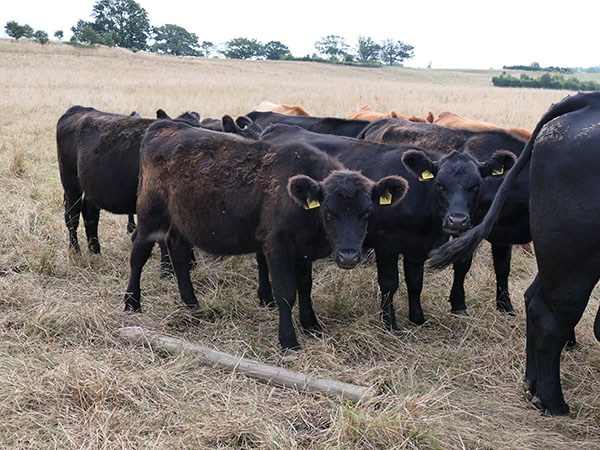
After visiting the house, I wanted to check out the walled garden. The walled garden sits above the house and on the bank of the hill. It is managed separately from the rest of the parkland, and an entrance fee applies to visit. I did not visit it on this occassion; I did not realise that it was privately-managed. On the way to the top of the hill, I came across cattle and calves.

croome-1

croome-1

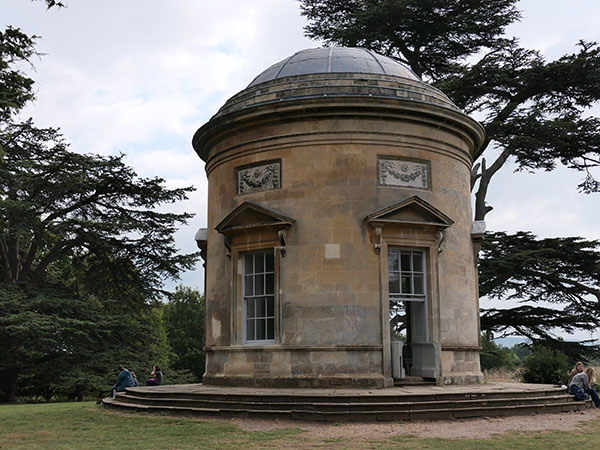
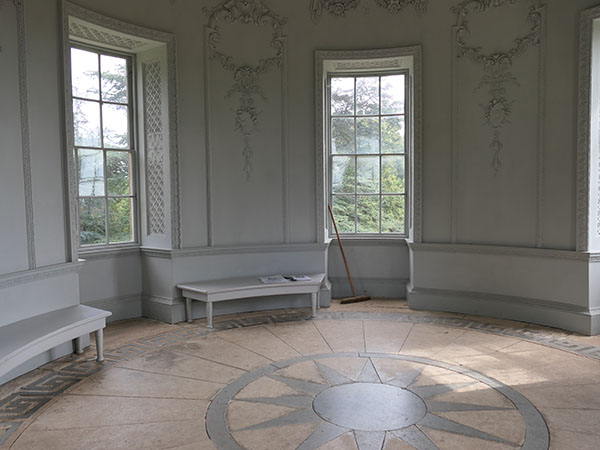
The rotunda sits on top of the hill along from the walled garden. It was built by Capability Brown in the 1750s.

croome-1

croome-1

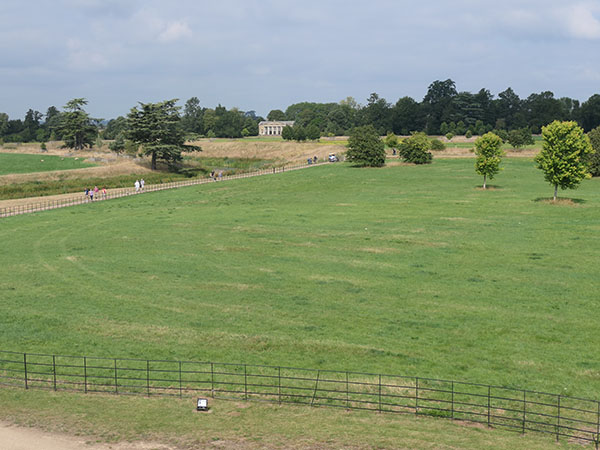
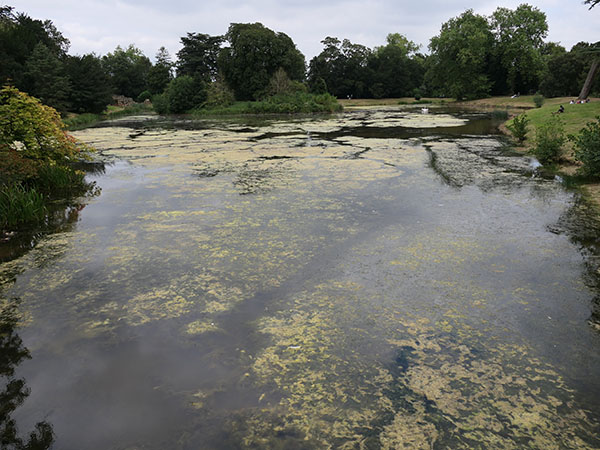
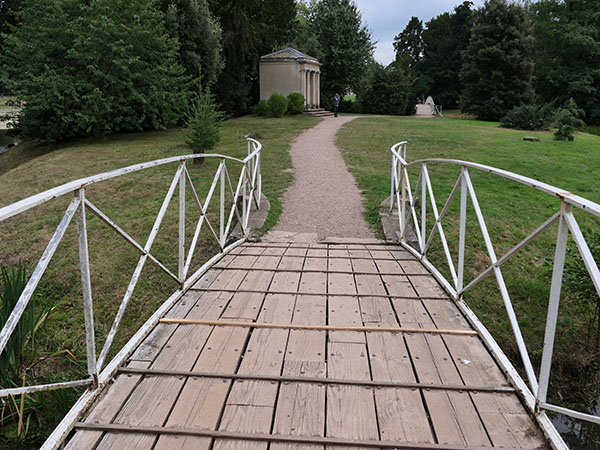
I decided to walk back down the hill and explore the parkland. The parkland at Croome contains a man-made lake and river with various statues, temples, and other buildings. 

croome-1

croome-1

croome-1

croome-1

I followed the river around to the man-made lakes.

croome-1

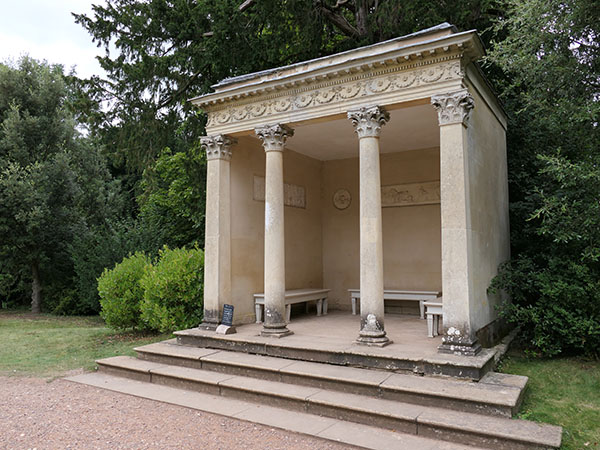
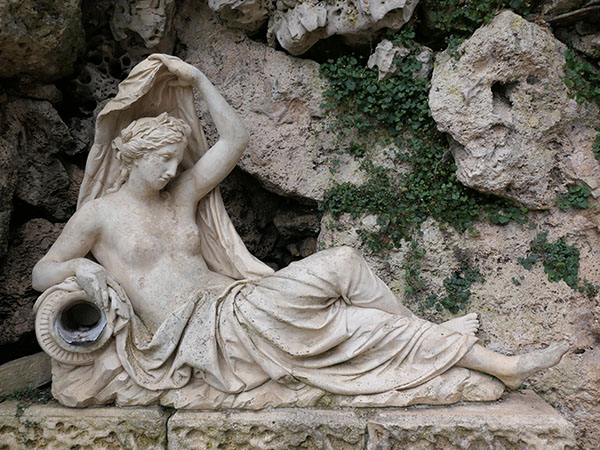
There are a lot of little buildings that add interest as well as grottos and constructed "ruins" to help provide interesting viewpoints. The grotto is a feature point at the edge of the lake.

croome-1

croome-1

croome-1

croome-1

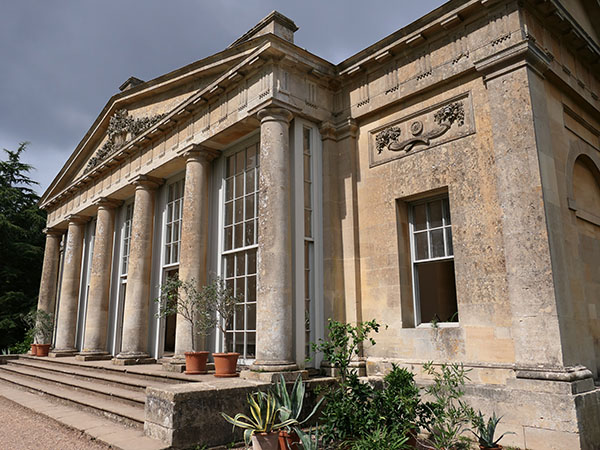
Temple Greenhouse is an impressive building built in the 1760s. Before the pandemic, it was used as a tea room.

croome-1

RAF Defford is located at the property, and there is a museum here for it today at the entrance to the grounds. It was a top secret base used during World War II, and it housed over 3,000 people (including 600 women working for the war effort). There is a lot of information to read about the base. Defford was where radar equipment was researched, tested, and built. It is known mainly for its advances in radar technology, and some of these items are on display at the museum.

raf-defford2.jpg

A lot of information is included in the museum about those who worked here. The women who worked in their own air force were known as "Wrens", and they did the same roles that the men did but were paid only a quarter, which is so unfair.  Also on display is the wedding dress worn by two people who met while working at the base.

raf-defford1.jpg

A variety of different air craft was used at the base, and the last of these is currently on display here, a Meteor WD686. 

Shepard Fairey Street Art in East London from 2019

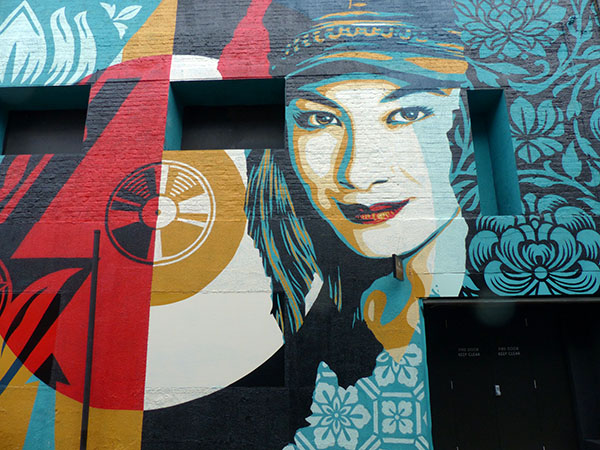
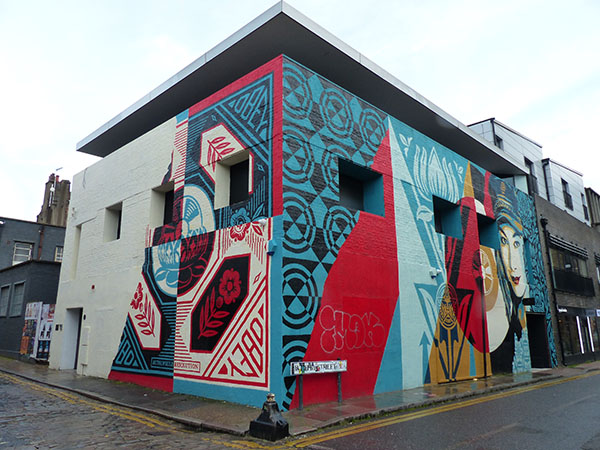
Three new murals by street artist Shepard Fairey appeared in London toward the end of 2019. Shepard Fairey is one of the world's highest profile illustrators and street artists, and some of his work was used in campaigns and made the cover of magazines; his work is shown in art galleries today. One of the famous series of artwork is "Obey", which started as a symbol and gained popularity and has since been referenced a lot in the artist's work. In early 2013, I captured some of the artist's work that was located around east London. Today, I think only one of those pieces remain high above on Grey Eagle Street (Street Art: Shepard Fairey). In the autumn of 2019, Shepard Fairey returned to London to host an exhibition "Facing the Giant" in Shoreditch, and at this time, three new murals appeared around east London.

shephard-fairey2019-3.jpg

The first mural is located on Whitby Road, but at the time of publishing this post, the mural has just recently been painted over. It uses the bold illustration style of the artist with red, cream, black, and the introduction of blue patterns. On one side of the mural is a portrait of a woman. It is painted along two walls of a building.

shephard-fairey2019-2.jpg

The second mural is located on Hanbury Street and is another portait with a heavily-stylized graphical representation using black, yellow, pink, and blue colours as a minimum.

shephard-fairey-2019-1.jpg

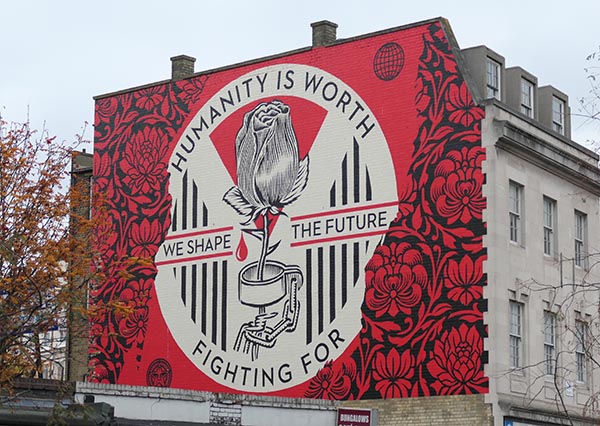
The third piece is one that I'd finally just been able to visit recently and is probably my favourite of the three murals. It is representative of the artist's previous work in London and shows a floral pattern with the words "Humanity is worth fighting for" and "We shape the future". It is a symbol of hope with a rose in the middle, bars, and a chain. The mural is located on Mare Street around the corner from London Fields and just off Hackney Road.

shepard-fairey2019-5.jpg

For more artwork by Shepard Fairey on this blog, see:

Street Art: Shepard Fairey

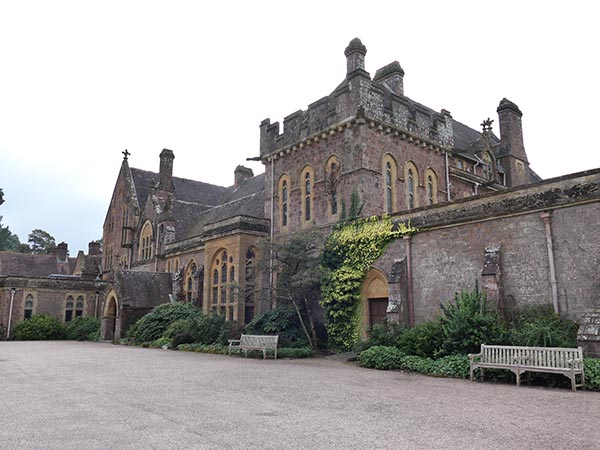
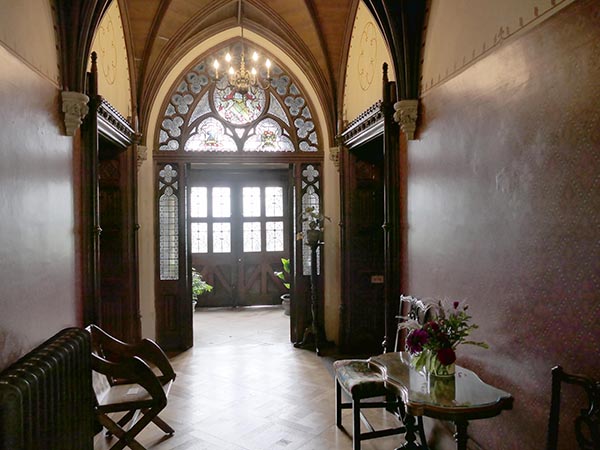
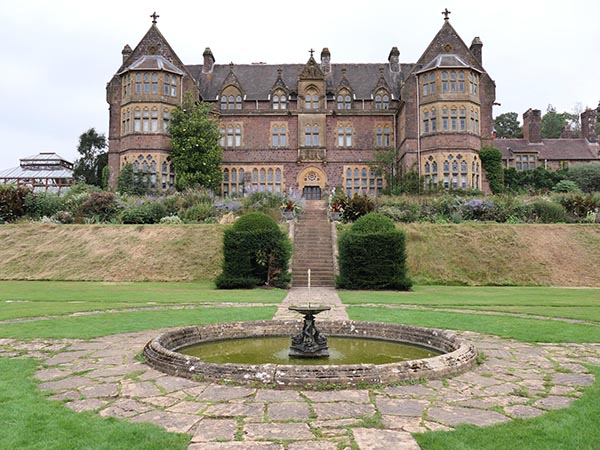
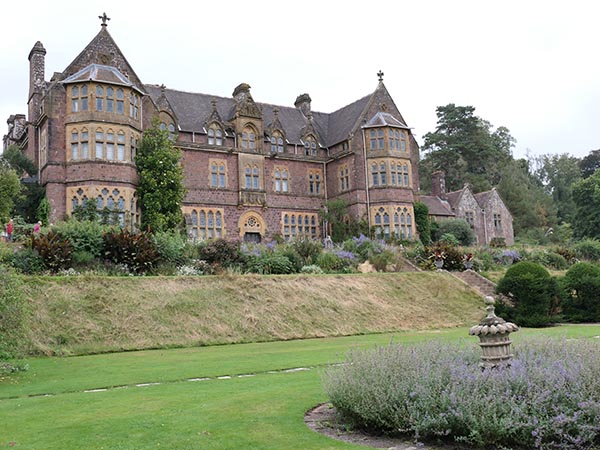
Located in Devon, Knightshayes Court is a grand Gothic-revival Victorian mansion with parkland. The house is considered to be quirky in design and not to everyone's taste; it is the work of William Burges. The garden and parkland contains a varied collection of 1200 plant species, and there is also a walled kitchen garden. The first house was built in the later 1700s for Benjamin Dickinson, who was a wealthy merchant and mayor or Tiverton. The current house was built about 100 years later and slightly up on the hill to avoid views over a lace factory and other factories in the area.

knightshayes

One of the people that lived in the house most recently was Joyce Wethered, a female golfer. The house contains a room with some golfing items and information dedicated to her.

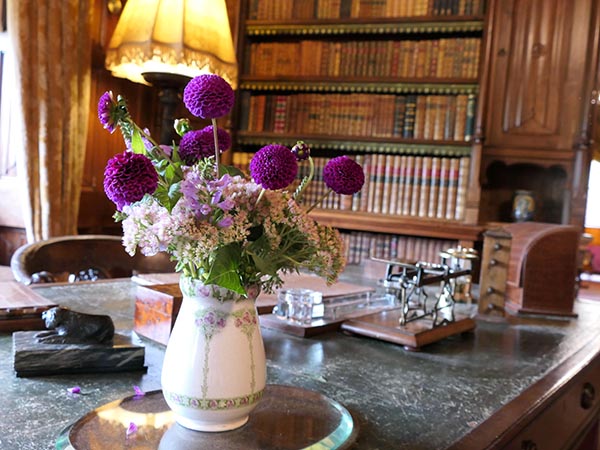
Knightshayes Court has been owned by the National Trust since 1972 and opened to the public since 1974. All of the flowers in the house are fresh from the gardens as the last occupants of the house specified to the National Trust as a condition. These fresh flowers made such a huge difference in showing off the beauty of the rooms.

knightshayes

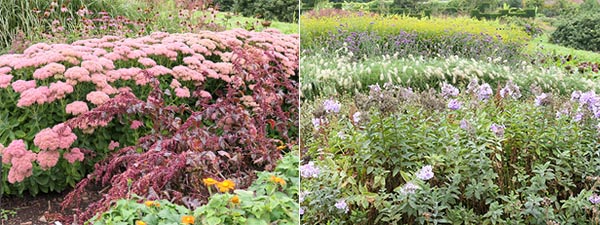
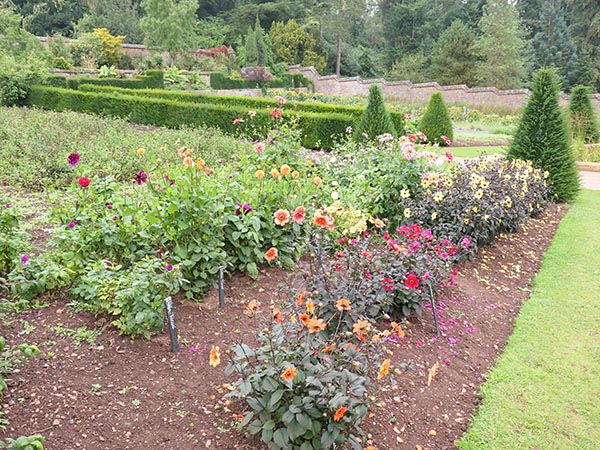
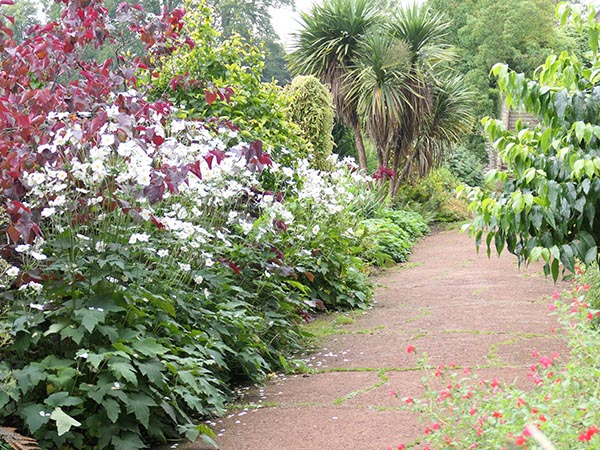
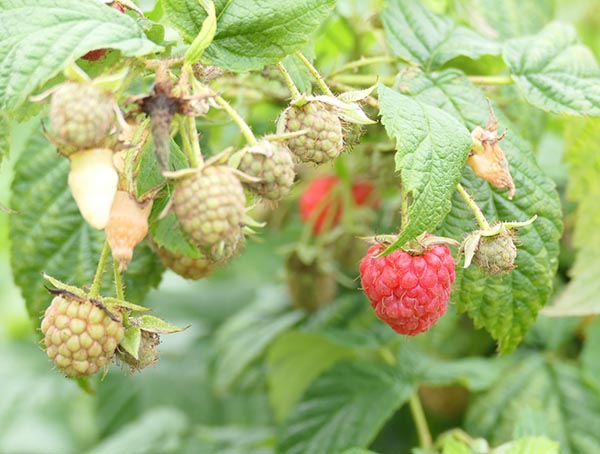
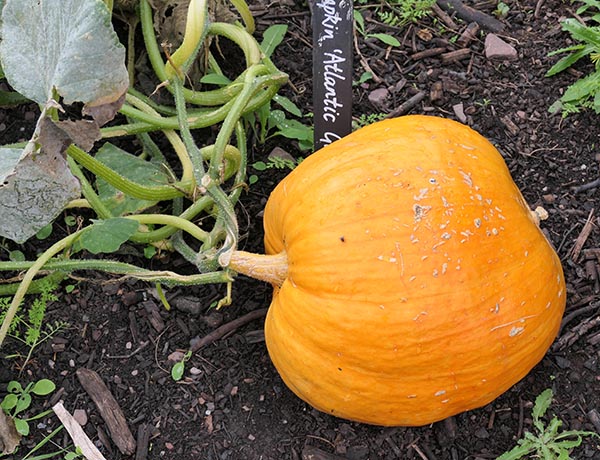
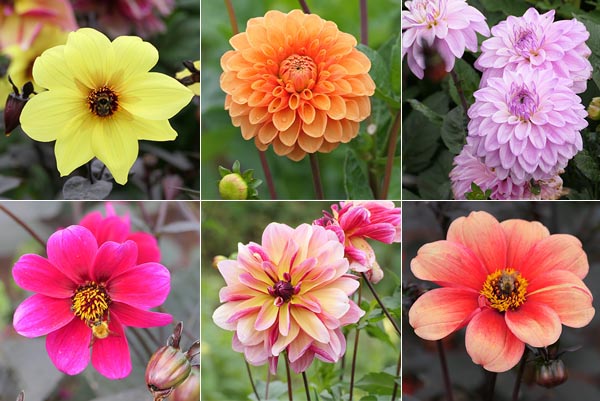
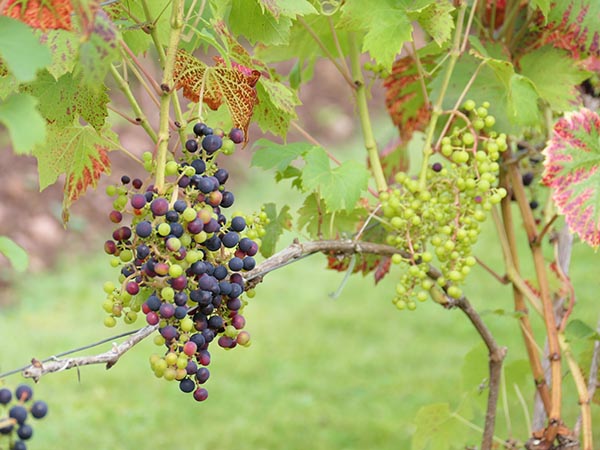
I first went to explore the walled garden and was surprised to see some late summer flowers in bloom during my mid-September visit and the start of the harvest of pumpkins, squash, and grapes.

knightshayes

knightshayes

knightshayes

knightshayes

knightshayes

knightshayes

knightshayes

knightshayes

After exploring the walled garden, I had a walk to the mansion. It is probably a five minute walk away from the walled garden.

knightshayes

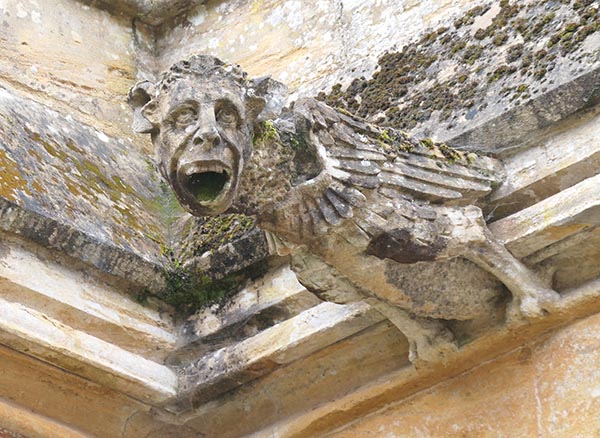
There are some interesting gargoyles on the front of the house.

knightshayes

The entrance hall or great hall has high ceilings and painted with designs and a lot of detail.

knightshayes

knightshayes

knightshayes

knightshayes

This led off to some smaller rooms.

knightshayes

knightshayes

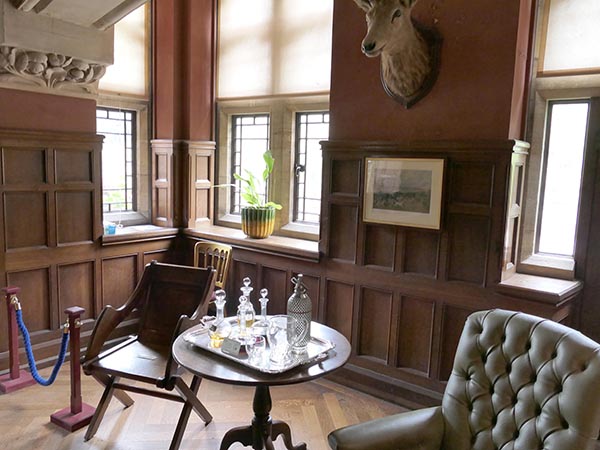
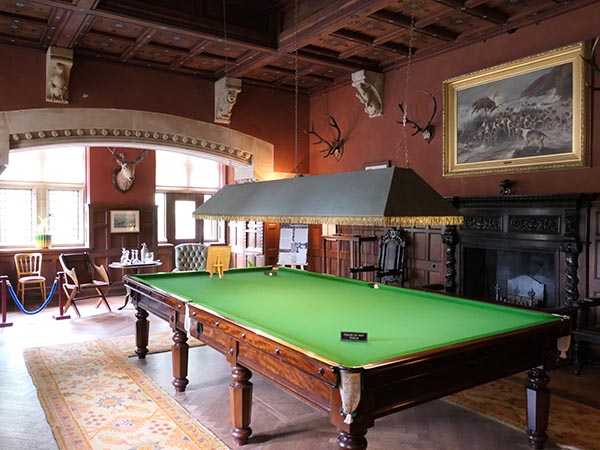
We were told of the game room and the different carved figures around the room are different animals designed as the "seven deadly sins".

knightshayes

knightshayes

knightshayes

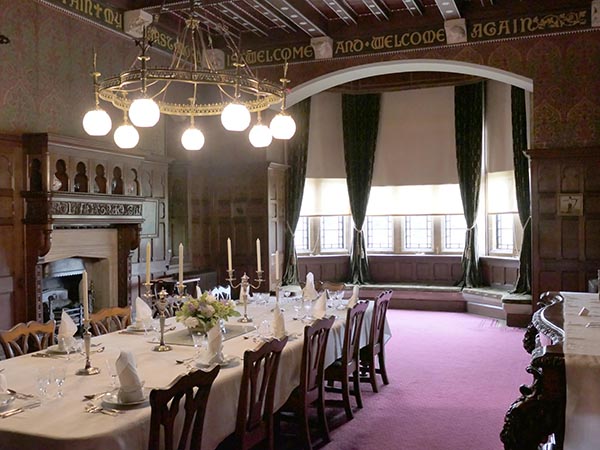
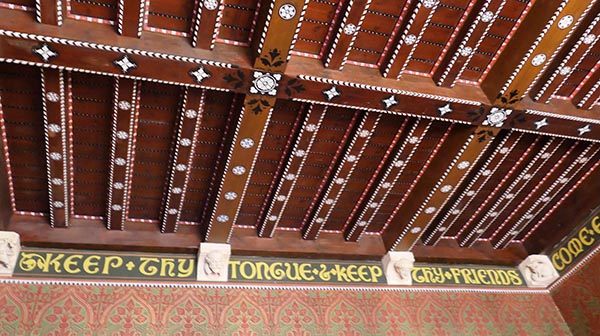
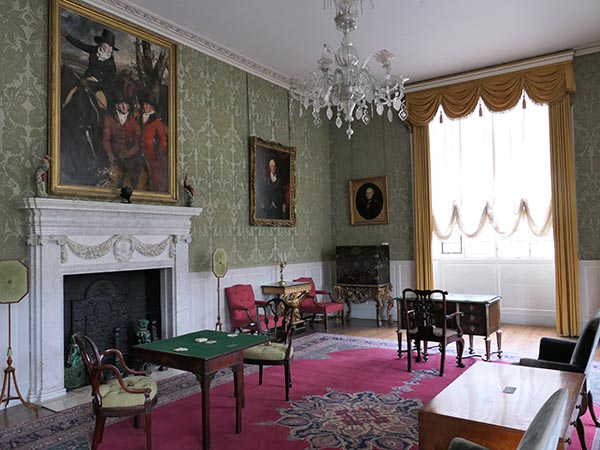
The dining room had a few paintings, though some of them are suspected as being fakes. The ceiling has been carved and painted with mottos around the top of the ceiling, the fireplace, and so on. I think that this strong sense of detail and taste was not appreciated by everyone. 

knightshayes

knightshayes knightshayes

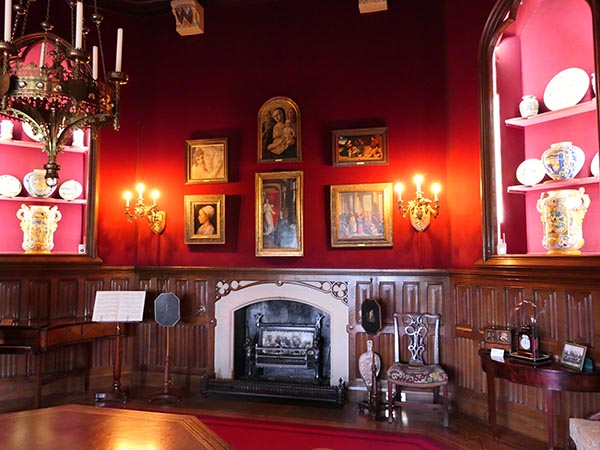
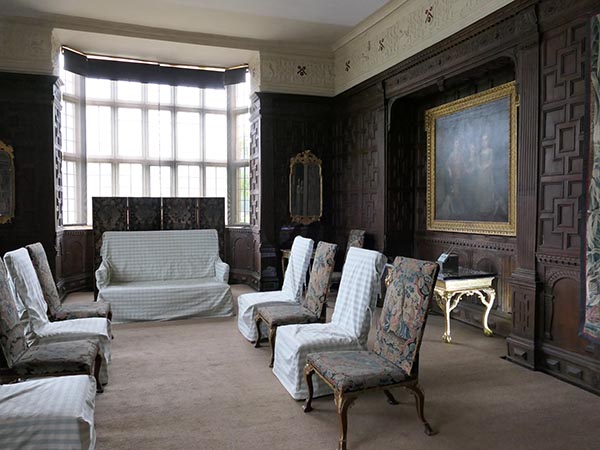
A smaller octagonal-shaped room showed off some ceramics and additional paintings. This is the "Morning Room". It also had nice views along one side.

knightshayes

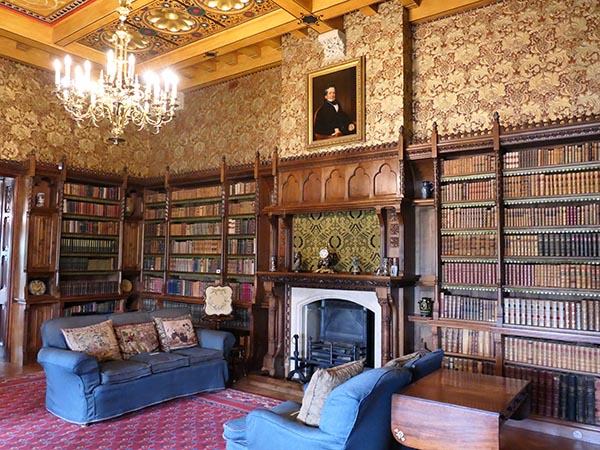
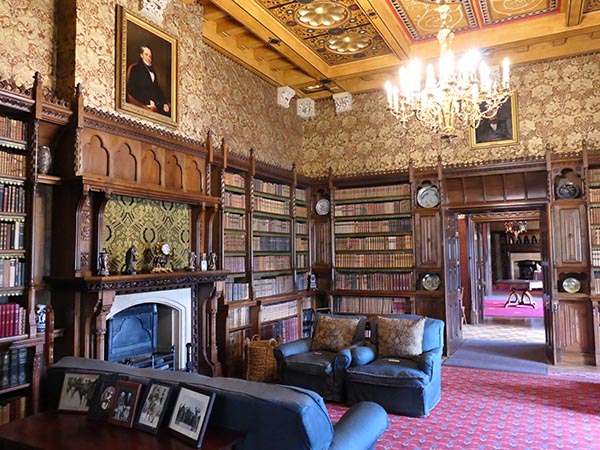
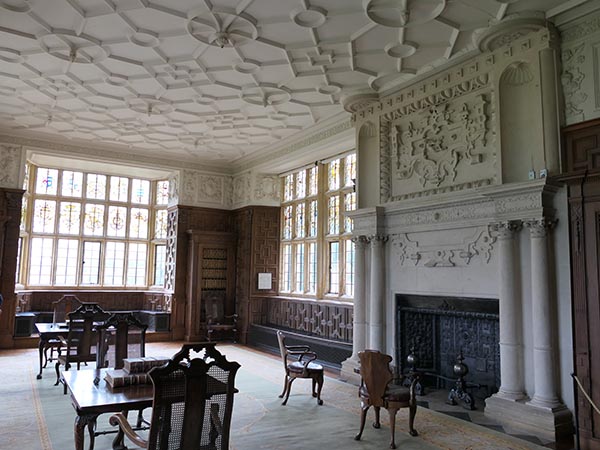
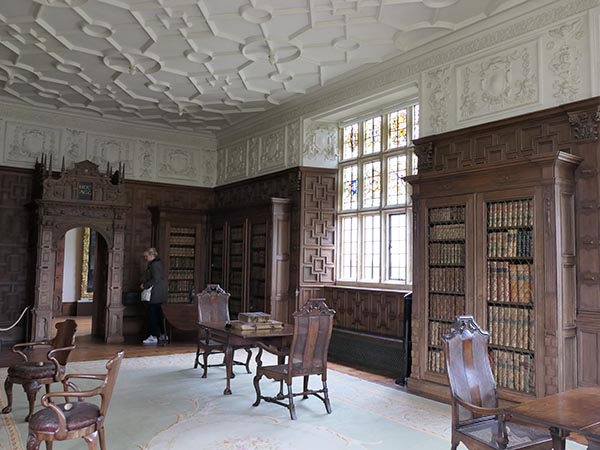
On the other side of the Morning Room is the library. The library is a beautiful room with carved and painted ceilings and opened into another dining area.

knightshayes

knightshayes

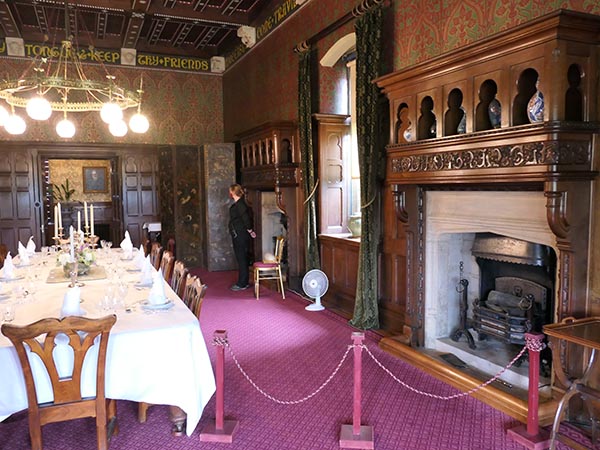
Through the library is another dining area with a fireplace that has a lot of detail carved into it, and this opens into a sun room and conservatory area. This room contained some paintings and expensive furniture.

knightshayes

knightshayes

There are some nice views from the gardens, and the parkland does span on for miles.

knightshayes

knightshayes

knightshayes

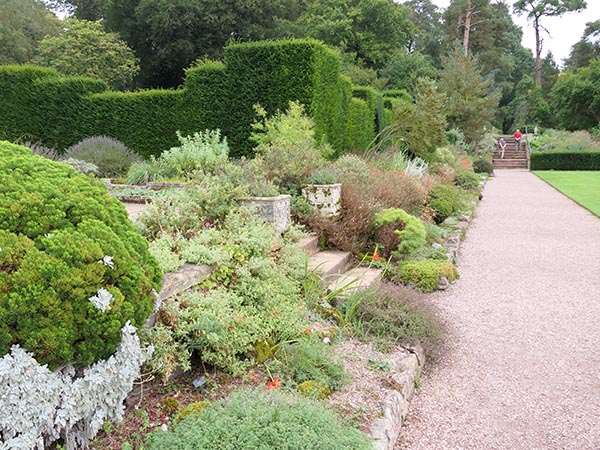
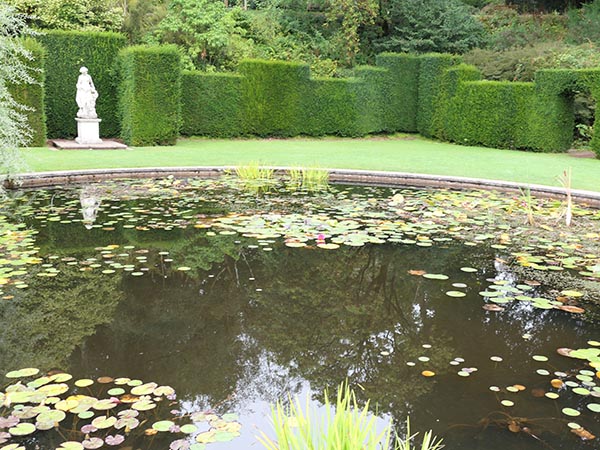
The gardens along the side of the house are set in little "rooms" with a different theme of each, such as hedging or ponds. Beyond this is more parkland with sculpted landscape and planted trees.

knightshayes

knightshayes

knightshayes

I enjoyed the visit to Knightshayes and enjoyed seeing the house and the gardens. Unfortunately, we were not able to see the full house open due to the pandemic, so hopefully it will be open when I next am in the area to visit it.

Exploring Montacute (National Trust, Somerset)

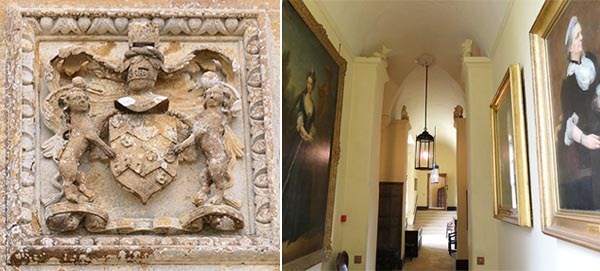
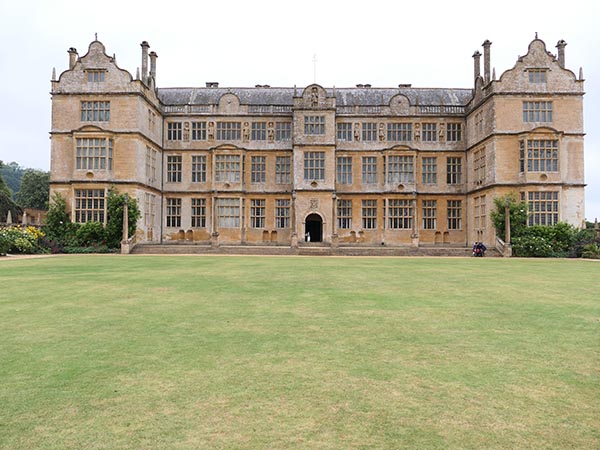
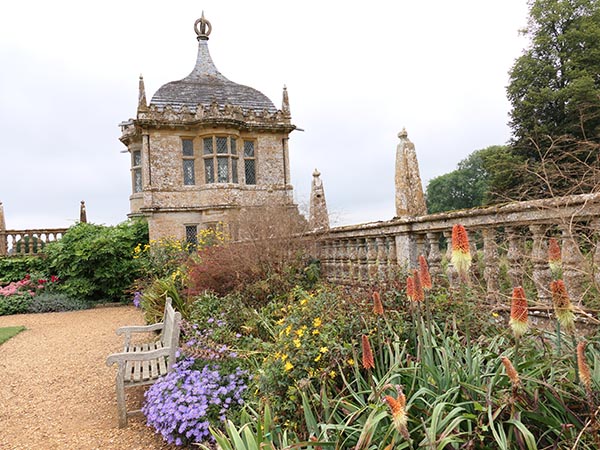
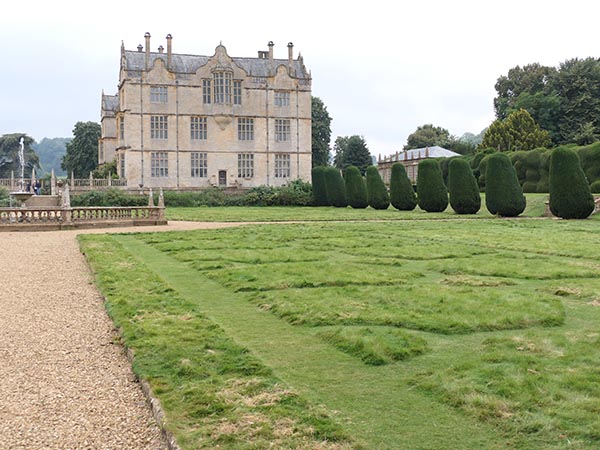
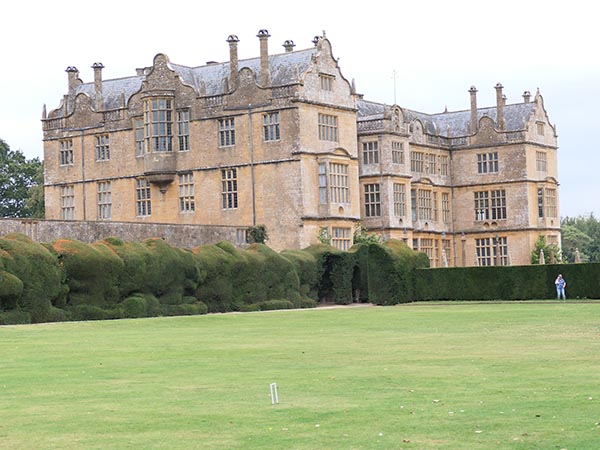
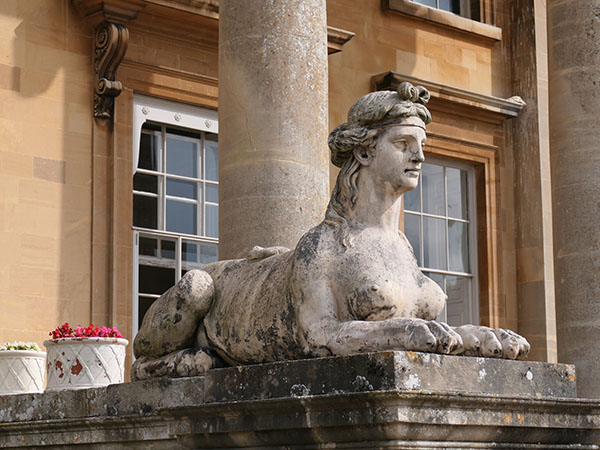
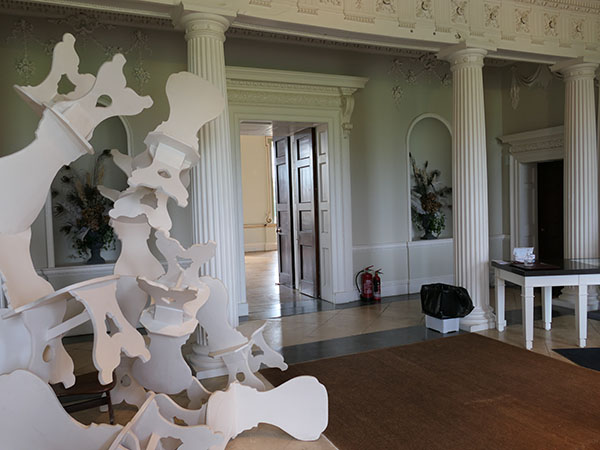
My first ever visit to Montacute took place in mid-September. Montacute is an Elizabethan house with gardens and parkland in Somerset, and it is maintained by National Trust. The house was completed in 1601, and it has the longest Long Gallery of its kind in England and houses over sixty Elizabethan portraits. The grounds have been used as a filming location for various productions from "Wolf Hall" to "Sense and Sensibility". The owner of the house obtained wealth through lawyer positions in Parliament and acted as prosecutor during the Gunpowder plot.

montacute

The house was built on land that once belonged to Montacute Priory. The owners did not have fame for very long, and the house was sold and ended up being gambled away by another family. Items were sold, leaving the house an empty shell. It was acquired by the National Trust in the late 1920s.
montacute

montacute

The mansion was built in an "E" shape, which was one of the common plans for Elizabethan houses. 

montacute

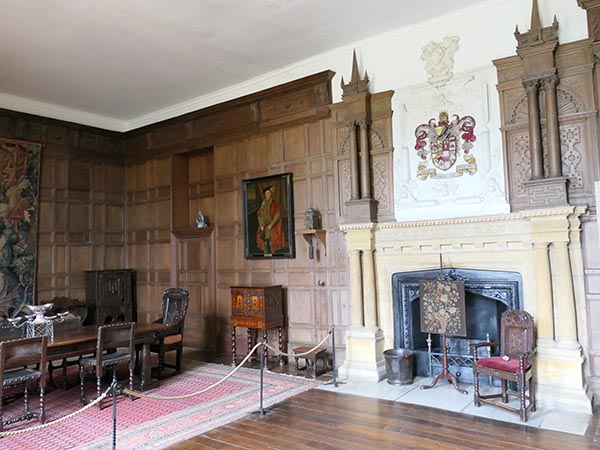
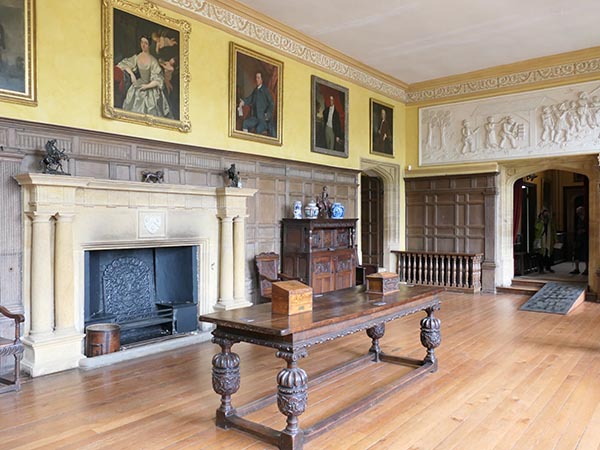
The Great Hall is built with Renaissance style stonework. 

montacute

montacute

montacute

The Drawing Room and Parlour lead off of the Great Hall.

montacute

montacute

montacute

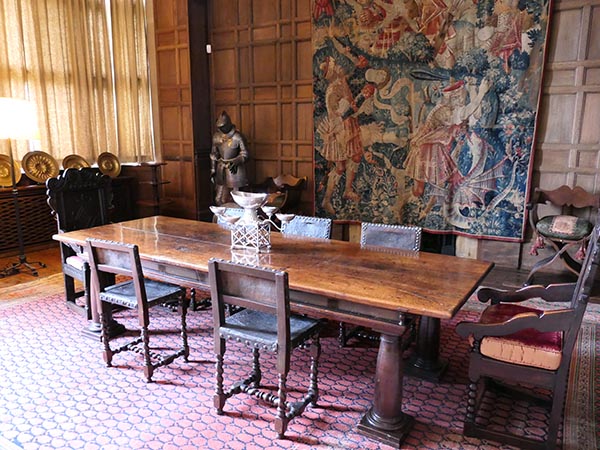
The Great Camber is furnished as a library today and is one of the most impressive rooms in the house.

montacute

montacute

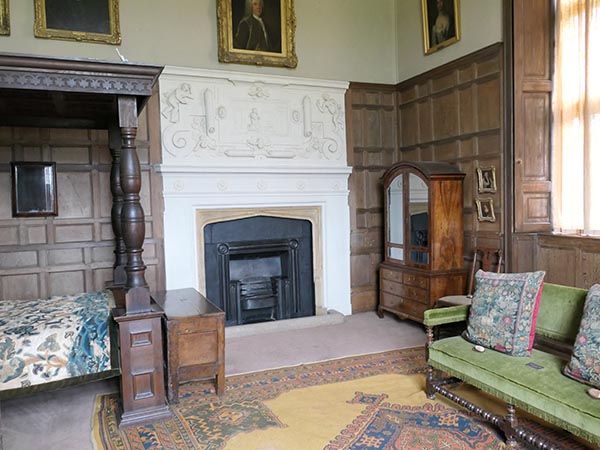
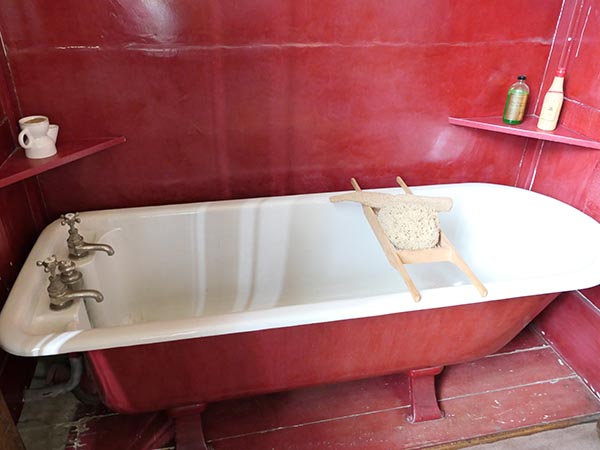
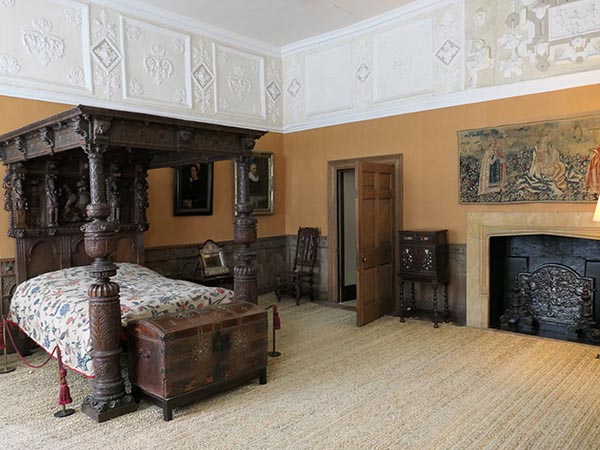
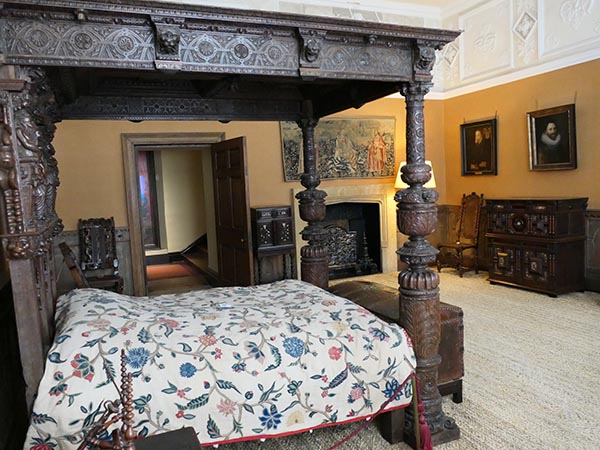
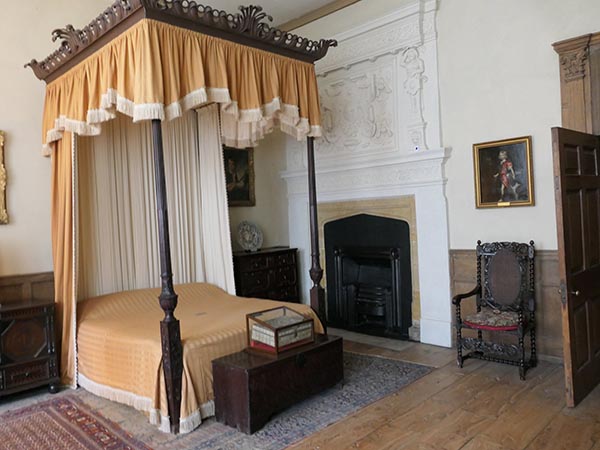
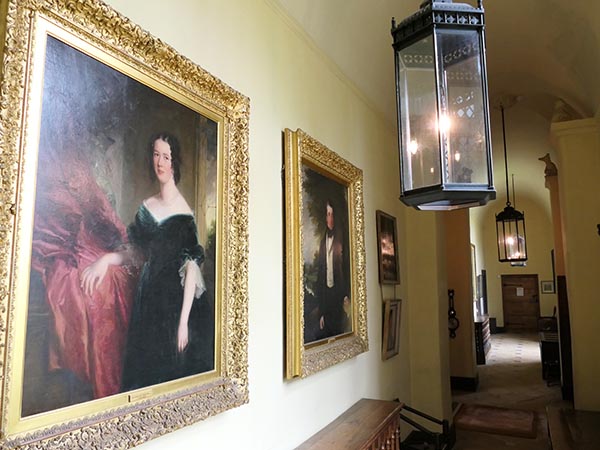
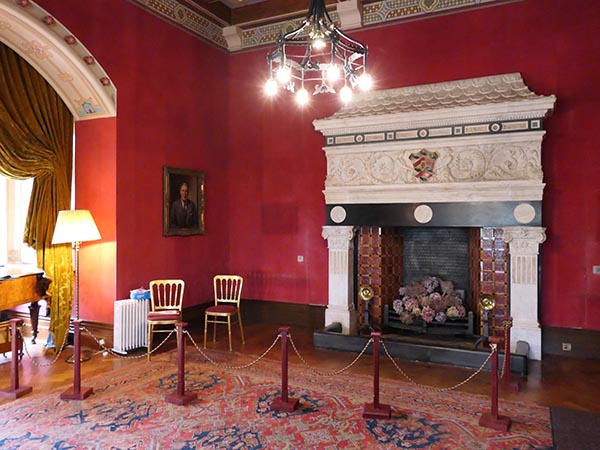
The anteroom is a small room with paintings and leads off to other rooms, such as the main bedroom. The main bedroom was used in the early 20th century as a bedroom and included a plumbed bath which is hidden in a wardrobe. The bath appeared in a boxed in room.

montacute

montacute

Here are a couple of other bedrooms on the first floor.

montacute

montacute

montacute

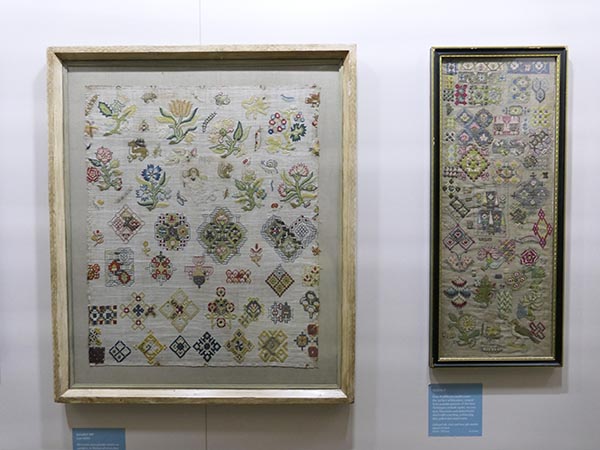
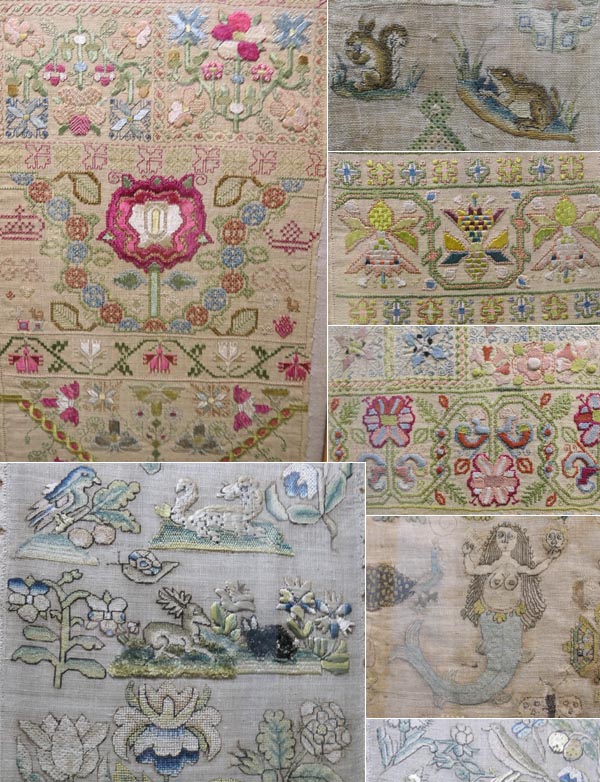
One of the rooms contained an exhibition of stitchwork. These were bought and collected, and the human element best explains their history. Girls would learn this art and practice it in their free time. These pieces of cloth would be practiced on and kept in the girl's possessions with the other items. They would continue to learn their skill. Flowers seem to be the most common. A lot of these were used as gifts with messages stitched on some of these. 
montacute

montacute

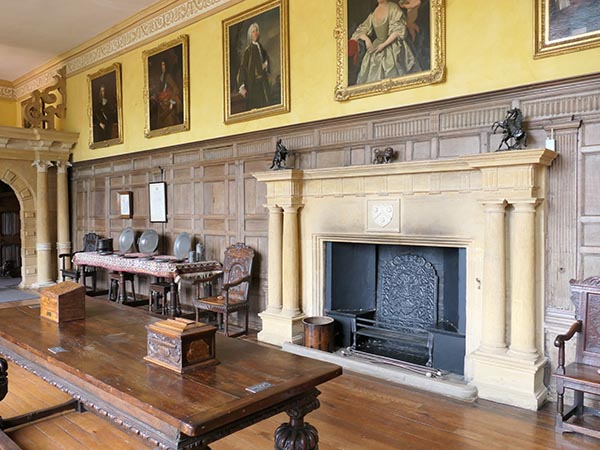
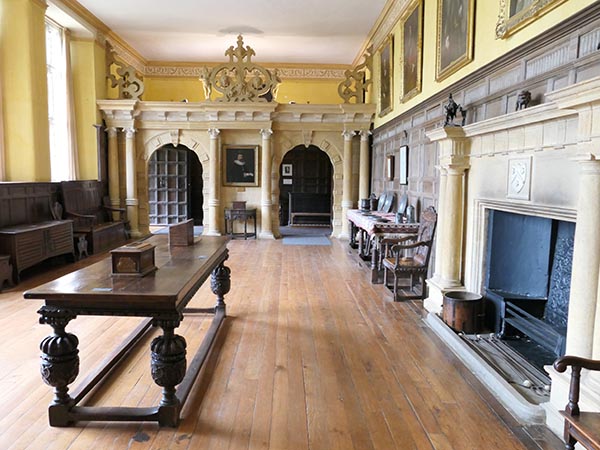
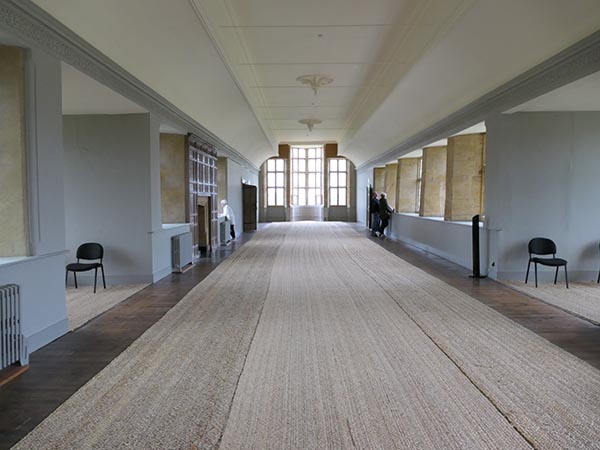
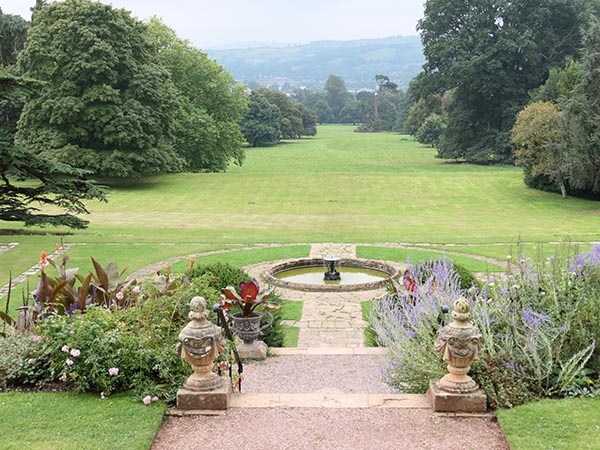
The main feature of the top floor is the Long Gallery, which is 52 meters long. It is the longest surviving Long Gallery and contains various vantage points to look over the grounds. Long Galleries were features and used as entertaining and exercising in poor weather. The rooms off of the Long Gallery contain exhibits from the National Portrait Gallery. Only a couple of the rooms were open, and these rooms showed prints of Tudors and Stewart monarchy.
montacute

montacute

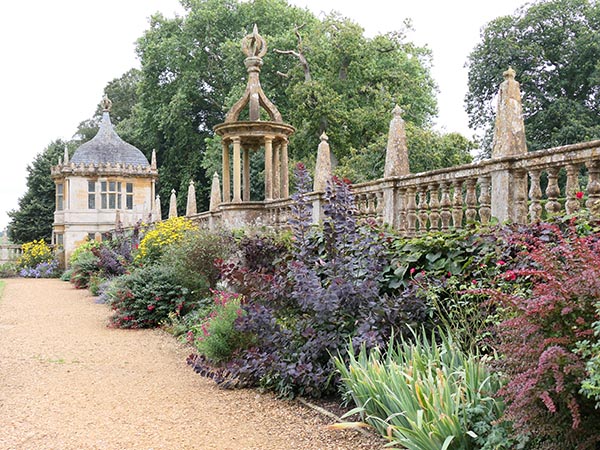
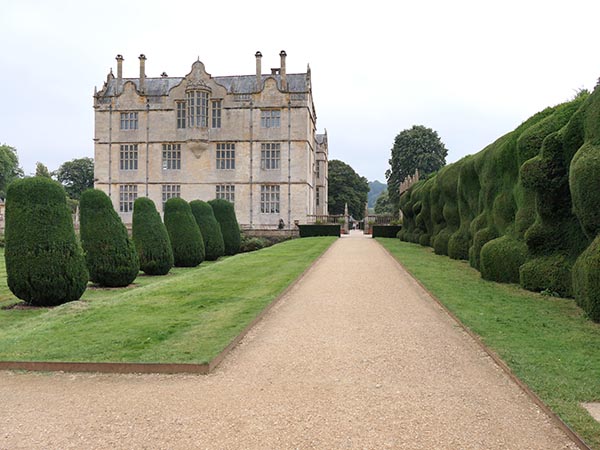
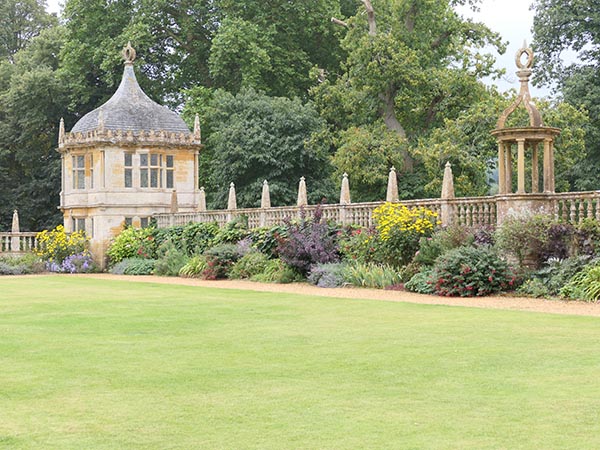
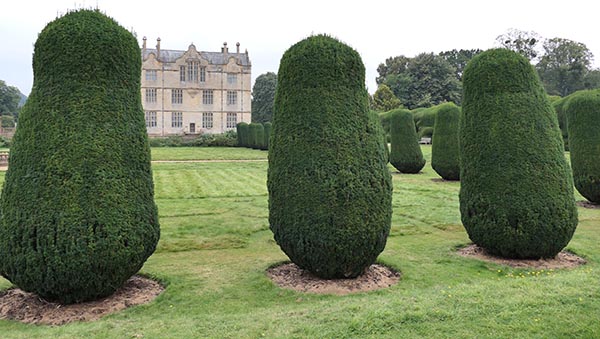
There are over 300 acres of grounds. The yew trees in the garden have been trimmed for a "melted" shape, which was inspired by snow in 1947.

montacute

montacute

montacute

montacute

montacute

montacute

montacute

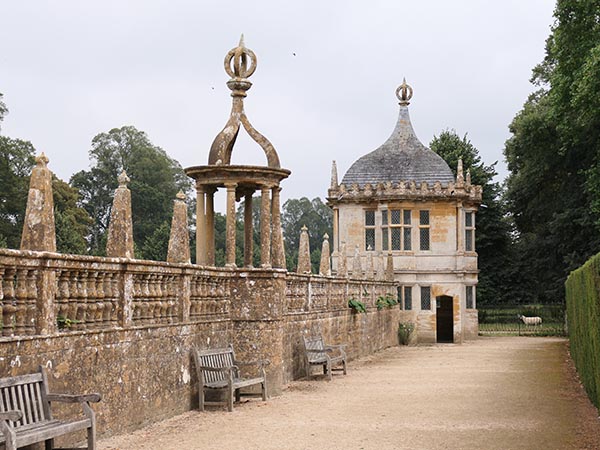
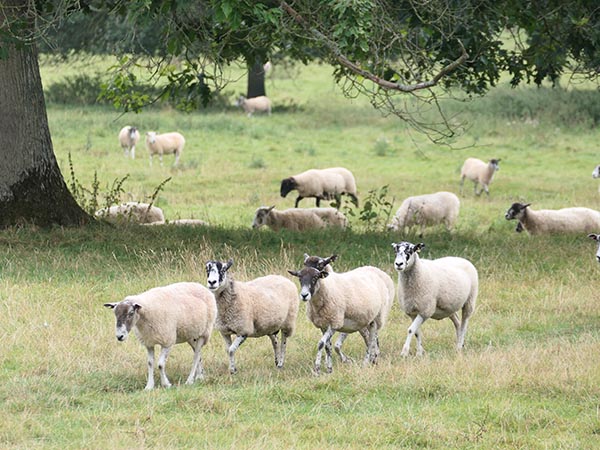
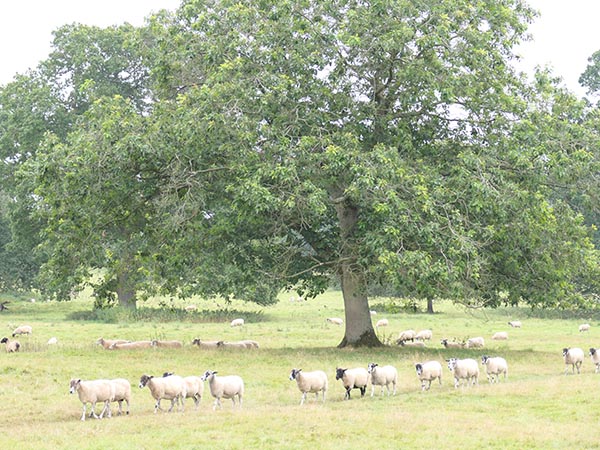
The grounds outside of the formal gardens were filled with sheep.

montacute

montacute

montacute

montacute

Montacute House is a pleasant house with grounds, and I was happy to explore the rooms and to look at the paintings. I also learned that this type of house is a common style of Elizabethan architecture and layout.

Street Art Collaboration by Libre HEM and Acaro in Camden

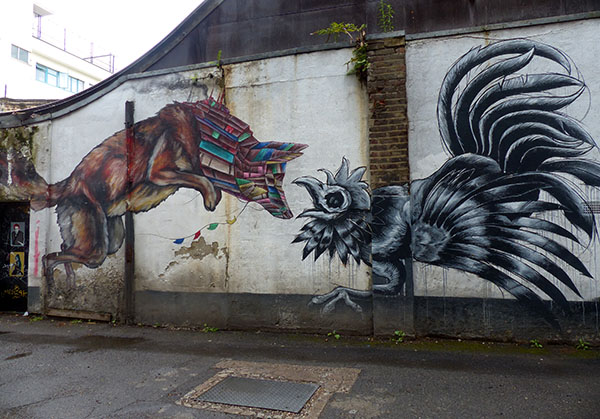
Back in 2015, a few Mexican street artists came to visit London ahead of an exhibition, and they left several wonderful new artworks around London's walls. A few years ago, I came across one of the remaining ones that was painted at that time and was still visible, and it was a collaboration between street artists Acaro and Libre HEM. I've been recently going through all of my unpublished street art photographs, and thought that it was time to post this one. I recently covered both artists before who worked on this collaboration, and the links are included at the bottom of this write-up.

libre-acaro-1.jpg

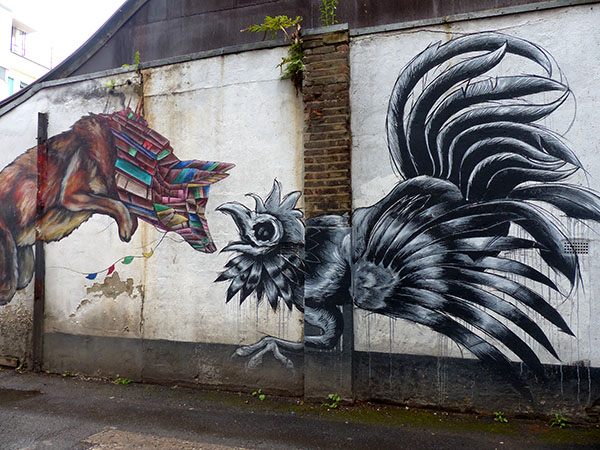
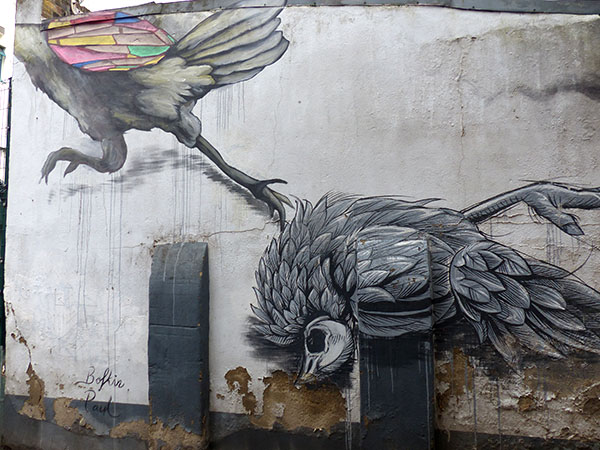
The black and white illustrations of animals is the work of Acaro. Animals are often depicted in his work with birds being a popular subject. The heads of the creatures appear to be skeletised.

libre-acaro-2.jpg

This compliments Libre HEM's work well with the heads also having their own form in his colourful geometric style of painting.

libre-acaro-3.jpg

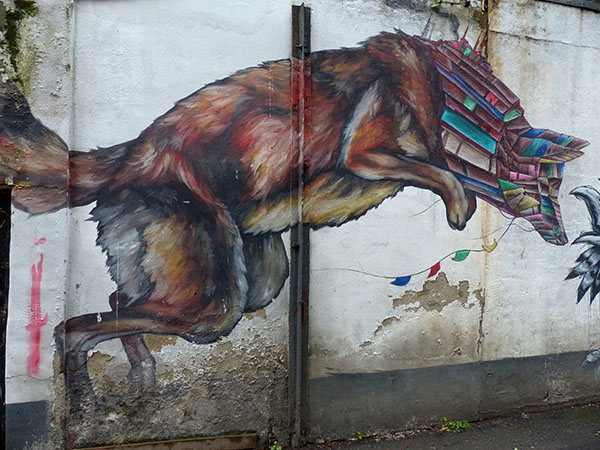
Libre HEM's work is colourful and often features animals that are formed with geometric shapes and colours. Order and chaos are used in his artwork, and bright colours are often used. In the style painted in London, the upper part (heads) of the animals are formed with geometric colourful blocks. 

libre-acaro-4.jpg

Both styles come together to create a natural scene with a fox hunting a hen with other hens or parts of hens painted on adjoining walls. 

libre-acaro-5.jpg

Posts about some of the other street art by Mexican street artists, including Libre HEM and Acaro, that appeared in 2015 at the time that the above piece was painted:

Stinkfish, Acaro and Mazatl Street Art
Mexican Street Artists Take Over London Wall 
Fusca and Mazatl Street Art

JimmyC Paints "Vaccine Nation" Street Art in Shoreditch

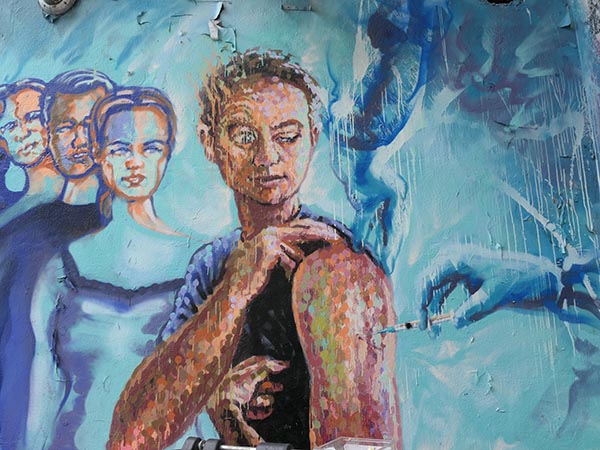
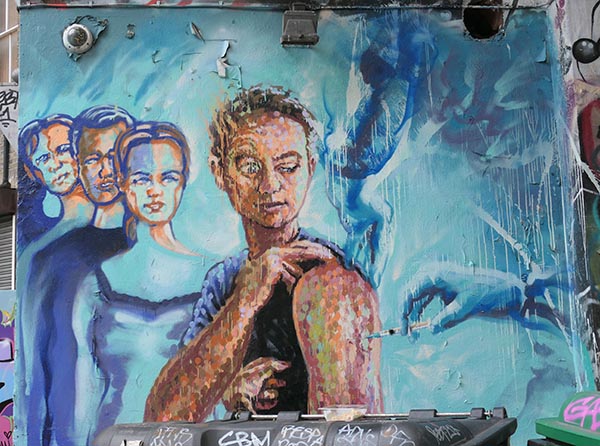
Street artist JimmyC has recently returned to London to paint in Shoreditch off Curtain Road. This mural is called "Vaccine Nation" and depicts nurses giving vaccines with the blue NHS as the primary colour of the artwork, which is relevant to what is going on this year. JimmyC's work in London has become well-regarded with high profile status in the past decade - a portrait of Usain Bolt during the 2012 London Olympics, a David Bowie tribute painted in Brixton that became an icon after the signer died, and various other murals. Miraculously, one of east London's oldest murals is from JimmyC and still exists a few blocks away on Whitby Street, and it was painted a decade ago now. You can find all of these pieces in the links at the bottom of this post.

jimmyc2021-40.jpg

jimmyc2021-42.jpg

jimmyc-vaccine.jpg

I also spotted the below mural of a portrait some time ago, but I cannot remember where it was located. Both murals use the artist's trademark painting style featuring paint daubs.

jimmyc2021-41.jpg

More artwork by JimmyC that I have posted about in this blog are:

London Cityscape at Blackfriars by JimmyC
JimmyC Swan Street Art by Borough Market

JimmyC Updates South Bank Shakespeare Mural
JimmyC Paints Wall of Hearts to Honour Victims of Borough Market Attack
JimmyC Paints "Royal Wedding" Mural for St. Christopher's Place

Mick's Hands

'Open the Mind'
JimmyC Redchurch Street Heart

JimmyC Paints Shakespeare on South Bank
Street Artist JimmyC Paints Caledonian Road
RIP David Bowie & An Afternoon in Brixton
New Mural in Ever-Changing Shoreditch by JimmyC
New 'Spring Offering' Mural by Bailon and Sliks (JimmyC, Zadok Sonar Uno)
New JimmyC Mural on Joe's Kid (Cafe), Fashion Street
JimmyC Street Art - New Inn Yard, Brick Lane, Hackney Road
New Street Art by JimmyC
Street Art: JimmyC

Stinkfish's New Mural on Hanbury Street, London

Mexican street artist Stinkfish, who was born in Columbia, has previously painted a few murals on London's streets and has exhibited some of his work in the past. The artist has recently painted a new mural on the popular Hanbury Street wall off of Brick Lane. The new mural uses the bright colours and geometric shapes to create a side-on portrait of a boy. Further down the street, visitors can see another mural that was painted by the artist a few years ago (Stinkfish Paints Hanbury Street Ahead of "Portraits in Transit"). Stinkfish's style is easy to identify as his portraits use bright colours and geometric shapes. The portraits depict strangers that he has photographed without the subjects knowing, and they are transformed into wonderful works of street art across the world.

stinkfish2021-1.jpg

Previous work by Stinkfish that I have covered in this blog can be seen below:

Stinkfish Paints Hanbury Street Ahead of "Portraits in Transit"
Street Art: Stinkfish, Acaro, Mazatl

London Cityscape at Blackfriars by JimmyC

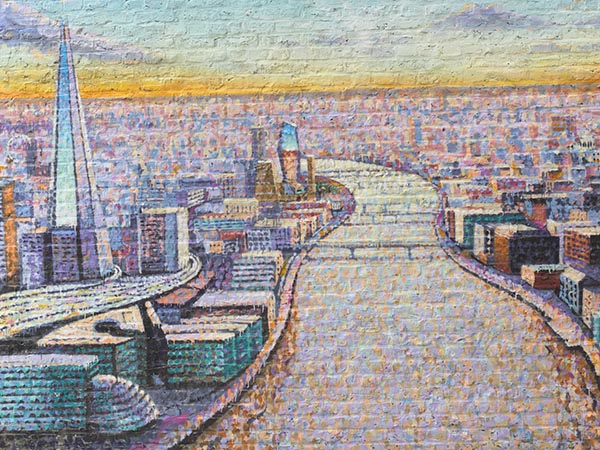
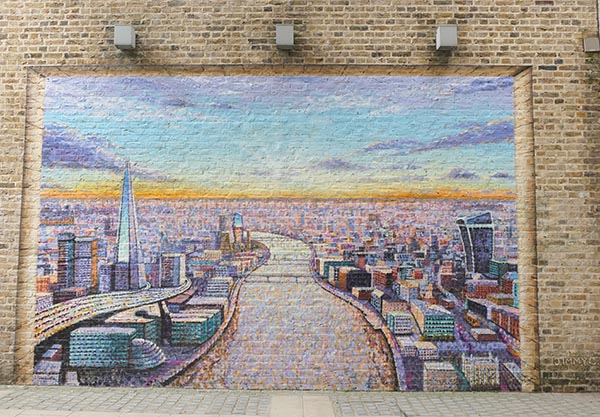
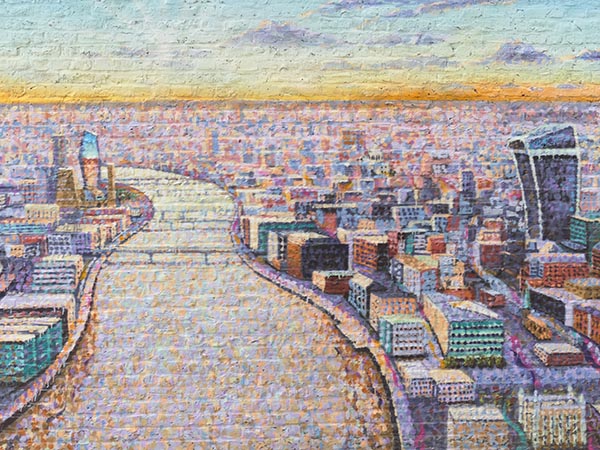
Street artist JimmyC painted a mural at Blackfriar's station (on the south bank) a year ago in October. The mural, titled "London Cityscape" had been in planning for a few months with the viewpoint of the mural from the point that it was painted (Blackfriar's), and it depicts the skyline with the Shard and other recognisable buildings.

jimmyc-blackfriars1.jpg

JimmyC (James Cochran) is a street artist who lives in London but was from Australia. He uses an impressionist style of painting that is easily recognisable, and other murals by him can be seen across London, such as the Shakespeare mural on the south bank.

jimmyc-blackfriars2.jpg

jimmyc-blackfriars3.jpg

More artwork by JimmyC that I have posted about in this blog are:

JimmyC Swan Street Art by Borough Market
JimmyC Updates South Bank Shakespeare Mural
JimmyC Paints Wall of Hearts to Honour Victims of Borough Market Attack
JimmyC Paints "Royal Wedding" Mural for St. Christopher's Place

Mick's Hands

'Open the Mind'
JimmyC Redchurch Street Heart

JimmyC Paints Shakespeare on South Bank
Street Artist JimmyC Paints Caledonian Road
RIP David Bowie & An Afternoon in Brixton
New Mural in Ever-Changing Shoreditch by JimmyC
New 'Spring Offering' Mural by Bailon and Sliks (JimmyC, Zadok Sonar Uno)
New JimmyC Mural on Joe's Kid (Cafe), Fashion Street
JimmyC Street Art - New Inn Yard, Brick Lane, Hackney Road
New Street Art by JimmyC
Street Art: JimmyC

  1 2 3 4 5 6 7 8 9 10 11 12 13 14 15 16 17 18 19 20 21 22 23 24 25 26 27 28 29 30 31 32 33 34 35 36 37 38 39 40 41 42 43 44 45 46 47 48 49 50 51 52 53 54 55 56 57 58 59 60 61 62 63 64 65 66 67 68 69 70 71 72 73 74 75 76 77 78 79 80 81 82 83 84 85 86 87 88 89 90 91 92 93 94 95 96 97 98 99 100 101 102 103 104 105 106 107 108  

Archives

Recent Comments

  • jenn: Thank you. read more
  • Murge: Amazing post. read more
  • Herbert: good post. site read more
  • Frank Quake: Hey, This is great when you said that I had read more
  • Chappy: You mention peptides here? I have had first hand experience read more
  • jenn: Thanks! I love the work. I have got more recent read more
  • Fanakapan: Thanks for the write up. This was some of my read more
  • jenn: Yes.... but that's only for the islands. Mostar and Montenegro read more
  • jenn: Hello, the code is not mine to hand out. I'll read more
  • pantich: More info about the best day trips from Dubrovnik can read more
OpenID accepted here Learn more about OpenID