Results matching “paint”

Cows About Cambridge Sculpture Trail

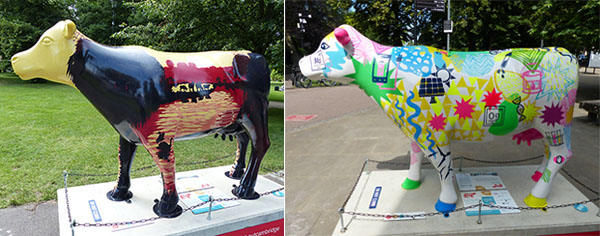
I visited Cambridge at the beginning of July to see the new sculpture trail, "Cows of Cambridge", which aims to raise money for children's charity Break, Thameslink, and Cambridge Business Improvement District. The cows were meant to make their appearance last spring (2020), but this was delayed for the obvious reasons. I had been looking forward to visiting, and I had only been to Cambridge a couple of times on a fleeting visit, so I have never actually explored the city. I found the city friendly with a lot of culture and art; it had not only a student but a bohemian atmosphere about it. As an added bonus, I visited as the universities had their various graduation ceremonies, and the streets were full of graduates in their cap and gowns (as full as they could be with the restrictions at the moment). The only issue I had with the city was the long walk from the station to the centre, which looks not that far on a map, but my feet were dead by the end of the first day. 
cows-of-cambridge
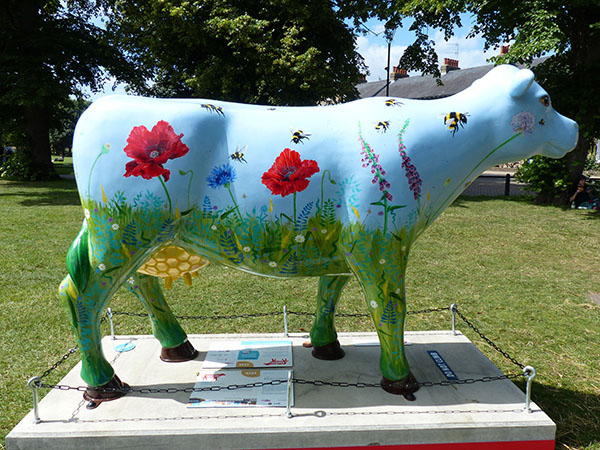
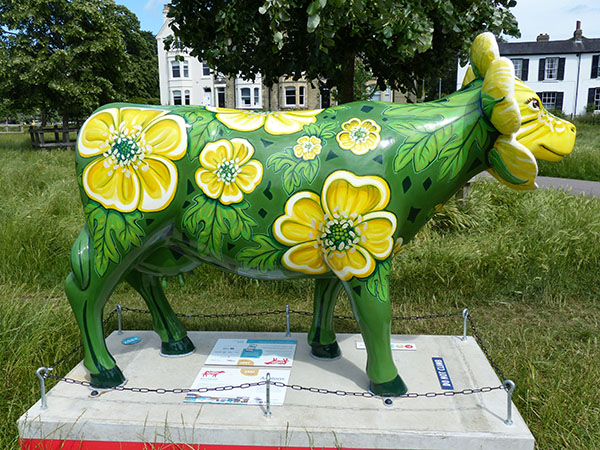
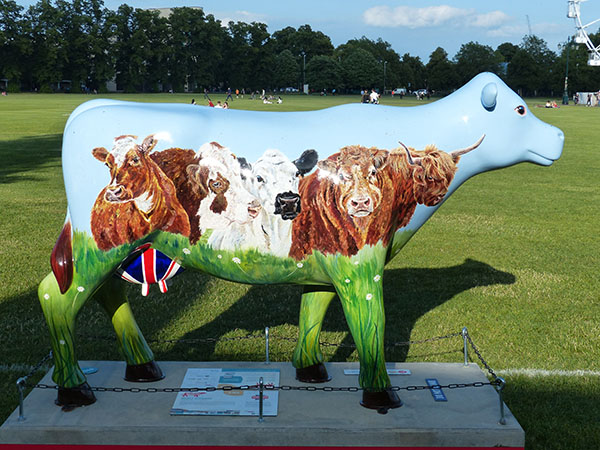
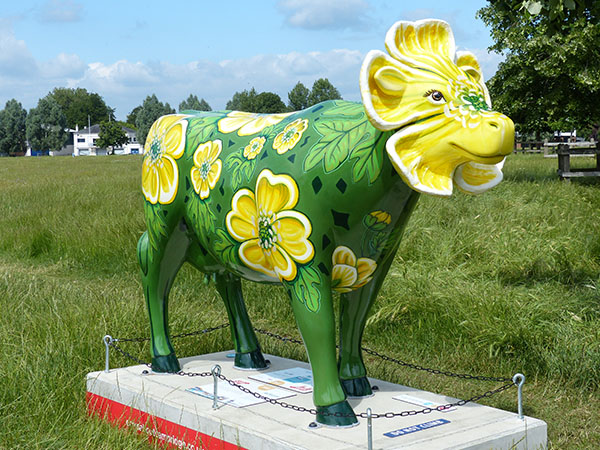
"Buttercup" - Sally Adams

The sculpture trail is created by Wild in Art, and they are responsible for creating the majority of these sculpture trails. Why did they choose cows? Cambridge is known for its herds of red cattle that graze on the commons around the city. There are fourty large cow sculptures and 45 smaller ones around the city, but not all of them are centrally-located. That is almost 90 cow sculptures to locate! Each of them is unique and created by an artist or business in the Cambridge area.
cows-of-cambridge
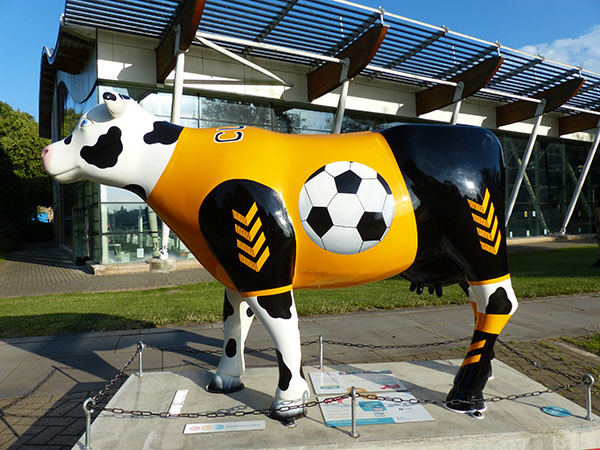
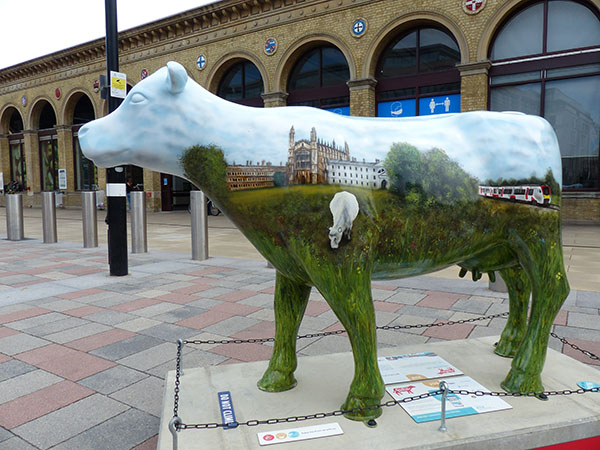
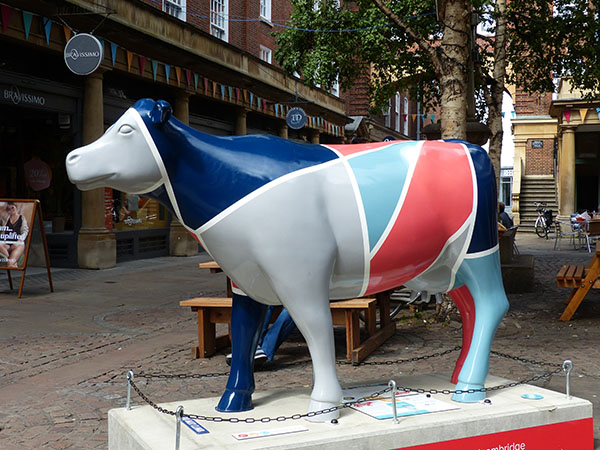
"The Bovine Line" - Phil Daniels

The sculptures will be in place in the city until the 4th of September, and they will be available to see in one place from the 18th-19th of September before they are auctioned to raise the money for the charity. I suggest to visit this one, as it's a pleasant walk around the different areas of Cambridge with the chance to spend a couple of extra days visiting museums and other attractions that the city has to offer.
cows-of-cambridge
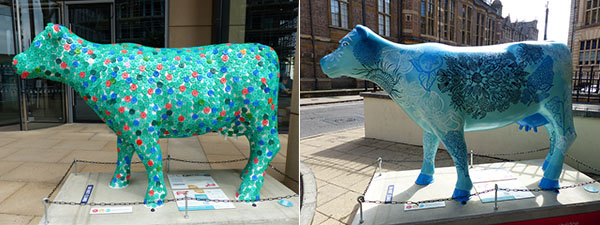
"Top Cow" - Rosalind Harrison and "Mooore Gin Please" - Laura-Kate Chapman
cows-of-cambridge

cows-of-cambridge
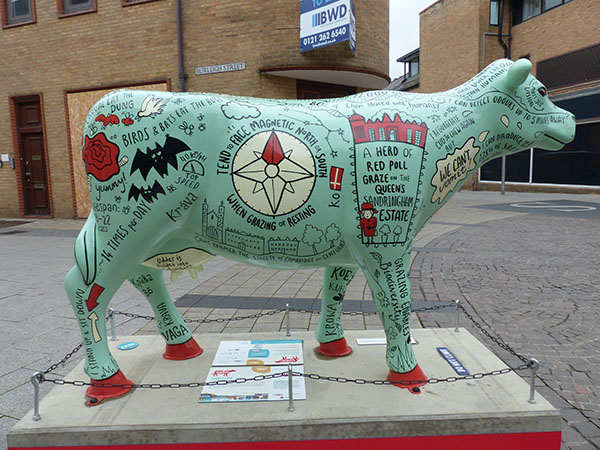
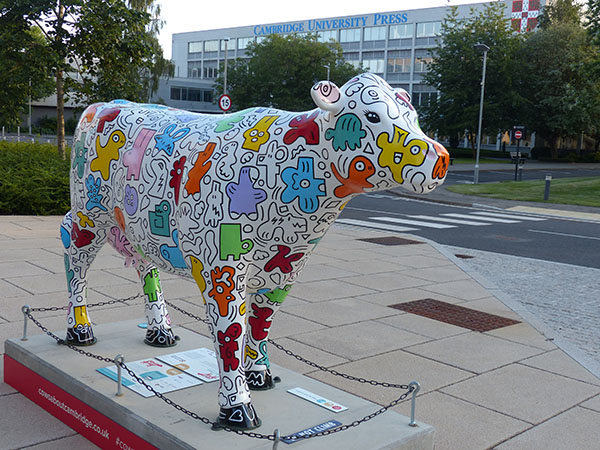
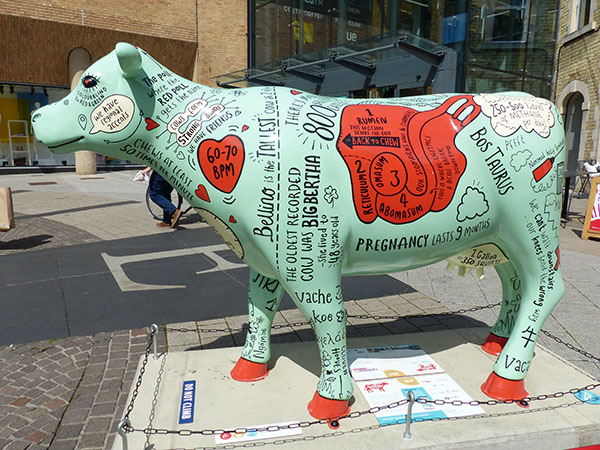
"Doodle Cow" - Anne-Marie Miller

cows-of-cambridge

"Honey" - Gina Gelder

cows-of-cambridge
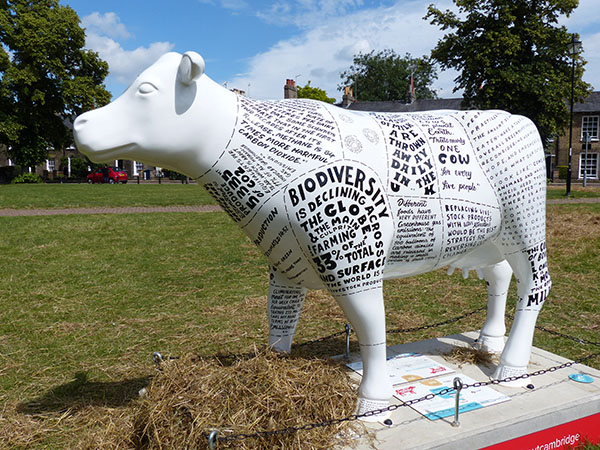
"The Environmoontal Cow" - 10 Creative and Lana Hughes
cows-of-cambridge
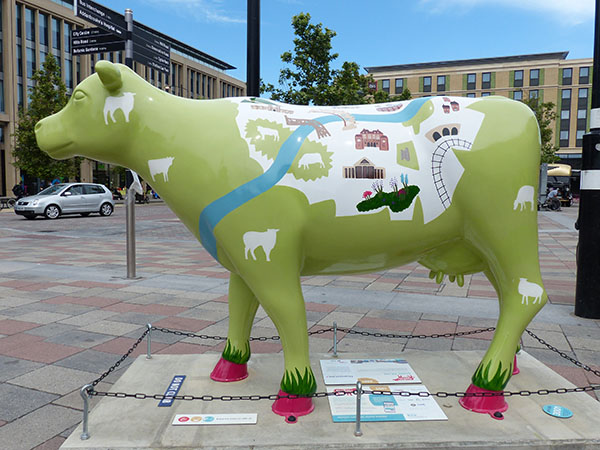
"Around the City" - Sian Ellis

cows-of-cambridge
"Buttercup" - Sally Adams

cows-of-cambridge
"May-Belle" - Dario Fisher and "Dairy Curie" - Laura-Kate Chapman
cows-of-cambridge
"Etheridge" - Lucy Gough

cows-of-cambridge
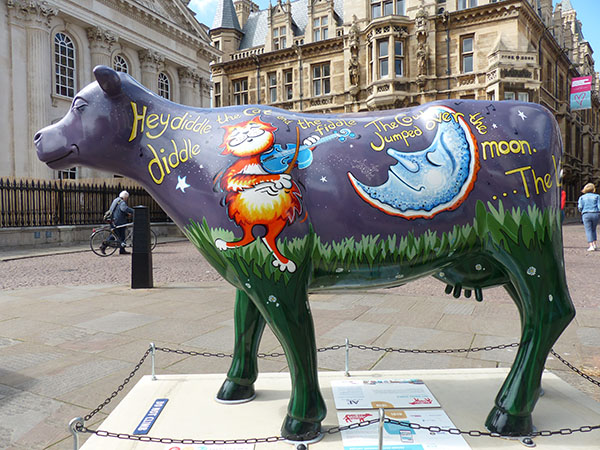
"Hey Diddle Diddle" - Sally Adams

cows-of-cambridge

cows-of-cambridge
"MooMoo-a-Tron III" - Dinky Doors

cows-of-cambridge
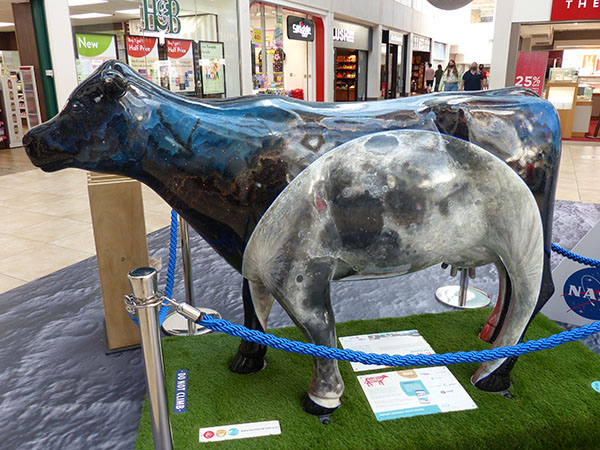
"The Moooon" - Hannah Nelson

cows-of-cambridge
"Cowbridges" - Glynn Thomas RE

cows-of-cambridge
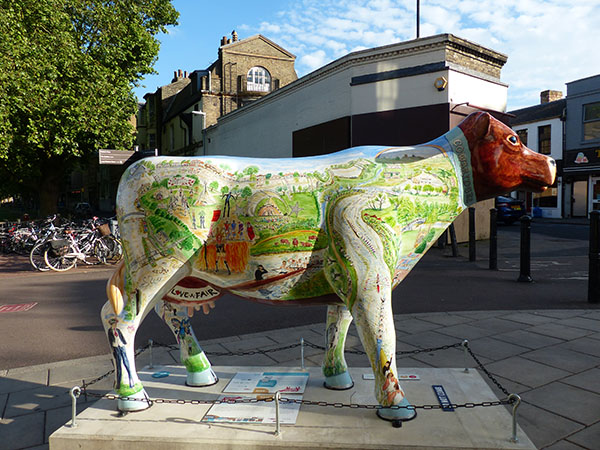
"Monty Rushmoo" - Jina Gelder

cows-of-cambridge
"Cowmono" - Jessica Perrin

cows-of-cambridge
"Four-Four-Moo" - Megan Heather Evans

cows-of-cambridge
"Wandering Lions" - Karis Youngman

cows-of-cambridge
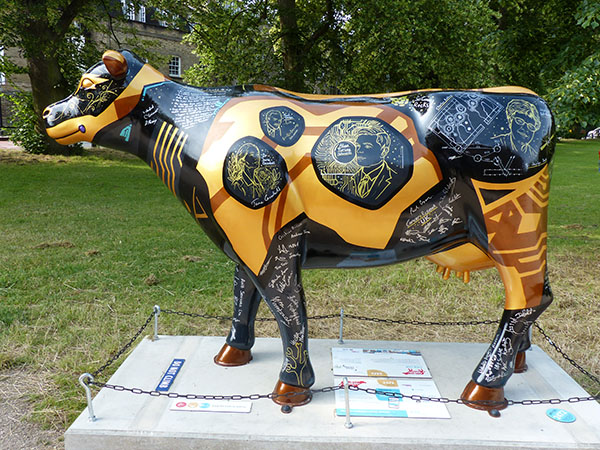
"Moodle Yoodle" - Toni Woolley aka The Pink Hare
cows-of-cambridge
"STEM Cow" - Kelly Stanford

cows-of-cambridge
"Sir Isaac Mooton" - Donna Newman

cows-of-cambridge
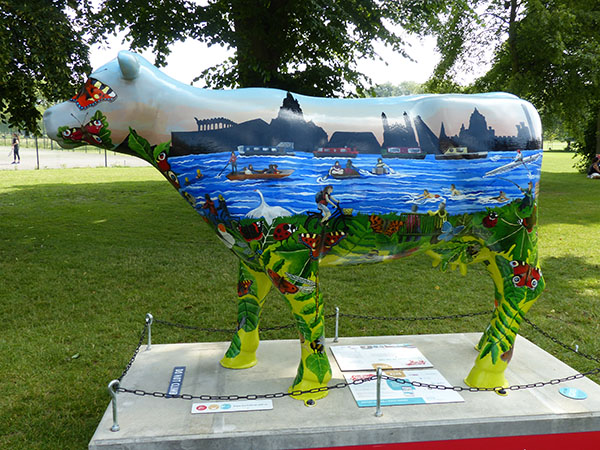
"Messing About on the Cam" - Kathleen Smith
cows-of-cambridge
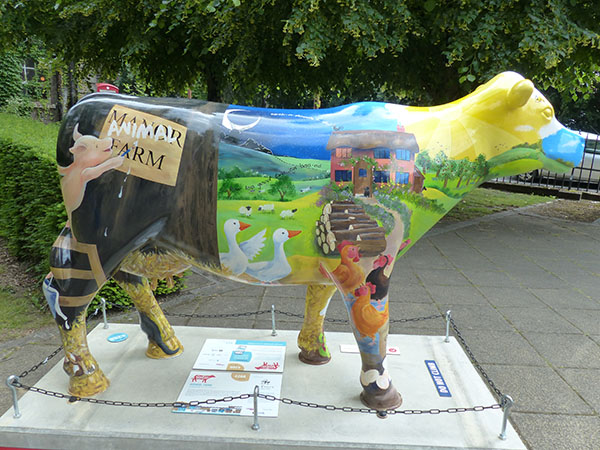
"Animal Farm" - Emma Graham

cows-of-cambridge
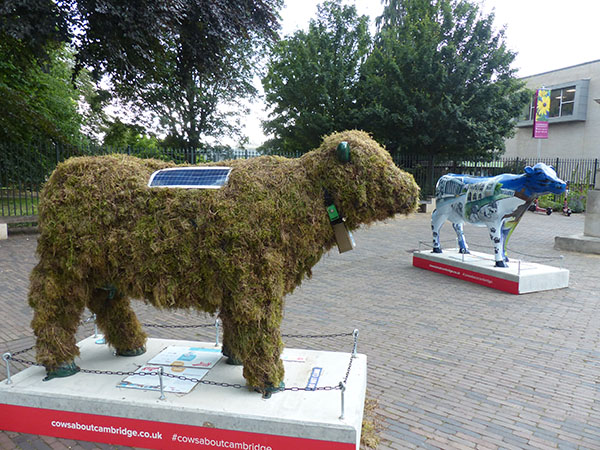
"Moss Cow" - Chris Pointon

Did I have a favourite sculpture? There were a couple that I did enjoy seeing. "Monty Rushmoo" was probably my favourite one in terms of the artistic style. My family raise cattle, so seeing a cow sculpture with different breeds of cow on it was interesting. "The Environmoontal Cow" was cool because it had a patch of straw in front of it. I also really enjoyed "Doodle Cow" with its facts about cattle, which I relayed to my parents. "The Bovine Line" one in front of the train station was nicely-painted as well. 
Woskerski Street Art in East London

London-based street artist Woskerski has been painting since 1997, but he's really only been painting London's walls for the past three or four years. His work is designed to bring a smile and often shows exaggerated expressions for portraits or comical situations and imagery. Recently, he has been painting around Shoreditch High Street and New Row. I always love to see his artwork, but it does tend to get tagged over fairly quickly.

woskerski2021

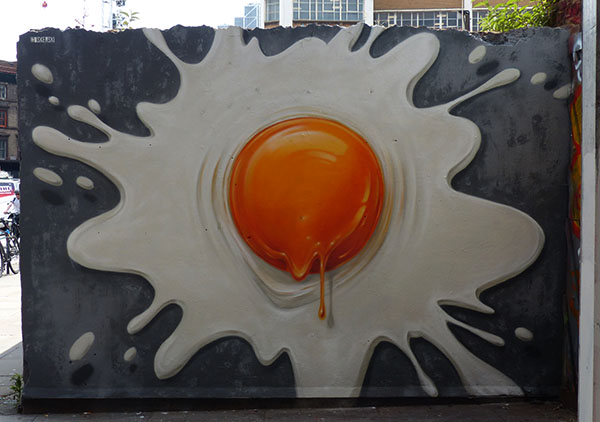
A splatted fried egg appeared off Shoreditch High Street. It was around the time when we had some nice weather, so maybe the egg was fried to the wall.
woskerski2021

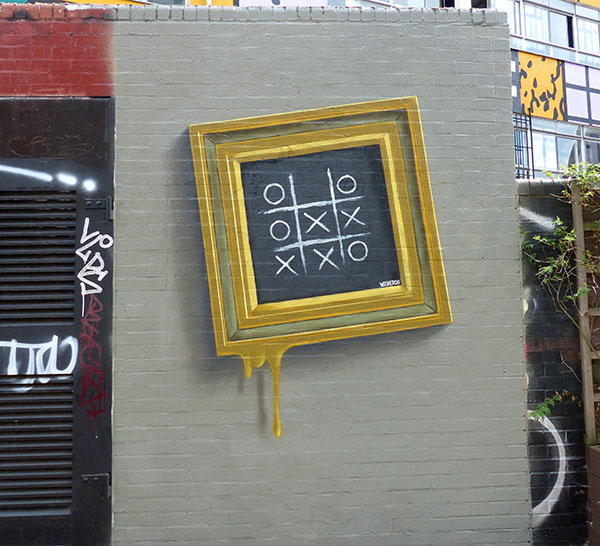
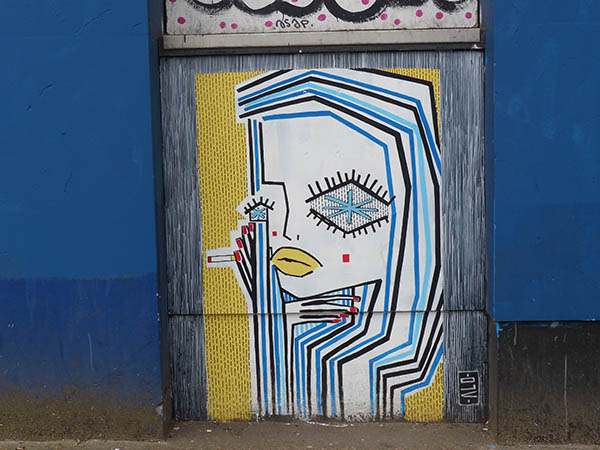
A game of "tick tack toe" is located on Rivington Street in a gold frame.

woskerski2021

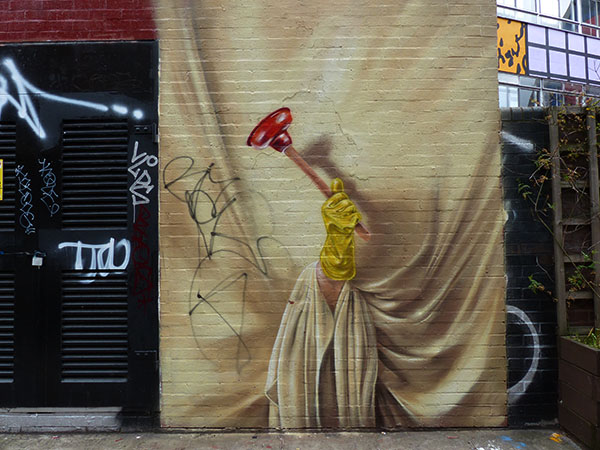
A toilet plunger and yellow glove popping out of a drapery appeared on Rivington Street in a comical moment.

woskerski2021

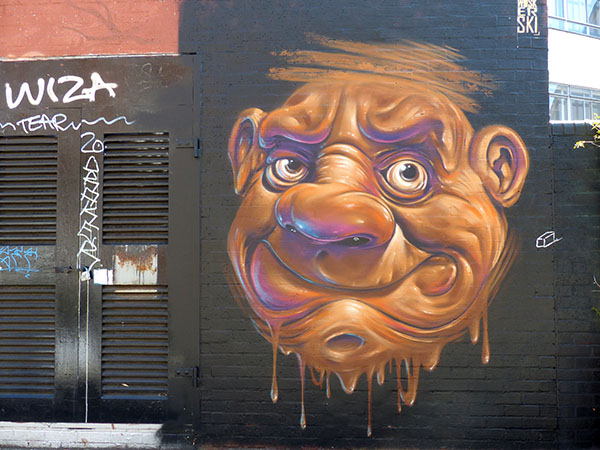
This contorted face with exaggerated features looks a bit like a troll, and it was located on Rivington Street.

woskerski2021

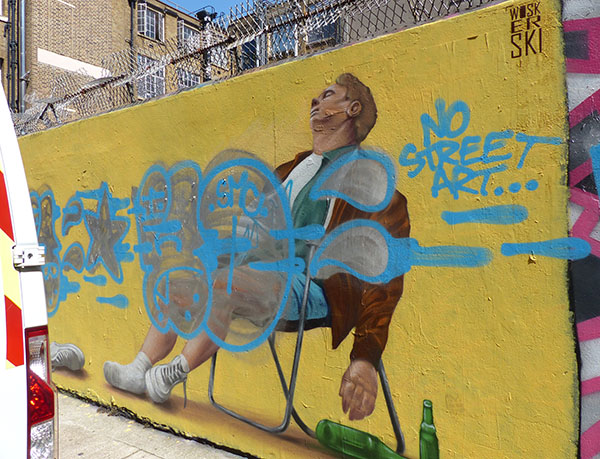
Behind Brick Lane, this drinking man has unfortunately been tagged over, and I was unable to get a photograph due to the van parked in front of it.

woskerski2021

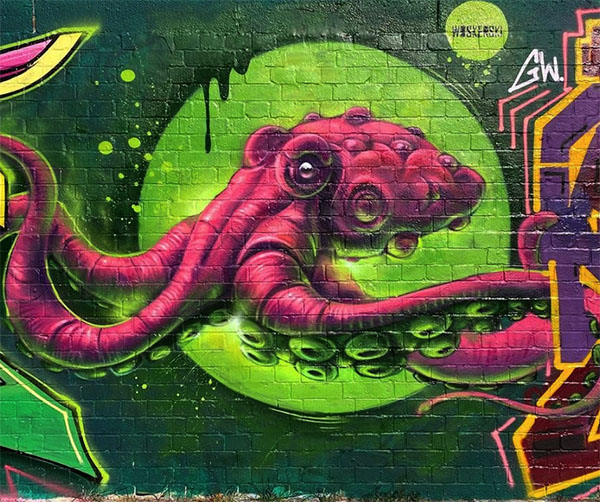
This octopus with bright colours was located near Shoreditch High Street overground station.

woskerski2021

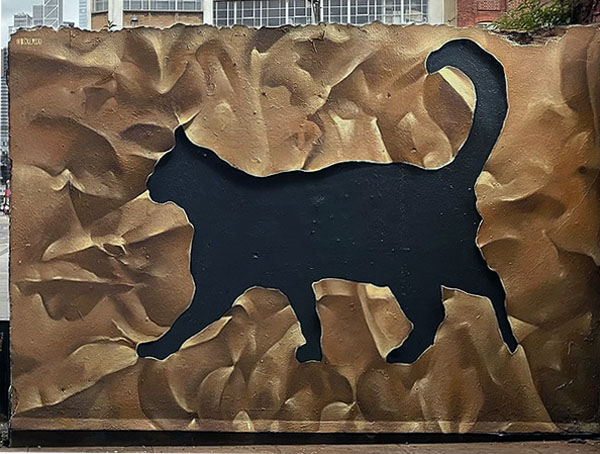
Shoreditch High Street also hosted the black cat cut out of brown paper, which has an excellent dimensional aspect.

More street art by Woskerski in this blog can be seen below:

Woskerski Paints Toynbee Street for London Mural Festival
Most Recent Street Art by Woskerski
Street Art: Woskerski
Recent Spring 2018 Woskerski Street Art

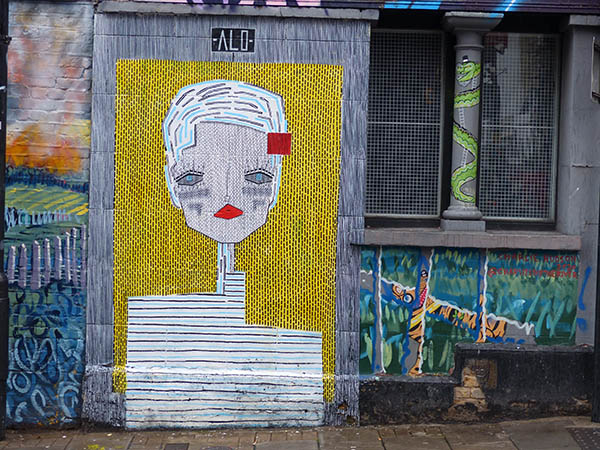
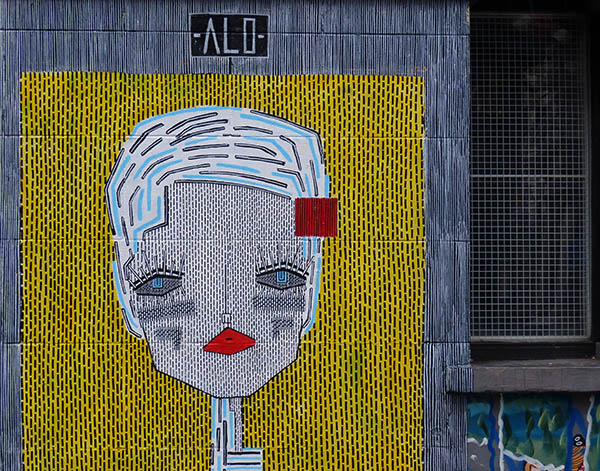
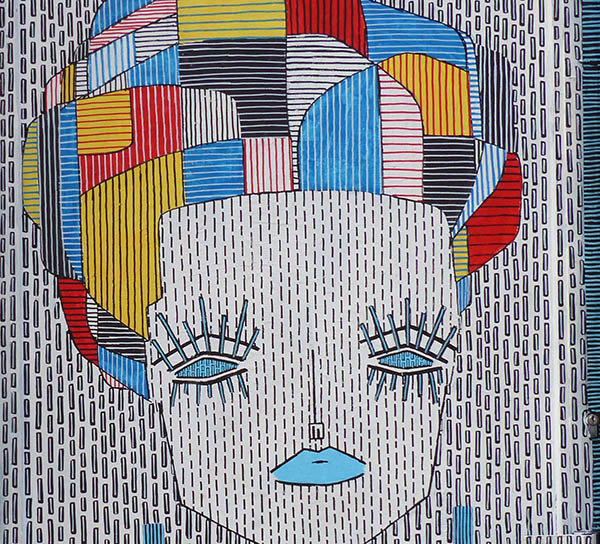
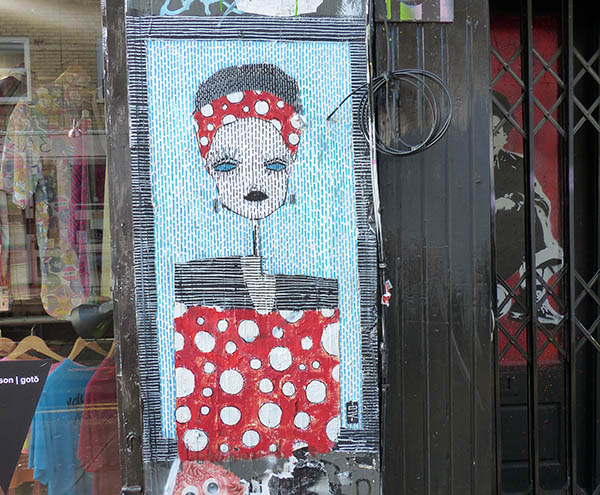
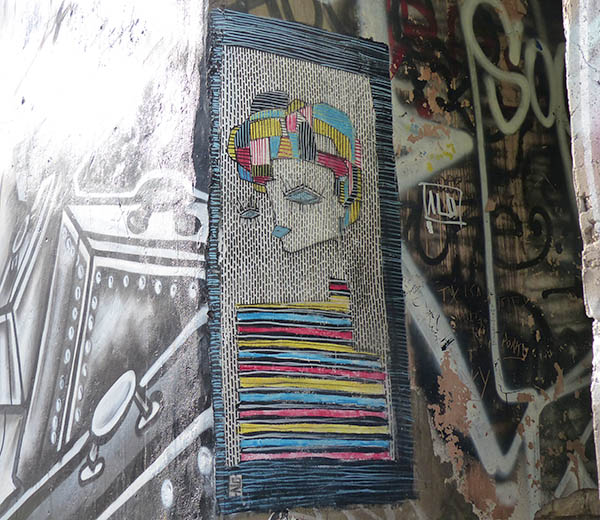
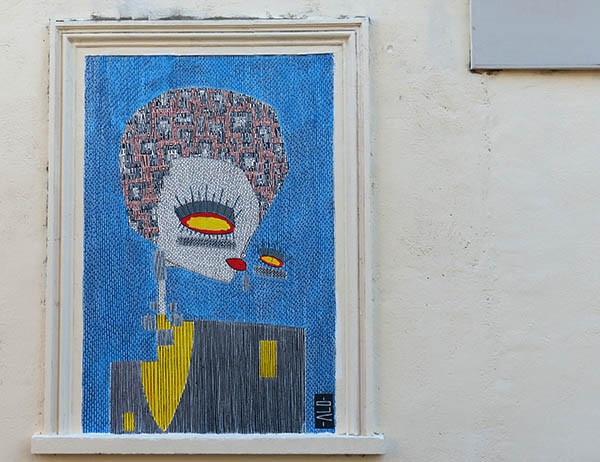
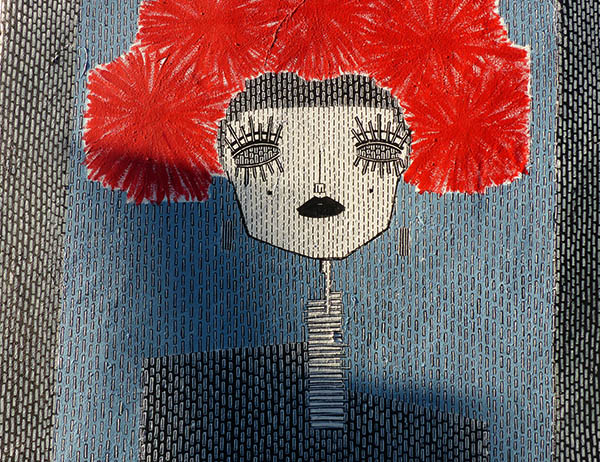
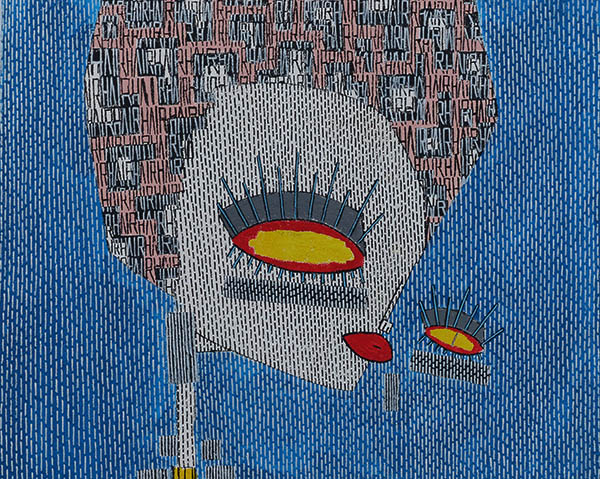
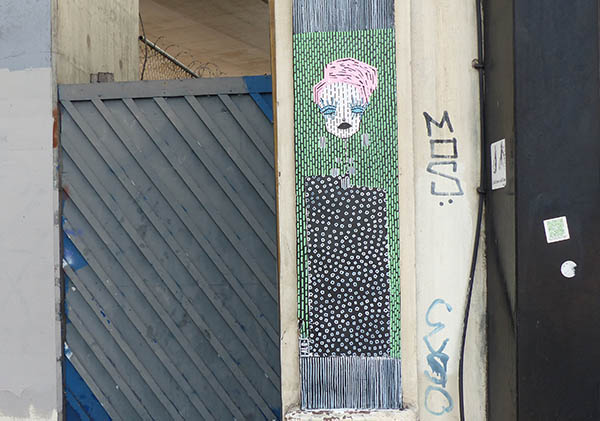
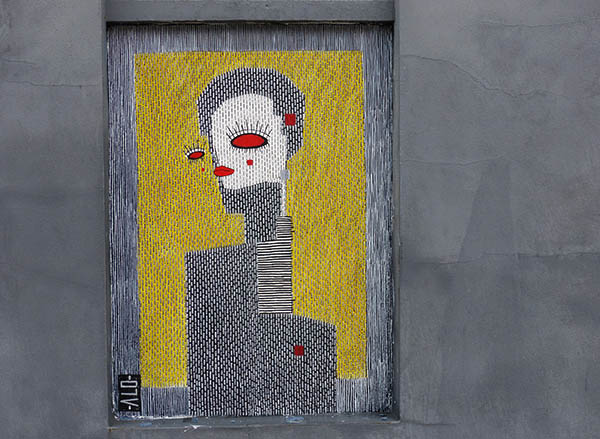
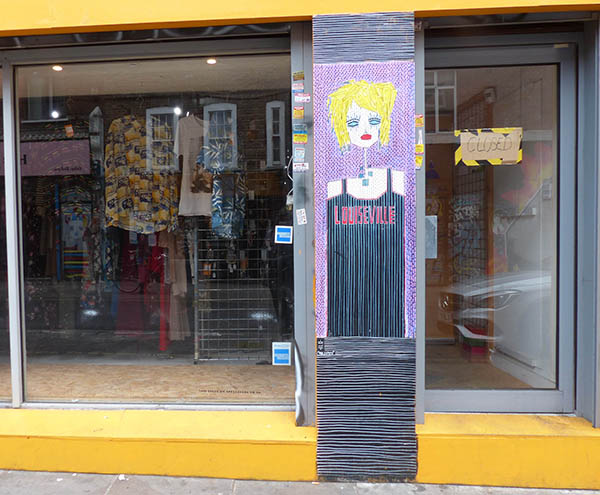
New Street Art by ALO in East London (2020/2021)

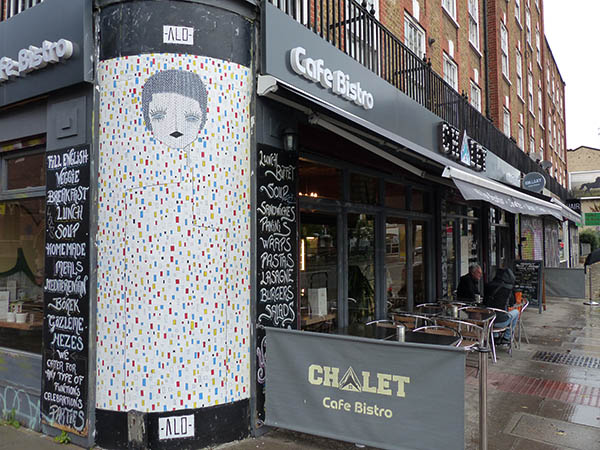
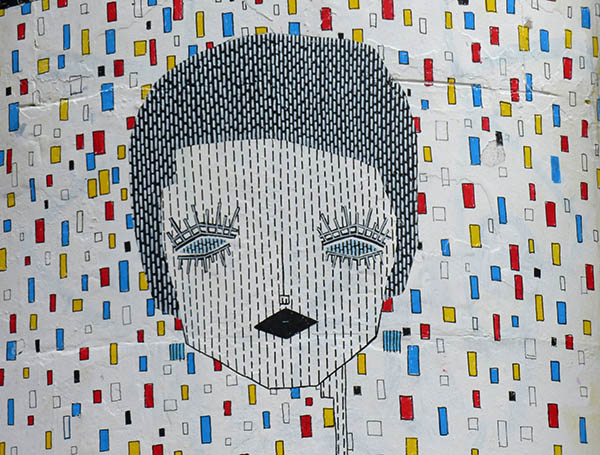
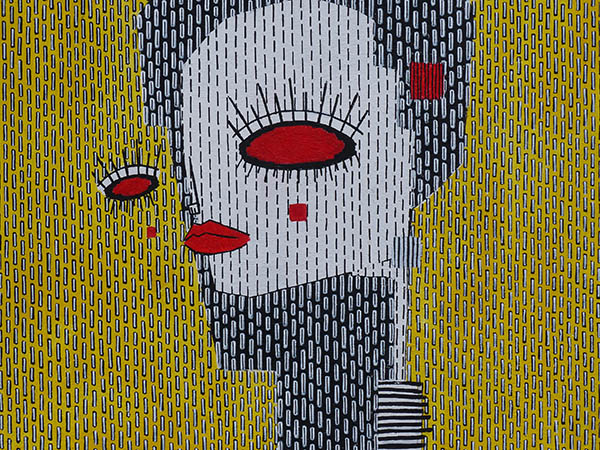
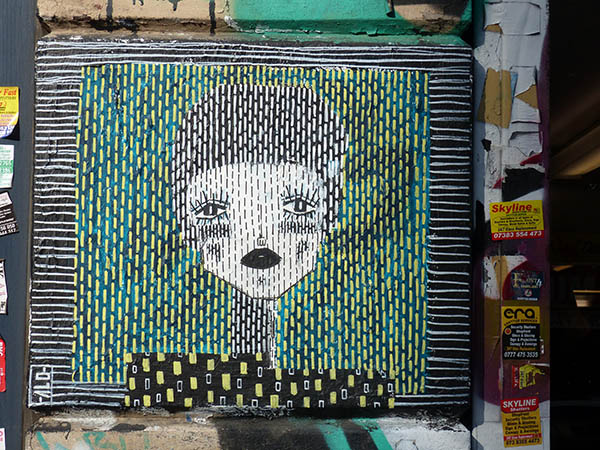
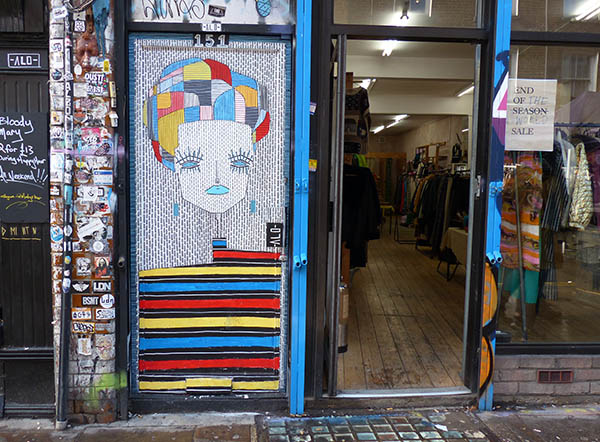
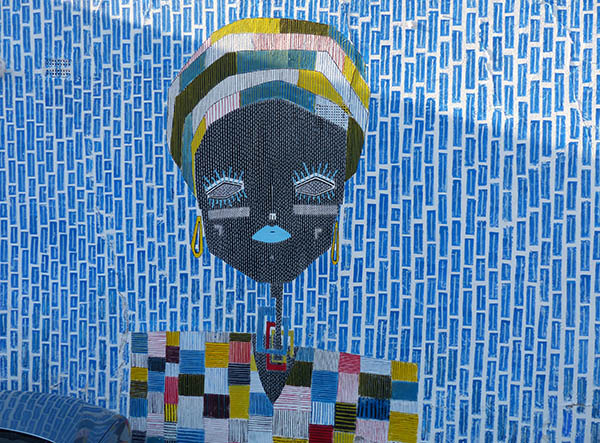
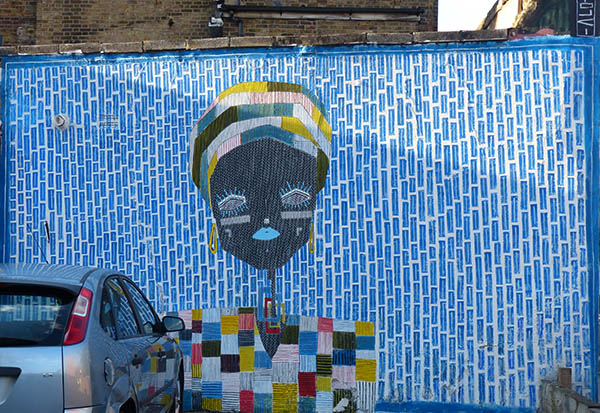
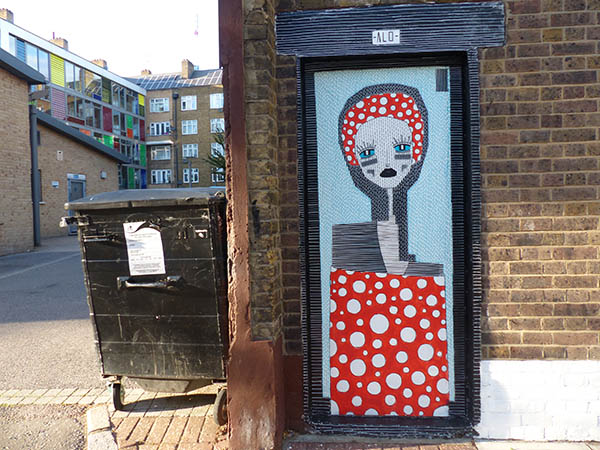
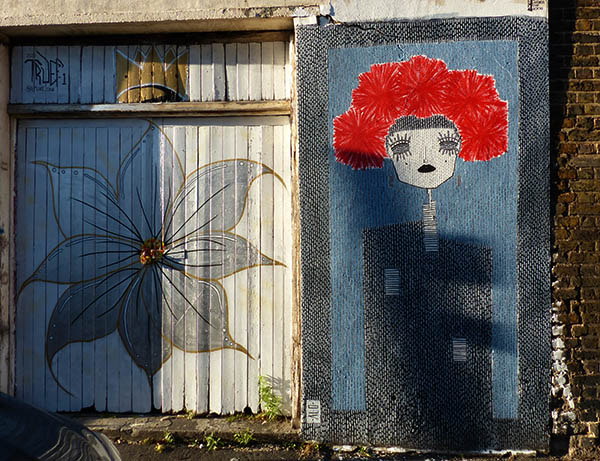
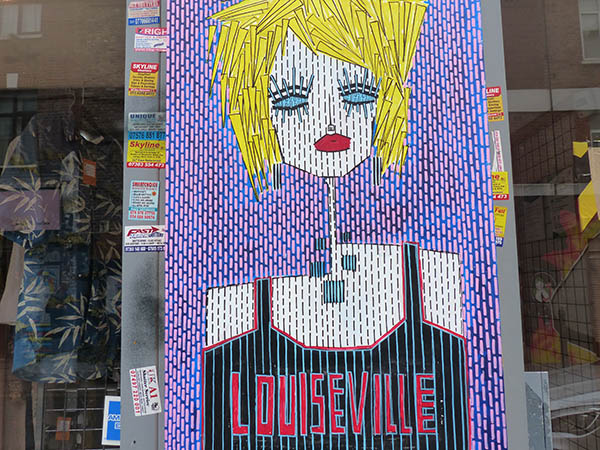
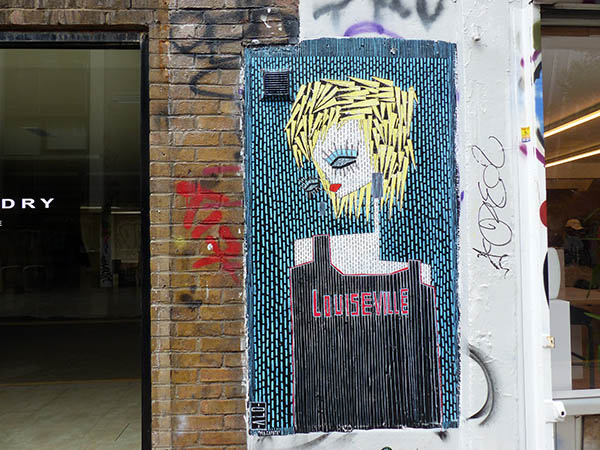
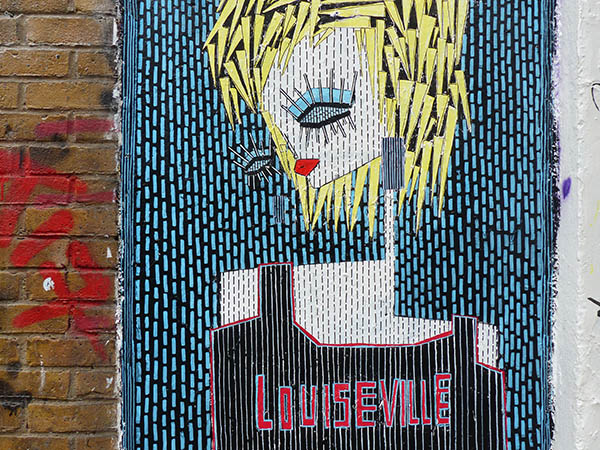
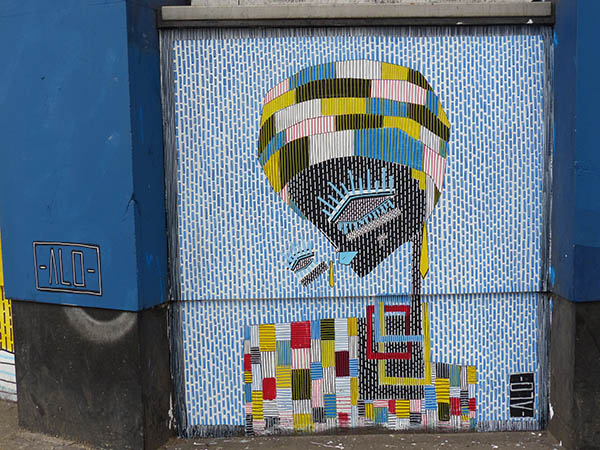
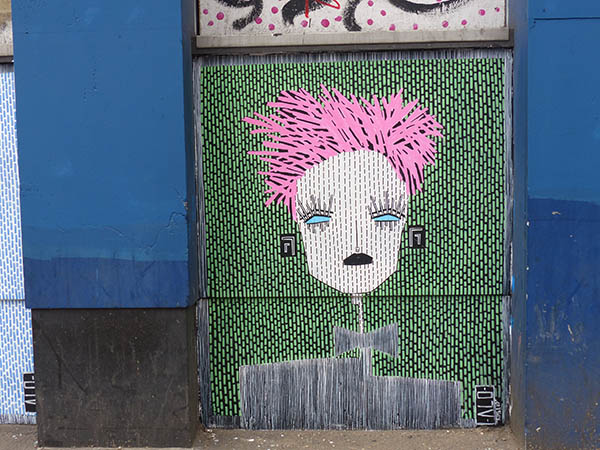
In early 2013, I first discovered Italian-born street artist ALO's first London murals near Brick Lane. The artist had become a firm favourite of mine since I saw these murals. Last year, a few new ALO murals appeared in east London, and this was followed up by some additional murals more recently. I never got around to uploading the photographs of these, so here they are. As far as I am aware, all of the murals are still available to see, though they probably do not look as fresh. I am not sure where I saw them all, but I will try to add the locations.

alo-2020

Kingsland Road became a prime spot for a couple of different murals by the artist last year, and the next two murals are located at the top of the road (not far from the canal).

alo-2020

alo-2020

alo-2020

alo-2020

alo-2020

I also discovered a couple of older murals that I don't think I had seen before.

alo-2020

alo-2020

A doorway on Brick Lane became a location for one of the murals.

alo-2020

alo-2020

This one below has been here on Brick Lane before.

alo-2020

Near Code Street, this colourful mural is hidden in a dirty corner of a doorway.

alo-2020

Another new mural, this one near the top of Shoreditch High Street at the corner of Hackney Road and Columbia Road, appeared last summer.

alo-2020

On the back of the wall of the same building, this is the largest mural that I have seen by ALO to date. Unfortunately, it backs onto some parking area, so I was unable to photograph it properly as there was a car parked right in front of it.

alo-2020

alo-2020

The below mural is near a pub on Shipton Street, a block away from Columbia Road.

alo-2020

And off Barnet Grove near Columbia Road is this very floral mural of a girl with flowery hair.

alo-2020

alo-2020

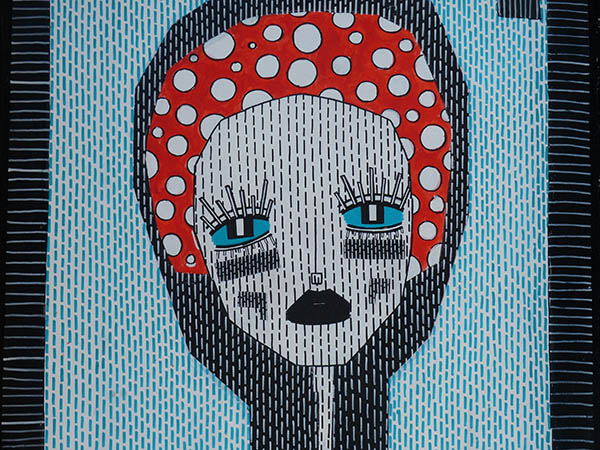
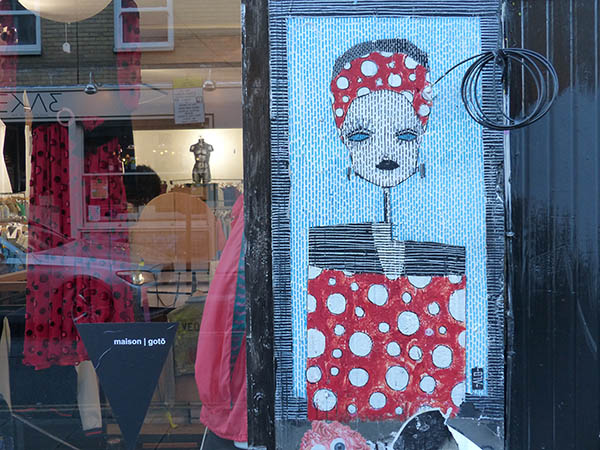
A similar style to others photographed, this mural features red with white polka dots and a blue background.

alo-2020

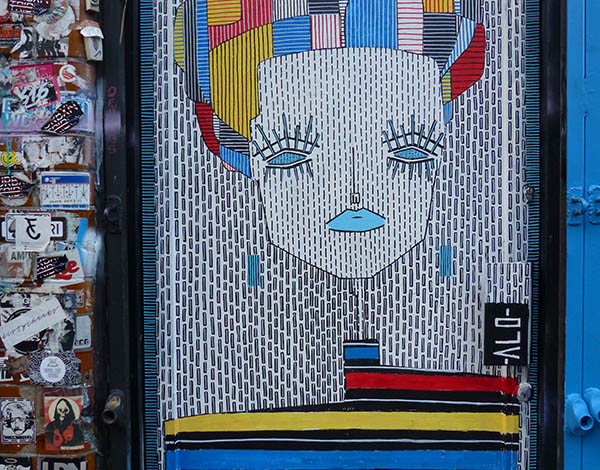
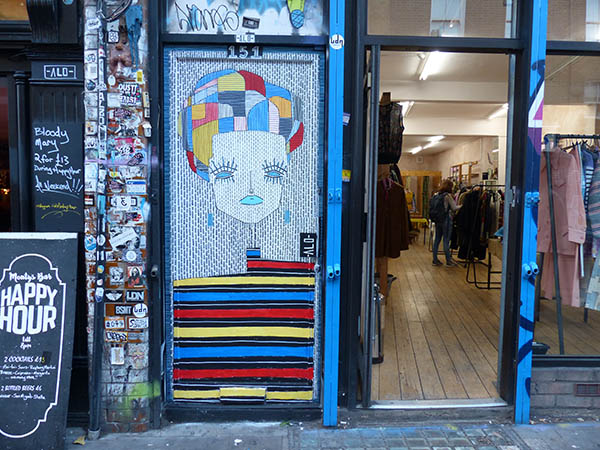
This one is off Brick Lane and features bright yellow, red, blue, and black colours.

alo-2020

alo-2020

I cannot remember where I captured the image below.

alo-2020

alo-2020

I also cannot remember where this wall is located, but I think it may be Broadway Market.

alo-2020

Newer murals that were painted this year by ALO contain women with printed shirts - Louisevi

alo-2020

alo-2020

alo-2020

alo-2020

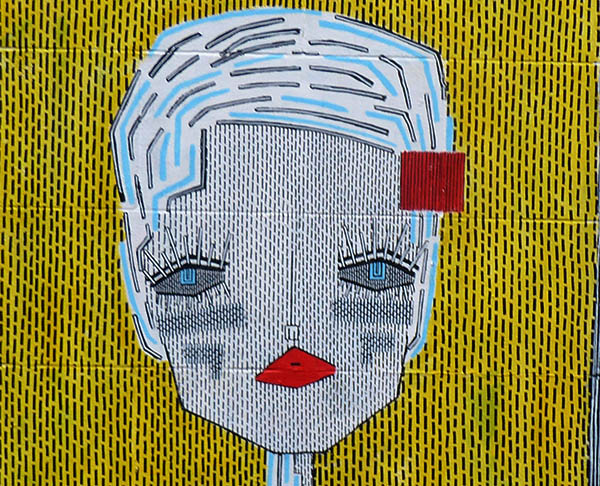
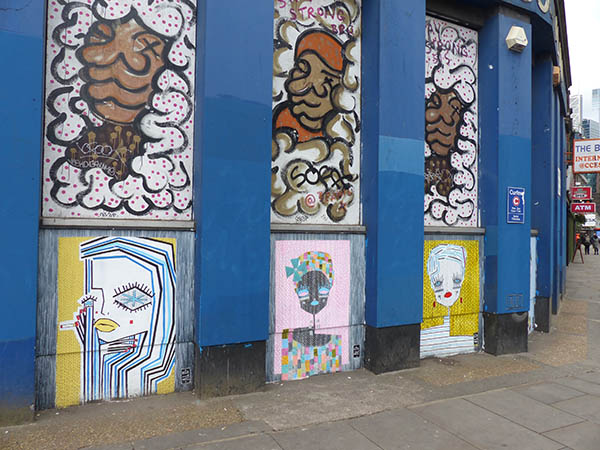
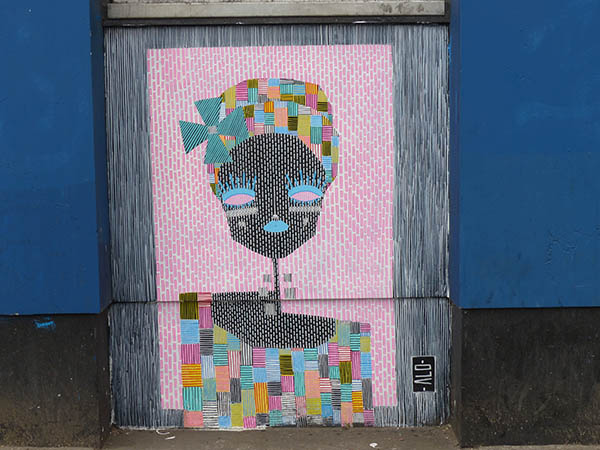
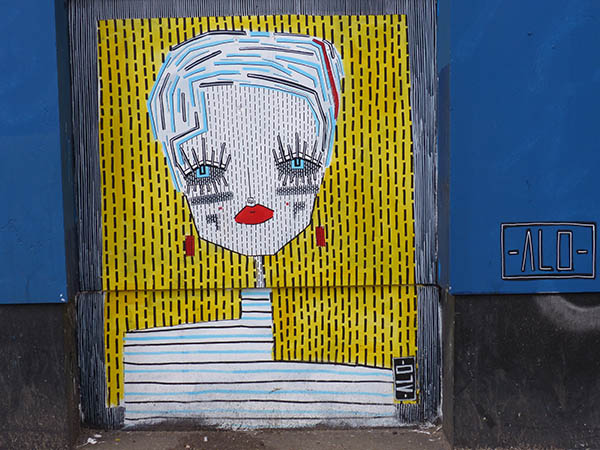
A new area that was created in early 2021 is at the corner of Shoreditch High Street and Commercial Street and features several portraits of females with different styles. There are five in total, located at the ground of the building where it is boarded up, and I have included a close-up of each one. These are the newest murals to date that I have seen by ALO.

alo-2020

alo-2020

alo-2020

alo-2020

alo-2020

alo-2020

I'll try not to get too far behind in my street art photos next time.

Additional work by ALO featured on this blog:

New Street Art in London by ALO
ALO paints new street art near Brick Lane
ALO returns to London and paints abstract portraits (2015)
ALO: 2013
'ALO Part 2'
'ALO part 3'
'
ALO Part 4'

RUN "Human Touch" Street Art Murals in Cambridge

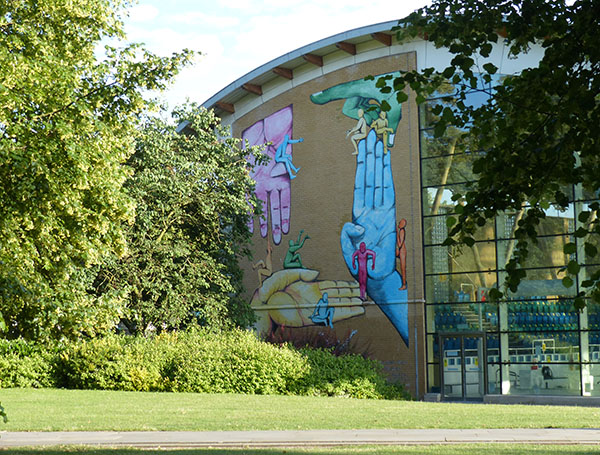
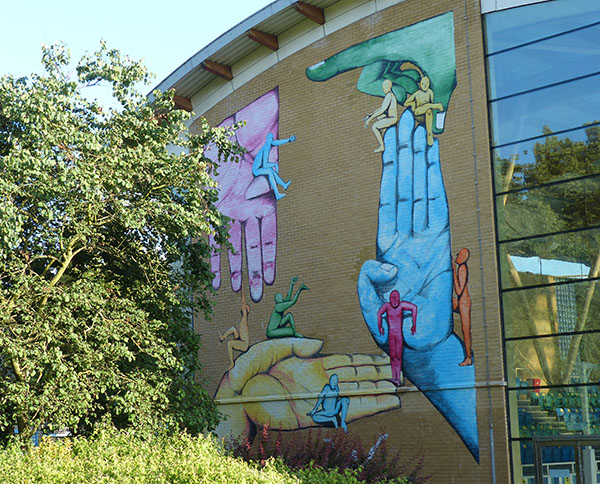
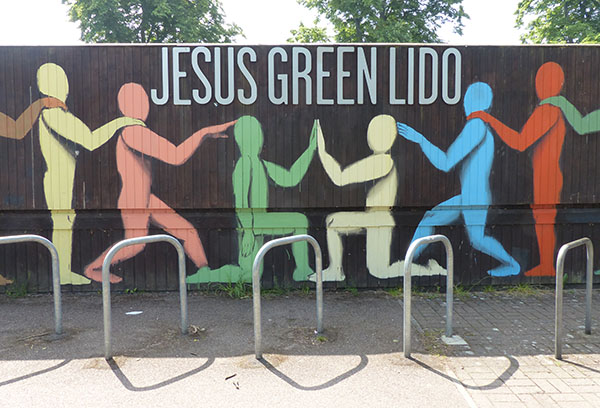
Artist RUN, whose real name is Giacomo Bufarini, is an Italian-born artist who started with grafitti and street art. When I passed by Parkside Pools and Gym in Cambridge the other week, I spotted one of RUN's murals and instantly recognised the work as his. His work is characterised by the illustrations of colourfully-drawn hands and figures. The artist is currently advertising the Fitzwilliam Museum's exhibition "Human Touch" and created a couple of murals for this exhibition. It has been several years since I have seen the artist's work created in London.

run-humantouch-1.jpg

The pool and gym mural shows a series of hands in green, pink, and blue colours with miniature people in these colours sitting on top of or around the hands.

run-humantouch-2.jpg

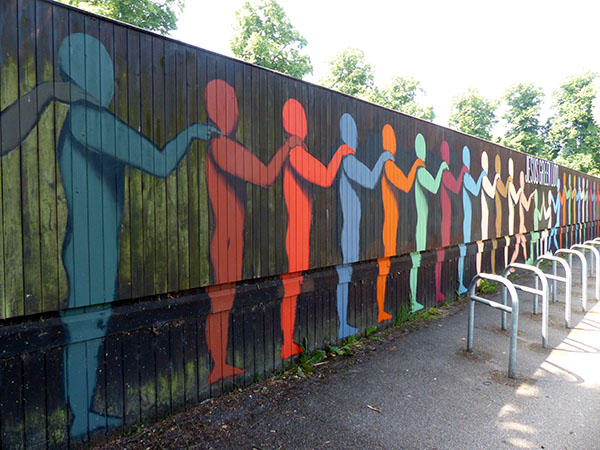
The second mural is at Jesus Green Lido at the top of Cambridge and bordering the river. This mural shows a row of human figures that are connected to each other by placement of their hand on the one in front of them. In the middle, two figures face each other palm-to-palm. Like the first mural, they are painted and illustated in bright colours but are placed against a dark background.

run-humantouch-3.jpg

run-humantouch-4.jpg

run-humantouch-5.jpg

The exhibition explores "touch" in the human experience along with creativity and society. This is particularly important at the moment in the middle of the global pandemic. The artist has always been inspired to create hands as a form of communication.

For more murals from RUN on this blog, see:

New Street Art by RUN and the Rolling People
Street Art: RUN

Nerone on Kingsland Road and Commercial Road

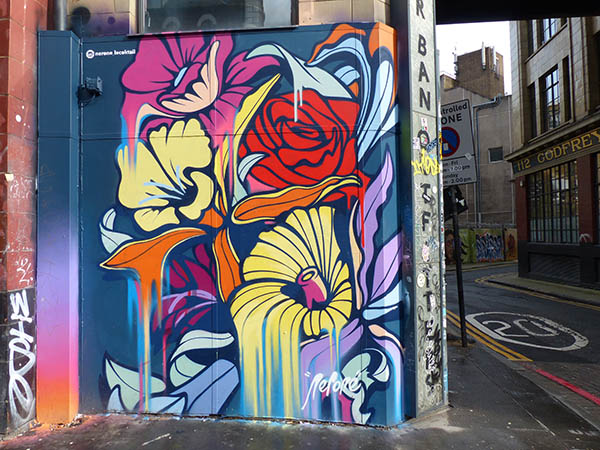
French street artist Nerone is inspired by graphic design and bold colours, and I have seen the artist's work across London on several walls and do not always photograph them. The theme of the artist's work is typical floral designs and patterns along with geometric shapes in bright colours. I photographed the previous two pieces over the past several months, though they may have been there for awhile. The Kingsland Road piece is one of the largest that I have seen from the artist.

nerone1600610.jpg

nerone2020-02.jpg

nerone2020-03.jpg

More artwork by Nerone on this blog can be seen here:

Nerone Paints Great Eastern Street
Street Artist: Nerone

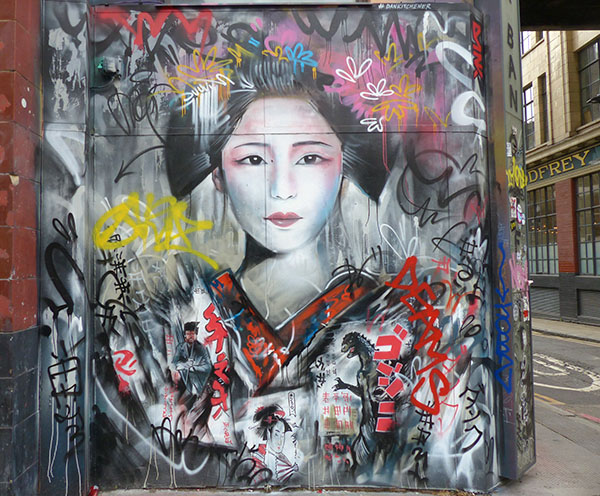
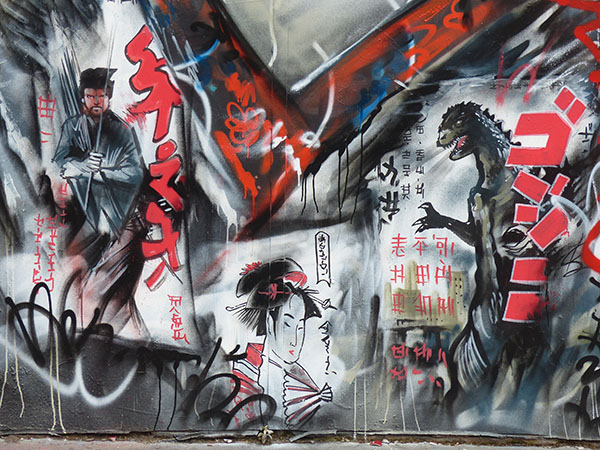
London-based street artist Dan Kitchener is known for painting city night street scenes with neon lights and portraits of futuristic females or geishas from Asia. Last summer, the street artist painted the portrait titled "East London Geisha" featuring a female with flowers above her hair. The street artist returned this spring to update the artwork with vintage Japanese film posters. 

east-london-geisha1.jpg

These "film posters" illustrations are located underneath the portrait.

east-london-geisha2.jpg

For more work by Dan Kitchener (DANK) featured in this blog, please read the following links:

Dan Kitchener Paints "Midnight Drive" on Hanbury Street
Street art by Dan Kitchener in Summer 2020

Dan Kitchen Returns to Clifton Street with "Tokyo Graffiti" Mural
Latest Street Art by Dan Kitchener
Dan Kitchener Paints 'Ghost Cities' on Pedley Street
Dank Paints 'Ghost Cities - Bristol' for Upfest 2018

Dan Kitchener Paints "Meeting of Styles"

'Future Tokyo and Tokyo Ghosts'
Dank "London Rush"
Dan Kitchener's Street Art on Sclater Street and More
Street Art: Dan Kitchener
"Downtown" Mural by Dan Kitchener
Goswell Road

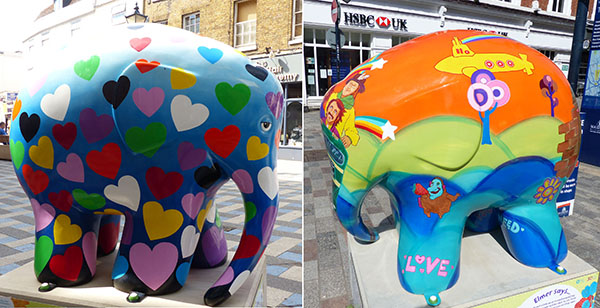
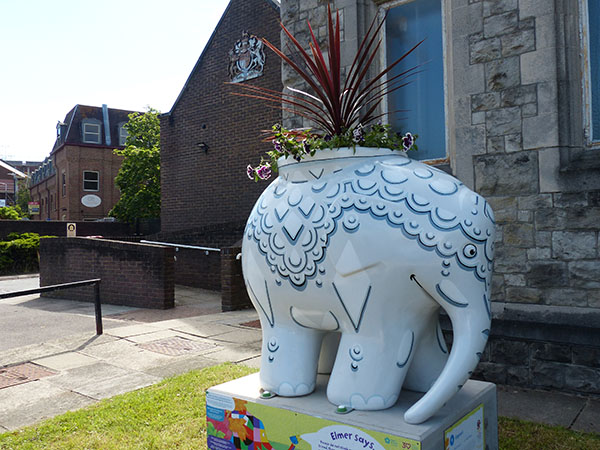
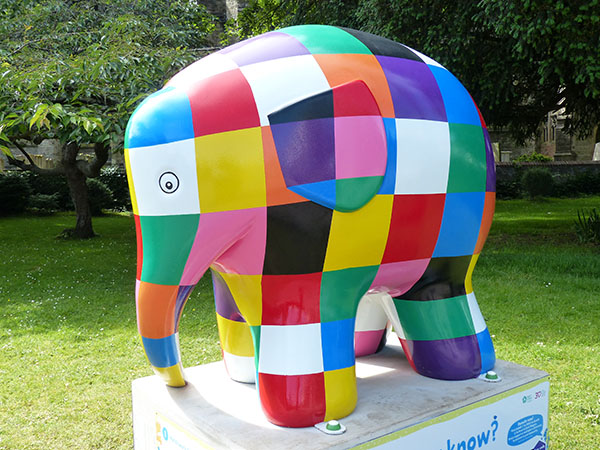
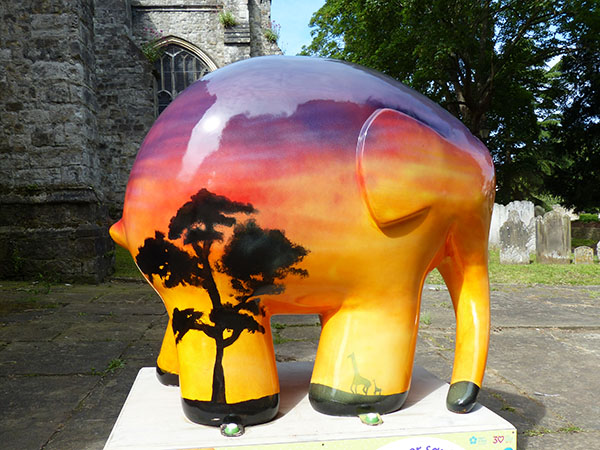
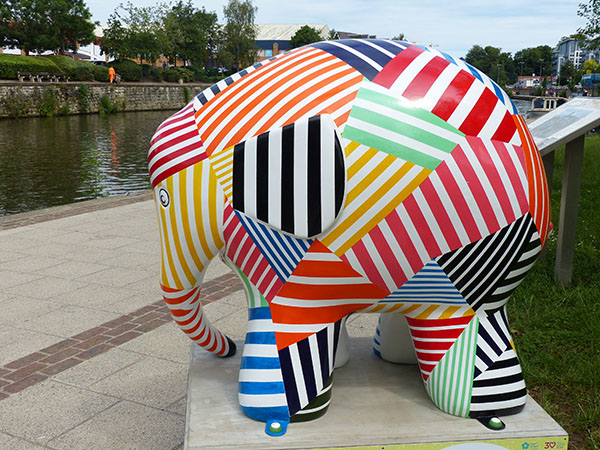
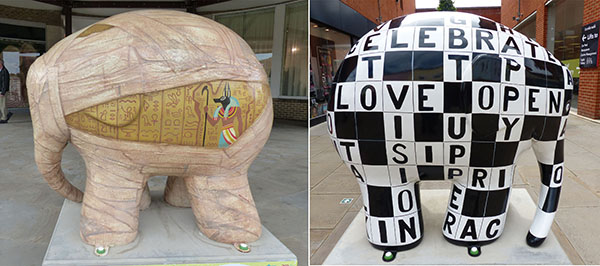
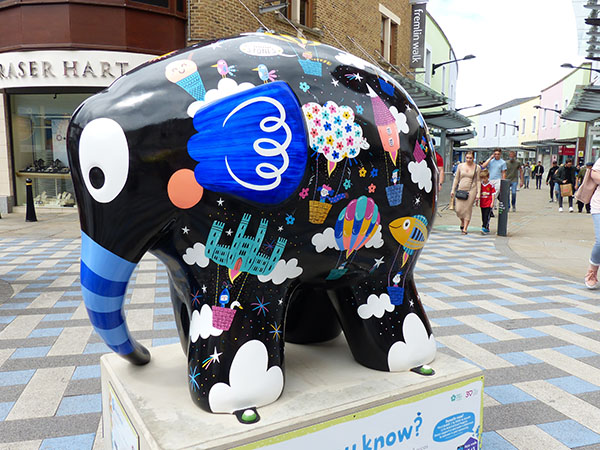
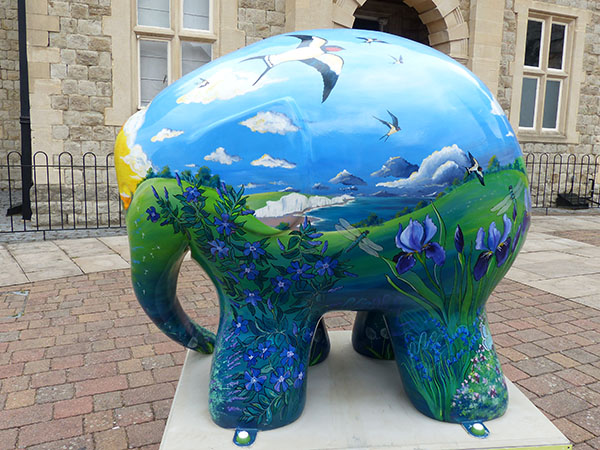
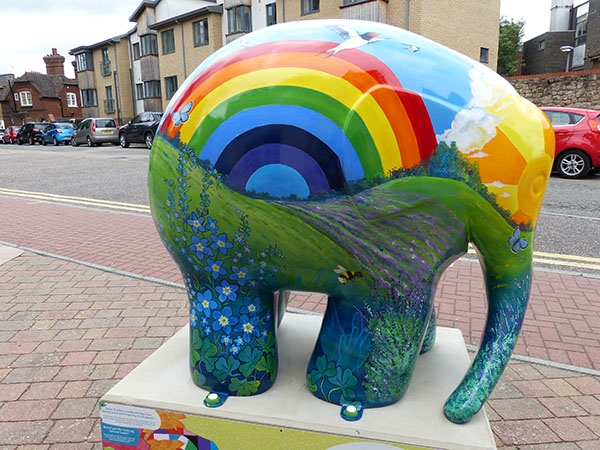
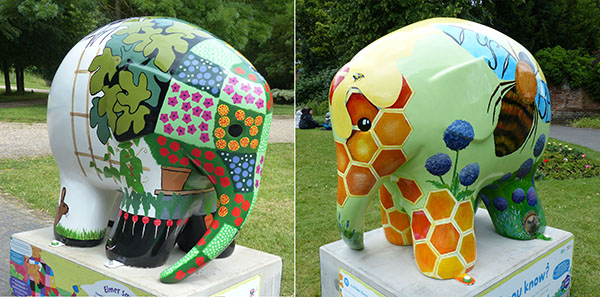
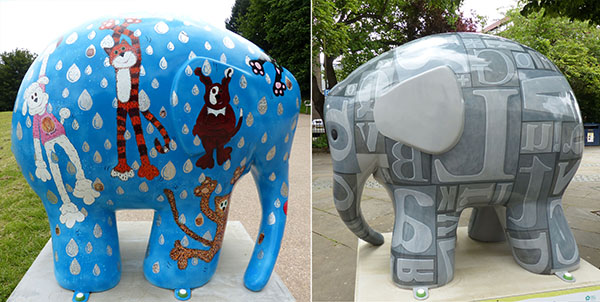
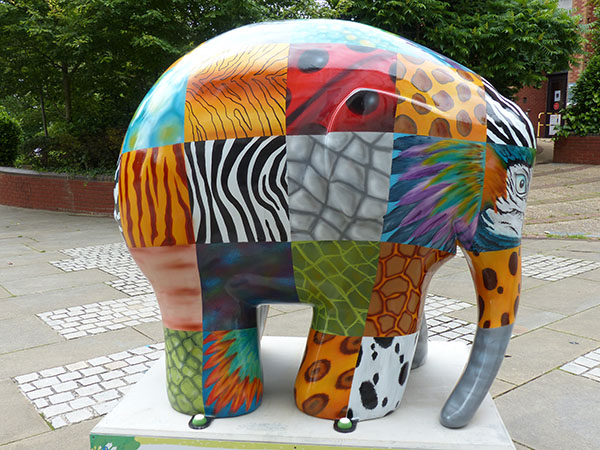
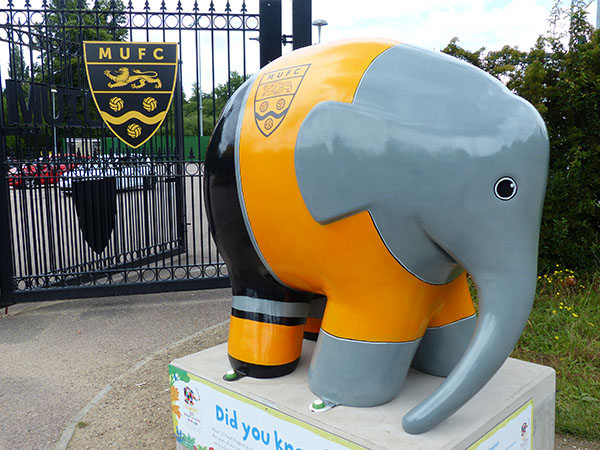
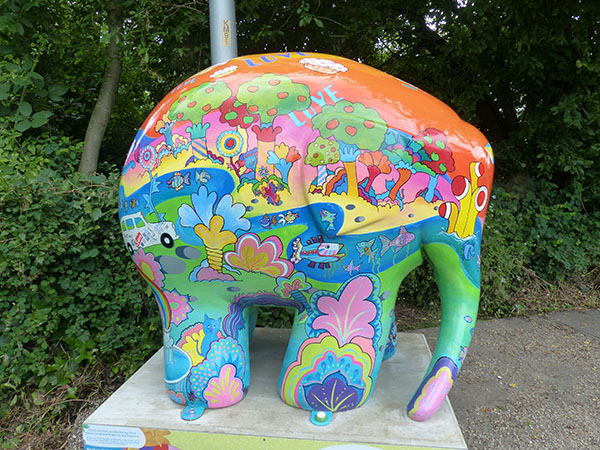
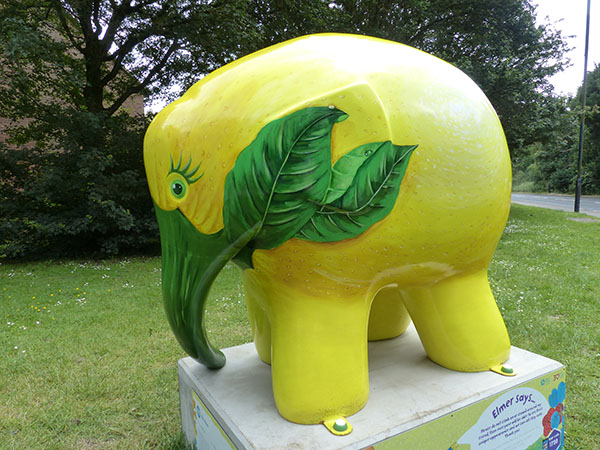
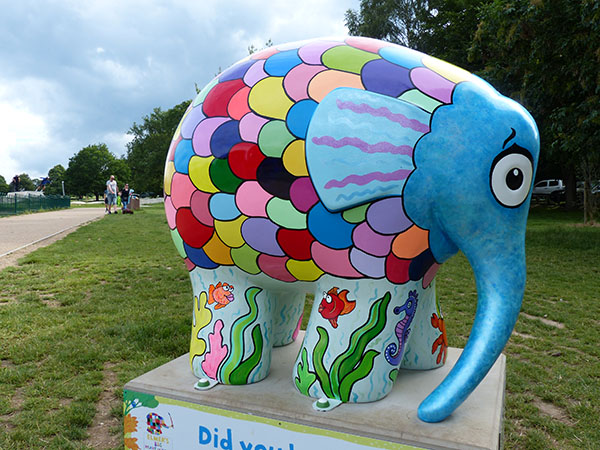
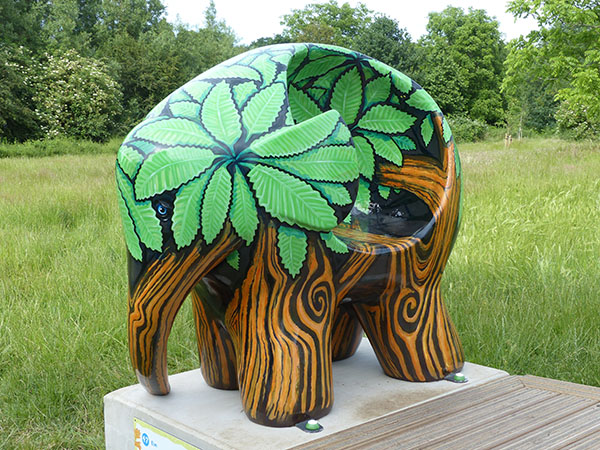
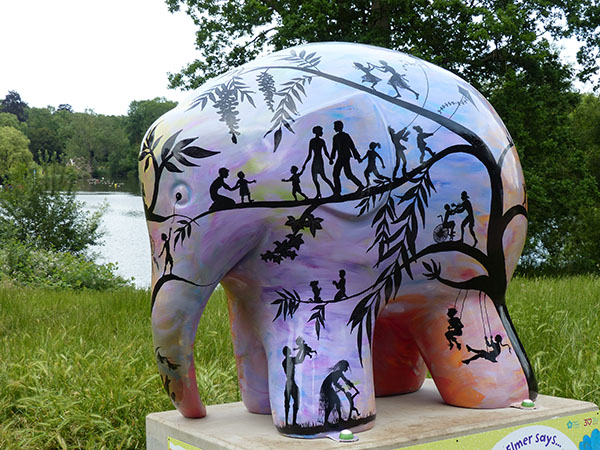
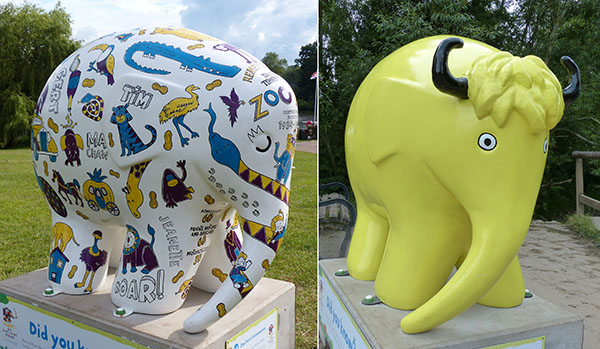
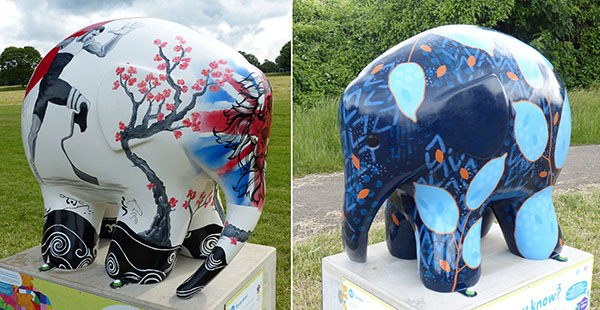
Elmer the Patchwork Elephant leads a sculpture trail in Maidstone, Kent this summer following a few similar trails around the country in the past couple of years. The sculpture trail aims to raise money for Heart of Kent Hospice. The trail is a collaboration between the hospice, Wild in Art, and other local businesses. The sculptures were put in place at the end of June and will remain in place to be enjoyed until the end of August. Each of the Elmer sculptures is sponsored by a local business, and there are fifty-one in total around the city centre and further afield. They are placed to enable visitors to discover new areas of Maidstone. Thirty smaller Elmer sculptures have been painted by local schools and youth organisations.

elmer-maidstone
"Eleploral" - Jess Perrin

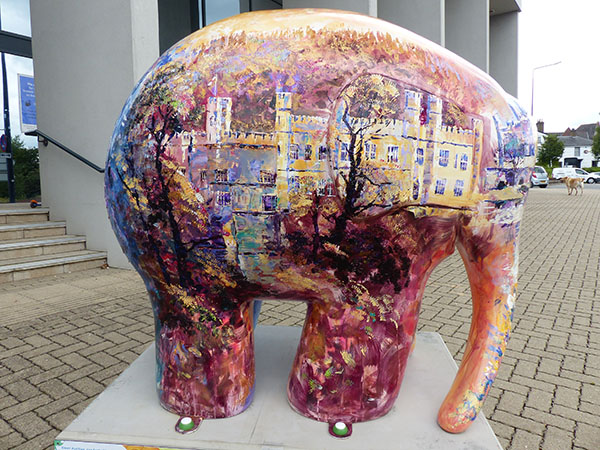
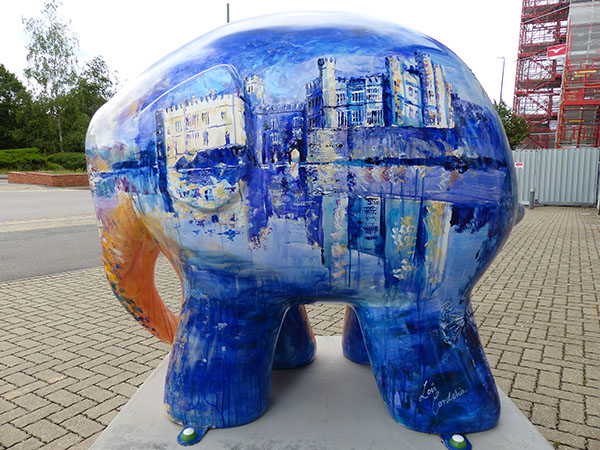
I found almost all of the elephants in one day except for the one located at Leeds Castle, and one of them had been damaged within the first week of the trail and needed to be repaired. It is difficult to pick a favourite, but one of my favourites was "Heart of the Garden", and "Flora" was also a favourite, but there were so many nice ones.

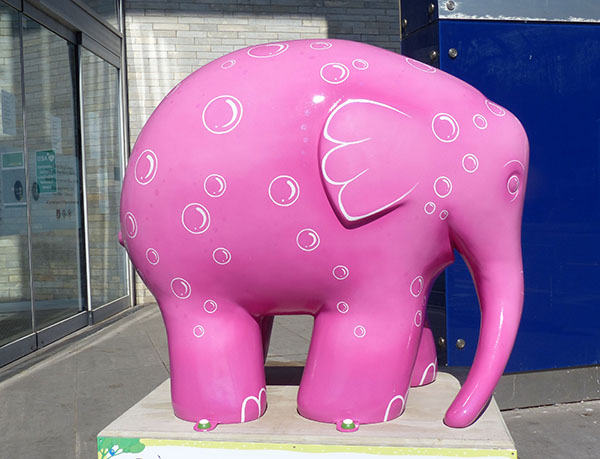
elmer-maidstone

"Pink Fizz" - Esme Wells

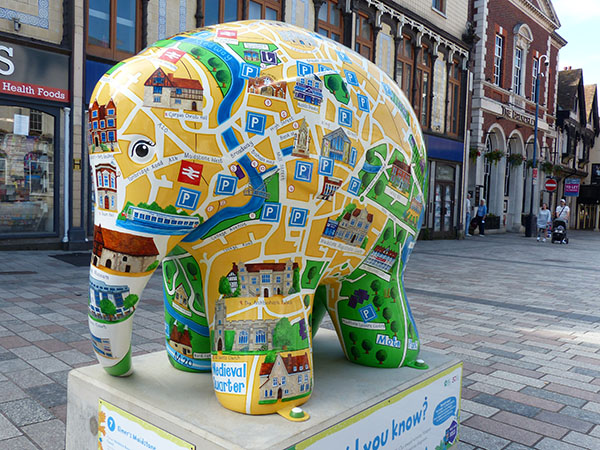
elmer-maidstone
"Elmer's Maidstone" - Elaine Gill

elmer-maidstone
"Memory Balloons" - Jill Busby and "Magical Mystery Tour" - Emma Graham

elmer-maidstone
"Eleplant" - Sally Adams

elmer-maidstone
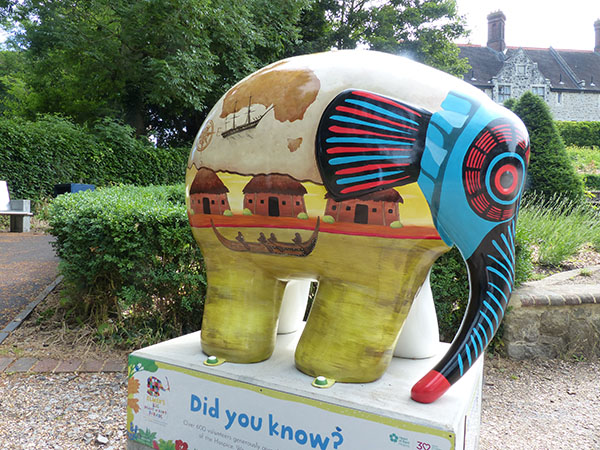
"Patchwork Elmer" - created by David McKee, painted by Michelle Turton

elmer-maidstone
"Sunset Plains" - Adam Worton

elmer-maidstone
"The Gentleman Explorer" - Reilly Creative

elmer-maidstone
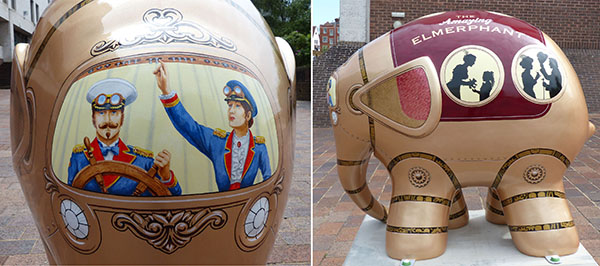
"The Amazing Elmerphant" - Everlyn Sinclair

elmer-maidstone
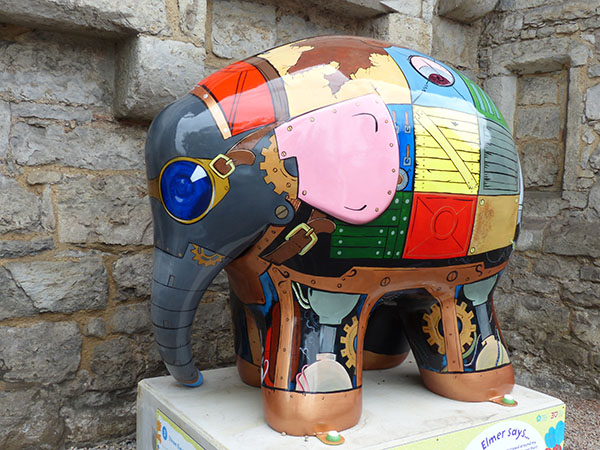
"Steam Elmer" - Richard 'Squarecube' Jeferies

elmer-maidstone
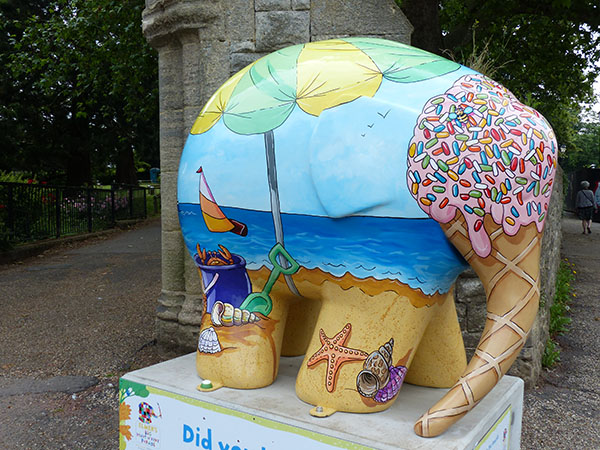
"Beside the Seaside" - Jane Mota

elmer-maidstone
"HMS Dazzelmere" - Oliver Jordan

elmer-maidstone
"Mymmyphant" - MrASingh and "Not Everything is Black and White" - Mik Richardson

elmer-maidstone
"Never Forget" - Nathan Reed

elmer-maidstone

elmer-maidstone
"Flora" - Emma Graham

elmer-maidstone
"Spotty Dotty" - Susan Webber

elmer-maidstone
"Plot" - Jessican Goddard and "Just Bee Elmer" - Helen Alexander-Bristow

elmer-maidstone
"Raining Cats & Dogs" - Traci Moss and "True to Type" - Emma Dove

elmer-maidstone
"Love the Skin You're In" - Mik Richardson

elmer-maidstone

elmer-maidstone
"Heart of the Garden" - Lois Cordelia

elmer-maidstone
"Gallagher" - Michelle Carpenter

elmer-maidstone
"Lucy" - Emma Graham

elmer-maidstone

elmer-maidstone
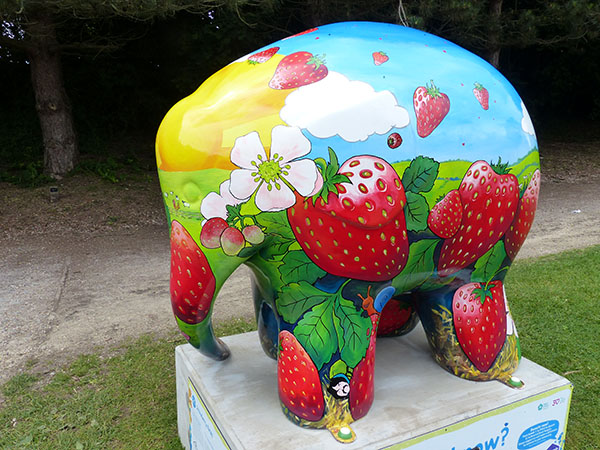
"Strawberry Fields Forever" - Emma Graham

elmer-maidstone
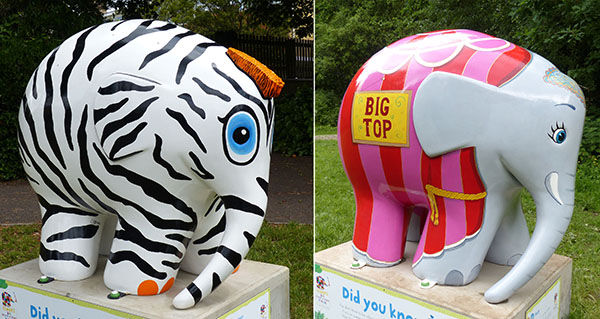
"Zebrelmer" by Hil Sanderson and "Nelly" - Denise McCoid

elmer-maidstone

elmer-maidstone
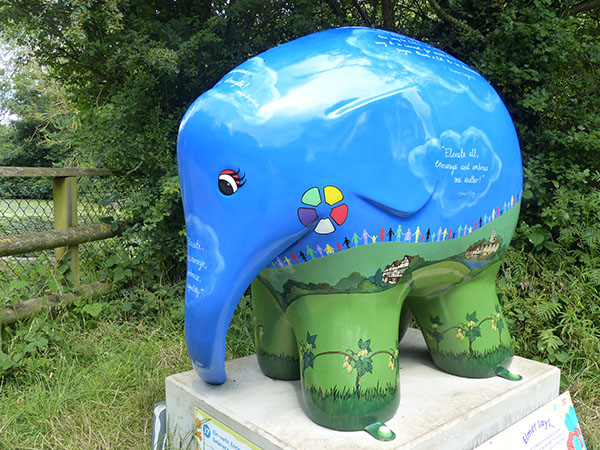
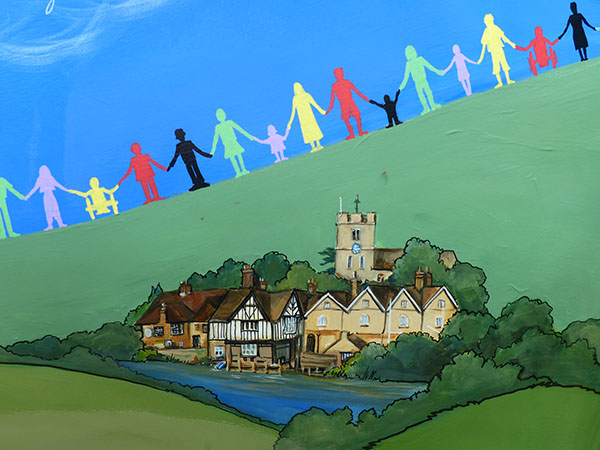
"Ele-vate, Encourage, Embrace" - Karen Hiscock-King

elmer-maidstone
"Elemon" - Deven Bhurke

elmer-maidstone
"Elmerfish" - Hil Sanderson 

elmer-maidstone
"Elm" - Sally Adams

elmer-maidstone
"Seasons of Life" - Lois Cordelia

elmer-maidstone
"Zoo Park Shennanigans" - The Brown Studio and "Bruno Bisophant" - Bison Print

elmer-maidstone
"Strawberry Deuce" - Megan Evans

elmer-maidstone
"Olympiphant" - Anne-Marie Byrne and "Solace" - Emma Dove

The sculptures will be in place until just before the end of August, and there is also a chance to sign up in advance in order to see them all together in one place before they are auctioned off.

A Visit to Winchester Cathedral (Hampshire, England)

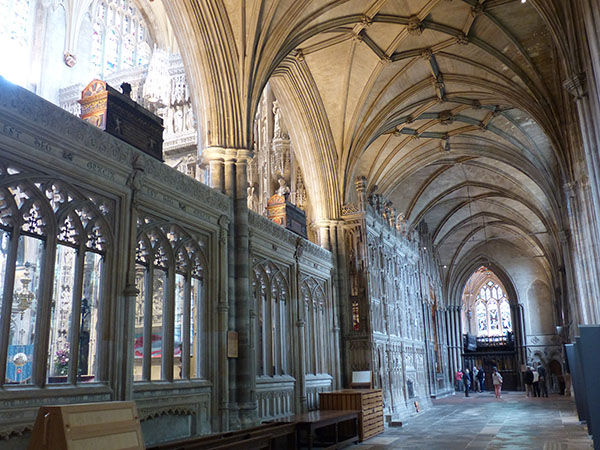
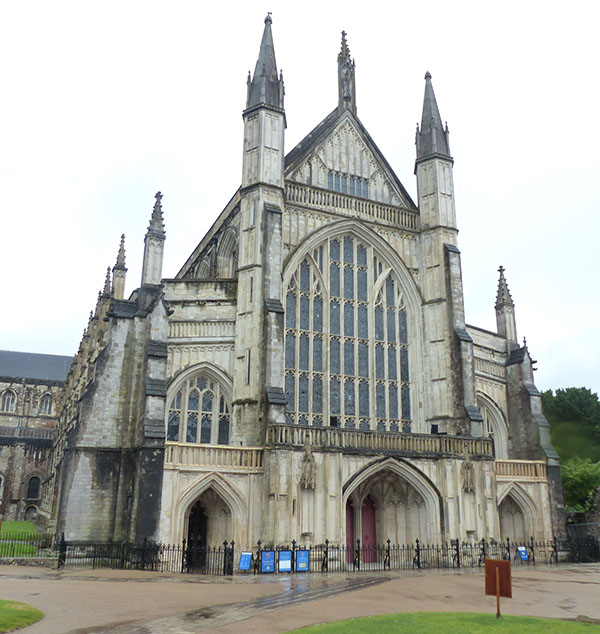
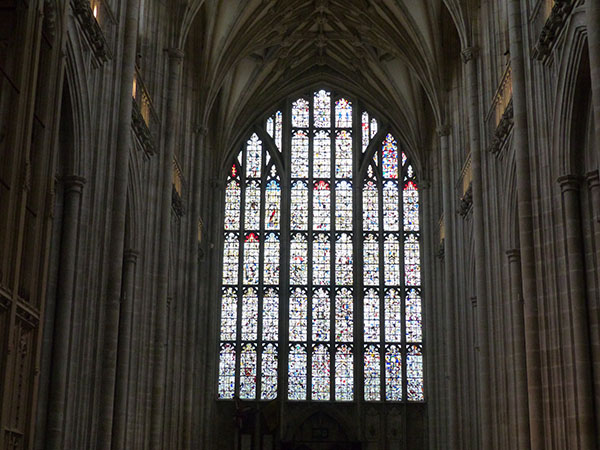
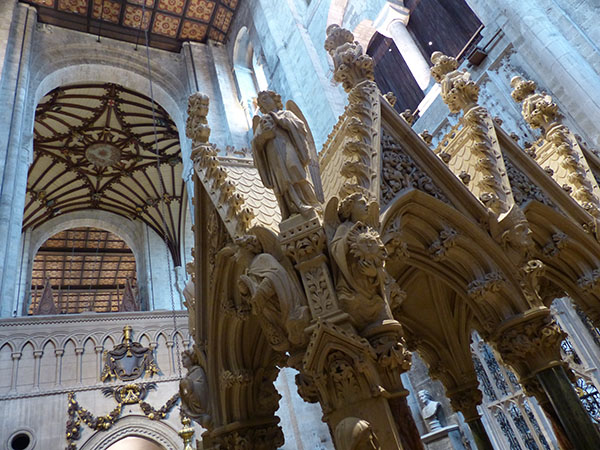
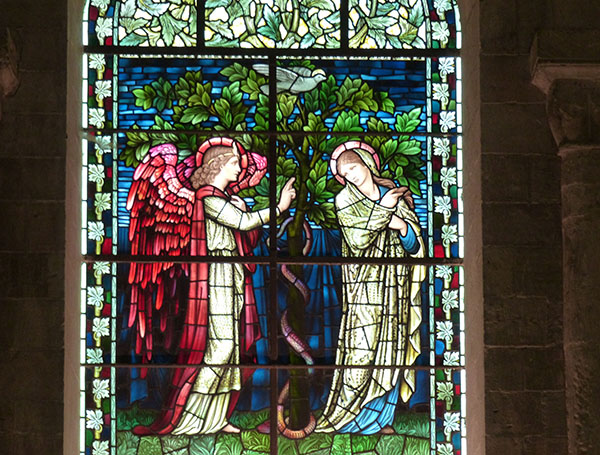
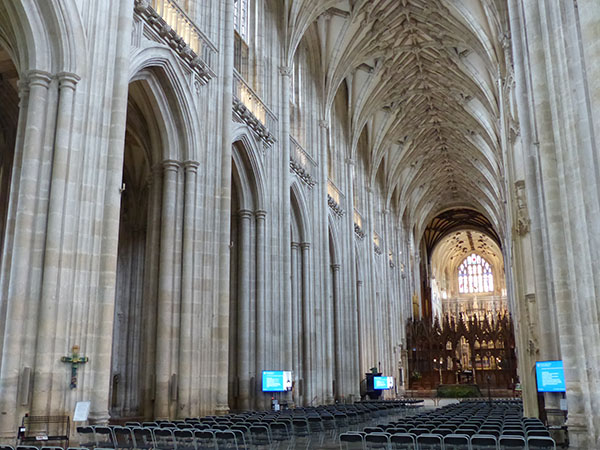
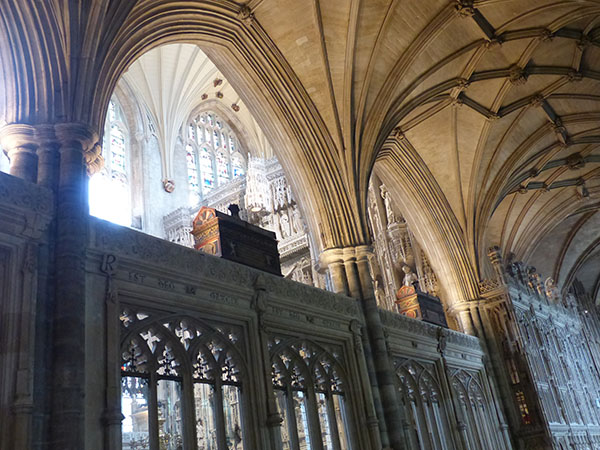
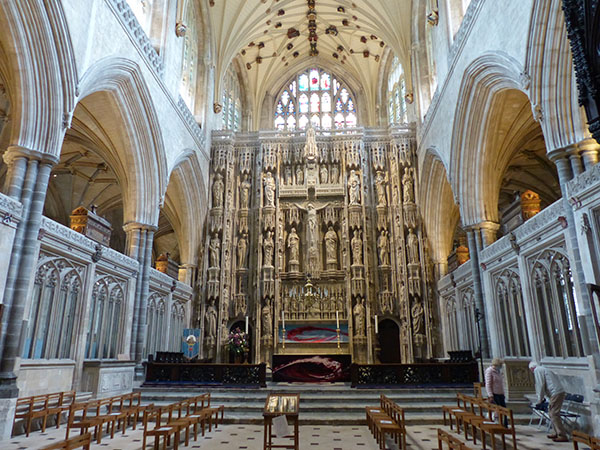
Winchester Cathedral was built around the year 650 by the King of Wessex after converting to Christianity. It was known as Old Minster then. It was extended a couple of hundred years later to become part of a larger monastery complex, and it was once the most powerful religious centre in northern Europe. Wessex was the richest of the areas of Britain after the year 450 until 1066, and the area was founded by Anglo-Saxons. The bones of important individuals resided in the cathedral as well as a shrine. After the Romans left Winchester (Venta Belgarum), Winchester found its fortune.

winchester-cathedral01.jpg

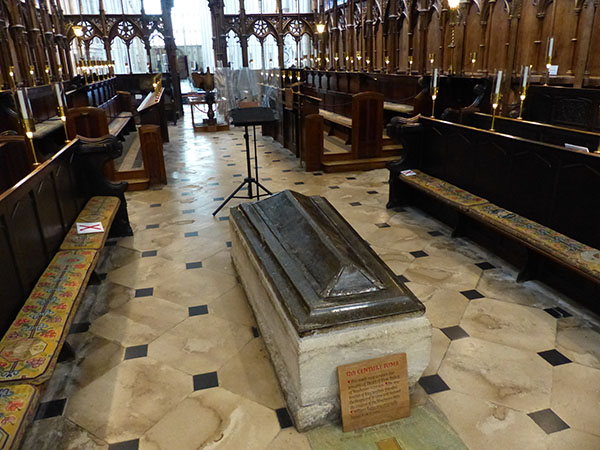
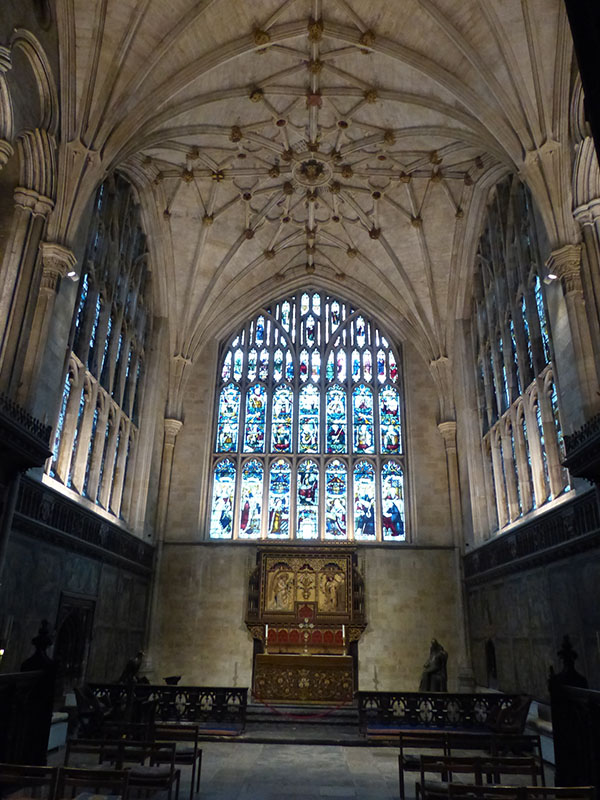
The museum in Winchester Cathedral contains several items of interest, such as boxes where the bones of the ruling family were kept, including bones of one female thought to be queen Emma. She paved the way for Danish rule in 1066 and also established Winchester Cathedral. Other items included coins and parts of architecture, including St. Swithun's shrine. A remodelled face from a skull, thought to be the son of king William the Conqueror, is also present in the collection. The teenage son (Richard) died in a hunting accident in the New Forest, and his remains are thought to be the last royal remains held at the cathedral. Downstairs on the ground floor in the cathedral, there are three illustrated and decorative Bibles depicting colouful illustrations and hand-copied text.
winchester-cathedral.jpg

winchester-cathedral.jpg

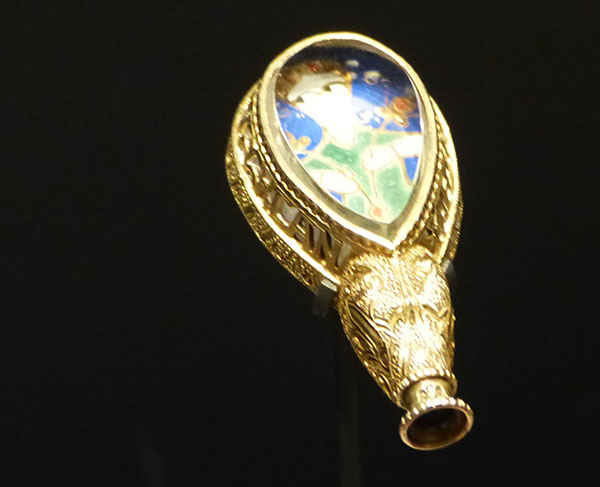
One of the other items in the museum is the Alfred Jewel. Alfred sent translations of text throughout the kingdom, and various pointers to help you follow what you are reading were included. This piece may be one of these pointers, which was attached to a rod.

winchester-cathedral.jpg

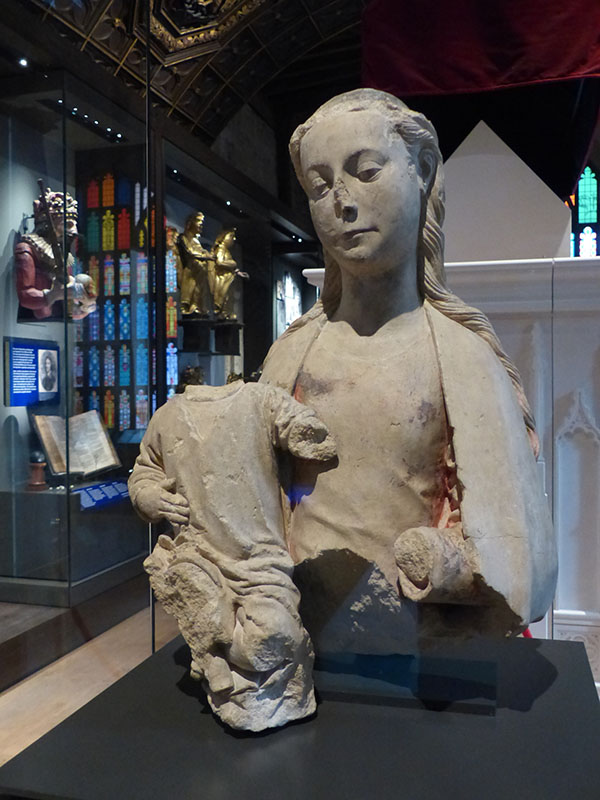
Mary and child formed part of a curtain that would have been painted in bright colours and in gold.

winchester-cathedral.jpg

winchester-cathedral.jpg

winchester-cathedral.jpg

winchester-cathedral.jpg

winchester-cathedral.jpg

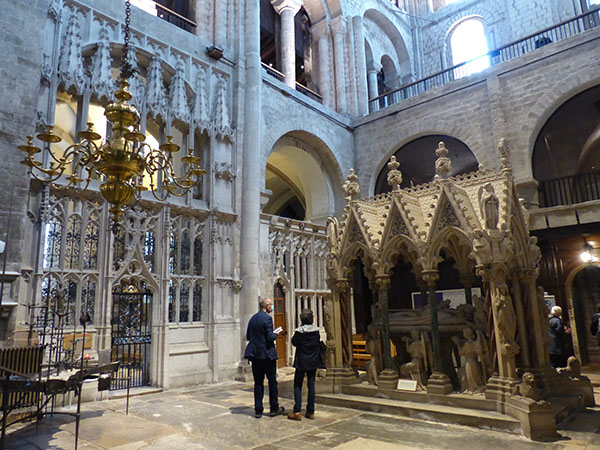
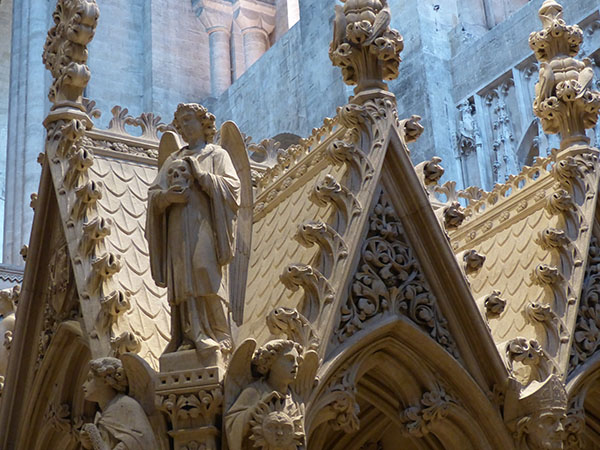
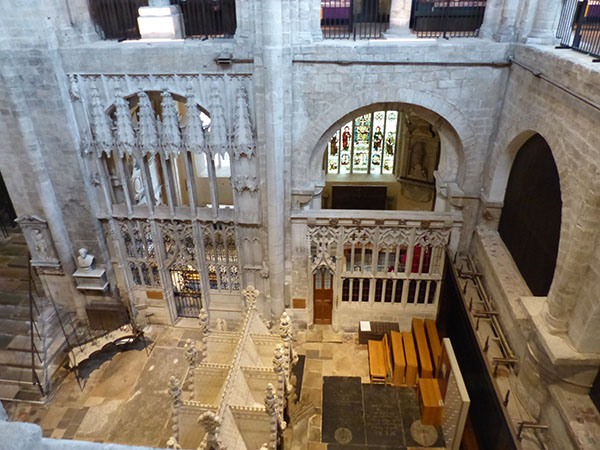
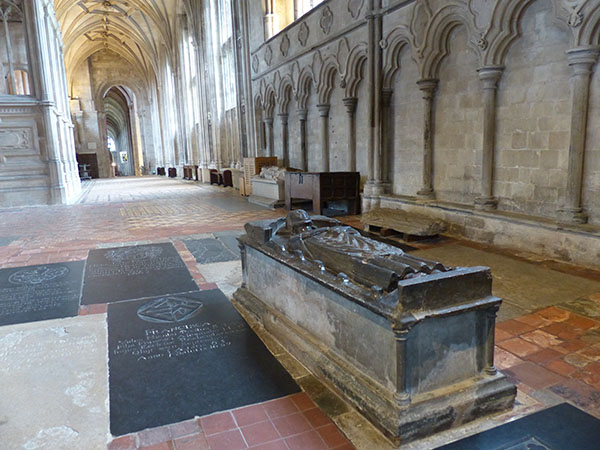
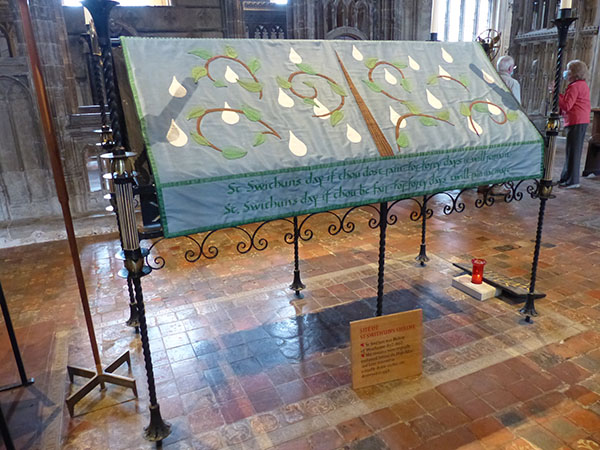
St. Swithun is Winchester's saint and the bishop of Winchester in the mid-800s, and he was attributed with several miracles during his life. A shrine of his bones was located at the alter in the cathedral and then entombed inside a marble shrine. St. Swithun's shrine was destroyed by Henry VIII in 1538, and the bones were removed. Fragments of the shrine are included in the museum. The location of the shrine is below.

winchester-cathedral.jpg

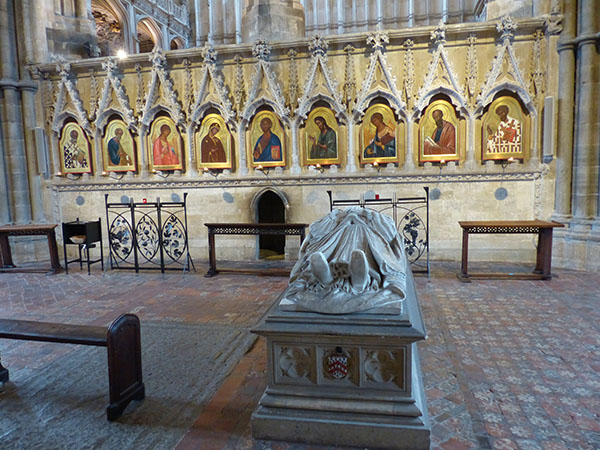
Jane Austen was buried in Winchester Cathedral in 1817, and the cathedral is used as a filming location.

winchester-cathedral.jpg

winchester-cathedral.jpg

winchester-cathedral.jpg

winchester-cathedral.jpg

winchester-cathedral.jpg

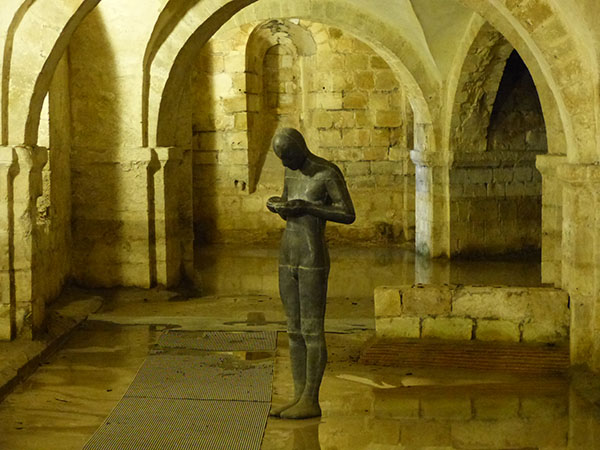
The crypt can be toured in the summer months when it is dry. It floods a lot, and on the day that I visited, it was starting to flood. The crypt contains a famous statue by Anthony Gormley called Sound II. When the cathedral floods, the reflection with this statue looks picturesque.

winchester-cathedral.jpg

winchester-cathedral.jpg

winchester-cathedral.jpg

winchester-cathedral.jpg

winchester-cathedral.jpg

I have previously visited Winchester Castle before, so this was not my first visit. However, I think I missed the museum before as I do not remember visiting it. This time, I received a ticket that will allow me to return for the next year, so I should be able to tour the crypt and complete a guided tour of the cathedral at some point.

Photography has been a passion for me since I was very young. For one of my birthdays (I may have been eight or ten years old), I received a camera from my aunt. Not to show my age, but this was a point-and-shoot camera that took a roll of film that needed to be processed as a negative. I immediately went out to take photographs around the farm and promptly used up all twenty-four or thirty-six exposures on capturing animals and buildings. Of course, I was unable to see the photographs taken until the film was developed and returned to me, but I was already fascinated with the art of photography to capture moments.

lacock-village-2021-01.jpg

Fast forward through my life and I found myself studying photography classes at university as a part of my degrees with a SLR camera, though I hated developing my own negatives. I was not very quick to adopt the new digital SLR technology as the results were never as good, but I eventually did and currently own a digital SLR that I use to take most of my photographs. With the improvement of mobile phone cameras, I do take photographs on my mobile phone too. With that in mind, photography has been an important part of my life.

lacock-photos02.jpg

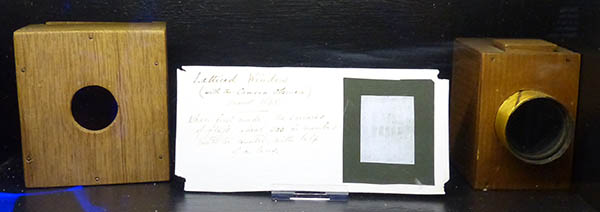
William Henry Fox Talbot was a mathematician and chemist who spent time at his home at Lacock Abbey creating the science behind photography, notably the photographic negative and the process of creating many prints from one image. Camera obscuras and painters used smaller light boxes to draw outlines of paintings. Others discovered chemicals that changed colour on paper and other processes for it. A French inventor, Joseph Nicéphore Niépce, made some other advancements and was able to capture a faint image over an eight-hour exposure using an engraved process.

William Henry Fox Talbot moved into Lacock Abbey when he was 27, although he did inherit the property much earlier. Talbot was interested in botany and classical literature, and he would attempt to draw plants. While on honeymoon in Italy, he attempted to draw but was not very good, so he decided to try to invent a way for people who had no artistic talents to create imagery. He started to experiment with different methods in 1834.

lacock-photos03.jpg

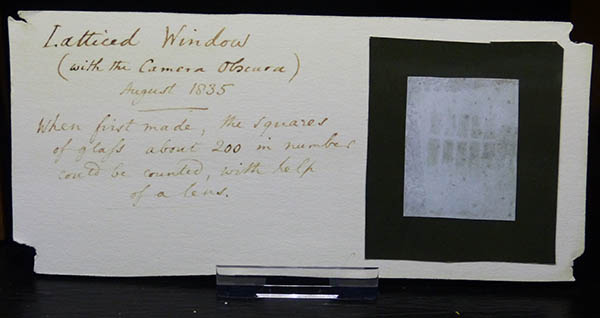
The first image was exposed over several hours of the window in the abbey (see my post about Lacock Abbey here to see a photograph of the window). The image was the size of a postage stamp. It was created in 1835, but Talbot did not tell anyone. Niépce, who started to experiment in 1826, created an image in 1837 and told the world. Neither men knew that they were experimenting on the topic, so it was not a race.

Talbot continued to improve the process and discovered that chemicals added to the photographic paper continued to "develop" the invisible image in darkness. The process was named Calotype, and he patented the idea. A printing company was set up in Reading, and over 50,000 prints were produced, but the company was considered a failure.

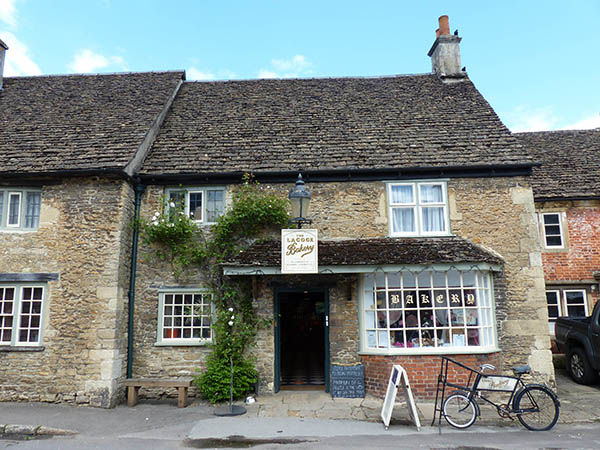
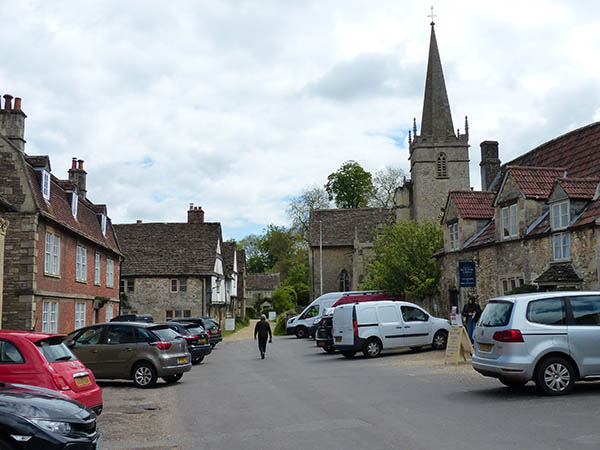
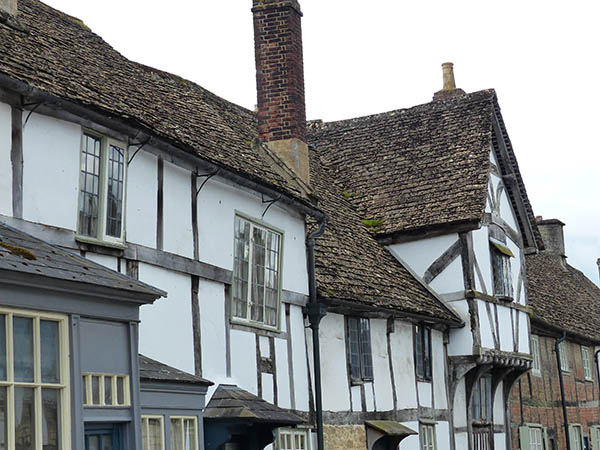
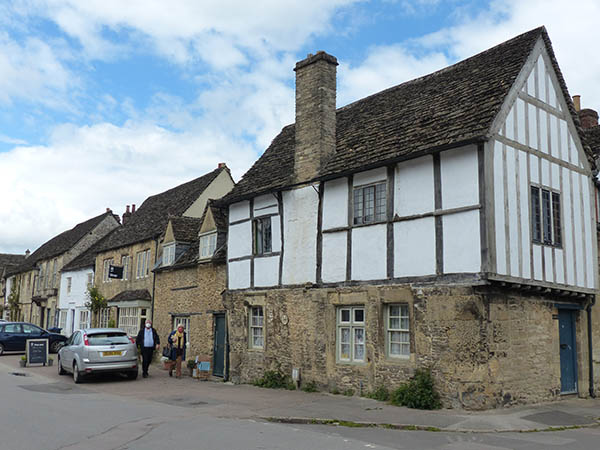
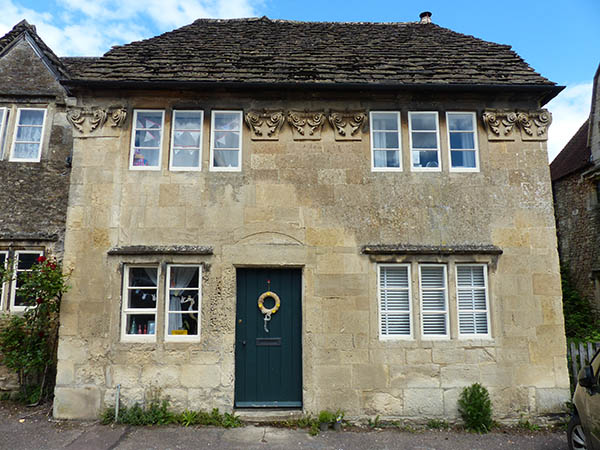
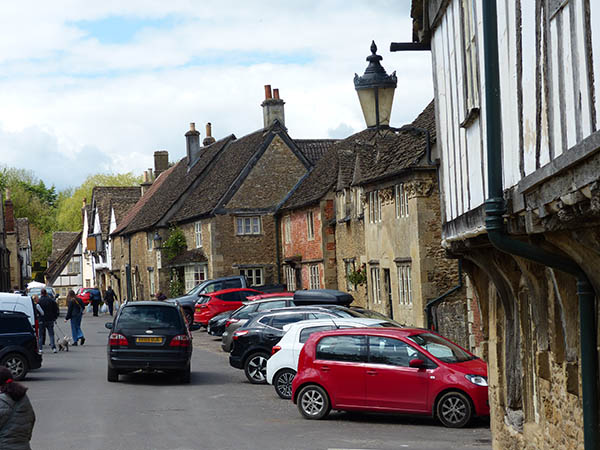
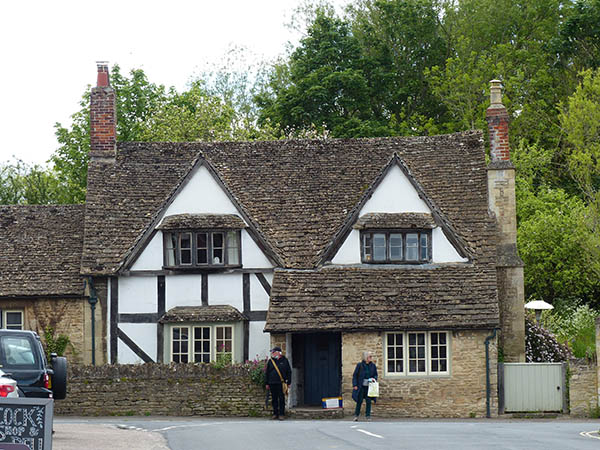
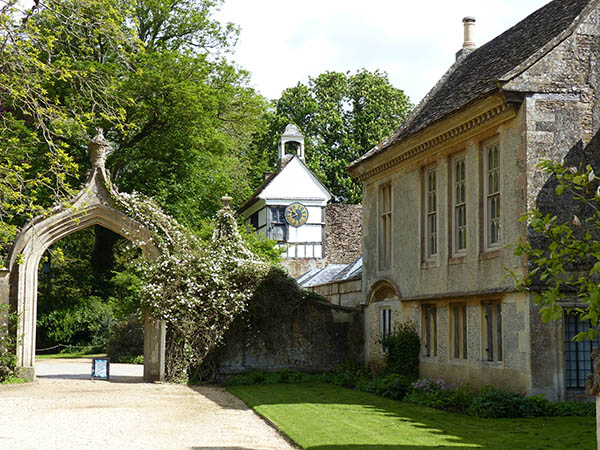
The museum has several information boards, personal items, and a group of old cameras to see. After visiting the museum, I had a walk around Lacock village and ended up having lunch at one of the pubs. As lockdown was only just partially-lifted, some places were not yet open. Here's a selection of my photographs below.

lacock-village-2021

lacock-village-2021

lacock-village-2021

lacock-village-2021

lacock-village-2021

lacock-village-2021

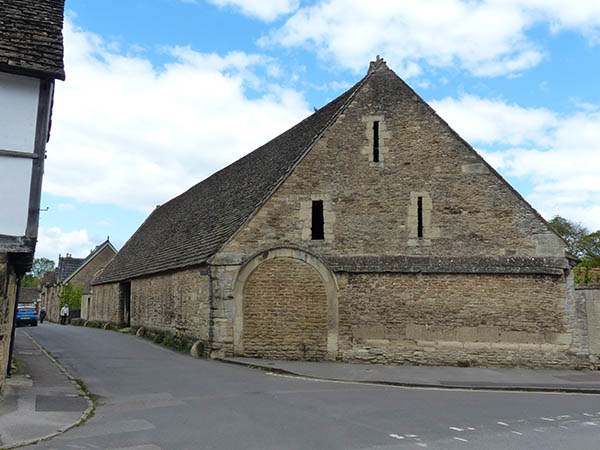
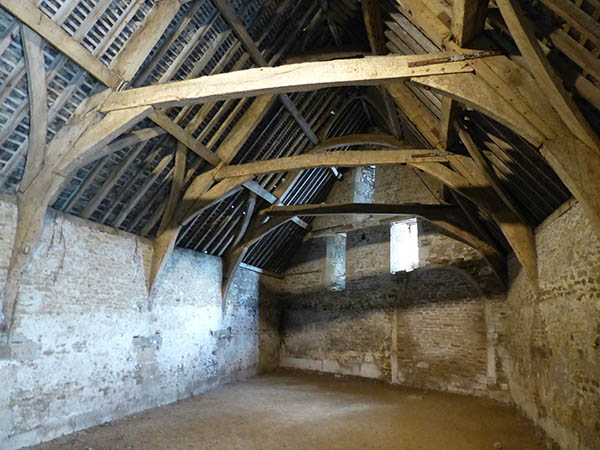
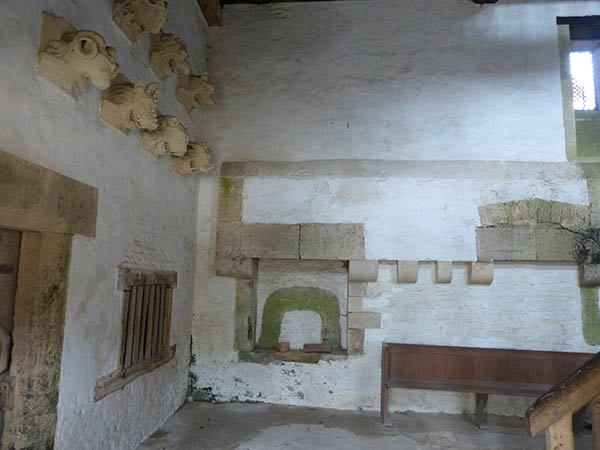
My final visit was to the Tithe Barn, and it is located in the village. The barn was open to have a look inside. It is empty, but visitors can walk in to see the construction of the building.

lacock-village-2021

lacock-village-2021

That concludes my visit to Lacock. Additional posts about Lacock can be see below:

A Spring Visit to Lacock Abbey (Wiltshire, National Truse): Lockdown Edition
Visiting Lacock at Christmas (National Trust, Wiltshire): Lockdown Edition

After museums started to reopen, I decided to take a day off to spend time exploring some National Trust properties that I had not yet been able to explore as I had only become a member in the summer of 2019. I had the perfect weather for it, and my first stop of the day was to visit Lacock, a property and village that impressed me during a December visit, which you can read more about here: Christmas at Lacock. You may recognise some of the photographs of the abbey and village because it is used as a filming location. Two of the most famous franchises was filmed here: Harry Potter and Downton Abbey.

lacockabbey-spring2021

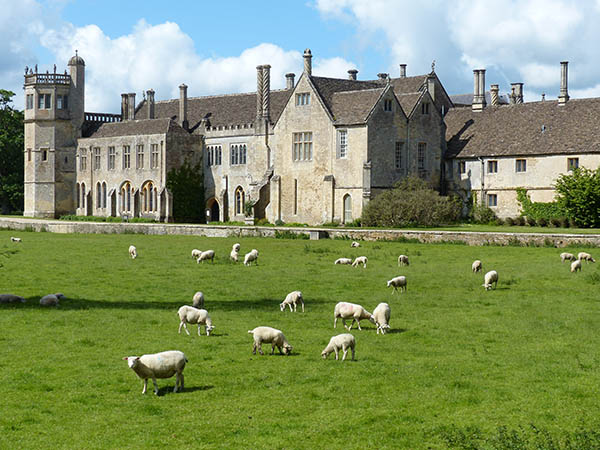
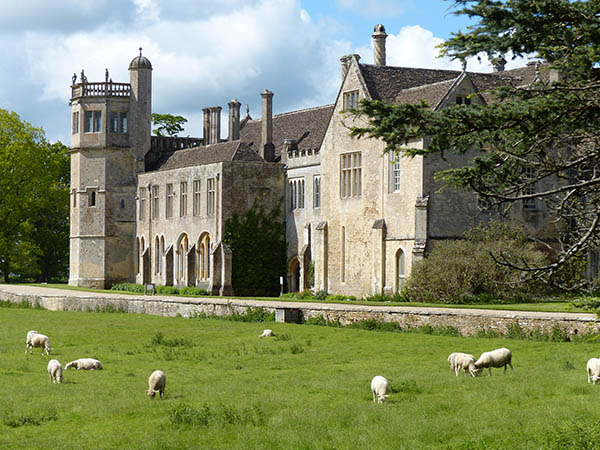
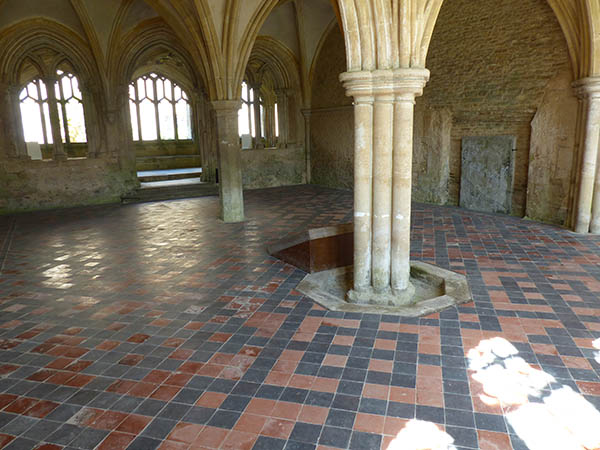
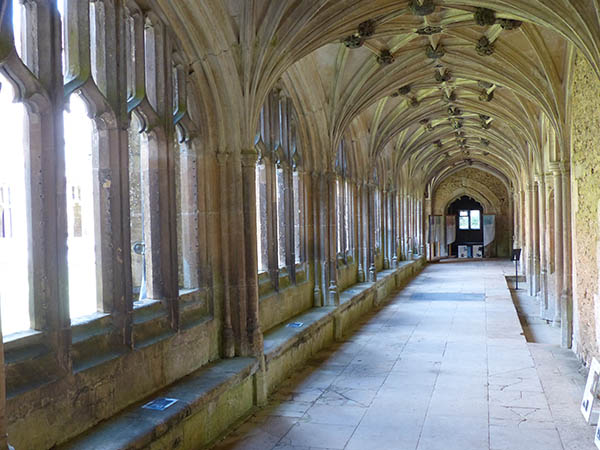
There are two parts to Lacock Abbey - the older monastary for nuns and abbey and the mansion house. The mansion house was actually built from the monastary. The rooms were re-purposed and extended for private family use. Remaining bits of the abbey can be seen in the cloisters and the rooms leading off of them. In addition to the abbey, visitors can walk around the gardens and wooded areas, explore a museum about photography, and enjoy the shops and facilities that the village has to offer. (The photography museum here focuses on the work of William Henry Fox Talbot, who lived at Lacock Abbey and helped to create the photograph negative to allow the image to be captured and reprinted on paper).

lacockabbey-spring2021

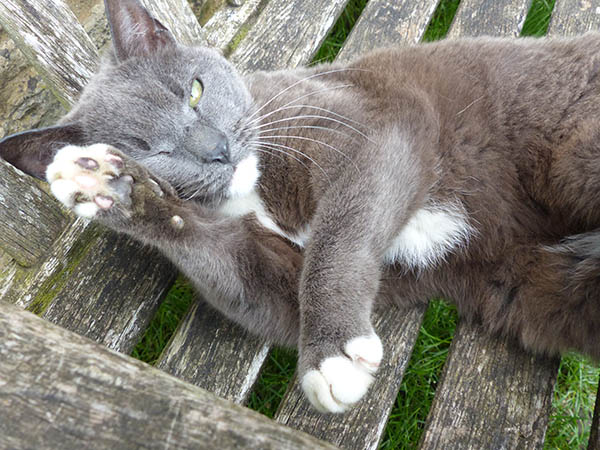
When I arrived at Lacock, I walked by the resident kitty, and he or she relished in some attention.

lacockabbey-spring2021

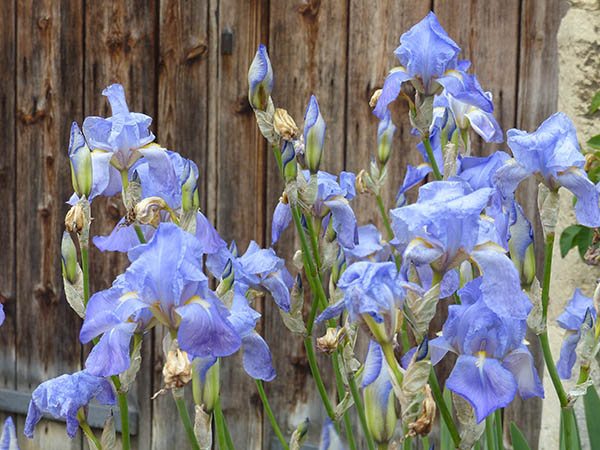
I had a quick look into the gardens and a walk around the trails to the abbey before it was open for my visit. The spring colour was welcoming after so many wet and cold days and being stuck inside my home for so long.

lacockabbey-spring2021

lacockabbey-spring2021

lacockabbey-spring2021

lacockabbey-spring2021

Unfortunately, many of the rooms off of the cloisters were closed to visitors because of the coronavirus pandemic as they could cause bottlenecks, though no one was around when I visited. I had the place to myself.

lacockabbey-spring2021

lacockabbey-spring2021

lacockabbey-spring2021

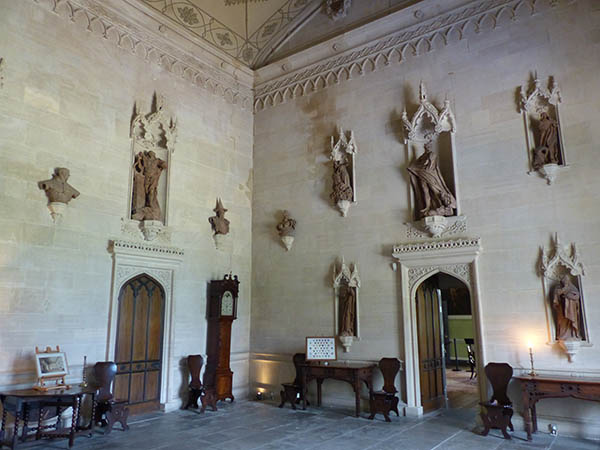
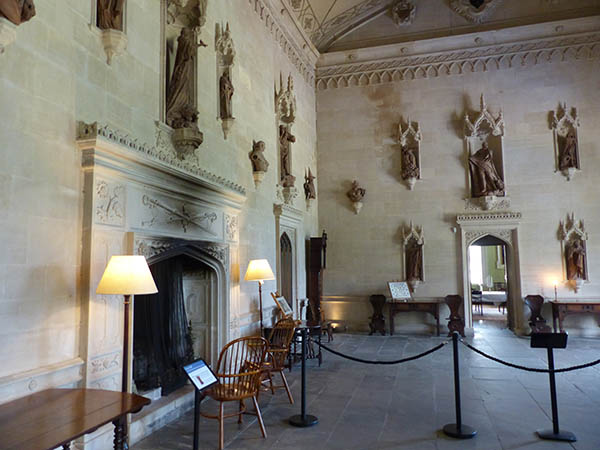
I entered the abbey to see what it was like inside. The first room (the Great Hall) was spacious one filled with sculptures floor-to-ceiling. Apparently there is a tradition in this room with one sculpture with a human and a goat. A former visitor balanced a sugar cube on the goat's nose, and the owner thought that this was funny, so a sugar cube is kept on the goat's nose.

lacockabbey-spring2021

lacockabbey-spring2021

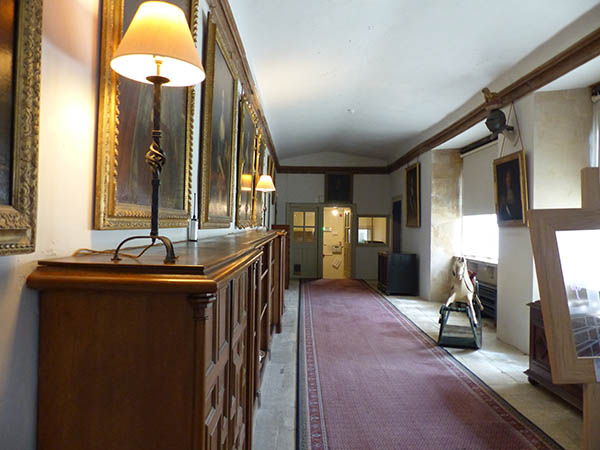
Many of the rooms have had walls added or removed from its former days as a nunnery. The below is the Brown Gallery that contains some old paintings and a portrait of the last owner, Matilda Talbot. She donated the abbey to the National Trust in 1944. It was becoming too expensive to maintain.

lacockabbey-spring2021

Off of the gallery is the Pulpit Room, which is where nuns would have eaten and read from the Bible.

lacockabbey-spring2021

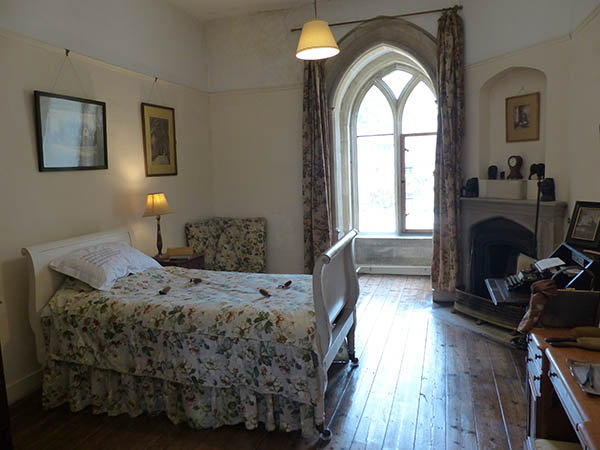
This long corridor-looking room was much larger and was the sleeping quarters of the nuns at one time. It has been divided into smaller rooms with a ceiling added. Twenty-five nuns would have slept in this area on straw beds and separated with screens.

lacockabbey-spring2021

This gallery contains the oldest door in the abbey.

lacockabbey-spring2021

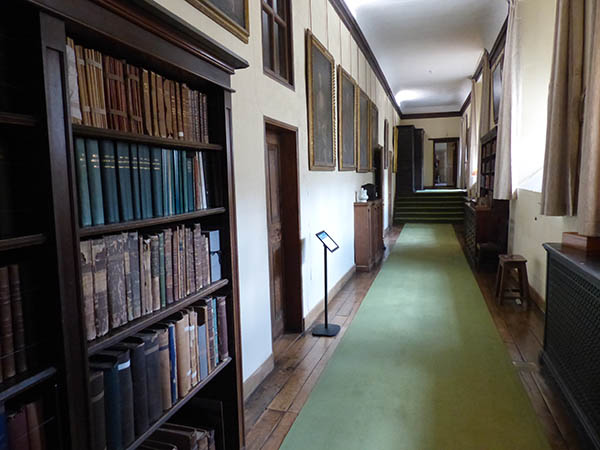
The Blue Parlour is where Matilda Talbot would have had afternoon tea, and she painted it the blue colour. It appeared in "Country Living" magazine in 1923. The room was used by William Henry Fox Talbot as his study, and it was filled with books.

lacockabbey-spring2021

lacockabbey-spring2021

The South Gallery was a corridor that separated the guest area from the private area at Lacock Abbey. 

lacockabbey-spring2021

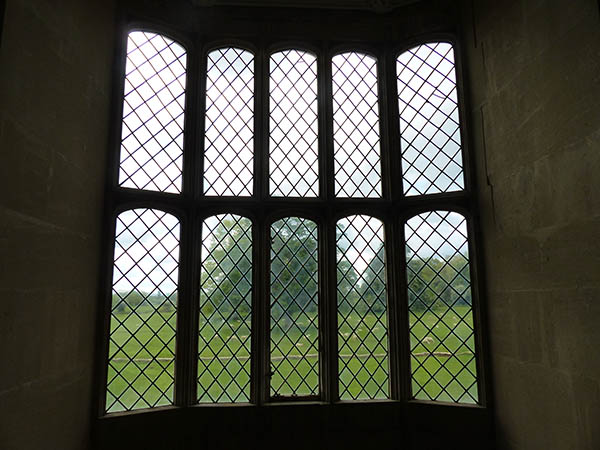
In this room is the famous window that was used to create the first photographic image, dating 1835. The image or a copy of it exists in the museum next door. The light coming in from the window exposed a small lightbox (a small wooden box with a tiny lens inside) placed on a mantle. Over time, this produced an image.

lacockabbey-spring2021

lacockabbey-spring2021

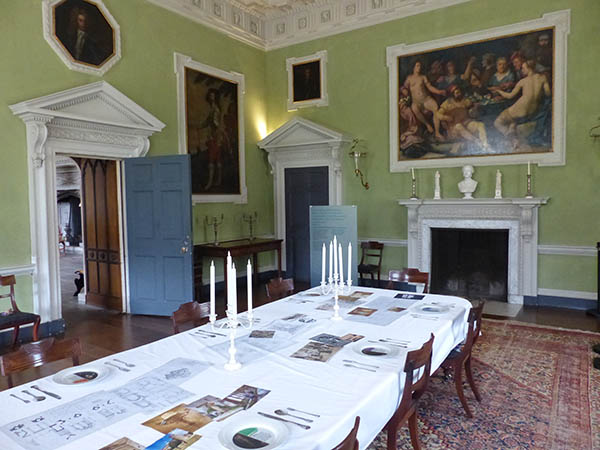
The dining room was the last room before exiting back through the Great Hall. This room contained several paintings. In the octogon space above the door in the below photograph, a portrait of Henry VIII by Holbein was present. It was sold to pay for repairs to the abbey and it has since been lost.
lacockabbey-spring2021

Due to the pandemic, not all areas are open just yet in Lacock Abbey. After visiting what I could, I headed back outside. 

lacockabbey-spring2021

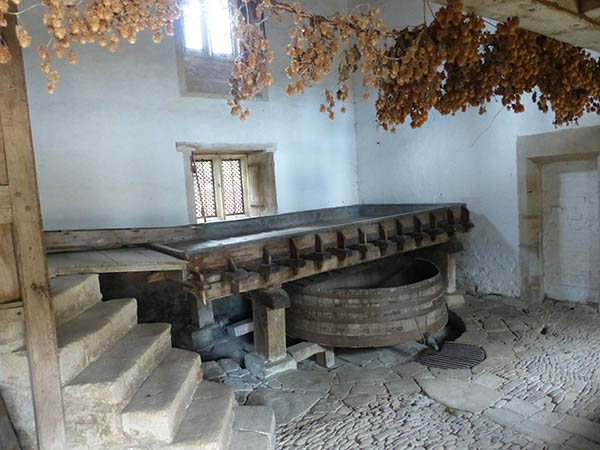
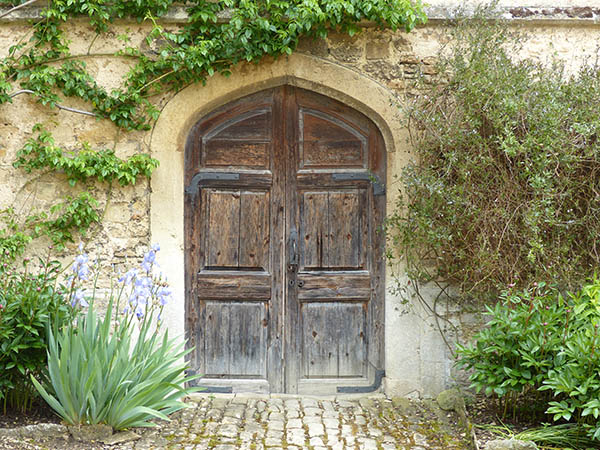
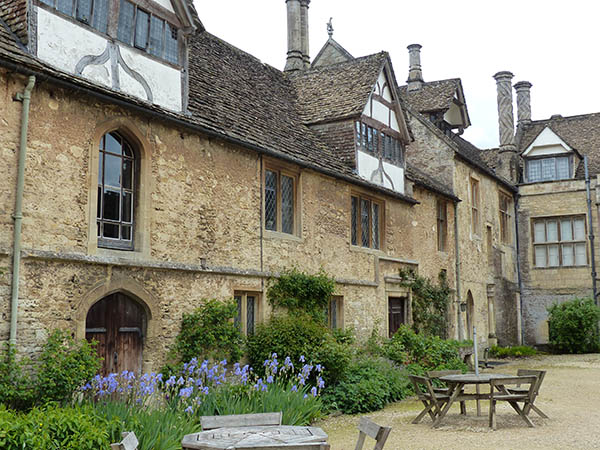
The stables outside of the abbey contain the remains of a brewery, bakehouse, and other work buildings. This is one of my favourite areas of Lacock Abbey because the doors in this courtyard are spectacular.

lacockabbey-spring2021

lacockabbey-spring2021

lacockabbey-spring2021

lacockabbey-spring2021

lacockabbey-spring2021

lacockabbey-spring2021

lacockabbey-spring2021

After my visit to the abbey, I visited the Fox Talbot Museum at the entrance. This little museum details the discovery of photography and the processes of capturing an image through cameras to print. I'll be adding a separate post for this visit. I do recommend a visit to it as it is very interesting. I wonder what William Henry Fox Talbot would think now with almost everyone (at least in first world countries) having almost constant access to a camera on a telephone device that fits in a pocket.

For more posts about Lacock Abbey:

Visiting Lacock at Christmas (National Trust, Wiltshire): Lockdown Edition

  1 2 3 4 5 6 7 8 9 10 11 12 13 14 15 16 17 18 19 20 21 22 23 24 25 26 27 28 29 30 31 32 33 34 35 36 37 38 39 40 41 42 43 44 45 46 47 48 49 50 51 52 53 54 55 56 57 58 59 60 61 62 63 64 65 66 67 68 69 70 71 72 73 74 75 76 77 78 79 80 81 82 83 84 85 86 87 88 89 90 91 92 93 94 95 96 97 98 99 100 101 102 103 104 105 106 107 108  

Archives

Recent Comments

  • jenn: Thank you. read more
  • Murge: Amazing post. read more
  • Herbert: good post. site read more
  • Frank Quake: Hey, This is great when you said that I had read more
  • Chappy: You mention peptides here? I have had first hand experience read more
  • jenn: Thanks! I love the work. I have got more recent read more
  • Fanakapan: Thanks for the write up. This was some of my read more
  • jenn: Yes.... but that's only for the islands. Mostar and Montenegro read more
  • jenn: Hello, the code is not mine to hand out. I'll read more
  • pantich: More info about the best day trips from Dubrovnik can read more
OpenID accepted here Learn more about OpenID