Results matching “Christmas”

When To Avoid Displaying Your Brand

Recently, I have been giving a lot of thought about branding and its importance, particularly in today's world with the use of social media to build direct relationships with customers. The trend in the past few years is for companies is to establish a social media presence, and social media has come a long way in a short time to meet these needs. As a result of this need or desire to establish these relationships with customers and promote "word of mouth" marketing, companies are establishing instantaneous and closer relationships with consumers or brand champions (those who actively engage with the brand). 

Today, many companies have a presence on Facebook, Twitter, Pinterest, Instagram, YouTube, and other social networking websites. Since consumers can view this information instantaneously, these interactions and representations of the company's brand must be carefully thought through. After all, we would not want to compromise the brand and its integrity. In her article about the use of Instagram, Jessica McLaughlin (1) states that companies must decide which social media websites best align to their business needs and ensure that they devote enough time to this social media website. In this example, companies that use the photographic social media website Instagram must keep imagery fresh and find creative ways to showcase their brand imagery and values without recycling images.

In short, companies should not jump on the social media bandwagon without giving thought into how the particular social media website will help them. In my opinion, there is nothing worse than an 'empty' or 'ghost town' social media page or community that is rarely updated or that is updated with irrelevant content. This is harmful to the brand.

Now that I have discussed the social media impact on a brand, I will discuss the basics of branding and learning to identify mistakes. After all, the company you are working for has probably spent money on a new brand or branding materials, wether this is on business cards, brochures, logo, or a website. I don't need to state how important brand is; that is a lengthy topic of discussion that is beyond the scope of this article.

What is brand? In short, a brand should correctly convey the company and its message to customers in a positive light. The treatment should be consistent and revisited regularly, in line with the goals of the business. There are many examples where companies fail to grasp this concept or ignore the brand guidelines once their brand has been developed and the initial work has been completed; this can be immediately or a few months after the initial release. However, once the style guide and logos have been delivered and the money paid up, there is much more work to be completed. In my opinion, once this work has been done, the fun work in the brand execution is just beginning.

Let's face it. Creating a brand is a time-consuming and expensive task, and following through with the branding correctly and continuing to roll it out consistently, while keeping the brand fresh, is a challenge. It's also a task that should not be taken lightly. The branding exercise does not stop once the new brand has been created. A new brand is not going to miraculously work its way into the subconscious of potential customers and increase sales overnight. Correctly utilising the brand will, and there's much more to the brand than a "pretty logo". The brand should encompass an ideal and uniqueness of the company or product/service.

I've been locating articles and resources to back up my beliefs, and there's a lot of research out there to support this. I have taken the time to list some of these common branding mistakes and have identified some areas where designers and employees should be cautious to avoid common branding mistakes, which reflect poorly on the company.

  1. Inconsistent Branding. The branding guidelines are interpreted differently across different mediums. For example, the treatment of the brand on the website may be different to the treatment on business cards, signage, or invoices. The way that employees interact with customers may be inconsistent. The branding treatment should always be consistent.
  2. Failing to Update the Brand. Branding can get stale, and marketing materials should be refreshed and revisited often to ensure that it does not get "tired". This is an ongoing process. Precision Intermedia (1) mentions that some companies print a large order of brochures and use these brochures for several years; by that time, the company or message would have changed. Stale branding does not reflect well. The same can be said about keeping company websites up-to-date.
  3. Poor Visuals or Signage. Similar to brand inconsistently, companies must ensure that their visuals are pixel-perfect and also translate well in the physical forms. (Keep in mind that logos may be resized or photo-copied.)  Due to background colours or sizing issues, a good web designer will always ask a company for the original artwork instead of using a small, grainy and pixelated GIF or JPEG logos at the beginning of any web redevelopment project. Outdoor signage must be given the same attention. (It does not look professional when a company does not fix its broken signage. It's the same feeling as when your neighbours leave their Christmas lights up all year.) When FedEx employees were asked how small companies sabotage their own brands, the following comments were made (6):
    •  "poor banners at trade shows"
    • "bad signage"
    • "poor quality of printed items"
  4. Lack of Brand Training or Guidance to Employees. Employees should act as brand ambassadors and may need to be briefed on the importance and uses of the brand as well as professionalism in public when wearing branded materials. Employees should be trained to execute branding materials correctly to avoid inconsistency and to be briefed on how to follow brand guidelines. Where possible, this should be done by professional designers. In the least, a professional designer or marketing individual should monitor the use of the brand and any materials sent to customers.
  5. Not Using Professional Existing Customers to Promote. Every company probably has a brand champion. These customers could help generate new customers. "Word of mouth" marketing is particularly important in today's world. Offering incentives and competitions may help the brand, and identify customers who are good for enhancing your brand. This also means avoiding controversial people, such as celebrities. Remember that mess with Tiger Woods a few years ago and how he was ditched by top brands? Follow the same rules.
  6. Poor Communication. Gutscher (4) mentions poor signage harming a brand, such as having signs in washrooms/parking spaces/indoors telling people how to behave. She also mentions communication in forms being poor and/or negative and that companies should take care and construct letters that present the brand in a positive light. This leads us on to the next point.
  7. Avoid Brand Contamination - Errors. Anderson (5) mentions association of negative feelings with a brand, such as displaying an electronic company Vizio's logo on a television whenever it crashes. This creates a negative feeling about the brand. Showing your brand on error pages sends the wrong message; for this reason, social media company Twitter use their "Fail Whale" image. This brings us to the idea of "Fail Pets", typically cartoon animals displayed in a website error page instead of the company's branding (3).
  8. Incorrectly Using Social Media websites. Companies must dedicate time to invest in social media websites and avoid being tempted to jump on the latest craze. Companies must ensure that the social media website works for them. For example, a fashion company may be able to successfully adopt use on Pinterest.com (pinning fashion photographs), but this may not work for a company that sells interactive online games. Once a company has invested in a social media website, content must be unique and tie in with the brand.
  9. Failure to Track Branding. Feedback should be noted, and customers thoughts on the brand should be obtained from time to time. Website tracking could also be recorded. This assesses if your branding is working.
  10. Adopt Employee Branding. Successful branding starts within the company. Generating employees' enthusiasm for the brand and promoting it is the key. The employee can help the company by engaging in social media or "word of mouth" discussions showing that they are proud to support the brand (7).

In conclusion, companies should ensure that their brand translates correctly to the audience, and branding activities must be ongoing and consistent. Companies must avoid using the branding in negative ways and work on ensuring only the best for their brand. Branding must be worked on continuously and developed, and companies should engage in the methods to help their brand instead of harm it. After all, a lot of effort has gone into building a brand.


Have you ever worked for a company that is making one of the mistakes above, or have I missed something from this list? Please let me know your thoughts.


1) McLaughlin, Jessica. Five Instagram Marketing Mistakes. http://sproutsocial.com/insights/2012/05/instagram-marketing-mistakes/ [22 May, 2012].

2) Precision Intermedia. Top Ten Branding Mistakes. http://www.precisionintermedia.com/branding_mistakes.html [13 June, 2012].

3) The Evolution of Fail Pets: Strategic Whimsy and Brand Awareness in Error Messages. http://uxmag.com/articles/the-evolution-of-fail-pets [02 November, 2011].

4) Gutscher, Mary Lou. Oops, your brand is showing. http://www.profitableprospecting.ca/2011/11/oops-your-brand-is-showing/ [15 June, 2012].

5) Anderson, Jonathan. Your logo is making me sick. http://uxmag.com/articles/your-logo-is-making-me-sick. [22 May, 2012].

6) Campbell, Anita. Is your brand helping or hurting your small business? http://smallbiztrends.com/2012/05/brand-helping-small-business.html [17 May, 2012].

7) Vermeiretim. Beyond employer branding people are the brand. http://vermeiretim.com/2012/06/13/beyond-employer-branding-people-are-the-brand/ [13 June, 2012].
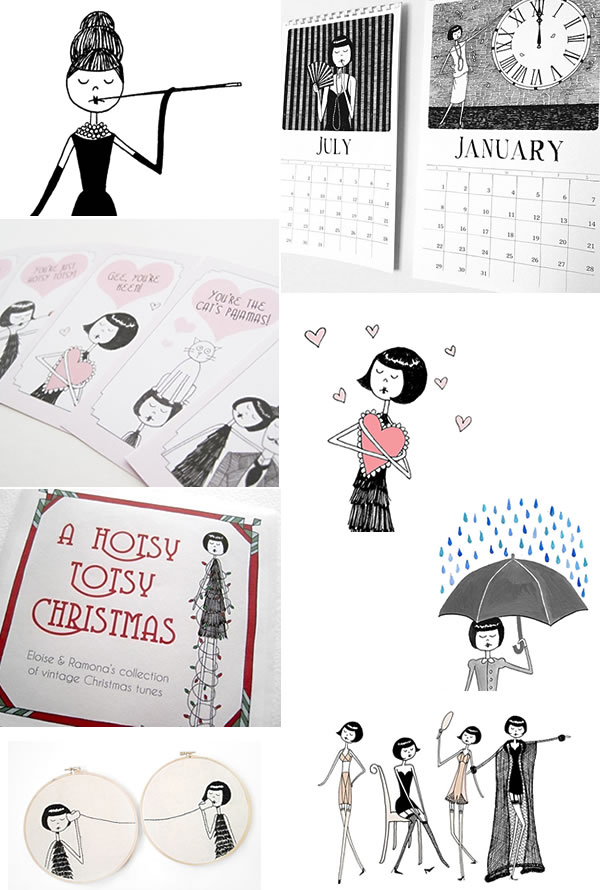
Swinging 1920s Illustrations by FlapperDoodle

The 1920s has always been one of my favourite eras. In my teens, I spent a significant amount of my time studying this decade on my own and owned a few books about the 1920s. The 1920s seemed like such a care-free time, a time that happened right before the stock market crash and the hardships of the 1930s. Music, fashion, radio, media, sports - all of these played an important part in developing the era. Dances to the charleston, jazz, and flappers with short bobs made the social scenes. Radio and commercialisation brought music and news; important figures rose out of sports such as baseball (Babe Ruth) and wrestling, and Charles Lindbergh was in the news for his flight across the Atlantic. Films were silent, and sound was introduced at the end of the era.
I recently discovered FlapperDoodle's illustrations of flappers on Etsy, and they made me smile and made me realise my appreciation of all things 1920s. Some of her illustrations are below, including calendars with her illustrations, an Audrey Hepburn illustration from Breakfast at Tiffanys, Valentine's Day cards, sewn wall decorations, and CDs with 1920s music (Christmas music) with illustrated covers. I love the cute illustrations.

flapperdoodle.jpg

To check out FlapperDoodle's shop and artwork, visit: http://www.etsy.com/shop/flapperdoodle

London's Carnaby Street and Liberty Building

In the 1960s, Carnaby Street was the place to visit, and the street was frequented by the Beatles and other musicians and the public seeking the latest fashion trends. Carnaby Street was well-known for its popular fashions, and these fashions became popular all over the globe. Today, Carnaby Street still retains some of this heritage, though the shops are mainly chains. (It's still well worth a visit, and there's many nice shops here as well as an indoor shopping centre.)

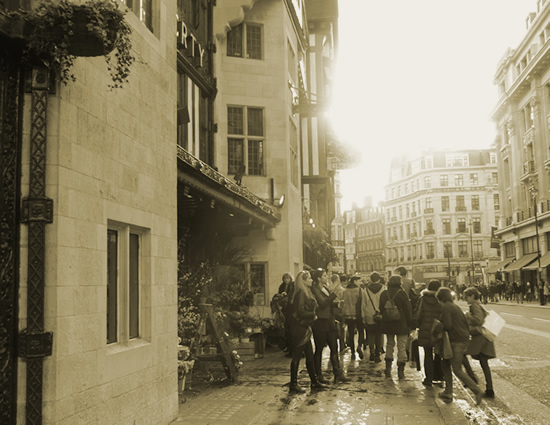
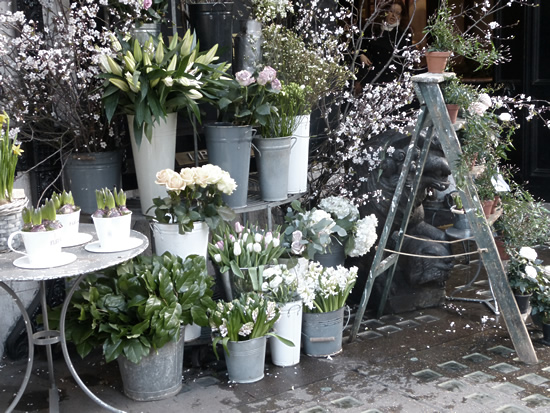
The famous Liberty building (the timber-framed black and white Tudor-style building housing the Liberty department store) is at one end of the Carnaby Street shopping area. Particularly around the Christmas season, it is well worth seeing the window displays. There's also a florist at the middle shop entrance (facing Argyll Street), and they sell the most beautiful flowers that are reminiscent to flower shops in France. 

After buying my new camera (a Leica Lux-3), I decided to take a trip to London and take some photographs, and I ended up in the West End. The photographs below are taken of Carnaby Street and the Liberty Building.

liberty1.jpg

The Great Marlborough Street entrance to the Liberty department store, showing the usual Saturday crowd of shoppers and the florist. The sun was bright and low to the west (late afternoon at the beginning of March), which created fantastic lighting for this photograph. I thought a sepia tone worked well for this photograph.

liberty2.jpg

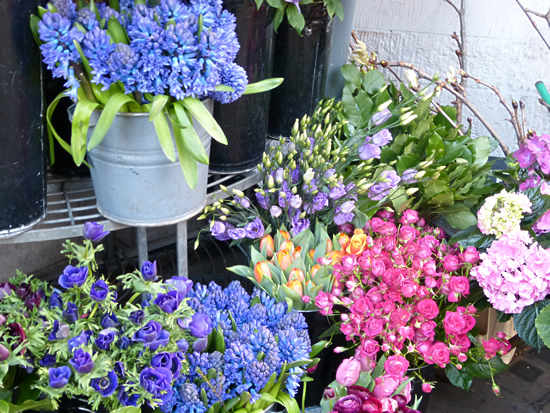
The flowers in front of the Liberty department store are always beautiful. I muted the colours in the above photograph, but I did not enhance or change the colouring in the photograph below. I am very happy with the colour output of my new camera. (I was never happy with the output of colour that my Canon produced.)

liberty3.jpg

liberty5.jpg

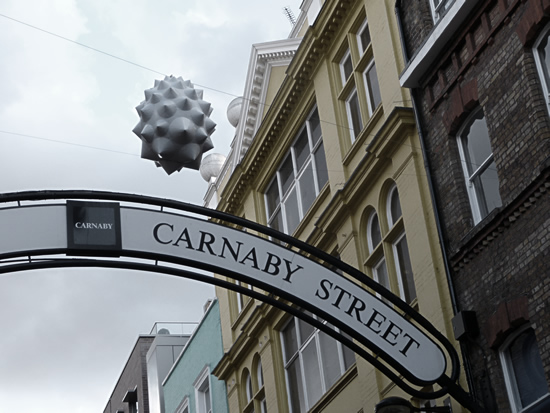
Arched signs let the visitors know that they are entering the Carnaby Street shopping area. The building on the right is a vivid yellow, and I felt that muting the colours slightly would appeal more and highlight the history of this street.

Spring Arrives with New Opportunities

Last Friday, I left IG Group to continue my career at a new company based near Reading. I received the fantastic opportunity at the end of February. I had planned to make my career at IG Group; however, I could not pass up the new opportunity, where I will be using more of my skills and influences in the company's products.

I had been at IG Group for nearly a year and a half, and although I have been enjoying the Adobe CQ5 CMS work that I have spent most of my time at IG Group working on, there was no plan to convert any of the existing websites to this new CMS for the immediate future at the time I handed in my notice. (I feel that larger companies tend to work at a slower pace and suffer from the ability to organise projects; possibly because more people are involved in the decision-making process.) 
My last six months at the company had been crazy, particularly the months between October and February. During those months and over the Christmas and New Year's season, I sacrificed much of my time (and health!) on a project with a tight deadline and agreed to be on support over both Christmas and New Year's weeks, which required logging in to complete some tests to ensure that the environments were available on Christmas Day and New Year's Eve. Unfortunately, I felt a little under-appreciated and that my hard work over those three crazy months went unnoticed, even though the project was a success.  I felt that everyone on this project did a brilliant job, and the team worked really well together. Despite the feeling at the end of the project, which I felt should be celebrated and applauded, I did enjoy working on it over the past few months with other great individuals. Launching a new website without design/branding/new technology in three months was a challenge, and it was a successful project. I will miss working with my colleagues, but that happens when one changes jobs.
Leaving IG Group also means leaving London, and I have changed my focus and personal goals over the past month so that I could spend the remaining time enjoying the city. The photograph below was taken at the weekend in Hyde Park of daffodils during the warmest day yet this spring. I think that signifies the beginning of spring, and it signifies new changes for me. 
Now... hopefully I am back on track after the last long month and a spring clean of my objectives (such as my website redesign)! I look forward to my new role and new opportunities. I love working in IT/Web Development/Programming, so I am quite excited to get started.
daffodilshydepark1.jpg

St. Paul's Cathedral from Millennium Bridge

Millennium Bridge in London is one structure that I visited many times during my lunch hour, particularly when I first started working in the City. Walking along the Thames is an enjoyable way to get out of the office, and I love the vibrant south bank. There are excellent views of St. Paul's Cathedral from the bridge, and I wanted to showcase both monuments in photographs. Both of these photographs were taken on completely different days; one day was cloudy and wet, and the other day was one of the first warm days in the spring. (London was just beginning to get busy with tourists, and you can see many tourists on the bridge.) 

I took the following photographs over the spring and early summer of last year, and I hoped to get some more artistic ones early this year (as well as to sketch the cathedral in the sketchpad that I carry around with me), but life changes very quickly. I will not be working in London for much longer. Although this is something that I could not foresee, there are times when you just feel or know that the situation is only a temporary one. For example, I got very interested in London history after a ghost walk on Halloween, and I purchased a couple of photography books with old photographs, "lost London". A week or two before, I started the project with the extremely tight deadline (Latest Project: NADEX Website), and soon afterwards, I was consistently working through all of my lunches until go-live day. (I cannot even remember Christmas, as it was such a busy time, and I did not get to relax or enjoy last Christmas.) 

My plan had been to bring the book into work and to look up the locations of the photographs and to visit some of the areas in the book during my lunch hour. However, something deep inside me felt that my time working in the City was coming to an end. I've felt the same feeling in the past before, with the same results - such as being drawn to a particular place, and it becomes a reality, without any guidance - as if my life has been swept up and into that particular direction. 

The London book that I mentioned a moment ago remains untouched on the shelf, although I did give it a quick flip through after I received it in the post. Although my time in London is coming to an end, I may return to London to work again at some point, or perhaps I will live there. It is strange how life evolves, and many times, one is swept away while other events come together and opportunities present themselves for us to accept the new challenges along life's way. I apologise for this reflective post, and I am very much looking forward to these changes; don't feel otherwise. Some view change as a negative, but I feel that change can be positive and is necessary. The world needs change, but stability is also needed - the correct balance.

Back on track and speaking of London history, it is worth noting how London has changed over the years. The Millennium Bridge was constructed for the year 2000. I wonder how this will look in a hundred years. I wonder if these photographs or similar ones will be printed in a 'book' of the future, showing "lost London". I wonder what their society will think of ours. 

I hope you enjoy the photographs. Hopefully I will be posting some more on here in the future.

stpaulmbridge_1.jpg

stpaulsmbridge2.jpg

Latest Project: NADEX Website

I have been a very busy girl over the past three months. I have been the technical lead for the re-development of a website, including incorporating the new design into a new Content Management System (Adobe CQ5 CMS), which I have been developing in for nearly a year. In fact, another website that I spent the majority of the past year developing using the same CMS went live in January, so a lot has been happening this year.

This project certainly had some challenges, all of which were not surprising considering that the project was the first public-facing website (consisting of many additional dependencies) to use the new CMS, and the deadline was tight and had to be met in time. I have noted the following list of challenges:
  • The redevelopment of this website had to be achieved by 1 February. This meant that we only had approximately two months to spend for development tasks.
  • To meet the tight mid-week deadline, we had to break from some internal processes. Typically, releases are completed at weekends, and code was being redeveloped until two weeks before the go-live date, and bugs were being fixed up until the go-live date.
  • Many environment and infrastructure issues needed to be addressed, and new environments needed to be built. This was the first time that the new CMS was used for a public-facing website.
  • Other web-based applications use files that exist under the domain, and it was not always clear where the files were being used. These files, HTML pages, and links needed to be migrated and approprite RewriteRules needed to be written so that the changes would not affect these other web-based systems.
  • A new brand and designs for the website were being created at the same time, and the branding was received half-way through the design process. (Due to the tight deadline, designs had to be started before a new brand was created.) Additionally, the development process started at the same time as the designs were being created during the first two sprints. This, of course, meant that we needed to constantly make small changes to the CSS and HTML for design changes.
  • The development for the project was achieved in approximately two months, including bug-fixing during the final two weeks, and some earlier development work needed to be tweaked as unfinished designs were evolved. (We certainly did work Agile.)

nadex_home.jpg

Despite the mentioned challenges, everyone did a fantastic effort, and I largely enjoyed it. Many disciplines (such as development, design, QA, content writers, system developers, etc) worked well together to ensure the success of the project. 

With such a project, the low points were working long hours over the Christmas and New Year weeks while colleagues and most of the company were on holiday, working through most of my lunches throughout the past three months, and ensuring that the dependent systems were seemingly unaffected by the changes. The highs were speaking to the clients and being involved at a high level, developing new components in the CMS using Java, and working together toward a common goal to launch a complete website. Now that this project is finished, I think some sort of recovery is in order.

Selfridges: 2011 Christmas Window Display

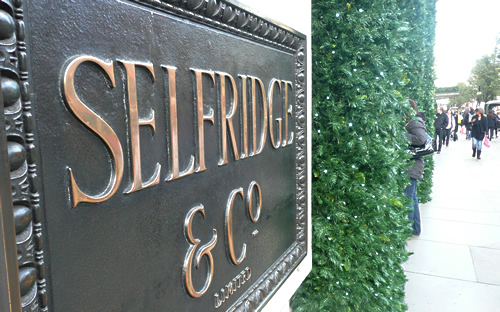
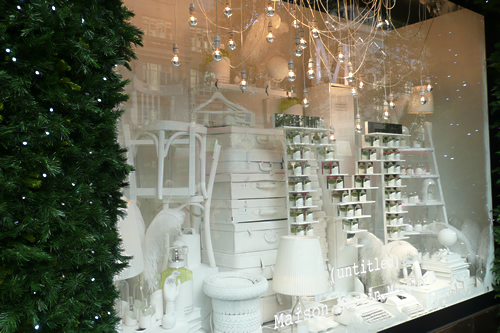
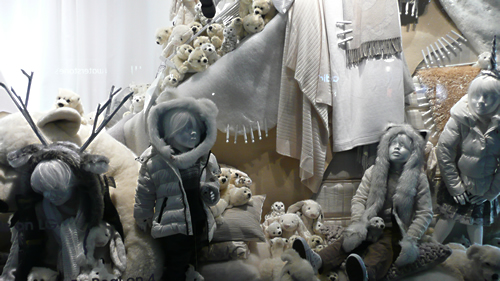
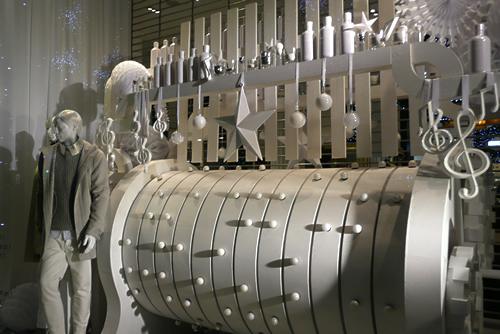
The Christmas season has come to London, and the shops have decorated their windows and storefronts for Christmas. The following photos were taken of Selfridges on the day of the London Oxford Street Christmas lights switch-on in November. 

The colour in Selfridges's window displays this Christmas was 'white' with mainly white products and a neutral colour scheme. All of the displays were featured primarily in white, and pine branches with white lights were used to decorate the entrance and in between the windows.

selfridges11_0.jpg

selfridges11_3.jpg

selfridges11_1.jpg

selfridges11_2.jpg

Notable Movie Websites of 2011

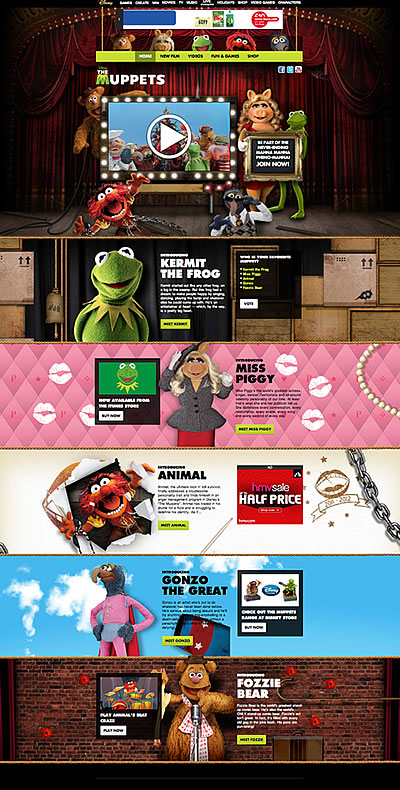
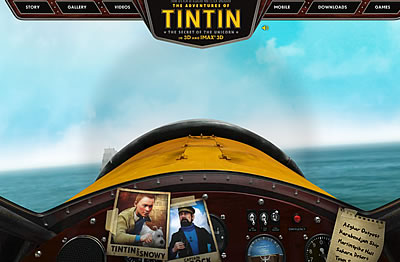
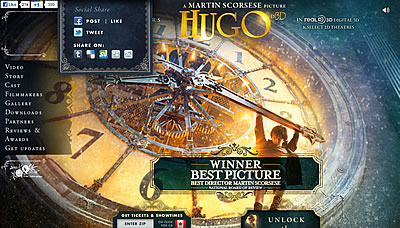
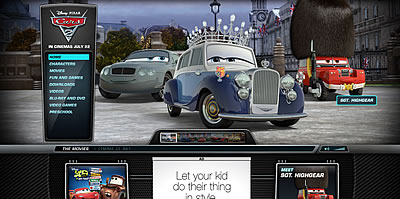
Movie websites are never the best-designed websites, but some of them do have some decent ideas for an interactive website, and the movies made for children seem to have more interactive websites. The following is a list of websites released in 2011.

2011movies_01.jpg
The Muppets Movie: 
http://www.disney.co.uk/muppets/


2011movies_02.jpg
The Adventures of TinTin:
http://www.us.movie.tintin.com/

2011movies_03.jpg
The Ides of March:
http://idesofmarch-movie.com/

2011movies_04.jpg
Hugo:
http://www.hugomovie.com/

2011movies_05.jpg
Arthur Christmas:
http://www.arthurchristmas.com/

2011movies_06.jpg
The Smurfs:
http://thesmurfs-movie.net/

2011movies_07.jpg
Captain America:
http://captainamerica.marvel.com/

2011movies_08.jpg
Cowboys and Aliens:
http://www.cowboysandaliensmovie.com/splash.php

2011movies_09.jpg
Attack the Block
http://attacktheblock.com/

2011movies_10.jpg
The Help:
http://thehelpmovie.com/us/

2011movies_11.jpg
Cars 2:
http://disney.go.com/cars/

2011movies_12.jpg
Transformers:
http://www.transformersmovie.com/

2011movies_13.jpg
Bridesmaids:
http://www.bridesmaidsmovie.com/

2011movies_14.jpg
Rio:
http://www.rio-themovie.com/

2011movies_15.jpg
Paul:
http://www.whatispaul.com/

2011movies_16.jpg
Red Riding:
http://redridinghood.warnerbros.com

2011movies_17.jpg
The Green Hornet:
http://redridinghood.warnerbros.com

2011movies_18.jpg
The Mechanic:
http://www.themechanicmovie.com/

2011movies_19.jpg
Gnomeo and Juliet:
http://www.gnomeoandjuliet.com/

Victorian Christmas at Historic Portsmouth Docks

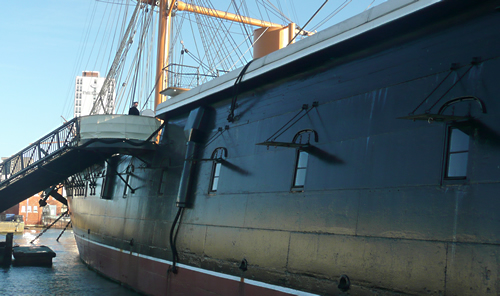
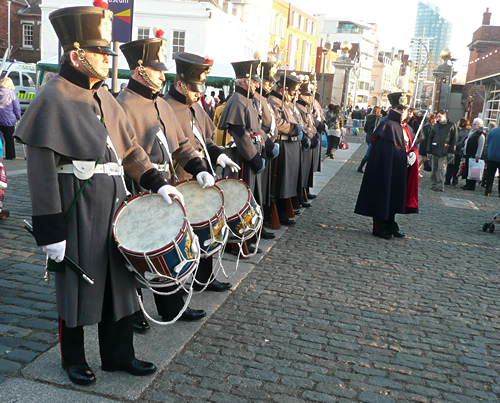
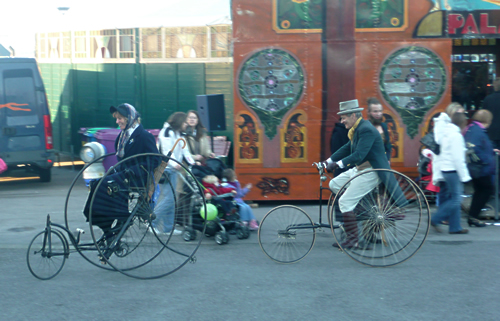
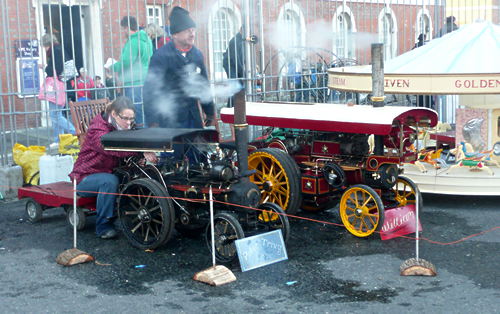
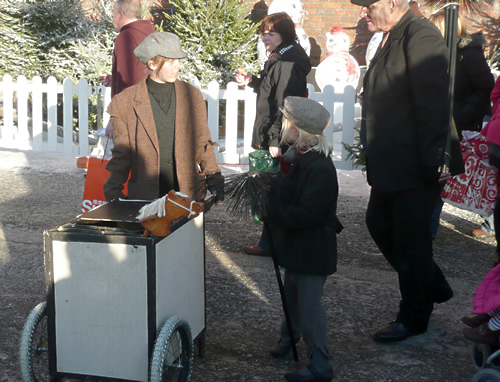
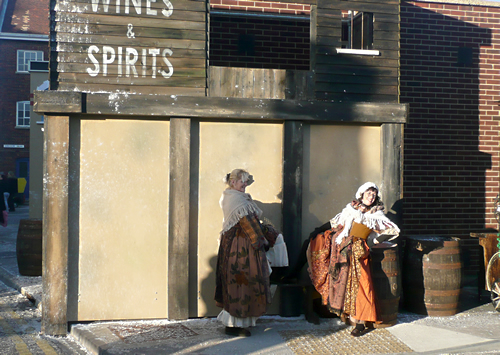
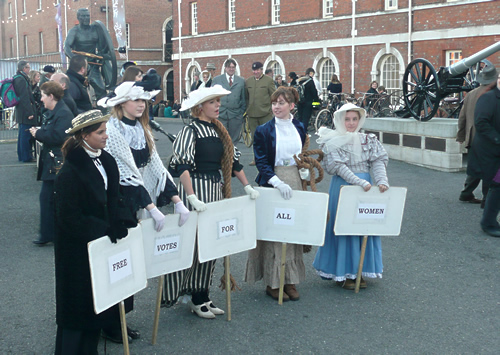
The Historic Dockyards in Portsmouth hosted a 'Victorian Christmas' event at the end of November. The ship museums were open to the public, and Christmas markets lined the streets and buildings around the dockyard. Actors and actresses were dressed up in Victorian costume to act out Victorian characters. I spotted chimney sweepers, a traveler, a criminal being paraded through the streets, Scrooge, women protesting for voting rights, and people on penny farthing bicycles.

I took my parents here while they were in town visiting. There was plenty to do and see, and this was perfect to mix shopping, watching the actors, and visiting the historic ships and the many museums. A few of my photographs are below.

docksxmas9.jpg

We boarded the HMS Warrior and had a look around this battleship. There were many cannons.

docksxmas1.jpg

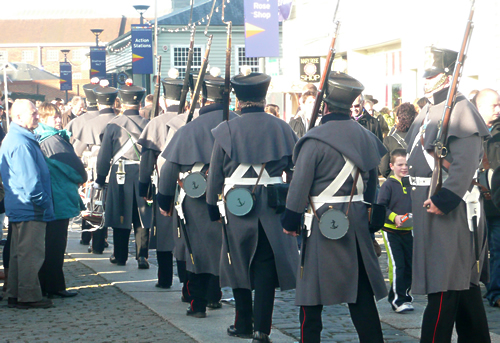
These soldiers walked up and down the street, and they fired guns and marched to their drums. 

docksxmas10.jpg

docksxmas2.jpg

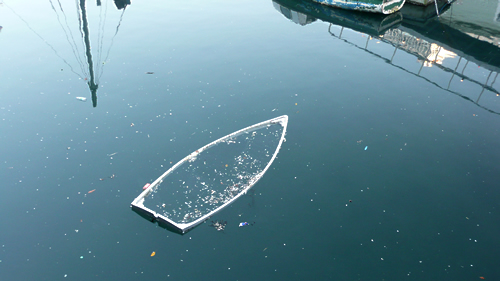
One of the small docks contained a sunken boat.

docksxmas3.jpg

Actors and actresses dressed as Victorians rode on these contraptions, which looked like penny farthings.

docksxmas4.jpg

More actors and actresses on penny farthings.

docksxmas5.jpg

Actresses dressed as Victorian women protest about women's right to vote.

docksxmas6.jpg

Steam trains feature in one area of the historic dockyard.

docksxmas7.jpg

These children were dressed as chimney sweepers.

docksxmas8.jpg

A makeshift hut serves as a bar and a brothel.

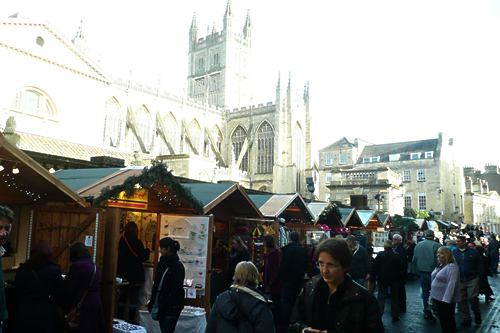
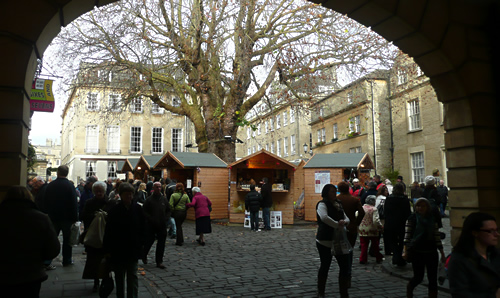
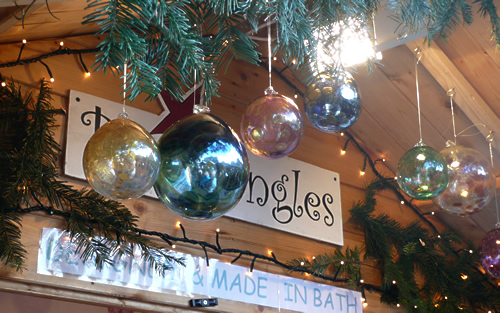
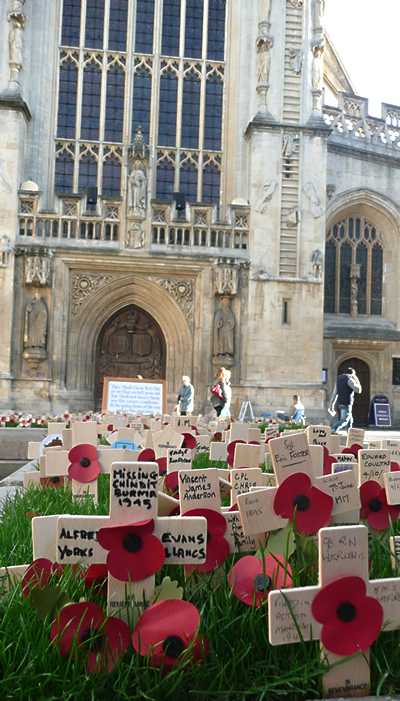
In the Spirit: Christmas in Bath

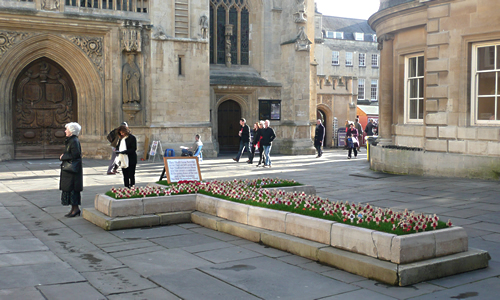
Christmas stalls are set up in the centre of Bath near the Abbey, selling a range of goods and getting everyone into the spirit of the holiday season. Going to visit the Bath Christmas Market has been a tradition for me in the past few years as I used to live in the city; I was not going to bother with it this year, but I had visitors who wanted to see it. The photographs below showcase Bath's Christmas Market (2011).

bathxmas2011_1.jpg

bathxmas2011_2.jpg

bathxmas2011_3.jpg

bathxmas2011_4.jpg

bathxmas2011_5.jpg

bathxmas2011_6.jpg
  1 2 3 4 5 6 7 8 9 10 11 12 13 14 15 16 17 18 19 20 21 22 23 24 25 26 27 28 29 30 31 32 33 34 35 36 37 38 39 40 41  

Archives

Recent Comments

  • jenn: Thank you. read more
  • Murge: Amazing post. read more
  • Herbert: good post. site read more
  • Frank Quake: Hey, This is great when you said that I had read more
  • Chappy: You mention peptides here? I have had first hand experience read more
  • jenn: Thanks! I love the work. I have got more recent read more
  • Fanakapan: Thanks for the write up. This was some of my read more
  • jenn: Yes.... but that's only for the islands. Mostar and Montenegro read more
  • jenn: Hello, the code is not mine to hand out. I'll read more
  • pantich: More info about the best day trips from Dubrovnik can read more
OpenID accepted here Learn more about OpenID