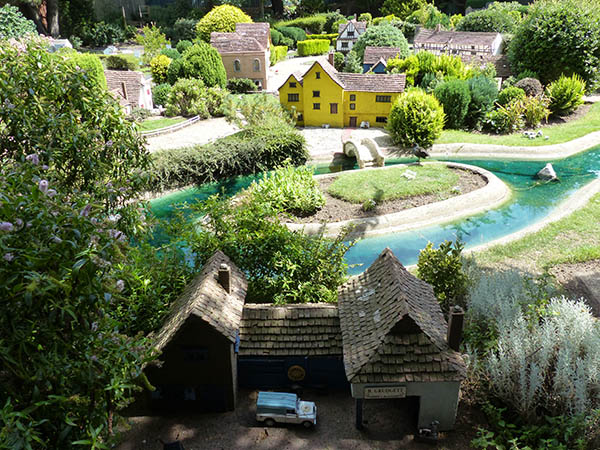
Results matching “paint”

Mayfair Sculpture Trail 2020

For the first time this year, Mayfair in London has launched its very own outdoor month-long sculpture trail to coincide with Art in Mayfair and Mayfair Art Weekend, which took place at the start of the month (October 2-4). Mayfair Sculpture Trail will continue until the end of the month and includes sixteen large sculptures between Grosvenor Square and Burlington Arcade. Five of the sculptures are existing permanent ones, and the other thirteen are new to the trail. Visitors can listen to commentary about the sculptures on their phones. (@LondonArtCritic and @MayfairArtWeekend)
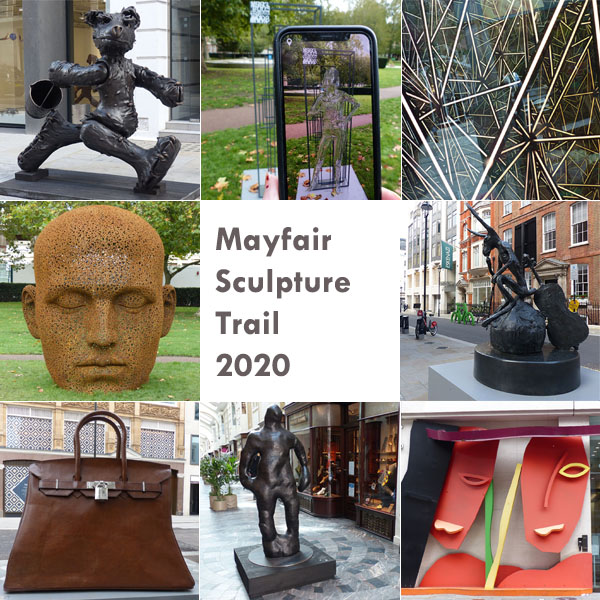
mayfair art trail 2020

The trail begins at Grosvenor Square and ends at Burlington Arcade, and I suggest listening to the SMARTIFY app while walking the tour. I've included some information on the pieces below. If you wish to visit, do visit before the end of October. However, the permanent sculptures will still be in place and have been for many years.
mayfair art trail 2020
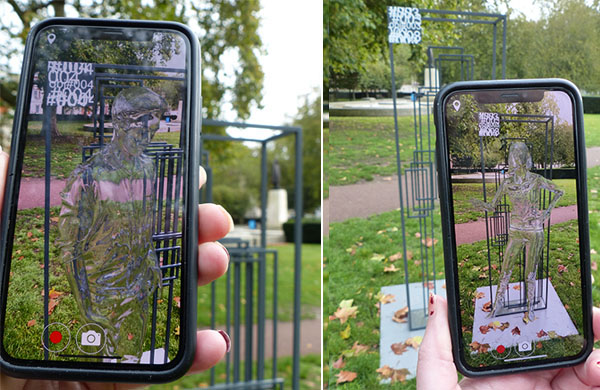
Live Object 1,2,3,4 by Recycle Group

Recycle Group is a Russian duo who creates minimalist artwork using virtual reality. However, there is more than what appears to simply glancing at the sculptures. There is a Recycle Group app to install so that viewers can see the sculptures come to life. Inside the voids of each one is a different figure, which moves. Viewers with the app can point their phone camera (through the app, it needs to be enabled) at the QR code that appears on the top of each sculpture.
mayfair art trail 2020
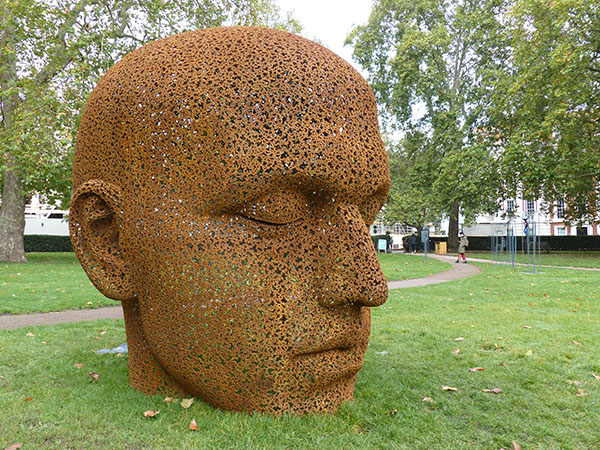
Meditation 1554 by Seo Young-Deok

This sculpture was created in 2019 from an iron chain to form a very large human head with a meditative pose. The iron chain symbolises the strength of the human spirit.
mayfair art trail 2020
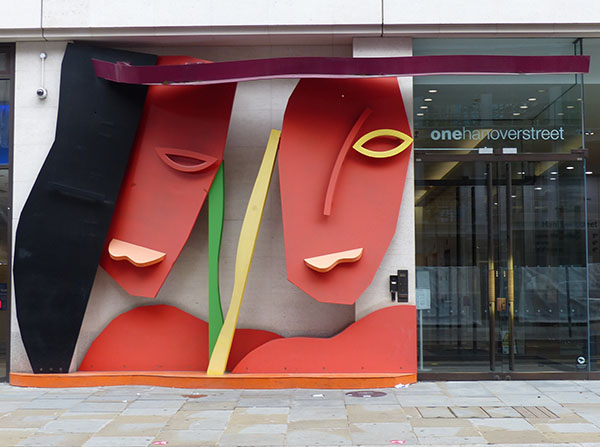
Hanbag Heads by Bruce Mclean

Located just off Regent's Street is this abstract metal sculpture commissioned by the Crown Estate in 2005. The work is set onto the wall and an easy one to miss. It depicts two women with hats that appear as handbags. It is a tribute to this shopping and fashion area of London.
mayfair art trail 2020
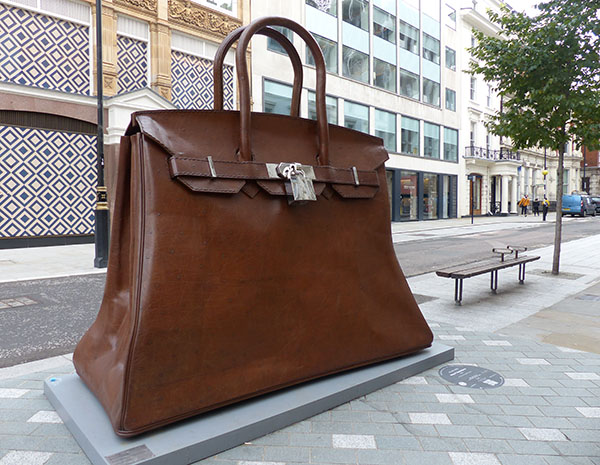
Bag of Aspirations by Kalliopi Lemos

This sculpture of a giant handbag is one in a series of three with the other items including a giant corset, bra, and heel. The item is a feminine symbol, and a handbag is a fashion statement. Making this large-scale shows the power of women and femininity. This area of London is also known for its fashion shops and department stores, so it fits right in.  
mayfair art trail 2020
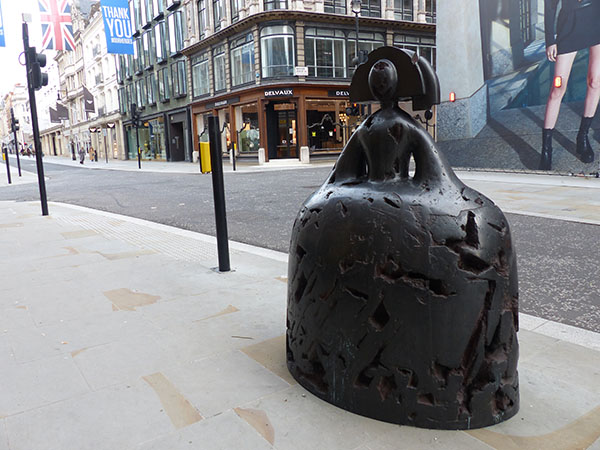
Reina Mariana by Manolo Valdes

Valdes is known for his paintings and sculptures of women, and this sculpture depicts Mariana of Austria. She became the queen of Spain through marriage and was married off when she was 14. The dress is a throwback to how the rich and powerful women dressed with large dresses.
mayfair art trail 2020
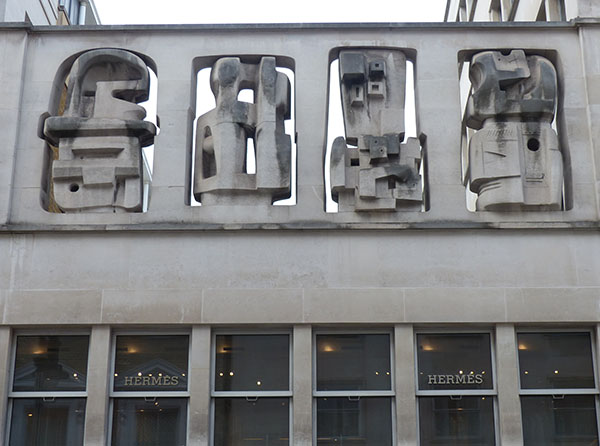
Time/Life Screen by Henry Moore

This is a permanent sculpture at the top of the Time & Life building off New Bond Street. Look up or you will miss it. The work was designed for each of the individual sculptures to rotate, but this was not possible to do, so extra space was created around them for the light to come through. The artist wanted the individual sculptures to appear as though they were breaking free from the architecture.
mayfair art trail 2020
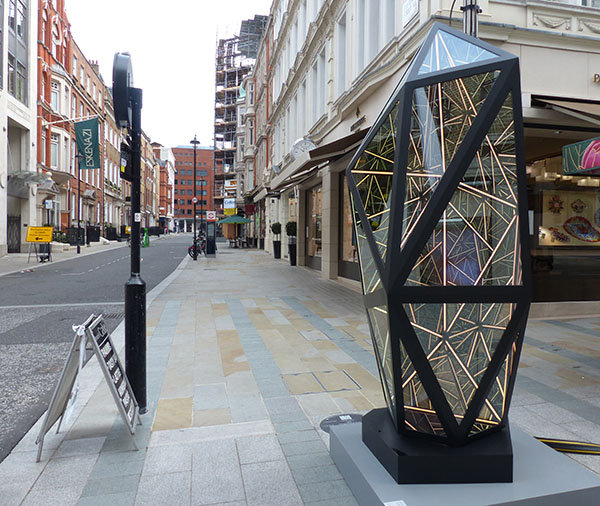
Crystal 001 by Anthony James

This sculpture doubles as an optical illusion. To fully appreciate the artwork, get close to it and appear into it. The sculpture becomes a multi-faceted object that viewers can get lost inside.

mayfair art trail 2020
Close-up of Crystal 001 by Anthony James
mayfair art trail 2020
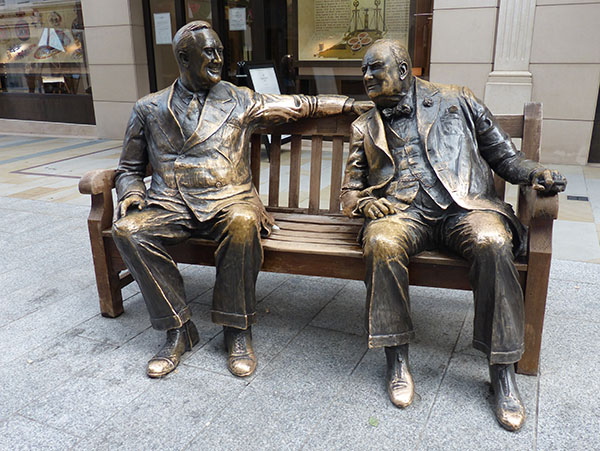
Allies by Lawrence Holofcener

This is a permanent sculpture featuring Britain's Churchill and America's Roosevelt in discussion. It is a tribute to the two leaders during World War 2 and was unveiled by Princess Margaret. The sculpture is popular with visitors to the area who always want a photograph taken of it.
mayfair art trail 2020
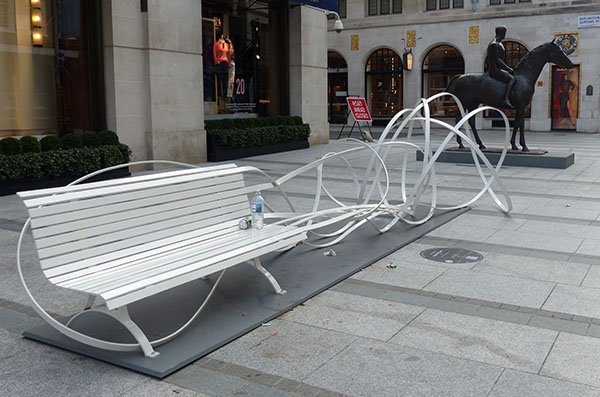
Simple Talk (Left) by Pablo Reinoso

This white bench has been turned into an artwork and has become organic with its wooden slats turning into organic ribbon shapes, shooting up and twisting into a deconstriucted shape. Visitors can sit here or appreciate it as a work of art. 
mayfair art trail 2020
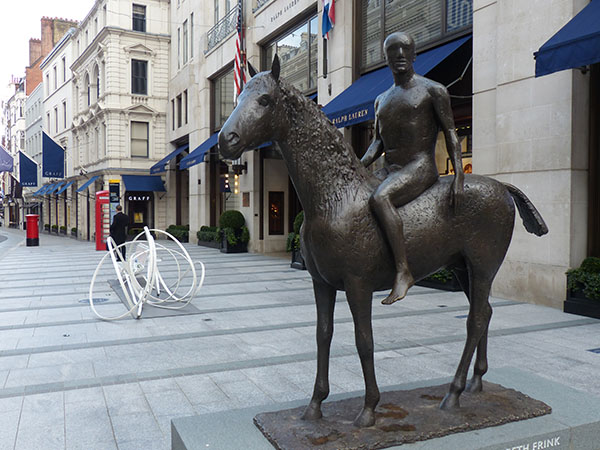
Horse and Rider by Elisabeth Frink

This is a permanent sculpture and constrasts the other similar horse-and-rider sculptures that appear in any other European city. Instead, the rider and horse appear more realistic and less stylised and idealic. The rider is shown without a saddle and appears naked without military or royal uniforms. There are no symbols here, so the statue is not a status symbol.
mayfair art trail 2020
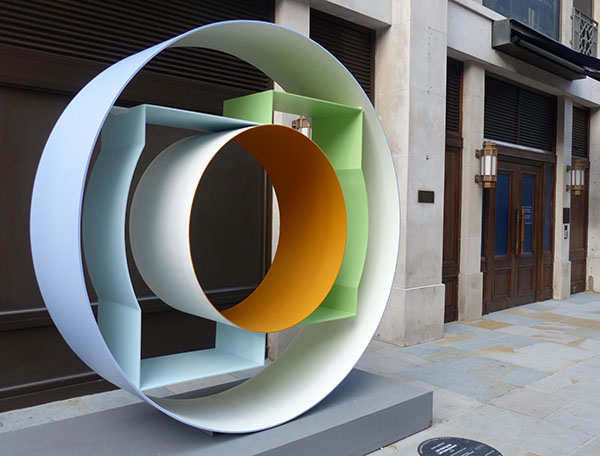
Life Going Up, Life Going Down by David Annesley

Shapes, including negative shape, and colour is used for this sculpture. The sculpure appears to float with the reflection of the colours giving it a dimension and lightness. The artist enjoys experimenting with colours and shapes.
mayfair art trail 2020
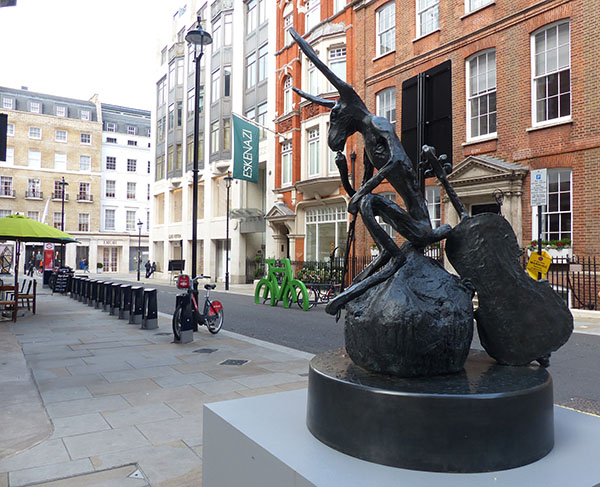
Large Troubador by Barry Flanagan

Flanagan has been inspired by "The Thinker" by Rodin here, and he depicts a hare with musical instruments. Hares and musical instruments are a favourite subject of his. Hares are depicted often in his work because he feels that they appear human and have human-like poses.
mayfair art trail 2020
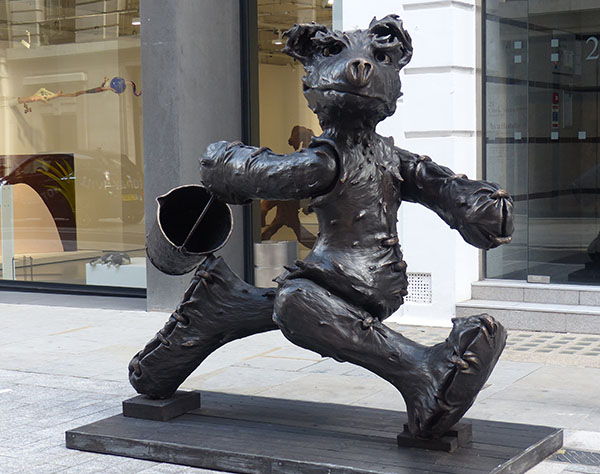
Bear with Fire Bucket by Patrick O'Reily

Movement is captured in this sculpture of a stitched bear that appears to be running with a fire bucket in hand. 
mayfair art trail 2020
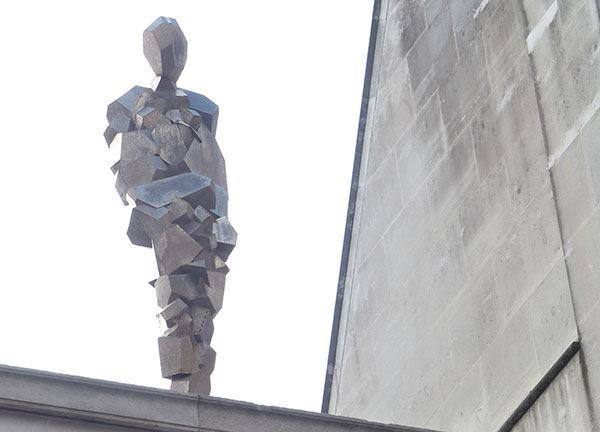
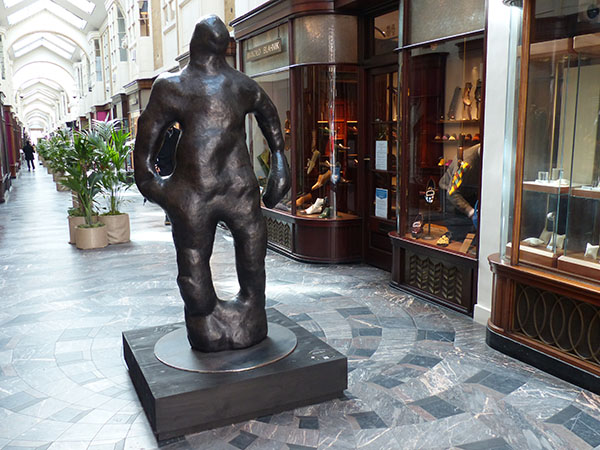
Cinch by Anthony Gormley

At the top of Burlington Arcade is this figure of a human, a permanent sculpture that is easy to miss. The sculpture is multi-faceted, appearing to be created with chunks of concrete. Is it created from London's concrete? Why is the figure standing there? What is it looking at?
mayfair art trail 2020
Dokwerker (Docker) by Atelier van Lieshout

This sculpture is the only one that has not been made by an artist. It has been made by a workshop, known as an "atelier" in the French language. The figure commemorates Dutch dock workers who took part in the 1941 strike against Nazi Germans in the Netherlands.
mayfair art trail 2020
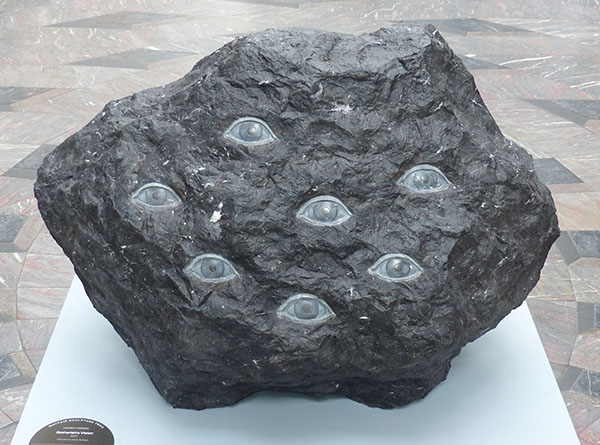
Zechariah's Vision by Laurent Grasso

This work featuring many eyes is based on the Vision of Zechariah, a biblical prophet who had visions and saw a stone with seven eyes. It also references the myth of Argus Panoptes, the all-seeing giant. The work is relevant in today's society with CCTV and tracking.
mayfair art trail 2020
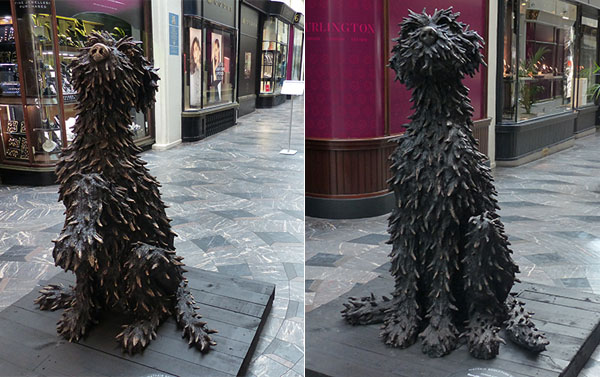
Treat Please by Patrick O'Reily

These Irish wolfhound sculptures are in a pair located inside of Burlington Arcade. The dogs pose, capturing the canine form that appeals to humans so well.

The Mayfair Sculpture Trail sculptures can be seen until the end of October, the 31st to be exact.
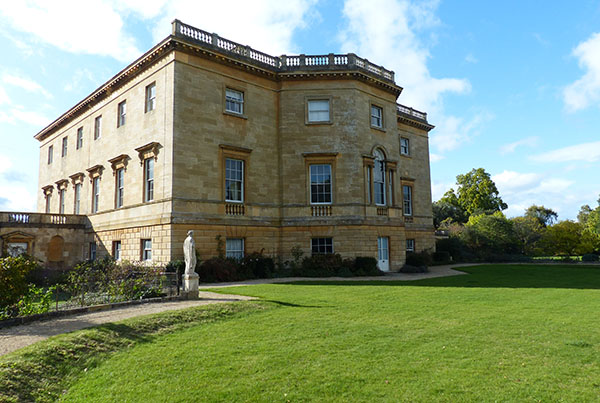
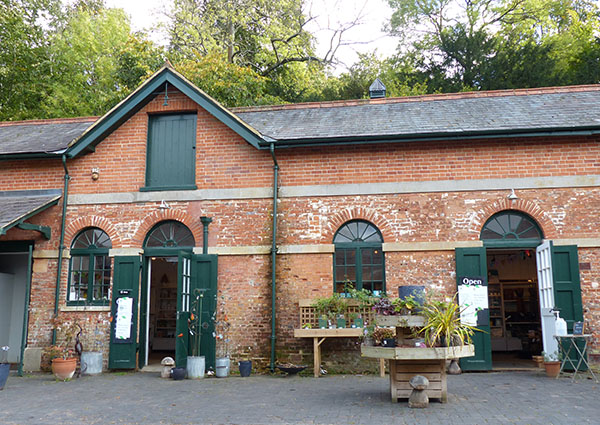
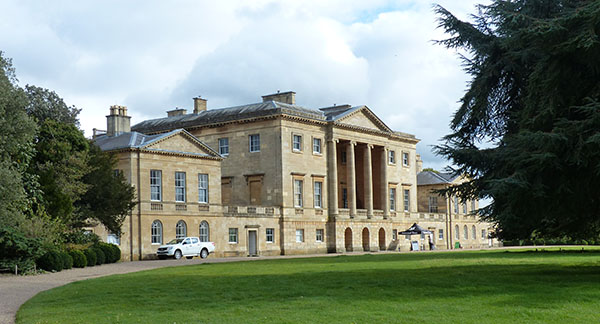
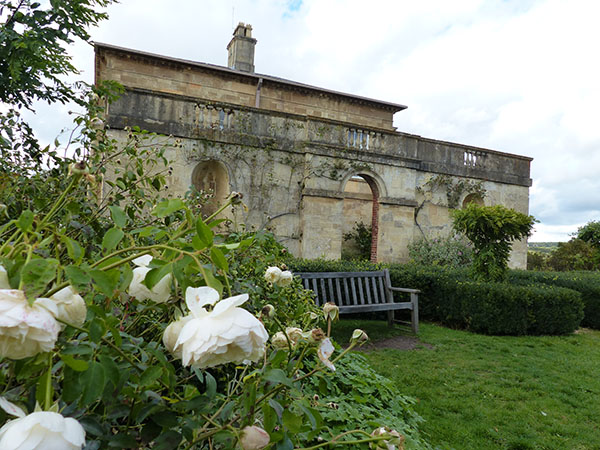
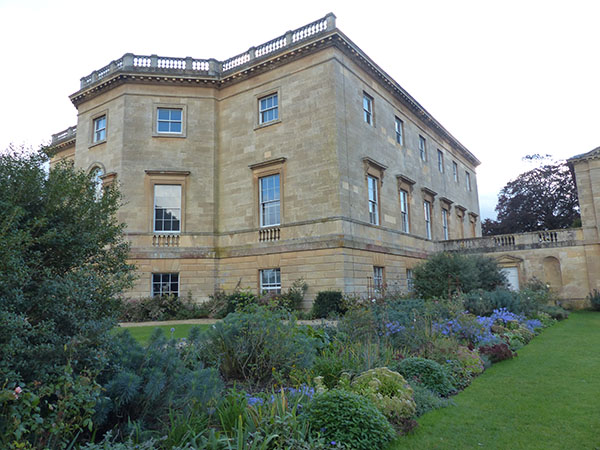
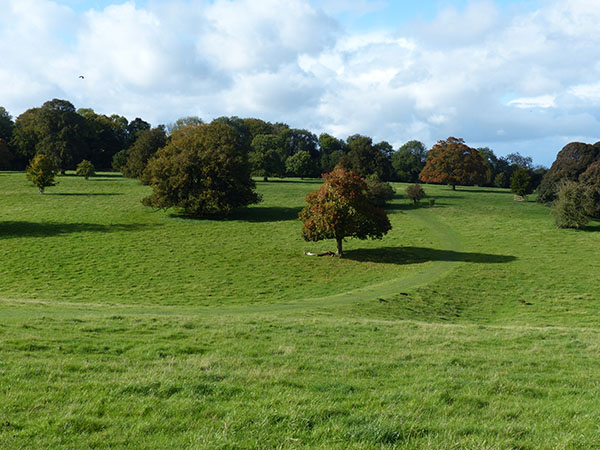
I visited Basildon Park and House at the beginning of this month. Due to restrictions from the coronavirus pandemic, only a few rooms of the ground floor are open to visitors. The grounds are also open but have a one-way system in place in areas when I visited. I have never visited Basildon Park and House before, so this was my first visit. The house sits in 400 acres and is perfect to visit in the different seasons and is popular to visit in winter months.

http://almostafternoon.com/blog/basildon-01.jpg

The house itself dates from the 18th century for Frances Sykes, who made a fortune in East India. However, soon after the project at Basildon, Sykes took on debts and was forced to sell. The house then had several owners and was left empty in 1910, so it was used as a hospital by the army. It went through more years of changed owners and abandonment before being used by the army as a training ground, barracks, and prisioner of war camp during World War II. In the 1950s, a lot of country houses were demolished, but Basildon was purchased and brought back to life by the owners. It was given to the National Trust in 1978.

Basildon House has recently been used as a filming location. The 2005 "Pride and Prejudice" was filmed here along with "Dorian Gray" and "Downton Abbey".

http://almostafternoon.com/blog/basildon-01.jpg

http://almostafternoon.com/blog/basildon-01.jpg

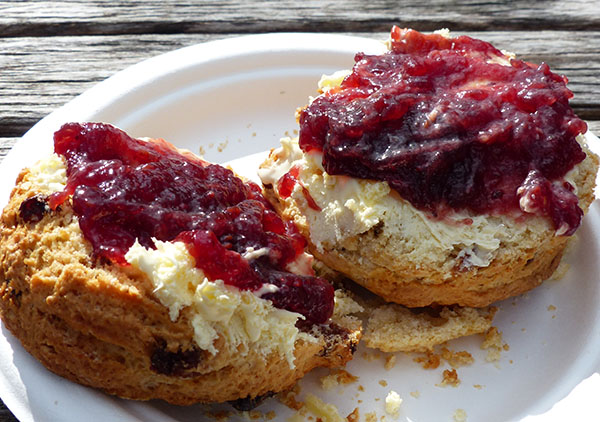
I didn't have any lunch on the day before I visited Basildon, so the first stop was to the tea room, which is located near the parking. I had cream tea, which consisted of a scone and afternoon tea.

http://almostafternoon.com/blog/basildon-01.jpg

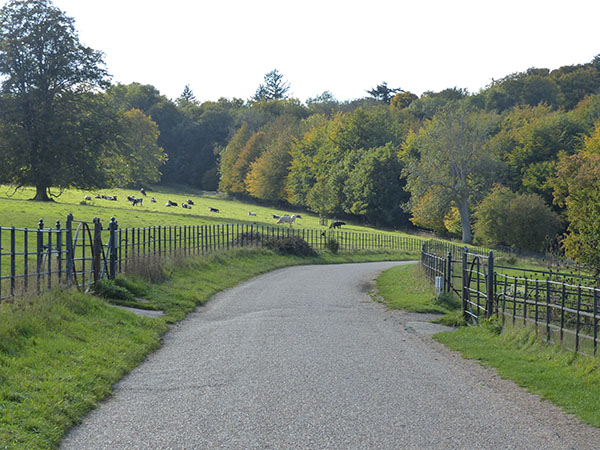
The house is located a short walk away through a small woodland walk, and there are nice views over the pastures with cattle.

http://almostafternoon.com/blog/basildon-01.jpg

http://almostafternoon.com/blog/basildon-01.jpg

The house is open for a short time to visit, so I went there after having a bite to eat. I was able to explore some of the rooms on the ground floor, but much of the house is still not open.

http://almostafternoon.com/blog/basildon-01.jpg

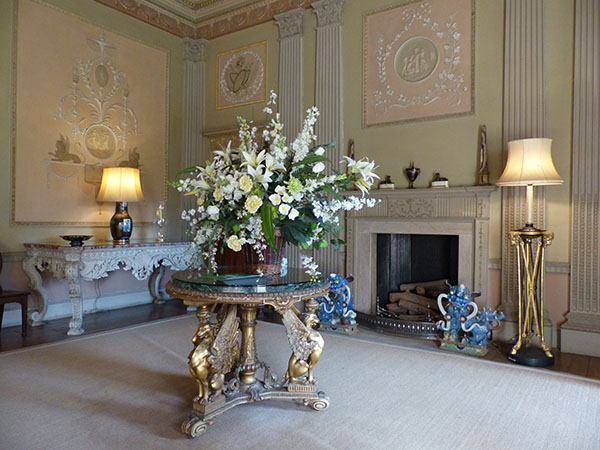
The first room upon entering is a small hall, and the original features have been retained.

http://almostafternoon.com/blog/basildon-01.jpg

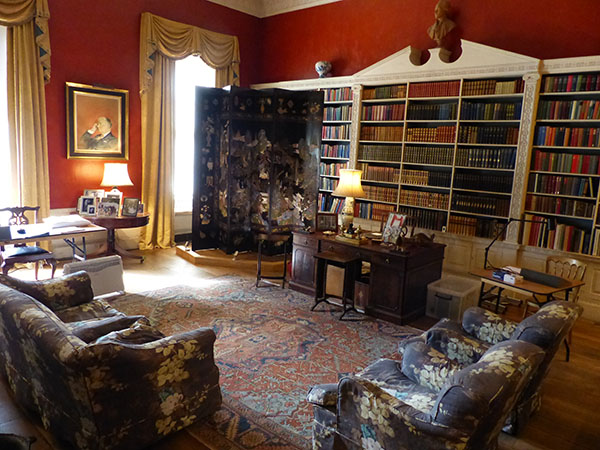
The library cannot be entered, but it is off to the left when entering the hall. 

http://almostafternoon.com/blog/basildon-01.jpg

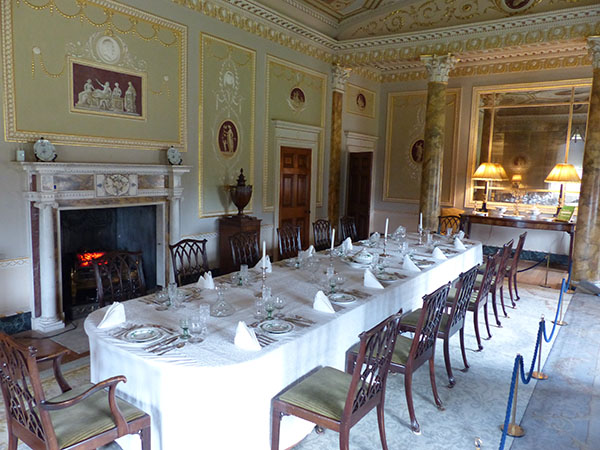
Through the hall, visitors can access the dining room, which is a beautiful room with painted ceiling and marble columns. This was the most impressive room.

http://almostafternoon.com/blog/basildon-01.jpg

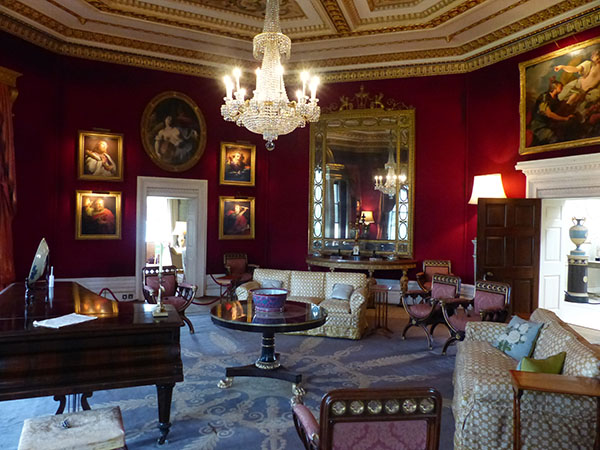
The dining room leads off to the Octagon Room, which has stunning views from the windows. 

http://almostafternoon.com/blog/basildon-01.jpg

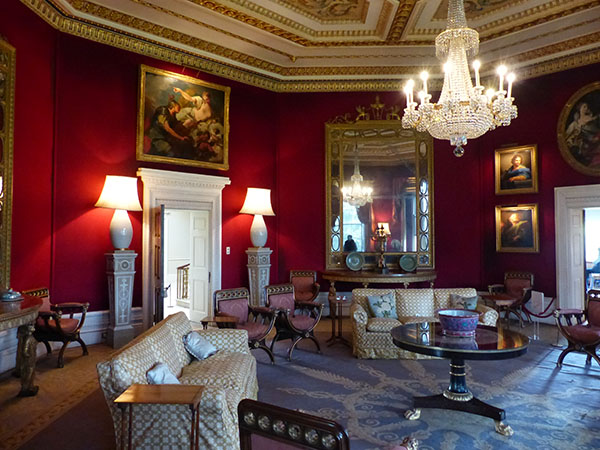
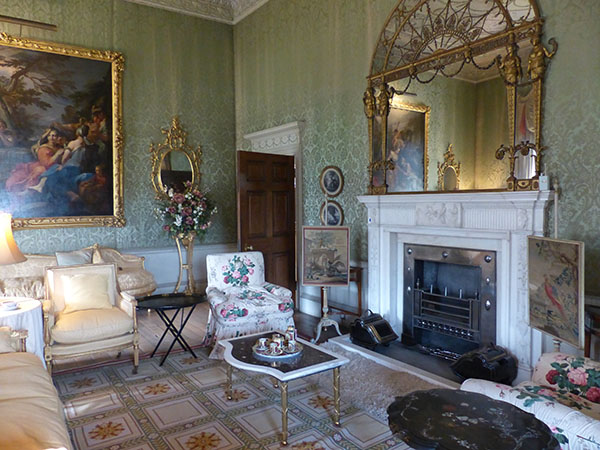
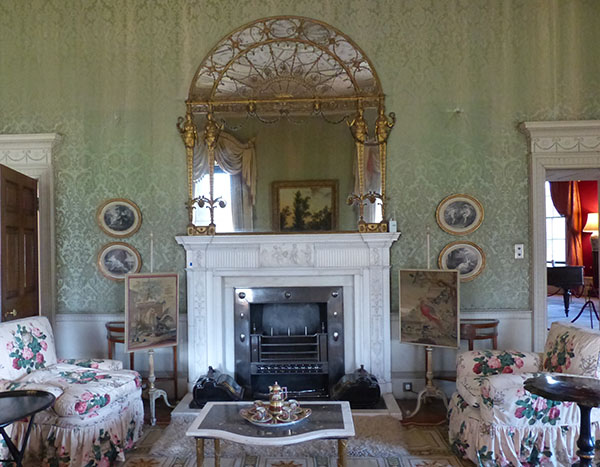
This leads off to a drawing room or living room.

http://almostafternoon.com/blog/basildon-01.jpg

http://almostafternoon.com/blog/basildon-01.jpg

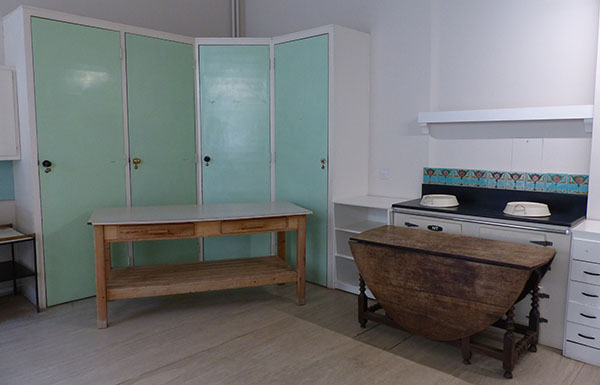
The kitchen was accessed through the drawing room.

http://almostafternoon.com/blog/basildon-01.jpg

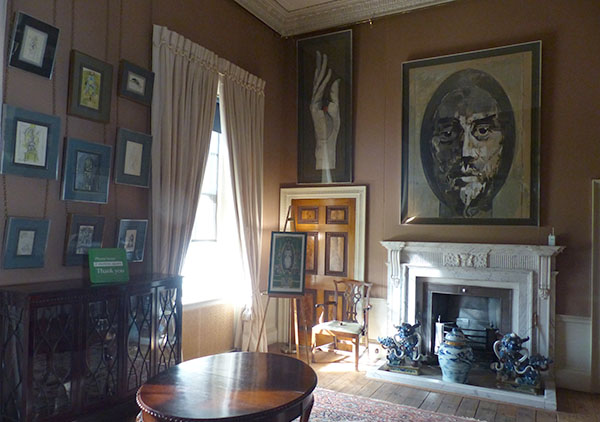
And the tour finished off at the room that can be entered through the right of the hall where visitors entered via the front of the house.

http://almostafternoon.com/blog/basildon-01.jpg

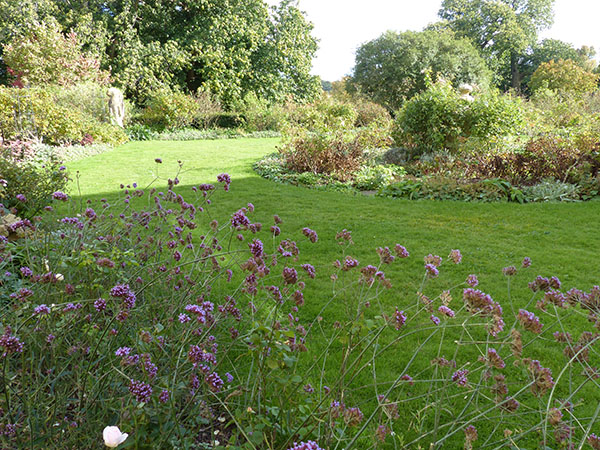
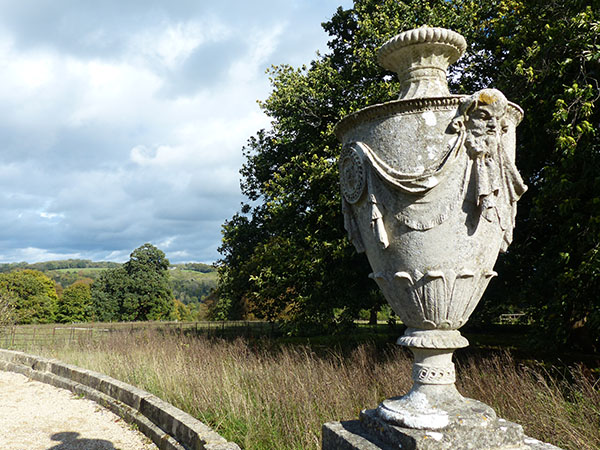
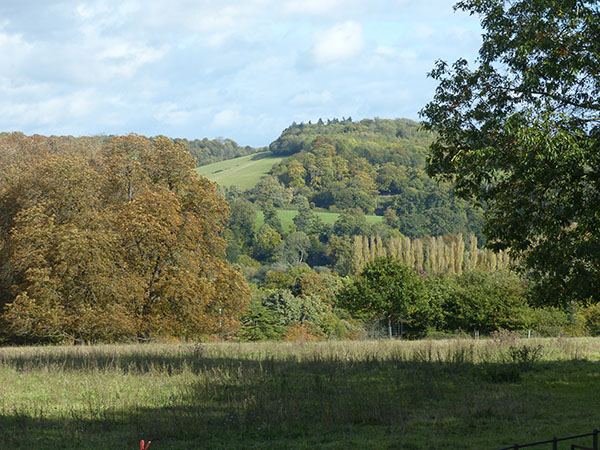
After visiting the house, I had a quick walk around the garden. The garden has wonderful views over the pastures and forest, and the autumn colours were beginning to show on the trees.

http://almostafternoon.com/blog/basildon-01.jpg

http://almostafternoon.com/blog/basildon-01.jpg

http://almostafternoon.com/blog/basildon-01.jpg

http://almostafternoon.com/blog/basildon-01.jpg

http://almostafternoon.com/blog/basildon-01.jpg

http://almostafternoon.com/blog/basildon-01.jpg

http://almostafternoon.com/blog/basildon-01.jpg

http://almostafternoon.com/blog/basildon-01.jpg

http://almostafternoon.com/blog/basildon-01.jpg

http://almostafternoon.com/blog/basildon-01.jpg

http://almostafternoon.com/blog/basildon-01.jpg

http://almostafternoon.com/blog/basildon-01.jpg

I enjoyed my visit to Basildon Park and House, and I look forward to returning to see it and to tour the house once it is completely open and safe to do so.

Fanakapan Street Art on Mornington Crescent and Star Yard

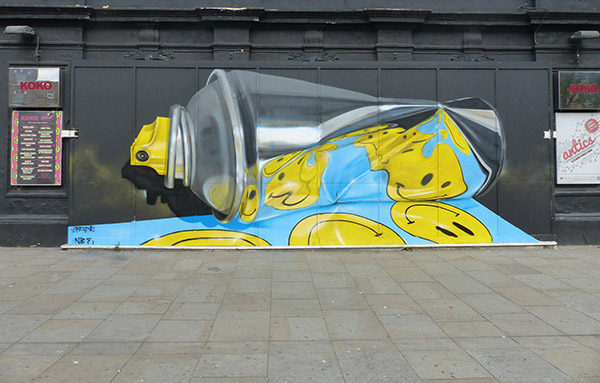
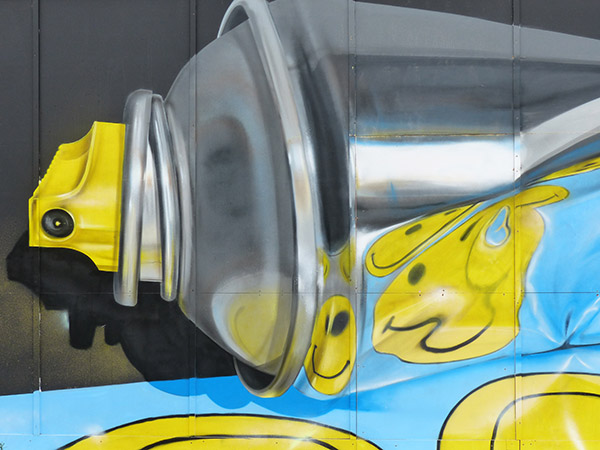
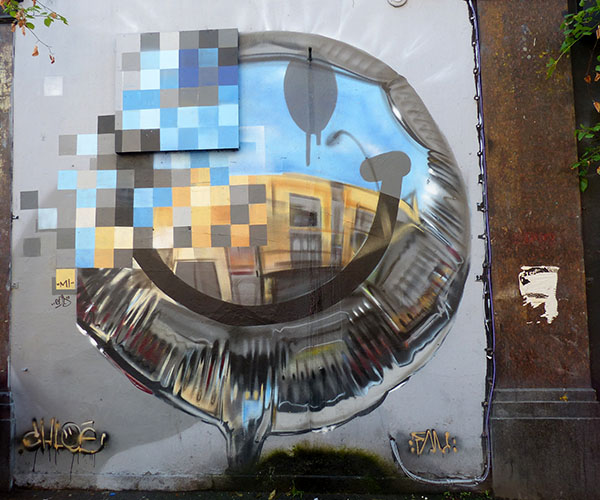
Street artist Fanakapan is known for his chrome and foil/metallic balloon and smiley street art, and I have a couple of new pieces to share. The first piece appeared at Mornington Crescent last autumn, but it no longer exists. It features a chrome reflective spray paint can with smiley faces. The second piece is a foil balloon with a smiley, and it is located at Hoxton Square. The third piece is located on Star Yard off Brick Lane. Fanakapan had previously painted a collaboration with Cranio at the start of the year (Cranio Returns to London in 2020 and Paints Brick Lane) and on Brick Lane's Star Yard shortly afterwards (Fanakapan Paints PacMan Pizza on Brick Lane and Other Street Art).

fanakapan2019-02.jpg

I really liked the Mornington Crescent street art as it was a large-scale colourful piece. The last time I visited Cameden was this summer, and the piece had been removed.

fanakapan2019-01.jpg

The Hoxton Square balloon with a pixelated section was snapped on my last visit to London at the end of September, and it is a collaboration with Chloe, an artist that I have never come across before.

fanakapan-chloe2020.jpg

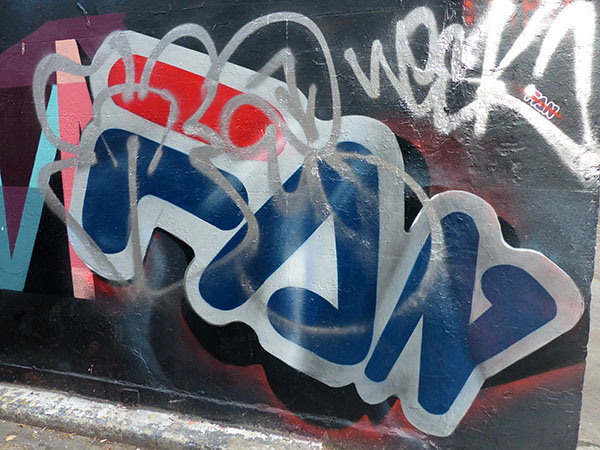
Star Yard is a common place that Fanakapan paints, and this mural is the artist's signature, and it appeared some point this summer but was tagged over when I saw it for the first time.

fanakapan-staryard2020-1.jpg

More street art by Fanakapan is located here:

Fanakapan Paints PacMan Pizza on Brick Lane and Other Street Art
Fanakapan Star Yard MagnaDonuts Mural
"Follow the Leader" by Fanakapan
Peace for Manchester

Fanakapan Paints Shoreditch Clowns

Chrome Balloon Dog in Star Yard

Fanakapan Paints "Power Tools" on Village Underground Wall

Fanakapan Paints "Drunk Glass Elephants"
Fanakapan, Horror Crew, & Jerry Rugg
Louis Masai and Fanakapan: "Freedom?"
New Chrome Street Art Mask by Fanakapan
Balloon Animal Street Art
Cranio & Fanakapan
Fanakapan and Horror Crew
Camden Street Art Self-Guided Trail
Halloween Street Art (2018 and 2019)
Cranio Returns to London in 2020 and Paints Brick Lane

Frieze Sculpture in Regent's Park 2020

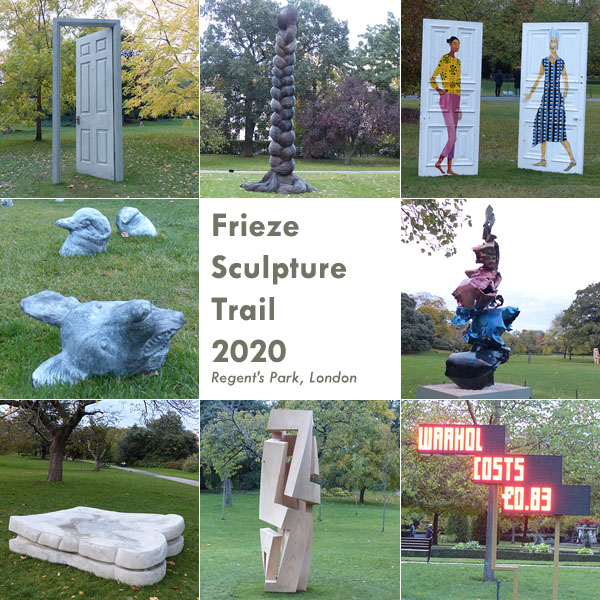
Normally, Frieze Sculpture Trail takes place in Regent's Park every July through October and brings many to the park to enjoy visiting the free artwork. However, we are living in a strange world at the moment, so Frieze Sculpture has recently returned to Regent's Park but for a very short time of a few days (instead of weeks) in early October. This was my third visit to Frieze Sculpture, and it was a quick visit after work. There are a few less sculptures than the usual amount, but I was happy to see the sculpture trail return for 2020.

frieze2020-01.jpg

I am especially happy that it has returned for this year, especially as events like this support artists and art, and I firmly believe that art increases well-being, community, and mental health. For those who cannot see the sculptures in person, I have included some photographs.

frieze 2020
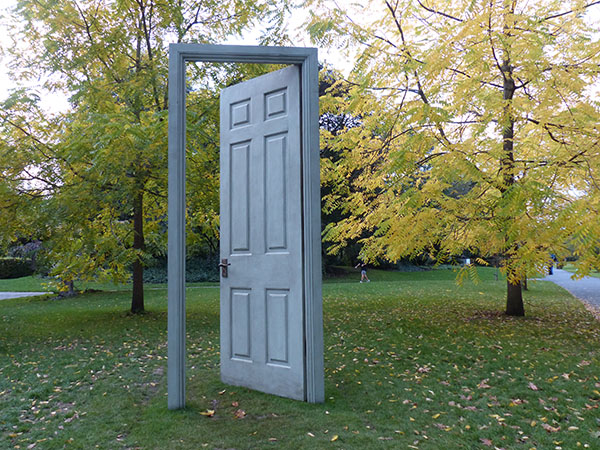
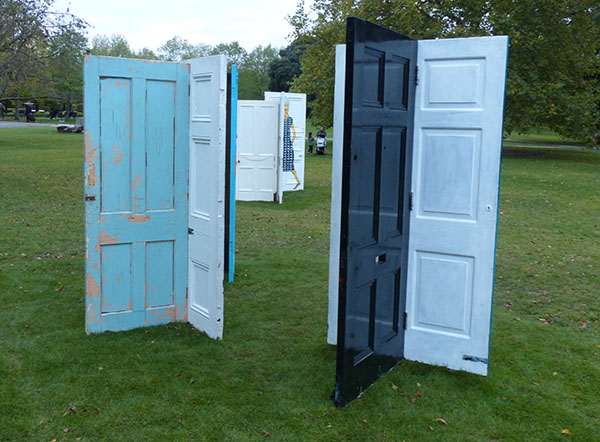
"L'Âge d'Or" by Gavin Turk

The artwork consists of an open door and door frame, encouraging the viewer to step through. The piece could depict a sense of opening and closing, security or vulnerability, or a step into new possibilities/the unknown. An open door has many meanings. The artist has used this simple piece of architecture and placed it independent of walls for visitors to contemplate and enjoy. 

frieze 2020
"Sandwich, 2011-2020" by Sarah Lucas

This concrete sculpture depicts a very large sandwich, two pieces of bread on the ground. The sandwich is a common food item, and shown in its large scale and in an unexpected setting, adds an element of comedy and absurdness.

frieze 2020
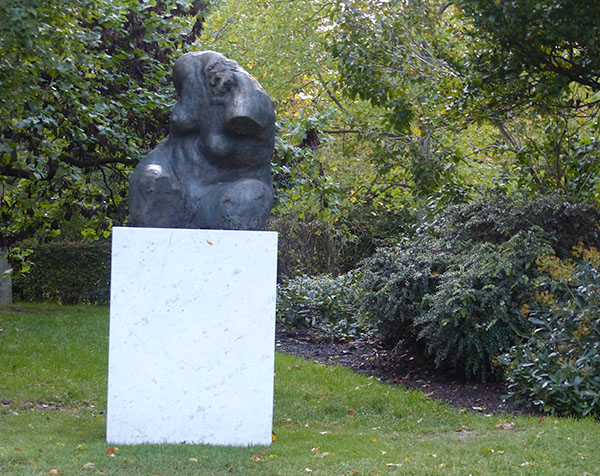
"Torso" by Eric Fischl

Upon the pedestal is a section of a torso cast in bronze. The female torso is missing the limbs and head, but it depicts a sense of motion and a pose from a fleeting moment of activity.

frieze 2020
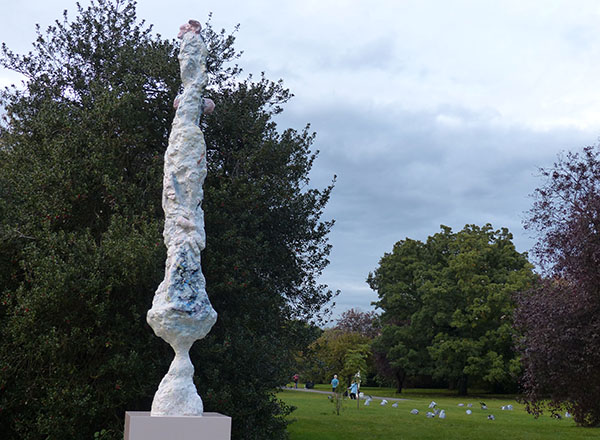
"Aurelius" by Rebecca Warren

The tall mostly-white sculpture is constructed out of bronze and hand-painted. The sculpture is a tribute to previous sculptors and artists, and the sculptor of this work continues to learn new techniques and to be inspired. 

frieze 2020
"Ad Keywords" by Fabio Lattanzi Antinori

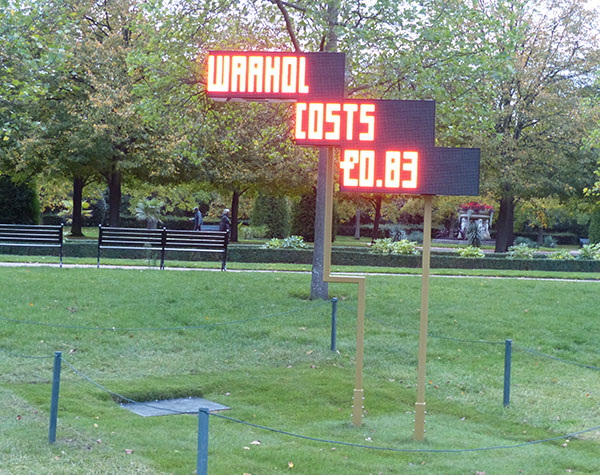
This electronic sculpture uses Google AdWords and search engines to come up with a list of messages and a cost. The words are relevant for Regent's Park and Frieze, and when I visited, the sign (sculpture) was displaying the names of various popular artists with a cost. The messages are cycled through.

frieze 2020
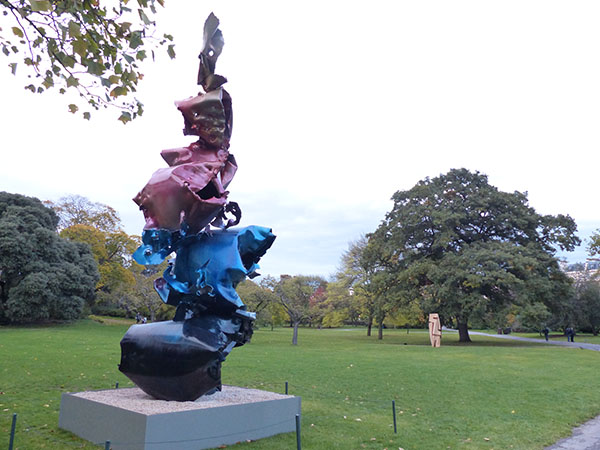
"Lupine Tower" by Arne Quinze

Inspired by grafitti, the artist focused on gardening and items during the lockdown and became interested in the form or essence of items. The sculpture was made for the Frieze event, and it is the artist's take on the lupin plant. The artwork has been painted and has taken its form inspired by that plant.

frieze 2020
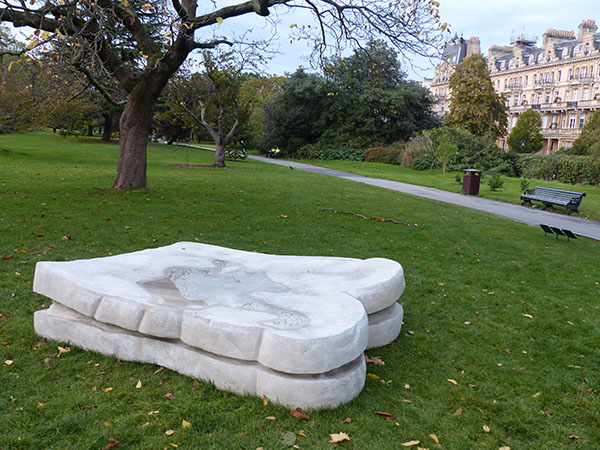
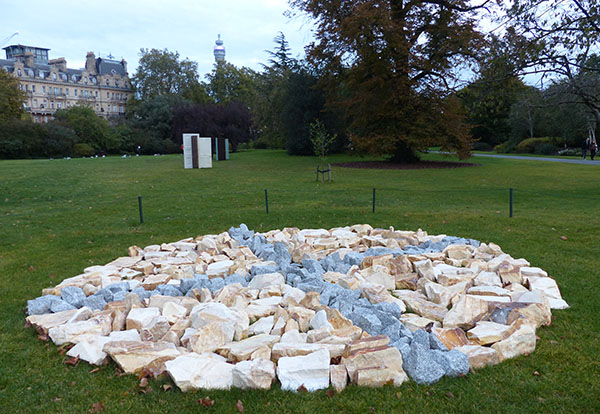
"Circle for Sally" by Richard Long

Granite and marble stones form this sculpture, which is a large circle of the stones that makes a pattern using the different types of stone. The artwork is named after the artist's grandmother in Spain. The artists is known for his artwork using natural elements, which he rearranges.

frieze 2020
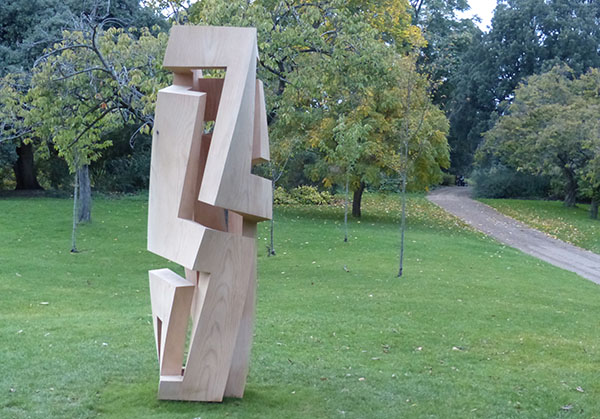
"Torre di Saba" by Gianpietro Carlesso

This sculpture is made from cedar and depicts the biblical story of Queen Saba and King Salomon, using deconstruction or subtraction. It was carved by hand. 

frieze 2020
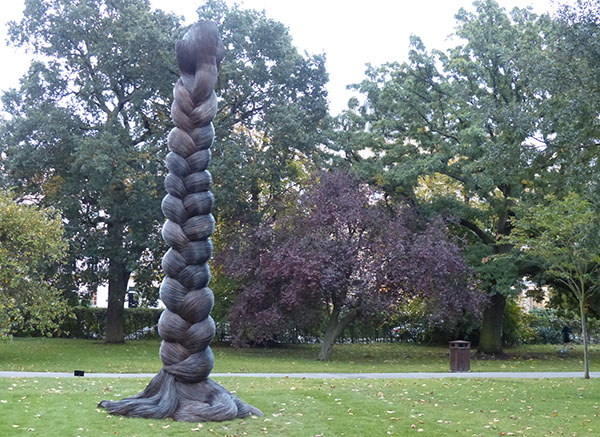
"The Plait" by Kalliope Lemos

This sculpture, made of steel, depicts what looks like a braid of hair. In this work, the artist signifies the removal of a plait of hair or the cutting of hair, as a mark of inner change. For women, hair is important, and the cutting of hair is a ritual of change; the sculpture can also be a symbol of strong women. Post-poned earlier in the year, the sculpture was completed for Frieze.

frieze 2020
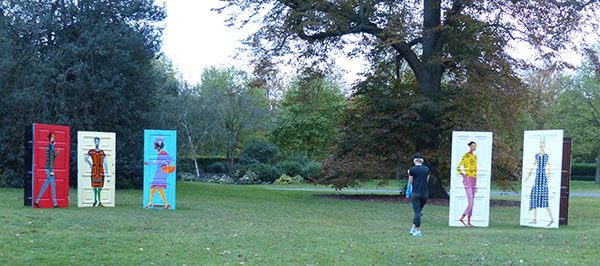
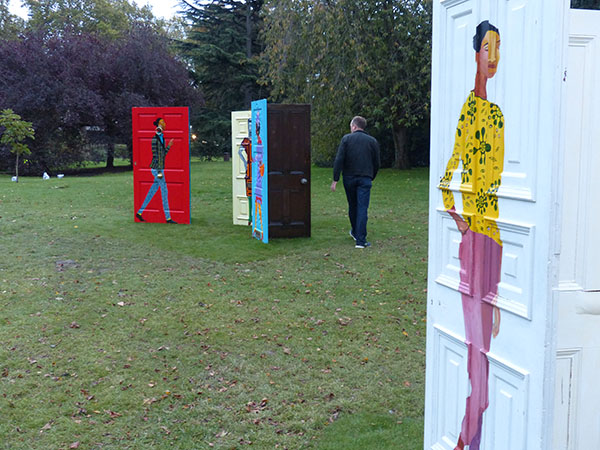
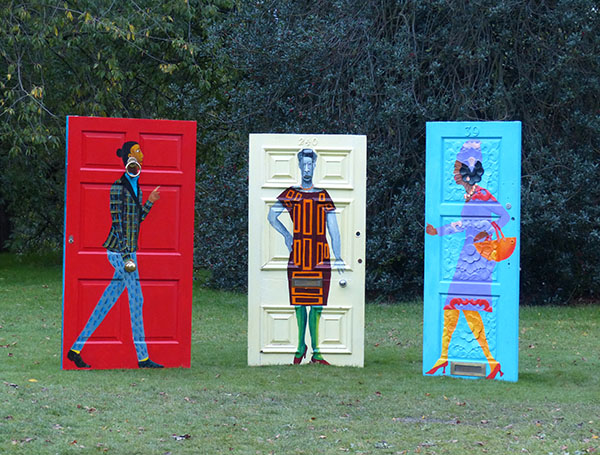
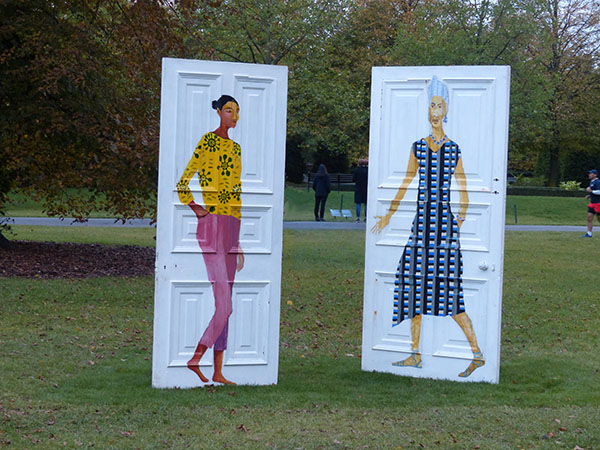
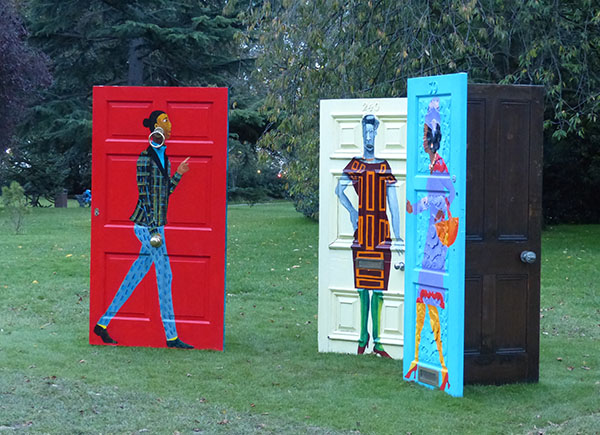
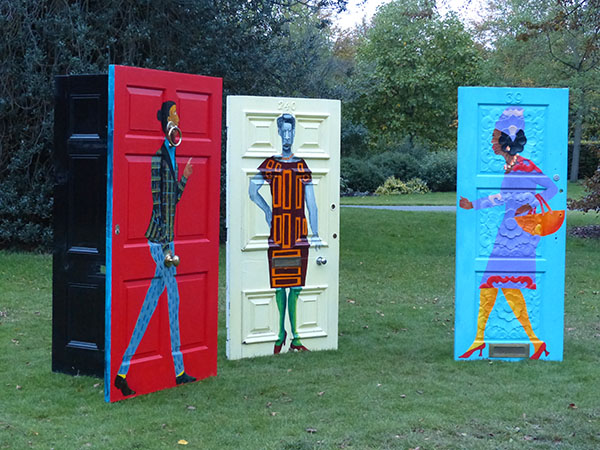
"Five Conversations" by Lubiana Hamid

The most colourful artwork at Frieze this year is this set of wooden doors with stylish women painted on each one. The women appear to be in conversation with each other and are placed in their conversation groups. When visitors walk around the doors, they are met with different choices of viewing and placed into a dimensional perspective with the artwork. The artist won the Turner Prize in 2019, and this particular artwork was commissioned in New York City, and this has now been shown in Britain for the first time. There are so many perspectives to enjoy this work from.

frieze 2020

frieze 2020

frieze 2020

frieze 2020

frieze 2020

frieze 2020

frieze 2020
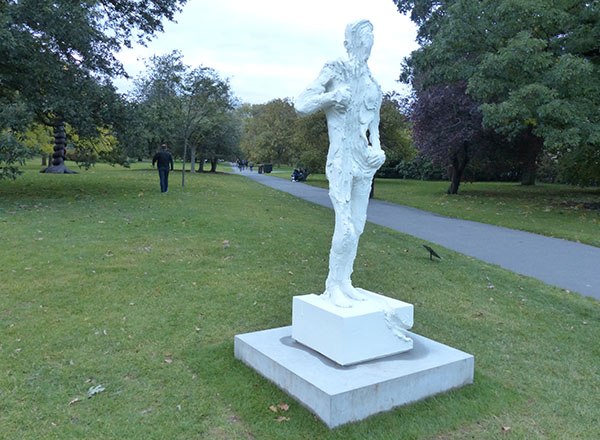
"Untitled 1, Bronze Bodybuilders" by David Altmejd

This human classical figure has been cast in bronze and painted white. It appears that the artist is currently working on creating the piece with fingers rubbed across the work so that it appears like tangible clay. The plinth has also been 'worked' with cuts through it.

frieze 2020
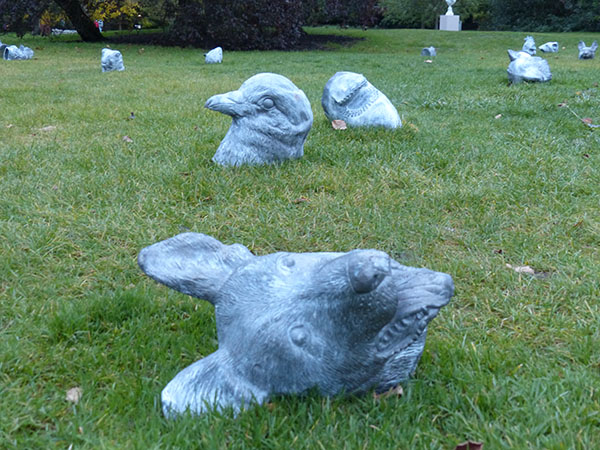
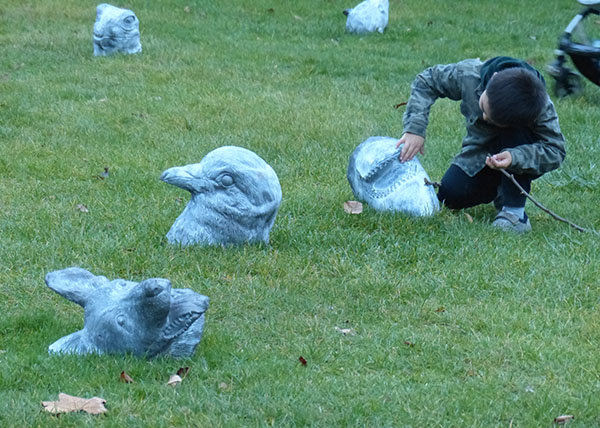
"Humans-Animals-Monsters" by Patrick Goddard

A group of what appears to be rocks has been strewn across a section of Regent's Park. Upon closer inspection, these are not rocks. They are heads of different animals cast in lead reclaimed from London housing: monkeys, dogs, sharks, dolphins, roosters, birds, lizards. With mirrors on the under-edge of the heads, the viewer is drawn in. This symbolises how humans are linked to all of the other animals and how important nature and the environment and ecology is.

frieze 2020

This wraps it up for Frieze Sculpture in Regent's Park for 2020. For previous years, see my posts below:

Frieze Sculpture 2019
Frieze Sculpture 2018
Frieze Art Fair 2017

Street Art by Dan Kitchener in Summer 2020

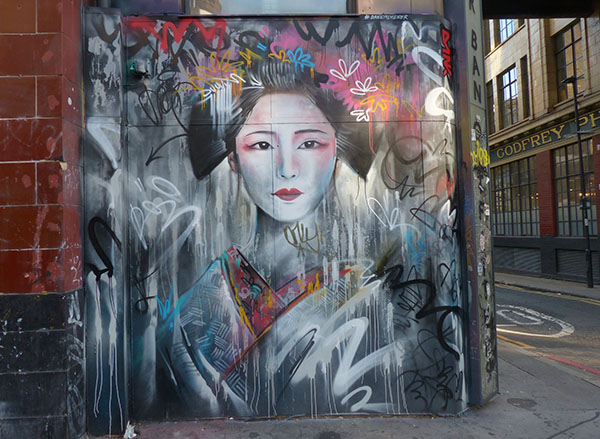
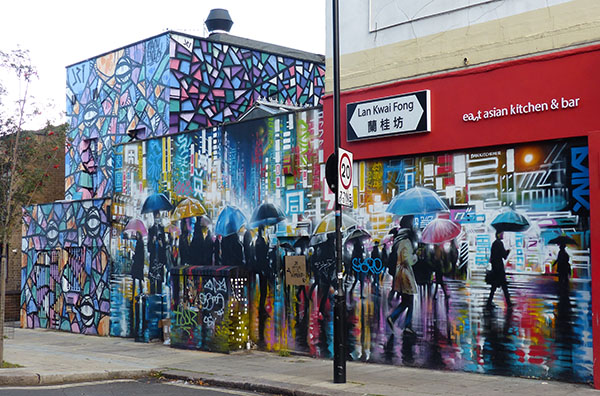
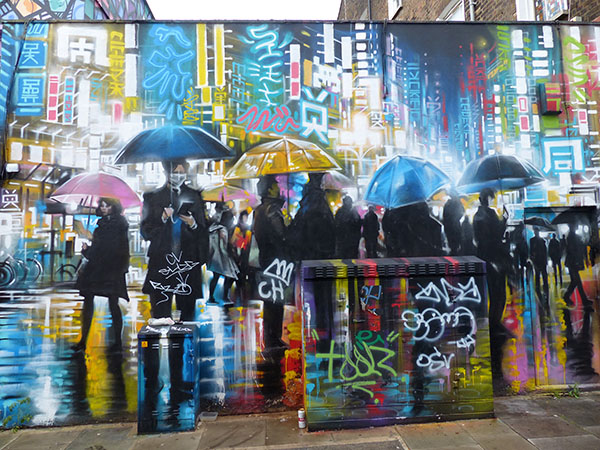
London-based street artist Dan Kitchener is known the most for his darkly-lit street scenes and also portraits of Japanese women that he has painted around the world. I always enjoy seeing his murals, and several have popped up this year. The first mural that I was able to photograph this year, before it was tagged over, was the Clifton Street "Tokyo Graffiti" Mural. Unfortuately, quite a few of his murals last year and this year have been quickly tagged over, but I was able to snap a few of them.

dank-2020-10.jpg

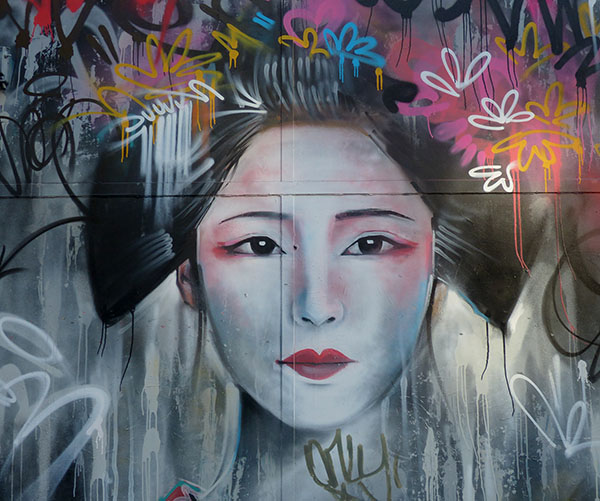
'Street Geisha' is located on Commercial Road and features a portrait of a Japanese geisha lady with a floral pattern and grafitti tags.

dank-2020-11.jpg

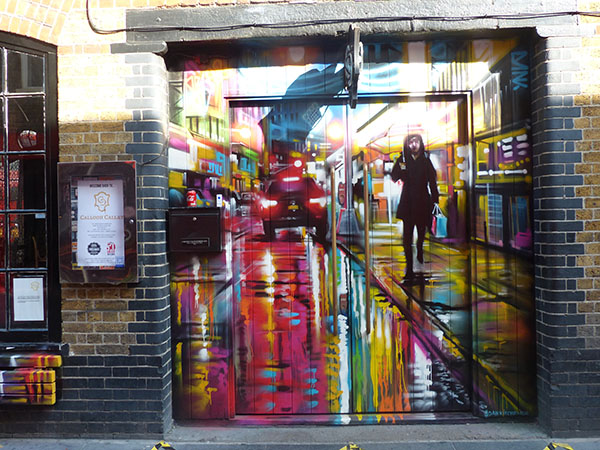
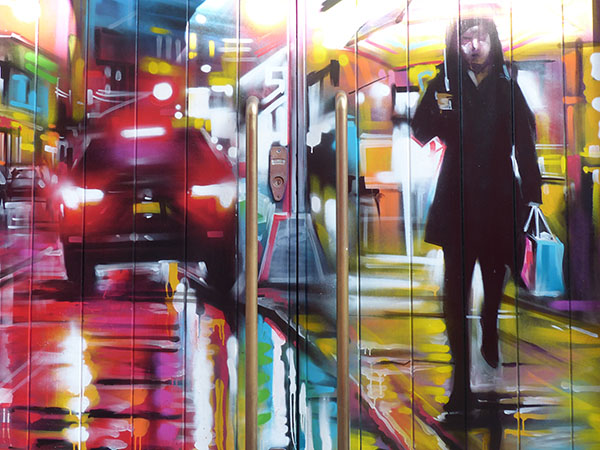
'Calloo Callay' is a street scene, and it is located on Rivington Street on a set of doors.

dank-2020-12.jpg

dank-2020-13.jpg

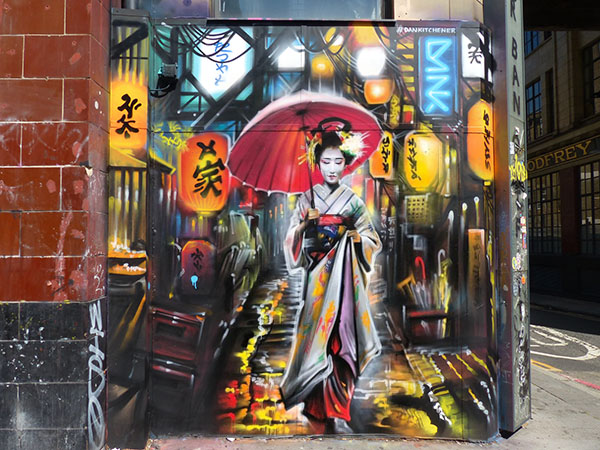
'Omoide Yokocho' is a portrait of a Japanese geisha on a Japanese street. This artwork, located on Commercial Road, was quickly tagged over and was replaced with a new one.

dank-2020-14.jpg

Here are a couple of murals in Camden. The one below has been around for a while now and is slightly tagged over. I'd previously covered it on this blog. It is located at the corner of Camden Road and Hartland Road.

dank-2020-15.jpg

dank-2020-16.jpg

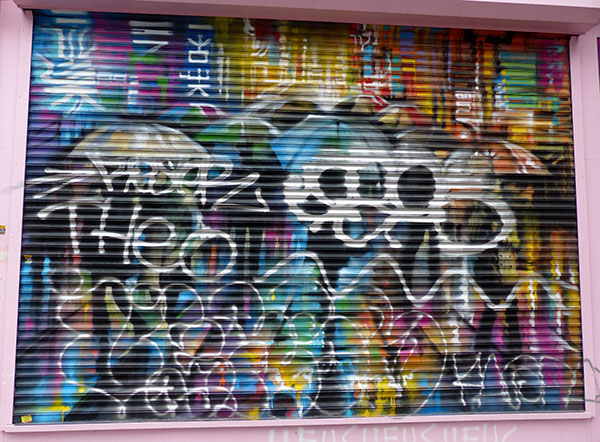
The last piece is a mural on a shutter, and it is located in Camden.

dank-2020-17.jpg

For more work by Dan Kitchener (DANK) featured in this blog, please read the following links:

Dan Kitchen Returns to Clifton Street with "Tokyo Graffiti" Mural
Latest Street Art by Dan Kitchener
Dan Kitchener Paints 'Ghost Cities' on Pedley Street
Dank Paints 'Ghost Cities - Bristol' for Upfest 2018

Dan Kitchener Paints "Meeting of Styles"

'Future Tokyo and Tokyo Ghosts'
Dank "London Rush"
Dan Kitchener's Street Art on Sclater Street and More
Street Art: Dan Kitchener
"Downtown" Mural by Dan Kitchener
Goswell Road

Street Art: Marija Tiurina

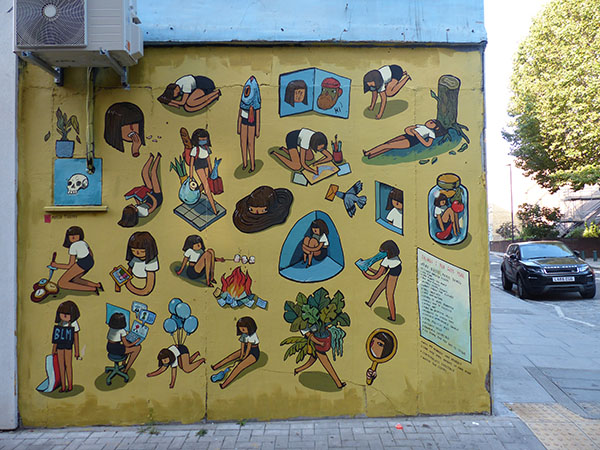
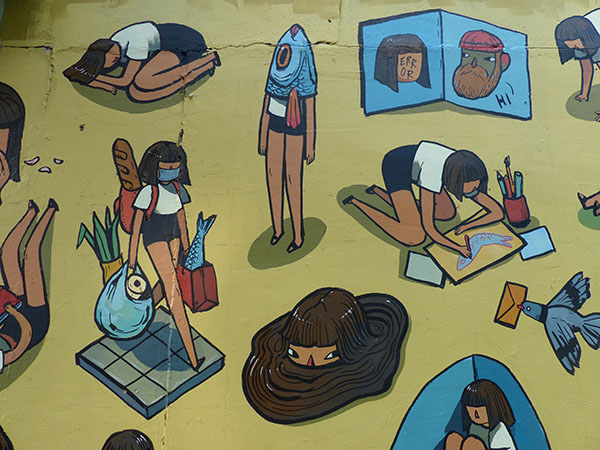
London Mural Festival has come together to bring new street art across the city. One of the artists who painted a mural for the festival is London-based illustrator Marija Tiurina. The mural, located on Wentworth Street off of Brick Lane, features a series of snapshots in lift in the world of a pandemic and lockdowns. These are in the form of illustrations featuring the artist's rendition of a female character. The mural includes a list with the title "Things I did this year".

marija-tiurina1.jpg

marija-tiurina2.jpg

marija-tiurina3.jpg

marija-tiurina4.jpg

This is the first street art by the artist that I am aware of. For more information about the artist or to see her illustrations, visit her Instagram profile here: https://www.instagram.com/marijatiurina

Autumn 2020 at Peggy Porschen's Cafe

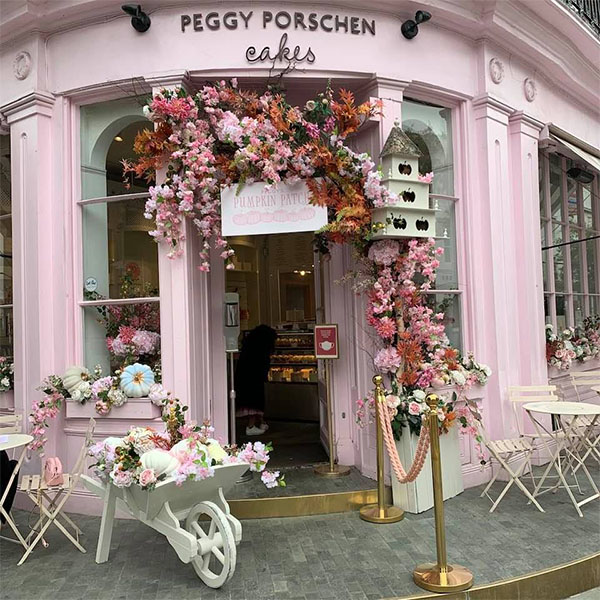
With being stuck indoors and at home for the majority of the year, I was happy to break out for my last visit to London for awhile and visit Peggy Porschen's cafe in Belgravia. The cafe is known for its Instagram-friendly floral displays on its pink fascade and its too-cute-to-eat sweet treats. Every season, the decor changes along with the themes of the treats. For autumn, new pumpkin-flavoured cupcakes have hit the shelves in various designs: pumpkins, maple leaves, oak leaves, and acorns.

peyyporschen-fall2020-01.jpg

The fascade of the shop has been decorated with pink and orange flowers and leaves with a white wheelbarrow filled with pumpkins painted in pastel colours. Pumpkins are also mixed with the foliage on the shop front. This is the Peggy Porschen "Pumpkin Patch".

peyyporschen-fall2020-03.jpg

peyyporschen-fall2020-02.jpg

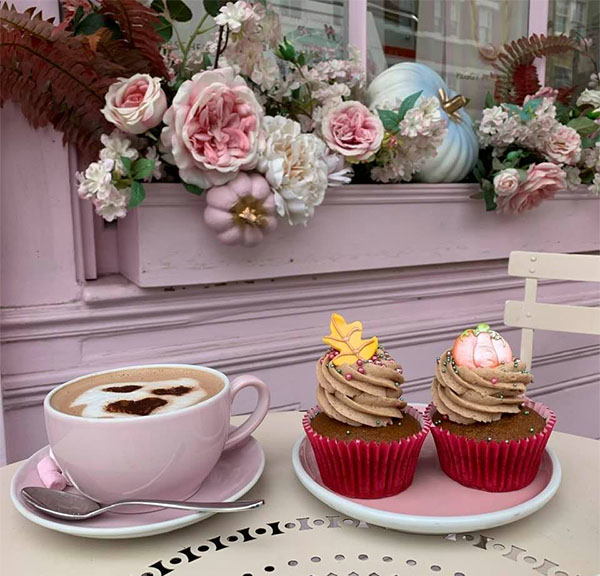
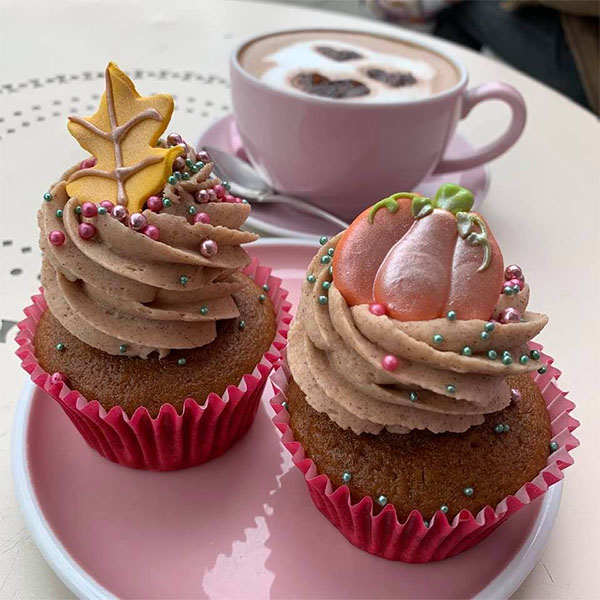
As the chilly autumn days have settled in now with Sunday being particularly chilly, I ordered a hot chocolate and a pumpkin cupcake. The flavour of the cupcake was amazing; it was a pumpkin and spice flavour with creamy icing in good proportion to the sponge and cute embellishments.

peyyporschen-fall2020-04.jpg

peyyporschen-fall2020-05.jpg

More posts about Peggy Porschen on this blog are below:

Peggy Porschen Winter 2019
Summer at Peggy Porschen Cafe King's Road
Easter at the New Peggy Porschen Cafe, King's Road
February/March Heart and Floral Designs at London Shops
A Christmas Visit to Peggy Porschen Bakery

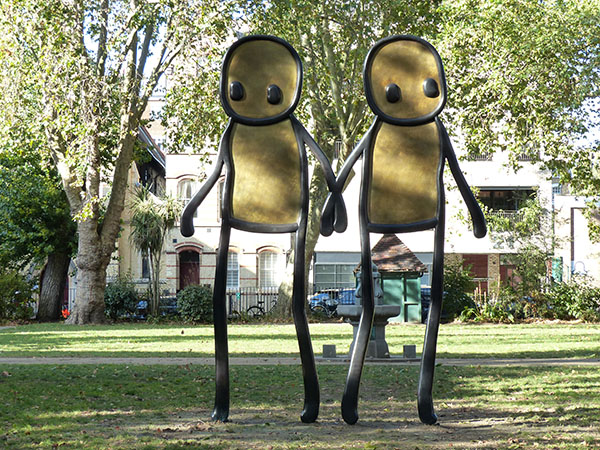
Stik "Holding Hands" in Hoxton Square

London-based street artist Stik has launched a new sculpture in the east end's Hoxton Square. The sculpture, known as "Holding Hands" features the artist's 'stickman' figure with linked hands. I am not sure if this sculpture is a permanent addition to Hoxton Square or if it is up for a short time, but it is an amazing piece to see. A couple of Stik's artwork used to appear just off Hoxton Square, and you can see photographs of those on the link at the bottom of this post. 

stik-hoxtonsq.jpg

My last post about Stik was after I had seen the mural collaboration with Stik and Thierry Noir on pieces of the Berlin wall on display in front of London's Imperial War Museum. I had previously covered Stik on my blog in the following posts:

Thierry Noir and STIK Paint "WALL", Berlin Wall at London's Imperial War Museum
Stik's "Past, Present & Future"
Bristol Upfest 2015
South Bank Street Art Festival 2013
Street Art: Stik
Baroque the Streets: Dulwich Street Art
Street Art: Thierry Noir

A Glimpse of Roman Life at Vindolanda

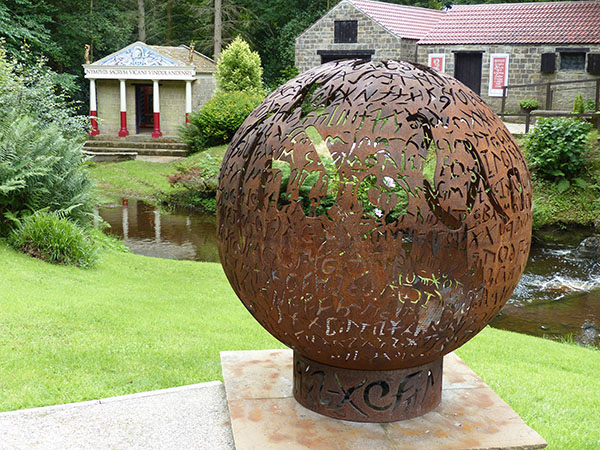
Back in July, I visited the ruins of the Roman fort and town of Vindolanda in Northumberland. At the time, the museum was very busy, and I did not feel safe with the social distancing measures, so I did not stay for very long and decided to return. I returned to Northumberland in August, so I decided to visit the museum at the end of the day in order to see what I missed. I had previously looked around the  The museum was quiet at this time, so I was able to freely look at the exhibits without groups of other people, and I suggest readers who are looking to visit the museum should visit late in the day; I easily spent four hours exploring the museum and ruins. For information about the ruins of the town and fort, see my post here: Hadrian's Wall: Visiting the Roman Fort Town of Vindolanda.

vindolanda-museum1.jpg

Vindolanda is a unique setting that has uncovered many secrets of Roman life. Wood, leather, and other perishable items dating from around 2,000 years have been discovered here. The Romans had renovated their buildings, and upon renovations, they had placed their trash on the ground while they built up for new foundations, covering the trash with clay to keep it safe and dry. Some of the best artefacts discovered from Roman times has been found here at Vindolanda, which is located within the northern boundary of the Roman empire.

vindolanda-museum2.jpg

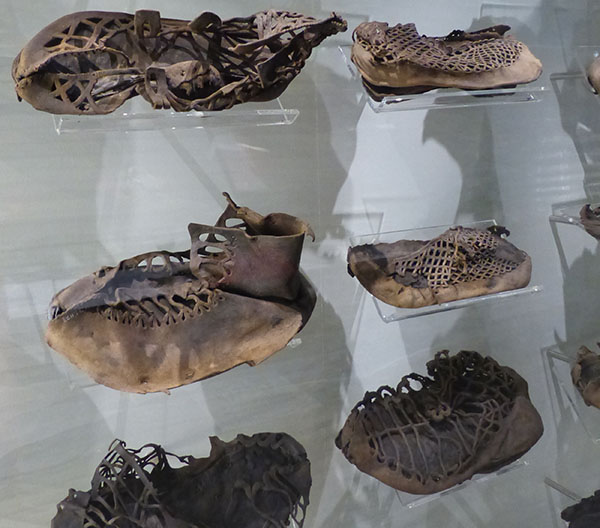
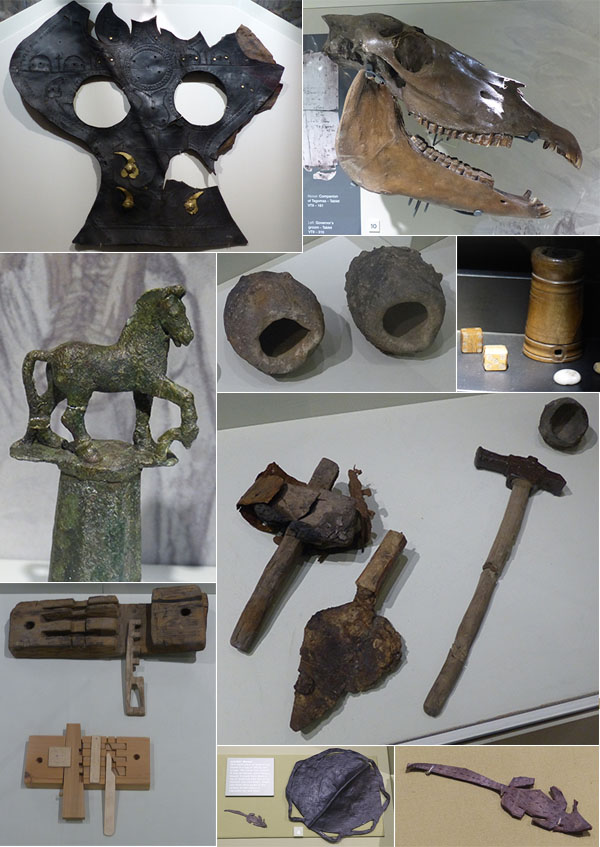
The museum at Vindolanda contains many of these artefacts. A large collection of different shoes gives an insight into the individuality of the wearers with different patterns carved in (and wooden clogs were used in the bath houses). Leather was also used to create boxing gloves, tents and bags to hold tools, very similar to what we use today. In fact, looking at all of the items, I feel that the people who lived 2,000 years ago were very similar to us. In fact, one of the leather items discovered is a little mouse cut from leather cloth. Was this just a leather-maker's fun or an idea at creating an item for a child? Was it used to help teach a novice how to cut leather?

A selection of pieces of armour and weapons of various type were also on display as well as a human skull that was found in a ditch and likely placed on display as a warning. The other human remains in the museum are the remains of a young child of about ten years of age who was discovered buried beneath one of the barrack rooms.

vindolanda-museum3.jpg

Items include leather for a horse, a horse's skull, a horse trinket. One section was on locks with wooden and metal lock mechanisms being discovered. The Romans also used a passcode for each day, and this would be required in order for others to get into various areas in the fort. A selection of crucibles is on display; these are a few jars of different sizes of pottery fired to heat up metals. Included are also personal entertainment items, such as game pieces (dice) and a wooden container to store these pieces in. Lanterns were also discovered; many of these were made of pottery, but there are others made of metal.

vindolanda-museum4.jpg

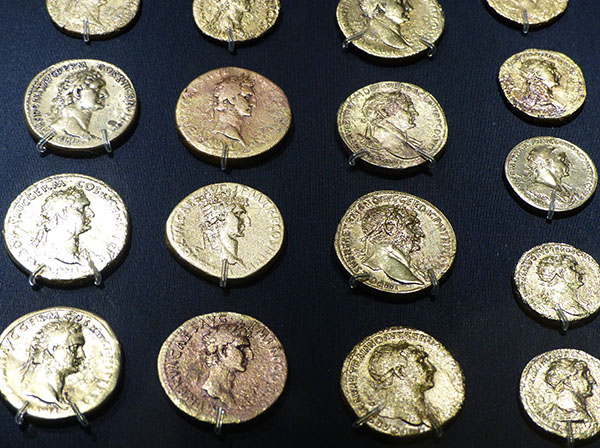
A room in the museum is dedicated to coins found.

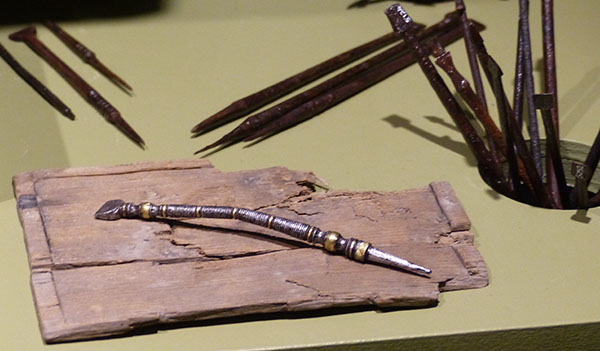
Soldiers carried personal items, such as combs and needles in a wooden case. They had a kit bag and needed to make repairs to their clothing; this was probably done while they were out on patrols instead of in the towns where it perhaps they could use someone in the trade.

The cloth that they wore of wool would have been dyed. Yellow and brown were probably popular as well as grey, and they could also dye red.

vindolanda-museum5.jpg

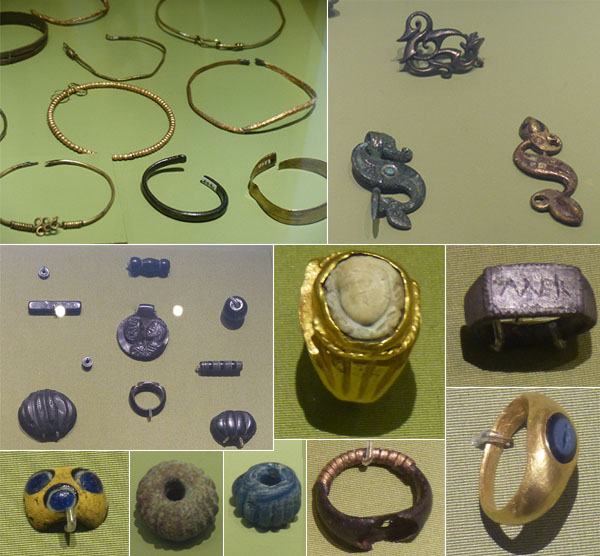
Jewellery was also discovered, and each piece is personal and individual. This shows the tastes of the wearer and the style of the times. Jet was a popular mineral used for buttons, beads and other items. Buckles were commonly discovered as well as bronze pieces that held glass between intricate designs. Glass beads are commonly found, and many of these beads were made with one colour of glass with a dot of a different colour of glass in a pattern around the bead; this was apparently to ward off "evil eye" (envy/jealousy). I wonder how the personal jewellery items became lost to the owner. Perhaps they were stolen. They could have fallen off the wearer or placed on a table or in a dish which got tipped onto a floor and carried out or buried with the moss and bracken that was used to cover the floors of the rooms.

vindolanda-museum7.jpg

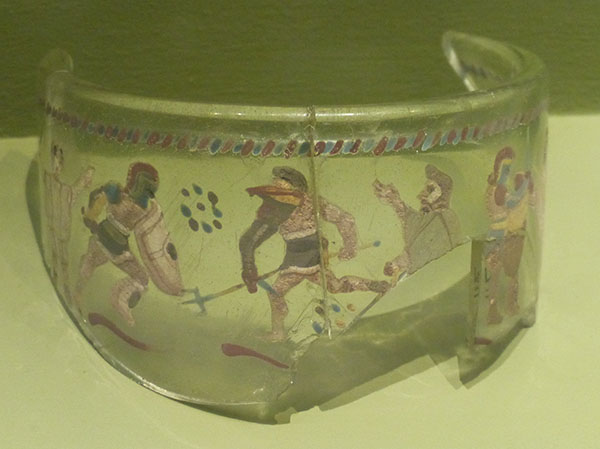
One of the most interesting items is a glass bowl painted with figures. It is known as the "Gladiator glass" for the image painted on it. The item was broken in antiquity and discarded, and two segments of it have been discovered in different places. The item had come from the Rhineland, showing the blend of culture in the Roman towns and forts in Britain.

vindolanda-museum6.jpg

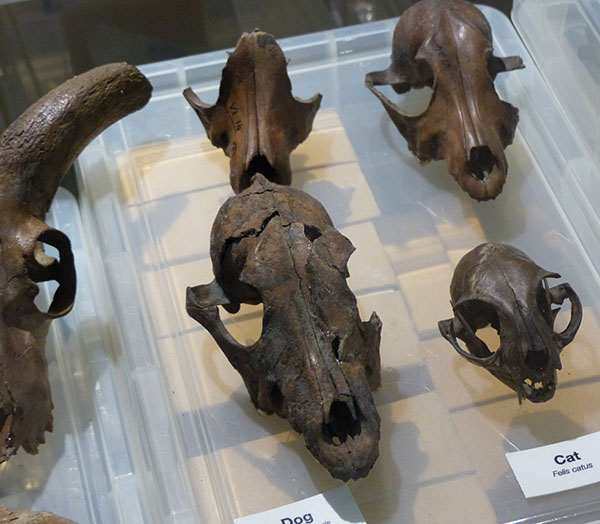
There is a room of bones of animals discovered at Vindolanda. Skulls on display include cattle, goat, deer, sheep, dog, and cat. Later in the museum, someone identified some of the breeds of dog kept by the Romans, and there was actually a pretty wide array of dog including hounds, spaniels, and terrier breeds. The cat skull shows that the Romans had cats; perhaps the cats were kept to keep away rodents or perhaps they came as pets or opportunists.

vindolanda-museum8.jpg 

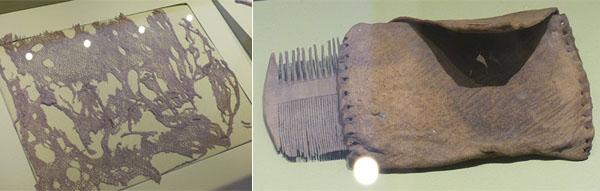
One of the items on display is a hairnet made of cloth, and there are a selection of combs, some within a leather case, and pins. 

vindolanda-museum9.jpg

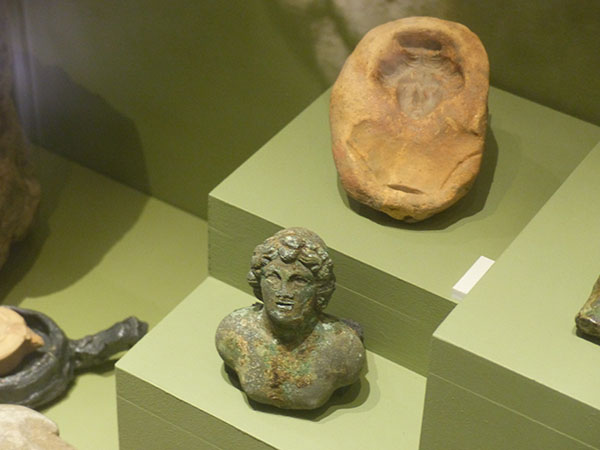
There is also a selection of religious items, fertility items, animal/votive tokens and casts or moulds to create figured by pouring metal into them.

vindolanda-museum10.jpg

Another interesting item discovered is a timekeeping piece, the Calendrical Clepsydra. The item somehow measured water by allowing the water to drip through small holes, and the water level could determine what the time was. It could record the hours of the day based on the month and time in the month.

vindolanda-museum11.jpg

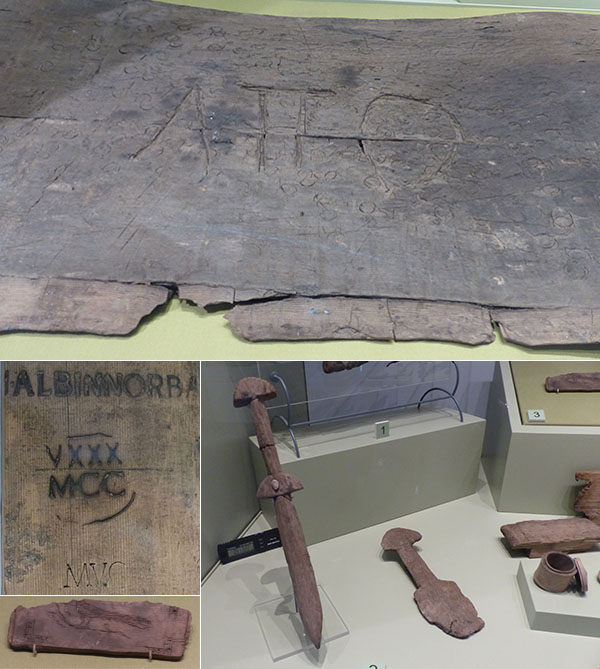
One room at the museum has a display of some of the items discovered made of wood. These include furniture, wheels, barrels/lids, bowls, tools, pipes, doors, toy swords, and a toilet seat that was probably in the commander's house. Some of the items contain writing or grafitti. It appears that some of the numerals and letters was a stamp made of metal that could be placed in heat to burn the symbol in place. One of the items is a personalised workshop desk, and visitors can see the stamps that had been punched into the item over years of use. Some of the boxes have designs carved into them, such as the lid with a design of a peacock.

vindolanda-museum12.jpg

One of the most interesting items of the museum are the Vindolanda Tablets. These tablets were messages carved into pieces of wood and then stored in a box. Several of these were discovered preserved, giving an insight into some of the inhabitants and their lives 2,000 years ago. A video in the museum describes the tablets and some of the messages from the number of soldiers available in the fort or accounted for, items purchased, various requests, and an invitation to a birthday party. The wooden block of wood was covered in wax and written on, and the tablets could be used many times.

One of the rooms in the museum details the people mentioned in the tablets and information provided about them so that a picture can be seen of the real people who lived in Vindolanda all those years ago and who are now lost to time.

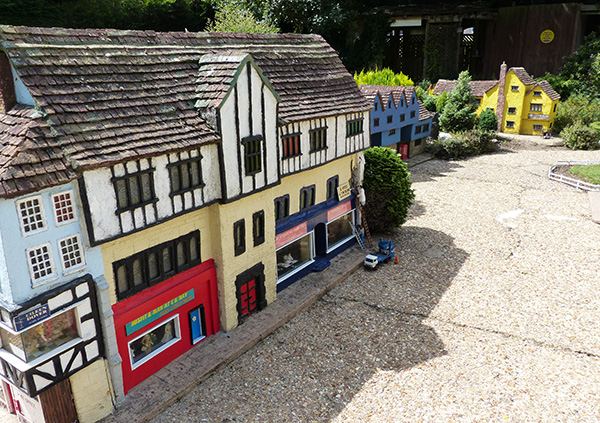
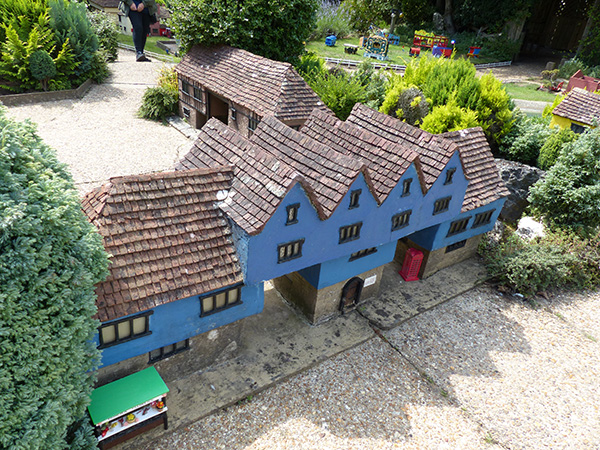
Skegness Model Village

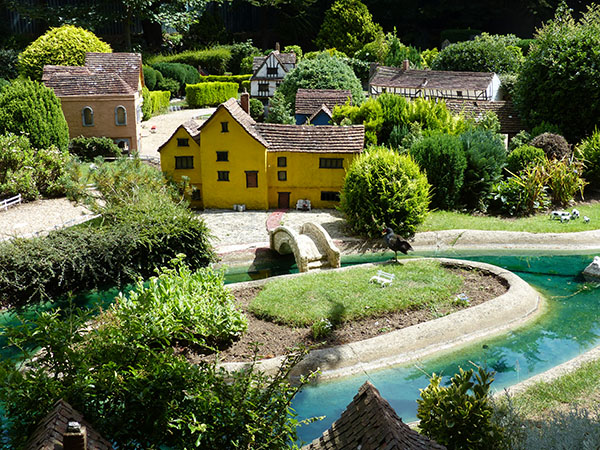
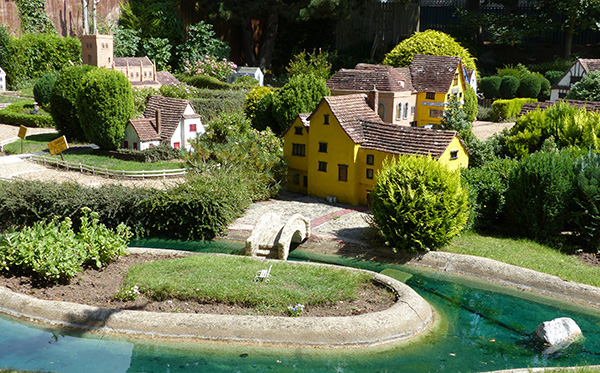
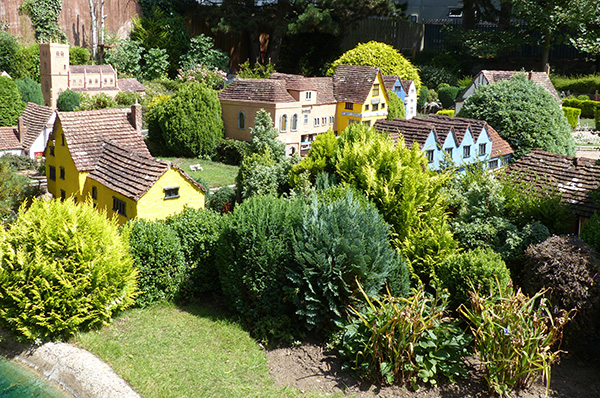
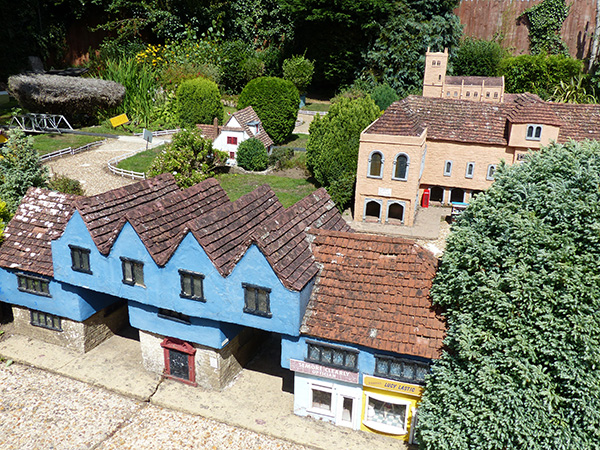
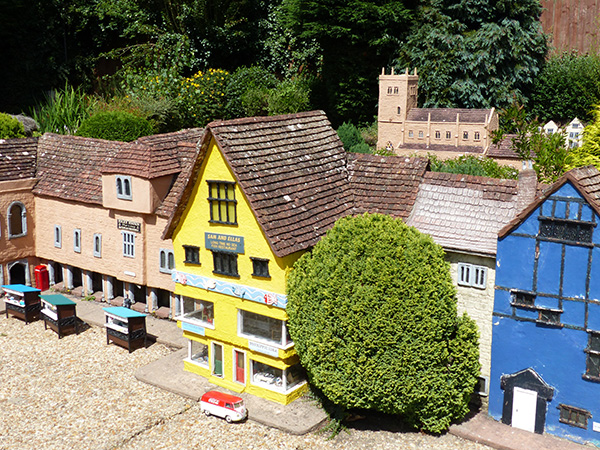
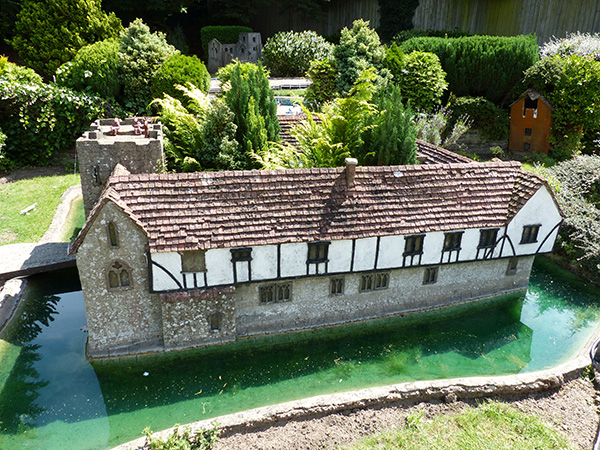
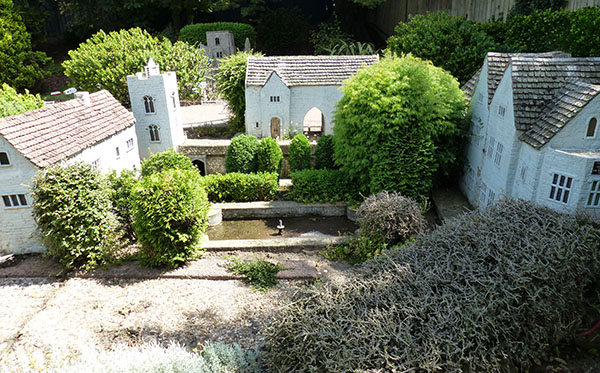
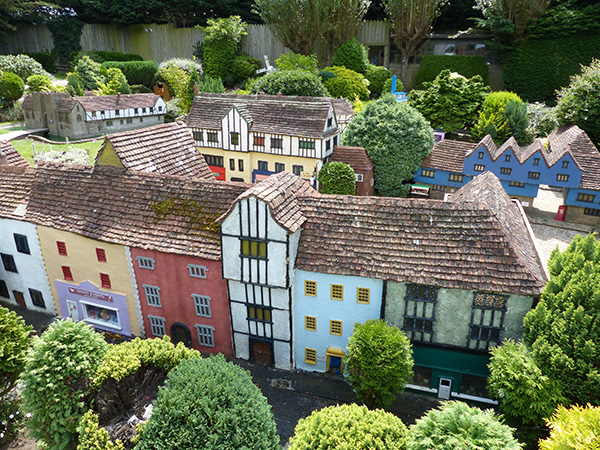
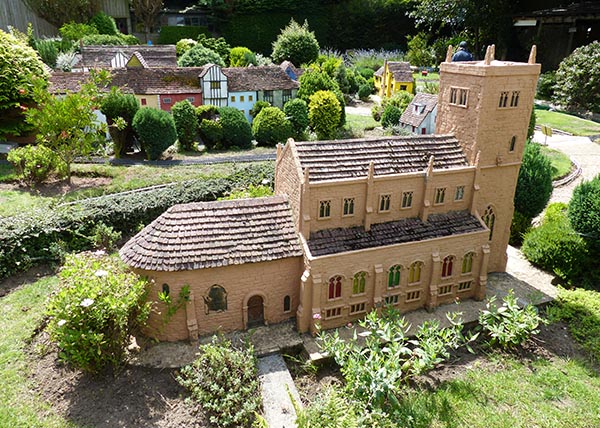
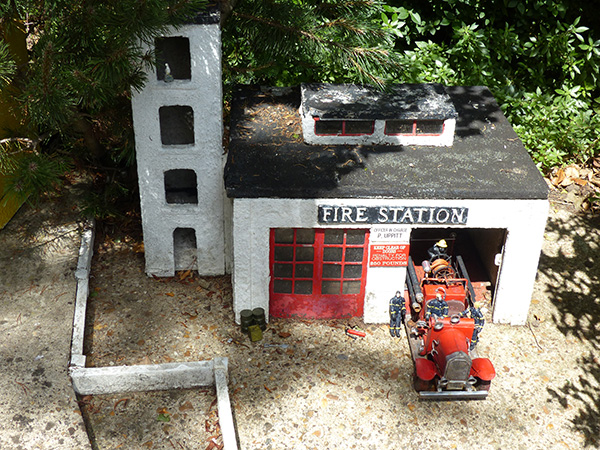
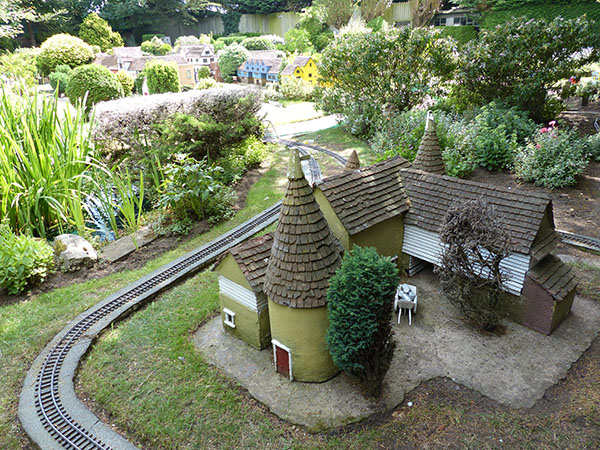
Skegness Model Village was created over two years and opened to the public in 1962. It is located on the sea front in Skegness and managed by the aquarium next door. The model village consists of a model railway, a working model fairground, and a model village in landscaped gardens. Unfortunately, the last caretakers of the model village left the buildings out to the elements over the winter, so they got largely damaged although most were repaired when I visited. The train and some of the model fairground were not running at the time of my visit. The new management have been repairing the town and gardens from previous neglect. I really enjoyed my visit.
skegness-model-village1.jpg

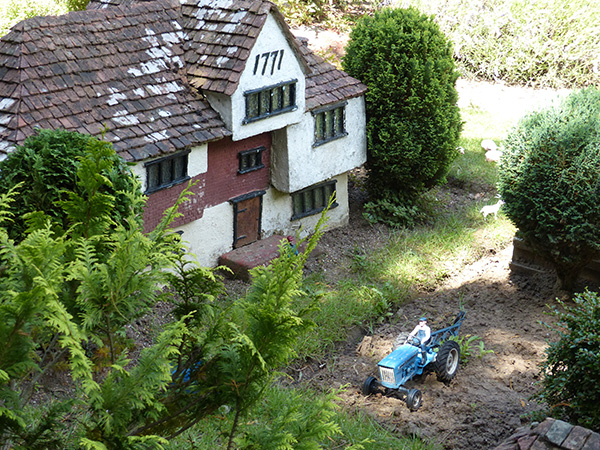
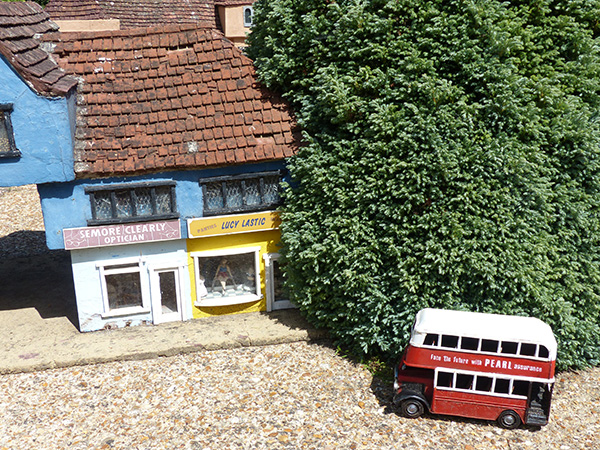
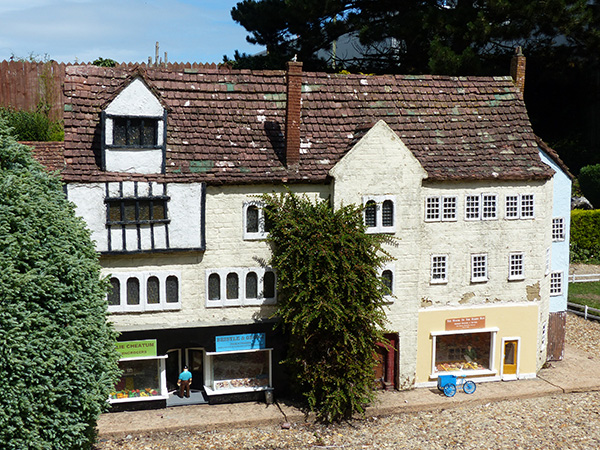
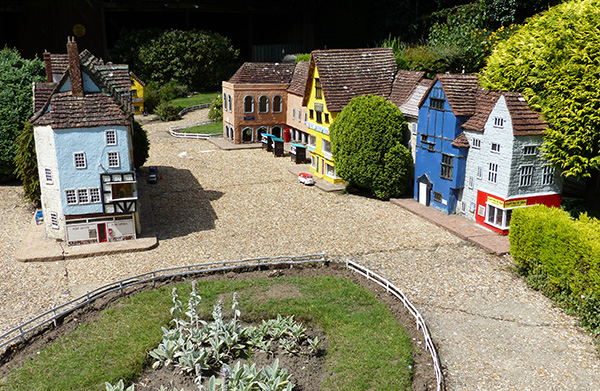
Walking around the model village, one of the things I noticed were the funny names on the buildings and the attention to all of the little details. Comical names were used for the different businesses. 
skegness-model-village2.jpg

skegness-model-village3.jpg

There is a retro lido.

skegness-model-village

A farmhouse.

skegness-model-village

skegness-model-village

"Semore Clearly Optician" and "Lucy Lastic Panties". 

skegness-model-village

"Willie Cheatum Greengrocers", "Bristle and Grunt pork butchers", and "The House of the Rising Bun, Nobody Does it Butter" bakery.

skegness-model-village

skegness-model-village

skegness-model-village

skegness-model-village

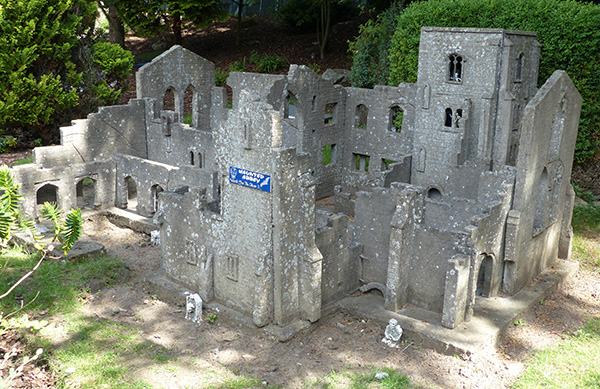
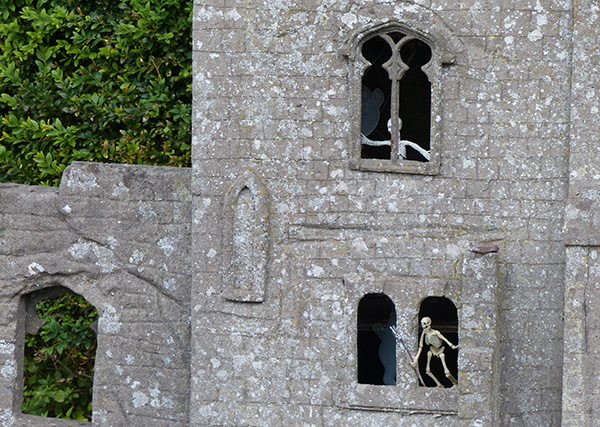
There was also a haunted abbey, complete with haunted skeletons and ghosts in the windows and graves.

skegness-model-village

skegness-model-village

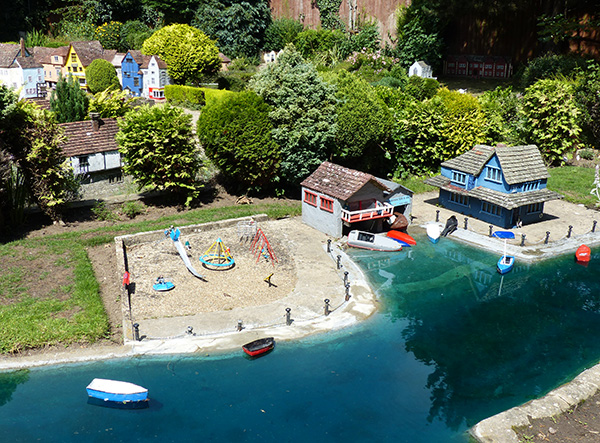
A water feature winded itself around the model village. (There was a duck enjoying some time in one area of the water that was a little overgrown and a bird cleaning itself here by the boat house.)

skegness-model-village

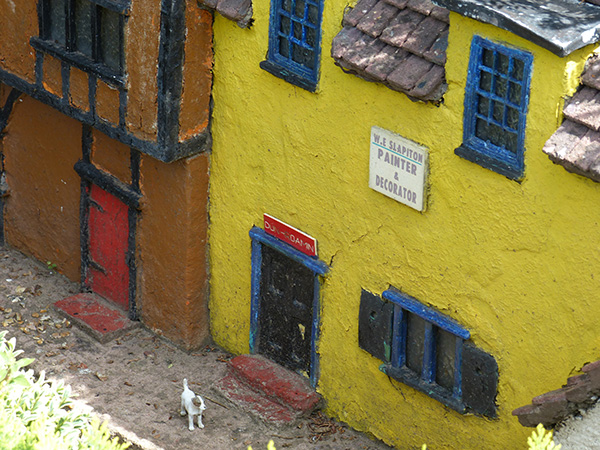
"W.E Slapiton Painter and Decorator". Notice the little dog.

skegness-model-village

skegness-model-village

skegness-model-village

skegness-model-village

skegness-model-village

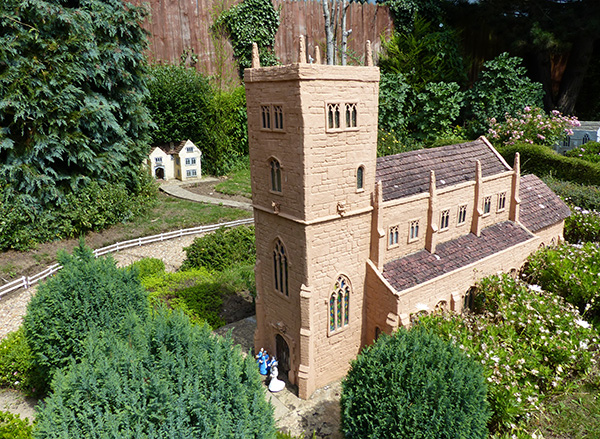
The cathedral had a wedding going on, and the bells were sounding as you approached it.
skegness-model-village

skegness-model-village

skegness-model-village

skegness-model-village

skegness-model-village

skegness-model-village

The Skegness Model Village is an absolute gem of a place. It was really a fun visit, and I was the only visitor for most of the time.
  1 2 3 4 5 6 7 8 9 10 11 12 13 14 15 16 17 18 19 20 21 22 23 24 25 26 27 28 29 30 31 32 33 34 35 36 37 38 39 40 41 42 43 44 45 46 47 48 49 50 51 52 53 54 55 56 57 58 59 60 61 62 63 64 65 66 67 68 69 70 71 72 73 74 75 76 77 78 79 80 81 82 83 84 85 86 87 88 89 90 91 92 93 94 95 96 97 98 99 100 101 102 103 104 105 106 107 108  

Archives

Recent Comments

  • jenn: Thank you. read more
  • Murge: Amazing post. read more
  • Herbert: good post. site read more
  • Frank Quake: Hey, This is great when you said that I had read more
  • Chappy: You mention peptides here? I have had first hand experience read more
  • jenn: Thanks! I love the work. I have got more recent read more
  • Fanakapan: Thanks for the write up. This was some of my read more
  • jenn: Yes.... but that's only for the islands. Mostar and Montenegro read more
  • jenn: Hello, the code is not mine to hand out. I'll read more
  • pantich: More info about the best day trips from Dubrovnik can read more
OpenID accepted here Learn more about OpenID