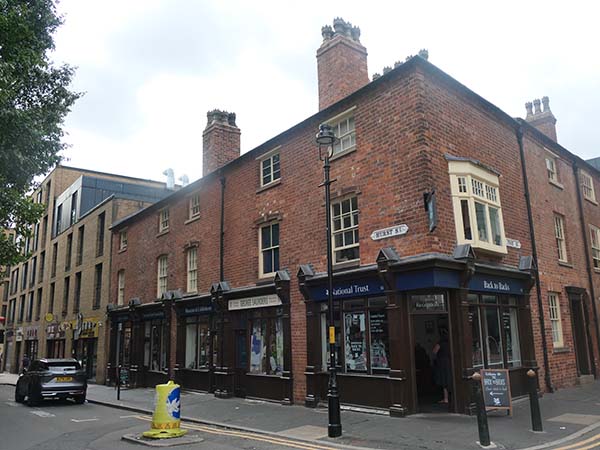
At the end of August, I visited Birmingham Back to Backs (Court 15), the largest surviving court of back-to-back houses built in Birmingham; they are known by this term as they all back into an internal courtyard that contains an area for play, socialising, work, and communal facilities. This was a fairly small court, and the majority of Birmingham was filled with these houses, many in much larger courts, to accommodate a huge population influx due to the industrial revolution. The back-to-backs were deemed unfit to live in, and they were largely destroyed in the 1970s and residents moved to new council housing and other redeveloped areas. This small example of back-to-back is maintained by the National Trust as a musuem; booking is essential to visit as the tours are guided.
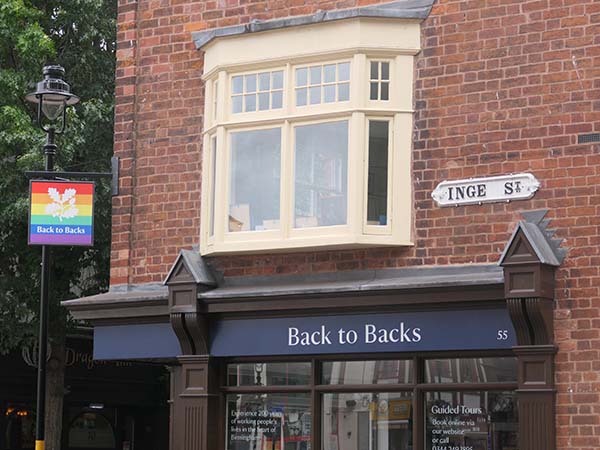
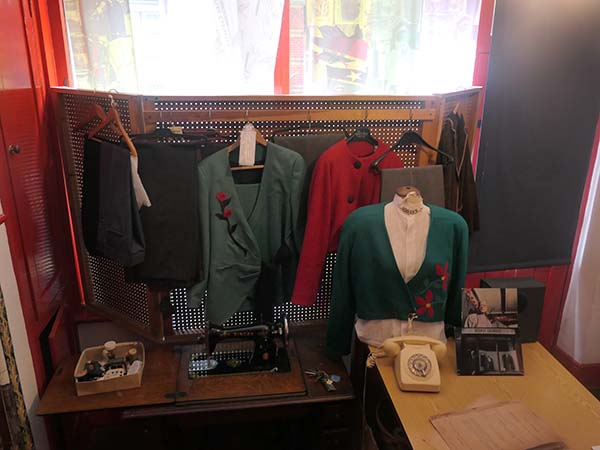
The houses faced the street with shopfronts, and these shopfronts were in use until the early 2000s. The last shop was a tailor, a man called George Saunders from the Caribbean, and he left his unused materials and items that he made but the owner never reclaimed.
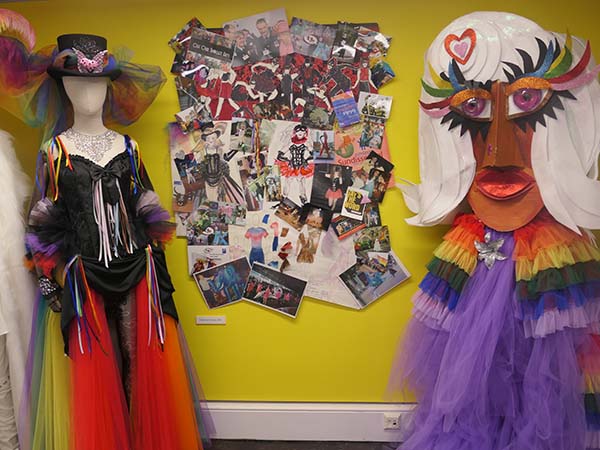
The downstairs contains a second hand book shop, and the upstairs contains a couple of exhibitions. One exhibition shows photographs of back-to-backs and the residents, offering a slice of life and also to understand the conditions. The other exhibition features LGBTQia+ with Pride and artwork showcased.
The guided tour started outside, and we were told the history of the homes and about some of the residents who lived there.
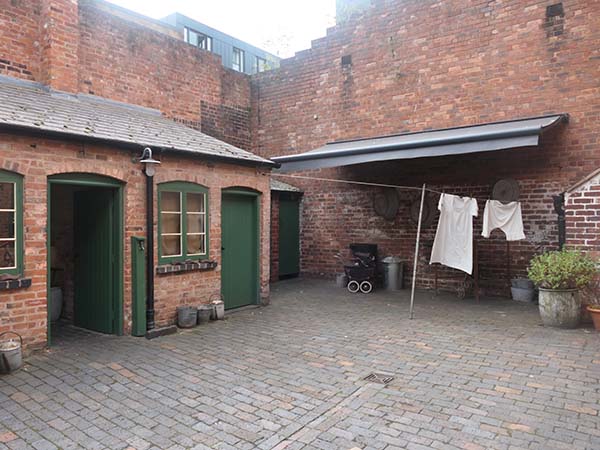
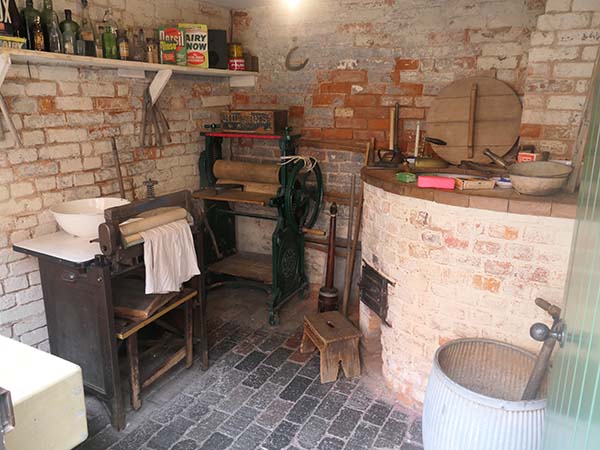
In the courtyard is also a laundry where the people could wash their clothing. They would have had to carry water from the nearest well, which would have been about a ten minute walk away.
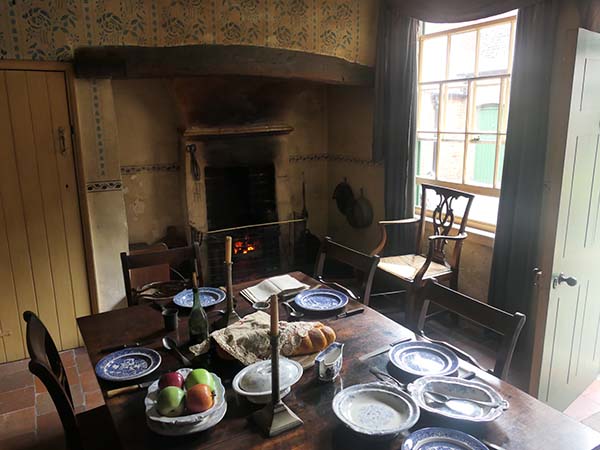
The largest house faced outwards onto the main street, which was more desireable for those with a little more wealth. The family who lived in this house was Jewish, and the house is a little larger. We were shown the rooms of the house and told information about the family.
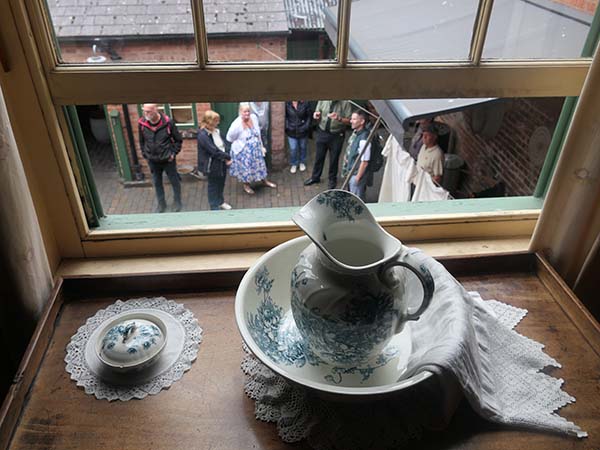
The daughter would have slept in the same room as the parents, and it would have been down to her to do errands around the house and to get the water buckets and empty chamber pots.
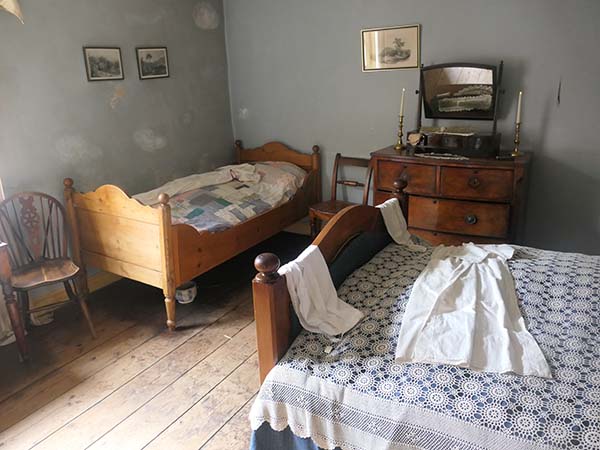
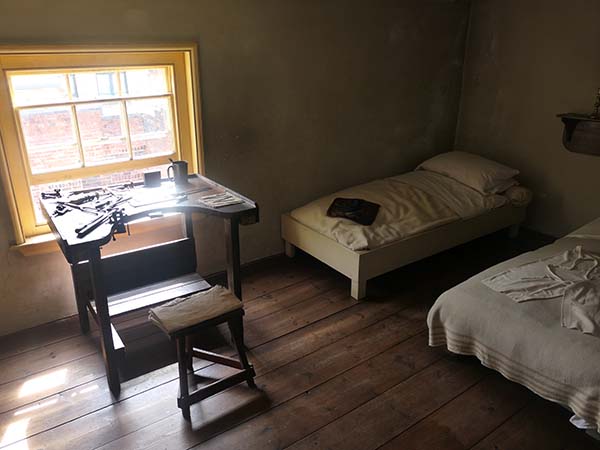
The boys' bedroom also contained the work area. The boys would have followed the father's profession, which was to make parts of clocks.
The other part of the upper floor is left empty.
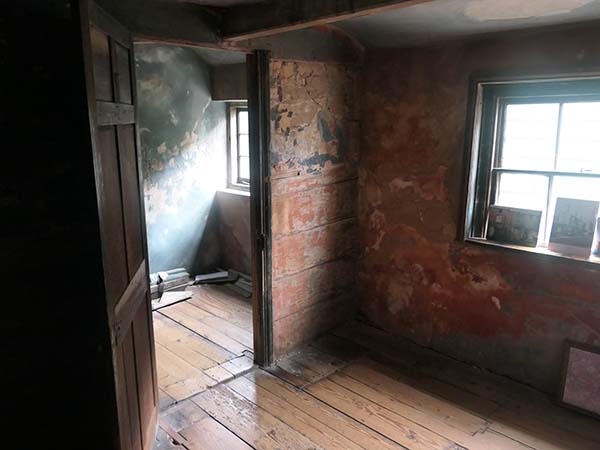
We then managed to go from a doorway at the top into another one of the terraced homes, starting from the main bedroom where the children slept and where they would have had a lodger on the next bed.
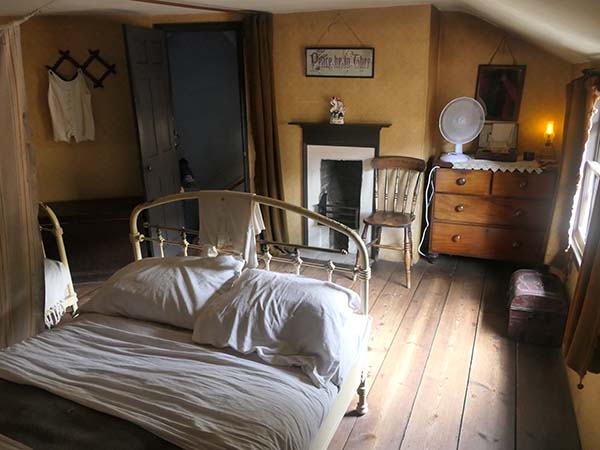
The parents' bedroom is on the floor below.
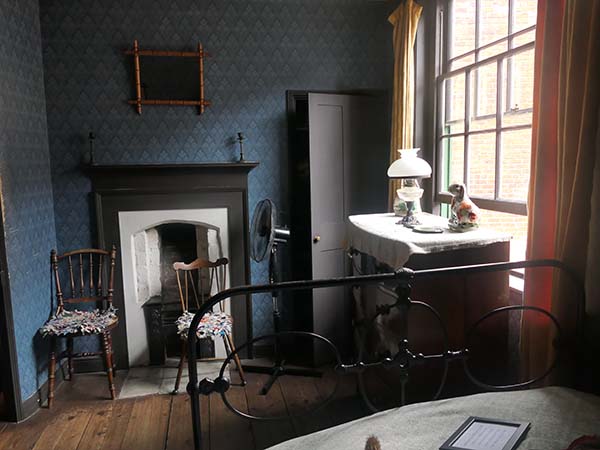
The ground floor had the living area and kitchen.
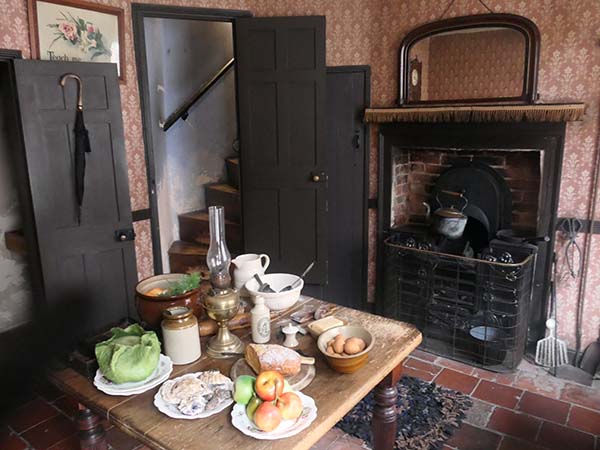
In the courtyard outside, children would have played games together, and it would have been a very communal area.
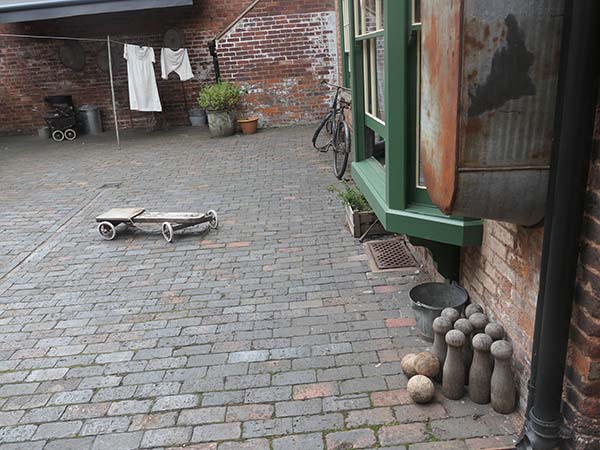
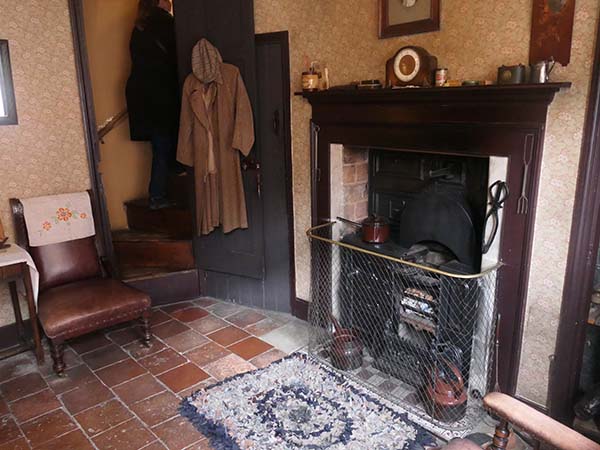
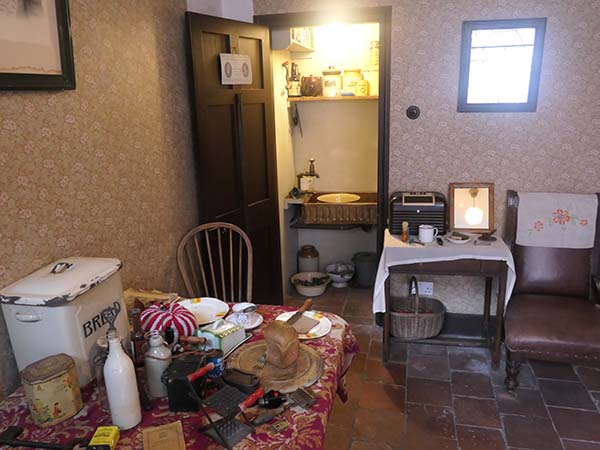
The last house was decorated for the 1930s.
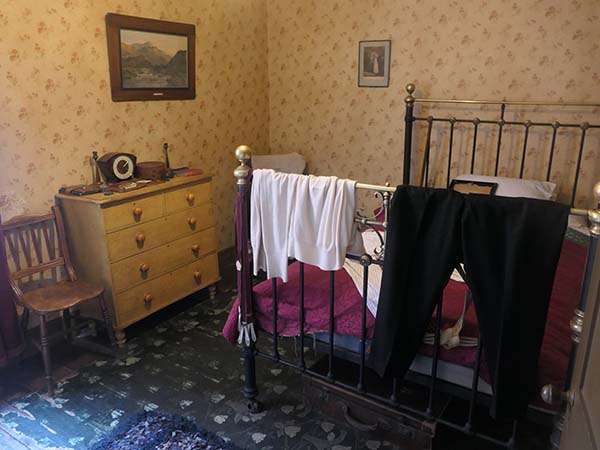
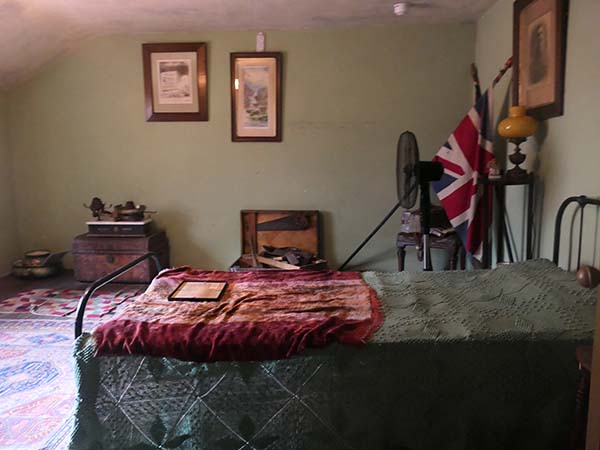
From the top floor, we then went into another door to go into the last of the houses that we would see. This belonged to the Caribbean tailor and contained a lot of his items leftover from patterns to cloth and equipment. Others would have also been working here at the same time.
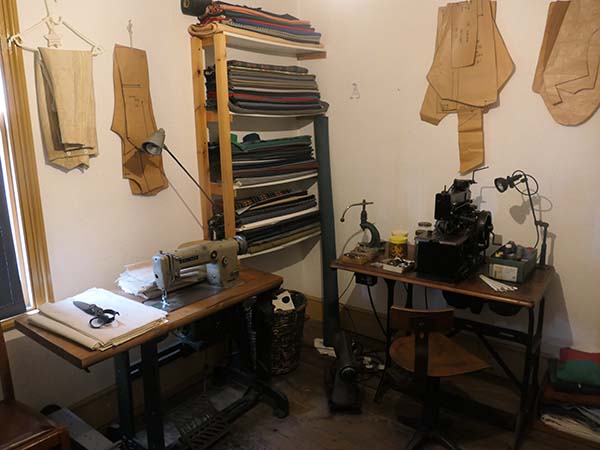
On the ground floor is his shop where he could do measurements.
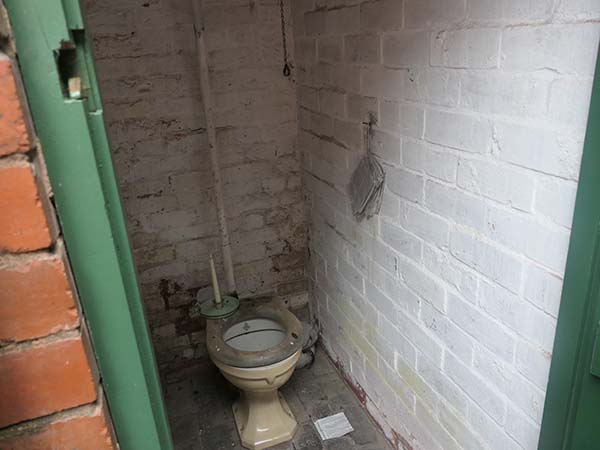
The court contained three outdoor toilet stalls. The first was in a phase before it would have been hooked up to the sewers. It had a pot, and people would have to dump the pot in a huge barrel with ash. The second stall would have been in later years with flushing toilets.
The tour of the back-to-back houses was very interesting, and I recommend it.

Leave a comment