Headstone Manor and Museum is located in the Borough of Harrow in northwest London, and I visited it during a community event day toward the end of August. The manor and the other buildings on site are listed with records dating back to the year 825, and the exhibitions inside detail the local history of Harrow. The manor house dates from the early 1300s and is the only example of a surviving moated manor house in Middlesex. Other two local examples of moated manor houses were the manor house in Ruislip (Manor Farm) and Ickenham, although the one at Ickenham (Pynchester) no longer exists and the moat at Ruislip is largely filled in. Local collections in the museum include items from companies/factories with links to Harrow - Eastman Kodak, Whitefriar's Glass, Hamilton Paint and other local archaeological finds.
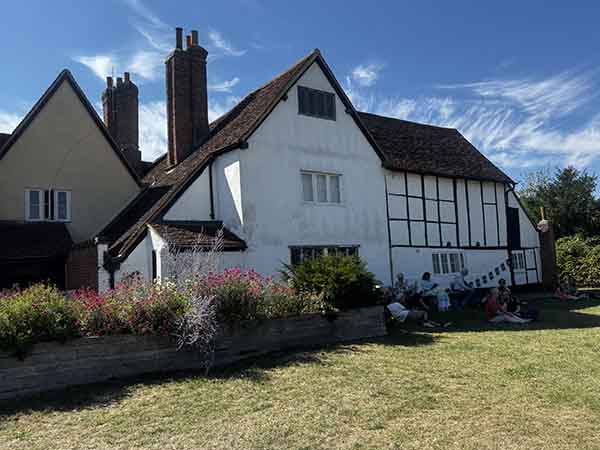
Headstone Manor was the residence of th Archbishop of Canterbury between 1307 and 1546; advisor to Henry VIII Wolsey lived here. It was later confiscated by the king and sold.
I first went into the "small barn". One of the buildings near the manor is the "small barn", and it dates from the 14th century. On the site, Roman artefacts were recovered. There is also a granary building, which was relocated from Pinner in 1989.
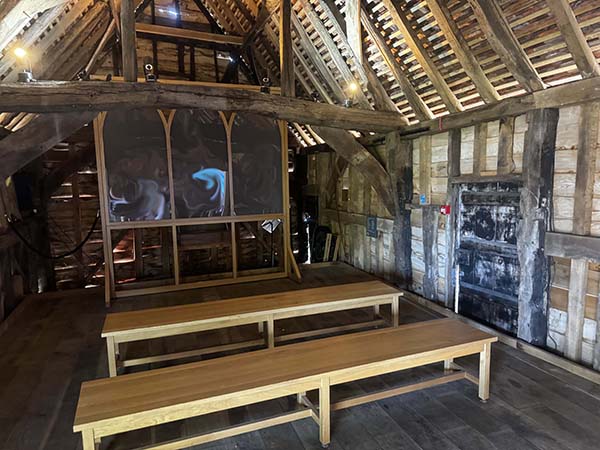
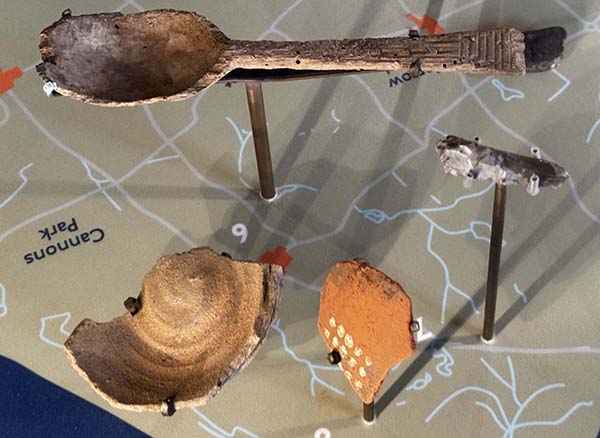
Inside th small barn is information about the stone age, Roman, and Anglo-Saxon history of the Headstone Manor location along with some items discovered.
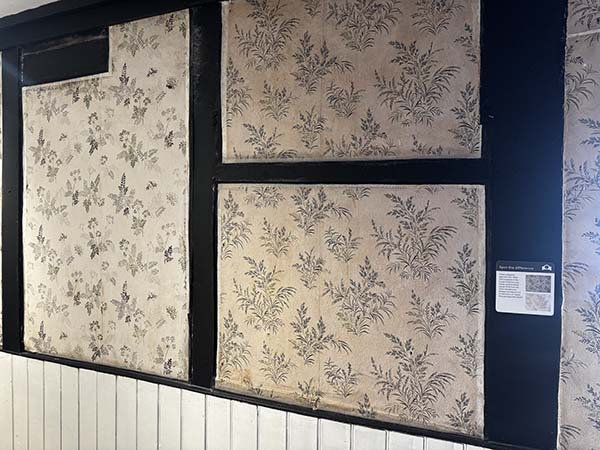
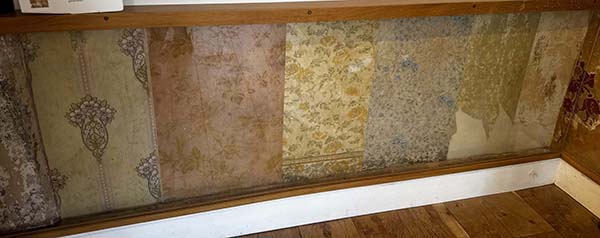
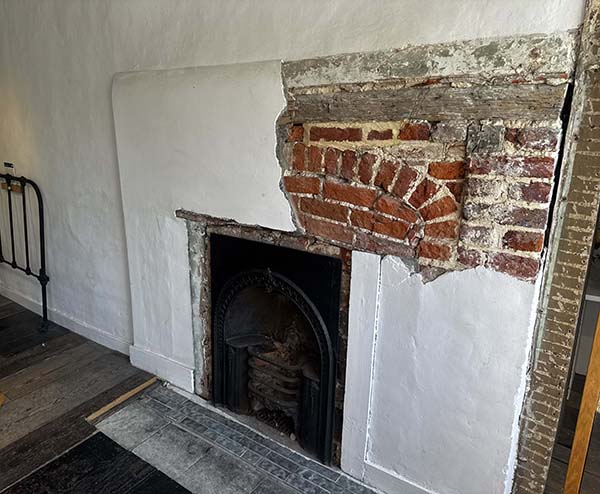
Conservation work was done on the buildings between 2015 and 2017, and several layers of wallpaper were discovered. The oldest wallpaper dated from the 1750s. Some area of the building contain glimpses of the old wallpaper. Conservation work had started in the 1990s, and the Manor House was originally restored in 2005 and opened to the public; there are May Day events held here.
One of the rooms was dedicated to the modern Harrow with people from many different countries calling the borough their home and bringing a rich culture with them.
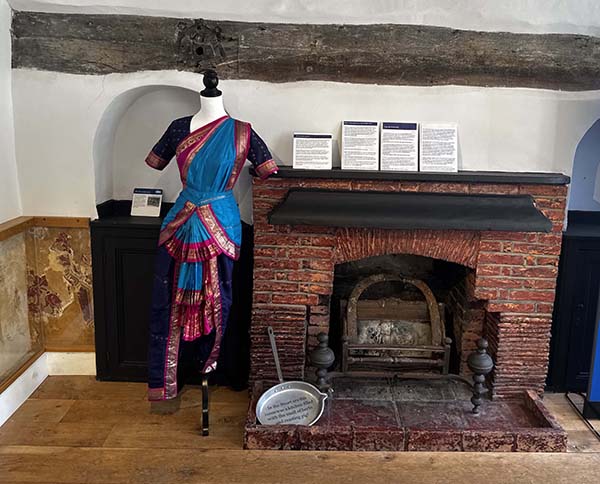
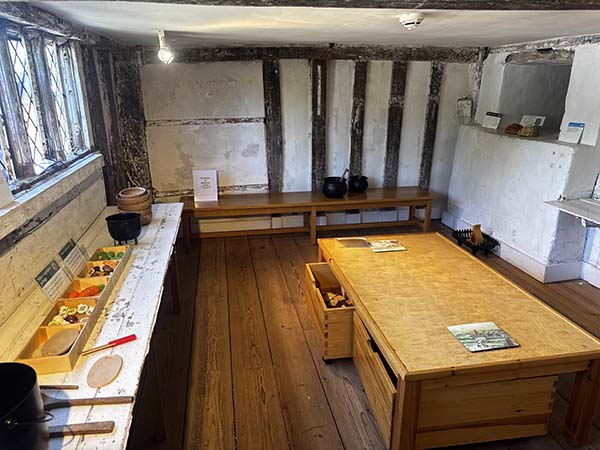
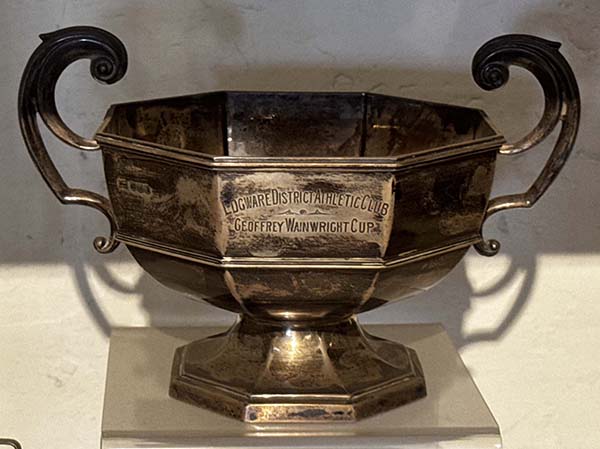
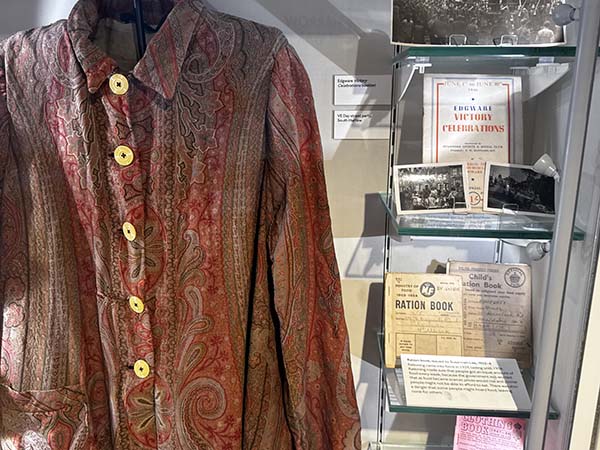
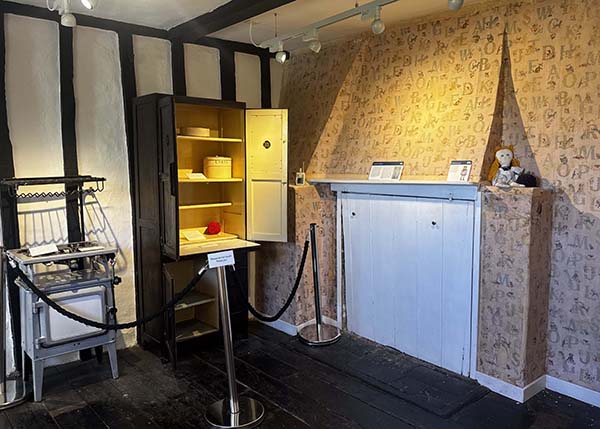
I checked out the kitchen in the manor, which is a not the largest o size. There was information about Harrow during World War. The recreation ground near is home to Headstone football club, and a small selection of trophies are located near.
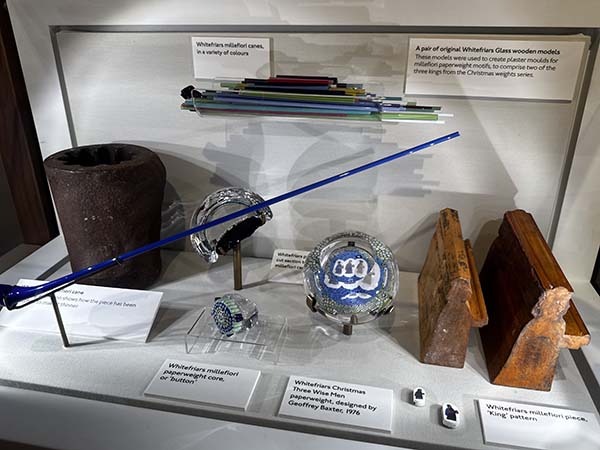
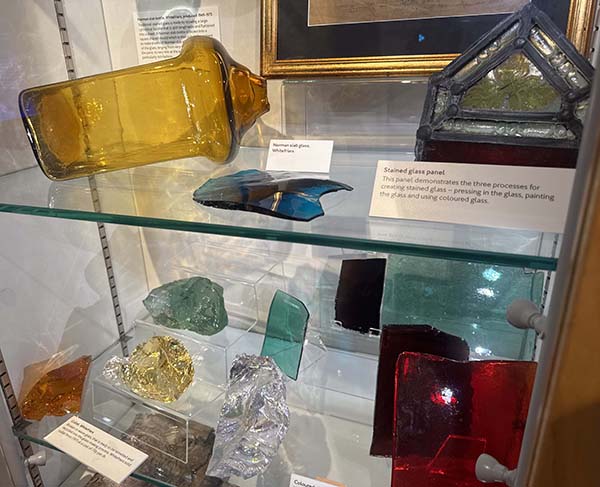
One exhibition in the museum was the Whitefriar's Glass factory. The company was founded in Temple in London in 1680 and close to the Thames so that materials could be easily imported. The glasshouse was purchased from the monastary (where it took its name) in the early 1800s and traded under Jams Powell & Sons in Wealdstone and was the largest glass manufacturer of its time. The name was changed back in 1962, and the company continued to operate until 1980.
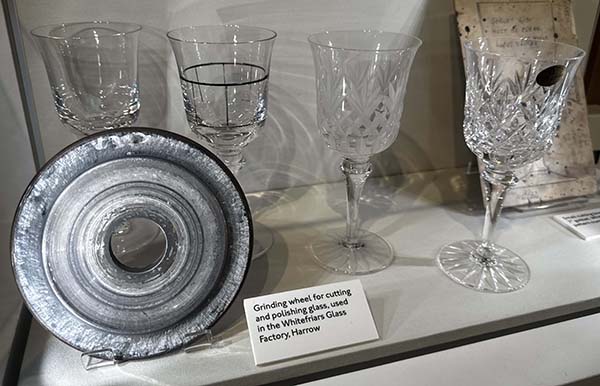
One of the best products created from the Whitefriar's Glass company was cut crystal, which is used in glasses and other items, such as Bath Assembly Room's chandeliers.
Harrow School of Art and the local college histories were also exhibited in the museum with their important contribution in society and in the local community.
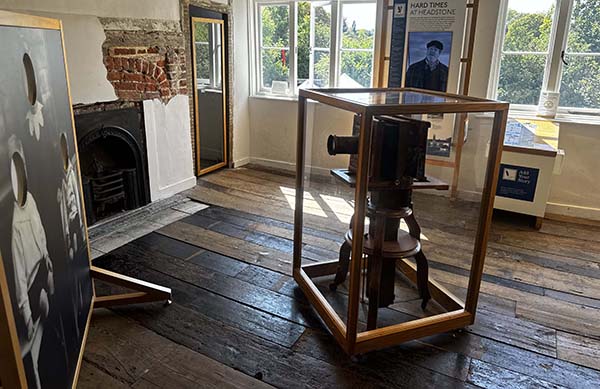
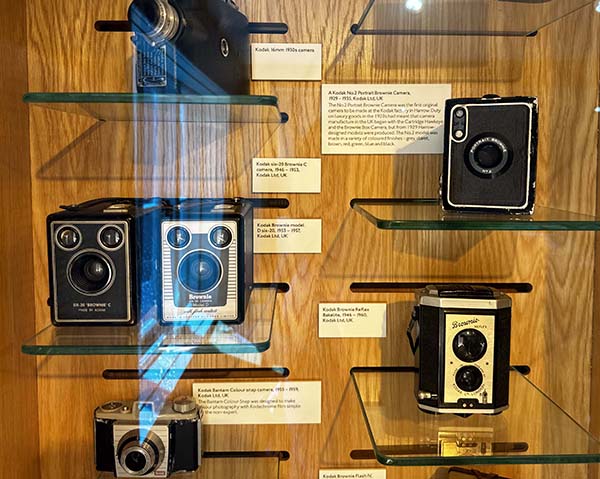
Another room in the museum covered the Kodak company, which employed a lot of people at Harrow. The site ceased to be used by the company in 2013, and there is a new housing development being built on the land. The factory was located just to the east of Headstone Manor.
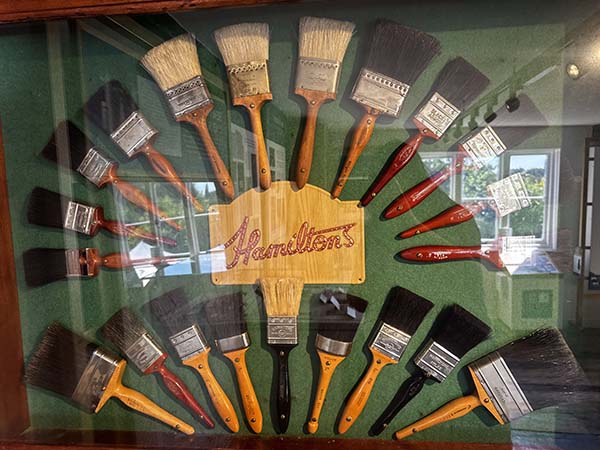
Hamilton's was another company located in Harrow, and there were a large selection of paint brushes on display. The company was founded in Soho in 1811 but forced to move out to Harrow after a fire and regulations. The company produced brushes, which were mainly a German import previously.
Harrow, of course, became a commuter town with the Metropolitan railway. This was one of the first "metro lands" and had many middle class people move to the area for the countryside. Farm land was sold to develop houses.
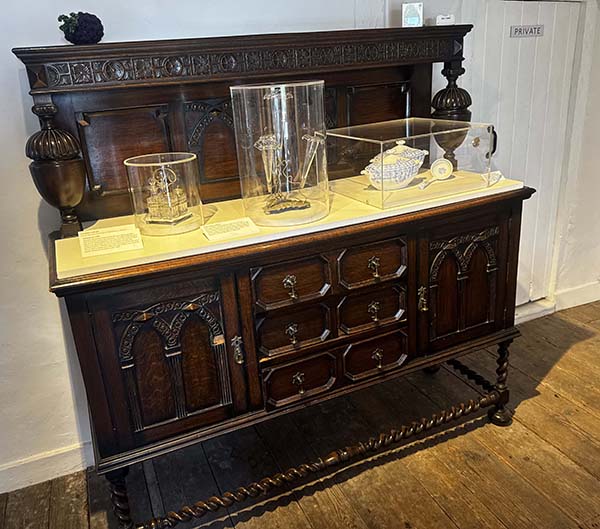
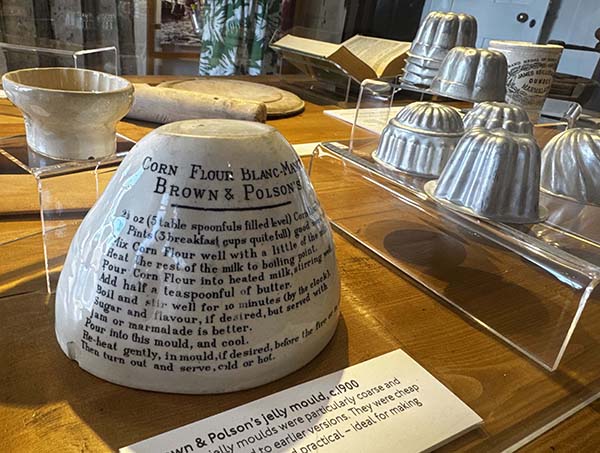
One other local notable person was Isabella Beeton from Hatch End, and she famously wrote on Household Managment and tried recipes, and this became a staple publication for women.
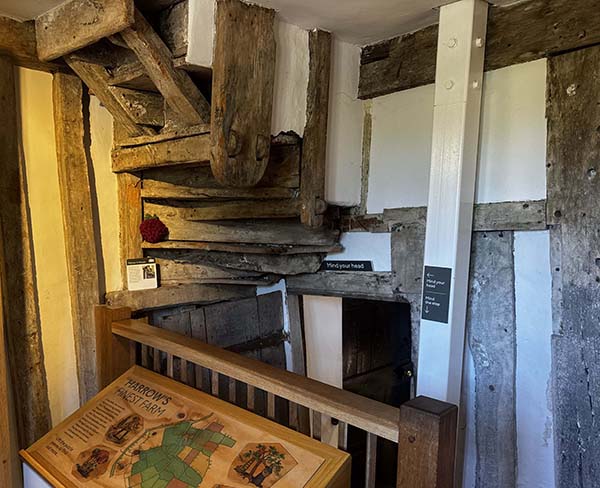
The Great Hall was two storeys tall and would have not changed too much.
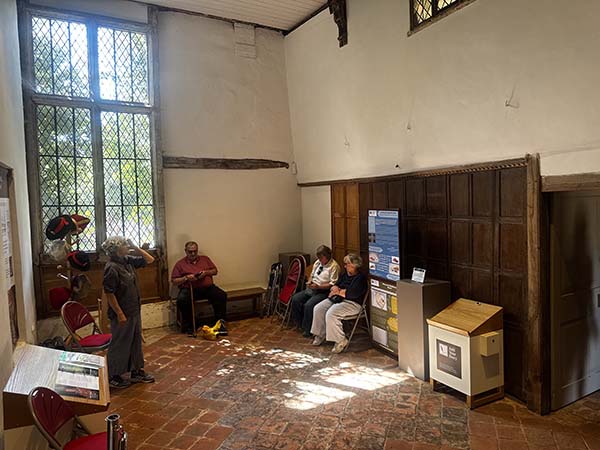
This is the oldest surviving part of the manor house, which was redeveloped several times.
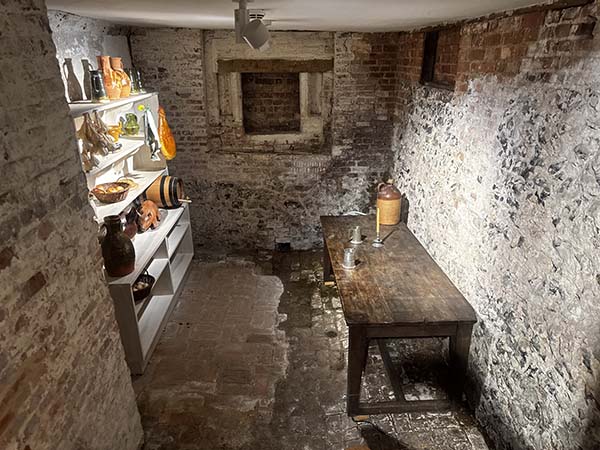
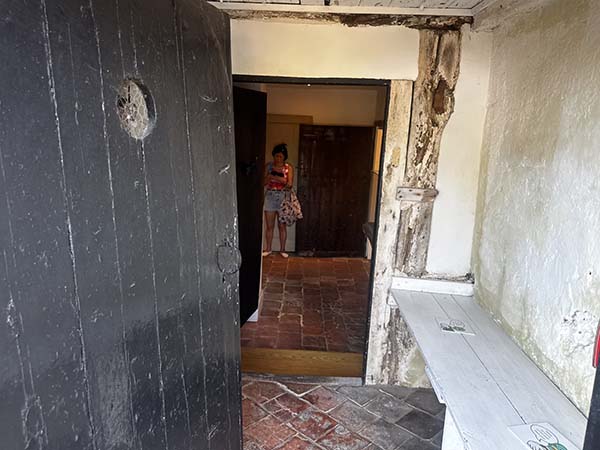
This is the main entrance to the house with a small porch.
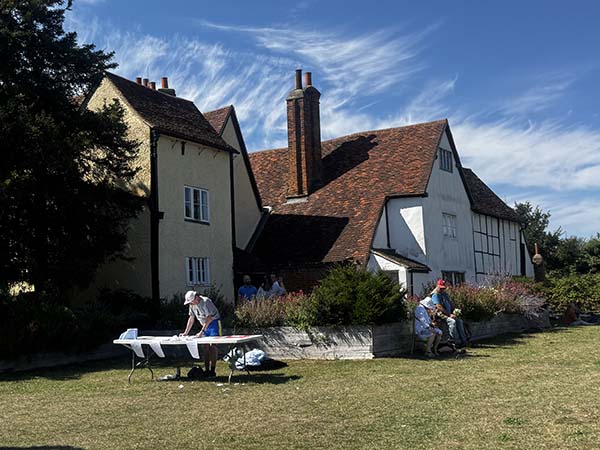
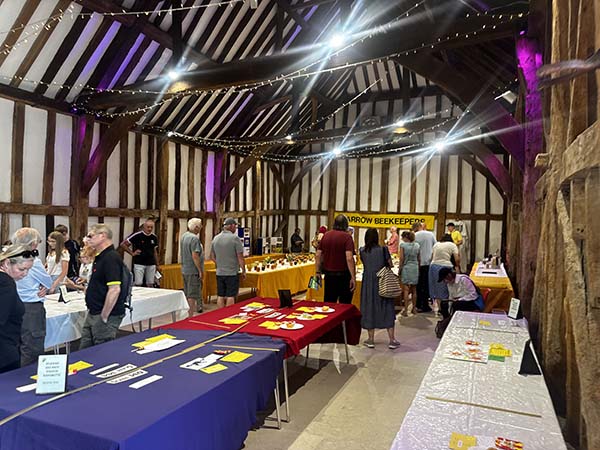
The manor belonged to the Archbishops of Canterbury, and the estate must have been profitable to construct the large great barn. The great barn and other farm buildings were constructed from the early 1500s as the manor was a farm. The great barn today can be used for weddings and other functions.
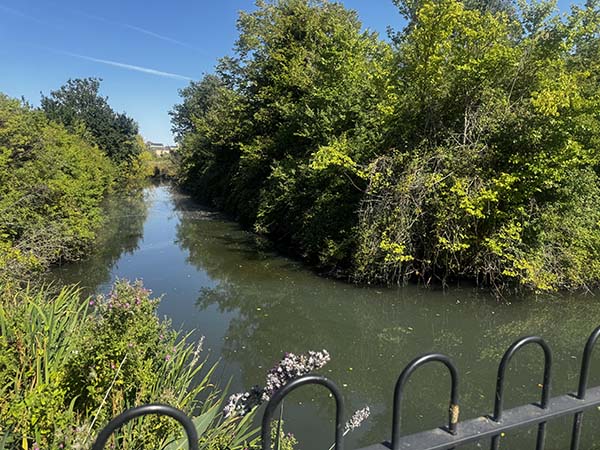
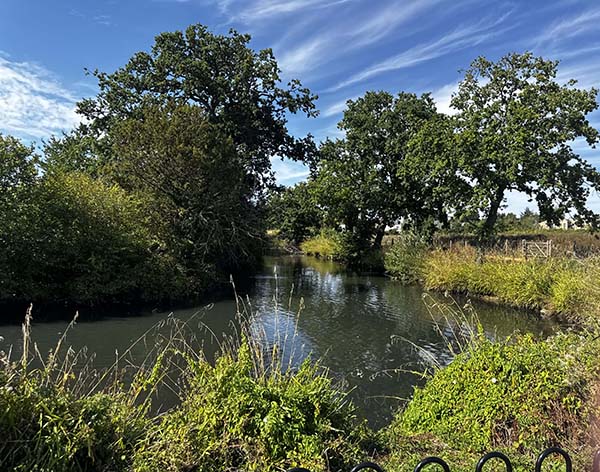
I went to check out the moat, which was popular with ducks. There is also a large cafe on site at Headstone Manor.
Have you ever visited Headstone Manor and Museum?

Leave a comment