On my visit to Poland this month, the former Nazi concentration death camp (Auschwitz-Birkenau) was on my list to visit. This is a dark period in history, but I believe it was an essential place to visit. The former camp functions as a museum and memorial today. The scale of th place is huge, and over a million people lost their lives at this camp. It was the largest one, and it was in use from 1940, a year after Germany invaded Poland. The people who died here were not only Jewish (who made up the largest group) but included Polish, homosexuals, and other groups disliked or considered anti-social by the Nazi party.
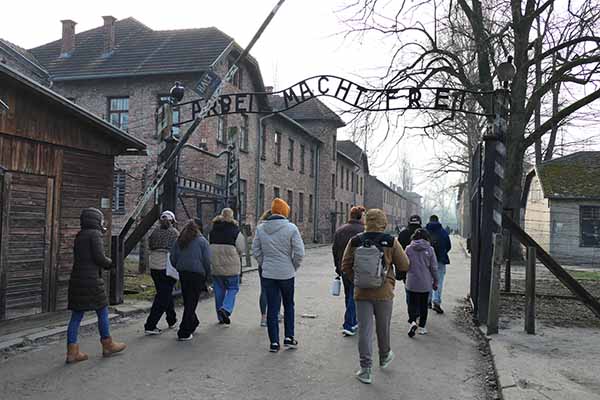
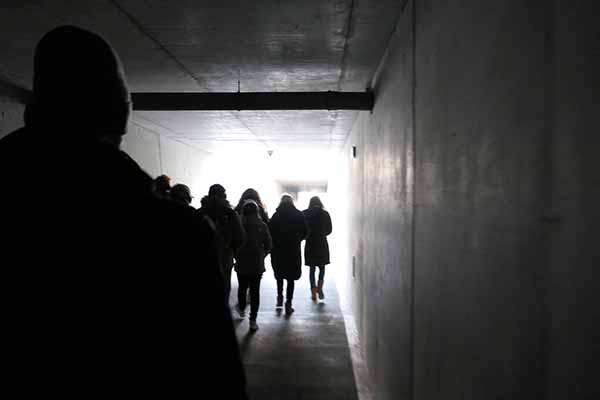
I visited as a tour group, and as we walked through the tunnel into the camp, it felt a harrowing experience with the names of some of those who were murdered being spoken via the speakers.
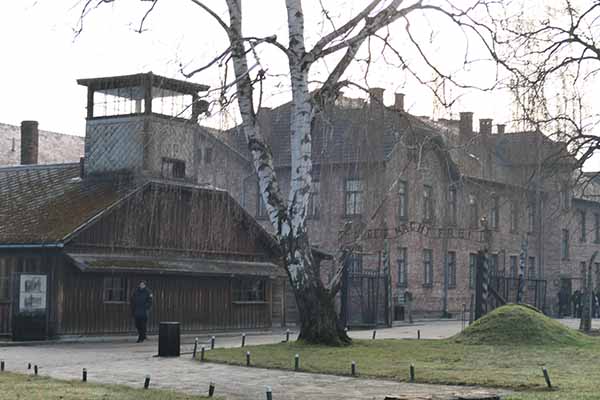
The entrance to the camp translates to "work will set you free".
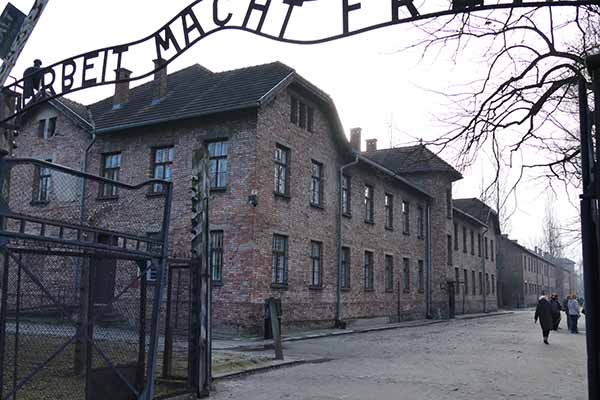
The guide led us through into the different buildings, which were set up as museums detailing the conditions, punishments, and life in the camp for those unfortunate to be put inside. People were not treated as people in the camp, and they were punished and murdered and had experiments done on them. Daily, they had to roll call everyone's name. If someone was missing, everyone got into trouble. Collectively, many gave up and prevented others from enforcing punishments on the whole. Death was so common that people did not grieve nor react.
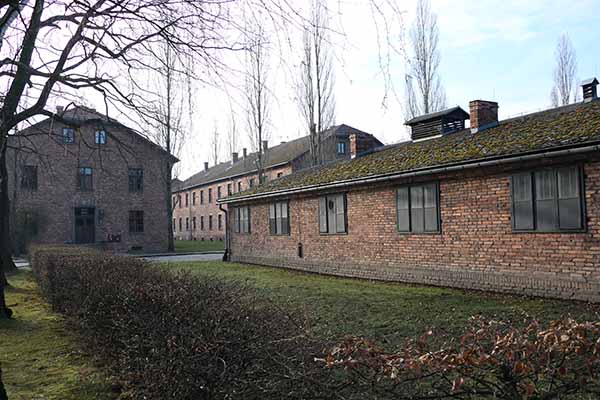
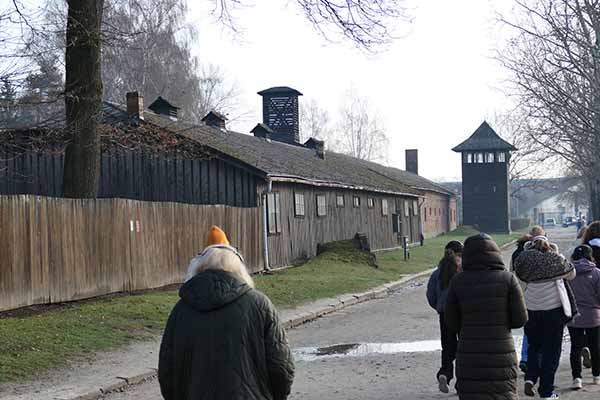
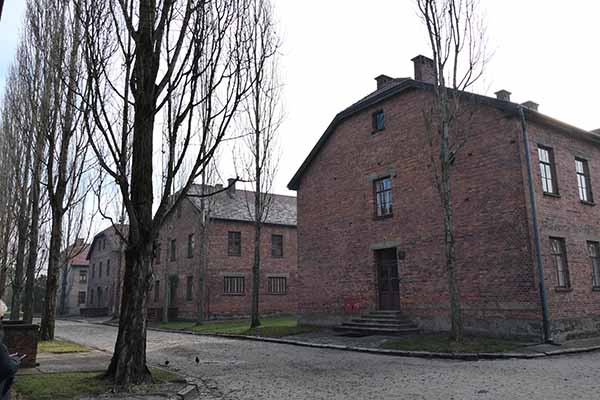
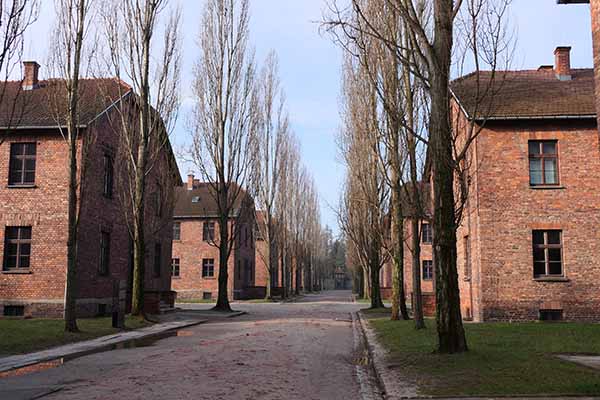
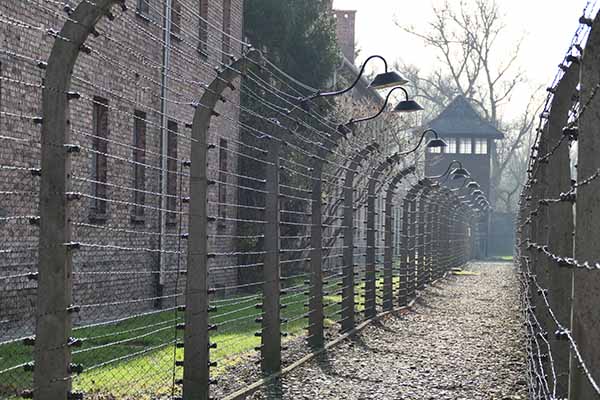
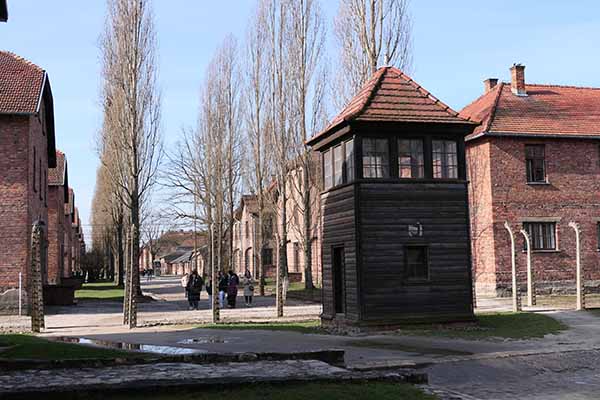
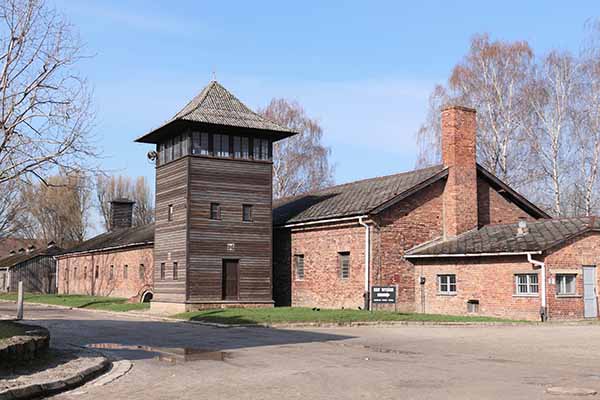
The Nazis used chaos and threat to control. Auschwitz I is the name given to the part of the camp that was older and comprised of brick buildings. This was originally constructed as a fort before the Nazi invasion but used to house and punish prisoners who were kept alive. After arrival at the camp, many people were sent straight to gas chambers to be murdered. These included people unable to work, children, and pregnant women. Those who could work were also murdered through overwork.
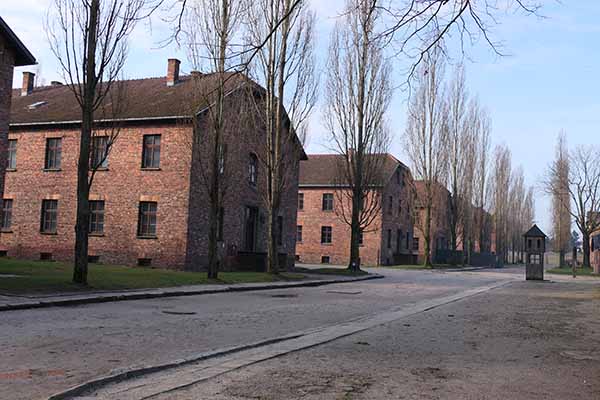
The fort, named Auschwitz, was a Polish community. The Polish that lived here were expelled so that the tortures of the death camp could remain hidden, although some people did know what was happening and were able to smuggle photography equipment in to capture some of the horrors.
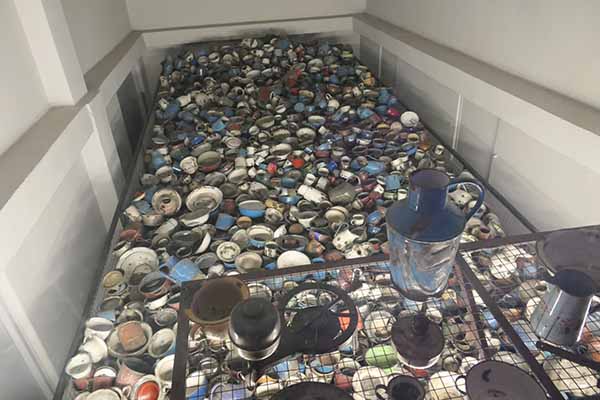
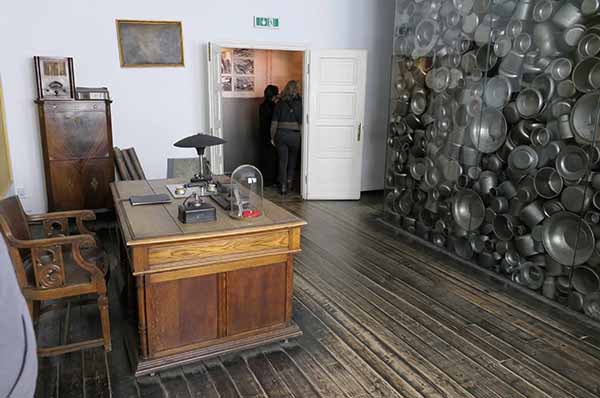
One of the rooms held human hair that was cut from the prisoners. The hair was also sold into Europe to make textile. A lot of th hair remained. The Jewish and other people who were forced here had brought their belongings, and the Nazi party stole the items and sold it or had it melted down. They could only carry a few items with them. Below is a room filled with dishes.
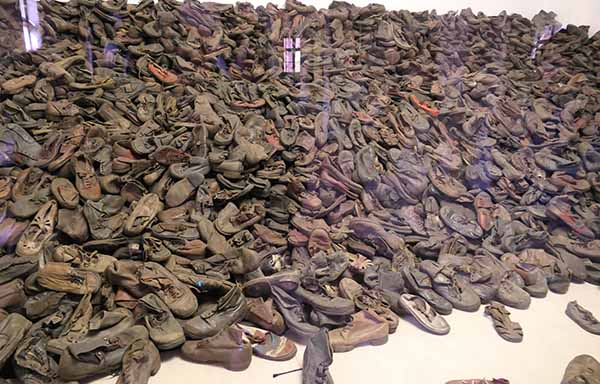
Shoes from the victims covers several rooms. Seeing the shoes from men, women, and children who were the victims was sad. There were thousands of shoes, and this photograph shows only a small segment.
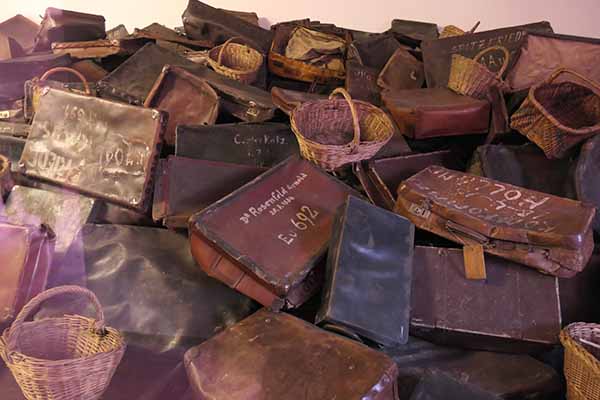
There was another large area with luggage. Some of the luggage contains names.
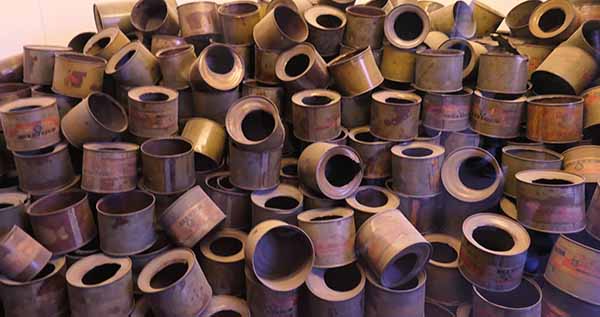
We were also shown a lot of cans (Zyklon B). These were opened and contained poison, which was used to suffocate the prisoners in the gas chambers.
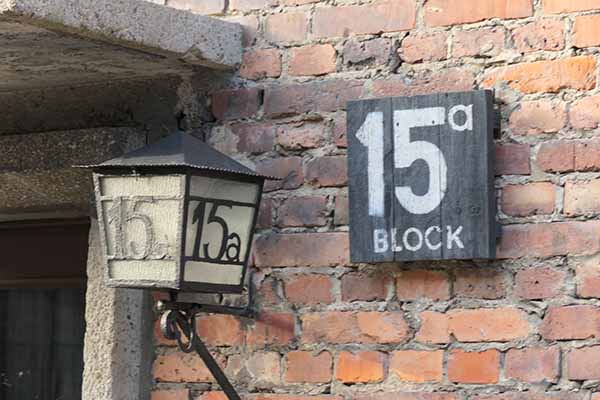
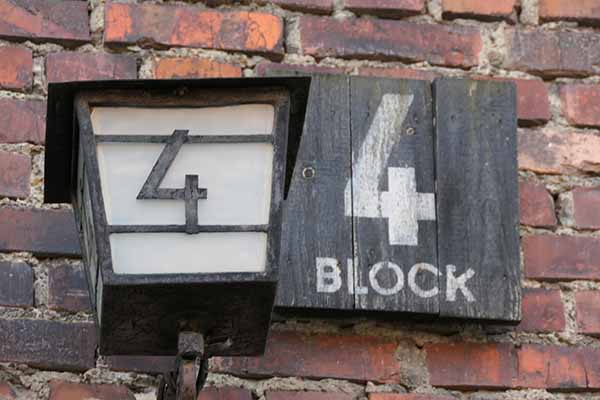
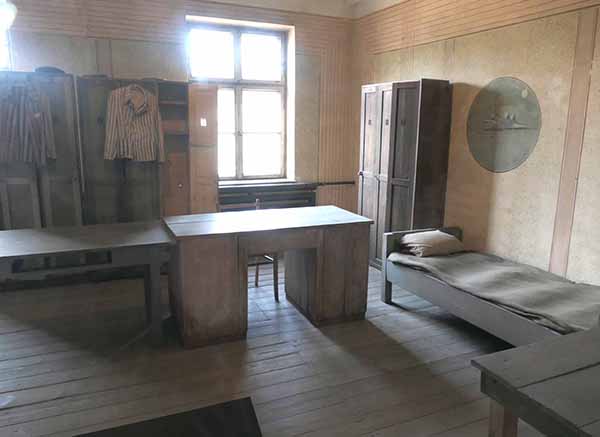
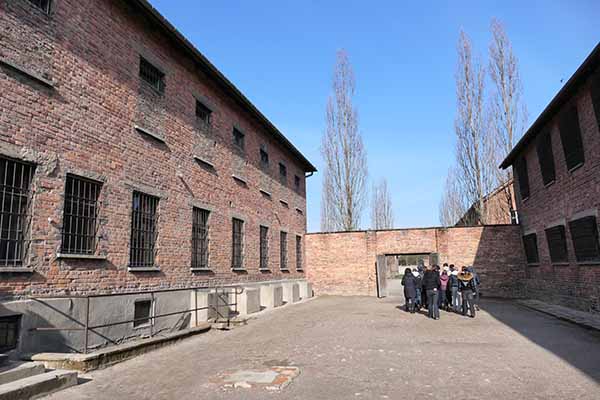
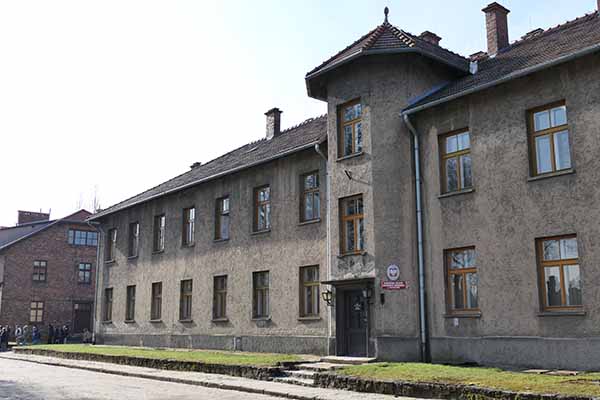
One of the blocks was for the death doctor Carl Clauberg. He did horrible experiments on people. In Block 10-11, accommodation was here for some of the resistance prisoners and also a courtroom. The prisoners were always found guilty and punished and killed in the courtyard outside. There were cells in the basement of the building.
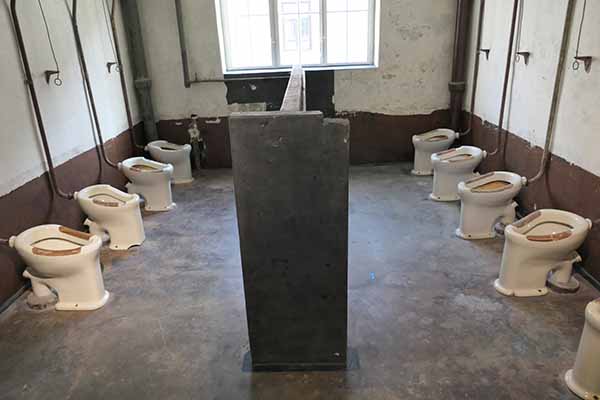
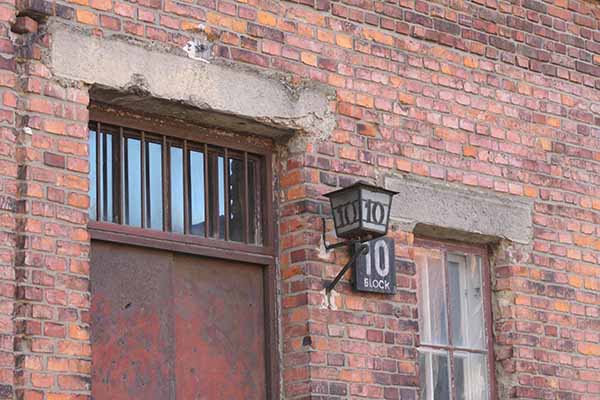
People were housed here before death.
Below is the courtyard where many were shot.
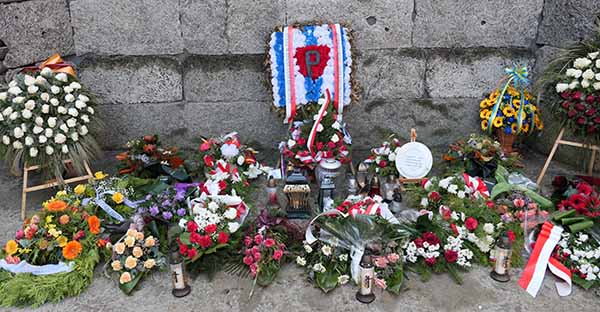
A memorial remains in the courtyard.
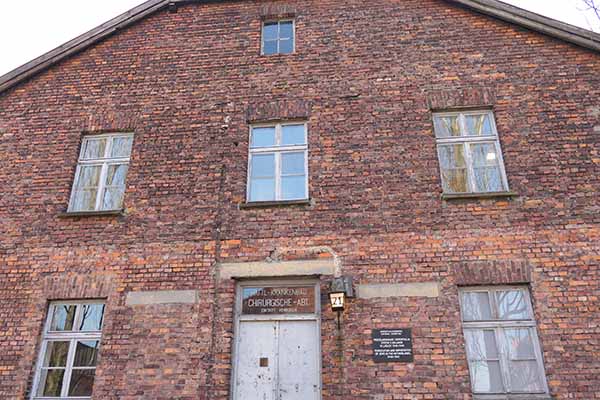
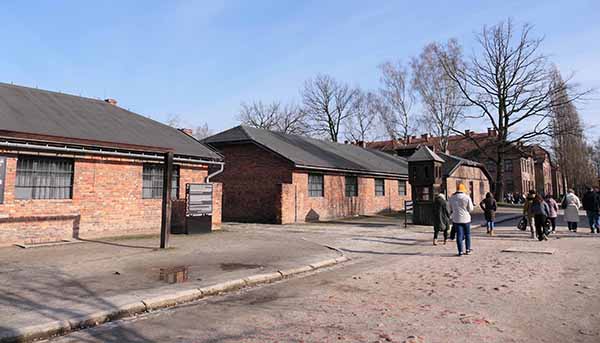
The place where they did the daily roll calls is photographed above.
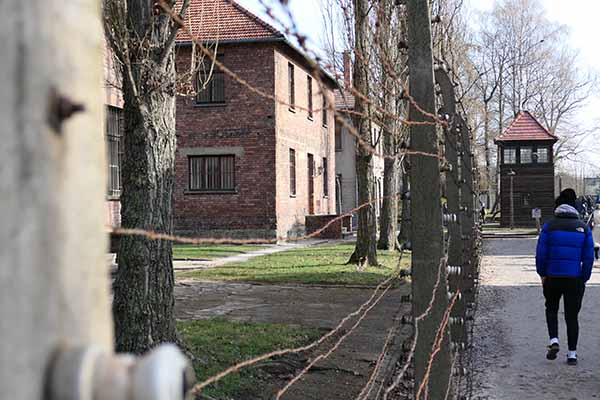
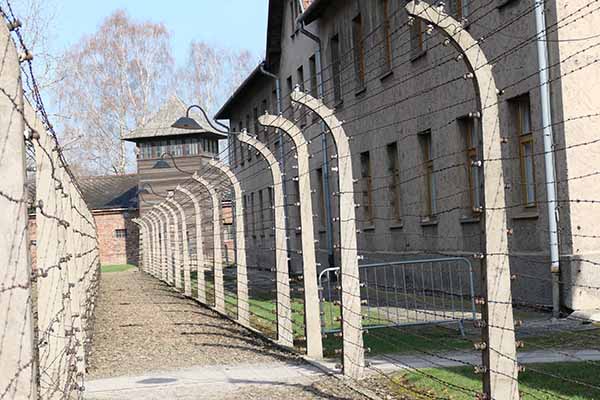
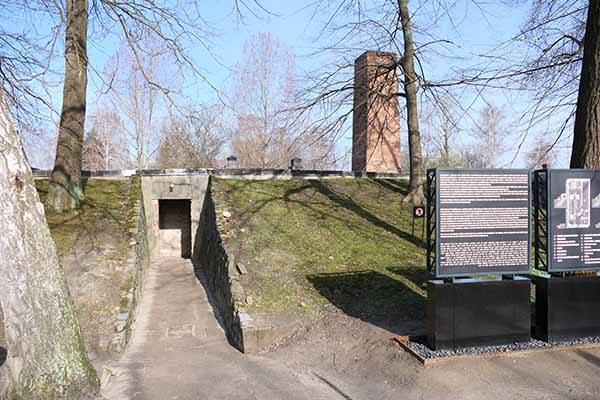
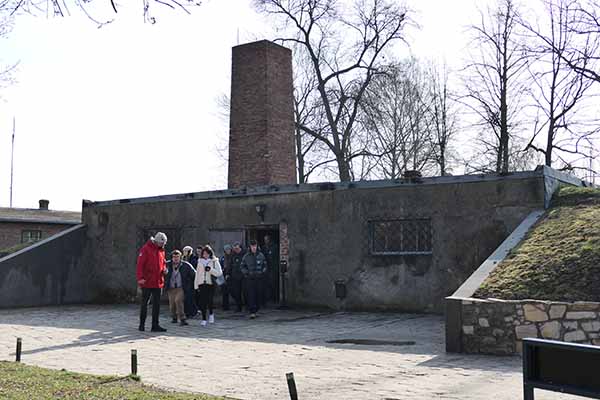
On the outside area, we walked to one of the gas chambers.
Below is the gas chamber entrance (maybe an exit).
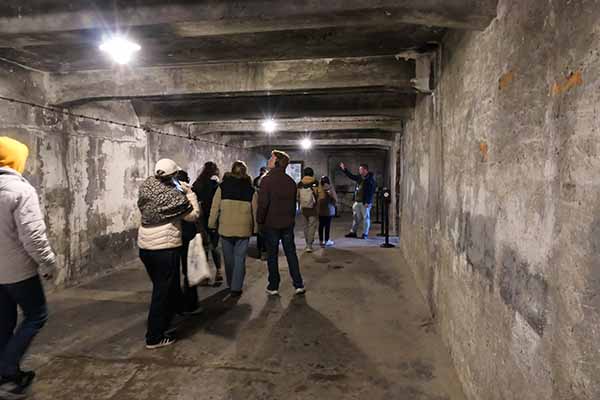
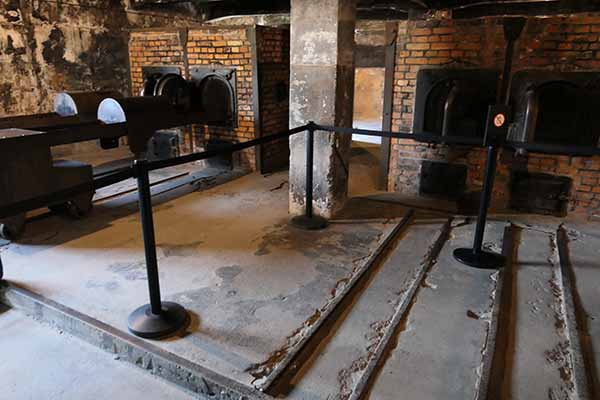
The gas chamber was where many died.
On one part of the gas chamber, the furnaces were used to cremate bodies.
The exterior of the gas chamber is shown below.
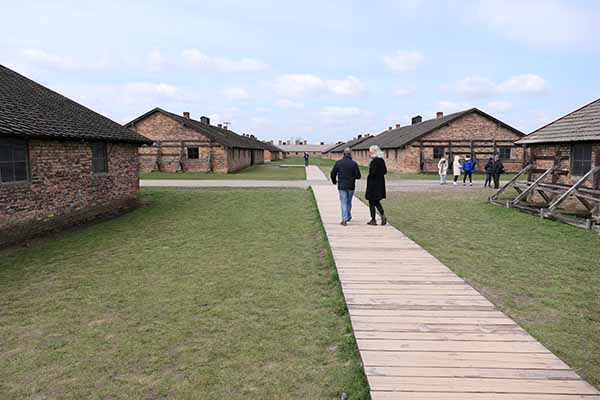
After the visit, we had a short bus trip to the other part of the camp. This included make-shift wooden buildings that were only made to be temporary. Many of them no longer exist.
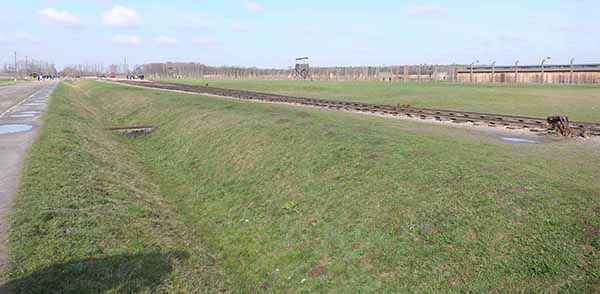
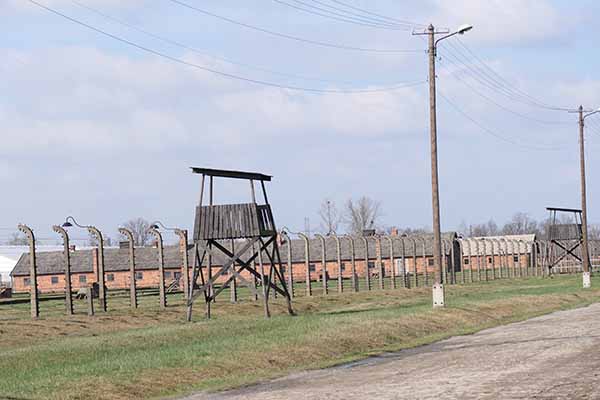
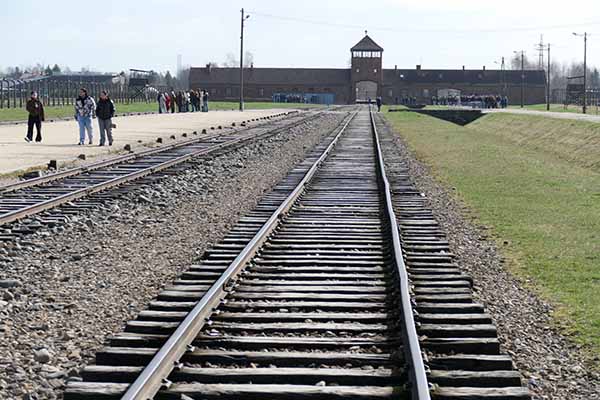
The railway went straight into the camp.
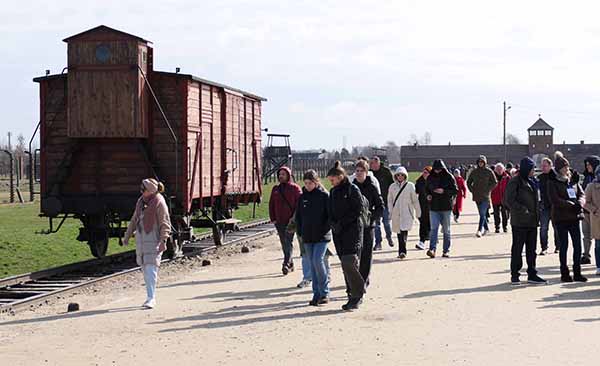
The train carriage below, which was used for animals, was used to transport many people.
Today, there is a memorial at one end of this camp.
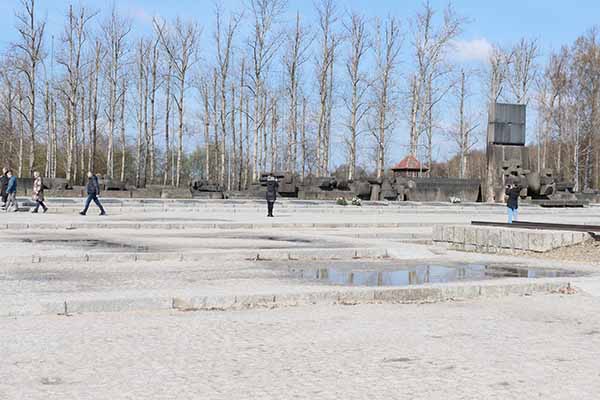
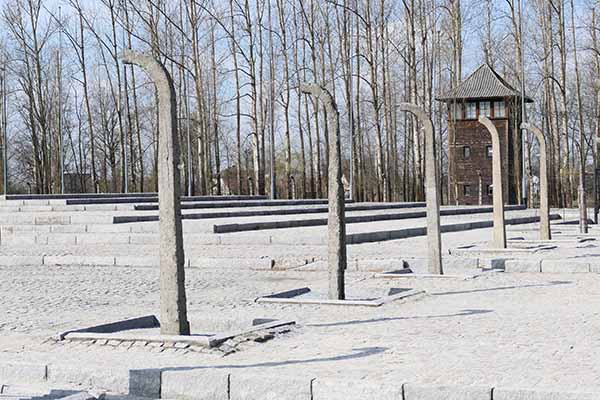
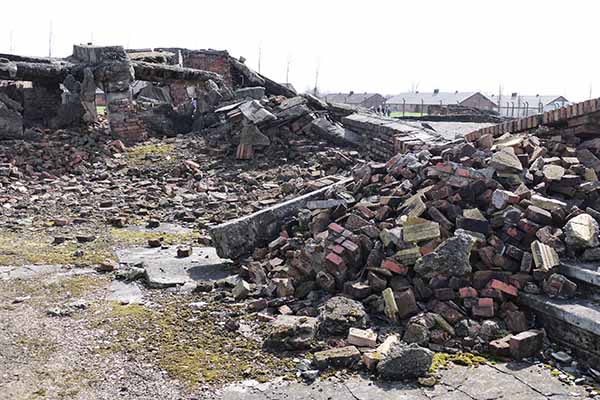
The Nazis knew their tim was up, so they tried to destroy evidence of their crimes by burning and demolishing some of the buildings, such as the building below. This was one of the gas chambers.
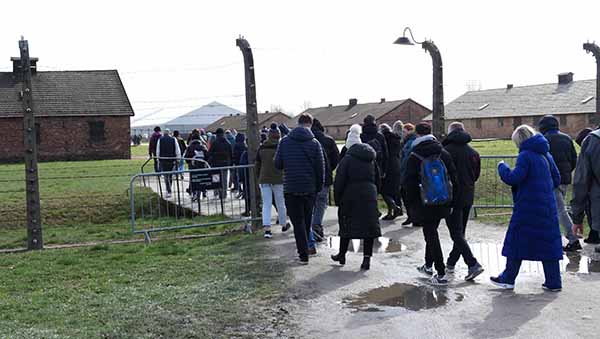
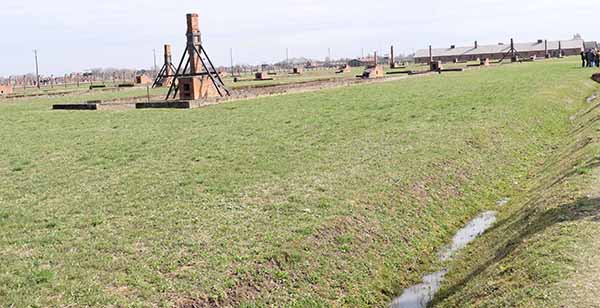
Many of the buildings did not last time, but you can see where the chimneys and foundations were.
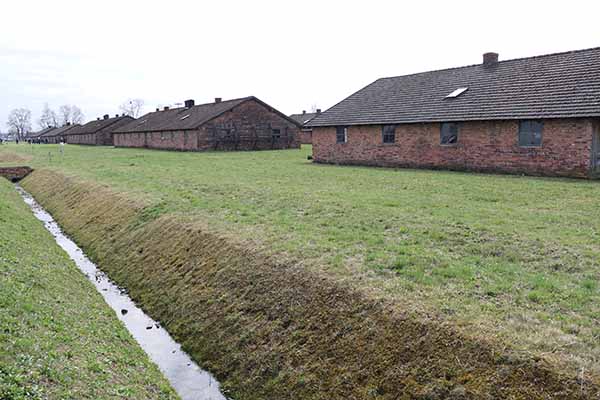
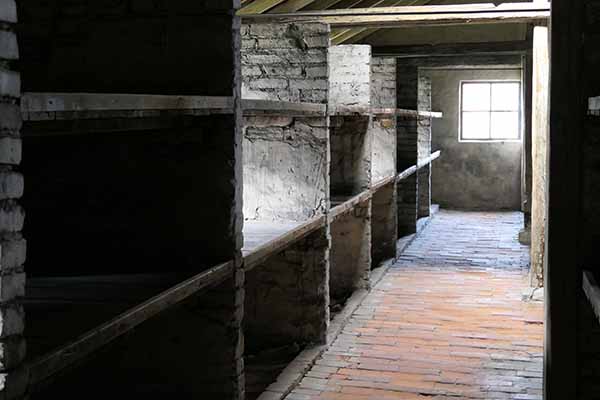
We went inside one of the buildings and saw the places where there were beds. I cannot remember how many prisoners would have been in one building, but at least ten would share a bed. The bottom beds were the worst as they were on the ground. There were only two small furnaces, and they were not given coal. There was no insulation of the walls nor roof. This would have been unbearable in the winter.
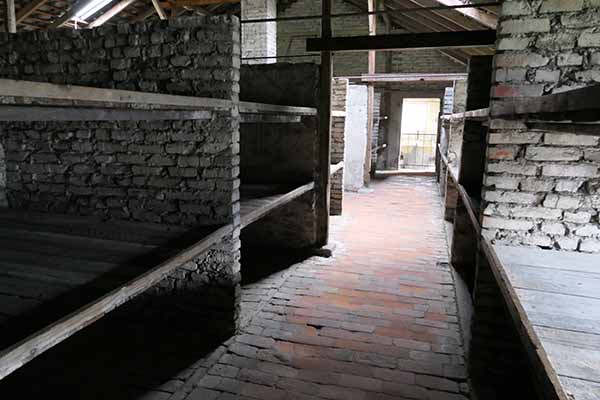
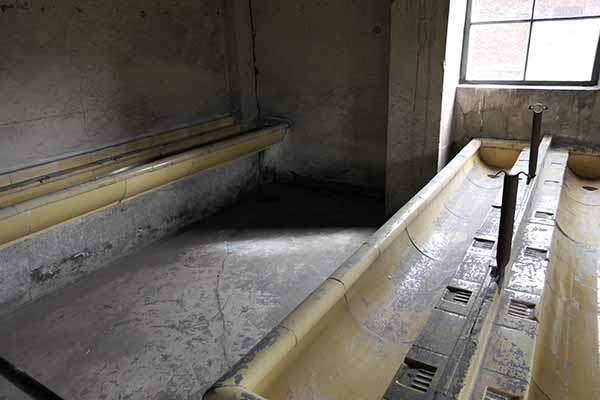
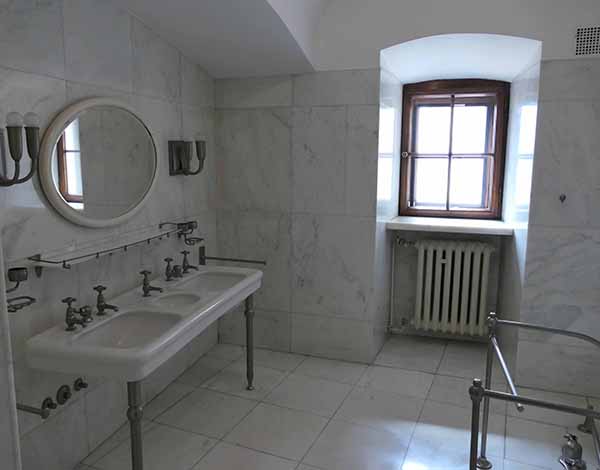
Each building had toilets and wash facilities.
The tour was informative, and seeing where the crimes happened and the scale of it was depressing. However, I believe that everyone should visit this place and understand what happened here.





















Recent Comments