A one time, the City of London was a walled city with narrow streets and gatehouses. It was the influential city on the edge of the Roman Empire, and the wall around the city protected it from the hostile people outside. I've had on my London bucket list to walk the route of the old wall for awhile, and I finally got to do this on a hot May day. The Museum of London had created signs for different points along the route of the wall, but very few of these exist today.
I followed a couple of online guides for the route of the London wall.
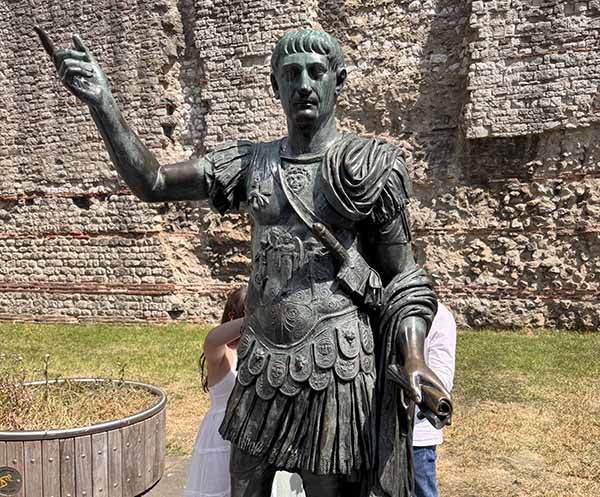
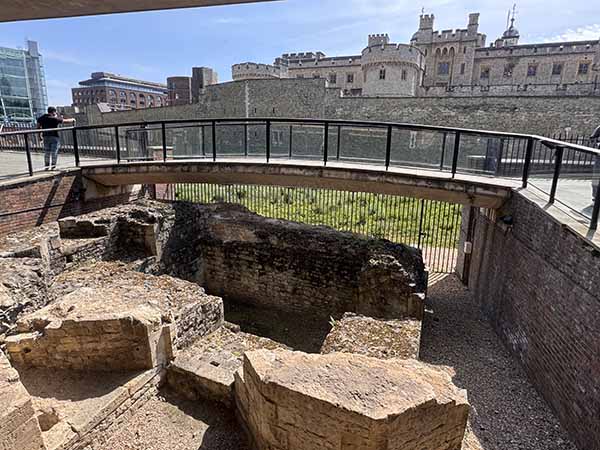
The starting point is (of course) the Tower of London. This was the castle. Outside near Tower Hill is the Postern Gate ruins. This talks about how some parts of the wall can be seen as they were buried or incorporated into other buildings, but the majority were demolished for wider roads and infrastructure in the 17th century.
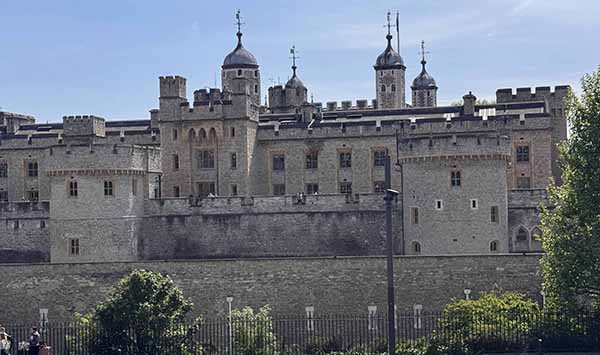
Below is the postern gate, and at the bottom of Tower Hill (where the tube station now lies) is a Roman statue. There were a lot of people on treature hunt tours looking at the statue of the Roman soldier.
Behind the statue is a large section of wall, pictured below.
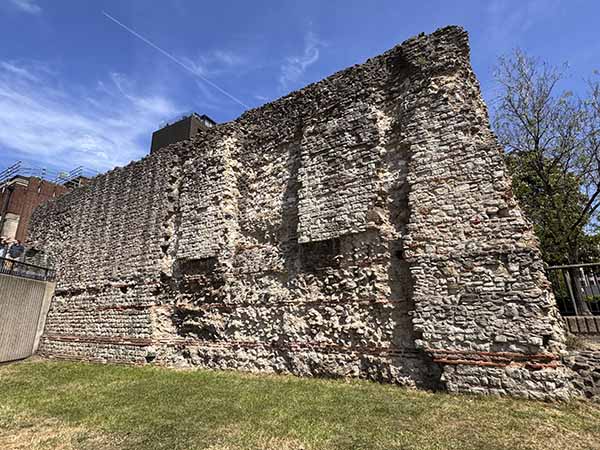
The next stop was through a hotel's grounds, and this section is now Cooper's Row. The wall is 35 feet high here, and there are windows which would have provided a look-out.
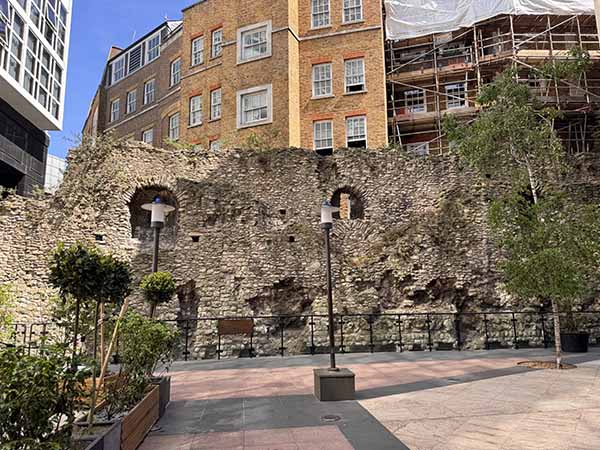
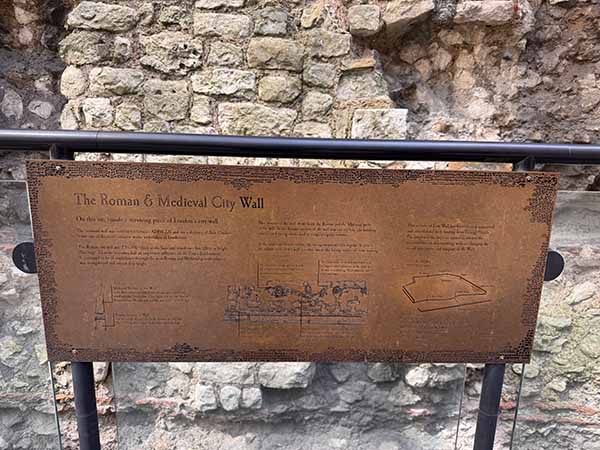
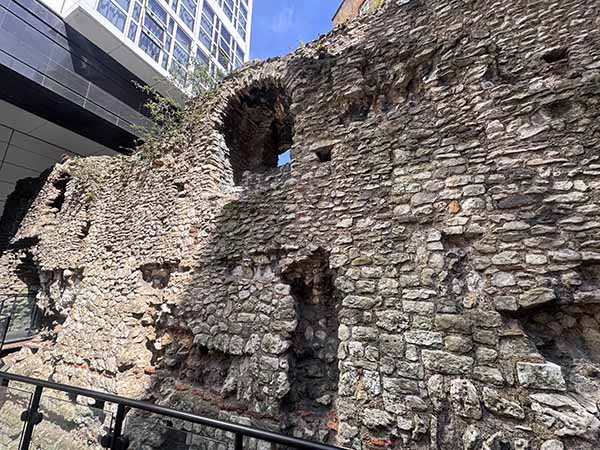
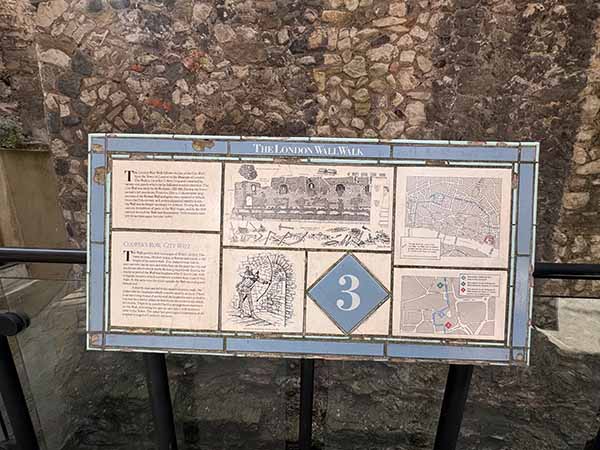
The next stop was Lime Street, which isn't really recorded in the map I used. This is a museum now because a large section of the old London wall is located under the ground and accessible through the office building here on Lime Street.
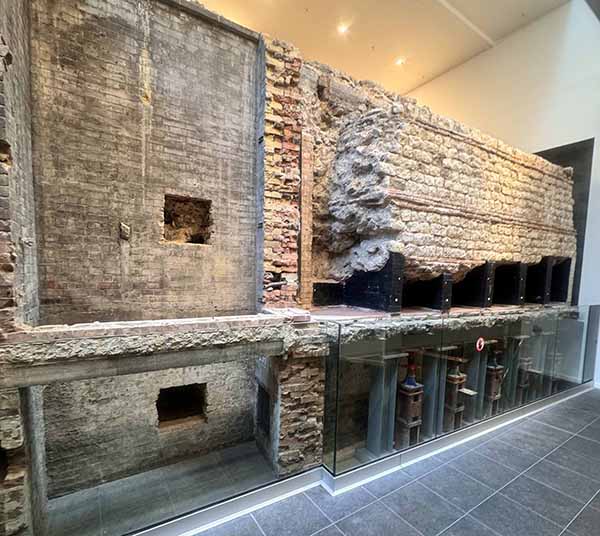
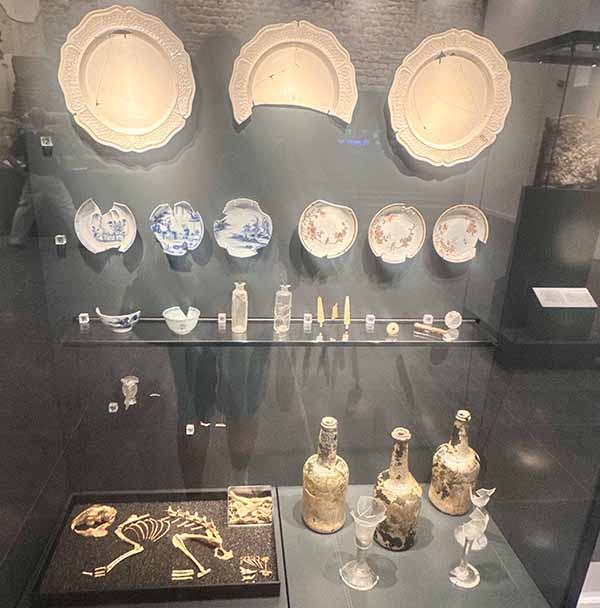
Inside are many artefacts and information panels about life in Roman London and other periods in the city's history. Houses and shops had used the old London wall for their buildings, and some of the items discovered related to those families. This was an interesting museum and one of the best sections to visit to understand the history of the wall through the centuries.
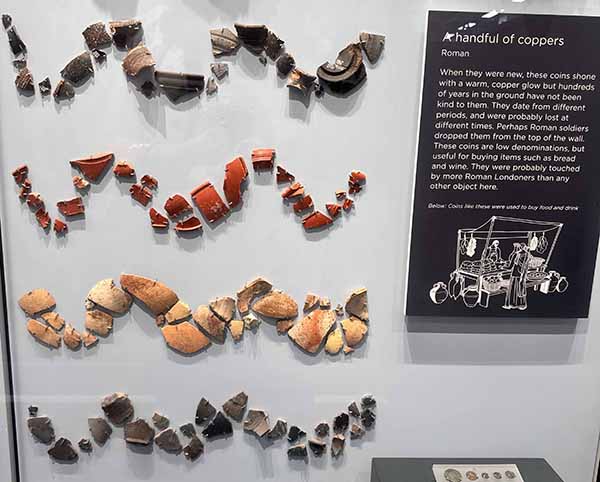
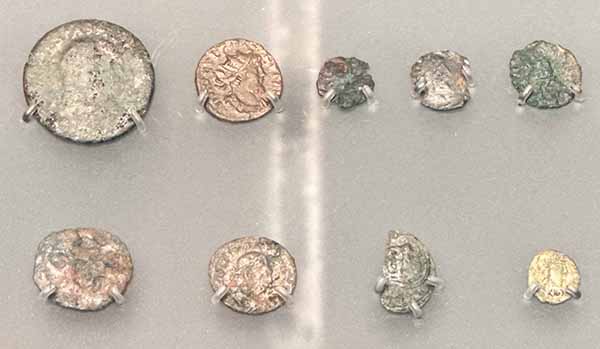
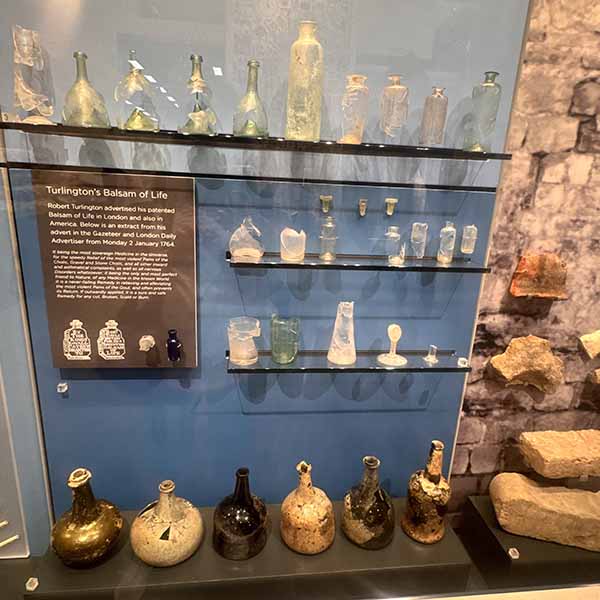
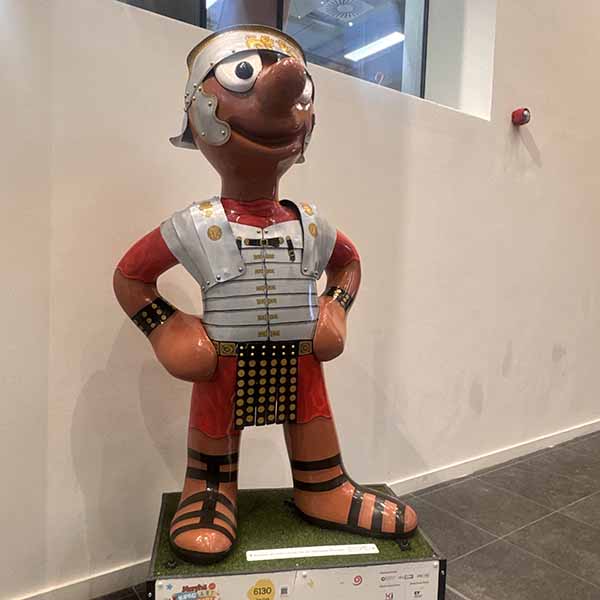
The Morph Roman soldier sculpture that I photographed in 2023 is now housed here.
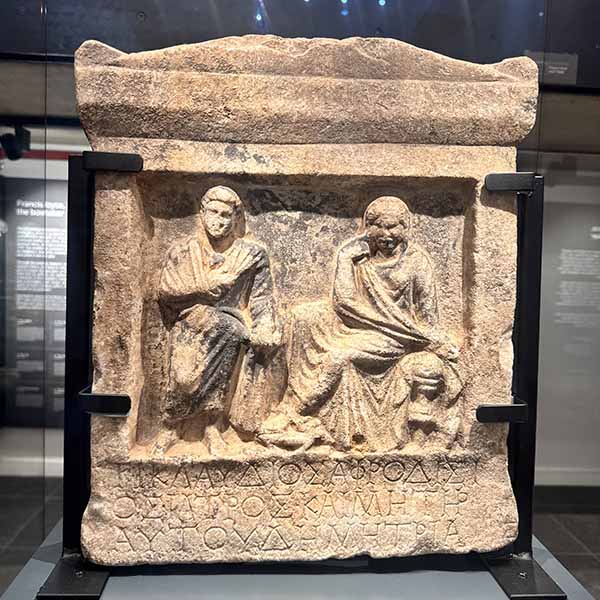
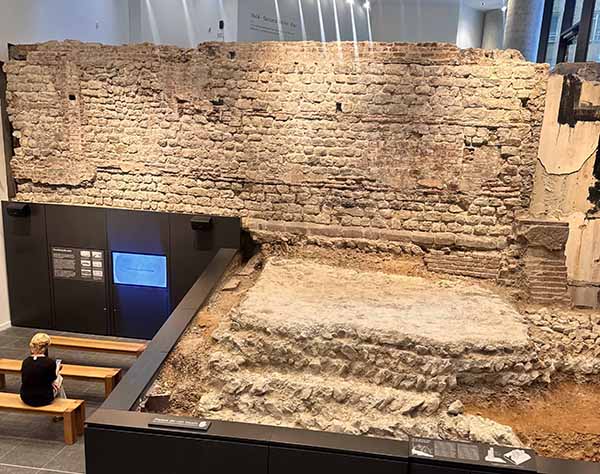
The entrance to this little museum at Lime Street can be visited during daytime hours and contains one of the original information plaques outside.
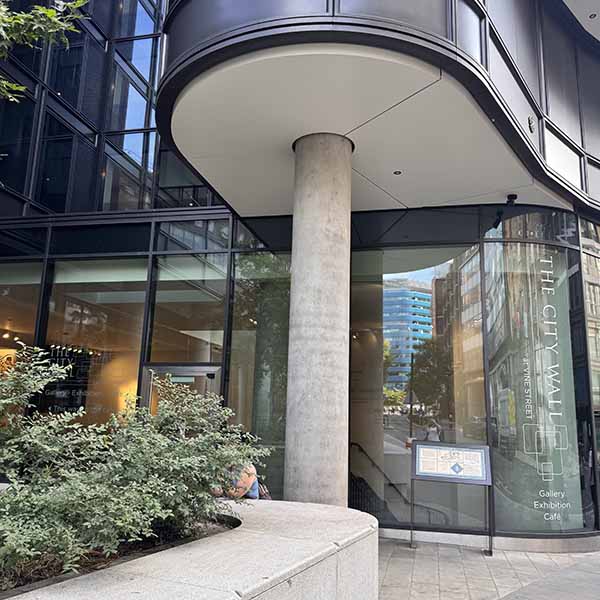
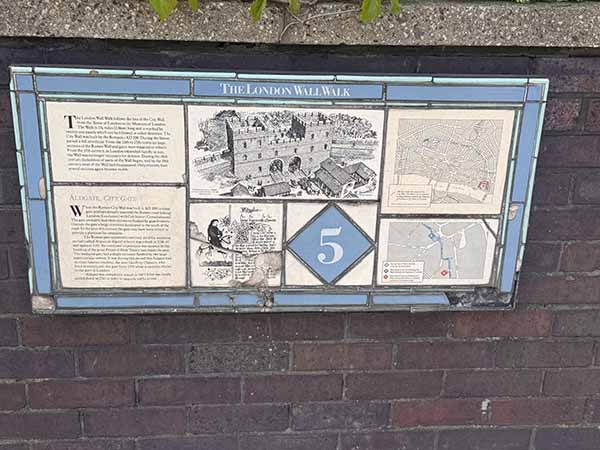
I continued to Aldgate next. There was meant to be a visible section of wall here and was meant to be on display when they finished renovating the grounds at Aldgate, but it appears that they have hidden the wall. Only the plaque remains as well as a sign depicting what the famous large gate would have looked like here.
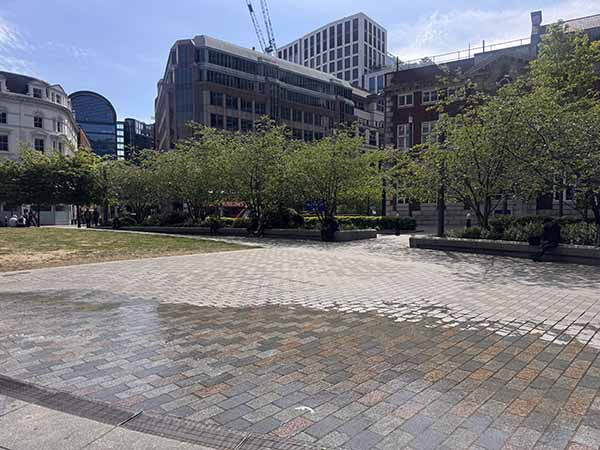
The large square would have been the location of this gate, which was one of the entrances into the old city. "Aldgate" means "old gate".
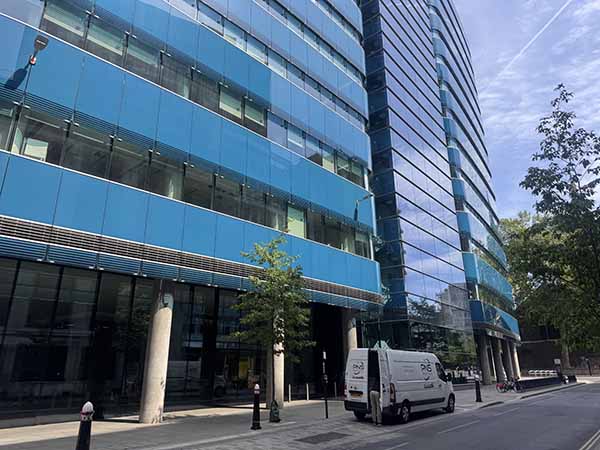
I continued down Houndsditch, which was where the old wall ran parallel (at Bevis Marks). The street got its name as trash and carcasses of deceased dogs were thrown over the wall into the ditch here. There was previously a section of old wall here, but it can no longer be seen since the subway was closed. It was actually once outside the old wall with Spitalfields and the Roman cemetary beyond. The dead were always buried outside city walls.
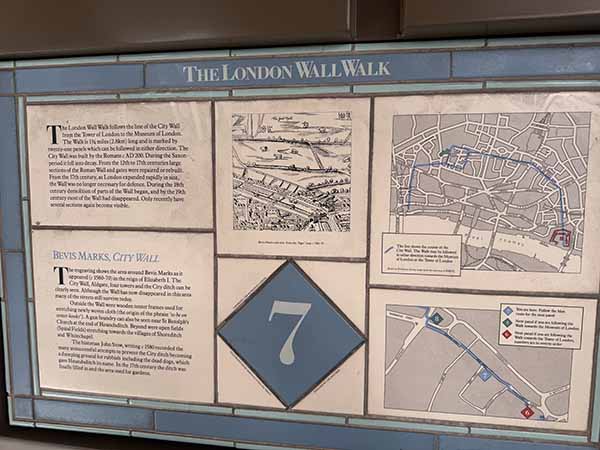
Next up is a sign near Bevis Marks Synagogue where there was a section of the wall, but the old wall doesn't exist except in footprint of the street.
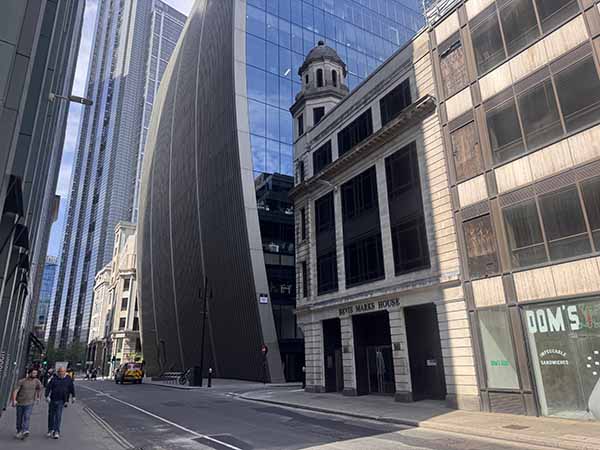
Below is another picture where the wall used to run, but it is now modern buildings.
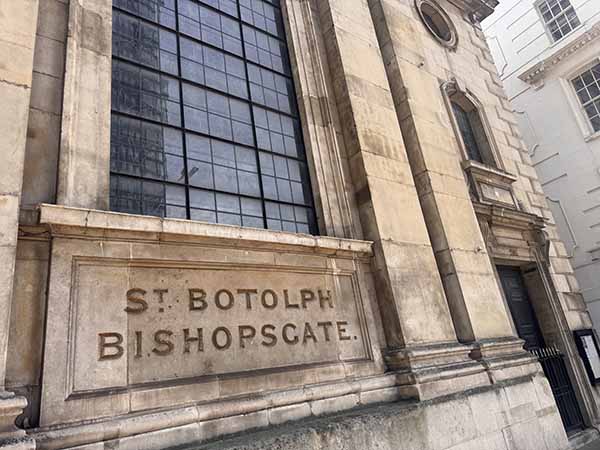
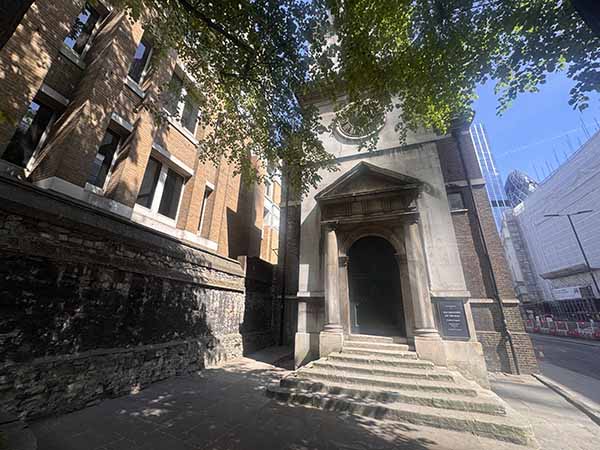
St. Botolph Bishopsgate was a church that was built into the old wall, but the church was accessible outside the wall. The wall was used in the buildings here. Bishopsgate was the location of one of the gates outside the wall.
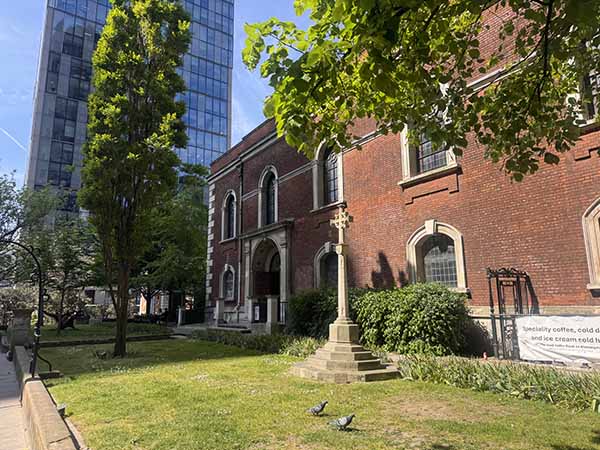
Below are the grounds of St. Botolph Bishopsgate, and it would have been outside the wall.
I followed "London Wall", the street that is named for the wall but no longer exists or exists in fragments. One of the fragments is at All-Hallows-on-the-Wall church. A fragment of the wall can be seen here next to the church.
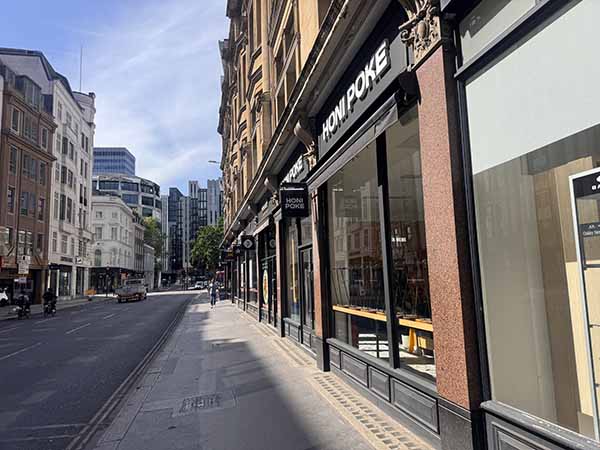
I continued to walk down this wide and busy street known as London Wall.
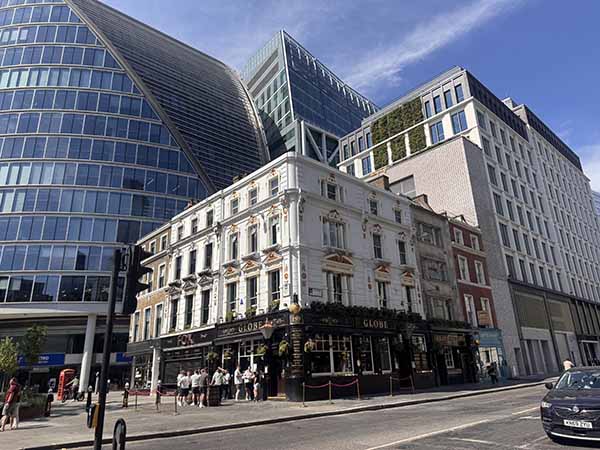
Another site is Moorgate, and now there's a tube station here. Moorgate was one of the other gates into the city. It was named after the marshland (moor) on the northern side of the city. The marsh was created due to the London wall blocking the Walbrook stream. The wall here was demolished in 1817.
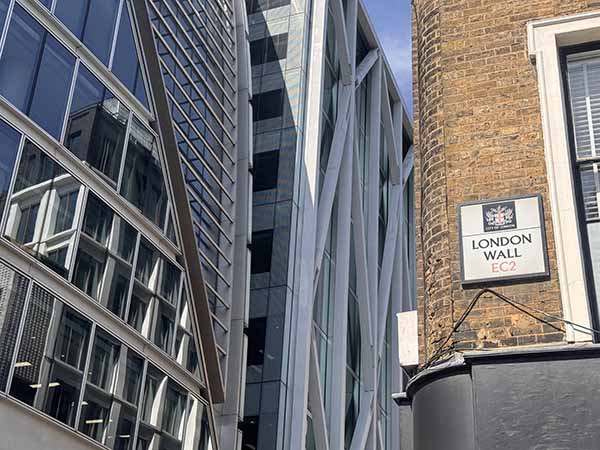
Here is a sign for the London Wall.
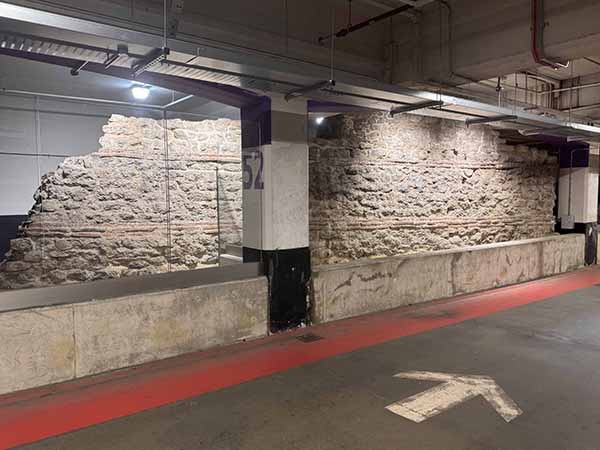
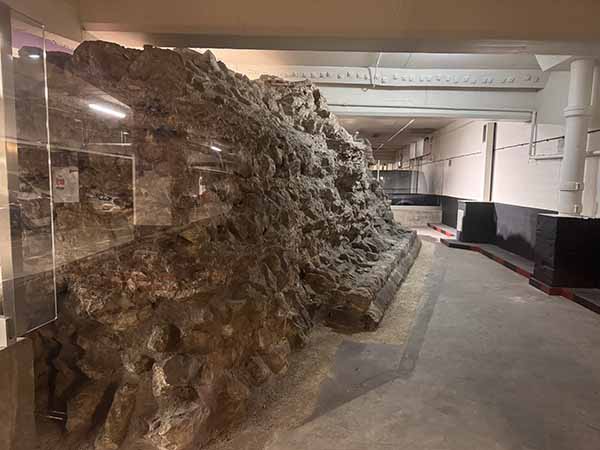
Along London Wall is a car park underground, and a section of the old wall can be seen inside.
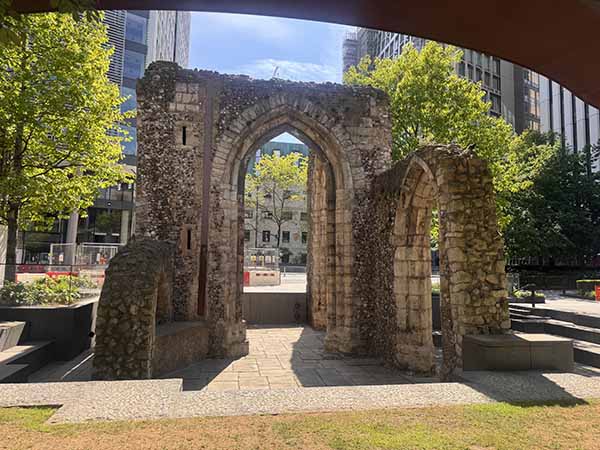
St. Alphage Gardens has a small section of wall with the archway of an old church.
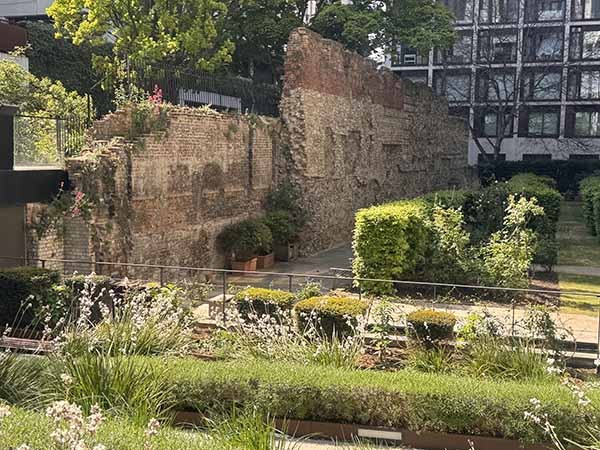
There's also the lower gardens here with a section of the wall.
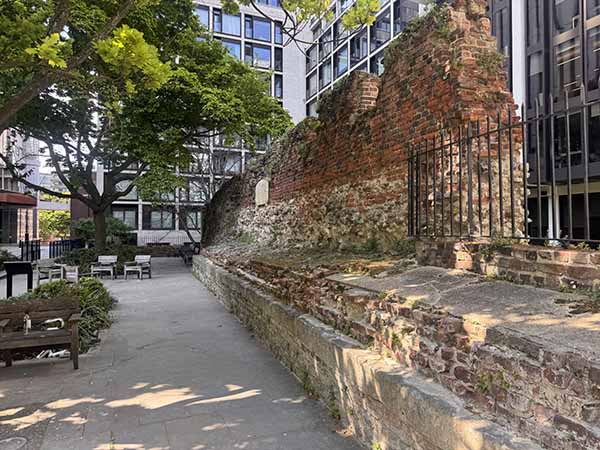
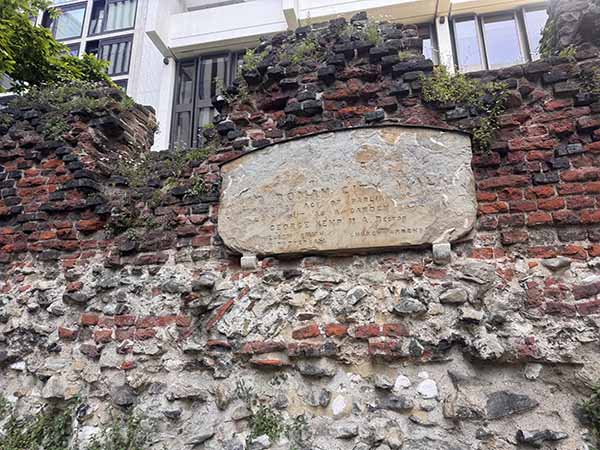
There is a lot of old city wall around the Barbican area. This is because the Barbican now sits on the site of the old Roman fort, which dates to 120 AD. The lake at Barbican follows the original moat around the fort, and the tower remains also survive.
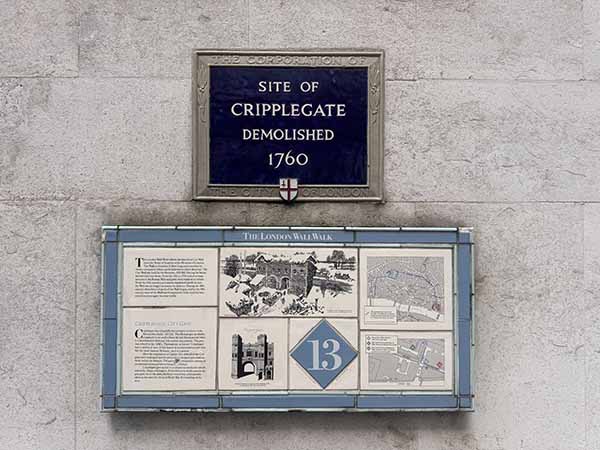
Cripplegate tower was a medieval tower in the northwest corner of the Roman fort, and the towers were lived in by hermits later.
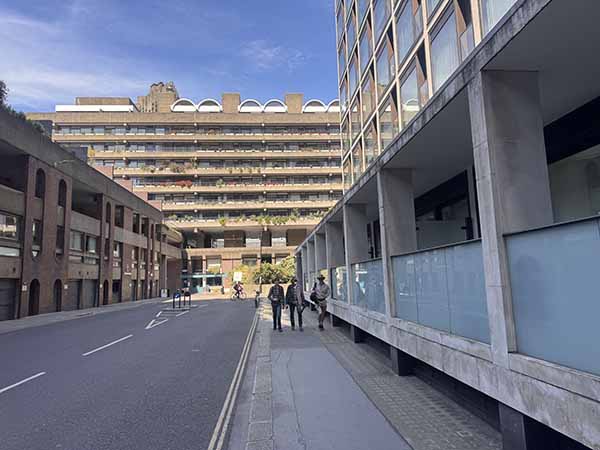
The whole area of Barbican was the fort.
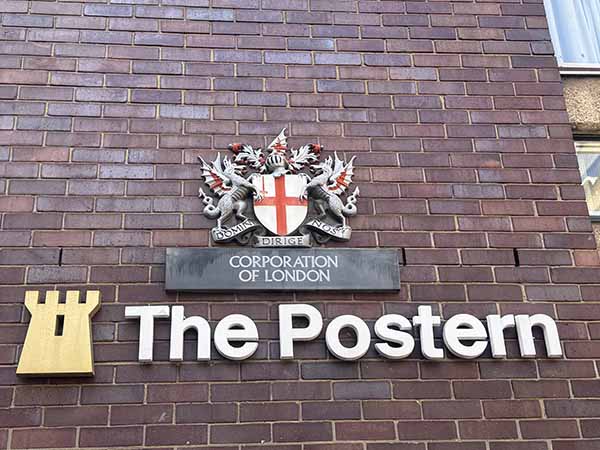
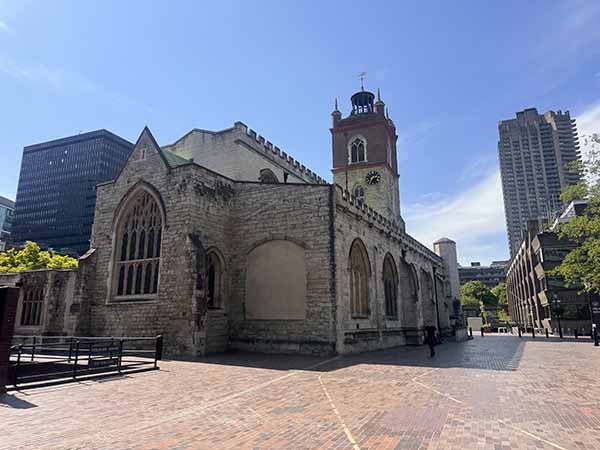
Below is St. Cripplegate church.
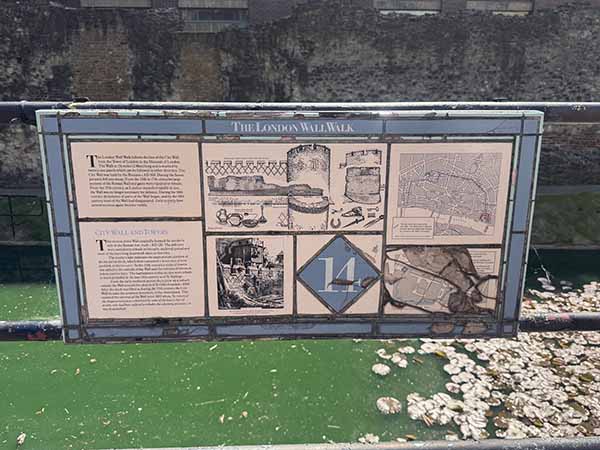
There is a plague next to the lake at Barbican.
The remains of towers and the wall can be seen.
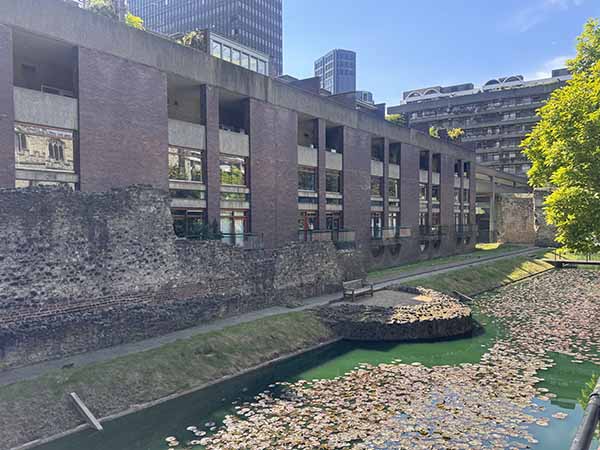
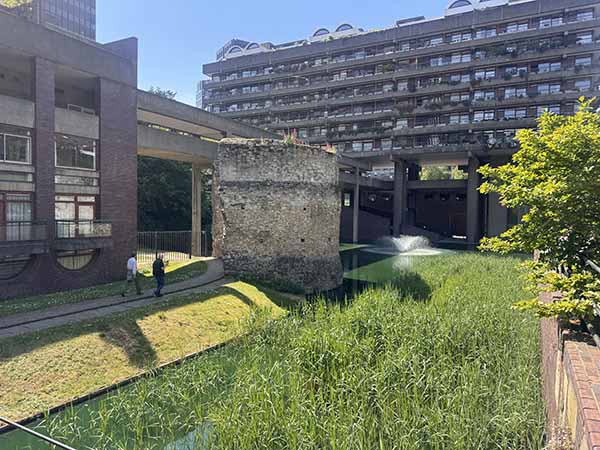
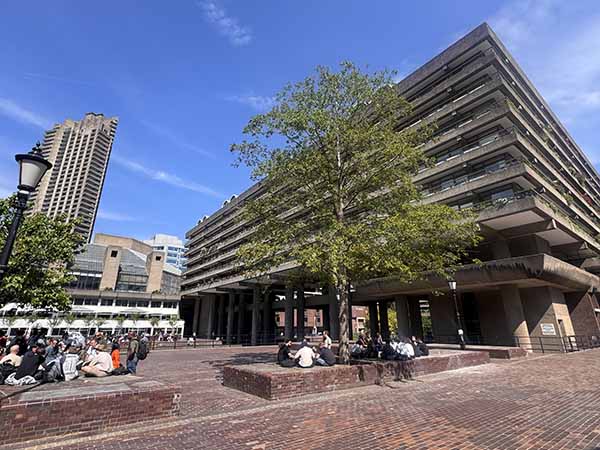
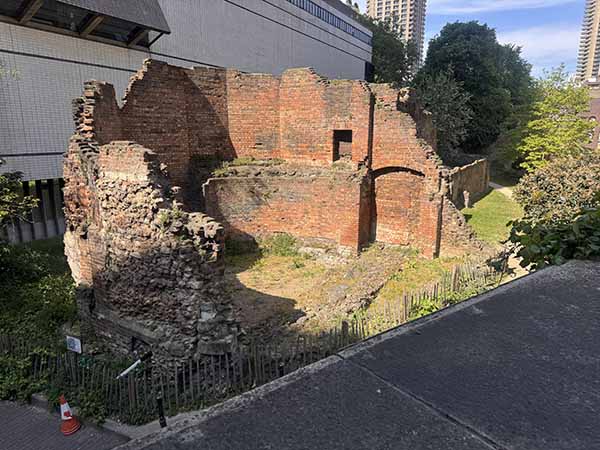
The structures of the old fort and towers can be seen around the Museum of London as well. At the moment, the Museum of London is closed as it will be moved.
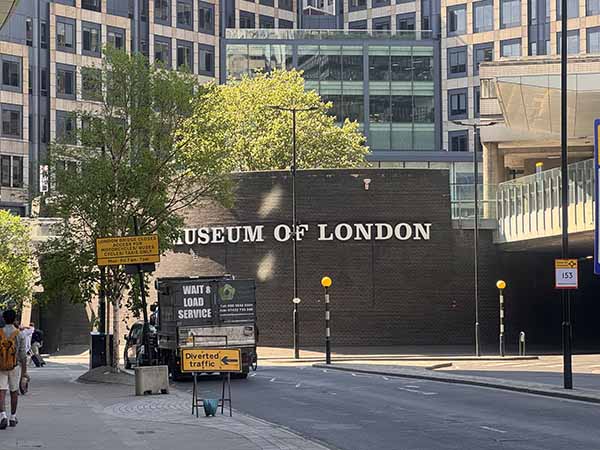
Acoss from the road of the museum, the wall changes direction completely and starts its path south toward the Thames. This is Noble Street, and a large section on wall exists along the street.
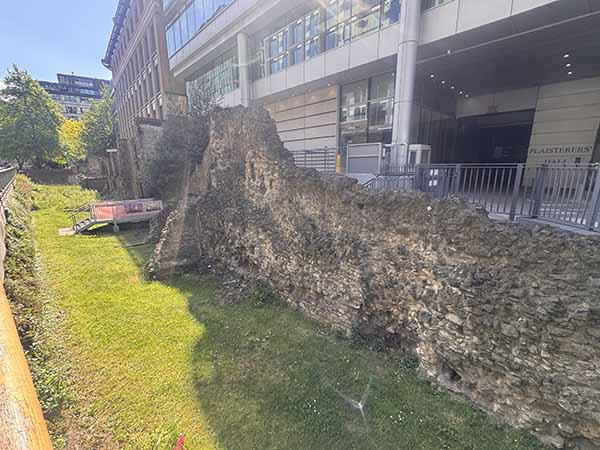
Aldersgate was one of the other gates into the old city. It is located near the entrance to Postman's Park.
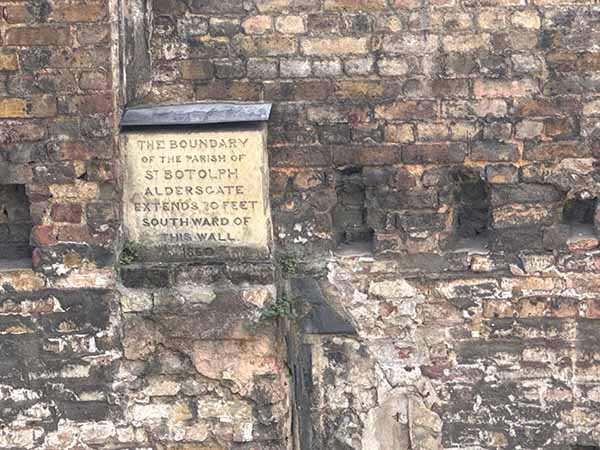
Below is where the gate would have stood.
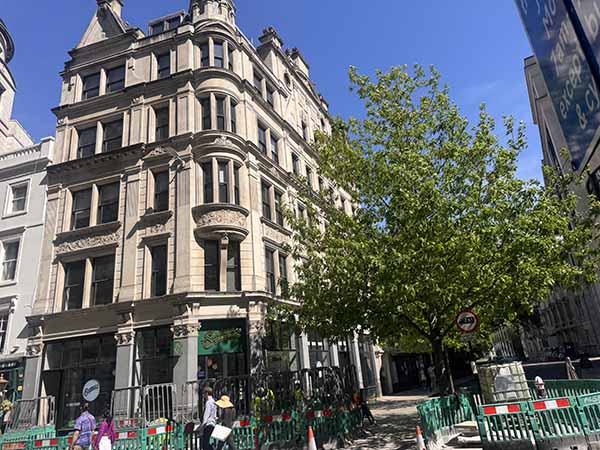
The wall continued through what is now Postman's Park.
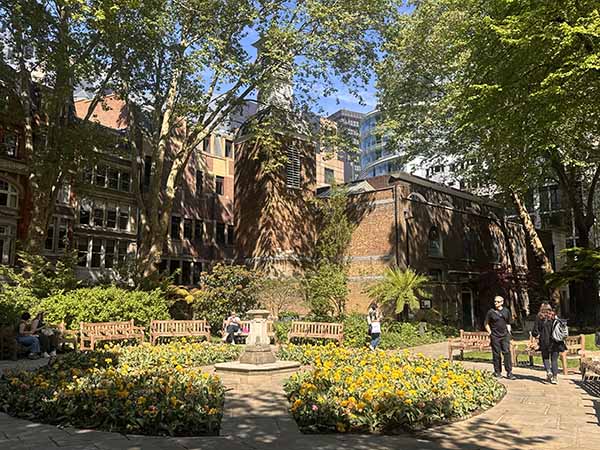
I walked by Christchurch Grayfriar's, which was along the original wall path.
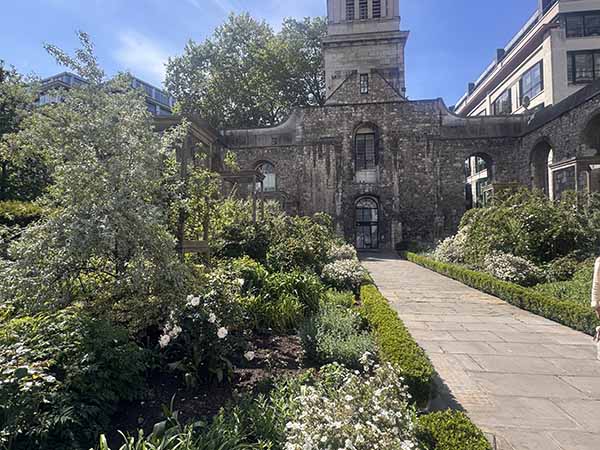
This led me to Old Bailey and Newgate Street. This was one of the locations of the gates into the city.
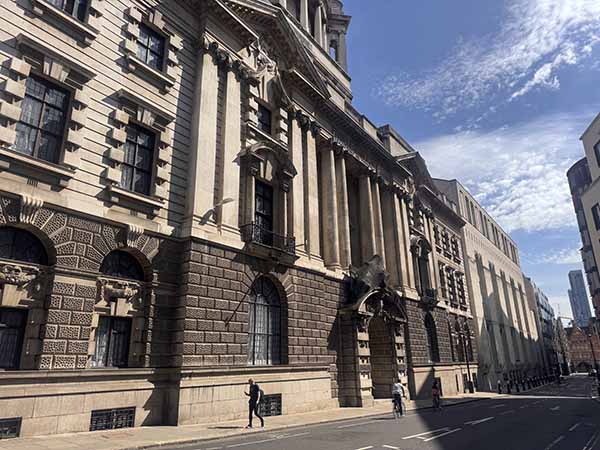
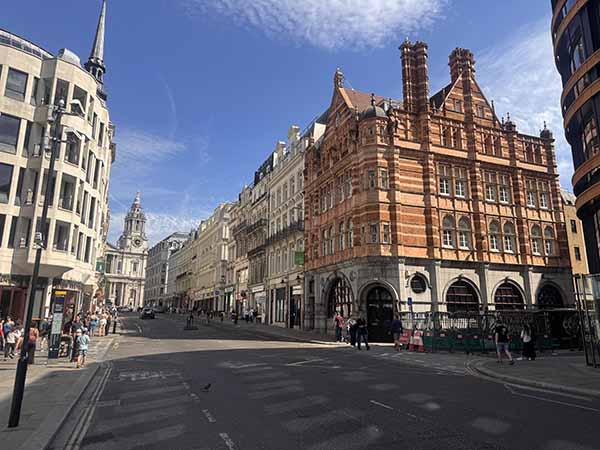
I followed this south toward the river and the original path of the old wall. This is near to Ludgate, which was one of the old gates and maybe known as "back gate" or "Fleet Gate" due to the river that used to run along.
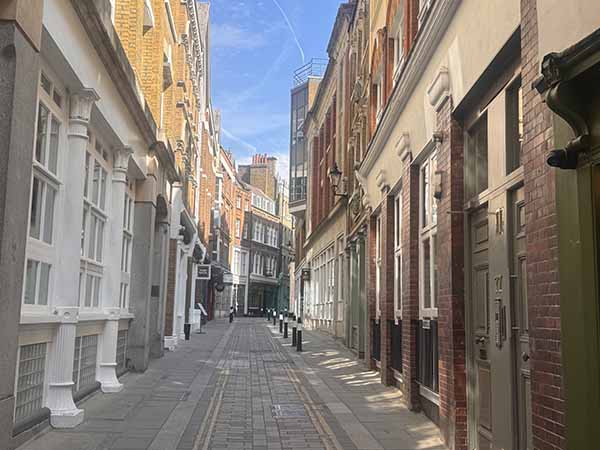
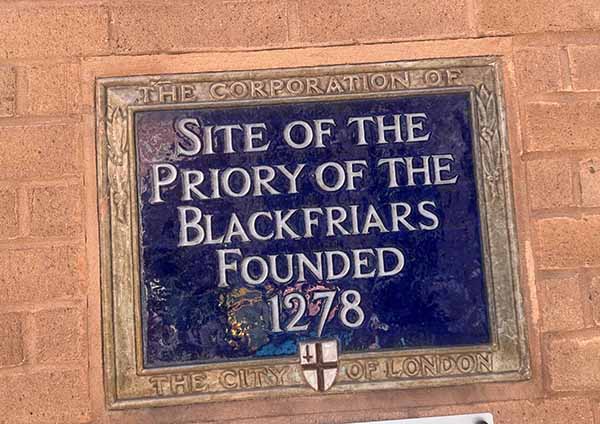
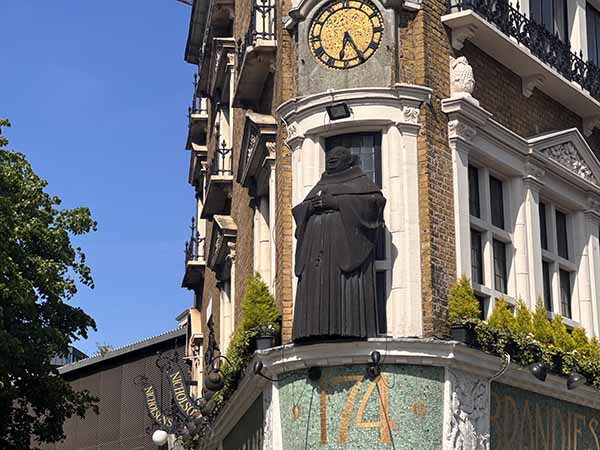
The last stop was along the river where there was a Blackfriars priory and monastary. The tube stop and pub pay a tribute to this old monastary.
I recommend the London wall self-guided walk if you are looking to explore and gather some facts and history about London.



Leave a comment