Results matching “paint”

A Morning at Schonbrunn Palace in Vienna, Austria

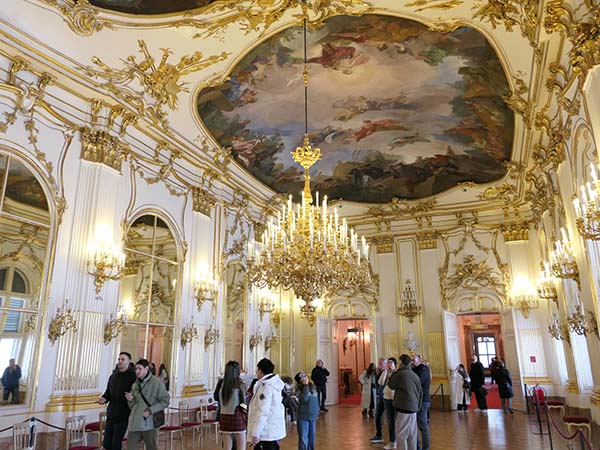
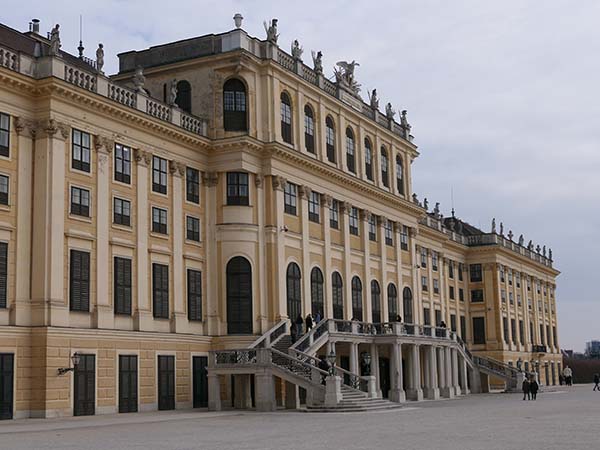
At the end of February, I visited Schonbrunn Palace in Vienna. The Baroque-style palace was the home of the Habsburg rulers, and it was named after the spring or well on the site. Franz I and his wife Maria Theresa lived here in the mid-1700s, and the design of the palace and decoration of it is from this era. The longest-reigning emperor Franz Joseph spent most of his life in the palace and died there in 1916, before the dynasty ended in 1918. The palace would later reopen as a museum.
schonbrunnpalace1.jpg

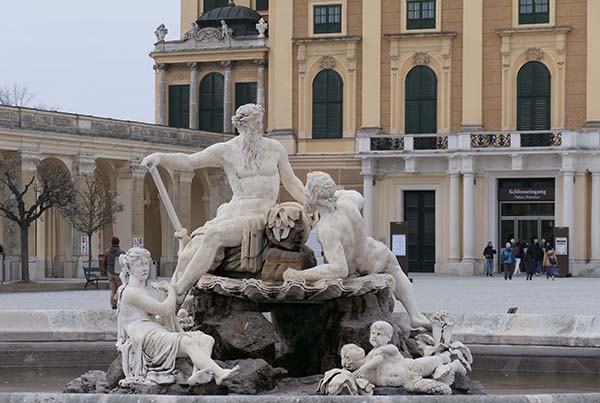
The palace is one of the top attractions to see in Vienna, and a visit in to the palace gardens in the spring or summer will be enjoyable, but visiting in low season to avoid the majority of the crowds gave me enough time to look around the palace without too many people in my way and without having to wait in long queues.
schonbrunnpalace

schonbrunnpalace

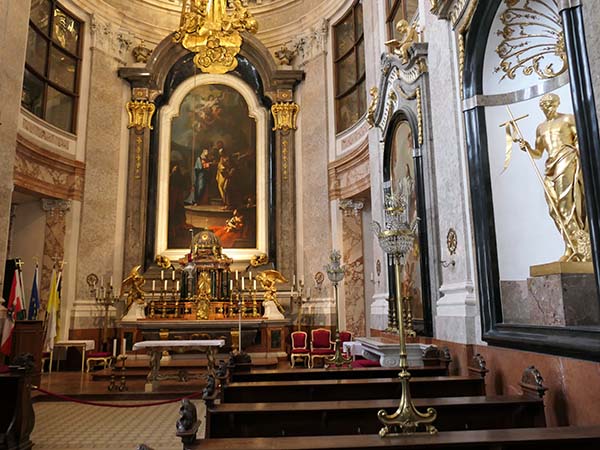
The first room that I saw was just outside the main house, and this is located in one of the wings of the palace and seemingly free to visit without a ticket at this section. This is a small chapel.
schonbrunnpalace

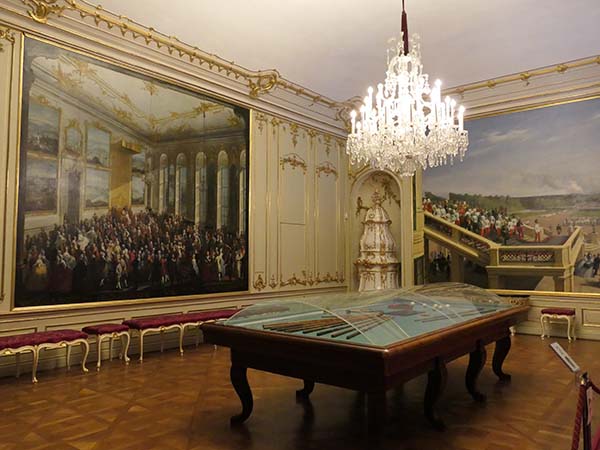
The Billiards room was the first main room that I saw when I entered the palace.
schonbrunnpalace

This part of the palace is the private apartments, and the audience chamber was the next room. This room was the room that the emperor would use to receive guests to the palace. High military and government officials would be welcomed here. 
schonbrunnpalace

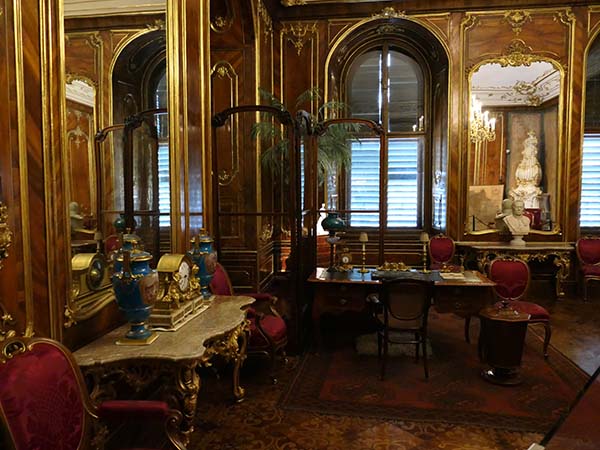
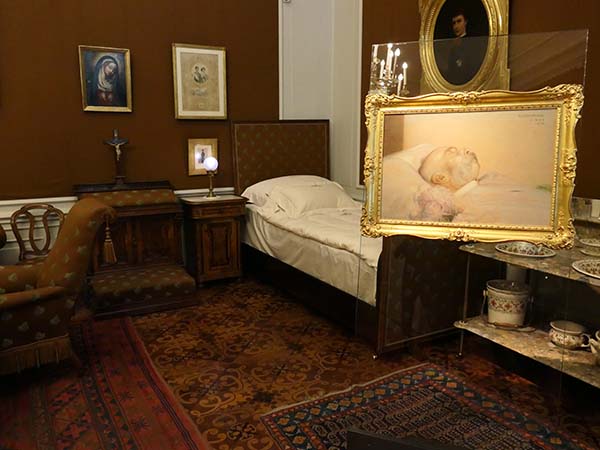
The emperor's study and room were next to see. The rooms contain personal photographs, and there is a bed in this bedroom. This bed is where Franz Joseph passed away, and the painting was of him after he passed.
schonbrunnpalace

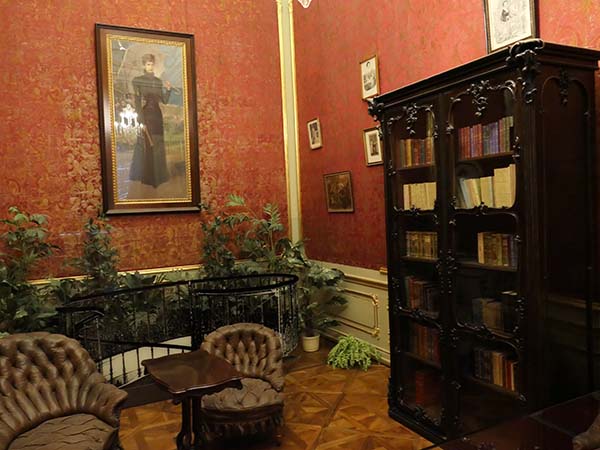
Next was the apartments of Empress Elisabeth.
schonbrunnpalace

The couple's bedroom has a dark blue pattern wallpaper and matching furniture. It was decorated for their marriage in 1854.

schonbrunnpalace

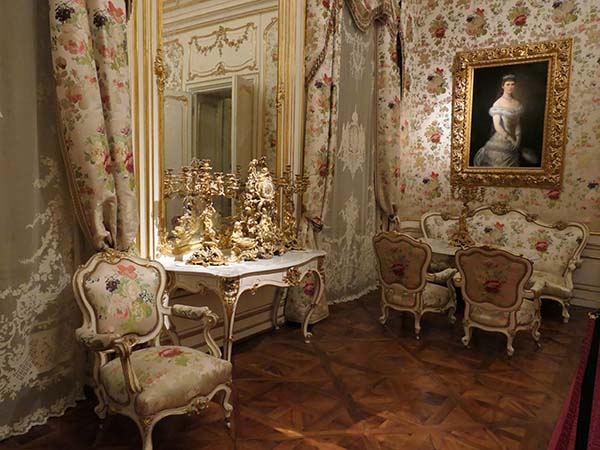
Below is the reception room of empress Elisabeth.
schonbrunnpalace

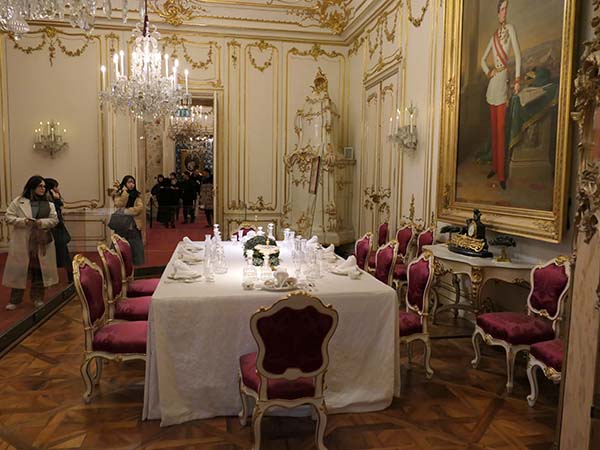
The Marie Antoinette room is the dining room, and this was always used for the family dining.

schonbrunnpalace

schonbrunnpalace

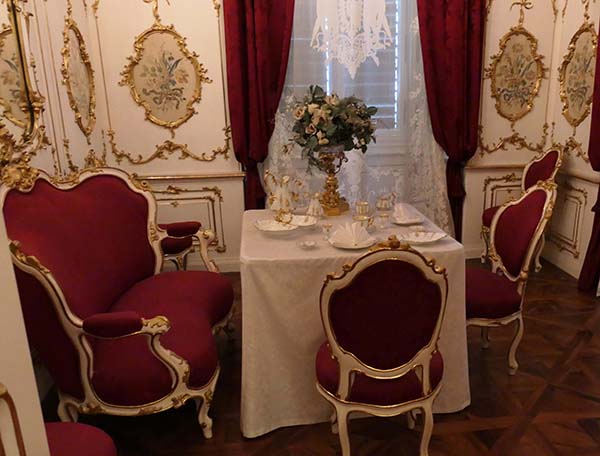
The breakfast room.

schonbrunnpalace

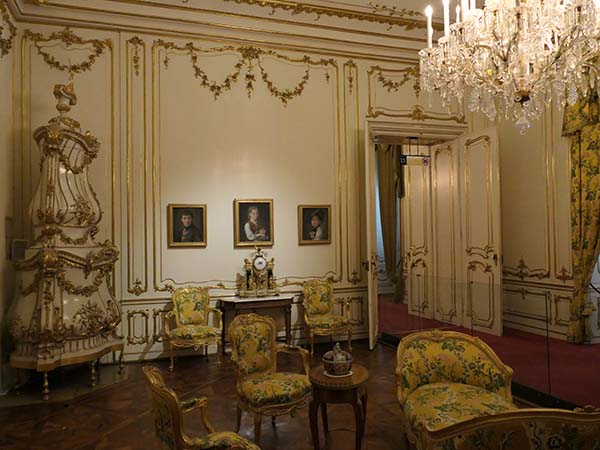
The yellow salon room has views over the gardens.
schonbrunnpalace

Balcony Room

schonbrunnpalace

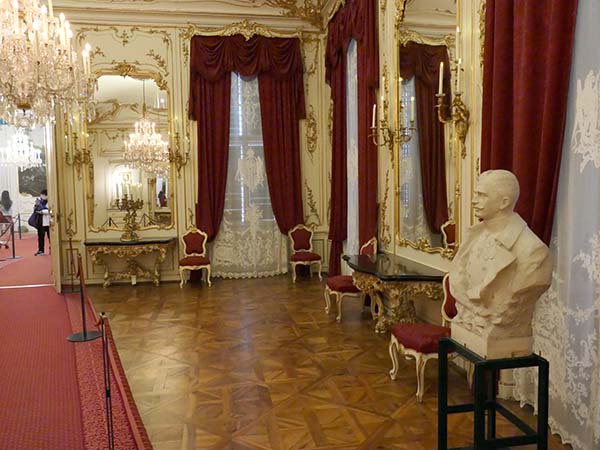
Hall of Mirrors was one of the original rooms decorated in the mid-1700s by Maria Thresa.
schonbrunnpalace

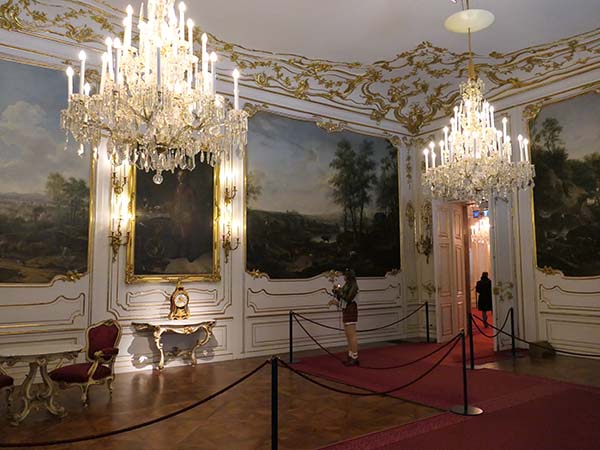
The Rosa rooms are named after an artist who contributed the landscape paintings.
schonbrunnpalace

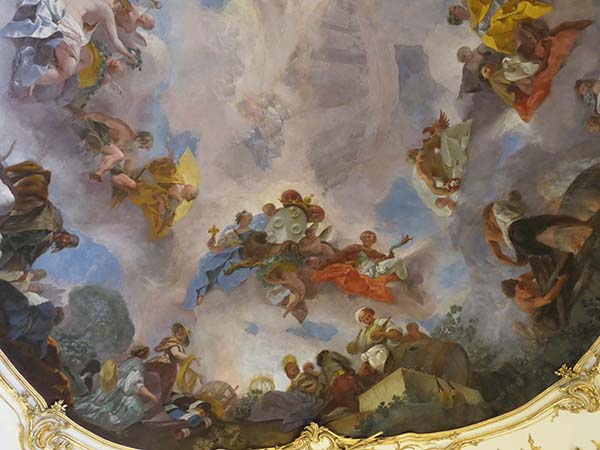
The Great Gallery is possibly the most impressive room in the palace. It is over 43 metres in length.

schonbrunnpalace

schonbrunnpalace

The Small Gallery is also impressive but on a smaller scale.
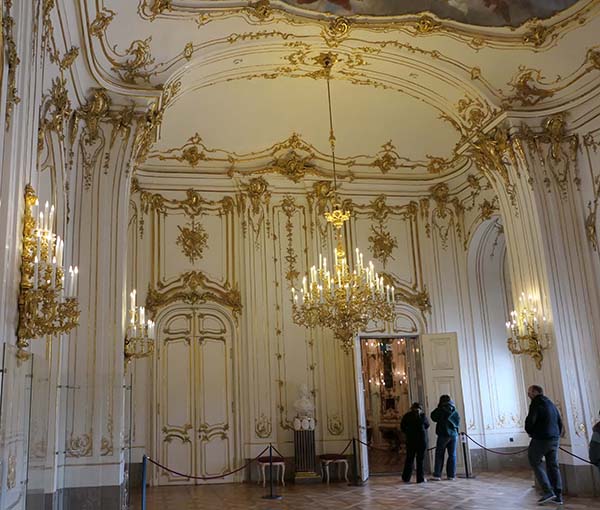
schonbrunnpalace

The Chinese Cabinet is on room that leads off the small gallery. It is named for the Chinese-inspired artwork that was popular for the period.

schonbrunnpalace

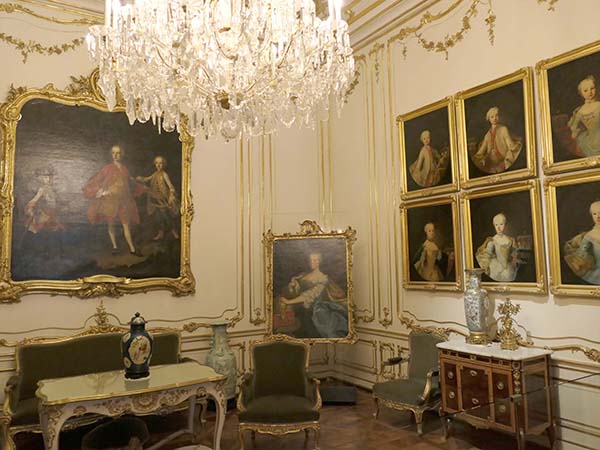
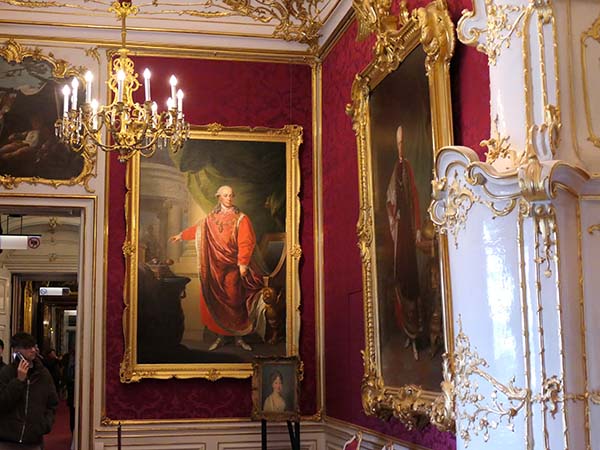
The Hall of Ceremonies room has the most famous portrait of Maria Theresa.
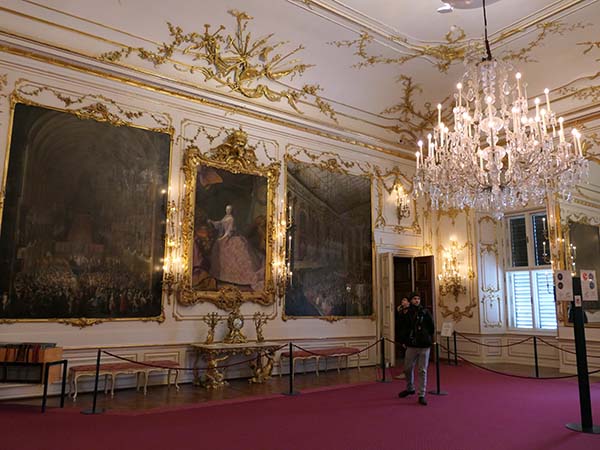
schonbrunnpalace

Horses room.

schonbrunnpalace

The Blue Chinese Salon was being restored during my visit.
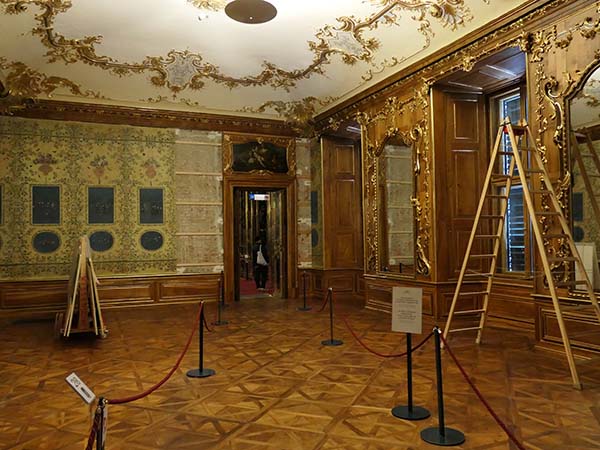
schonbrunnpalace

One of the most important rooms of the palace was inspired from Chinese design. The Vieux Laque room has black laquer panels from China.
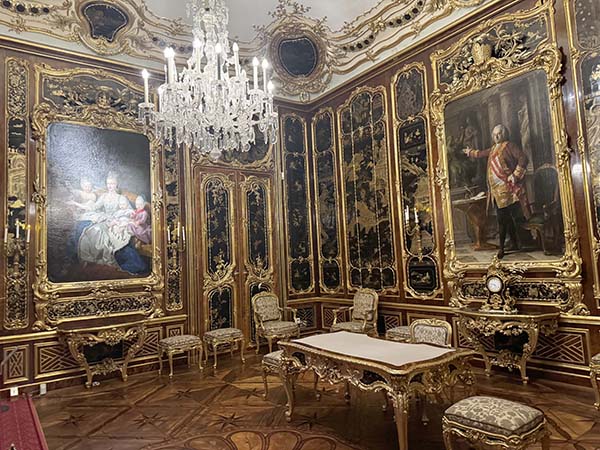
schonbrunnpalace

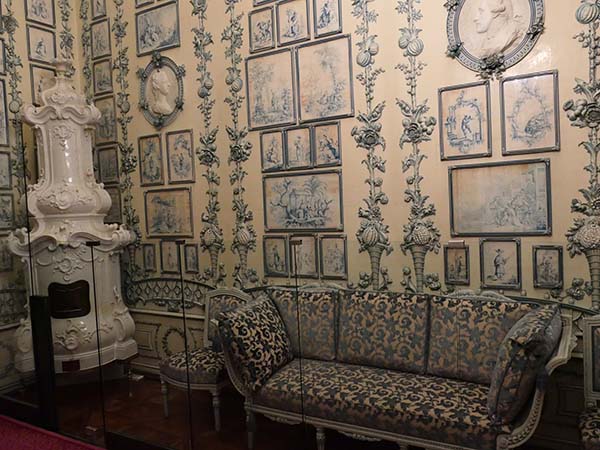
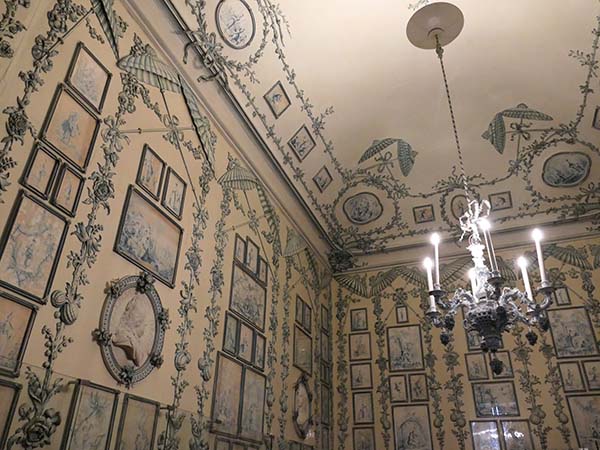
Th Porcelain Room was made using sketches of the family of Maria Theresa, and it is a unique design.
schonbrunnpalace

schonbrunnpalace

schonbrunnpalace

schonbrunnpalace

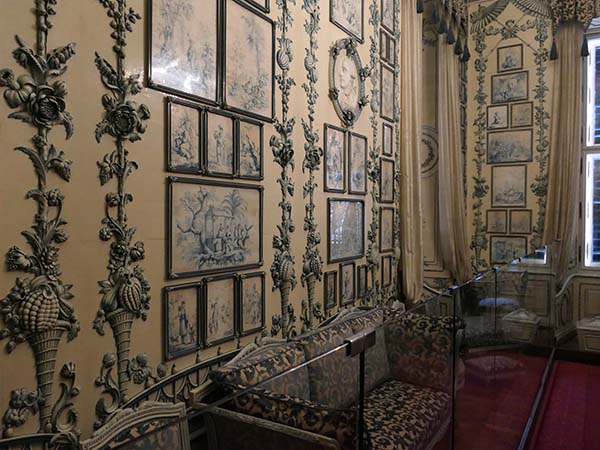
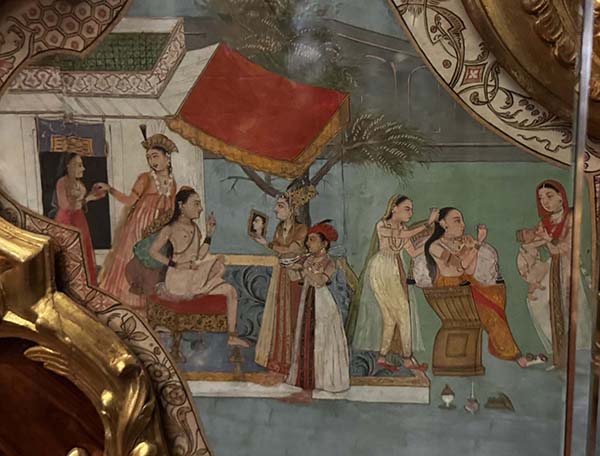
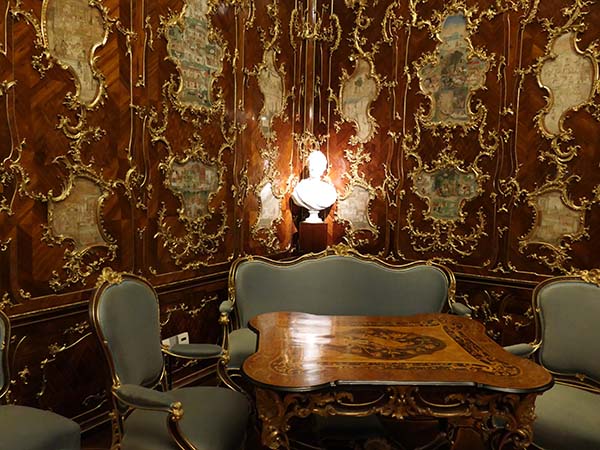
The Millions Room contains sketches from Asia.
schonbrunnpalace

schonbrunnpalace

schonbrunnpalace

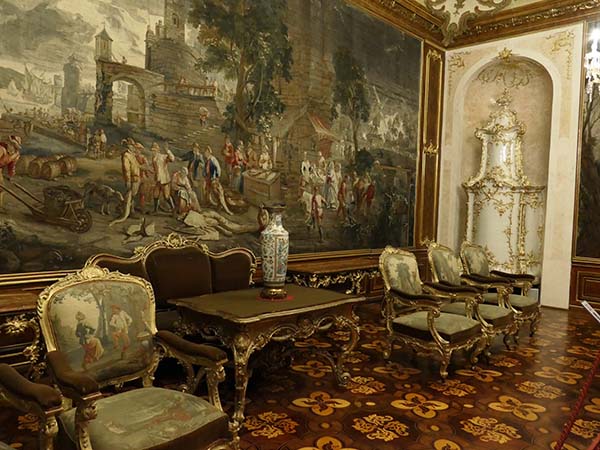
The Goeblin Room has tapestries hanging in it and represents the Zodiac.
schonbrunnpalace

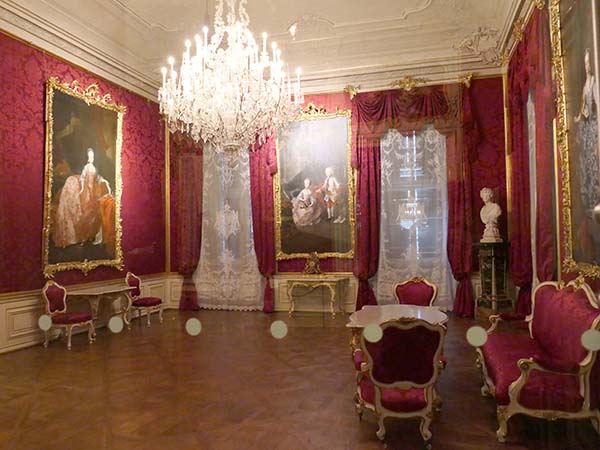
The Red Salon.

schonbrunnpalace

The Rich Room contains Maria Theresa's bed.

schonbrunnpalace

Franz Karl's study and Salon rooms were the last on the tour.
schonbrunnpalace

schonbrunnpalace

I hope to visit Vienna in the summer so that I can enjoy the gardens, but I recommend a visit to the palace. I went on the Grand Tour, which includes access to all of the rooms. There can also be combined tickets with the zoo and the palm house on site depending on the time of your visit. Although the zoo and the palace can be done in one day, i would recommend two days to do this so that you do not feel rushed. The palace and gardens can be seen in one day.
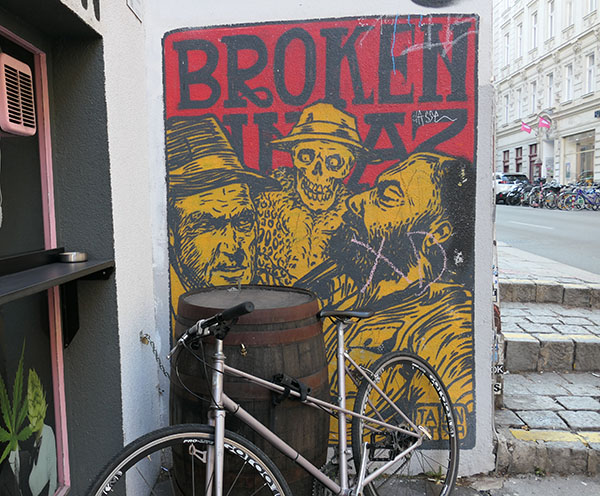
Street Art by Broken Fingaz in Vienna

The Broken Fingaz Crew is a duo of street artists from Israel who have painted all over the world. There are a couple of murals from a visit several years ago in Vienna from the duo, although the only one that I could find that was not painted over is pictured below and is off a side road west of the historical centre of Vienna. The artists work in an illustrative style that reminds me of comics with inked outlines and bright colours.

brokenfingazwien1.jpg

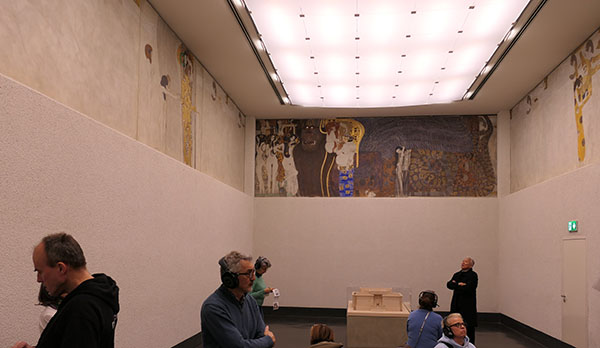
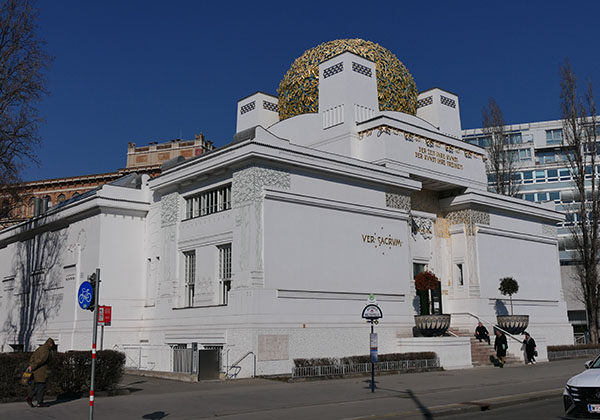
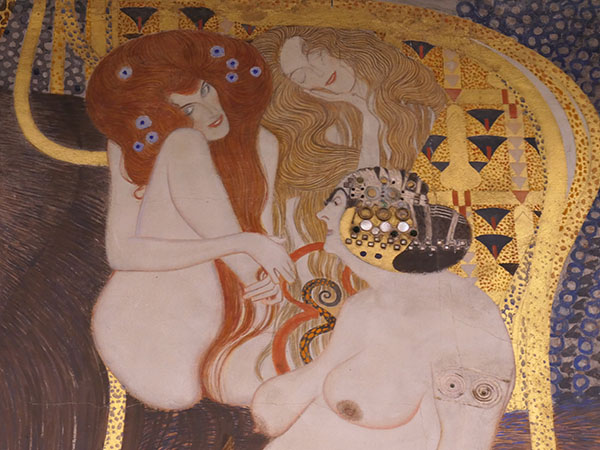
The Association of Visual Artists of Austria was an artistic movement around Gustav Klimt's artwork at the end of the 1800s, and they built a building named the Vienna Succession to house their exhibitions. The architecture of the building functions as a gallery but also appears to be styled as a temple. The gallery hosts exhibitions, but the main attraction is the "Beethoven Frieze" by Klimt. Music was important to the group of artists.

klimt-beethoven1.jpg

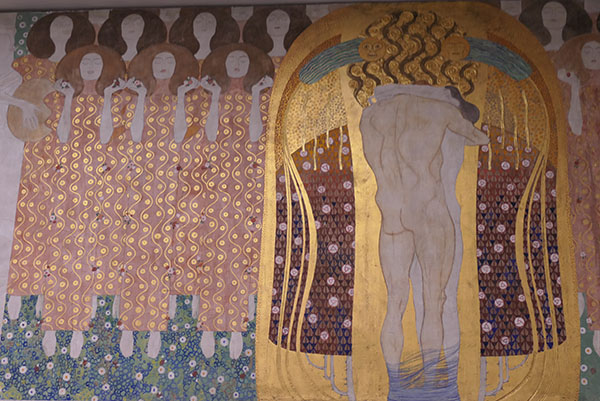
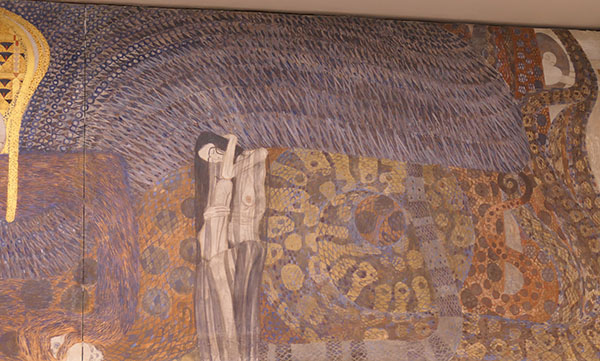
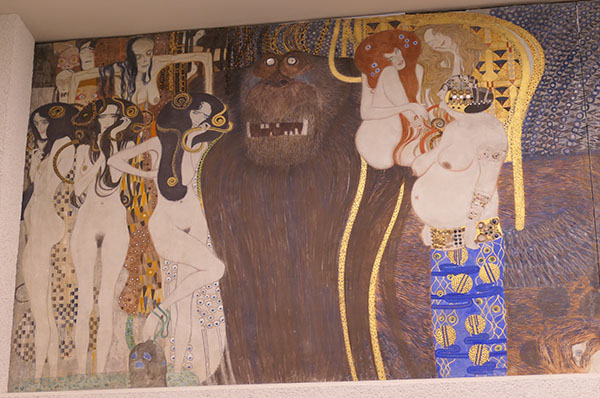
The frieze is painted directly onto the walls of the gallery, and it is inspired by Beethoven's "Ninth Symphony". The figures represent human emotions and a series of different stages of life.

klimt-beethoven

klimt-beethoven

klimt-beethoven

klimt-beethoven

klimt-beethoven

Visitors to the exhibition can listen to the music on headphones while they view the painting.

Street Artist ROA in Vienna

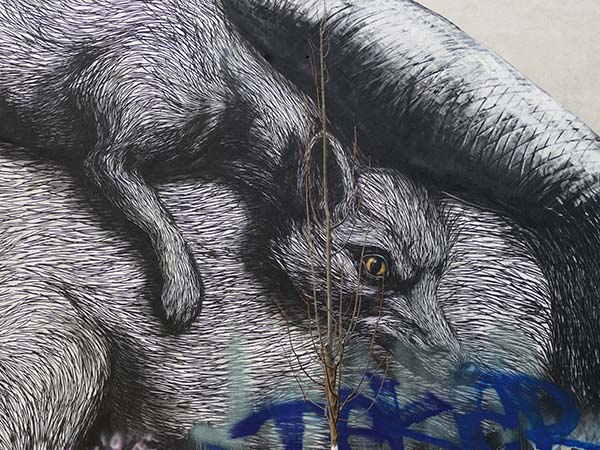
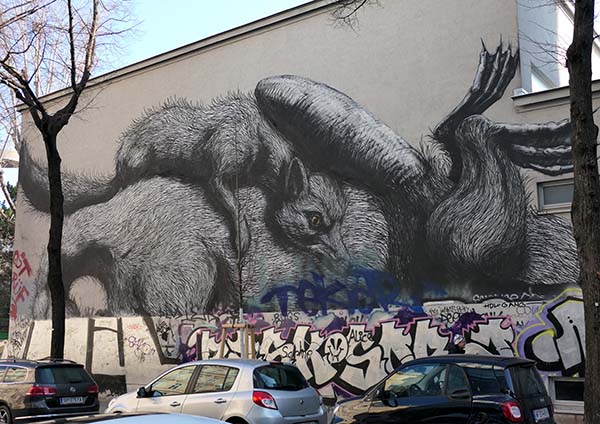
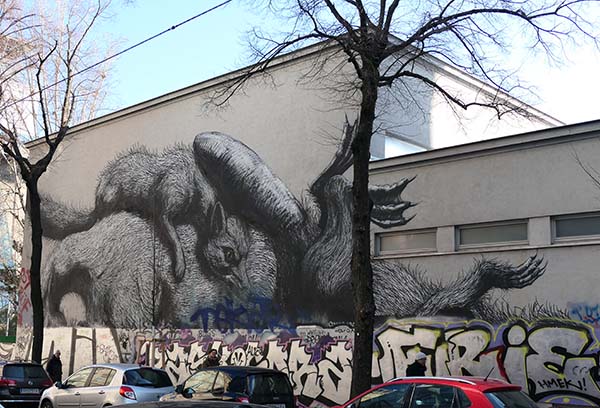
Street artist ROA is a high profile street artist who is originally from Belgium but who has painted all over the globe. The artist's style is recognisable and rendered in a black and white illustrative style with high detail, and the subjects in the street art are bird and animal. The below mural was painted just outside of the city centre in Vienna and features a bundled grouping of different animals on top of each other. Th work is called "Fox and Friends" and was created in 2013, although the bottom part of the mural has since been painted over. It features a rabbit and a beaver. 

roawien3.jpg

Unfortunately, the artwork dates from several years ago and has been painted over, so it is difficult to really appreciate it.

roawien1.jpg

roawien2.jpg

More street art by ROA on this blog is located below.

ROA's Giant Flea Street Art in London
Phelgm and ROA Street Art on South Bank, London
Street Art: ROA

Jana & JS Street Art in Vienna

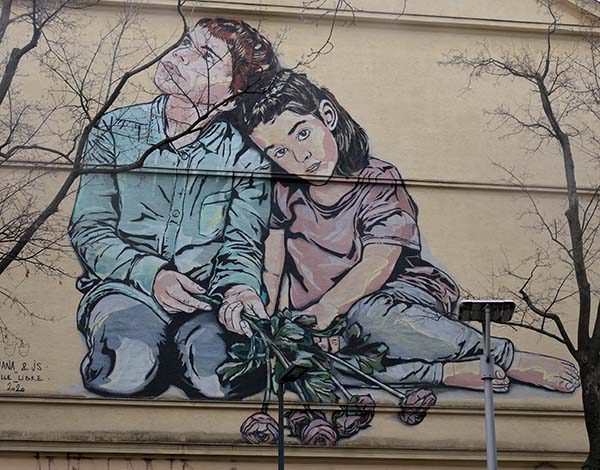
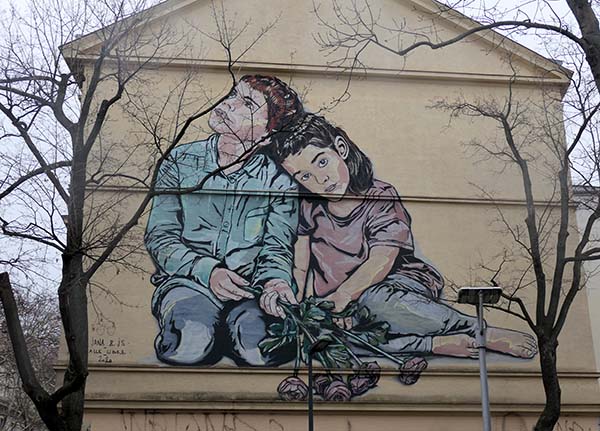
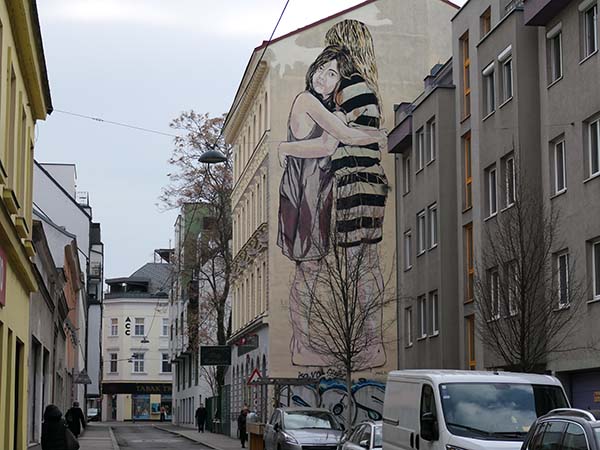
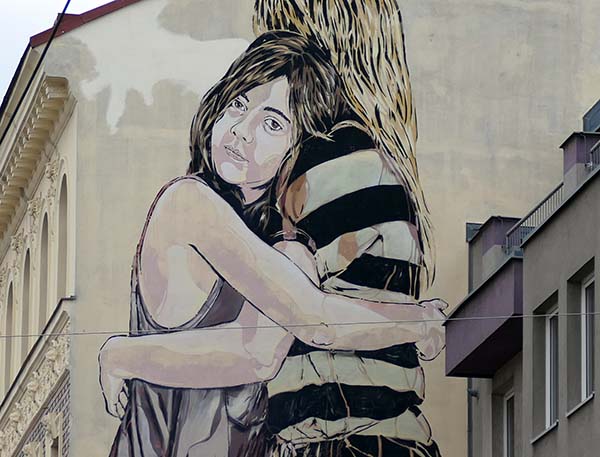
When I was in Vienna last month, I discovered some street art by the French and Austrian duo Jana & JS. These artists create street art across cities with themselves and their families as the subjects of their artwork. They painted in London back in 2013, so when I came across their work in Vienna, I was happy to see what they have been up to since. 

janajs-vienna

The first piece I discovered on the side of a building facing Arne Karlsson park, and it was painted in 2020.

janajs-vienna

The second piece was located on Gierstergasse, and it was actually painted in 2014.

janajs-vienna

janajs-vienna

More street art by Jana & JS on this blog can be seen below:

New London Jana & JS Street art
Mixture of street art in London by various
Jana & JS Street Art

Mobstr Street Art in East London

Street artist Mobstr has painted many walls across London and has had a few games going on with the wall being repainted and he returned to keep painting on the wall. His work is constantly evolving. The artist is anonymous but was from Newcastle in northern England, and his work is often subtle text that could always go unnoticed. I captured a couple of pieces of his work near to BSMT in Dalston. 

amobstr2024-1.jpg

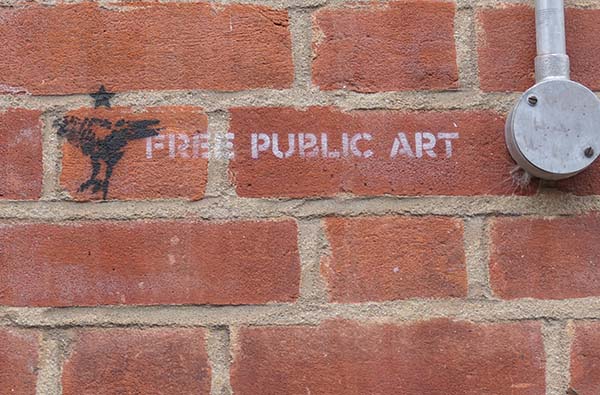
The first piece is on a wall with a lot of growing weeds and reads "Love the Weeds". The second is on a brick wall at the back of the BSMT gallery, and it reads "Free Public Art" next to a stencil of what looks like a bird.

mobstr2024-21.jpg

More street art from Mobstr in this blog can be seen below:

Mobstr: "He left me hanging when I was alone and high"
Street Art Round-Up in East London
Street Art: Mobstr

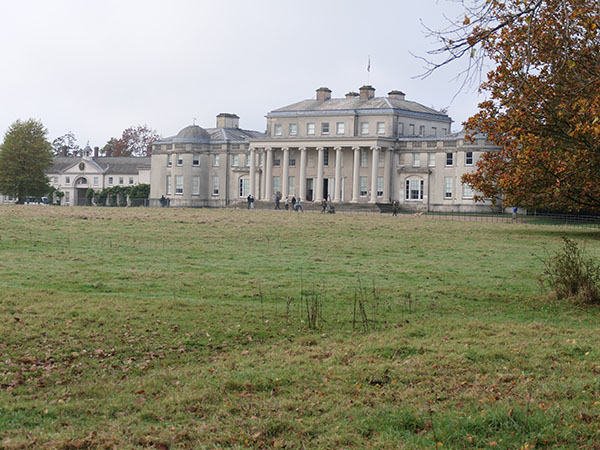
This October, I visited Shugborough Estate, which is located in Staffordshire and managed by the National Trust. This was my first visit to the estate, and there is a lot to see here. Visitors can view the house, which includes open state rooms, the rooms used by servants to run the house, and the apartments of photographer Lord Lichfield until 2005. There is a photographic exhibit in the apartment rooms. The estate also contains grounds to walk, a walled garden, water mill, arboretum, and farm. With the amount of things to see and do, I think many could spend at least half a day here.

shugborough2024-1.jpg

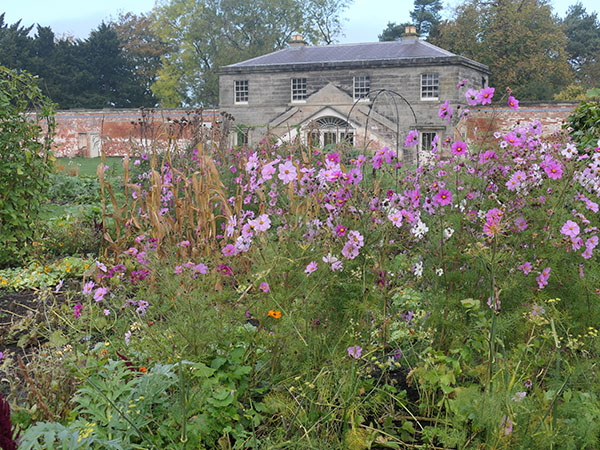
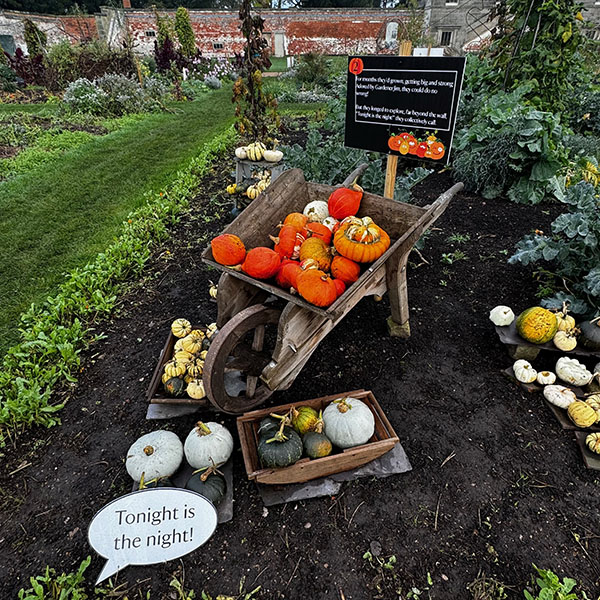
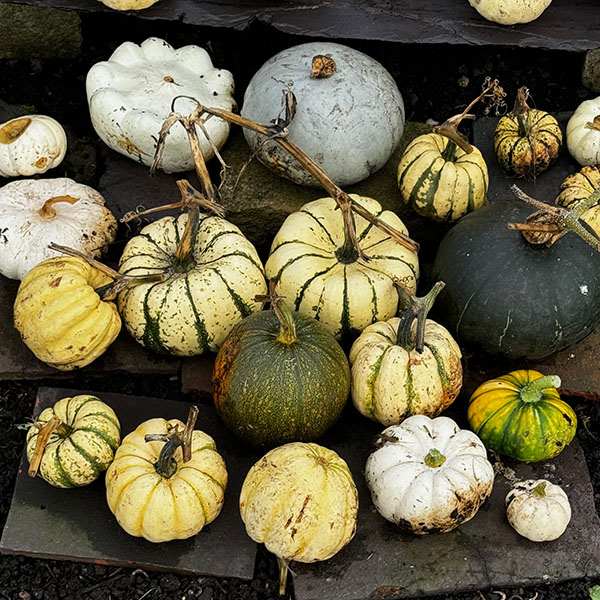
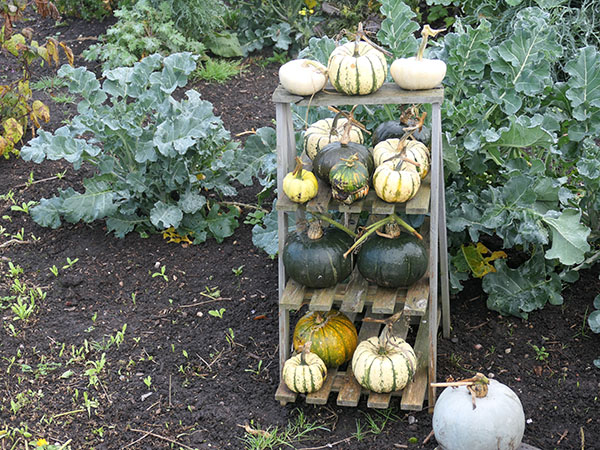
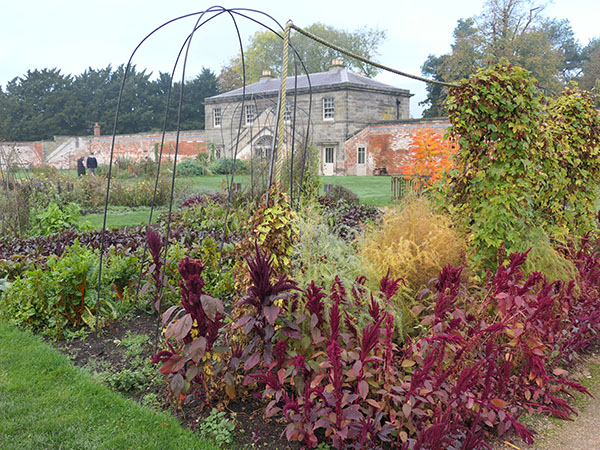
The walled garden is set away from the house, so it was what I went to see first. It contains the kitchen garden as well as a garden of flowers. This was the end of the season and harvest time, so the flowers were late summer and autumn ones. Squash and pumpkins were growing in the garden.

shugborough2024-1.jpg

A lot of pumpkins, gourds, and squash were on display in the walled garden.

shugborough2024-1.jpg

shugborough2024-1.jpg

shugborough2024-1.jpg

shugborough2024-1.jpg

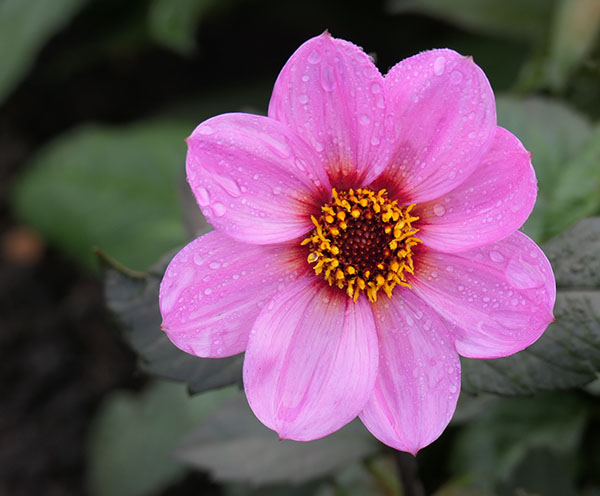
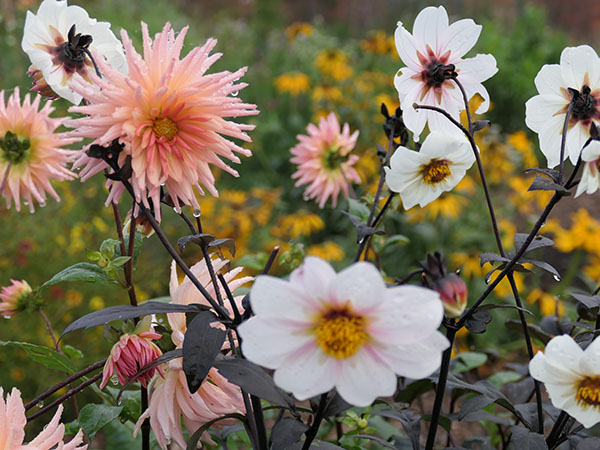
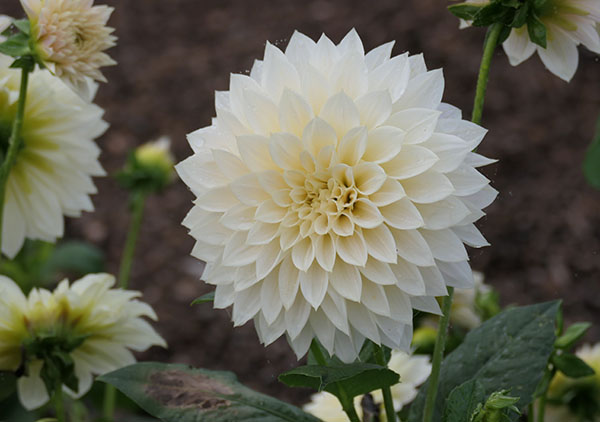
Dahlias were in bloom, and I photographed a few of them. I love them.

shugborough2024-1.jpg

shugborough2024-1.jpg

shugborough2024-1.jpg

shugborough2024-1.jpg

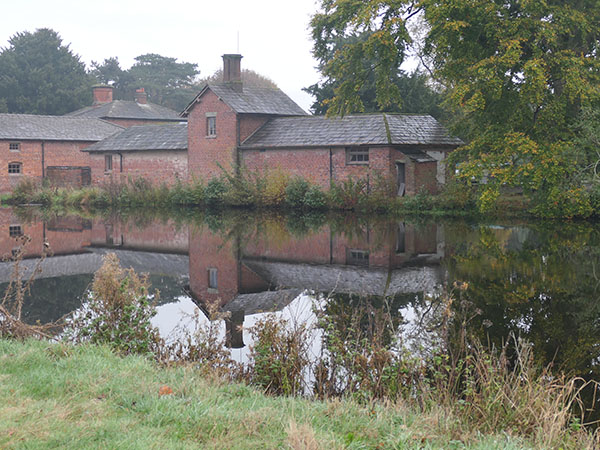
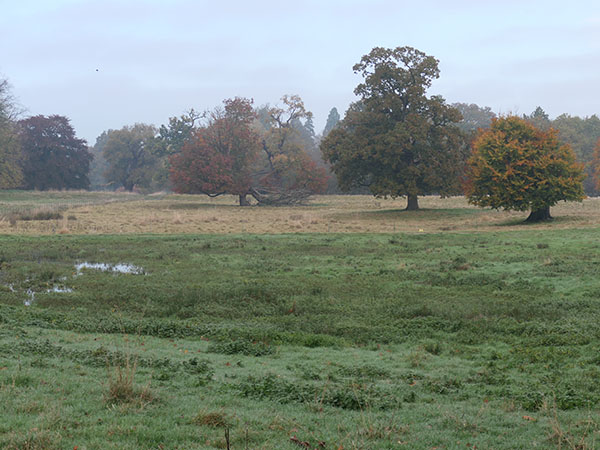
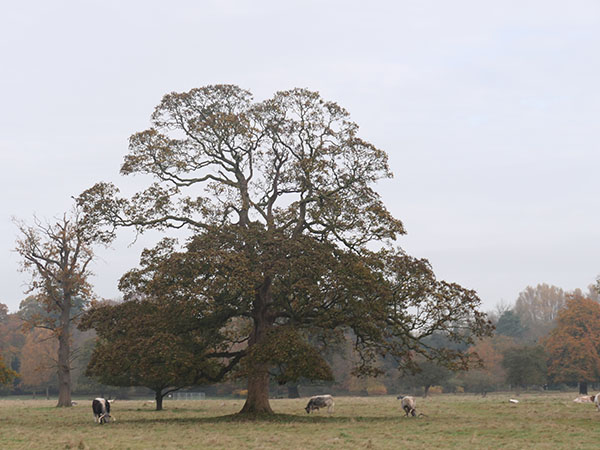
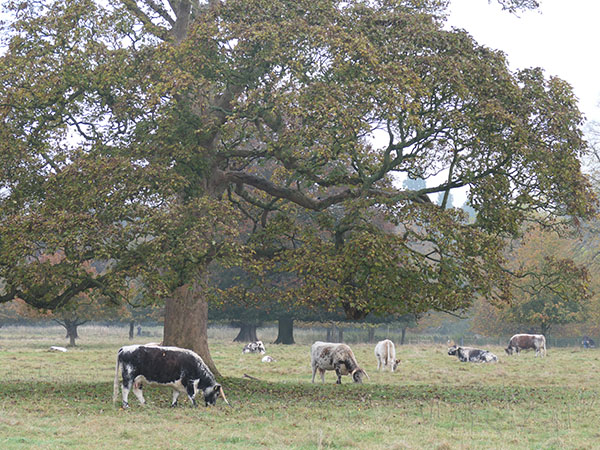
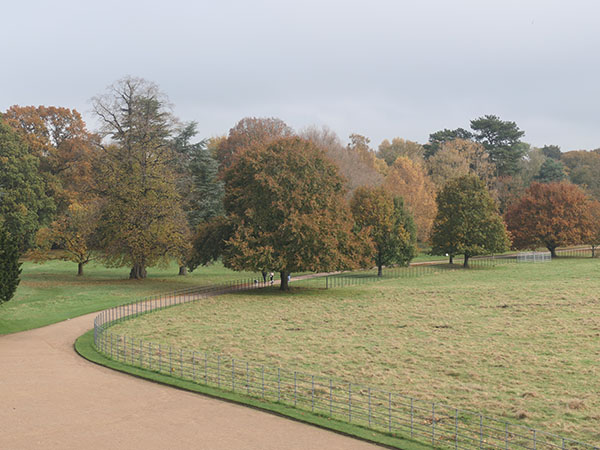
I passed the working buildings with clear water. I enjoyed seeing the parkland with cattle grazing and the autumn colours.

shugborough2024-1.jpg

shugborough2024-1.jpg

shugborough2024-1.jpg

shugborough2024-1.jpg

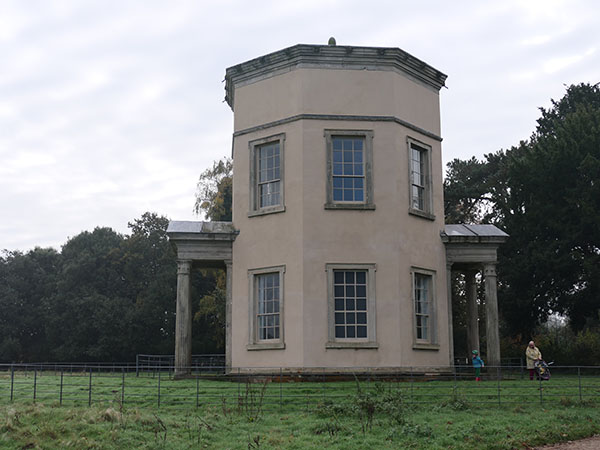
After the walled garden, I walked to the house and past the farm. The "Tower of the Winds" is on the other side of the farm from the house, and it is a folly. Follies, of which there are a few at Shugborough, and bridges serve a purpose to create a pleasant parkland.

shugborough2024-1.jpg

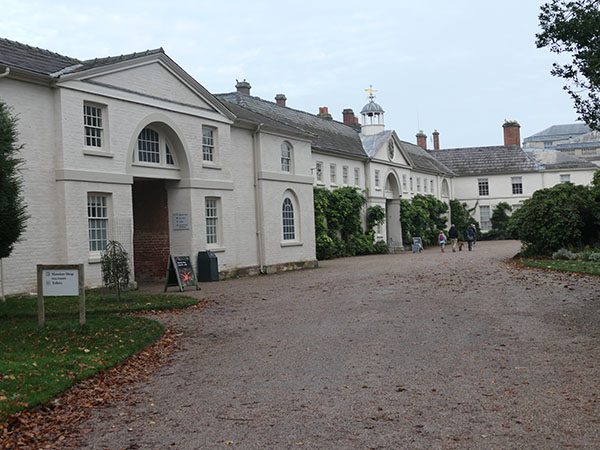
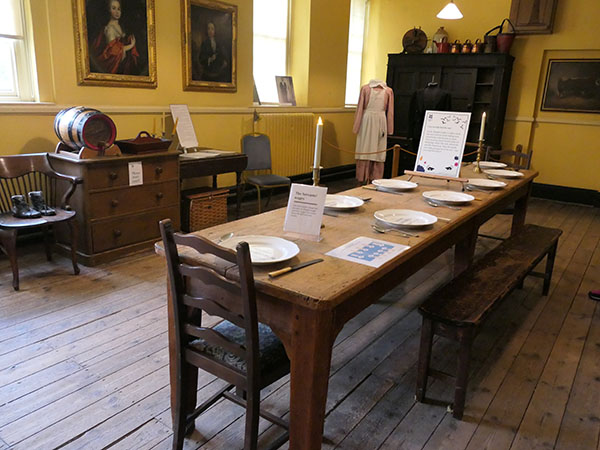
Finally, I got to the house and saw the servant's area first. This separate part of the house can be visited to see where the servants lived and worked and their daily insight or activities into their lives.

shugborough2024-1.jpg

This was the servant's dining area with table and some homely furnishings. Off to the side were other rooms, including a collection of the family's silver on display.
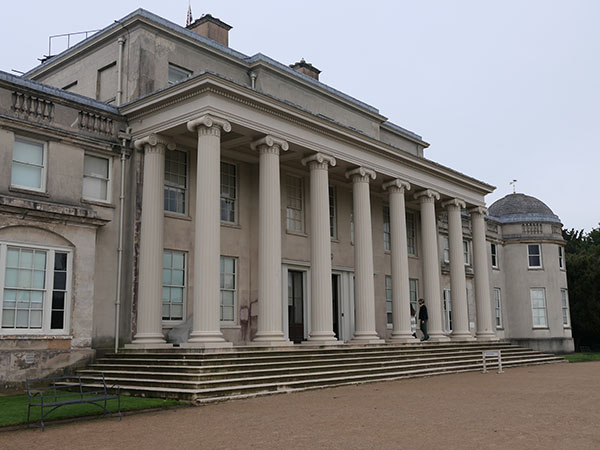
shugborough2024-1.jpg

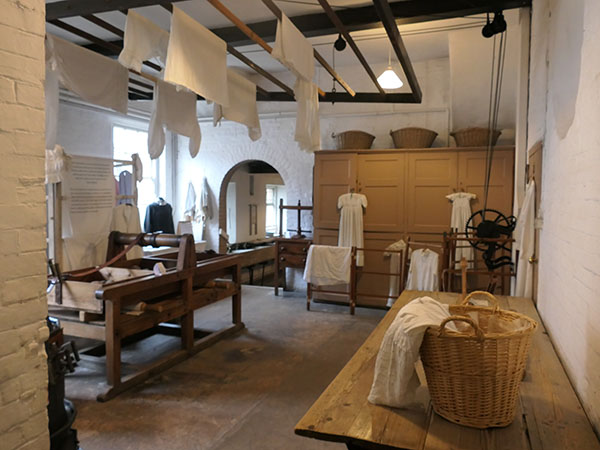
The laundry would have been hard work, and I saw that next.

shugborough2024-1.jpg

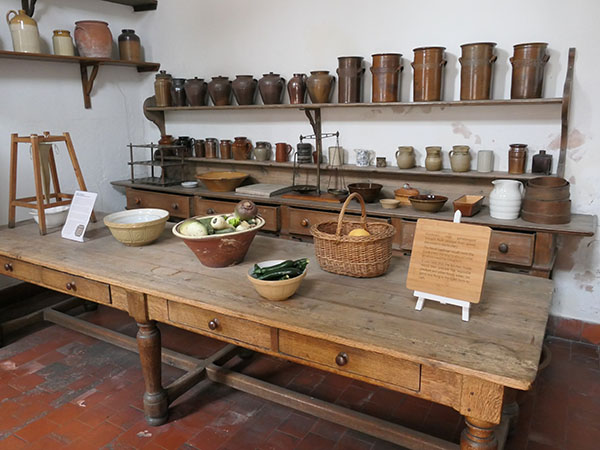
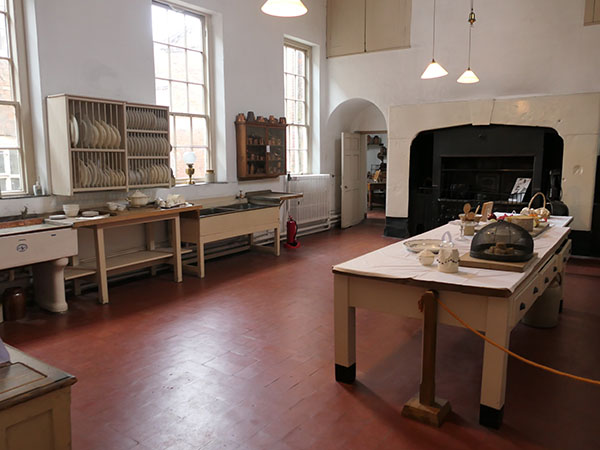
Next up were the kitchens and pantries.

shugborough2024-1.jpg

shugborough2024-1.jpg

After the visit to the servant's quarters, I went into the house.

shugborough2024-1.jpg

The first room to see was the Drawing Room, which contains paintings and beautiful ceiling pasterwork and artwork. This room was the first entered and designed to impress. A lot of inspiration of the room is from Egyptian and Greek style.

shugborough2024-1.jpg

shugborough2024-1.jpg

The green room had two rooms leading off of it.

shugborough2024-1.jpg

The Red Drawing Room includes original furniture for the room and dates to the end of the 1700s.

shugborough2024-1.jpg

shugborough2024-1.jpg

The next room which led off the above green room included information about the brothers who lived in the house, and there is a lot of information about their travels across the world and items in their collection.

shugborough2024-1.jpg

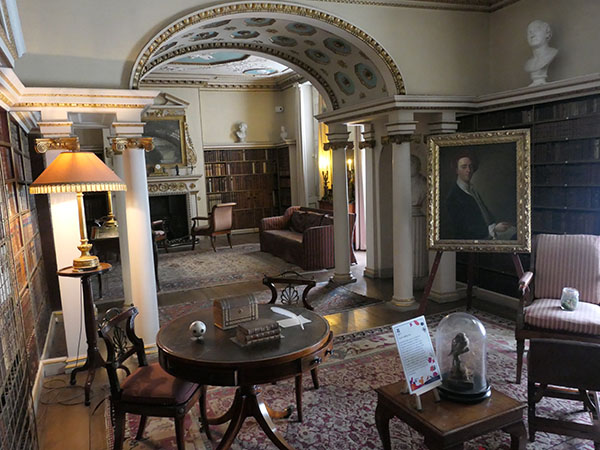
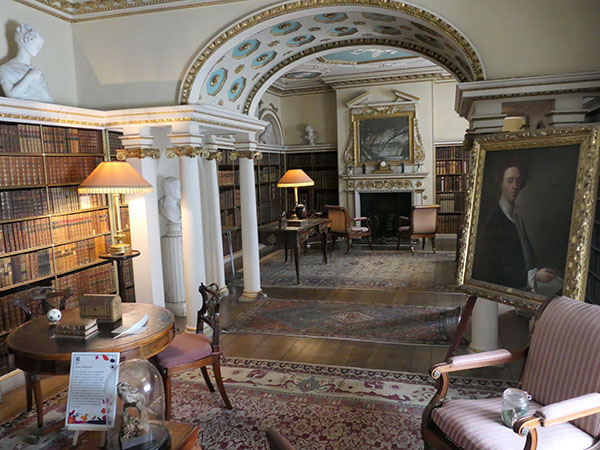
The next room is the library.
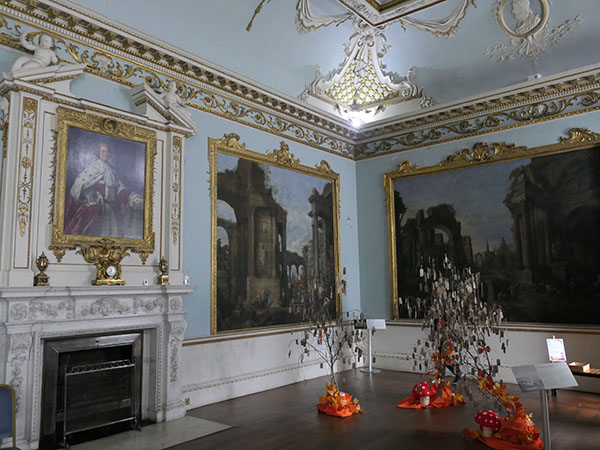
shugborough2024-1.jpg

shugborough2024-1.jpg

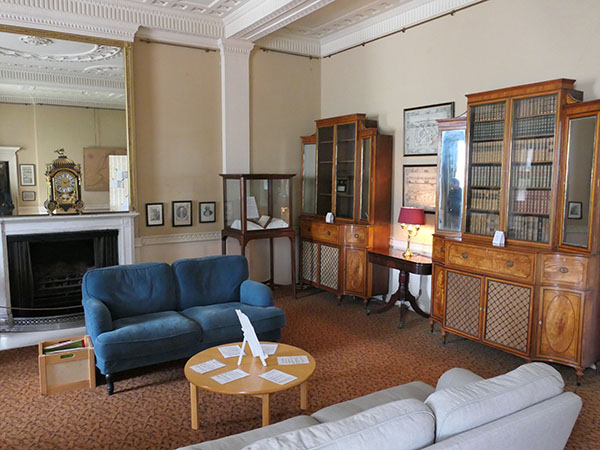
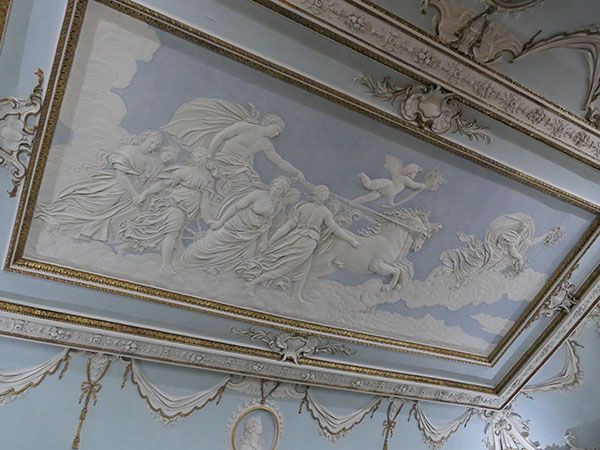
The last room marks the start of information about photographer Lord Lichfield and his apartments on the first floor. He was the last to live in the house and paid the National Trust a small rent for the apartments. He passed in 2005, but the apartments contain his living quarters and are now set up as an exhibition of his work. In many of the rooms, we see the subjects in his apartment settings, such as Princess Diana. Unfortunately, photographs of his apartments were forbidden due to copyright reasons. He is famous for taking photographs of Diana and Prince Charles' wedding, and he also took a lot of photographs of celebrities and royals through the 1960s.
shugborough2024-1.jpg

After the visit to the house, I went outside and had a quick walk around the estate to see the views and get some photographs.

shugborough2024-1.jpg

shugborough2024-1.jpg

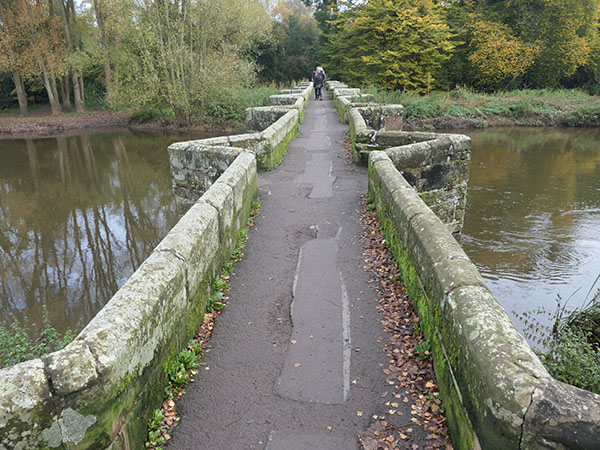
I came across this bridge across the river.

shugborough2024-1.jpg

shugborough2024-1.jpg

shugborough2024-1.jpg

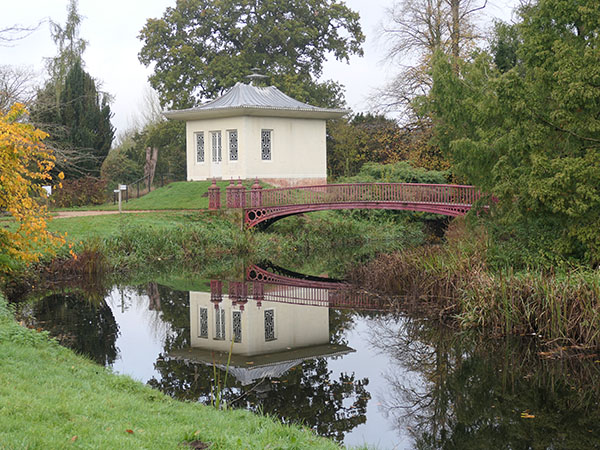
The Chinese house, pictured below, is one of the follies created on the parkland to make it pleasurable. This was one of the first buildings influenced by China in the country.

shugborough2024-1.jpg

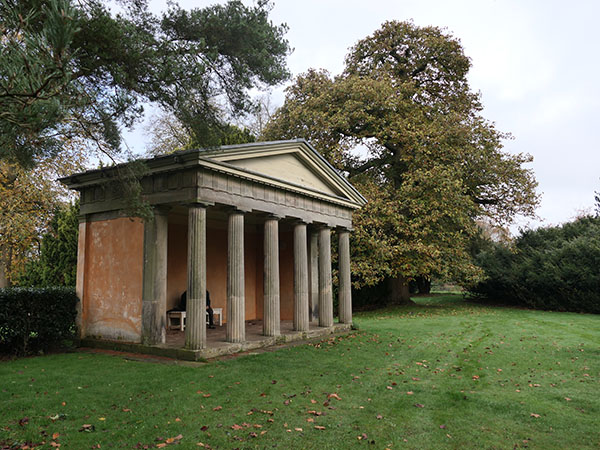
This Doric temple was another interesting folly in the parkland near the house.
shugborough2024-1.jpg

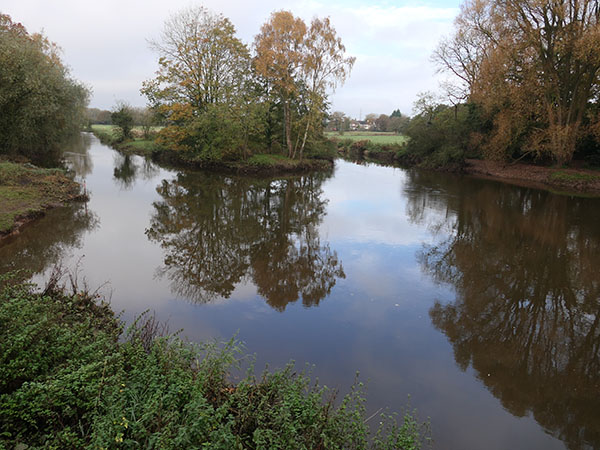
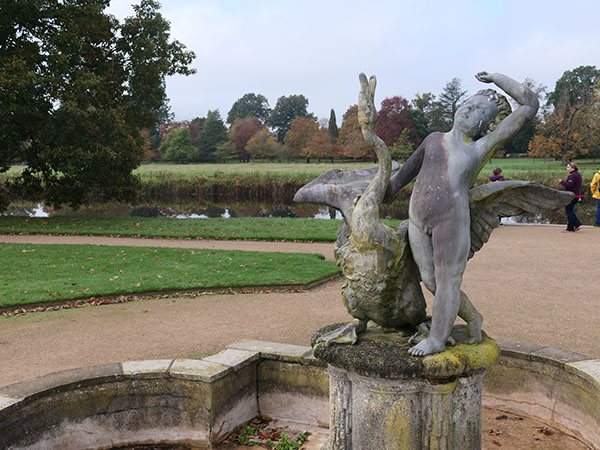
At the back of the house is a fountain and the river.

shugborough2024-1.jpg

After the visit to the grounds, I had a quick look around the farm. There were som farm animals there, and I could also look through the different rooms in the barns and farm buildings, such as the mill. There is a lot to see, read, and interact with at the farm.

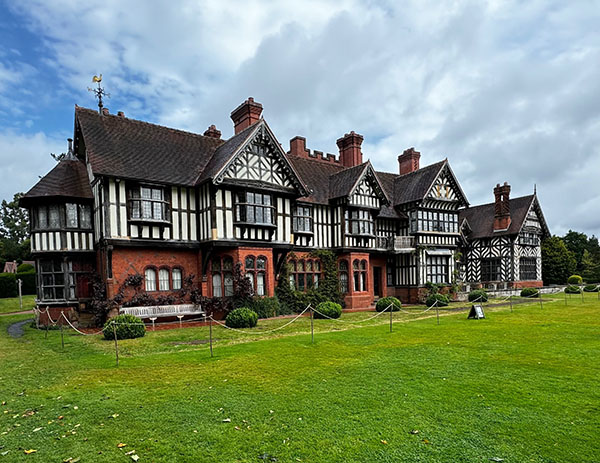
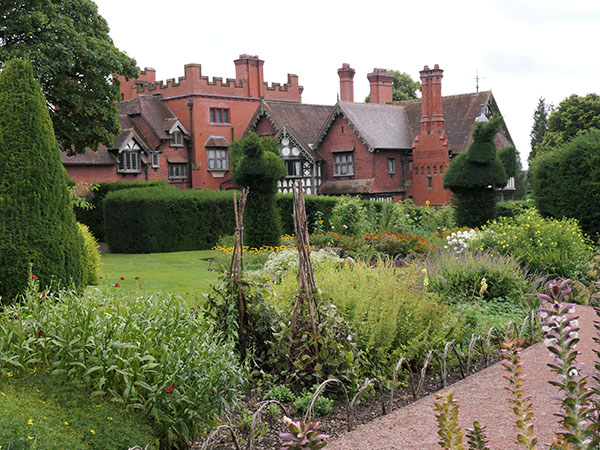
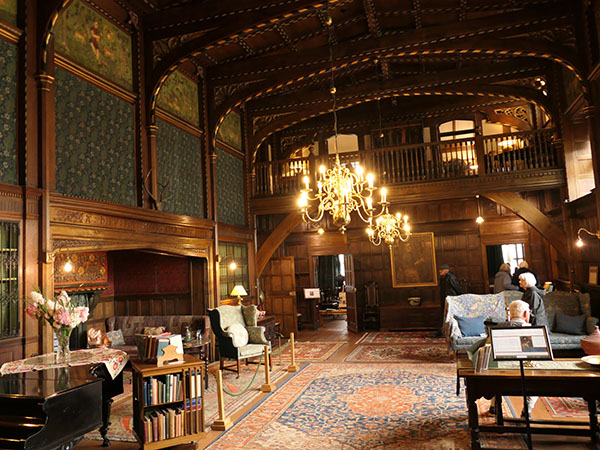
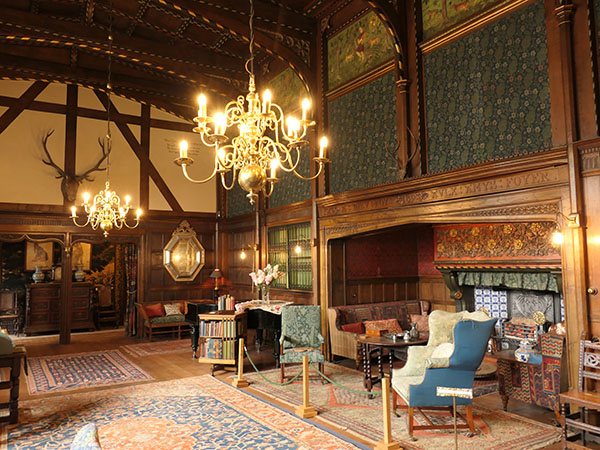
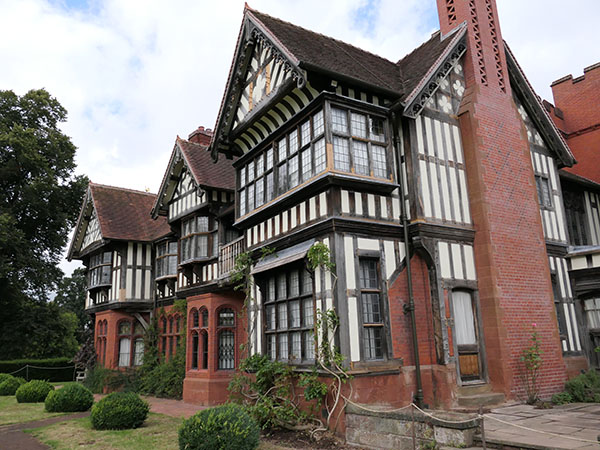
I visited Wightwick Manor toward the end of August, and this was my second visit to the house and gardens. I first visited it over the Christmas period when the house and gardens were decorated for the holidays, but the full house was not open. Wightwick is located in Staffordshire in the West Midlands, and it is maintained by National Trust. This timber-framed manor house looks medieval, but it was actually built at the end of the 1800s.

wightwick2024-1.jpg

When I visited, I was told that the conservation on the windows had been completed. Some of the timbers around the windows needed to be replaced.

wightwick2024

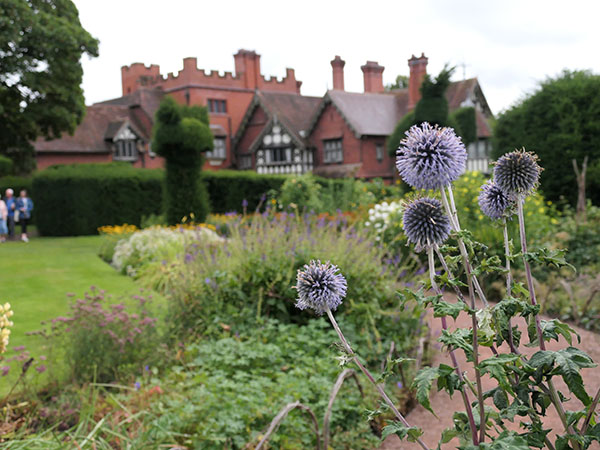
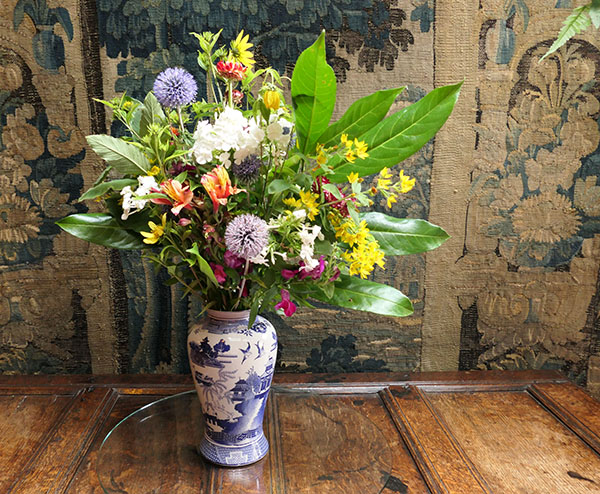
I first went to check out the gardens, which were at the end of the summer hurrah. There were still some of the late summer plants out and fruit, such as apples, on the trees. I also saw some vegetables in the walled garden.

wightwick2024

wightwick2024

wightwick2024

wightwick2024

wightwick2024

wightwick2024

wightwick2024

wightwick2024

wightwick2024

wightwick2024

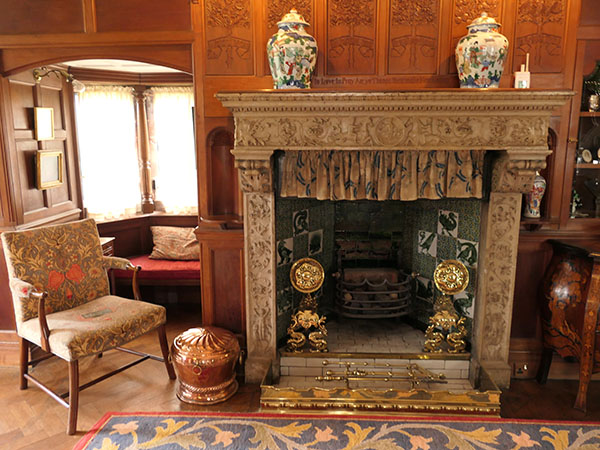
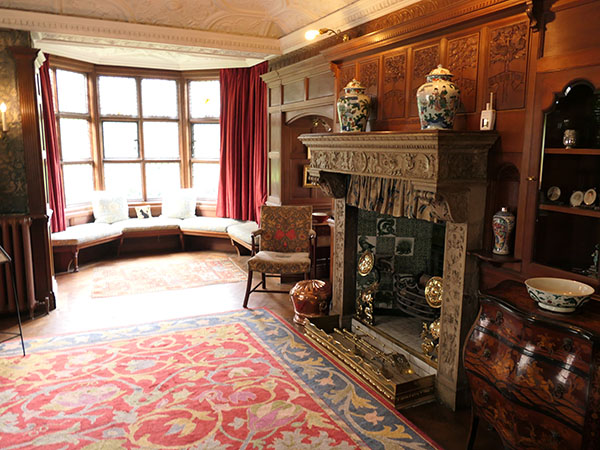
After I had looked around the garden, I went inside the house.

wightwick2024

wightwick2024

wightwick2024

wightwick2024

wightwick2024

wightwick2024

wightwick2024

wightwick2024

wightwick2024

wightwick2024

wightwick2024

wightwick2024

On this visit, I got to see the upstairs of the house. This was closed over Christmas. 

wightwick2024

wightwick2024

wightwick2024

wightwick2024

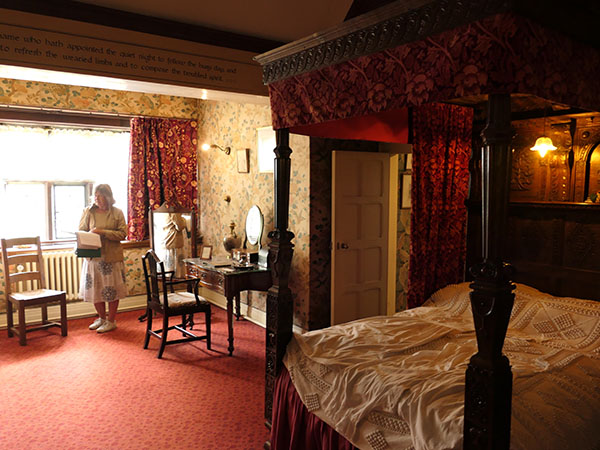
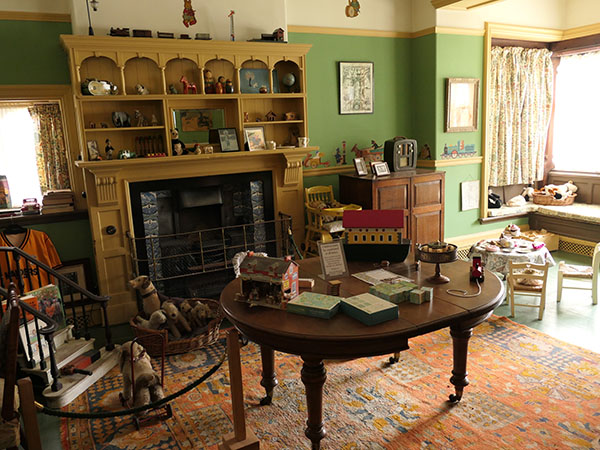
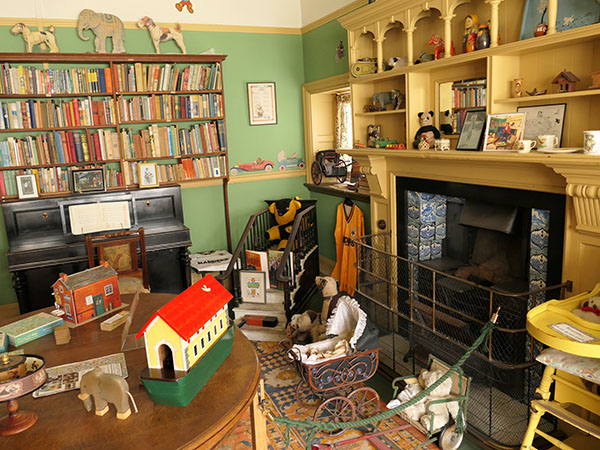
One of the rooms that was opened was the nursery, where the children would play and learn. The nanny would also mind the children in this part of the house.

wightwick2024

wightwick2024

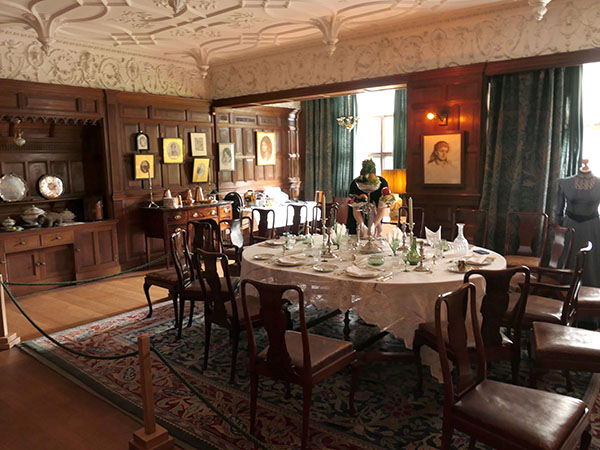
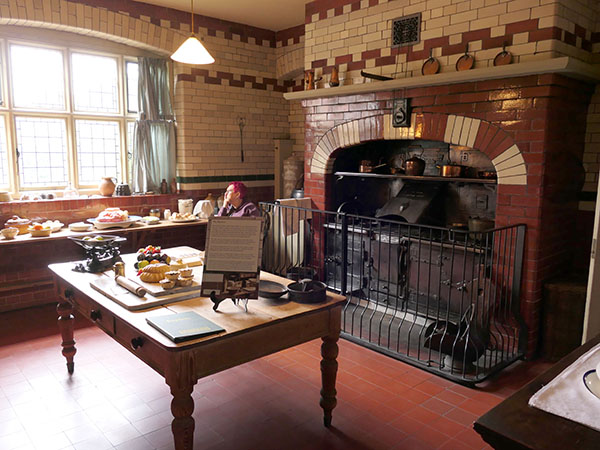
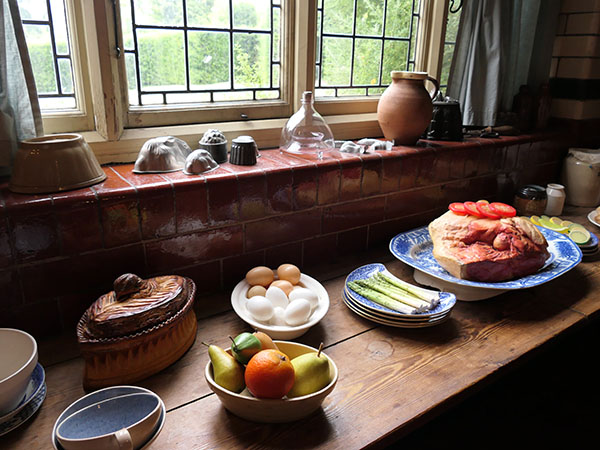
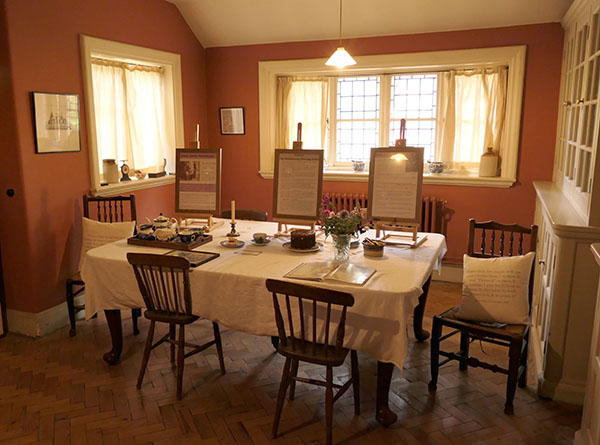
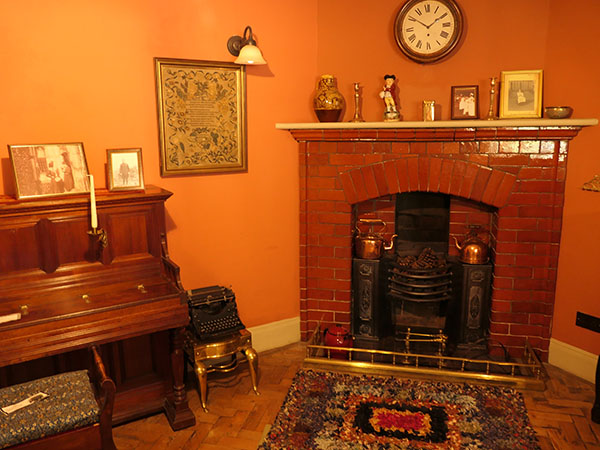
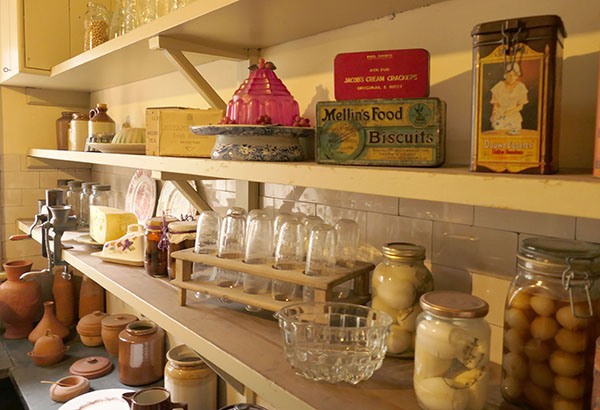
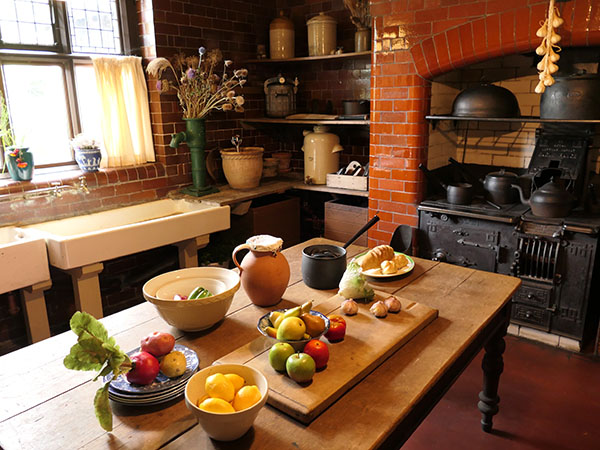
Next up were the servant quarters, such as kitchens and scullery and the servant dining room.

wightwick2024

wightwick2024

wightwick2024

wightwick2024

wightwick2024

wightwick2024

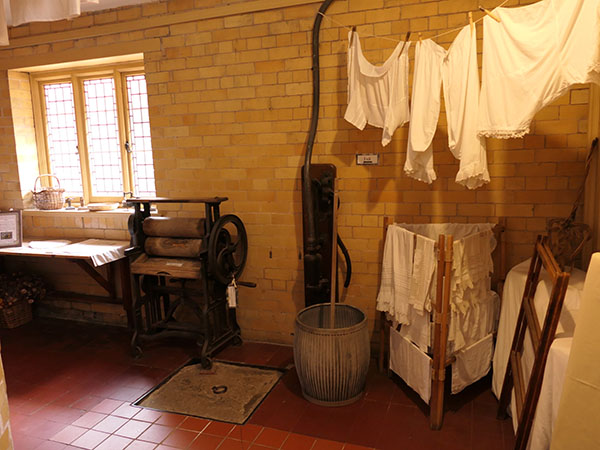
One of the other servant rooms was the laundry.

wightwick2024

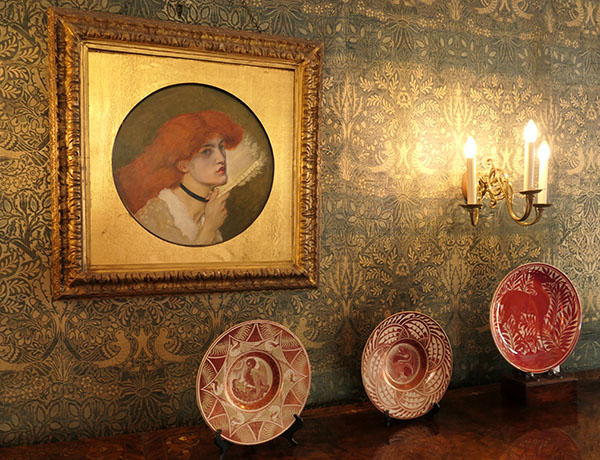
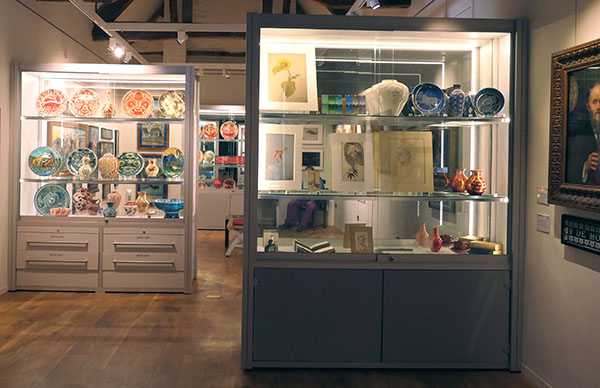
After looking around the house, I went to the gallery next door at the Malthouse. The gallery, De Morgan Gallery, contains the collection of ceramics and paintings.

wightwick2024

wightwick2024

wightwick2024

Wightwick Manor has beautiful gardens and a house with interesting objects to explore, and there is also a shop, bookshop, and a cafe. For additional posts about the property on this blog, see the below posts:

Christmas at Wightwick Manor

An Afternoon at Stokesay Castle in Shropshire

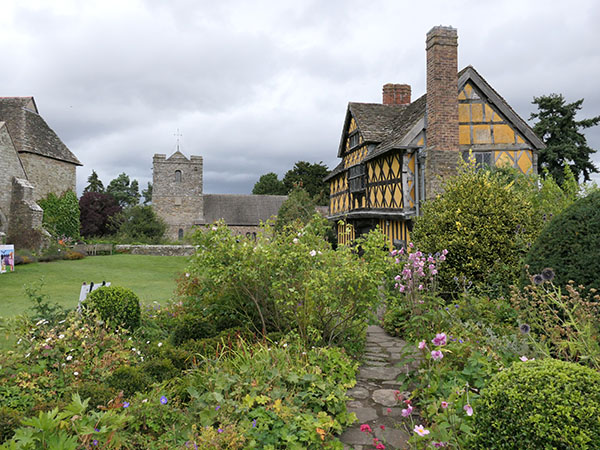
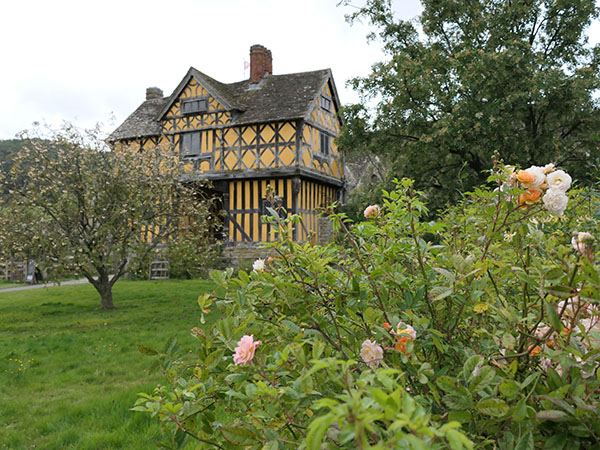
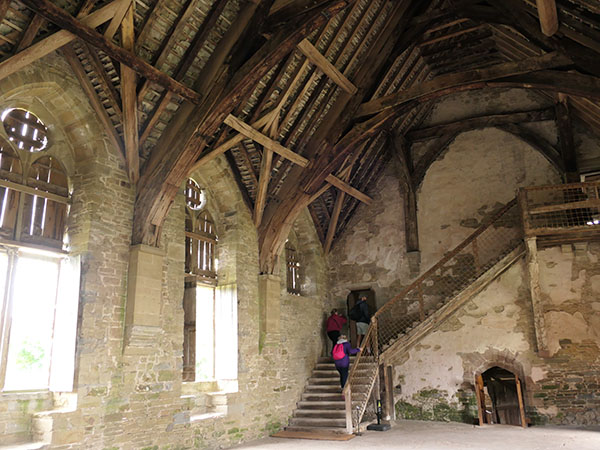
Stokesay Castle, which is located in Shropshire, dates from the 13th century and is a good example of a fortified manor house. The family who built the house were the Ludlow family, and they received their money from the wool industry and members of the family lived there until the 1600s. Afterwards, the house was rented out, and during the Civil War, they supported the losing side, but the castle was not fully damaged as it retained its use as a home. The castle was never intended to be used as a stronghold and was built only as a home. In later years, the house was used for agriculture and restored and then opened for tourism in 1908. Today, it is managed by English Heritage.

stokesaycastle1.jpg

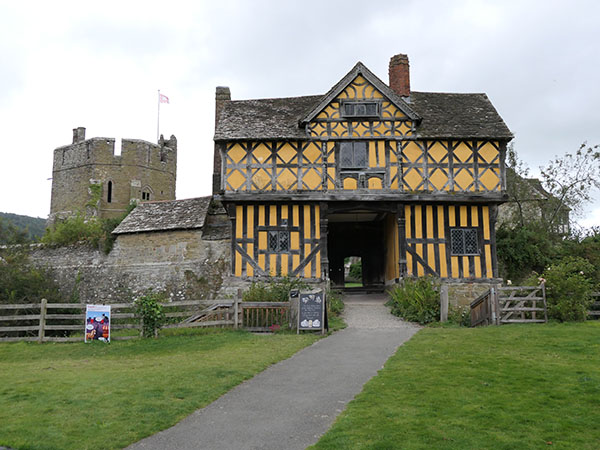
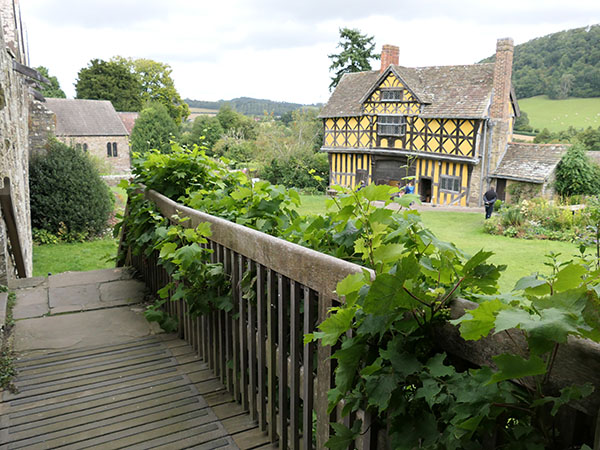
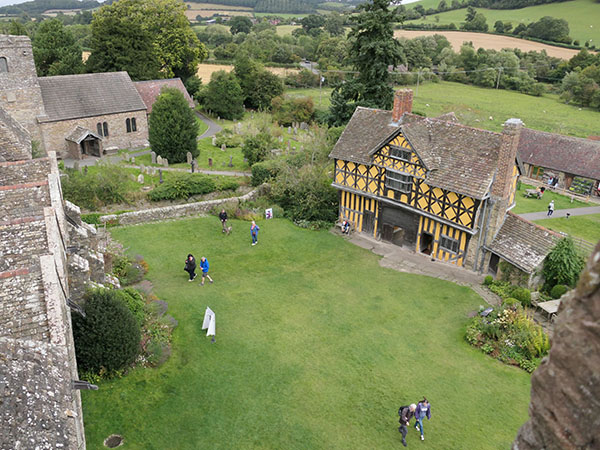
I visited Stokesay Castle at the end of August when I visited Shropshire and Worcestershire. The first building on the entrance to the castle is the 17th century gatehouse. The gatehouse contains carvings from Biblical stories, and it was never meant to be used for defense.

stokesaycastle

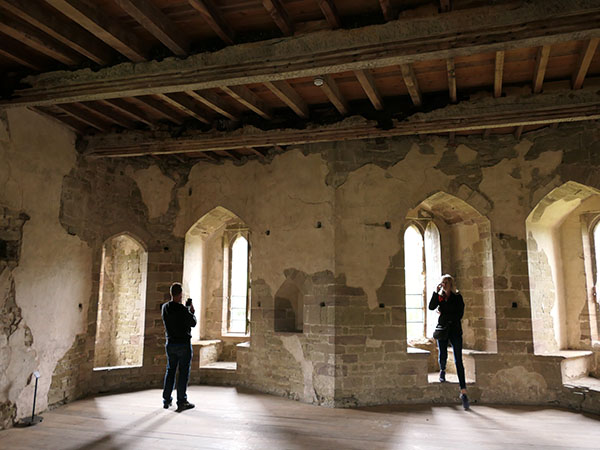
Note that the buildings are relatively empty of furnishings and furniture.

stokesaycastle

The building in front of the gatehouse or just behind it is the old hall and the tower with solar block. The tower has three floors. The structures mainly date from the 1200s. 

stokesaycastle

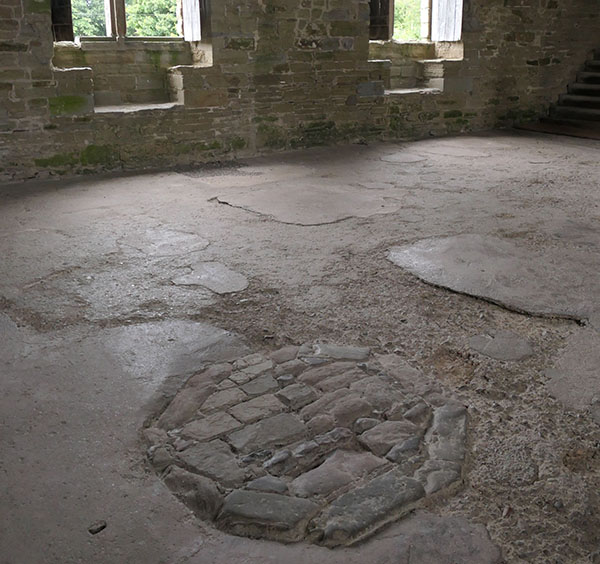
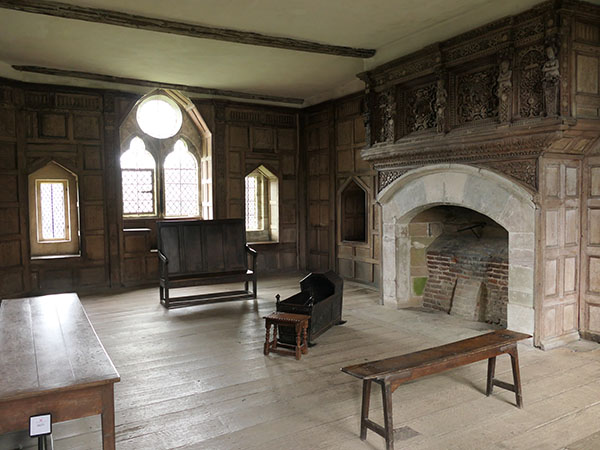
The hall was constructed with high ceilings and an area in the middle of the floor for a hearth, which was made to appear that the building is older than it actually is. In fact, there isn't any way for the smoke to escape if a hearth is heated and put into the middle of the floor. The great hall was used to host guests, such as the bishop of Herefordshire who was entertained here over ten days at the expense of the owner.

stokesaycastle

stokesaycastle

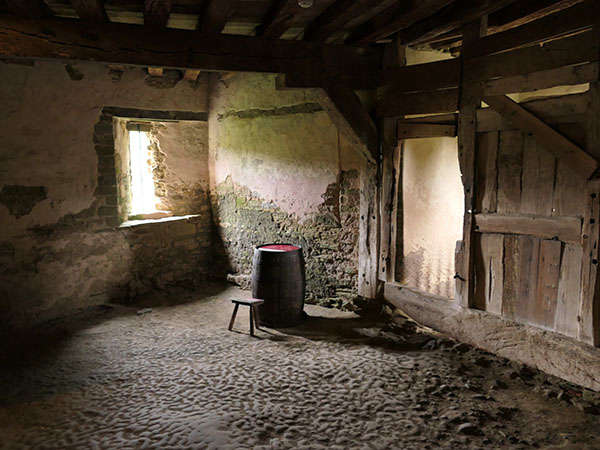
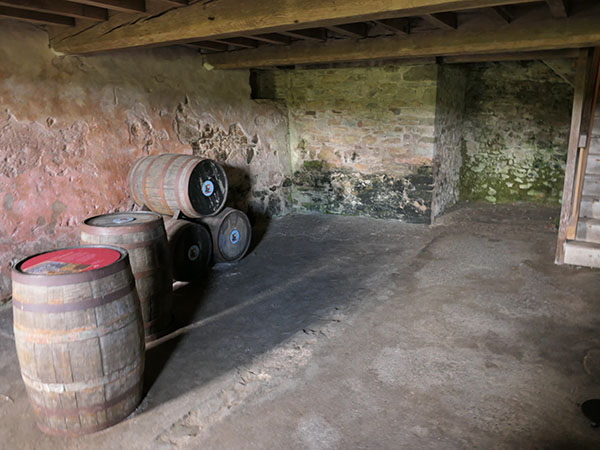
Off of the great tower is a small cellar, and this is in the north tower. The area was used to prepare food and clean dishes.

stokesaycastle

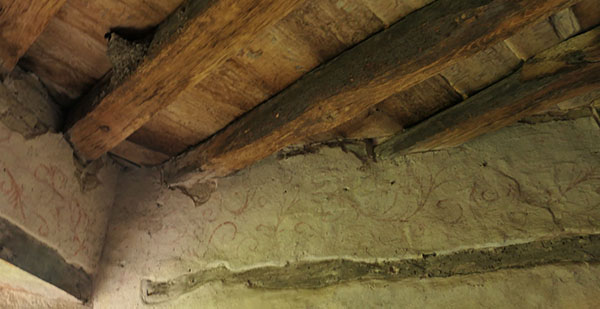
Some previous wall paintings have been uncovered in the castle.

stokesaycastle

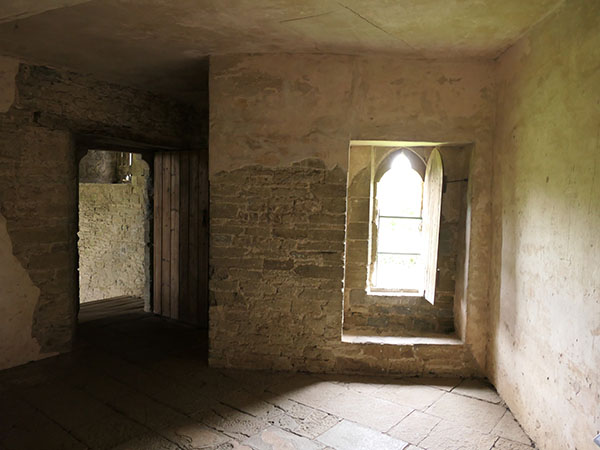
The north tower has some other rooms which would have been richly decorated.

stokesaycastle

The top of the tower includes a room with a lot of windows, and this jets outward from the structure.

stokesaycastle

On the opposite side of the hall is the solar block, and I checked out the cellar first. This was used for storing perishables.

stokesaycastle

Above, the rooms are richly decorated. There are views from this room into the Great Hall.

stokesaycastle

stokesaycastle

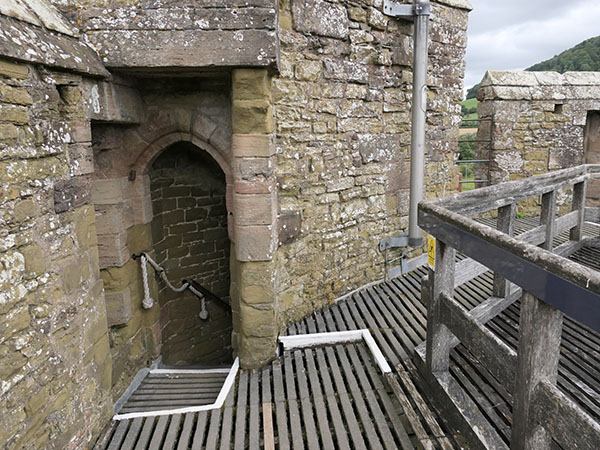
Outside from here, I climbed stairs to the south tower, which has great views.

stokesaycastle

stokesaycastle

stokesaycastle

The garden at Stokesay is designed in Edwardian style, typical of 1908 with a practical use for growing useful plants and vegetables.

stokesaycastle

stokesaycastle

After exploring the castle, I had a wander around the former moat, which is now a walkway around the castle.

stokesaycastle

stokesaycastle

There is a church just outside of the castle grounds as well.

stokesaycastle

I enjoyed my visit to Stokesay Castle.

Yayoi Kusama is a Japanese artist who creates immersive artwork and installations, and the pumpkin is one of the subjects that features a lot in her works, and she often uses the polka dot for styling. She is inspired by pumpkins and squash as they featured in her childhood with the land around her being planted with them. This sculpture, titled simply as "Pumpkin" is cast in bronze is six metres tall and 5.5 metres wide, and it is located near the Round Pond at Kensington Gardens. The artwork was created this year, and it gives off perfect vibes for Halloween and autumn.

kusamapumpkin2024-1.jpg

Her first large-scale permannt sculpture was placed at Liverpool Street recently, and visitors can read about the work and see photographs on this blog Yayoi Kusama Sculpture at Liverpool Street. I also saw one of her shows several years ago, "The Moving Moment When I Went to the Universe", which included her paintings, sculptures, and infinity rooms, which I also went to and covered on this blog.

kusamapumpkin2024-2.jpg

The giant pumpkin was placed in early July and is installed until tomorrow, Sunday, November 3. It has been placed by Serpentine Gallery. See it before it is gone.

  1 2 3 4 5 6 7 8 9 10 11 12 13 14 15 16 17 18 19 20 21 22 23 24 25 26 27 28 29 30 31 32 33 34 35 36 37 38 39 40 41 42 43 44 45 46 47 48 49 50 51 52 53 54 55 56 57 58 59 60 61 62 63 64 65 66 67 68 69 70 71 72 73 74 75 76 77 78 79 80 81 82 83 84 85 86 87 88 89 90 91 92 93 94 95 96 97 98 99 100 101 102 103 104 105 106 107 108  

Archives

Recent Comments

  • jenn: Thank you. read more
  • Murge: Amazing post. read more
  • Herbert: good post. site read more
  • Frank Quake: Hey, This is great when you said that I had read more
  • Chappy: You mention peptides here? I have had first hand experience read more
  • jenn: Thanks! I love the work. I have got more recent read more
  • Fanakapan: Thanks for the write up. This was some of my read more
  • jenn: Yes.... but that's only for the islands. Mostar and Montenegro read more
  • jenn: Hello, the code is not mine to hand out. I'll read more
  • pantich: More info about the best day trips from Dubrovnik can read more
OpenID accepted here Learn more about OpenID