Results matching “paint”

London Illuminated Bridges (Phase One) 2019

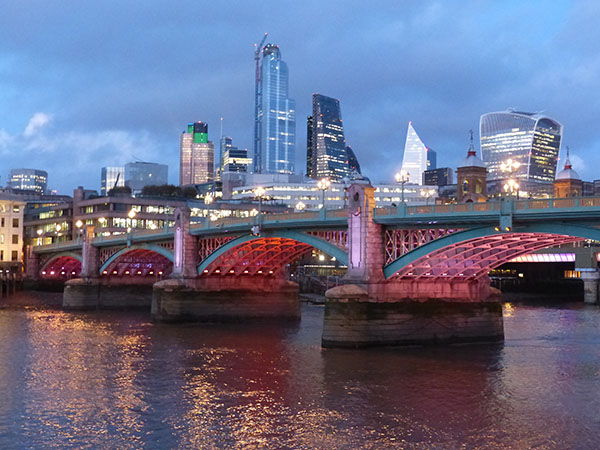
London's bridges will be completely illuminated by the next three years, and the first four bridges were illuminated in mid-July this summer. The next few will be illuminated by autumn next year with the third and final phase to follow subject to the schedule. The first four bridges illuminated this year were Millennium Bridge, Southwark Bridge, Cannon Street rail bridge, and London Bridge. Each bridge has been illuminated to a separate artistic style, keeping in mind its location and sensitivity to its environment. 
london-illuminated-bridges2019-01.jpg

The winners of the bid to illuminate the bridges were American artist Leo Villareal and British architects Lifschultz Sandilands (LDS). The project is thought to be the longest-running art project in the world. It will cover 4.5 nautical miles of river when completed.
london-illuminated-bridges2019-08.jpg

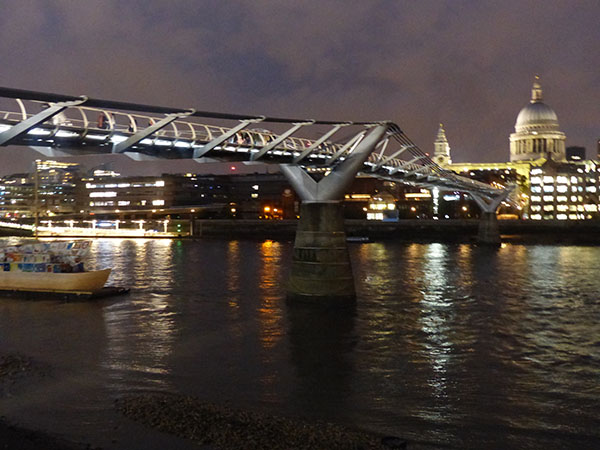
Above is Millennium Bridge, a pedestrian footbridge that was created for the millennium year 2000 but launched two years later due to problems with the bridge's design and wobbling. The LED lighting on the bridge has been installed to mimic the flow of people moving across the bridge, and the movement was inspired by superhero Flash Gordon. The white light travels quickly from one side of the bridge to the other. The motion mimics movement at great speed, and the river below remains in darkness during the light motion. The bridge is covered in miniature artworks by street artist Ben Wilson, noted for painting discarded bubblegum on the bridge.
london-illuminated-bridges2019-02.jpg

london-illuminated-bridges2019-03.jpg

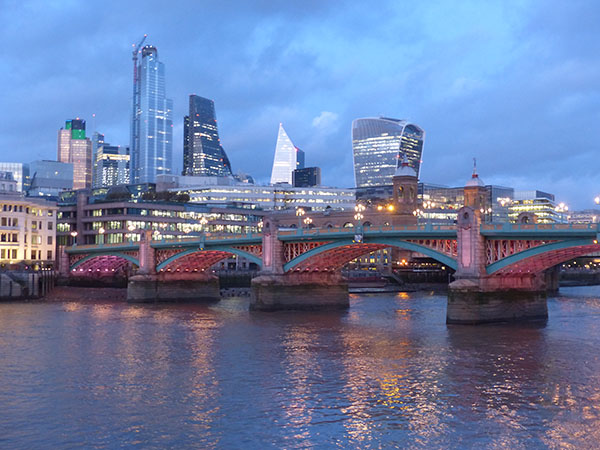
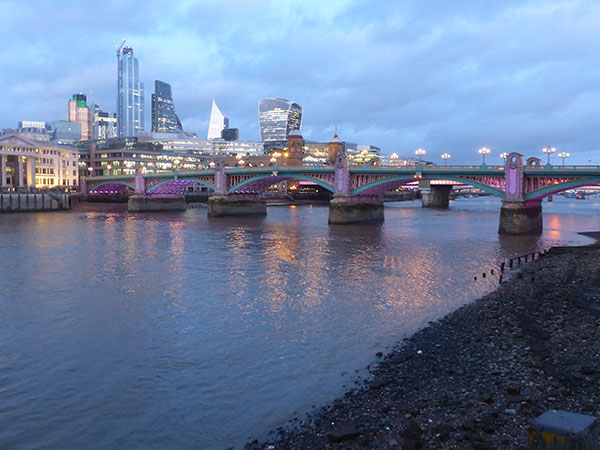
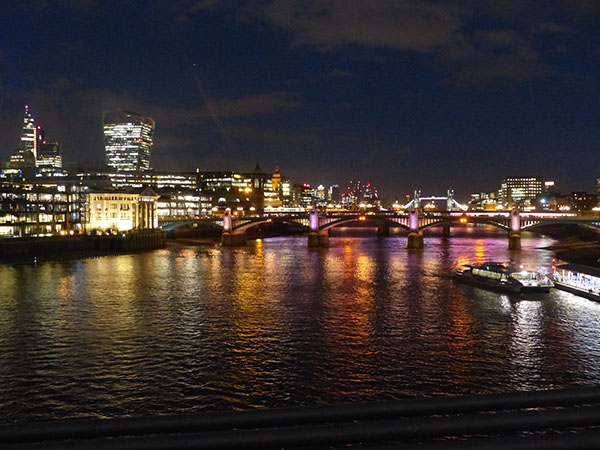
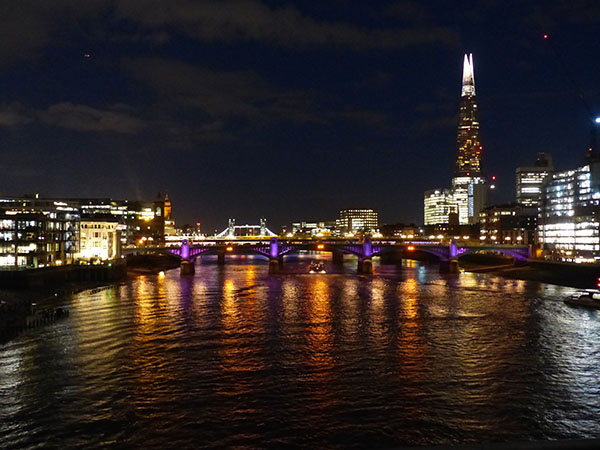
Above is Southwark Bridge, which opened in 1921 and was privately financed. It replaced an earlier bridge called Queen Street Bridge and contains stairs down to the river. Underneath the south part of the bridge is a pedestrian tunnel with a mural relating to old London and the frost fairs held on the river when it used to freeze over. Southwark Bridge is illuminated with saturated pink, red, and purple colours that gently fade into one another. The lighting represents an impressionist painting.
london-illuminated-bridges2019-04.jpg

london-illuminated-bridges2019-05.jpg

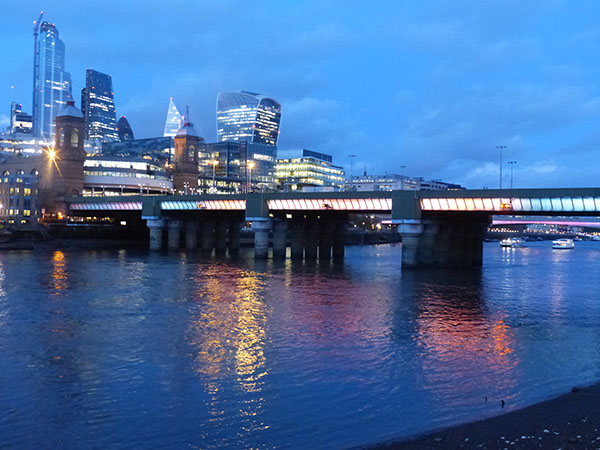
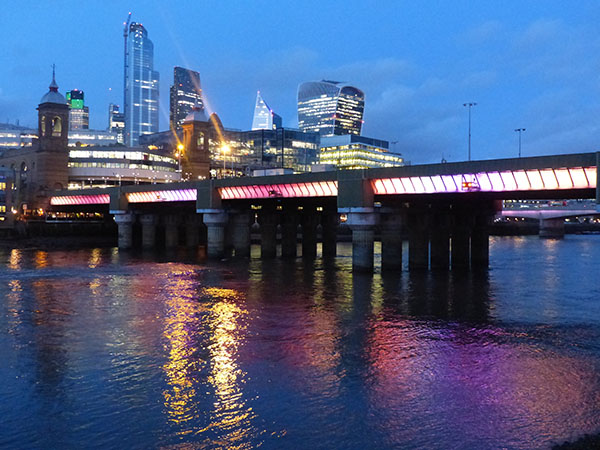
The Cannon Street rail bridge (above) was built in 1866 for trains to cross from Cannon Street Station. The name is a shortened deriviation of the former use of the area known for its candle-making; the area is known as Candlewick. The two towers on the northern bank contain water tanks for hydraulic lifts. The building above the station is offices today, and I worked in the top of the offices for a year and a half. The lighting for the bridge is inspired by its use as a railway bridge, and the colours gently fade and move together and appear to mimic moving trains.
london-illuminated-bridges2019-06.jpg

london-illuminated-bridges2019-07.jpg

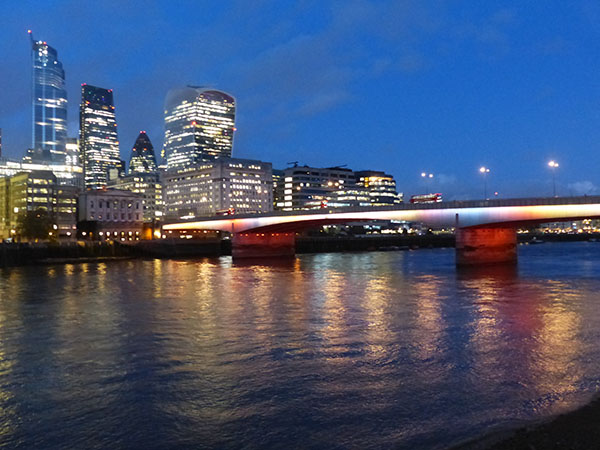
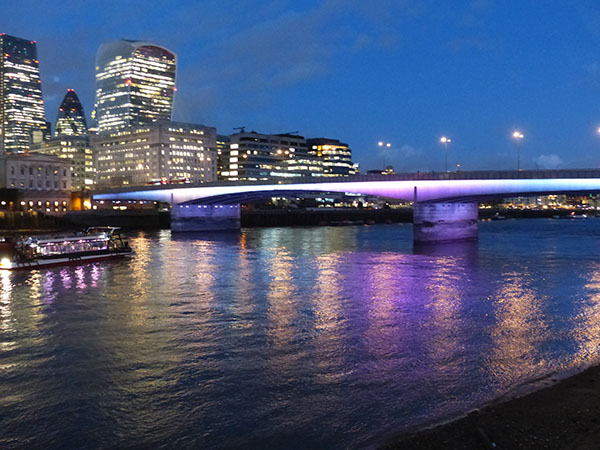
London Bridge, pictured above, is the oldest bridge in London and built when London was large enough to require a bridge to get across the river. The old bridge was actually a couple hundred yards from the current position, and it contained multi-storey buildings on the bridge. It was also used to show what happens to traitors as spikes across the bridge contained the severed heads of criminals or people considered to be a problem to the British Empire/royal family. The modern bridge dates from the 1830s with the previous one bought by an American and placed up in Arizona. The lighting uses colours that fade into each other and glow, and they complement the design of the bridge.
london-illuminated-bridges2019-09.jpg
Southwark bridge from Millennium Bridge
london-illuminated-bridges2019-10.jpg

The illuminated bridges have transformed London and make it an inspiring and beautiful place to live. I think the colours make everyone a little more happier. I can't wait to see how the other bridges are transformed next autumn.
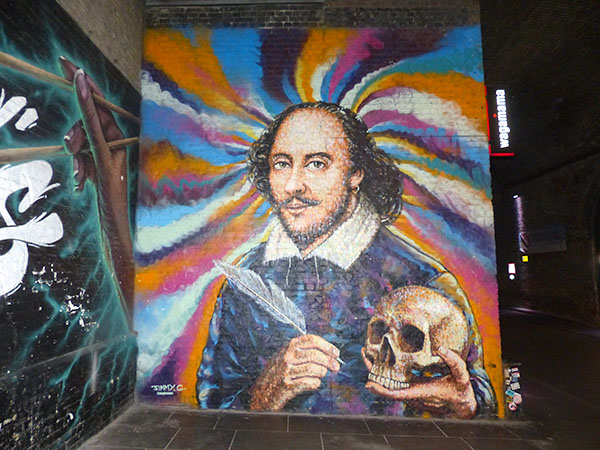
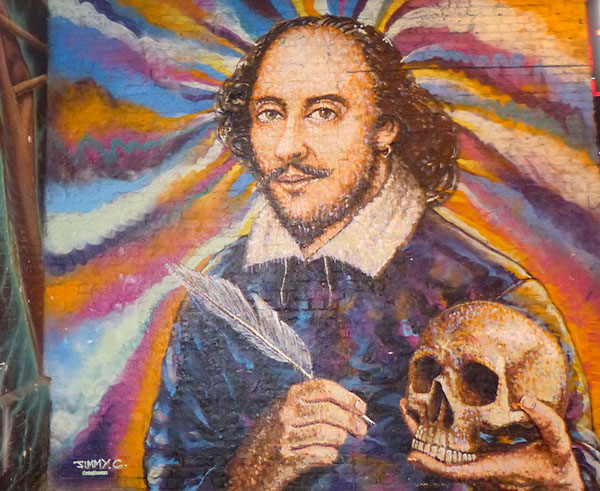
JimmyC Updates South Bank Shakespeare Mural

The year 2016 was Shakespeare's 400th year, and Australian street artist JimmyC (James Cochran) painted a mural dedicated to the famous writer and poet to commemorate 400 years of Shakespeare. In August this year, the popular Shakespeare portrait was refreshed and updated to include a skull and pen. The mural is located on South Bank on Clink Street and next to The Anchor pub. 
shakespeare-jimmyc-2019-01.jpg

shakespeare-jimmyc-2019-02.jpg

In addition to the updated Shakespeare portrait, JimmyC also painted a mural in Shoreditch off Sclater Street (on Whitby Street). The mural is located near one of his oldest murals on the same street.

jimmyc2019-20.jpg

More artwork by JimmyC that I have posted about in this blog are:

JimmyC Paints Wall of Hearts to Honour Victims of Borough Market Attack
JimmyC Paints "Royal Wedding" Mural for St. Christopher's Place

Mick's Hands

'Open the Mind'
JimmyC Redchurch Street Heart

JimmyC Paints Shakespeare on South Bank
Street Artist JimmyC Paints Caledonian Road
RIP David Bowie & An Afternoon in Brixton
New Mural in Ever-Changing Shoreditch by JimmyC
New 'Spring Offering' Mural by Bailon and Sliks (JimmyC, Zadok Sonar Uno)
New JimmyC Mural on Joe's Kid (Cafe), Fashion Street
JimmyC Street Art - New Inn Yard, Brick Lane, Hackney Road
New Street Art by JimmyC
Street Art: JimmyC

New Ben Eine Street Art, "LOVE" in 2019

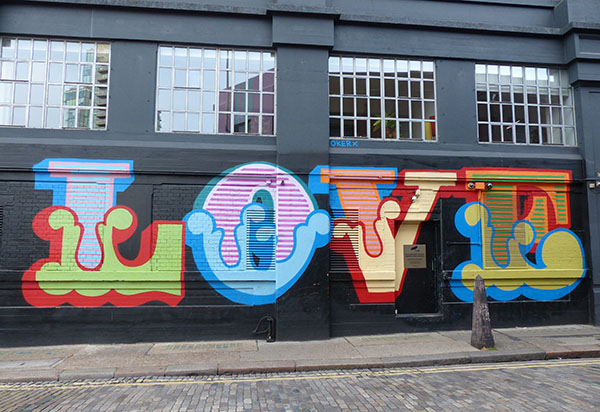
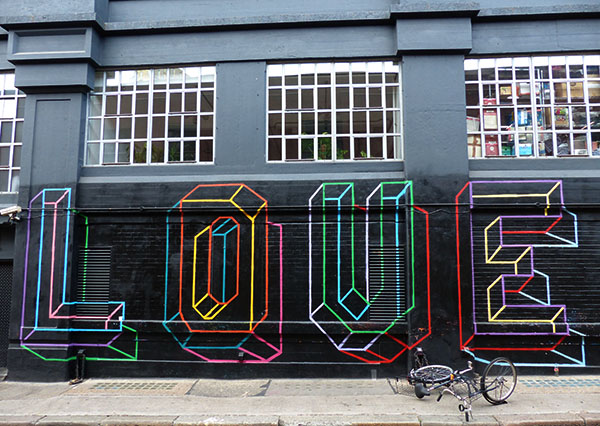
Street artist Ben Eine is one of the most high-profile street artists in the world. He is from London but now lived in the USA, and he does come back to London to update his murals or add new ones. Famous work of his was located at the Olympic park in London, Ebor Street near Shoreditch High Street, and Middlesex Street where he painted the alphabet on shutters. Of course, there's quite a few other places where his artwork appears. His artwork features typography. The newest pieces appear on a refreshed wall on Ebor Street. The word "Love" is written three different times in three different type styles.

eine-2019-01.jpg

eine-2019-02.jpg

eine-2019-03.jpg

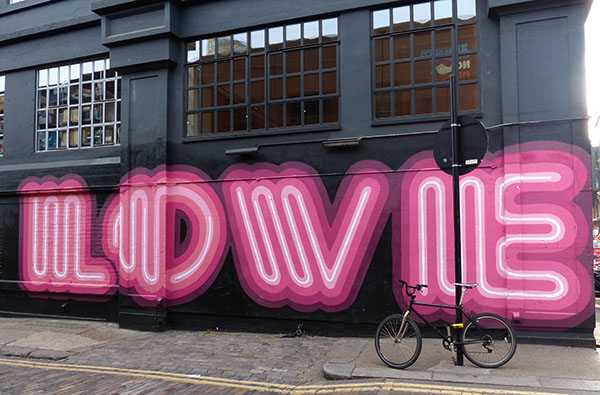
I also noticed a new letter near Great Eastern Street in Shoreditch. This isn't far from Pure Evil's artwork, and some of Pure Evil's creatues appear on the door next to the shutter. (For more information about Pure Evil, see this post: Pure Evil Street Art Murals on Bateman's Row).

eine-2019-04.jpg

Ben Eine "Peace is Possible" Street Art
Street Art: Ben Eine
Ben Eine Paints 'Like Nothing Else' on Ebor Street
Ben Eine Tribute to Grenfell Tower Victims
Ben Eine 'Last Days of Shoreditch'
Ben Eine New Street Art Summer 2016
Ben Eine 'Extortonists' Refresh

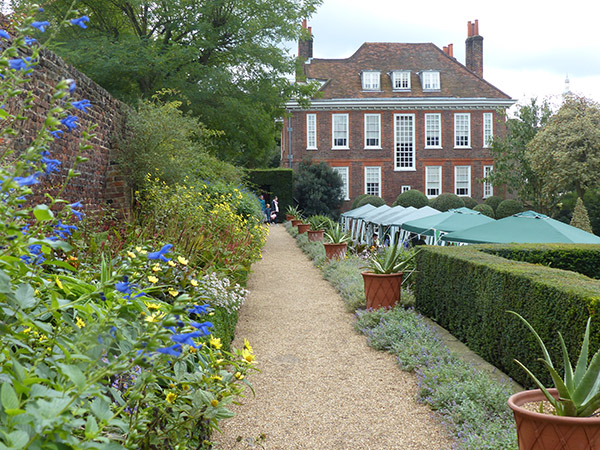
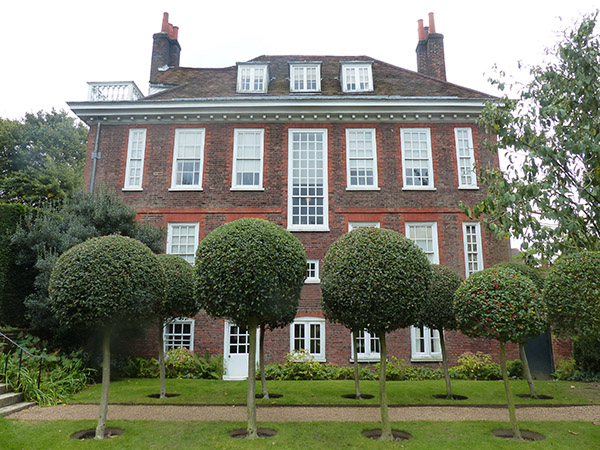
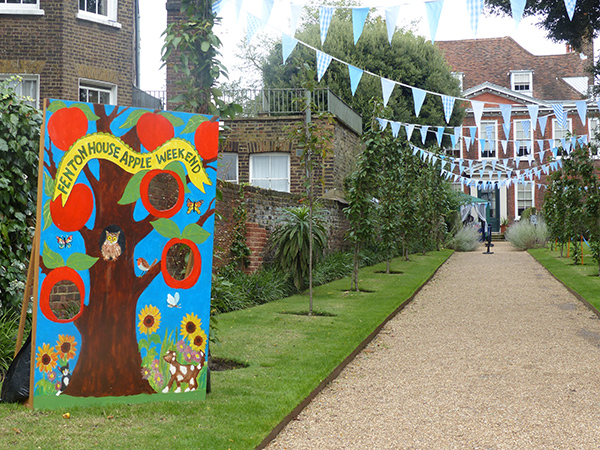
Fenton House dates from the 1600s and was built in Hampstead as a merchant's house. The house contains an orchard, kitchen garden, and a sunken garden. The garden has been transformed in the past 30 years and is designed in the Edwardian style of garden. The original owners had created the kitchen garden and orchard for the house, and this weekend is the annual "Apple Days at Fenton House" weekend. The weekend includes several activities for children, apple-tasting, apple juice tasting, food, crafts, and musical artists playing some of the house's instruments.
fenton house

At the time Fenton House was built, it was the only house in the area, and the area was famous for "highway men" (robbers), so the owners had a wall built around the house. The house came under National Trust ownership when the last owner, Lady Binning, passed away. 

fenton house

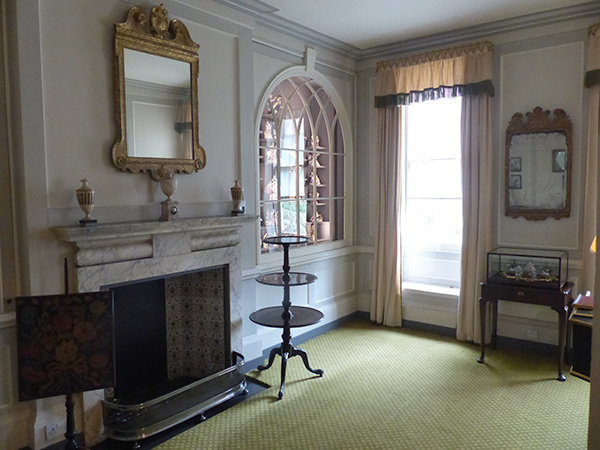
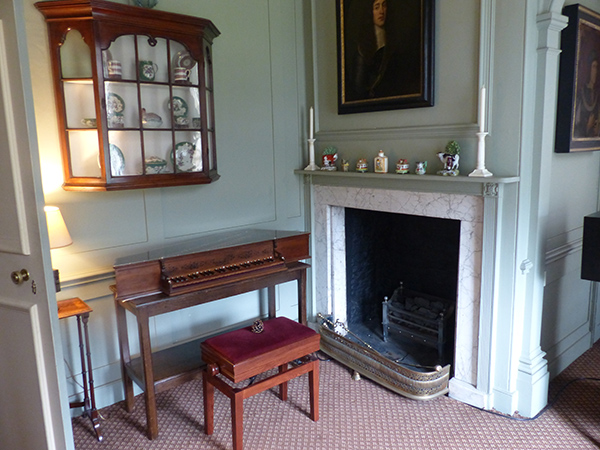
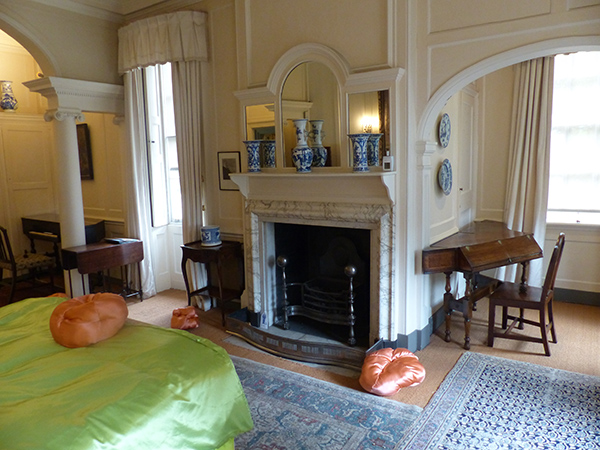
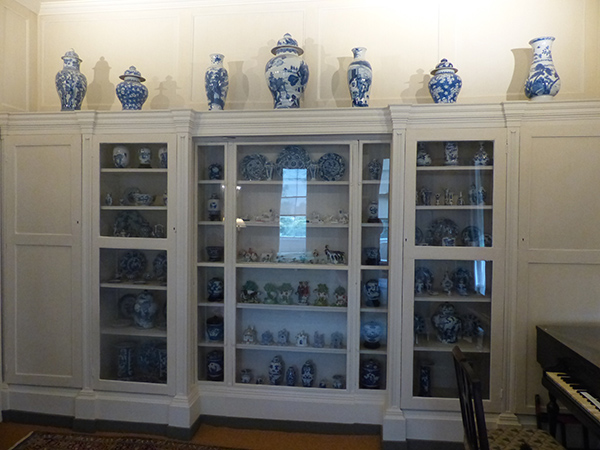
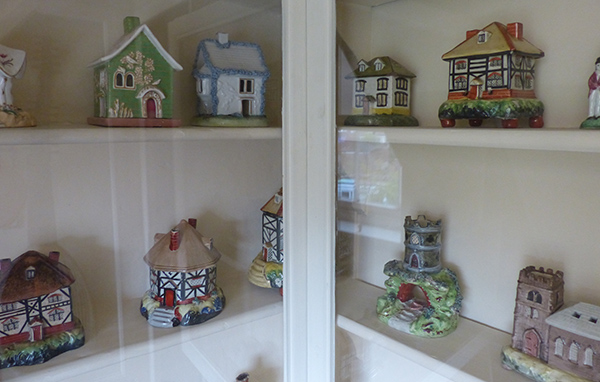
The house contains many musical instruments from Benton Fletcher collection and paintings from the Peter Barkworth collection. Chinese porcelain and 17th-century needlepoint is also popular at the house as one of the residents was a collector. There was so much porcelian that many of it is housed at the Victoria and Albert museum or on loan to other museums. 

fenton house

fenton house

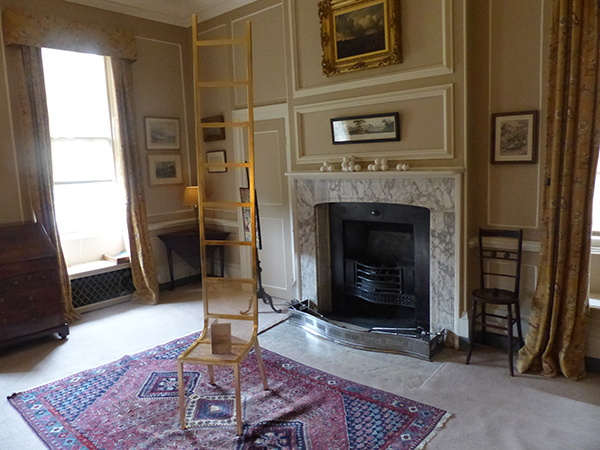
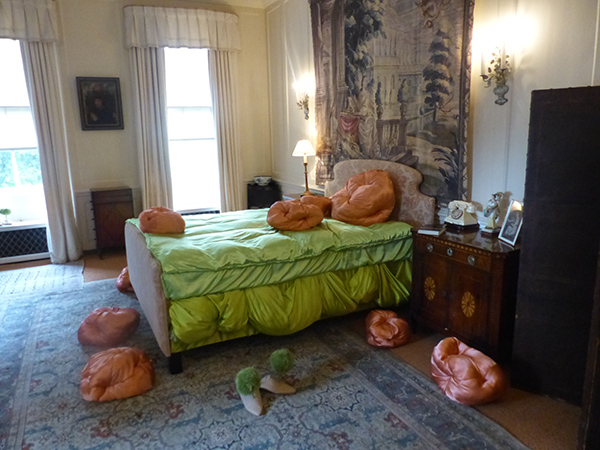
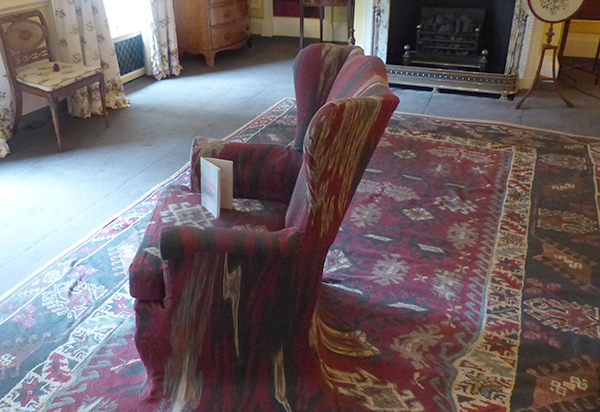
Currently, the house has installations commissioned and in place by Gitta Gschwendtner (known as "Please Sit") to allow the visitor to sit and admire the rooms. Each designer has created a chair or furniture to encourage visitors to sit and enjoy the rooms. Each seat was inspired by something in the room that it occupies.

fenton house

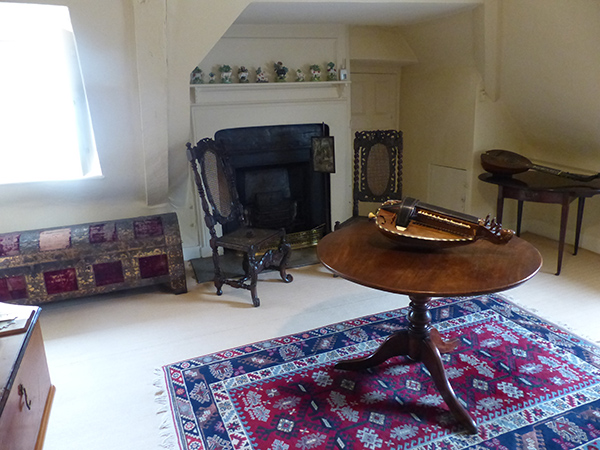
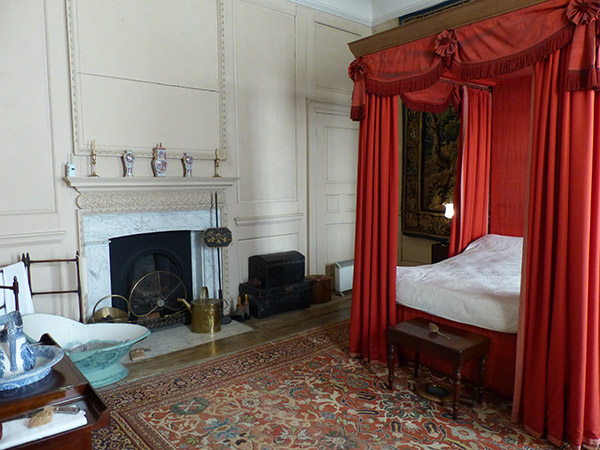
This room (above) contains a doorway that leads to another doorway behind the fireplace, which is a small private room where the occupier could undress or use facilities. This was before the time of toilets. In the room is a single chair "Jacob's Chair", which is inspired by a needlework of "Jacob's Ladder" biblical story, which can be used as a seat of reflection or "head in clouds". It was created by Gitta Gschwendtner.

fenton house

fenton house

fenton house

The bedroom seat is "Good Taste is Waste or Everyone Loves Poodles", created by Frith Kerr.The bed, pillows, and shoes with green pom-poms are inspired by a collection of porcelain poodles in the room.

fenton house

fenton house

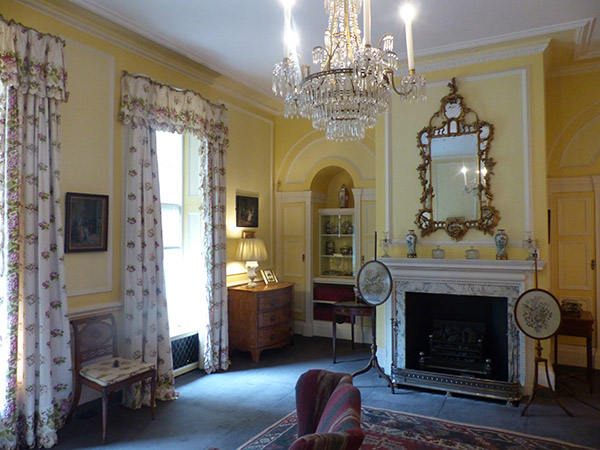
The drawing room (above) contains a chair designed by Maisie Broadhead, named "Part of the Furniture". It was inspired by the last resident, who became a recluse after the death of her husband. She would often sit in this room in mourning clothes and do little else.

fenton house

fenton house

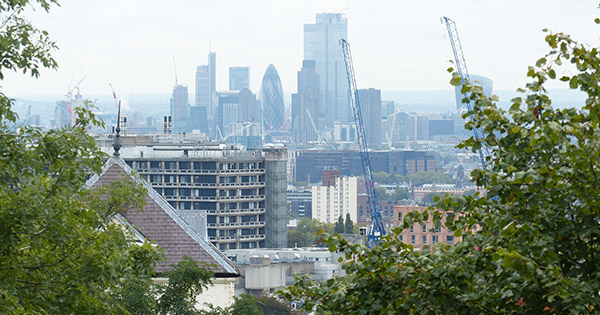
Upstairs includes more porcelain and musical instruments. There is also a view at the top onto a small balcony with amazing views over the city of London. Hampstead is on a hill, so the views are amazing from here. One view looks over the garden and also of the houses across the road, one of which is owned by director Ridley Scott and another by the writer of the book "Rebecca", Daphne du Maurier.

fenton house

fenton house

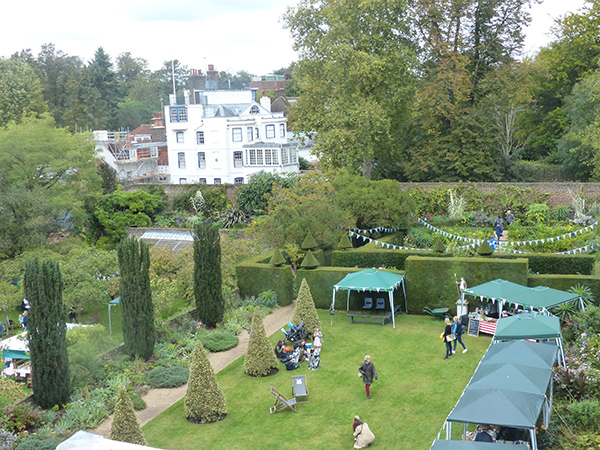
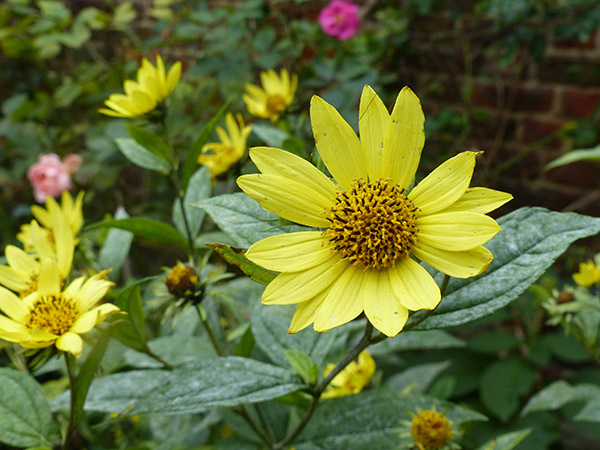
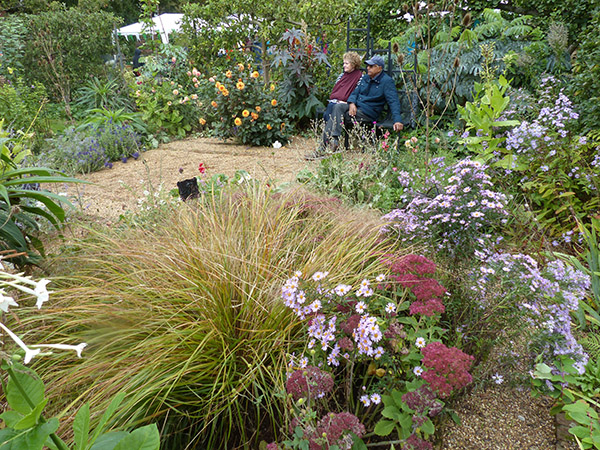
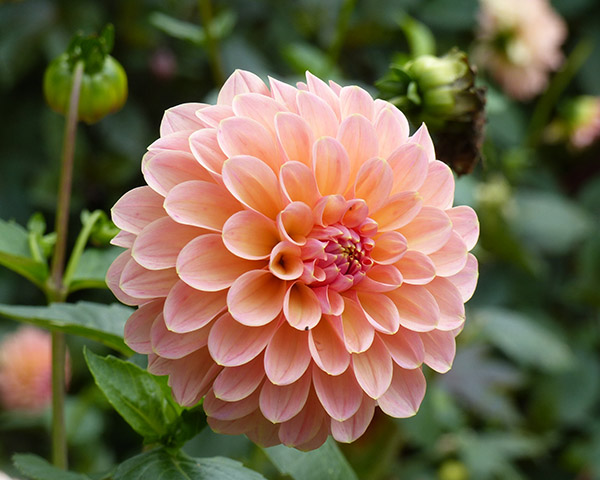
After looking around the house, I explored the garden. I was happy to see several flowers still in bloom despite the rain and cooler days this month. The garden is very beautiful. There is also the kitchen garden with vegetables. I saw some white strawberries that have started to grow again with strawberry blooms, rhubarb, and apples.

fenton house
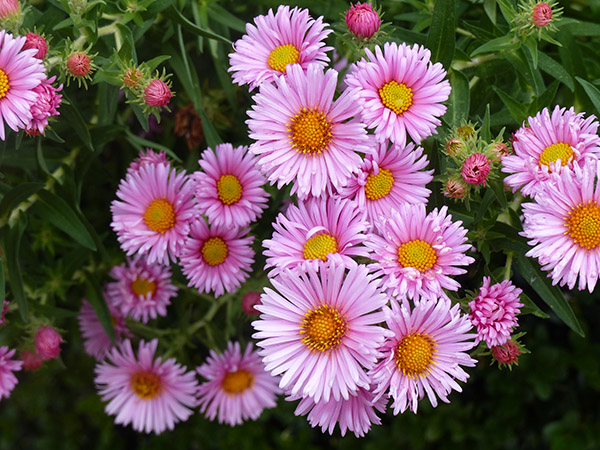
Aster

fenton house
Asters

fenton house
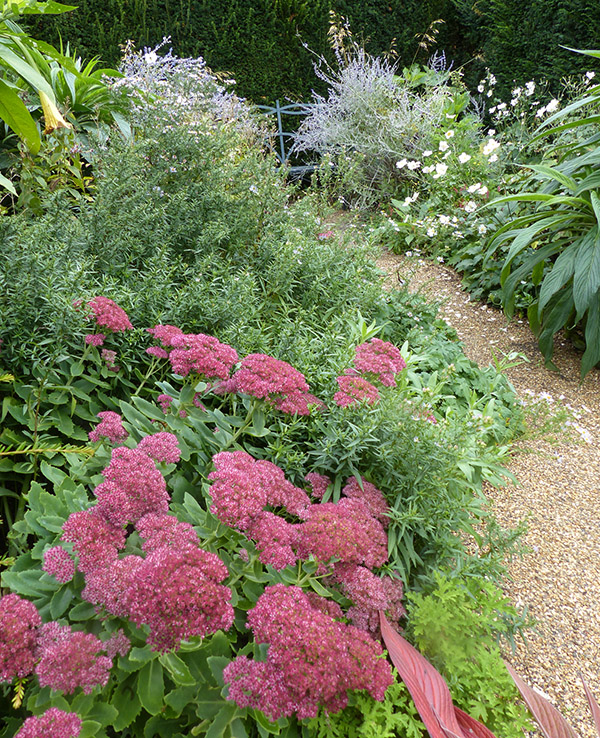
Sedum (foreground, I have some in my garden)

fenton house
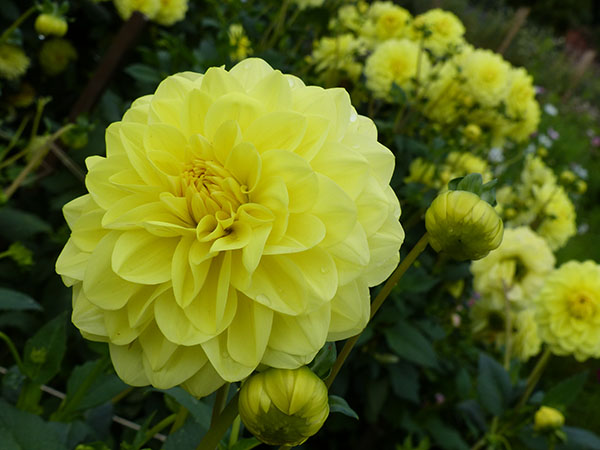
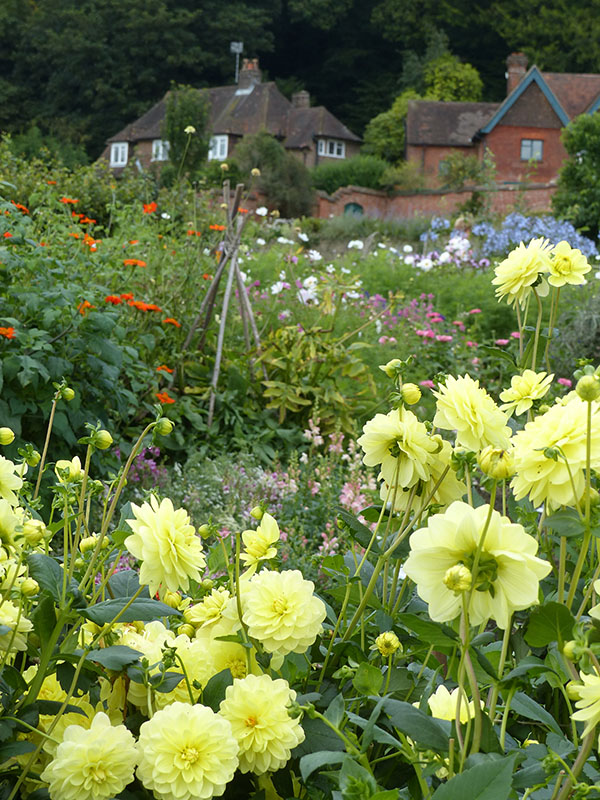
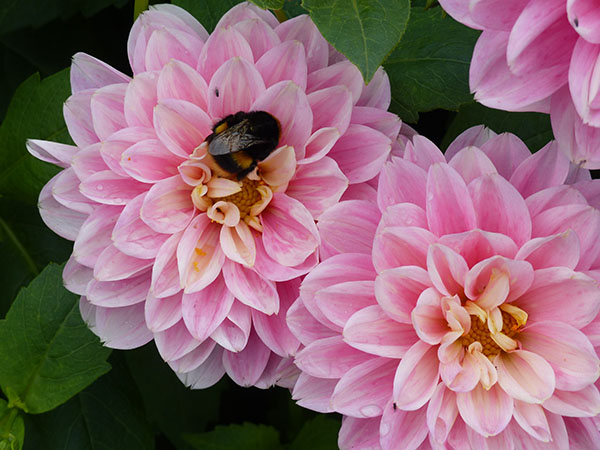
Dahlia, seedum, asters

fenton house
Dahlia

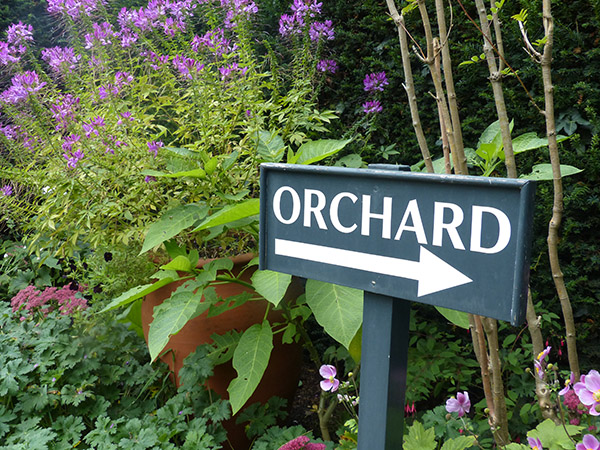
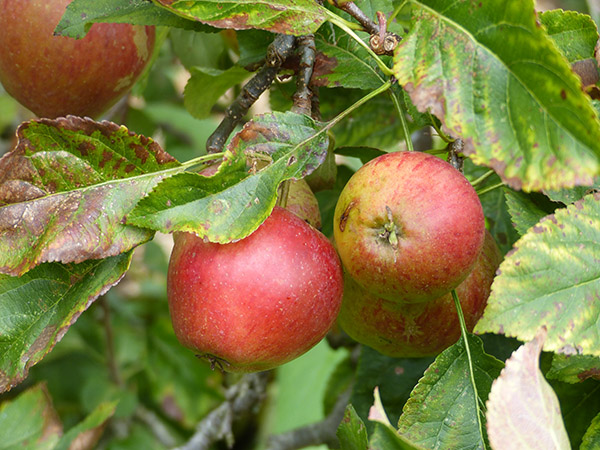
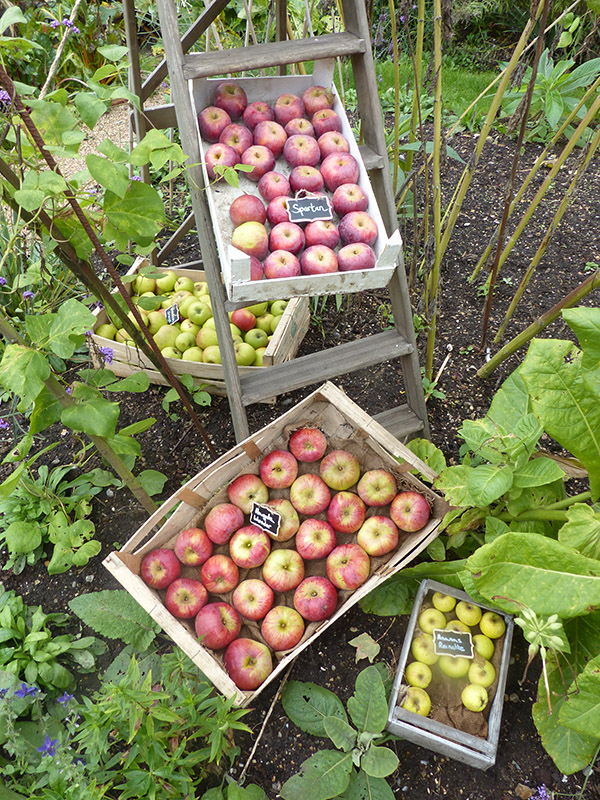
After looking at the flowers, I wandered to the orchard. The orchard is 300 years old and contains thirty types of apple trees, many of which are rare and old varieties of apple. Apple varieties could be tasted by visitors, and apples could be purchased for 30p each. 

fenton house

fenton house

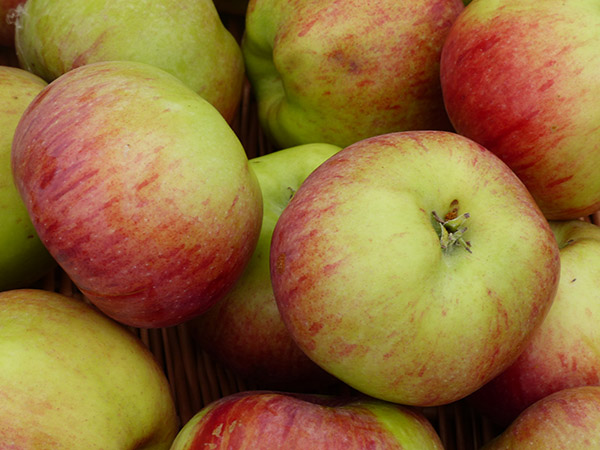
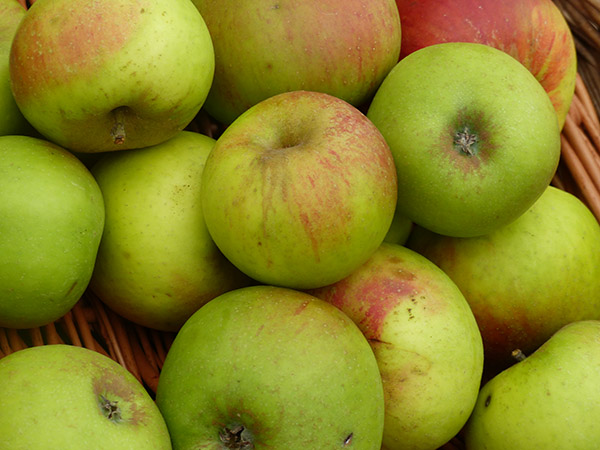
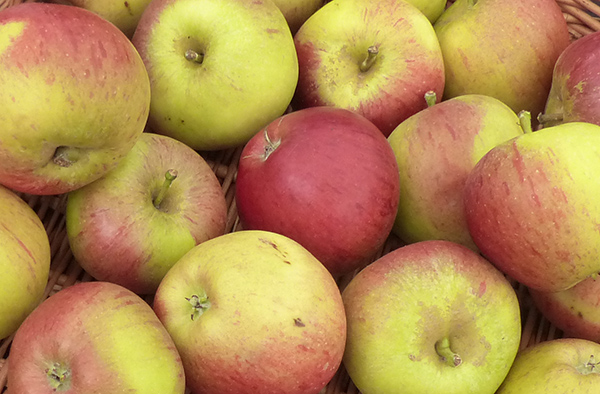
Anyone who knows me knows I am very picky when it comes to apples, and they have got to be crisp. (I got a little bit spoiled as I had access to fresh apples growing up on a farm with an orchard.) I tried one of each of the varieties on offer on Apple Day at Fenton House, and the apples were fresh. I found one that was perfect and reminded me of the apples who grew on the old apple orchard (which contains apple trees that probably date from the 1920s or 1930s, but they could date prior to that too). Anyway, here's a photograph of the apples and description.

fenton house

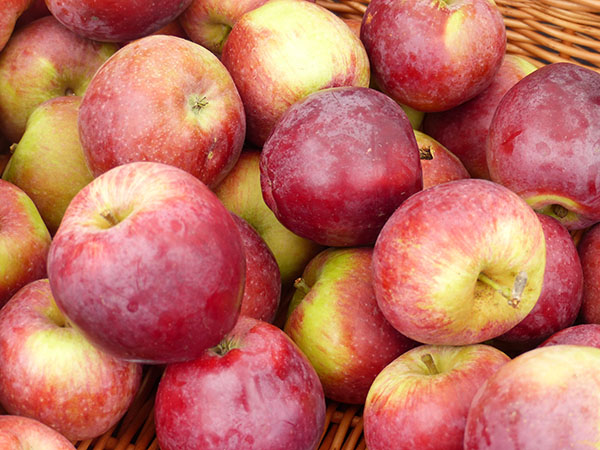
Sparta: This is a crisp apple with a sweet and slightly tart taste. I really enjoyed this variety, and it has an attractive deep red colour. The apple dates to 1936. It was meant to be a cross between McIntosh and Newton Pippin, but they were incorrect on the Newton Pippin and don't really know what it was crossed with. It is very similar to the flavour of McIntosh but is crisper, which is perfect because McIntosh is a little too soft for my taste.

fenton house

Lord Lambourne: This variety dates from 1907 and is a soft and very sweet apple used for desserts. The apple is a soft apple and not one of my favourites. 

fenton house

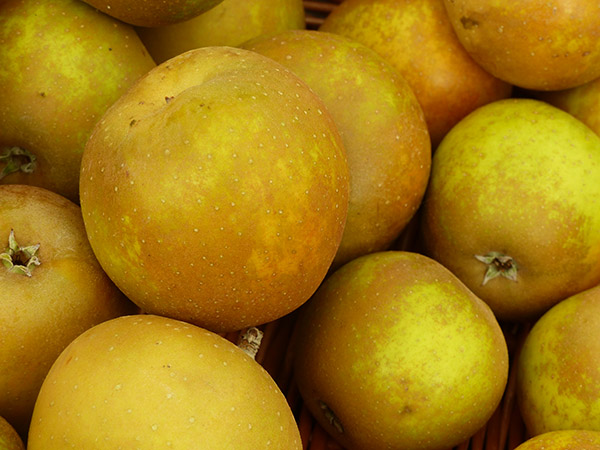
Egremont Russet: I enjoyed this apple as it was the old that reminded me of the fruit produced from the old apple trees. It is a crisp and heavy-bodied apple with a sweet (but not too sweet) flavour. It was apparently creatd in 1872 and was popular in Victorian times and is a popular garden apple tree.

fenton house

Blenheim Orange: This apple dates from 1740 in Woodstock, ENgland and is used more as a cooking apple. I found the flesh too soft.

fenton house

Howgate Wonder: This apple dates from 1916 and is related to the Blenheim Orange variety. It is a cooking apple but can also be used for eating and has a slight tast taste.

fenton house

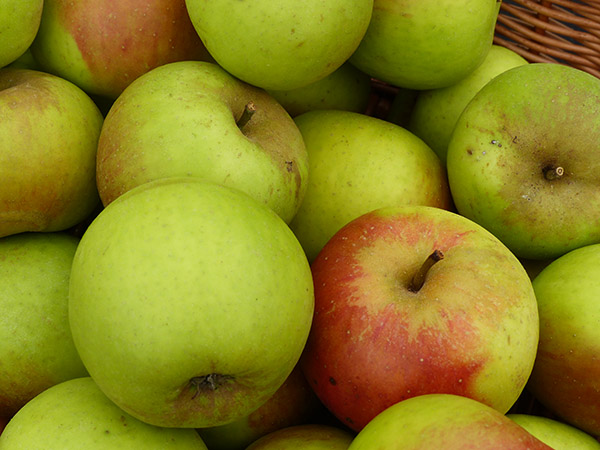
Bramley Seedling: This is a tart cooking apple dating from the early 1800s and has become a popular variety of apple.

fentonhouse-32.jpg

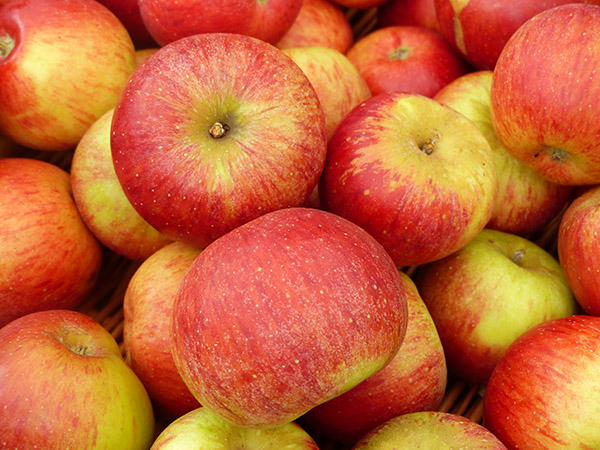
Fiesta: An apple also known as the Red Pippin, it was created from combining the Idared and the Cox's Orange Pippin. It is a sweet and soft apple, and it reminded me of a pear taste. It is the most recent variety and dates from the 1970s.

fenton house

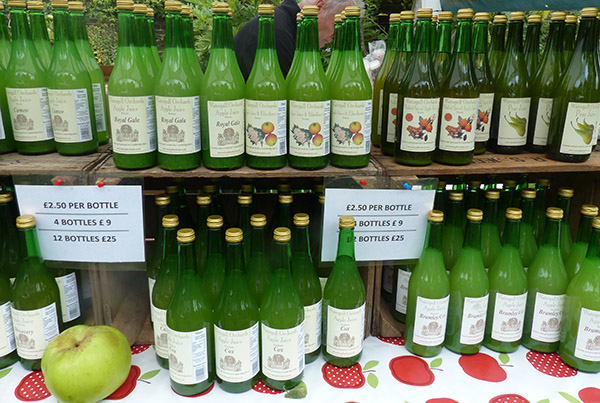
In addition to apples, apple juice and cider was for sale by bottles or by the glass. The apple juice could be bought cold or heated.

fenton house

After the apples and a walk around the garden and orchard, I took another last look at Fenton House. I loved how the trees were shaped, and there seems to be a lot of holly in this part of Hampstead with red berries growing on the bushes.

fenton house

fenton house

Apple Day at Fenton House proved to be popular with families. Have you ever visited?

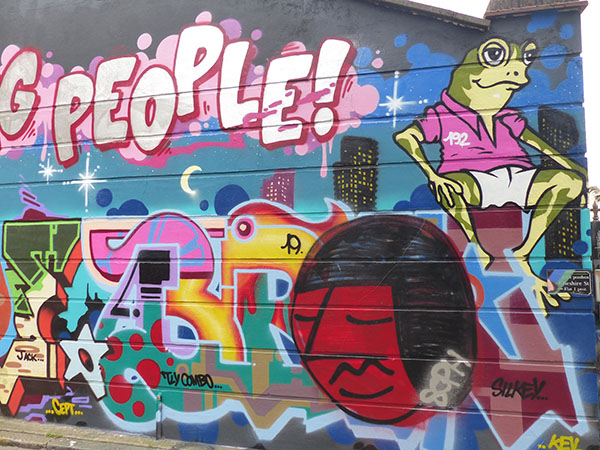
New Street Art by Rolling People Near Brick Lane

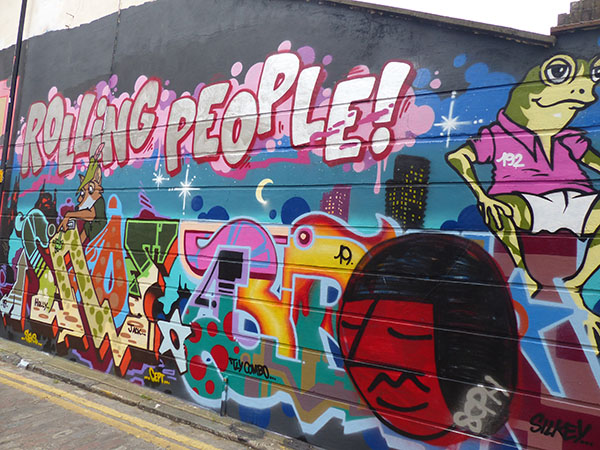
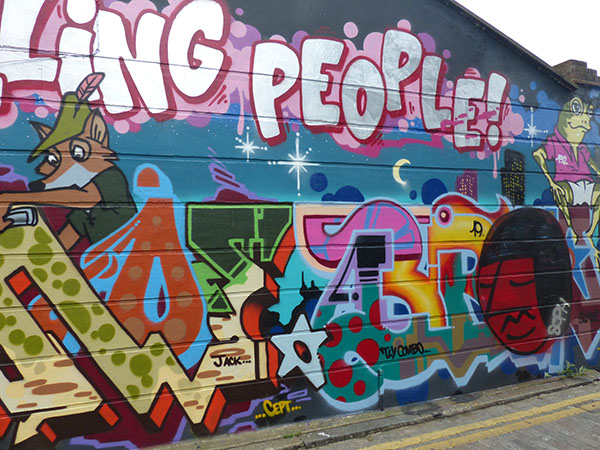
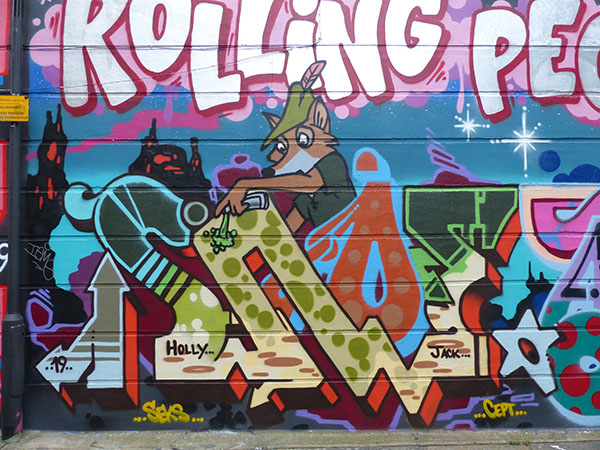
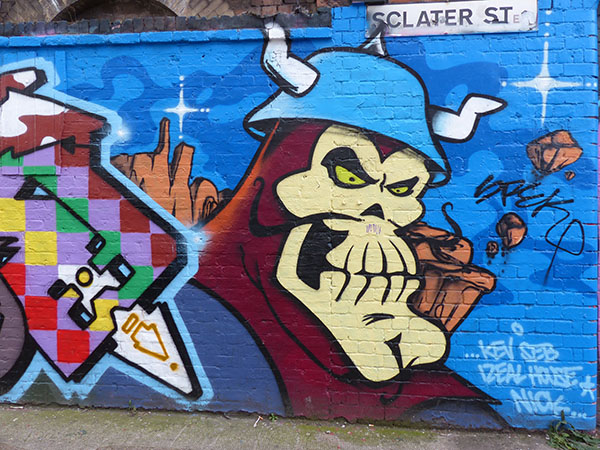
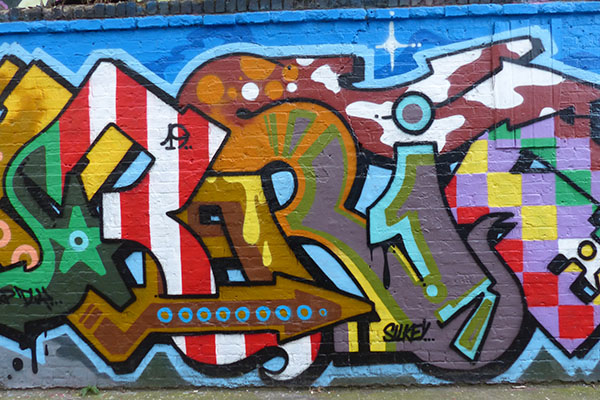
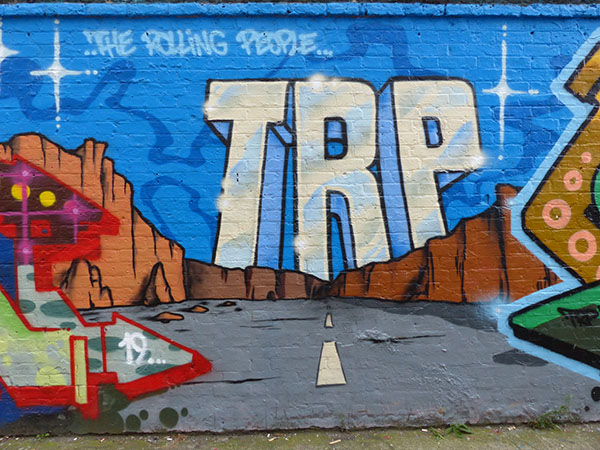
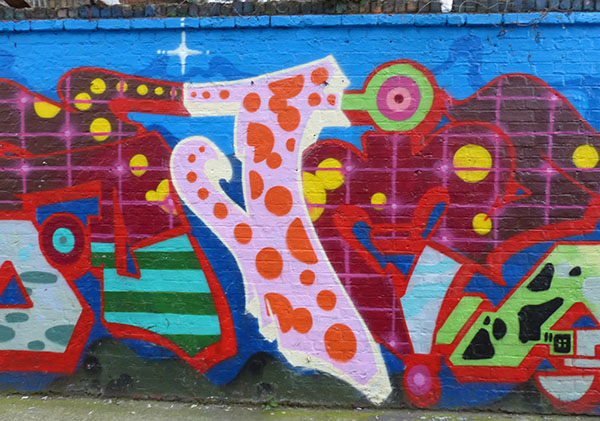
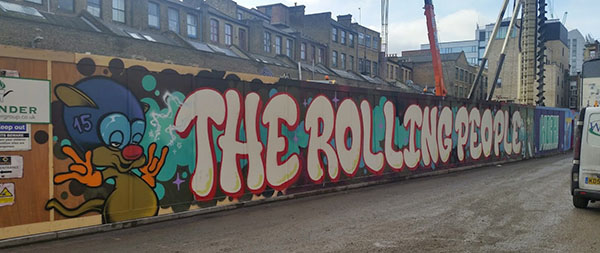
The Rolling People are a collective of street artists who create a blend of street art with grafitti style mixed with illustrations/comic style, and their inspiration is 1980s comics and Stan Lee. I've not seen their work in the area for awhile, but when I was walking around Brick Lane in late April, I discovered their new mural off Brick Lane. They had previously painted on this wall before, so it was nice to see them reclaim and refresh the wall with a new mural featuring a couple of comic illustrations, their iconic "Rolling People" type, and some tags.

rollingppl-2019-1.jpg

The below are some close-ups of the work.

rollingppl-2019-3.jpg

rollingppl-2019-4.jpg

rollingppl-2019-5.jpg

The above mural was replaced with work by DBL TRBL and Dscreet and other artists. 

rollingppl-2019-25.jpg

One wall on Sclater Street...

rollingppl-2019-20.jpg
Keb Seb Real House

rollingppl-2019-21.jpg
Silkey

rollingppl-2019-22.jpg
The Rolling People

rollingppl-2019-23.jpg
Silkey

rollingppl-2019-24.jpg

Additionally, I captured one of their murals in Dalston area little while ago.

rollingppl-2019-2.jpg

For more posts on this blog about the Rolling People, see the below links:

Recent Street Art by the Rolling People
Faith, Cernesto and the Rolling People
RUN and the Rolling People

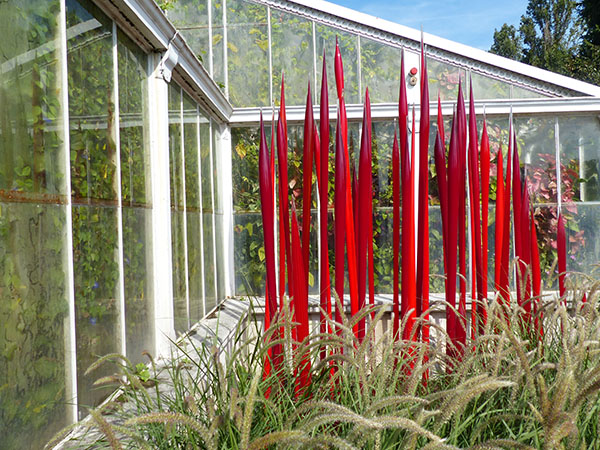
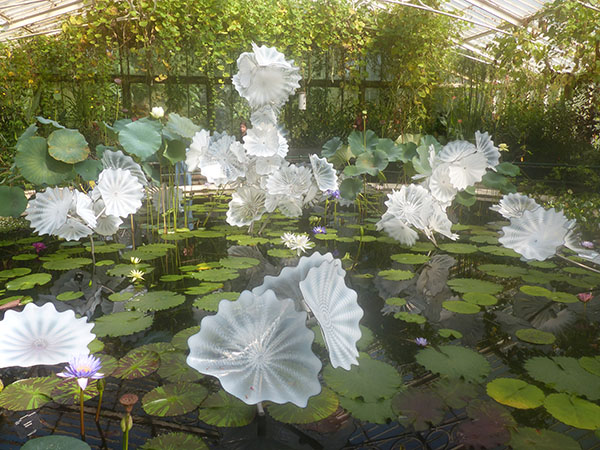
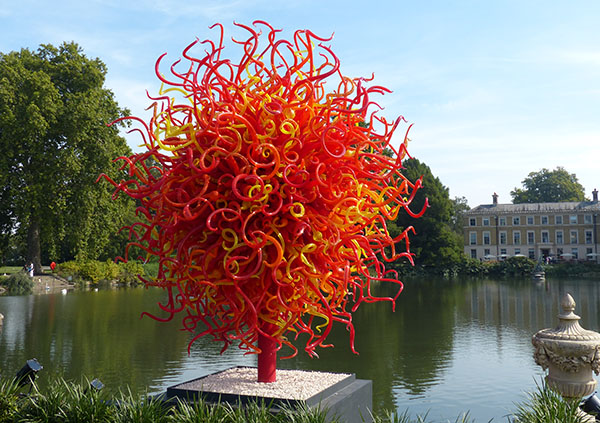
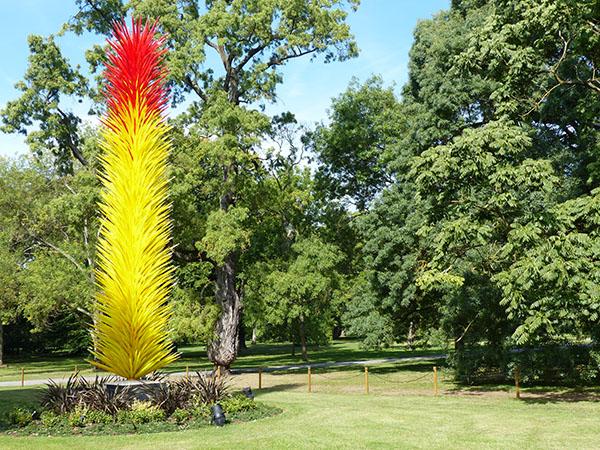
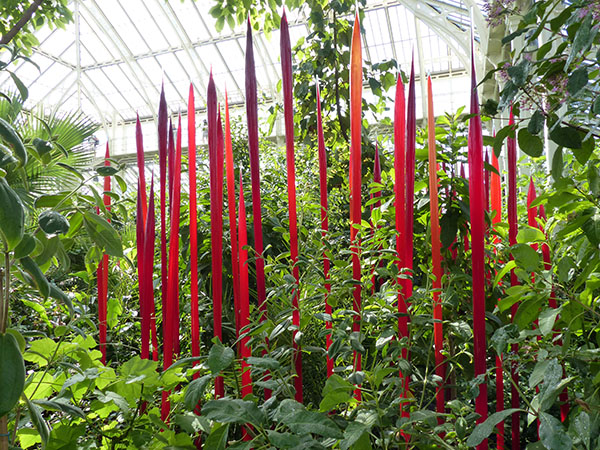
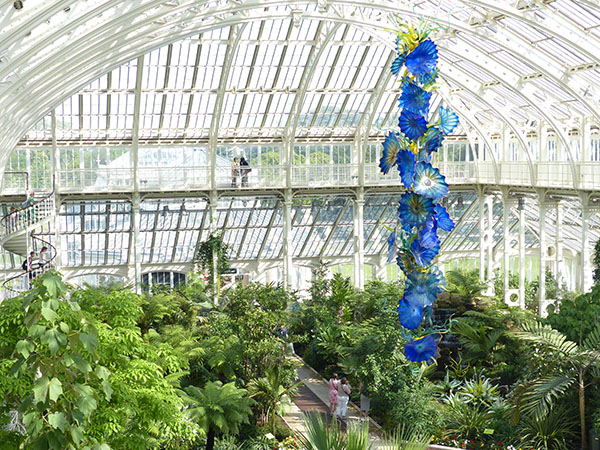
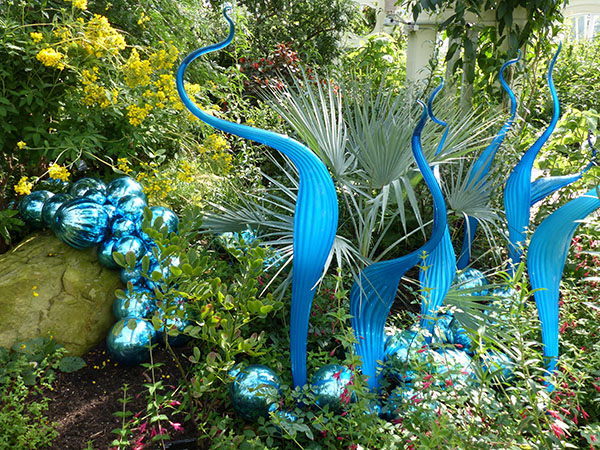
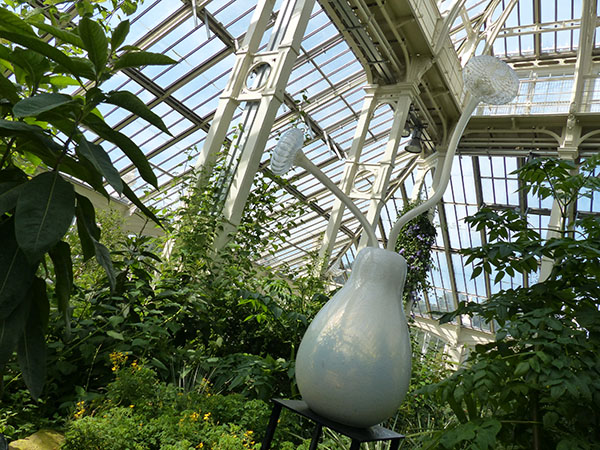
Dale Chihuly at Kew Gardens: "Reflections on Nature"

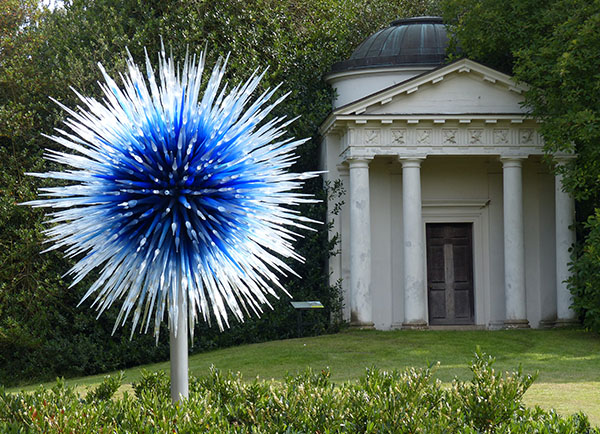
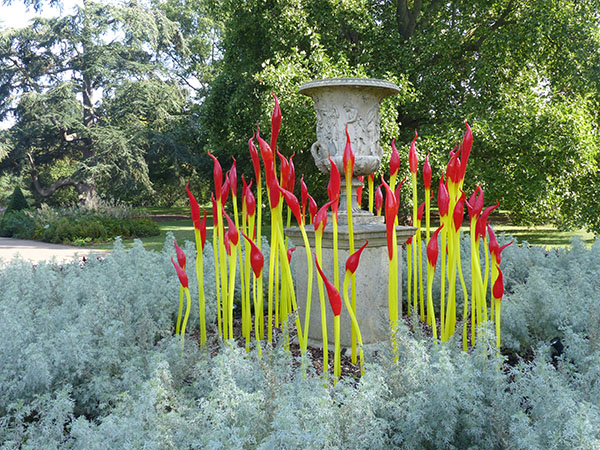
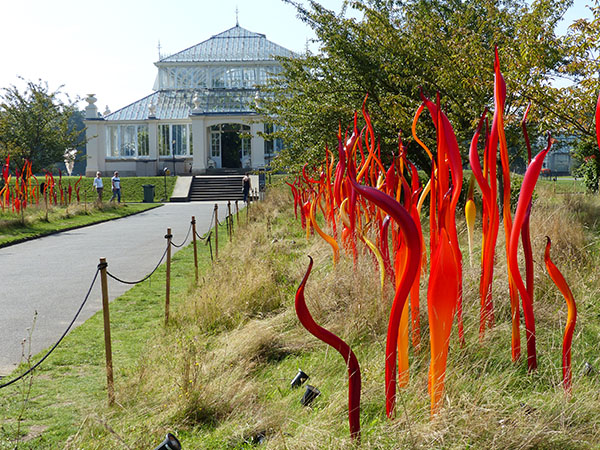
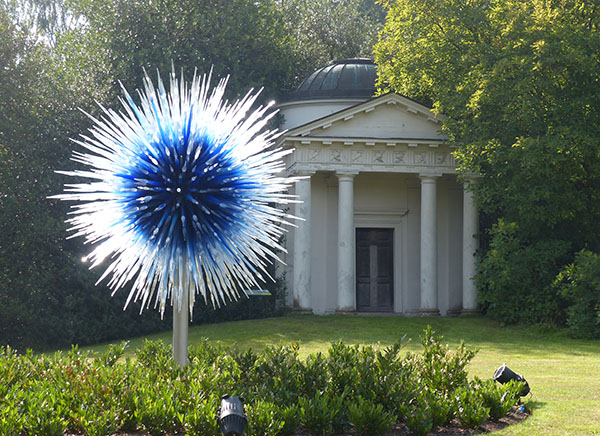
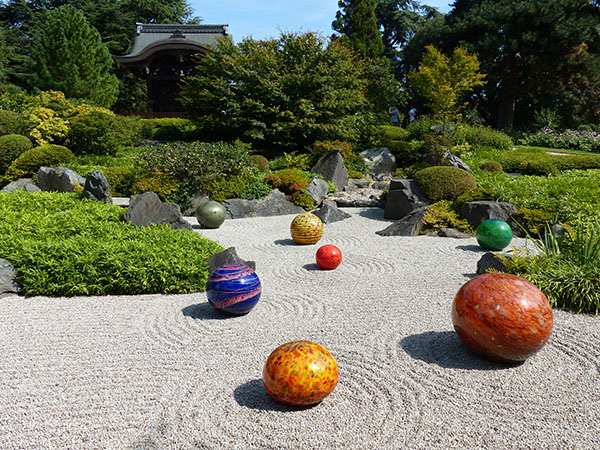
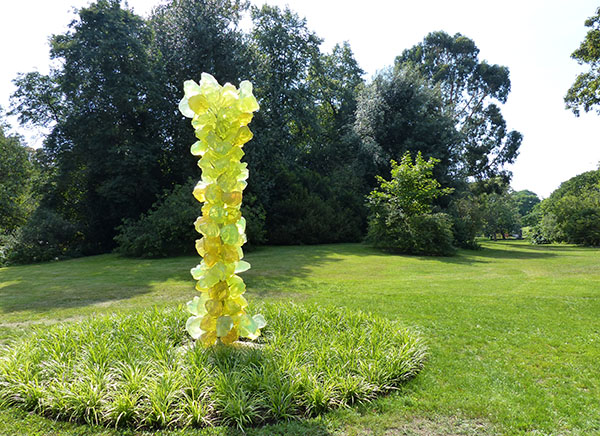
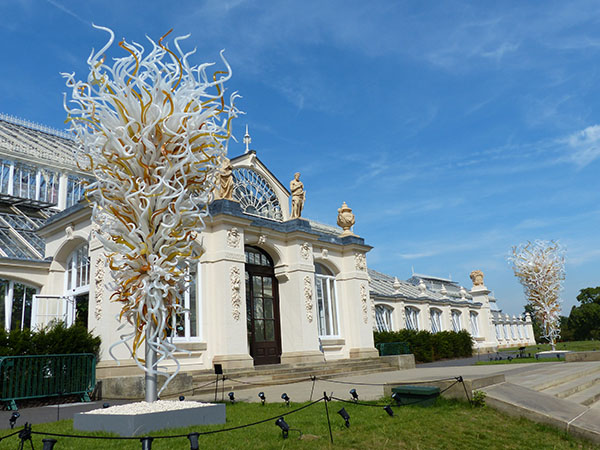
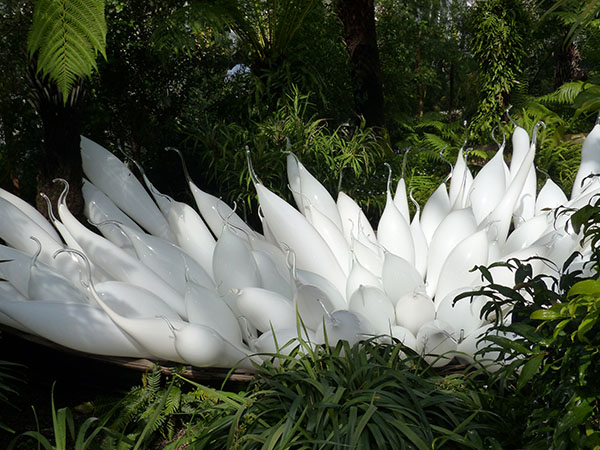
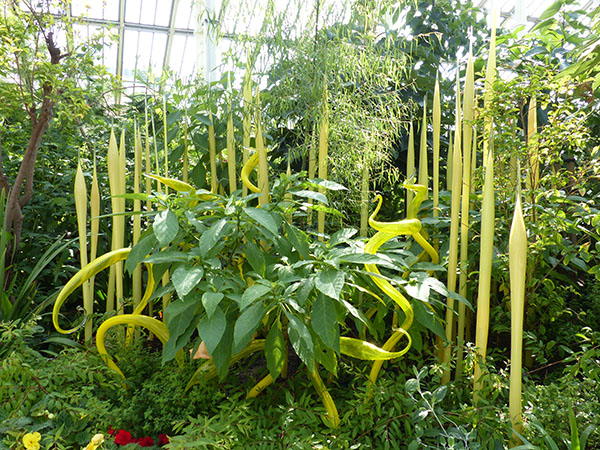
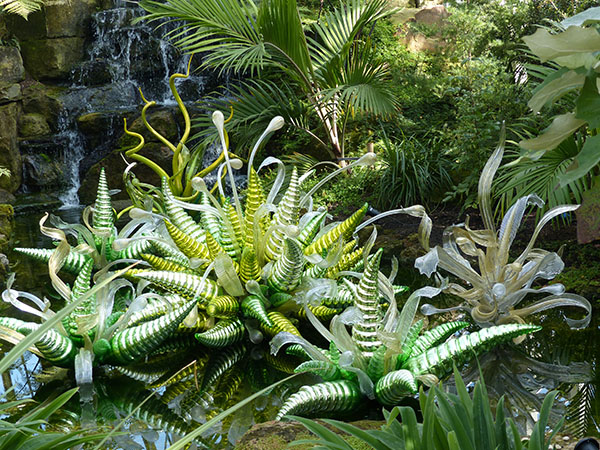
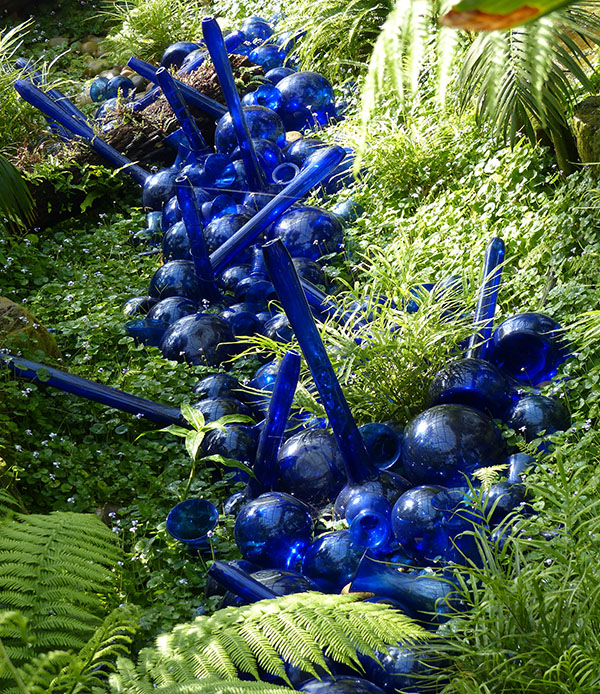
American glass artist Dale Chihuly's works are currently on display at Kew Gardens in London in an exhibit titled "Reflections on nature". The artwork is scattered throughout the gardens to compliment the various plants and architecture of the buildings at Kew Gardens. Chihuly is from Washington State and went on to art school to study interior design, and he used glass in his artwork. He later went to Venice to work at Murano Glass where he learned even more about glass and the glass-blowing techniques, so there are some influences from Murano in his work.

kew-chihuly23.jpg

Many of the installations are large-scale, and I am impressed at the scale of them considering that they are made of glass and must be very fragile as well as heavy (and dangerour) to move.

Dale Chihuly at Kew
Paint brushes

Dale Chihuly at Kew
Red Reeds

Dale Chihuly at Kew
Ethereal White Persian Pond

Dale Chihuly at Kew
Summer Sun

Dale Chihuly at Kew
Scarlet and Yellow Icicle Tower

Dale Chihuly at Kew
Neodymium Reeds and Turquoise Marlins

Dale Chihuly at Kew
Cattails and Copper Birch Reeds

Dale Chihuly at Kew
Sapphire Star

Dale Chihuly at Kew
Niijima Floats

Dale Chihuly at Kew
Lime Crystal Tower

Dale Chihuly at Kew
Opal and Amber Towers

Temperate House contains several different groups of installations inside. The smaller ones are located throughout the greenhouse, in between plants or suspended from the ceiling.

Dale Chihuly at Kew
Beluga Boat

Dale Chihuly at Kew
Yellow Herons and Reeds

Dale Chihuly at Kew
Green hornets and Gold Waterdrops

Dale Chihuly at Kew
Red Reeds

Dale Chihuly at Kew
Persians

Dale Chihuly at Kew
Turquoise Marlins and Floats

Dale Chihuly at Kew

Dale Chihuly at Kew

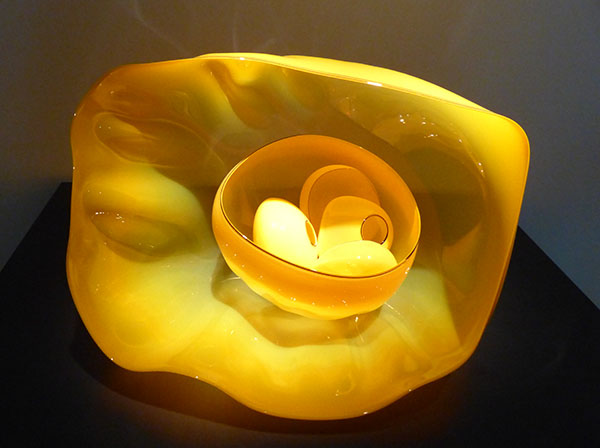
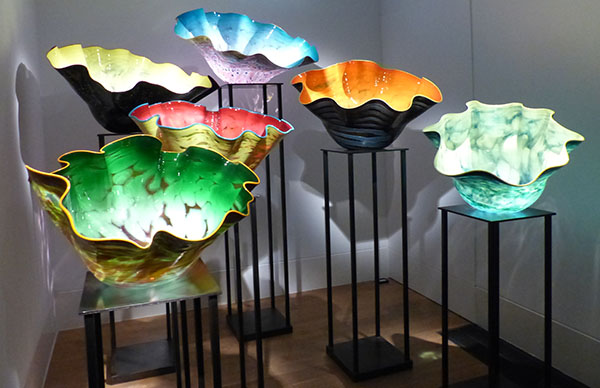
In addition to the installations at Kew Gardens, the art gallery on the site (Shirley Sherwood Gallery of Botanical Art) contains its own exhibition of Chihuly's work along with botanical artwork. There are several smaller examples of his work including glass wall hangings in three rooms and a video about the artist (which was too packed to watch or listen to). A couple of the different pieces are below, but they had so much more on display.

Dale Chihuly at Kew
Basket

Dale Chihuly at Kew
Persians

If you have not been yet, I recommend visiting Kew Gardens before the end of October (currently October 27) in order to see it. If you're not able to get there during the day (or even if you have and wish to see the art installations in a different light), a special Chihuly Nights event takes place during Thursday-Saturday evenings. In Chihuly Nights, the glass sculptures are illuminated at dark.

Banksy's Giant Stencil Rat Uncovered on Old Street

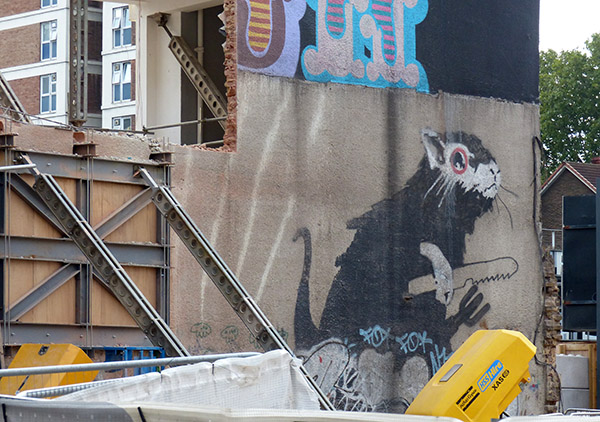
For over a decade, a street art rat by Banksy has remained covered to protect it from being painted over. The giant rat was in the centre of demolished buildings in a space known as "Red Gallery", which was a venue for many years for art, entertainment and street food but which had been renamed to "The Last Days of Shoreditch" in more recent years because of the regeneration of the area. The giant rat and a television (which I was not able to capture in the photograph below) was painted in 2004 and then covered in 2007. The only reason I was able to get a photograph of the rat uncovered is because the buildings have recently been knocked down here to make way for a new multi-storey hotel, which will surely make this part of London more soul-less.

banksy-rat-oldstreet.jpg

Shoreditch loses more of its street art walls in this move, but at least I got to see the rat uncovered as I've known it existed behind the makeshift boarding. The rat was not uncovered for very long, and the last time I visited, the wall had been removed.

Another fact about the rat is that Banksy did not like this piece and hoped that it would be demolished. I am not sure if it has been demolished or if it has been sold, but I did not see the wall when I visited in early September 2019.

White Horse Road Trip of Wiltshire

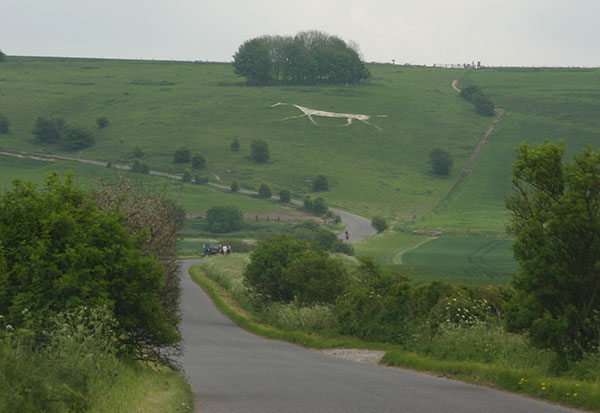
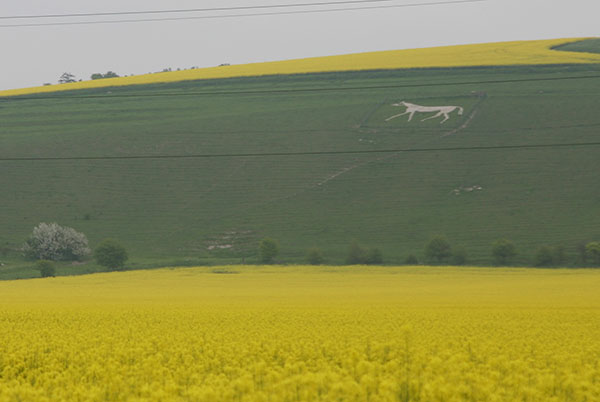
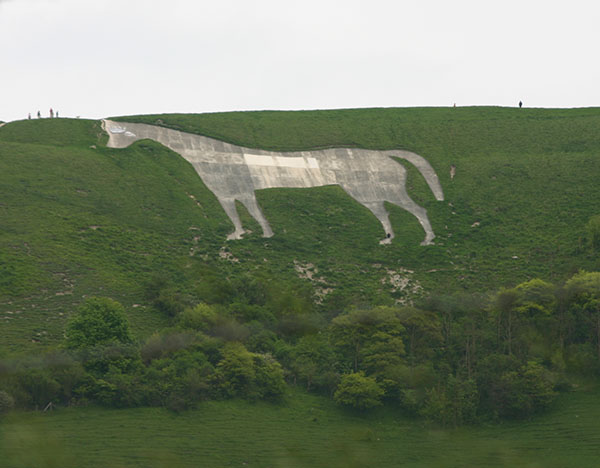
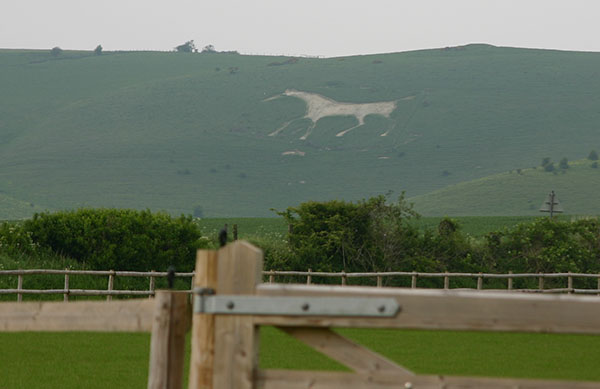
Back in 2006, I drove on a "White Horse Tour" of the White Horse chalk carvings around Wiltshire. I had intended on doing all eight of these white chalk horses, but time ran out, so I only got to see seven of them (all except Uffington) in 2006. It would be thirteen years later before I would ever see the oldest of the white horses, Uffington White Horse, which I eventually saw this summer. For more information, see my post: Uffington Castle and White Horse. Note that there are two additional white chalk horses in the country; one of these is located near Weymouth in Dorset, and the other is in North Yorkshire. In addition to white horses, there are other chalk figures, such as the Cerne Abbas Giant man (Dorset), Long Man of Wilmington (East Sussex), and many more figures that have since been lost. The oldest figures date from around 1000 B.C., but many have been created much more recently.

whitehorse-cherhill2.jpg

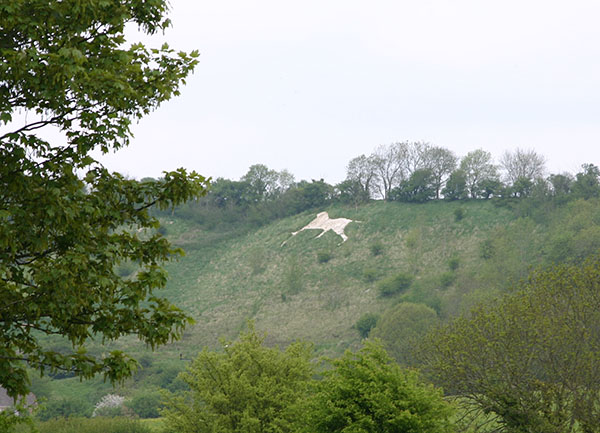
The Marlborough White Horse is located near the village of Marlborough in Wiltshire. It is also called the Preshute White Horse, and it is the smallest white horse figure. It was carved into the hillside in 1804, and it is low down on the hillside and obstructed by trees from some views. It can also be seen from the village. It was carved by a group of boys from the High Street Academy, which was a school, based on the design by pupil William Canning whose family owned the land and manor here. It was a yearly tradition to re-scour the design. The school closed in the 1830s, and one of the original scourers ensured that it was repaired in the 1860s after its neglect. The figure has grown thinner, and it was in need of more care in the early 2000s. Marlborough College does pay tribute to it in one of their college songs.

whitehorse-marlborough.jpg
Marlborough White Horse

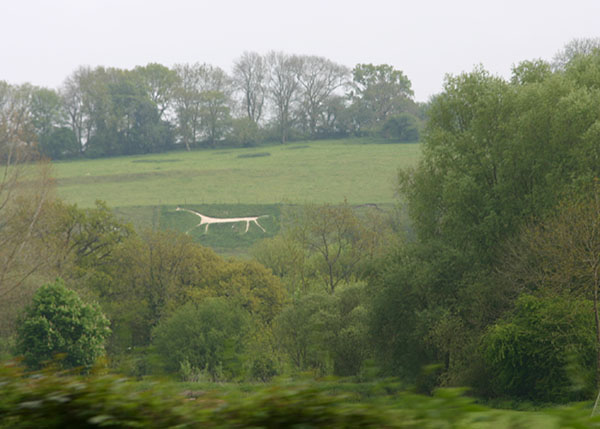
Broad Town White Horse is located near Broad Town in Wilstshire, and it was a little difficult to locate and in a remote area, which has given it the nickname "the secret white horse". The origin of it is unknown, but it was thought to have been carved by William Simmonds in 1864 who owned the farm then. He'd planned to make it larger, but it never happened. Others claim that they helped scour the horse in 1863 and were told that it was created fifty years earlier, but this may have been confused with one of the other white horses. Another story claims that the horse was cut in 1895 as a tribute to the birth of Prince George and celebrations related to his birth. The horse was covered during World War II, and it was not in good shape when it was uncovered in 1945. The horse was not maintained until 1991, and the people in the town now look after it, though it looked like it needed some love when I visited in 2006.

whitehorse-broadtown.jpg
Broad Town White Horse

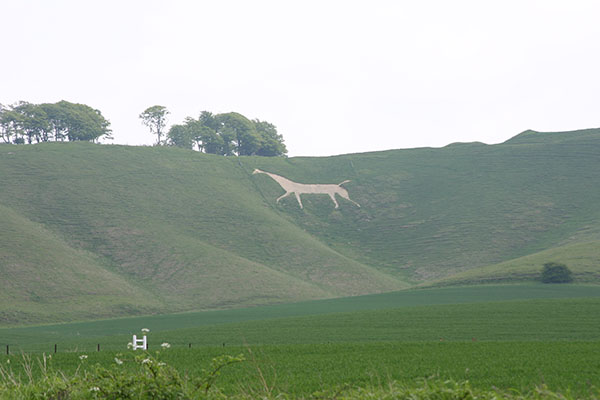
Cherhill White Horse's origins are not known, but it is thought to date to the mid-1700s. It may have been carved then to be associated with the loyalty of House of Hanover whose symbol was a white horse. It may have also been older and created to commemorate a battle in 878. It is also being attributed to being cut in 1780 with a design inspired by artist George Stubbs, who painted horses. In the 1800s, a local farmer had placed glass bottles into the ground to give the horse a sparkling eye; these disappeared and were re-added in the 1970s and disappeared again. Today, stones mark its eye. The horse was lit up to commemorate the new king and queen in 1937 (King George and his queen Elizabeth). The hillside now belongs to the National Trust.

whitehorse-cherhill.jpg
Cherhill White Horse

Hackpen White Horse is also called Broad Hinton White Horse, and its origin is not exactly known, but it was thought to have been carved in 1838 to commemorate the coronation of Queen Victoria. There is parking on the top of the hill to visit the horse, and real horses do live in the fields around it. This area is probably noted for the saying "chalk and cheese", where the hills here were chalk but the ones on the other side of clay and popular for cattle grazing to create milk for cheese. The horse was scoured two years before I took the below photograph, and it looks in need. The next time it was scoured was 2011 and then in 2012, and the horse was illuminated afterwards. In 2009, red fabric was covered over the chalk for the Red Nose Day charity.

whitehorse-hackpen.jpg
Hackpen White Horse
Pewsey White Horse was cut in 1937, replacing an earlier white horse that is thought to have been created in the late 1700s. It was known as the Rockley White Horse until 1948, and it was carved to commemorate the coronation of King George VI. It has become a symbol of the town Pewsey, near where it is located. The original white horse was not maintained because the landowner did not agree to the festivities, so it was covered by the 1930s, but a vague outline could still be seen in order to re-carve it in 1937. It is possible that the horse did have a rider, as it was rumoured, but no proof of this could be found when it was re-scoured in 1937 by Pewsey Fire Brigade. At this time, the date 1937 was thought to have been carved near the horse, but it was never re-scoured. When it was carved, it was illuminated. The horse is fenced in today to prevent animals from grazing over it. The horse is scoured every eight to ten years, and it was rescoured two years before I took the below photograph. In 2017, a group resourced it to mark its 80th birthday.

whitehorse-pewsey.jpg
Pewsey White Horse

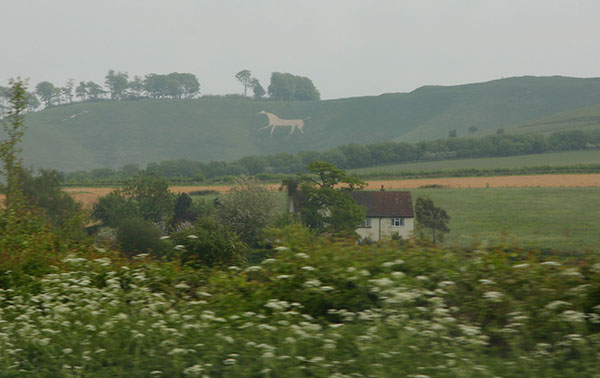
Westbury White Horse (Bratton White Horse) is the first white horse I had seen as it can be seen from the train and from a good distance across the valley. The white horse lies next to an Iron Age fort. The horse was re-scoured in 1778, and it was thought to have oblitrated another white horse on the spot, although no records exist of this. It is a symbol of Westbury near where it is located and can be seen for miles. Unfortunately, the origins are not clear as to why it exists, but it may have been the 878 battle or the House of Hanover. Legend has it that the white horse comes to life at midnight and goes down the hill to drink in the springs. Like other white horses, it was illuminated. It was illuminated by army equipment in 1900 and then again in 1950, and it brought traffic to a standstill. In the 1950s, concrete was poured over the horse to maintain it. In 2003, an anti-war message was sprayed onto the horse. A couple of months after I took the photograph below, the horse was cleaned and then illuminated again once repairs finished. In 2010, "wonkey" was written on the neck of the horse and re-cleaned. In 2012, the horse was cleaned again for the Diamond Jubilee and the Olympics, and this time, it was illuminated with different colours. Its latest clean was 2018. This is one of the most popular white horses and has appeared in film and books and in artwork, and it is a local symbol.

whitehorse-westbury.jpg
Westbury White Horse

Alton Barnes white horse was cut in 1812 near Alton, Wiltshire. It was designed by an artist, and it is the second largest white horse in Wiltshire. Ever winter solstice, it is illuminated with candles, and it was illuminated in 2012 during its 200th birthday. It has been transformed into a zebra in the past, and it can be viewed for miles. On a clear day, it is said to be visible from Old Sarum. It is located near an Iron Age fort and long barrow. The artist who was meant to have carved the horse conned the landowner and got someone else to do it, and he demanded payment; the artist was later hanged for other crimes. In 2004, the horse was re-scoured but with chalk from a pit near the horse so chalk would not have to be transported, and this is visible and was a mistake. The horse was covered during World War II. When the horse is re-scoured, care must be taken as it is an area of protection. The horse was used in music videos. The horse has been met with a fair amount of pranks at being turned into a zebra and gaining an extra "limb".

whitehorse-altonbarnes.jpg
Alton Barnes

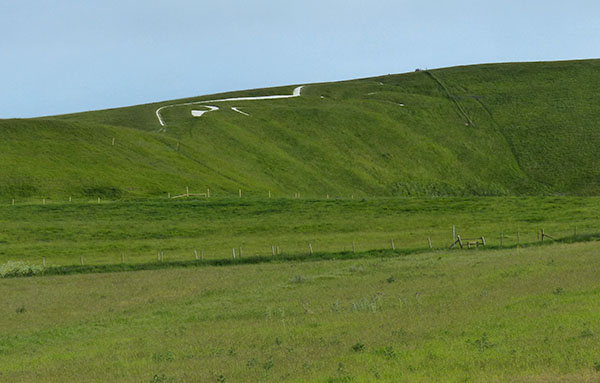
The Uffington White Horse is located in Oxfordshire and on the edge of Wiltshire. It is the oldest white horse and dates from the 1000n B.C., and it is located near an ancient hill fort and not far from ancient tombs. I recently saw it earlier this summer, and it had been re-scoured earlier in the year. I think it looks more like a cat than a white horse because the body is long with a long tail and whiskers, but it is apparently a stylised horse and has a similar design to white horse carvings of the time. I think it would be amazing if it was indeed a white cat instead of a white horse. The white horse is very difficult to photograph because the hill is very eroded. It is best photographed from the air. This white horse has been mentioned in books, music, and in videos.


Uffington White Horse

If you have never completed a White Horse Road Tour (of Wiltshire), then I recommend it. Make it a day and have a nice stop at a country pub; you can even make a trip to see Avebury stone circle.

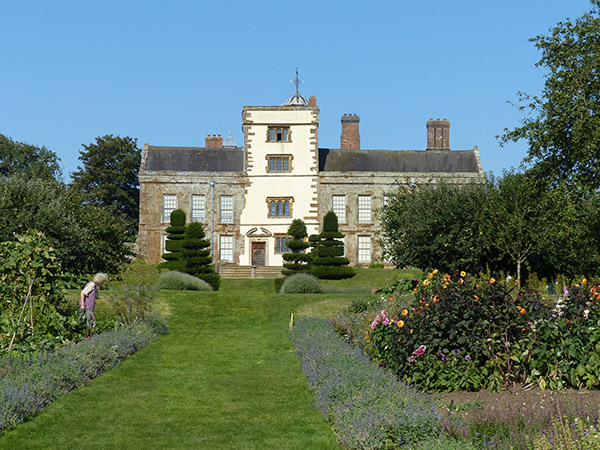
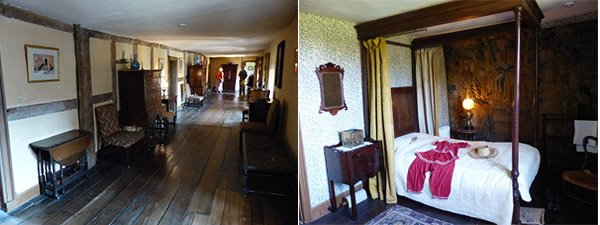
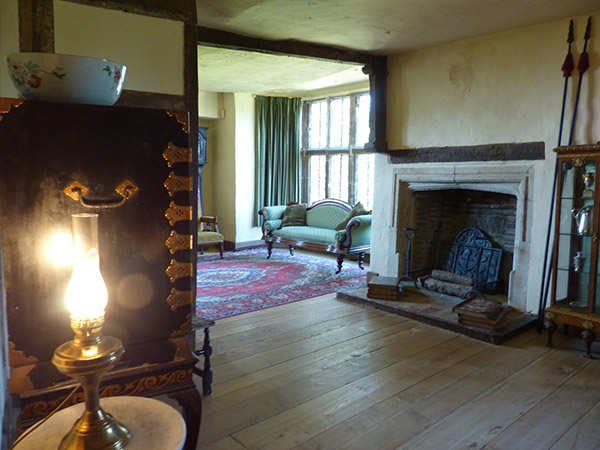
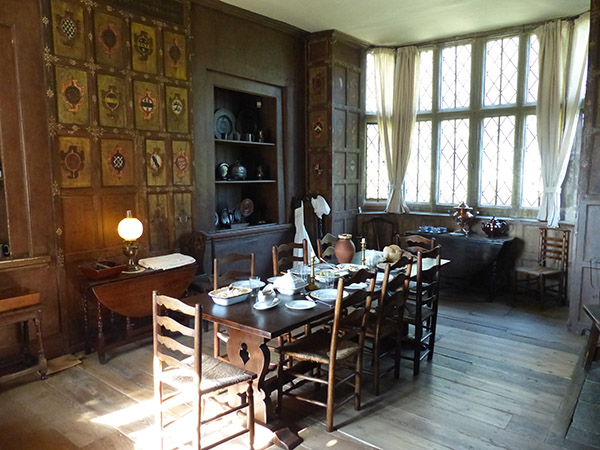
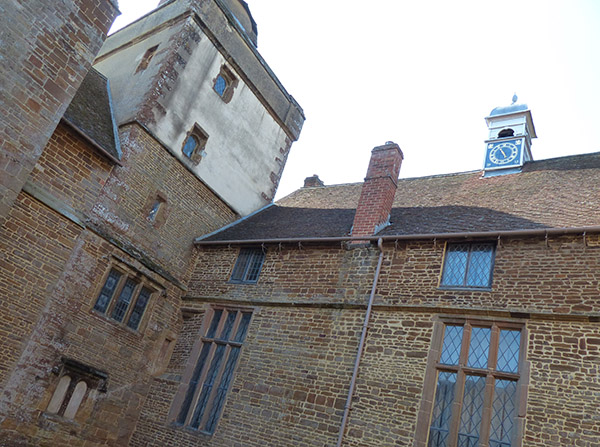
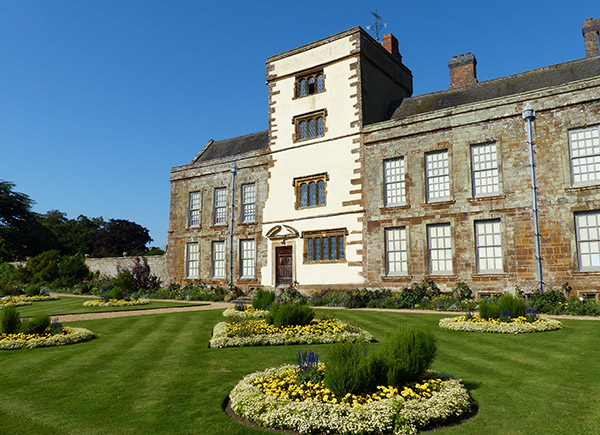
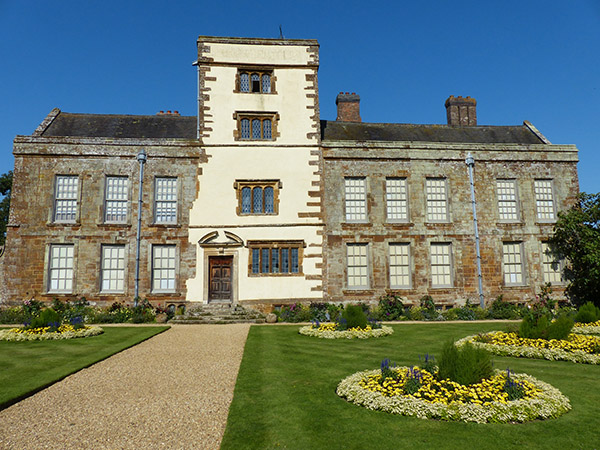
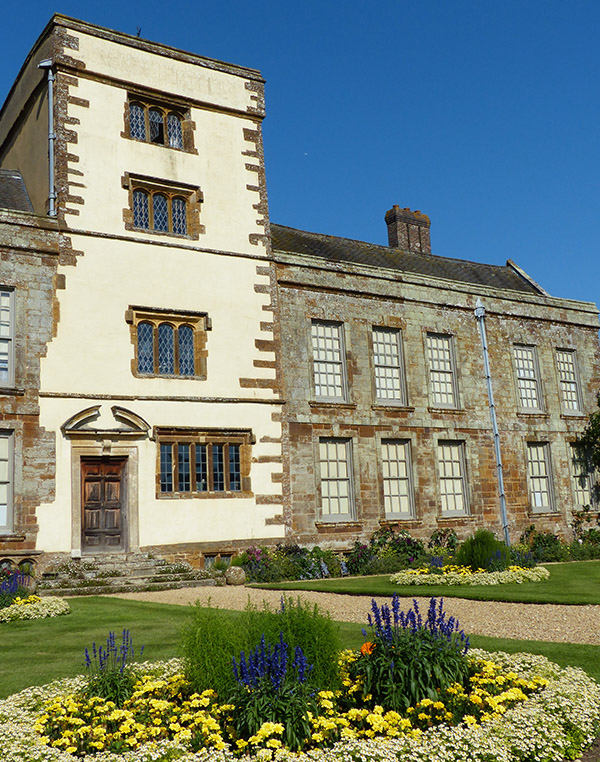
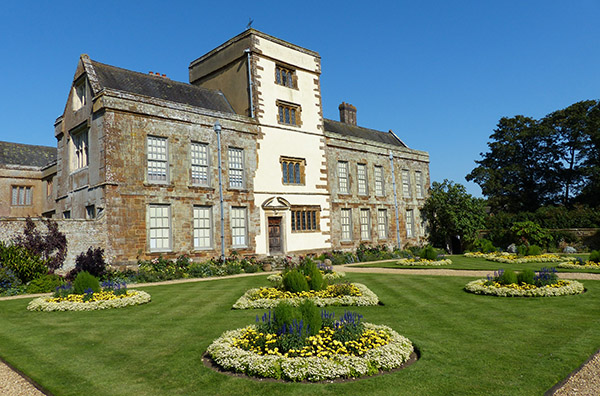
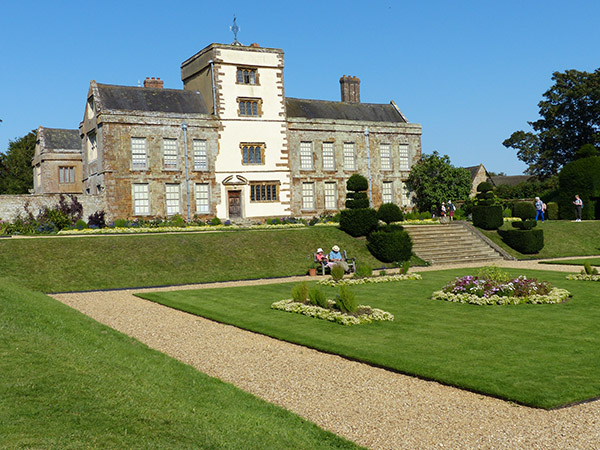
Canons Ashby House is a real treat to visit as it's a rare gem in the historical houses; it is an Elizabethan Manor House. Many of the older houses and castles were replaced by more modern houses with many of them dating from the 1700s-1800s or at least remodelled extensively. Although the house has had some work done to it, it retains much of its medieval character. Before the house, however, a medieval village occupied opposite where the house now stands; this is now a pasture.

canons-ashby26.jpg

The house was given to the National Trust in 1981 after it was in poor shape. However, its life began in the 1550s when it was inherited by John Dryden through his wife. It was then a farmhouse, which was extended in the following years. The family had always been involved in religion, and their child would become parents to Anne Hutchinson, who was a religious reformer in the American colonies. The house itself gets its name from the priory church nearby.

canons-ashby02.jpg

The house belonged to the Dryden family, and it was inherited by Henry Dryden. His parents and grandparents had lived beyond their means, so upon his father's death, he had to get the accounts in order. This meant that his widowed mother had to move here, and the house was old and not as comfortable.

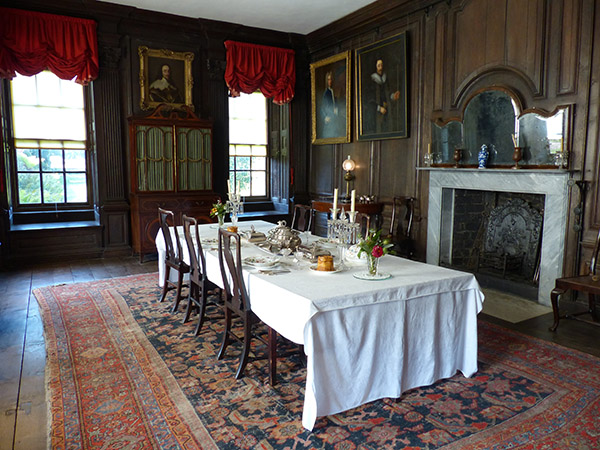
The dining room dates from the 1550s during the first phase of the building, and it was remodelled in 1710. The furnishings date from the early 1900s.

canons-ashby03.jpg

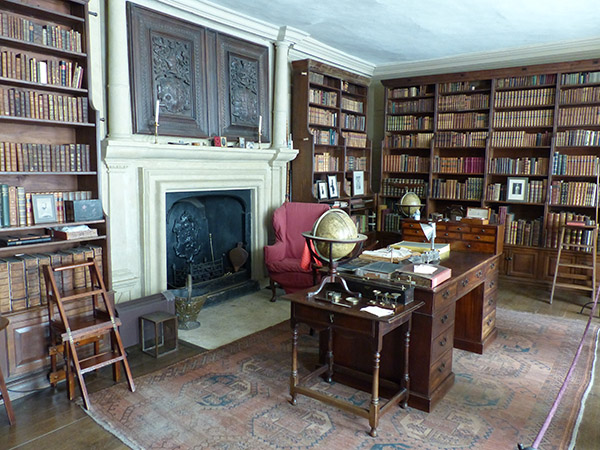
The Book Room (pictured above) was created by Henry after he had to leave education behind in order to manage the house. His father's billiards room was turned into a library, and Henry was interested in history, architecture, and archeology. He ended up making repairs and alterations to the house and other buildings on the land as well as making repairs to the homes of the tenant farmers.

The Book Room was created in the 1550s, and the wood paneling is retained here with unique carvings. The bookcases were created in the 1800s. Many of the books were sold after the death of Henry in 1899, including a Shakespeare book "The First Folio". The National Trust retained the books that had connection to the house and its inhabitants.

canons-ashby04.jpg

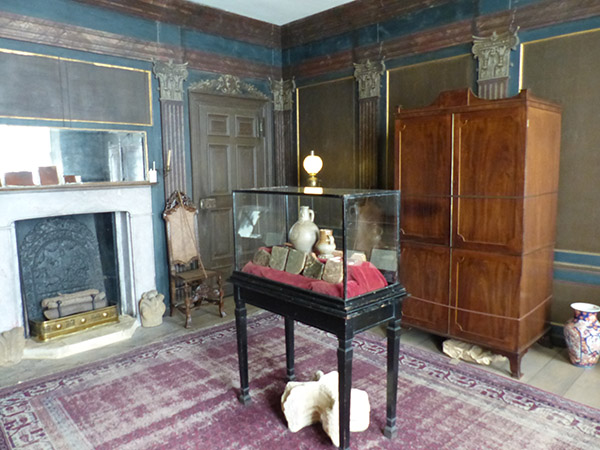
The room next to the Book Room is the museum of Henry. He had become interested in fascinating items after helping to escavate the old priory on the grounds with his father when he was a child. The room is painted with the trompe l'oeil style to appear three-dimensional, and this was probably painted by Edward Dryden's cousin Elizabeth Creed and her daughter as it matches similar work she completed in churches. The colours are now faded; they would have been brighter when applied.

canons-ashby05.jpg

The case contains some tiles, pottery shards, bone, thimble, metal bracket, and a Bartmann jug (a popular medieval bearded man jug that originates from Germany).

canons-ashby06.jpg

canons-ashby07.jpg 

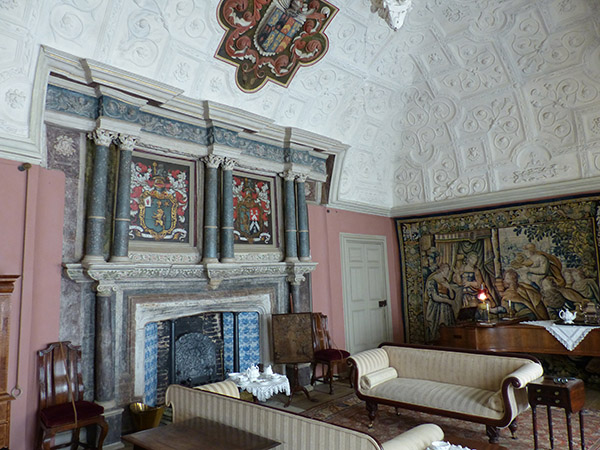
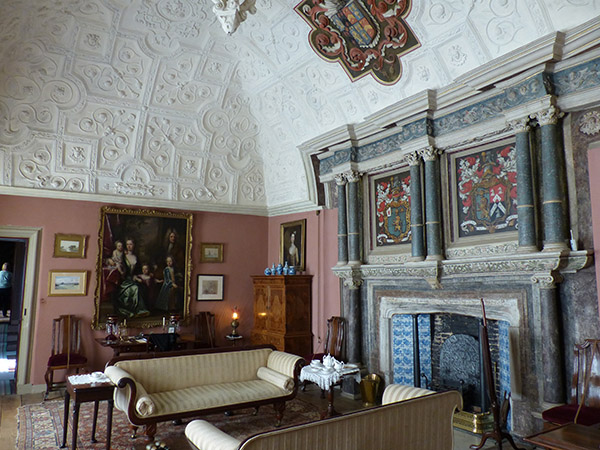
The Drawing Room above contains wonderful vaulted wood-panel ceiling design and an original fireplace. The room was built in 1590 and then remodelled in the early 1700s.

canons-ashby08.jpg

canons-ashby09.jpg

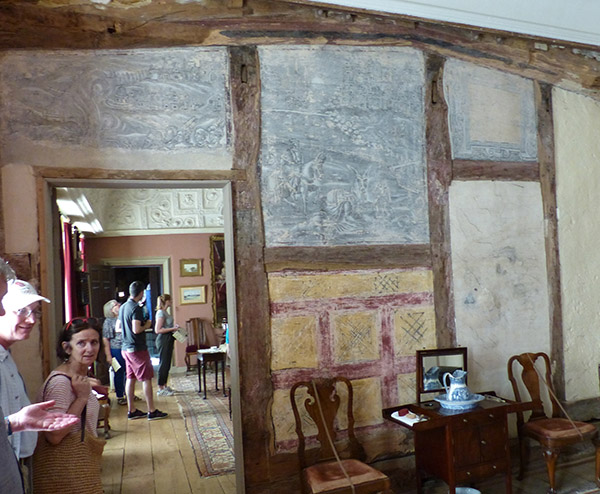
The room next door to the Drawing Room is a bedroom, and the walls had been panelled over, which meant that the original wall painting and drawing had retained. These paintings date from the middle ages and probably depict a Biblical story about a lazy man who lay with lions, or at least some interpretation of the story. Some of the panels also contain geometric shapes.

canons-ashby10.jpg 

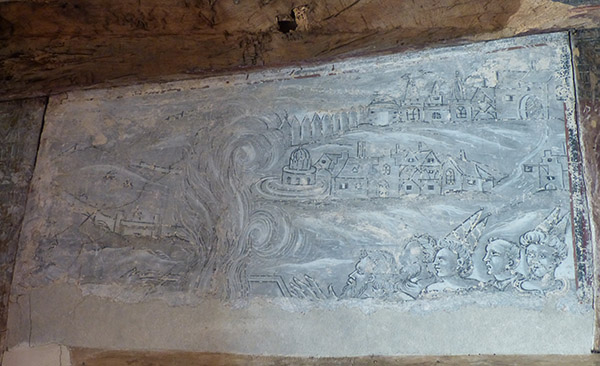
Above is a close-up of one of the panels above the doorway. The doorway was actually moved and placed in this new place, so some of the painting is missing.

canons-ashby11.jpg

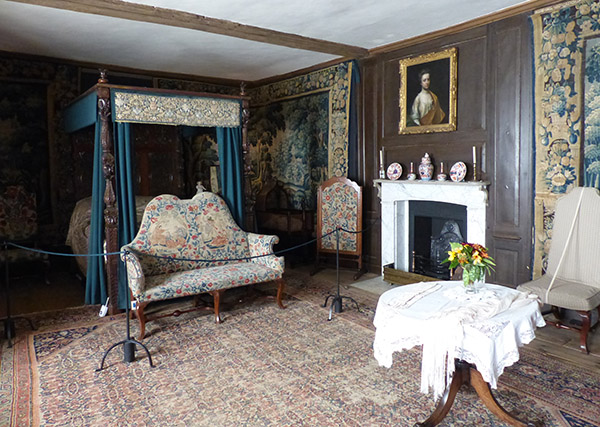
The above room is the Tapestry Room, and a story is told in this room that Henry married late at 47 years old to a wife who was 42 or 43. They had a child, but Henry was disappointed to learn that the child was a girl. The girl was named Alice. The room dates from the 1550s, and the room was remodelled in the early 1700s.

canons-ashby12.jpg

A couple of rooms branch off from a long hallway, and one of these rooms is Alice's bedroom. Alice was also interested in the same subjects as her father, and photography became a favourite interest of hers. She also befriended a local farmer's daughter who became a cook at the house.

canons-ashby13.jpg

At the end of the hallway is another room with a fireplace and crooked floors. The ceiling and one of the walls also has a medieval wall painting illustration of what appears to be a room, possibly to make the room appear larger. The ceiling contains emblems and some geometric shapes. 

canons-ashby14.jpg

Down a small set of stairs in the previous room, there are a couple of bedrooms for the maids and cook. The cook had the larger room, pictured above.

canons-ashby15.jpg

On the ground floor, a dining room with what appears to be original paneling is set up, and this is adjacent to the kitchen, pictured below.

canons-ashby16.jpg

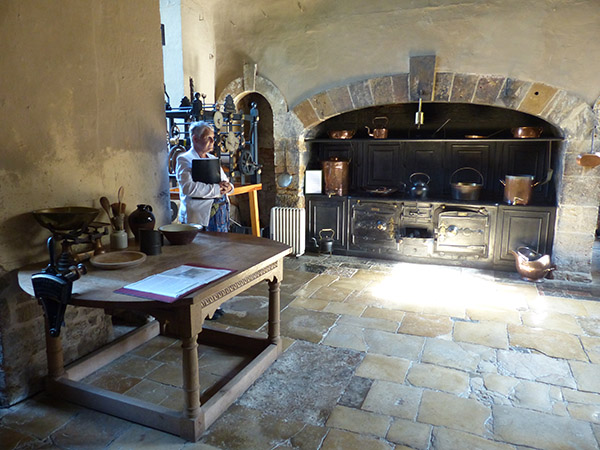
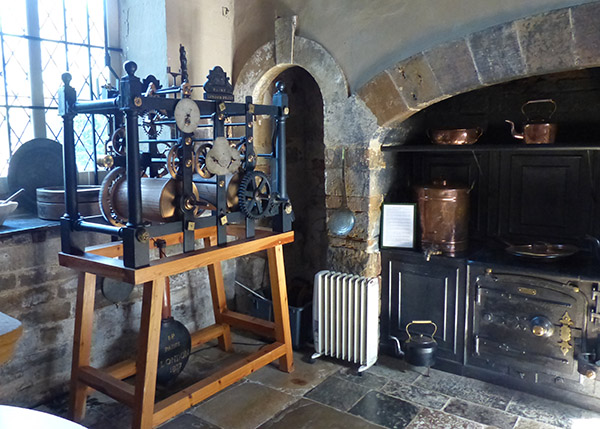
Beneath the dining area is a cellar storage area where meat and other products would have been stored to keep cool. This structure would have actually been a farmhouse, which was then extended and added onto the main house. The kitchen was imported from Castle Drogo as it was similar, and the kitchen here had been removed some time ago. The kitchen also contains a clock that was used on the clock tower of the building.

canons-ashby17.jpg

canons-ashby18.jpg

A photograph of the clock mechanics and the clock is above.

canons-ashby19.jpg

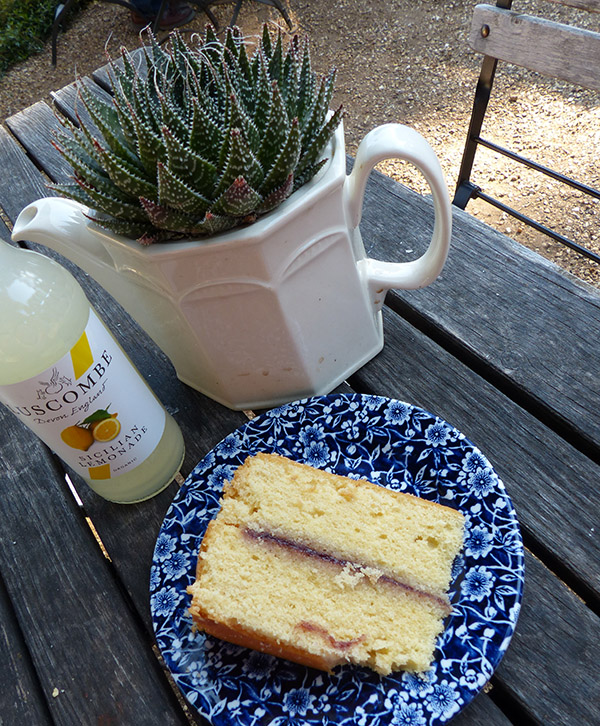
After the visit to the house, I battled the wasps and enjoyed a slice of Victoria sponge cake and a bottle of lemonade. My visit was on one of the hottest days of the year over the August Bank Holiday, which is normally one of the wettest times of the year.

canons-ashby20.jpg

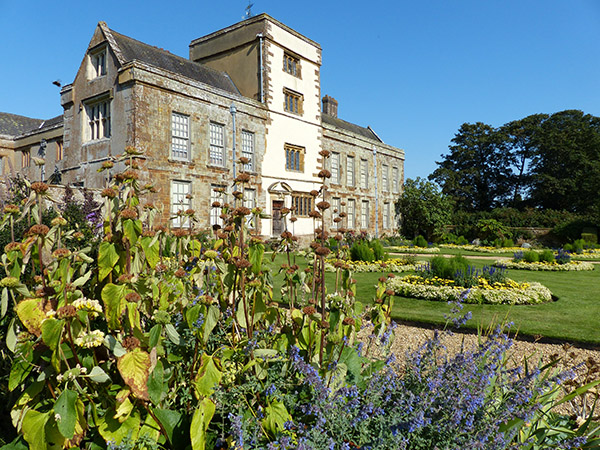
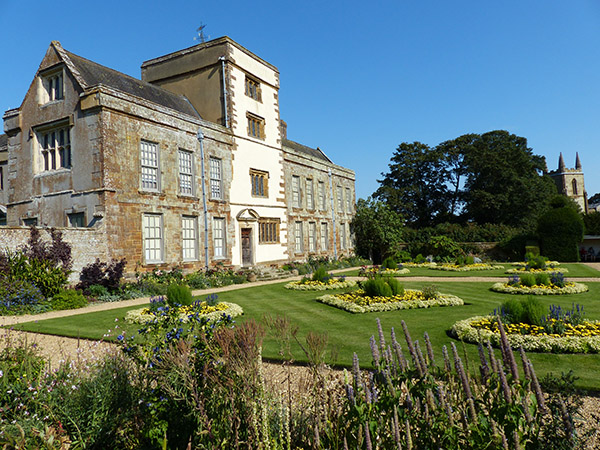
What I also enjoyed about Canons Ashby are the beautiful gardens laid out. The beautiful gardens enhance the beauty of the old building.

canons-ashby21.jpg

canons-ashby22.jpg 

canons-ashby23.jpg

canons-ashby24.jpg

canons-ashby25.jpg

canons-ashby27.jpg

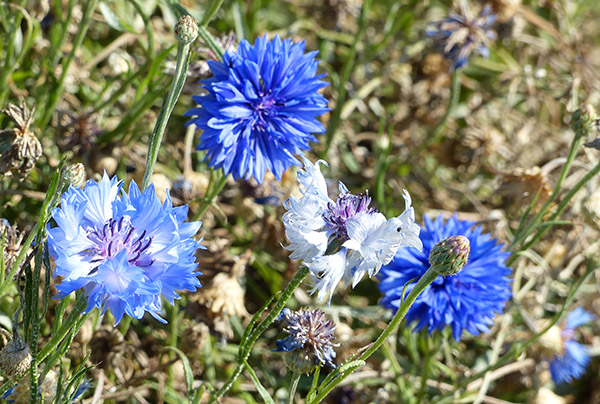
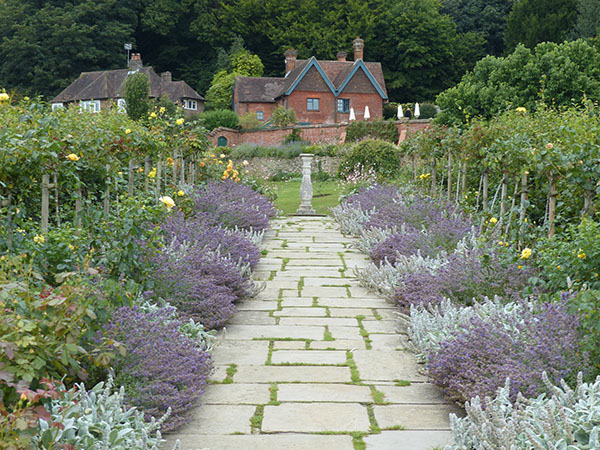
My favourite summer flower, the cornflower, was planted in the gardens at the bottom. This area is the vegetable gardens, and it was growing with artichokes, onions, beets, carrots, beans, sunflowers, corn, pumpkins, and zuchinni as well as beautiful flowers such as asters, cosmos, dahlia, and zinnia. These were bordered by lavender. There is also an orchard.

canons-ashby29.jpg

canons-ashby30.jpg

canons-ashby31.jpg

canons-ashby32.jpg

In 1899, Henry lost his wife and then spent his time gardening in these gardens. He cut his finger on a rose thorn, and the infection was the end of him. 

canons-ashby28.jpg

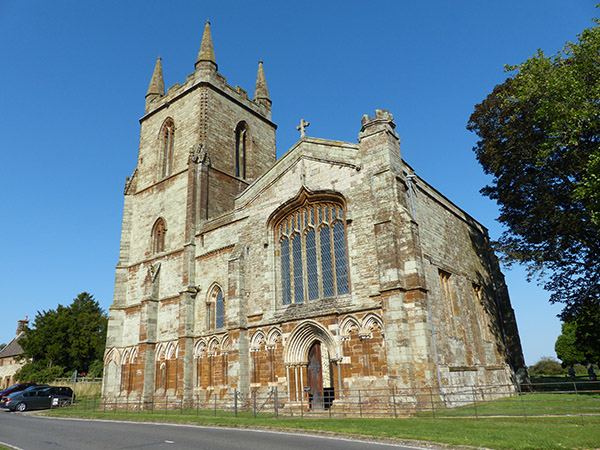
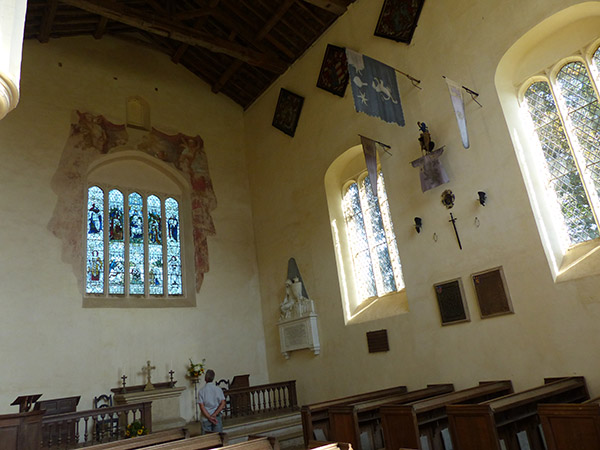
The priory church is a short walk away. It is all that remains of the Augustine monastary that was located here. It dates to the mid-1100s. The church, now called St. Mary's, was gifted to one of Henry VIII's friends after the monastaries were dissolved. A lot of the church was destroyed and made smaller; the original stone may have been used to build part of the house. It became the Dryden's place of worship and is one of the few privately-owned churches.

canons-ashby33.jpg

canons-ashby34.jpg

The little medieval village here, who would have used the church, met its fate with the Black Death as many of the villagers died. The rest were driven out by landlords.

I recommend a visit to Canon's Ashby, but I would probably state that it is better to visit during the summer months in order to take advantage of the beautiful gardens.

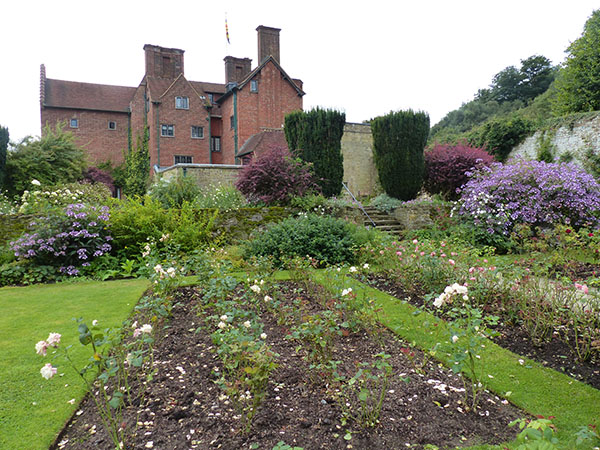
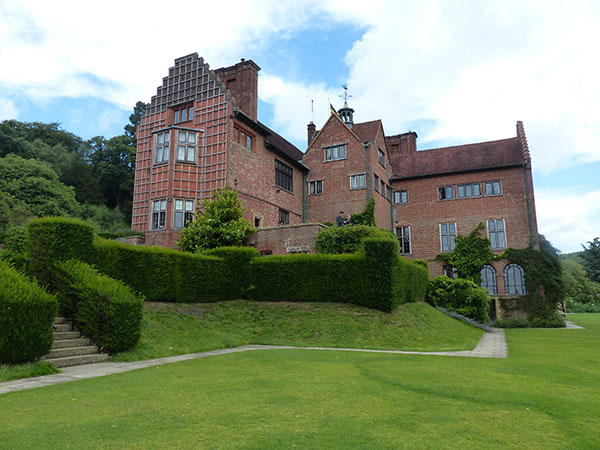
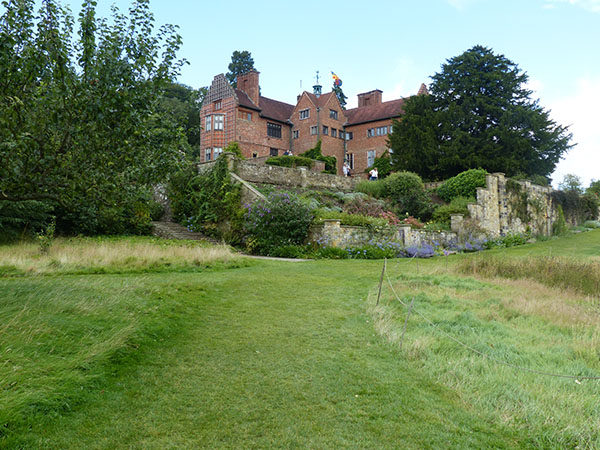
Chartwell is located in Kent, and it is famous for being the home of Winston Churchill, the Prime Minister of Britain during World War II. He lived in the house for fourty years until his death in 1965; after this time, the property became a part of the National Trust. Prior to Churchill owning Chartwell, the house/estate or parts of it date from the 1400s, and it was rumoured to have been visited by Henry VIII when he was courting Anne Boleyn, who lived nearby at Hever Castle. After this, it became a farmhouse in the 1700s and 1800s and was extended. Churchill saw the house in 1921, and he purchased it.

Chartwell

Churchill spent a lot of time at Chartwell and loved it. He painted, did work in the garden, composed speeches, and wrote books.

Chartwell

Churchill's friends ultimately sold Chartwell to the National Trust on condition that it was retained by the family, and the house was open to the public in 1966. It is one of the National Trust's most popular properties. It had been preserved to appear as it would have done in the 1920s-1930s. Unfortunately, many trees had suffered in a bad storm in the 1980s, so the gardens needed to have some repair work.

Chartwell

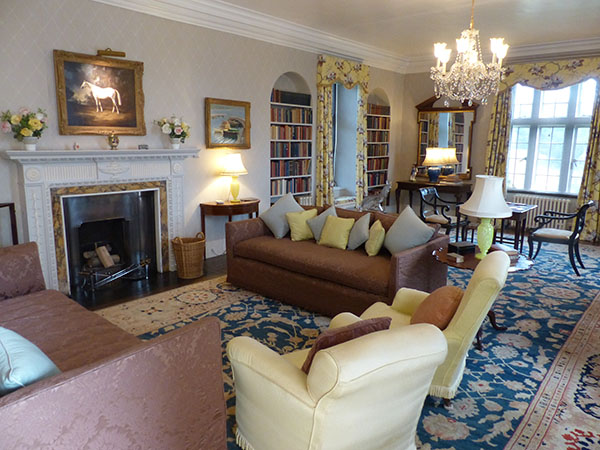
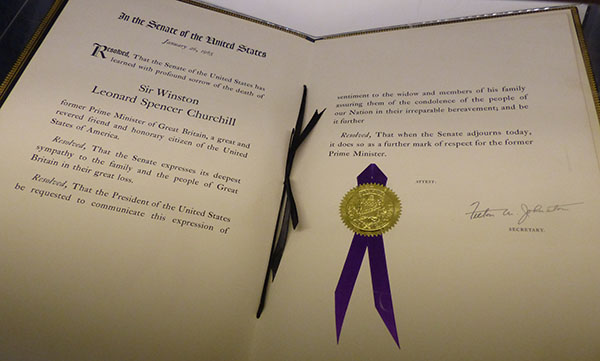
Today, the house contains personal items belonging to Churchill, including many paintings. A visitor's book is located in the hallway of all of the visitors who visited the house. In all, there were 780 guests, and signatures of celebrities and presidents and other politicians can be seen. Some of the items have been since bought by the National Trust with funds of 7.1 million for the honorary United States citizenship from John F. Kennedy and the Nobel Prize in Literature.

Chartwell

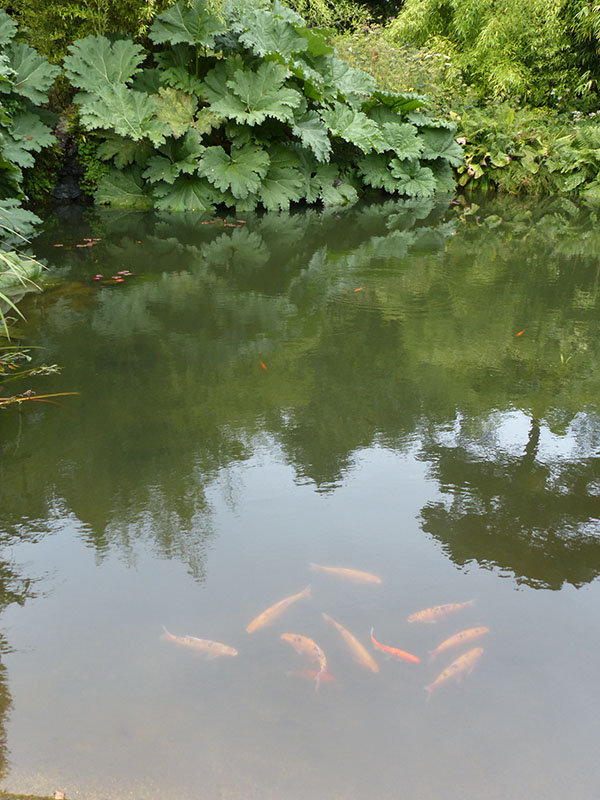
One of Churchill's pastimes in his later years was to sit by the pond and feed the goldfish. A photograph of the pond and some goldfish is above.

Chartwell

Chartwell

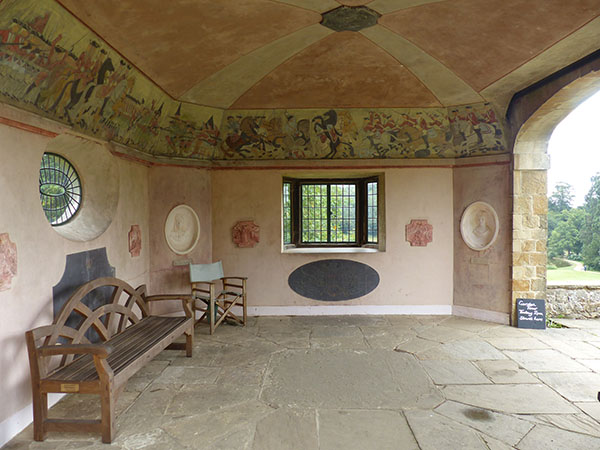
On the side of the garden is a little building.

Chartwell

Chartwell

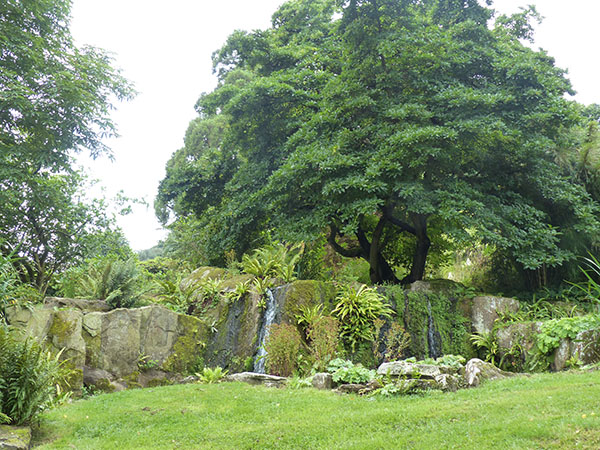
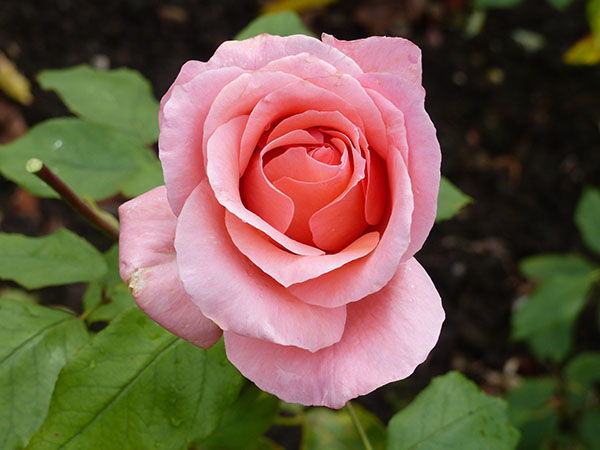
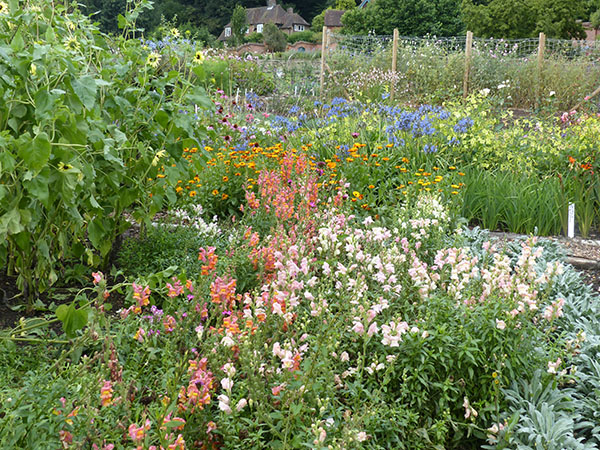
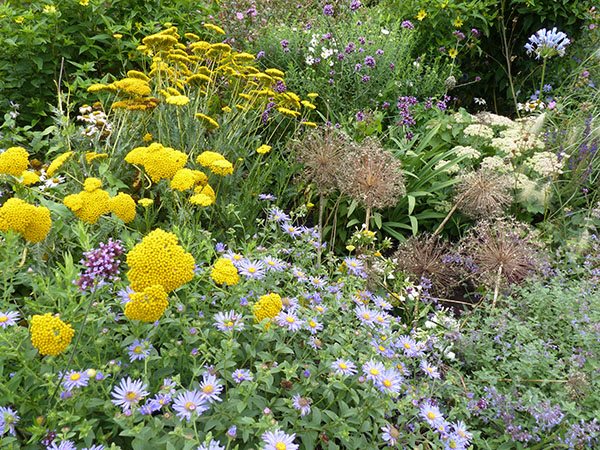
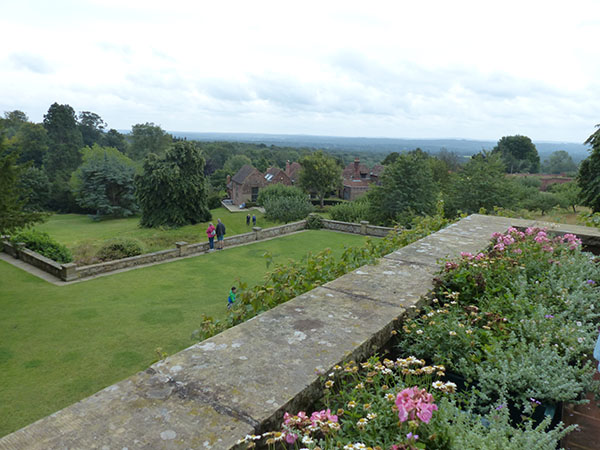
The gardens at Chartwell are beautiful. I visited them in mid-August, and they were at their peak then. There is a mixture of flowers and vegetables and the garden also contains a pen of chickens.

Chartwell

Chartwell

Chartwell

Chartwell

Chartwell

Chartwell

Chartwell

Chartwell

In additon to the beautiful gardens, I visited the house, which is a timed entry based on a first come basis. On popular days, there are not enough tickets for visitors to the house, so do arrive early to get a timeslot for the house.

Chartwell

Chartwell

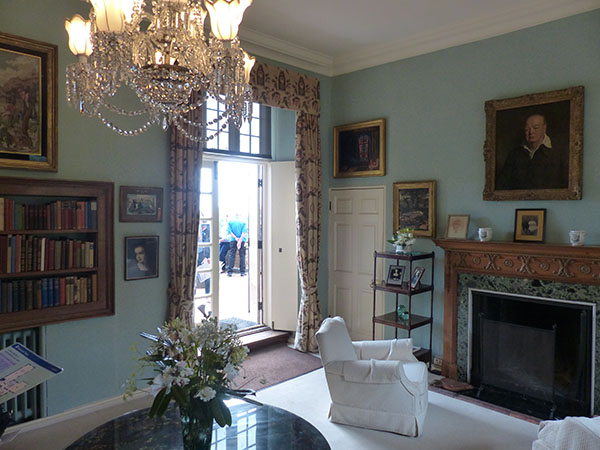
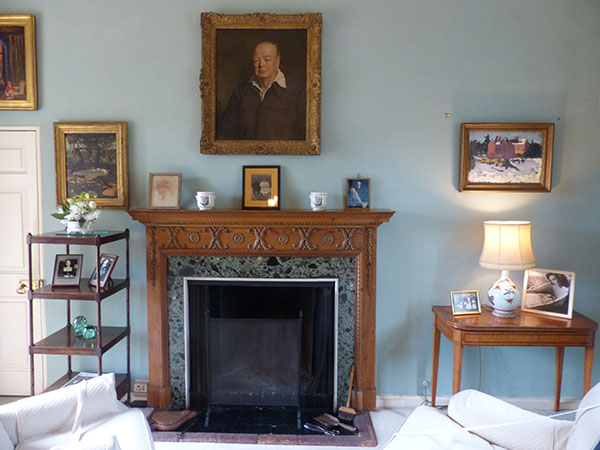
The room above and below has an outside balcony to view the garden from, and a couple of paintings from Churchill are located on either side of the fireplace.

Chartwell

The below room is the Drawing Room.

Chartwell

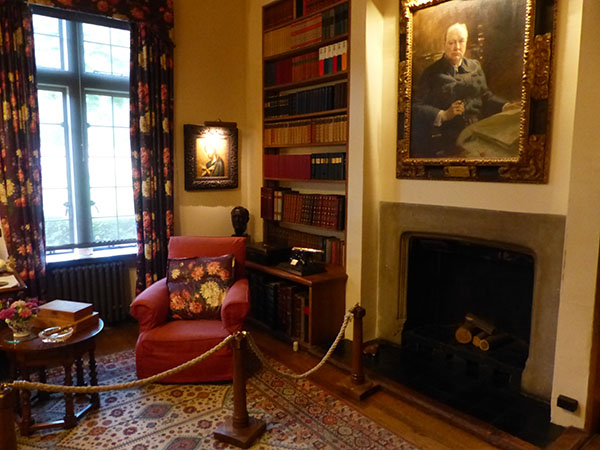
Below is Churchill's library.

Chartwell

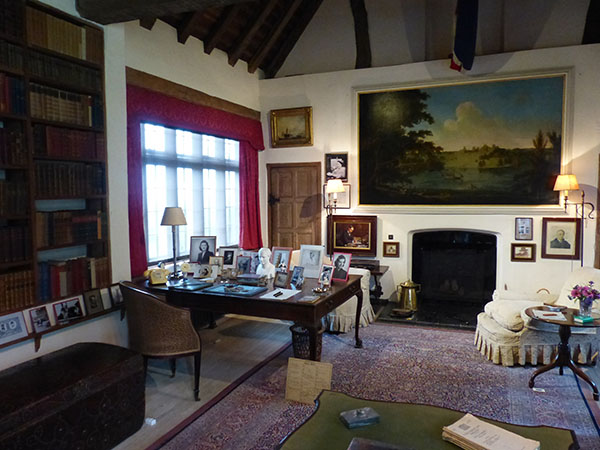
The below room belonged to Churchill's wife Clementine. There are photographs of their children on the desk, and the room has beautiful views. One of the children's photographs is the firstborn girl, Marigold, who died when she was very young.

Chartwell

Below is the honorary citizenship to the United States, which was granted by President Kennedy to Churchill.

Chartwell

Chartwell

The below room is the main dining room. Some of the rooms in the house have been transformed into a museum dedicated to Churchill and the different roles he played - writer, artist, father, politician, war hero, etc. There is also an area about Churchill's furneral.

Chartwell

Chartwell

Chartwell is worth a visit; in addition to learning about Winston Churchill, visitors can wander around the beautiful gardens and take a short walk around the lake.

  1 2 3 4 5 6 7 8 9 10 11 12 13 14 15 16 17 18 19 20 21 22 23 24 25 26 27 28 29 30 31 32 33 34 35 36 37 38 39 40 41 42 43 44 45 46 47 48 49 50 51 52 53 54 55 56 57 58 59 60 61 62 63 64 65 66 67 68 69 70 71 72 73 74 75 76 77 78 79 80 81 82 83 84 85 86 87 88 89 90 91 92 93 94 95 96 97 98 99 100 101 102 103 104 105 106 107 108  

Archives

Recent Comments

  • jenn: Thank you. read more
  • Murge: Amazing post. read more
  • Herbert: good post. site read more
  • Frank Quake: Hey, This is great when you said that I had read more
  • Chappy: You mention peptides here? I have had first hand experience read more
  • jenn: Thanks! I love the work. I have got more recent read more
  • Fanakapan: Thanks for the write up. This was some of my read more
  • jenn: Yes.... but that's only for the islands. Mostar and Montenegro read more
  • jenn: Hello, the code is not mine to hand out. I'll read more
  • pantich: More info about the best day trips from Dubrovnik can read more
OpenID accepted here Learn more about OpenID